Supplier sign in
Home
STAY INFORMED
Subscribe to our monthly newsletter.
Your email address will never be disclosed to any third party.
Read our privacy notice.


COMPANY PAGE

Login
Latest update: 23.06.2025
RHEWUM GmbH
TEL: +49 2191 5767-0
FAX: +49 2191 5767-111
Rosentalstr. 24
42899   Remscheid
Germany
Contact
+49 219 15 76 70
Contact
Company video
Allow (tracking) cookies from YouTube and Vimeo to watch videos
Company brochure
Company brochure
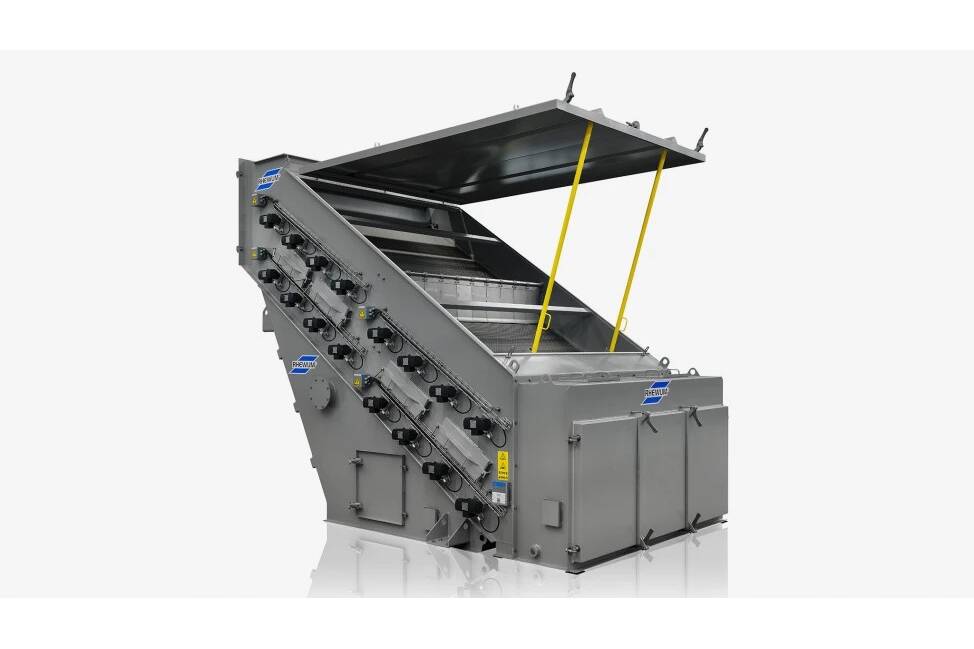
While others are just screening, we are seeing the big picture. Since its foundation RHEWUM has always been looking for the perfect solution. As the leading company in the field of industrial sieving technology we do not just provide screening machines, but the optimal separation of bulk materials that is perfectly tailored to your needs. We can achieve this through customized technology that offers unrivaled reliability with the highest service and product quality.
Applications for screening machines
Categories
Separation, sieving, filtering - Sieving, sieves - Control sieves
Separation, sieving, filtering - Sieving, sieves - Disc sieves
Separation, sieving, filtering - Sieving, sieves - Drum sieves
Separation, sieving, filtering - Sieving, sieves - Flat screens
Separation, sieving, filtering - Sieving, sieves - Rotary sieves
Show more
Categories
Separation, sieving, filtering - Sieving, sieves - Control sieves
Separation, sieving, filtering - Sieving, sieves - Disc sieves
Separation, sieving, filtering - Sieving, sieves - Drum sieves
Separation, sieving, filtering - Sieving, sieves - Flat screens
Separation, sieving, filtering - Sieving, sieves - Rotary sieves
Separation, sieving, filtering - Sieving, sieves - Shake sieves
Separation, sieving, filtering - Sieving, sieves - Vibratory sieves

Articles

Recovery of filter dust with Rhewum fine-cut screens Sustainable projects can be quickly implemented, e.g., with RHEWUM screenmachines, recovering valuable materials at high throughput rates.
Recovery of filter dust with Rhewum fine-cut screens
Sustainable projects can be quickly implemented, e.g., with RHEWUM screenmachines, recovering valuable materials at high throughput rates. 1. SUMMARY When discussing sustainability, most people immediately think of wind turbines, solar panels, and similar green technologies. However, truly sustainable and commercially viable projects can often be implemented quickly and easily within existing screening and grinding processes provided the right technology is in place. This article offers practical insights into this overlooked area. RHEWUM fine-cut screens, such as the RHEsono® or RHEsonox® models, enable highly precise protective screening even at substantial throughput rates. These systems can achieve separations as fine as 50 μm or 300 mesh, allowing for effective recovery of valuable materials that would otherwise be lost. In the following sections, we’ll demonstrate just how economically beneficial the recovery of filter dust can be, an opportunity many operations currently miss. 2. INTRODUCTION In efficient comminution systems, mills are usually operated in combination with screens. Rather
17.06.2025  |  4799x  | 

Posts

Sifting Machines for sugar refining: quality and sustainability  In sugar refining, quality and sustainability are key. The RHEsono screening machine excels in achieving high product purity and energy savings.
Sifting Machines for sugar refining: quality and sustainability
In sugar refining, quality and sustainability are key. The RHEsono screening machine excels in achieving high product purity and energy savings. INTRODUCTION In today’s sugar refining landscape, the demand for both high-quality output and sustainable practices is paramount. While the fundamental principles of sugar processing have remained consistent, the drive for enhanced efficiency and reduced environmental impact has become a focus on key areas, such as screening technology. This paper delves into the challenges and solutions associated with screening diverse sugar types, with a strong emphasis on eco-friendly screening machines that deliver superior efficiency, minimize energy consumption, and significantly lower operational costs. Recognizing that conventional screening processes, such as those used for initial washing or dewatering, are relatively straightforward, this paper focuses on the more intricate and energy-intensive screening stages involved in refining the final product. The absence of universal standards for sugar particle size distribution necessitates adaptable machinery capable of meeting
23.09.2025  |  1079x  |  Technical paper  |   | 
Silicosis Risk: Screeners vs. Air Sifters on Safety and Energy Silica dust is a persistent workplace hazard. This article compares sifters with modern screening; showing how direct-excited screens achieve superior separation, lower energy demand, and better dust control, despite higher upfront costs.
Silicosis Risk: Screeners vs. Air Sifters on Safety and Energy
Silica dust is a persistent workplace hazard. This article compares sifters with modern screening; showing how direct-excited screens achieve superior separation, lower energy demand, and better dust control, despite higher upfront costs. Why Direct‑Excited Screening Improves Safety and Energy Silicosis is a preventable occupational lung disease caused by inhaling respirable crystalline silica (quartz dust). The smallest particles can reach the alveoli, where they trigger inflammation and irreversible scarring. Sectors like cement, mining, stone, ceramics, glass, and foundries must keep respirable silica out of the air at the source—making the choice of separation technology pivotal for both safety and compliance. Sifters vs. Screening: The separation and energy trade‑offs Many lines still use sifters (air classifiers) to separate quartz‑bearing fines. While they are often cheaper to purchase, two operational drawbacks matter in silica‑sensitive applications: - Lower separation sharpness: Cut curves can broaden under variable load or moisture, allowing fine quartz to bypass into the coarse fraction or escape with process air—raising exposure risk and affecting product quality. -
09.09.2025  |  1560x  |  Insight  |   | 
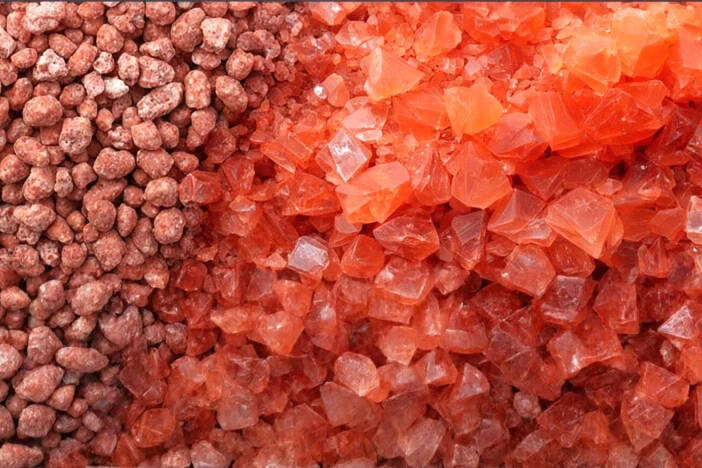
Overcoming Capacity Constraints in Potash Processing Case Study: Potash plants gain 20-30% capacity by fixing screening bottlenecks in compaction/granulation circuits. ROI typically under one year.
Overcoming Capacity Constraints in Potash Processing
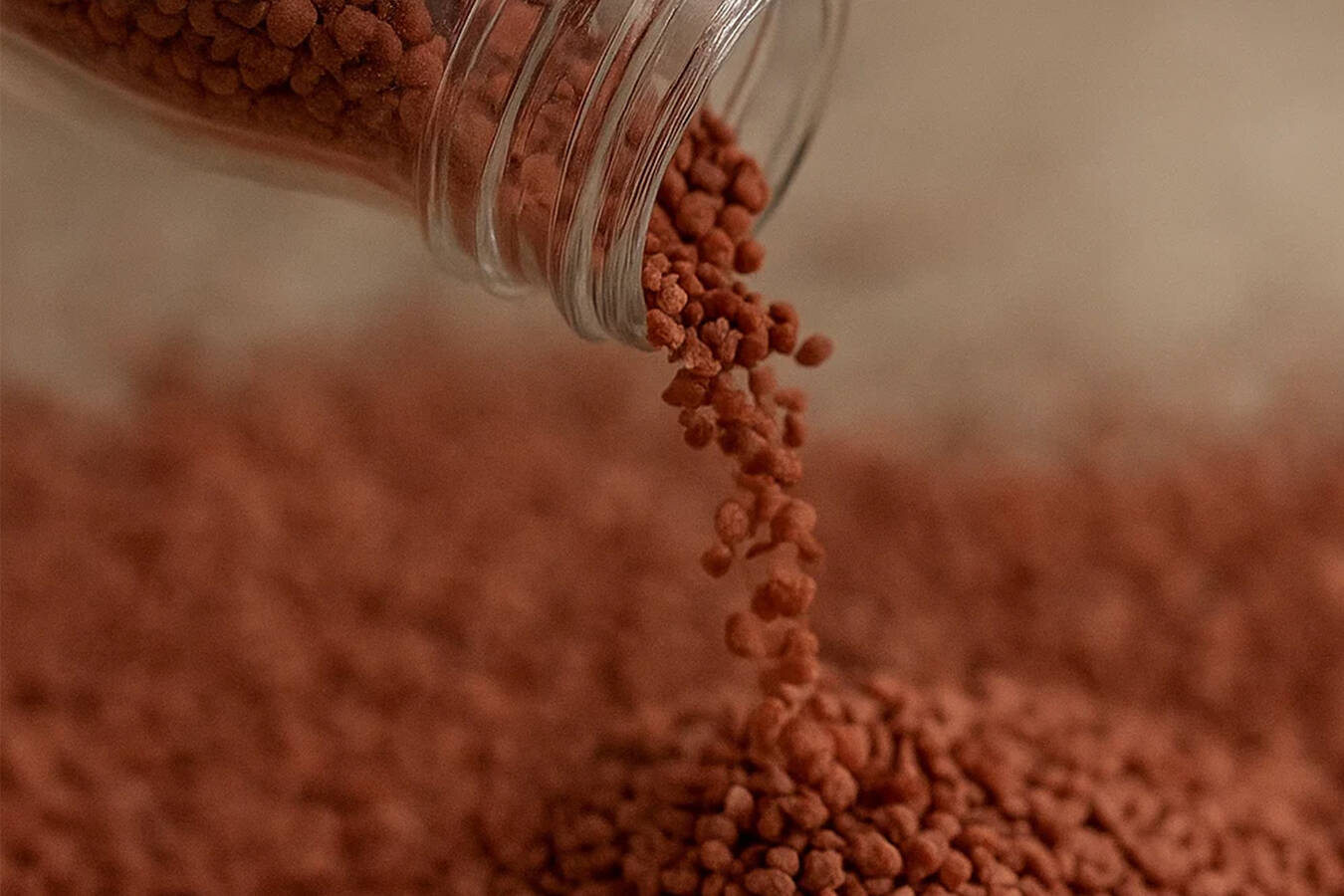
Case Study: Potash plants gain 20-30% capacity by fixing screening bottlenecks in compaction/granulation circuits. ROI typically under one year. Rising global potash demand, combined with geographically concentrated supply chains vulnerable to political disruption, has intensified the need for production optimization at existing facilities. Many operators discover that their primary capacity limitation lies not in major process equipment, but in screening operations within compaction and granulation circuits. Screening as the Primary Production Constraint Field analysis reveals that screening operations—particularly in compaction/granulation stages and final product classification—frequently constitute the primary throughput limitation in potash facilities. This constraint can be addressed through targeted interventions focusing on proper equipment sizing and material distribution optimization, rather than extensive facility reconstruction. Such projects typically achieve implementation within six-month timeframes while delivering production increases of 10–20%, with specialized configurations reaching
09.09.2025  |  1472x  |  Technical paper  |   | 
New Sustainability Manager supporting your ESG goals at Rhewum Sustainability drives business success today. Meet Maximilian Gerber – Rhewum’s new Sustainability Manager supporting your ESG goals.
New Sustainability Manager supporting your ESG goals at Rhewum
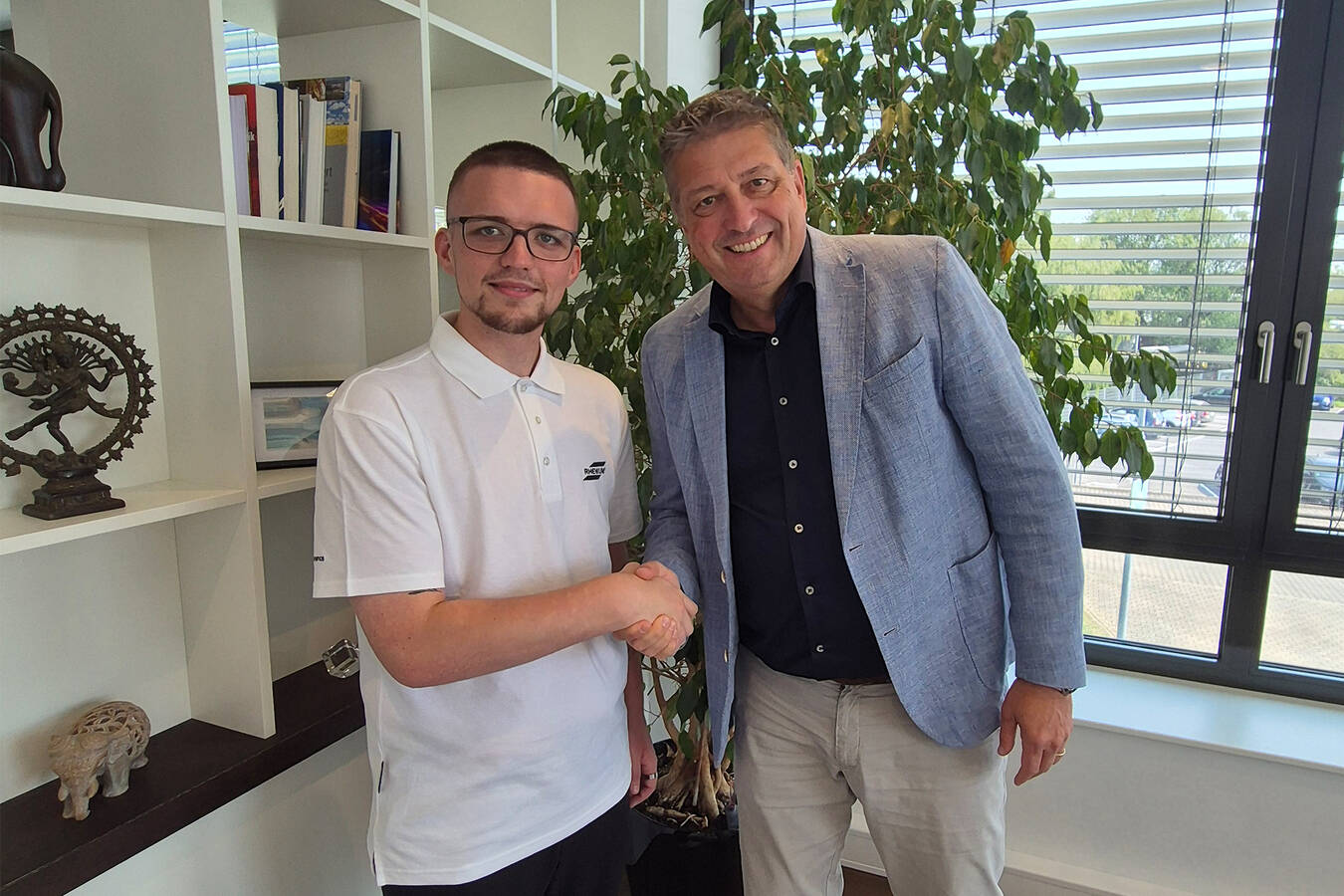
Sustainability drives business success today. Meet Maximilian Gerber – Rhewum’s new Sustainability Manager supporting your ESG goals. Meeting Your Evolving Business Needs Here’s the reality: your customers are asking tougher questions about sustainability, and procurement departments now routinely include ESG criteria in vendor evaluations. This creates an opportunity to partner with suppliers who can actually strengthen your sustainability profile rather than just meet minimum requirements. Having Maximilian dedicated to these topics means you get a strategic partner who understands how our sustainable practices can enhance your competitive position and help you exceed your own customers’ expectations. Maximilian’s story with RHEWUM began as an Industrial Management Assistant apprentice, which he completed in January 2024. What sets him apart isn’t just his fresh perspective, but his genuine enthusiasm for creating meaningful environmental change in industrial manufacturing. As part of a generation that has grown up with climate change as a defining challenge, Maximilian brings the
15.08.2025  |  942x  |  Press release  | 
High-Capacity Industrial Potash Fertilizer Screening Take a closer look at our high-capacity screener designed to deliver consistent, efficient results in industrial potash fertilizer processing.
High-Capacity Industrial Potash Fertilizer Screening
Take a closer look at our high-capacity screener designed to deliver consistent, efficient results in industrial potash fertilizer processing. In large-scale potash fertilizer production, the ability to process massive volumes while maintaining precise separation is essential for operational efficiency and product quality. At RHEWUM, we understand the challenges our customers face in sieving potash and potassium salts, especially when it comes to handling large volumes, variable feed rates, and demanding process conditions. That’s why we’re proud to present a closer look at one of our current projects: two RHEduo® high-capacity industrial screeners engineered to meet the needs of modern potash processing plants. Key project data: - Designed for Maximum Throughput in Demanding Potash Applications - Screening Area: 23.40 m² per screen deck (per machine), providing a combined screening area that maximizes throughput and efficiency - Width: 2 x 1,950 mm - Length: 6,000 mm (divided into 2 x 3,000 mm sections) - Combined Throughput: 360 t/h - Triple-deck configuration: Each RHEduo® features three
17.07.2025  |  2737x  |  Product news  |   | 
Dust Recovery with Fine Screening Technology Dust is a resource. With RHEWUM® fine screening technology, valuable products can be recovered from dust, energy can be saved, and processes can be made more sustainable. Discover how we go about this
Dust Recovery with Fine Screening Technology
Dust is a resource. With RHEWUM® fine screening technology, valuable products can be recovered from dust, energy can be saved, and processes can be made more sustainable. Discover how we go about this Fine Screening Technology For Sustainable Dust Recovery and Resource Efficiency; When it comes to sustainability, many first think of wind turbines or solar energy. But even in existing screening and grinding processes, sustainable and economically beneficial changes can be implemented quickly and easily. RHEWUM fine screening technology – particularly through the RHEsono® and RHEsonox® systems – enables the recovery of valuable products from filter dusts with separations down to 50 µm or 300 mesh. Filter Dust Recovery Focusing on Energy Savings and Sustainability; In comminution technology, mills and screening machines work closely together. Screening machines retain only particles that exceed the defined maximum grain size. This process consumes between two and twenty kilowatt-hours of electricity per ton of material. Additionally, drying – for example, from 10% to below 2% residual moisture – requires about 48 kWh per ton. In total, this results in
20.06.2025  |  2252x  |  Product news  | 
Show more (119)
PORTALS
BulkSolids-Portal Schuettgut-Portal Recycling-Portal
Related
Bulkgids.nl
SIGN UP FOR OUR NEWSLETTER
Newsletter archive
Service and contact
ContactDisclaimerPrivacyAdvertising
FOLLOW US
Linked