Supplier sign in
Home
STAY INFORMED
Subscribe to our monthly newsletter.
Your email address will never be disclosed to any third party.
Read our privacy notice.


Product news
17.04.2025  |  2989x
Share this item

FGD gypsum recycling: securing future supply

With coal plants being phased out the construction industry faces a gypsum supply challenge. Recycling becomes a crucial alternative.
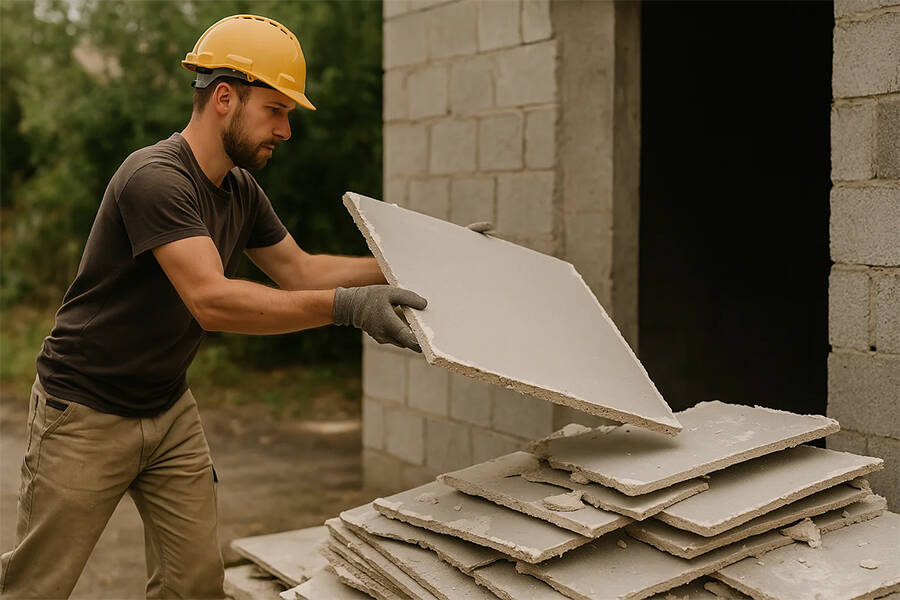
The global shift away from coal-fired power plants has significantly impacted the availability of Flue Gas Desulfurization (FGD) gypsum, a byproduct of these plants. With coal plants being phased out, particularly in countries like Germany where a complete shutdown is expected by 2038, the construction industry faces a gypsum supply challenge. Currently, more than half of Germany’s gypsum demand, approximately four million tons annually, is met through FGD gypsum. As natural gypsum sources are limited, recycling becomes a crucial alternative, with an estimated three to four million tons of gypsum waste available for recovery. Globally, FGD gypsum production is projected to peak around 2030, declining thereafter, especially in Europe, Japan, and potentially the USA. This shift presents both challenges, such as rising gypsum costs due to reduced FGD output, and opportunities, including a growing recycled gypsum market projected to reach $3.21 billion by 2030.

Recycling with advanced screening techniques

Recycling FGD gypsum involves several key steps. Initially, gypsum waste is collected and sorted to remove impurities. The material is then crushed and screened to achieve the desired particle size. Screening, in particular, plays a vital role in ensuring the purity and quality of the recycled gypsum. Advanced screening technologies, such as those offered by RHEWUM, are essential in this process.
Gypsum recycling faces challenges due to the material’s unique properties, including its tendency to clump and fine particle size, as well as its mixture with other construction materials. These factors necessitate high-precision screening technology to achieve the required purity. RHEWUM’s screening machines with direct screen excitation by powerful electromagnets, such as RHEsono® and RHEsonox®, are specifically designed to address these issues. They employ high-force accelerations directly at the product and are equipped with automatic cleaning mechanisms to prevent product build-up and mesh clogging, thereby enhancing efficiency and reducing maintenance needs. Another advantage of direct screen excitation is the stationary machine housing. This design allows for tightly sealed flange connections and dust extraction systems, resulting in superior dust control and a significantly cleaner operating environment.
Investing in sophisticated screening technologies offers significant benefits, including improved separation efficiency and reduced operational costs, making the gypsum recycling process more economically viable and attractive for producers.

Our Screening Solutions

As the construction industry navigates the challenges of reduced FGD gypsum supply, embracing advanced recycling technologies is imperative. With over 100 machines built for gypsum processing, RHEWUM has the expertise to optimize your recycling operation. Manufacturers and recyclers are encouraged to invest in advanced screening solutions to enhance their recycling capabilities and ensure a sustainable supply of high-quality gypsum. Explore the potential of RHEWUM’s innovative screening technologies to boost your gypsum recycling processes today. Contact us to learn more about integrating these cutting-edge technologies into your production line.


Company information

More items

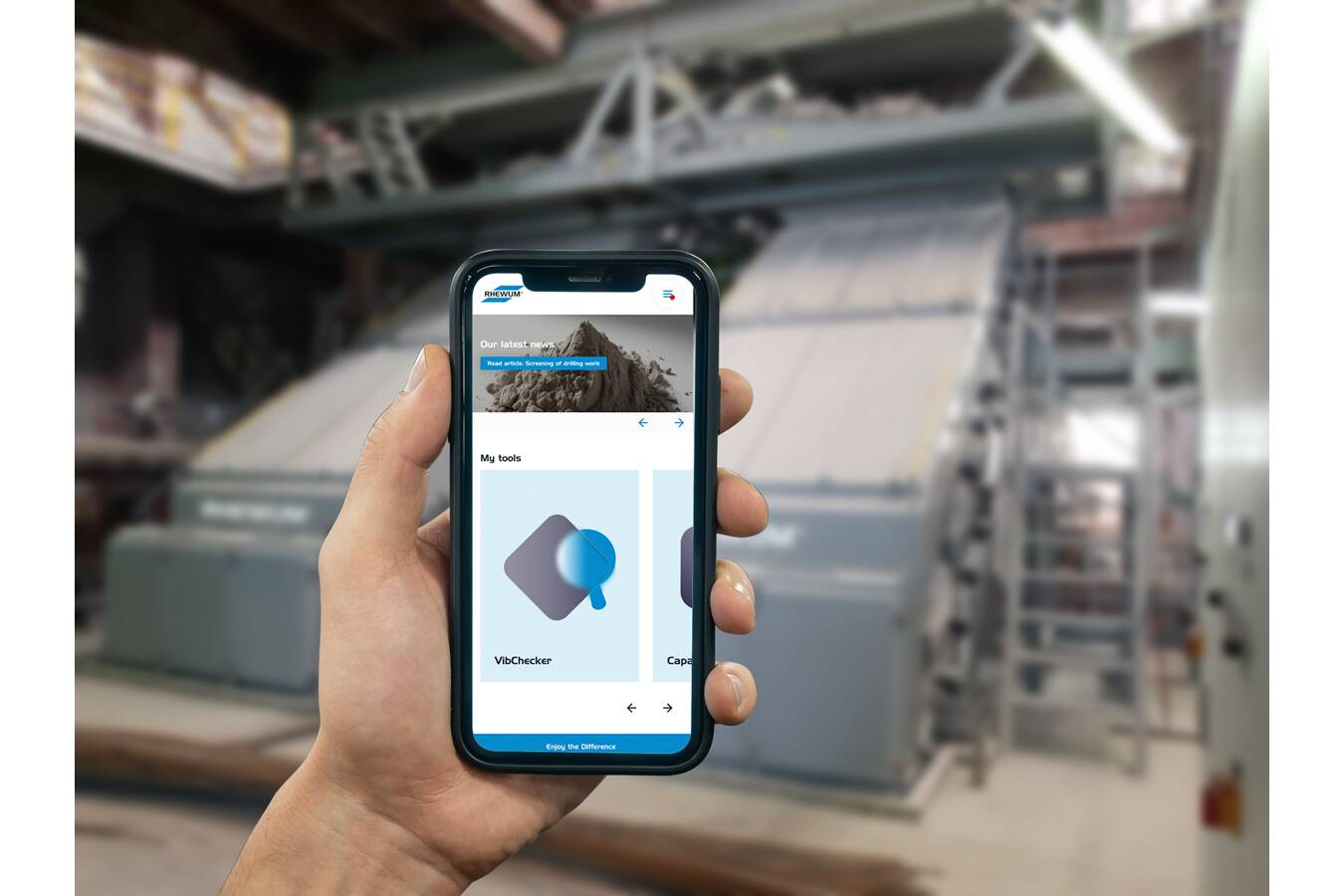
Powerful RHEWUM-tool for operators of Screening Machines The RHEWUM ScreenSpector app optimizes screening machine monitoring with tools like MeshConverter and VibSonic, available for iOS and Android.
Powerful RHEWUM-tool for operators of Screening Machines
The RHEWUM ScreenSpector app optimizes screening machine monitoring with tools like MeshConverter and VibSonic, available for iOS and Android. The RHEWUM app, known as ”RHEWUM ScreenSpector,” provides users of RHEWUM screening machines with tools for optimal utilization. Available for iOS and Android, it supports the operation and monitoring of screening machines with several key features: MeshConverter The MeshConverter simplifies the conversion of mesh sizes. It converts between DIN millimeters, inches, ASTM, and Tyler mesh units and offers advanced functions for calculating separation sizes for inclined screens. Users can input mesh sizes and angles to determine separation sizes in inches or millimeters. The tool supports calculations with any two values, making it a comprehensive solution for various screening scenarios. Additionally, the inclination angle (0°-45°) can be automatically determined using the smartphone’s sensors. VibSonic VibSonic transforms your smartphone into a powerful sound measurement device that measures sound levels across various frequencies. It calculates a mean
10.04.2025  |  1680x  |  Product description  |   | 
Boost Bentonite Production Efficiency with Precision Screening Machine Screening plays a crucial role in optimizing its functionality by controlling particle size to match the needs of specific applications.
Boost Bentonite Production Efficiency with Precision Screening Machine
Screening plays a crucial role in optimizing its functionality by controlling particle size to match the needs of specific applications. Bentonite, a versatile clay mineral valued for its absorbent and swelling properties, is essential across diverse industries. From drilling fluids to cosmetics, bentonite’s unique characteristics make it invaluable, yet challenging to process efficiently. Here’s an overview of bentonite’s applications and the specialized screening techniques that address processing challenges. Key Applications of Bentonite - Drilling Fluids: Bentonite is used in drilling for oil, gas, and water due to its ability to stabilize borehole walls, cool drill bits, and suspend cuttings. Fine particles (75-150 microns/ 100-200 mesh) are crucial here, as they prevent clogging and create a stable slurry. - Foundry Sand Binder: In casting molds, coarser bentonite particles (150-250 microns/ 60-100 mesh) ensure structural integrity and prevent excessive dust, helping molds retain their shape during metal casting. - Iron Ore Pelletization: Fine, uniform particles (45-150 microns/ 100-325
03.02.2025  |  1957x  |  Product description  | 
Revolutionizing High-Precision Screening: RHElite Announcing the launch of our latest innovation, the RHElite high-precision screen, a groundbreaking solution designed for the most demanding industrial applications.
Revolutionizing High-Precision Screening: RHElite
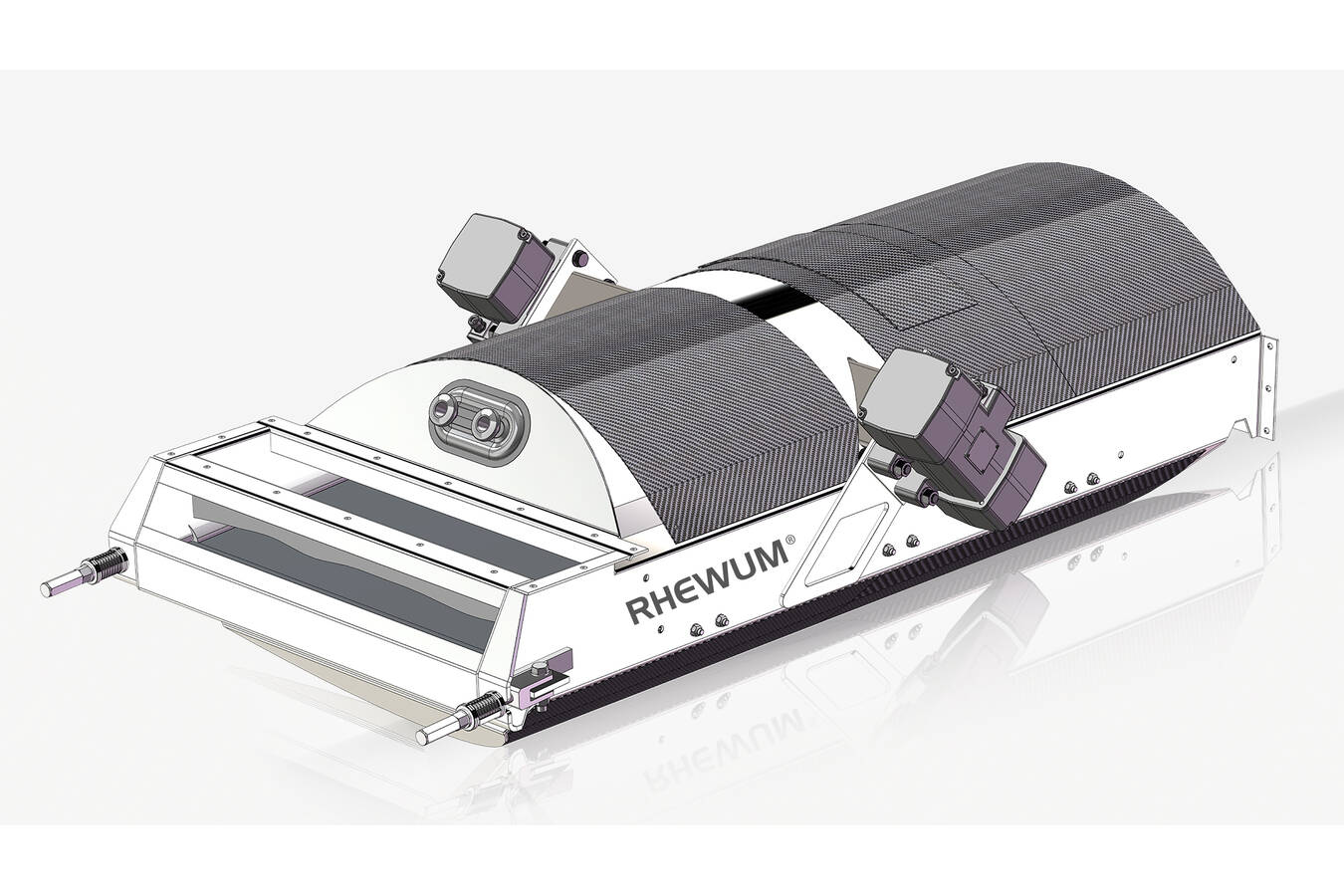
Announcing the launch of our latest innovation, the RHElite high-precision screen, a groundbreaking solution designed for the most demanding industrial applications. Engineered with a perfect blend of steel and Carbon Fiber Reinforced Polymer (CFRP), the RHElite sets new standards in the screening of finest high-end products. How is it possible to build such a machine? Due to the anisotropic behavior of certain types of GFK (glass-fiber-reinforced plastic), where mechanical properties such as strength and stiffness vary depending on the direction, the machine can be specifically optimized for certain load directions. This allows for more efficient and targeted use of materials. Optimized for Unmatched Precision Screening The RHElite is engineered to perform with unparalleled precision, making it the top choice for the screening of the finest high-end products. Its advanced technology ensures sharper separation of fine particles, significantly enhancing the quality of your output. The sophisticated design and superior performance of the RHElite outpace traditional models, offering a more energy-efficient solution that meets
12.06.2024  |  2771x  |  Product news  | 
Building materials - sieving with finest separations Calcium carbonate is a material that originated from the remains of single-celled sea creatures over millions of years of Earth’s history.
Building materials - sieving with finest separations
Calcium carbonate is a material that originated from the remains of single-celled sea creatures over millions of years of Earth’s history. Today, it is the basis for a range of commonly used building materials, including limestone and dolomite. Finest separations up to 0.1 mm A British customer discussed with RHEWUM ways to renew an aging installation for processing calcium carbonate. Several existing sieving machines and sifters were to be replaced. Fine separations up to 0.1 mm were performed. Setting vibration during operation Machines with direct excitation of the screen fabrics were planned as the machine type. Drives for the decks on which coarser separations were to be performed were unbalanced motors. The decks for fine separations were equipped with oscillating heads that allow the vibration to be changed during operation via thyristor controllers. The machine types of choice were then RHEsono, RHEmoto and RHEfino as a combination of both types. For the task of feeding the material onto the machines, RHEside feeders with lateral feeding were used. Customer requirements were met With
11.09.2023  |  2939x  |  Product description  | 
PORTALS
BulkSolids-Portal Schuettgut-Portal Recycling-Portal
Related
Bulkgids.nl
SIGN UP FOR OUR NEWSLETTER
Newsletter archive
Service and contact
ContactDisclaimerPrivacyAdvertising
FOLLOW US
Linked