Reducing Energy Consumption Through Modern Screening Technologies
Modern screening tech reduces energy use, aligns with ESG goals, and boosts efficiency in production.
SCREENING SMARTER: THINK BEYOND THE INITIAL PRICE TAG
When evaluating screening machines, it’s essential to consider the long-term operating expenses not only the initial investment costs but. These include inevitable maintenance and the often significant, yet sometimes overlooked, energy consumption of the chosen machine type. Furthermore, in today’s and tomorrow’s business environment, a comprehensive evaluation must also encompass crucial sustainability metrics, such as environmental impact, social responsibility, and corporate governance (ESG) factors. These considerations are increasingly influencing purchasing decisions while impacting long-term profitability.
Raising or at least fluctuating energy costs become a significant concern for businesses. While the initial decline in electricity prices following market liberalization has reversed, the focus has broadened beyond simply the price of electricity. The transition to renewable energy sources, while critical for long-term sustainability, presents its own set of cost implications. Furthermore, the extraction and use of fossil fuels are under increasing scrutiny due to their environmental impact. Therefore, plant operators must consider a holistic approach to energy management, encompassing both cost and environmental responsibility. This is particularly relevant for capital goods like screening machines, which are typically operated over several decades. Consequently, good investment decisions should account for long-term operating costs, energy efficiency, and alignment with broader sustainability goals.
HOW HAVE ENERGY COSTS AND ESG CONCERNS EVOLVED?
The landscape of energy costs has become increasingly complex. While electricity prices have generally risen, the picture varies significantly across regions and is influenced by factors such as regulatory policies, fuel mix, and technological advancements. In North America, for example, the average price of electricity for industrial users has seen fluctuations but a general upward trend. In Europe, the push for renewable energy and carbon reduction targets has added further complexity to energy pricing.
According to the U.S. Energy Information Administration (EIA), the average retail price of electricity for industrial users in the United States is expected to reach 7.51 cents per kilowatt-hour in 2024, representing a 10.1% increase from 2022 levels.
In Europe, the situation is even more challenging, driven by the ongoing energy crisis, supply disruptions, and the region’s ambitious decarbonization goals. According to the European Commission’s projections, the average industrial electricity price in the European Union (EU) is anticipated to reach 22.8 cents per kilowatt-hour in 2024, a staggering 17.5% increase from 2022 levels. Notably, countries like Germany and Denmark are expected to witness industrial electricity prices surpassing 30 cents per kilowatt-hour, posing significant challenges for energy-intensive industries and potentially impacting their global competitiveness.
These serious projections underscore the urgency for industrial players to accelerate their efforts towards energy efficiency, explore alternative energy sources, and advocate for policies that support a sustainable and cost-effective energy transition, ensuring long-term operational viability and competitiveness in an increasingly complex energy landscape.
Beyond the direct cost of energy, ESG considerations have become paramount. Investors, customers, and stakeholders are increasingly demanding transparency and accountability regarding environmental impact, social responsibility, and ethical governance. This translates into a growing preference for suppliers who demonstrate a commitment to sustainable practices throughout their operations, including the equipment they manufacture and utilize.
ENERGY-EFFICIENT FERTILIZER PRODUCTION: A BUSINESS ADVANTAGE?
In the context of fertilizer production facilities, investing in energy-efficient systems is not only a strategic move towards sustainability but also a significant business advantage. As stakeholders increasingly emphasize Environmental, Social, and Governance (ESG) criteria, companies are under pressure to demonstrate their commitment to sustainable practices. This paragraph explores the multifaceted benefits of adopting energy-efficient technologies in the fertilizer industry, highlighting the alignment with ESG expectations, cost reductions, brand enhancement, and long-term resilience.
The Role of Energy Efficiency in Fertilizer Production
The fertilizer industry is a substantial energy consumer, with ammonia production accounting for a significant portion (87%) of this consumption. This reliance on energy translates into a considerable contribution to greenhouse gas (GHG) emissions. However, adopting Best Available Technologies (BAT) offers a pathway to drastically reduce energy consumption and emissions. Modern plants utilizing BAT can achieve a 30% reduction in energy use per ton of ammonia produced compared to older facilities. This translates directly into lower operating costs and a smaller carbon footprint, aligning with growing stakeholder expectations and potential regulatory requirements.
Financial and Operational Benefits
By optimizing energy use, companies will significantly cut operational costs, which is a direct long term financial benefit. This cost-saving potential is particularly relevant in energy-intensive industries like fertilizer production, where energy constitutes a substantial portion of operational expenses. Energy-efficient systems play a crucial role in reducing the carbon footprint of production processes, aligning with the environmental aspect of ESG criteria. For instance, initiatives like the ENERGY STAR program offer further support and resources for improving energy performance within the fertilizer sector.
Enhancing Brand Image and Stakeholder Relationships
Adopting energy-efficient technologies can enhance a company’s brand image and strengthen stakeholder relationships. As awareness of sustainability grows, consumers and investors are increasingly favoring companies that prioritize environmental responsibility. This shift in consumer preference can provide a competitive edge, making products from sustainable companies more attractive in the marketplace. Furthermore, embracing energy efficiency strengthens a company’s ESG profile, enhancing its reputation and attracting investors who prioritize sustainable practices.
Long-term Business Resilience
Energy efficiency contributes to long-term business resilience. By reducing dependency on non-renewable energy sources, companies can mitigate risks associated with energy price volatility and regulatory changes related to carbon emissions. This proactive approach not only addresses current ESG pressures but also positions companies to capitalize on emerging opportunities in the green economy.
COMPARISON OF DIFFERENT TYPES OF SCREENING MACHINES
Having established the growing importance of ESG factors, which extend beyond immediate energy costs, it is now essential to delve into the specifics of energy-efficient screening technologies. As investors, customers, and stakeholders prioritize suppliers committed to sustainable practices, the energy performance of screening equipment becomes a key differentiator. The following section will explore various screening machine types and evaluate their respective energy efficiencies, providing a practical framework for decision-making in line with ESG principles.
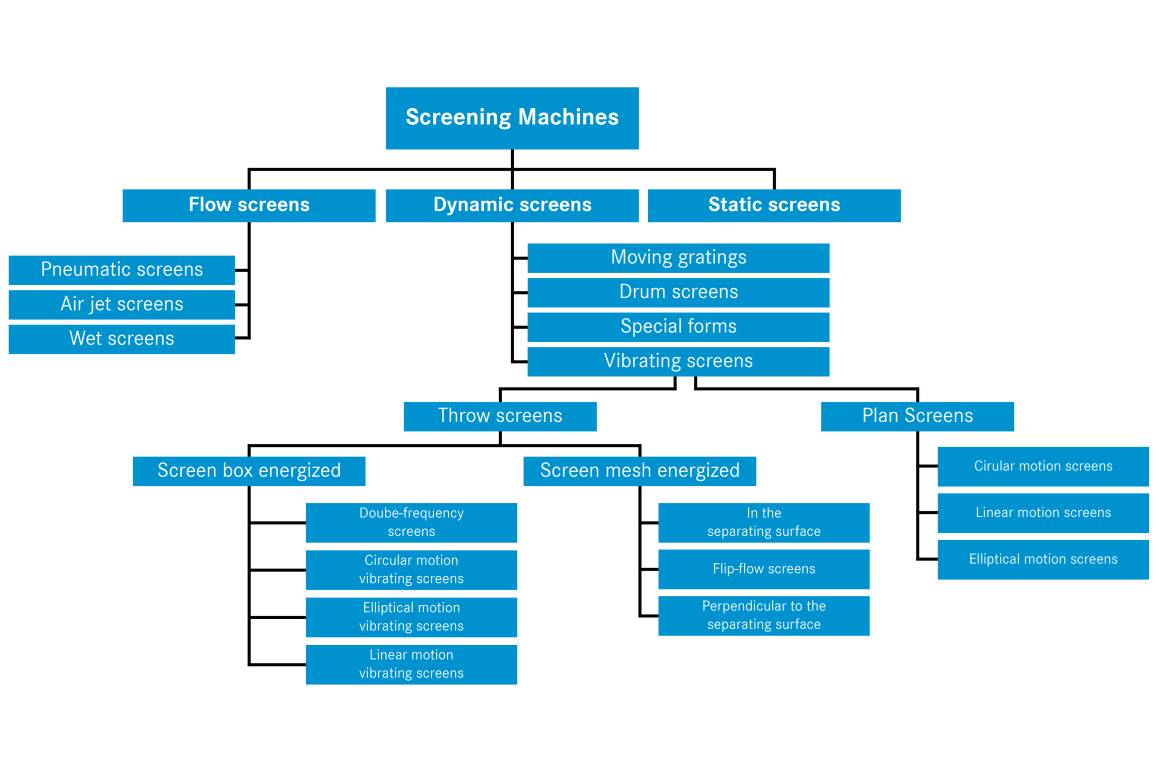
Figure 1: Classification of screening machines
To compare screen efficiency, screening machines with a vibrating base body—such as linear vibrating screens, double frequency screens, flat screens with circular thrust movements, and elliptical vibrators (collectively referred to as indirectly driven screening machines)—are compared with directly excited screening machines, where only the screen mesh vibrates.
When separating bulk materials, system-related losses must always be overcome when generating vibrations:
1. Vibration damping due to feed material through friction
2. Vibration damping by screen cloth material (e.g. polyurethane)
3. Vibration damping of the housing (springs, rubber spring elements, etc.)
4. Efficiency of the drive system (minimization of system-related losses, ≈ 2 - 10 %)
a. Losses through potential gear use
b. Loss through V-belt drive (max. 10 %)
c. Drive losses of the electric drive (unavoidable)
5. Losses due to inadequate utilization of the screen cloth surfaces (without a proper feeder)
The decisive factor for positive energy efficiency is the mass ratio between the feed quantity and the vibrating mass of the screening machine, in addition to the efficiency of the drive. The energy efficiency of a screening machine can be determined as a first approximation by dividing the feed quantity by the installed power:
(Feed Rate (t/h))/(Installed Capacity (kW) ) = Screening Efficiency (t/h x kW)
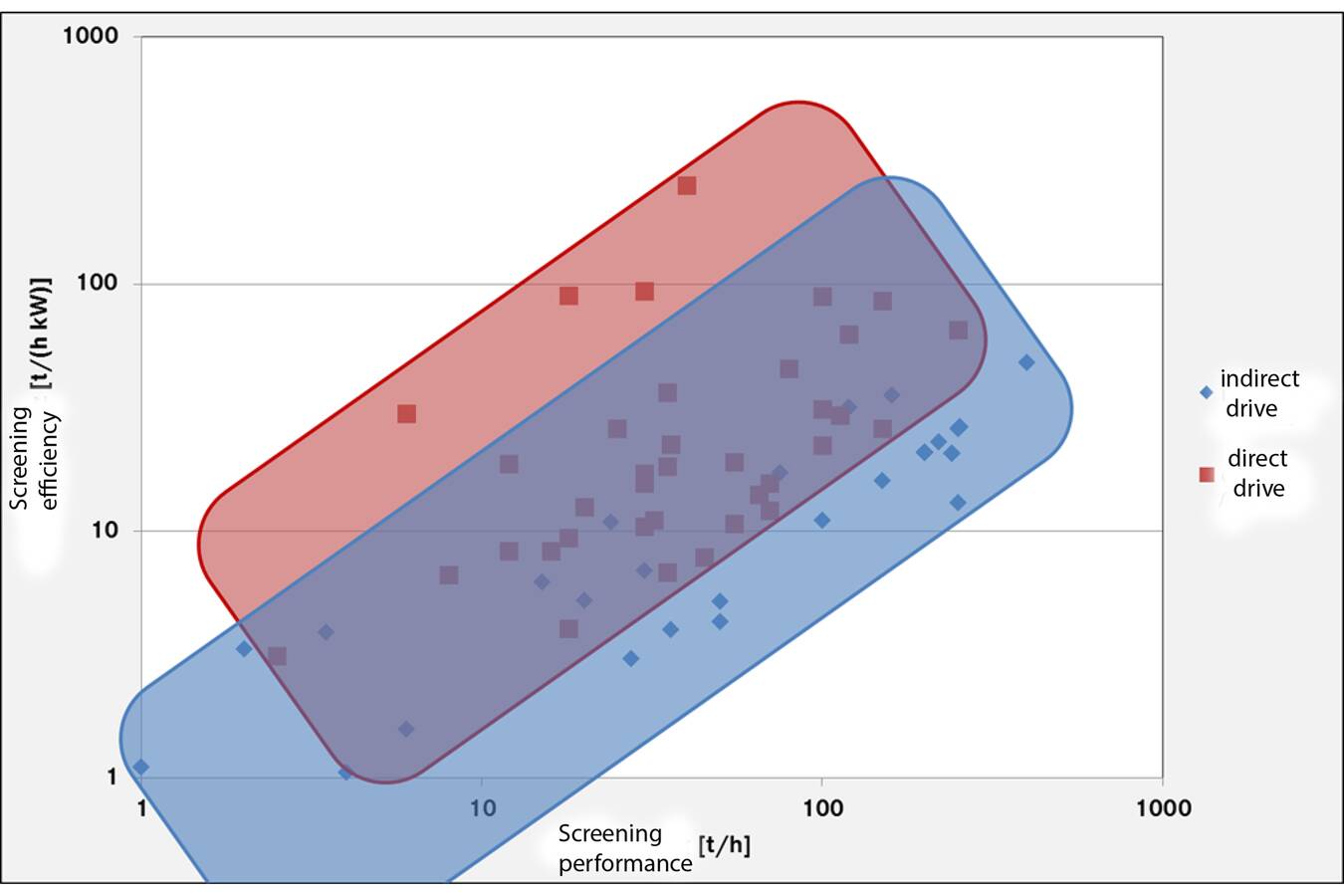
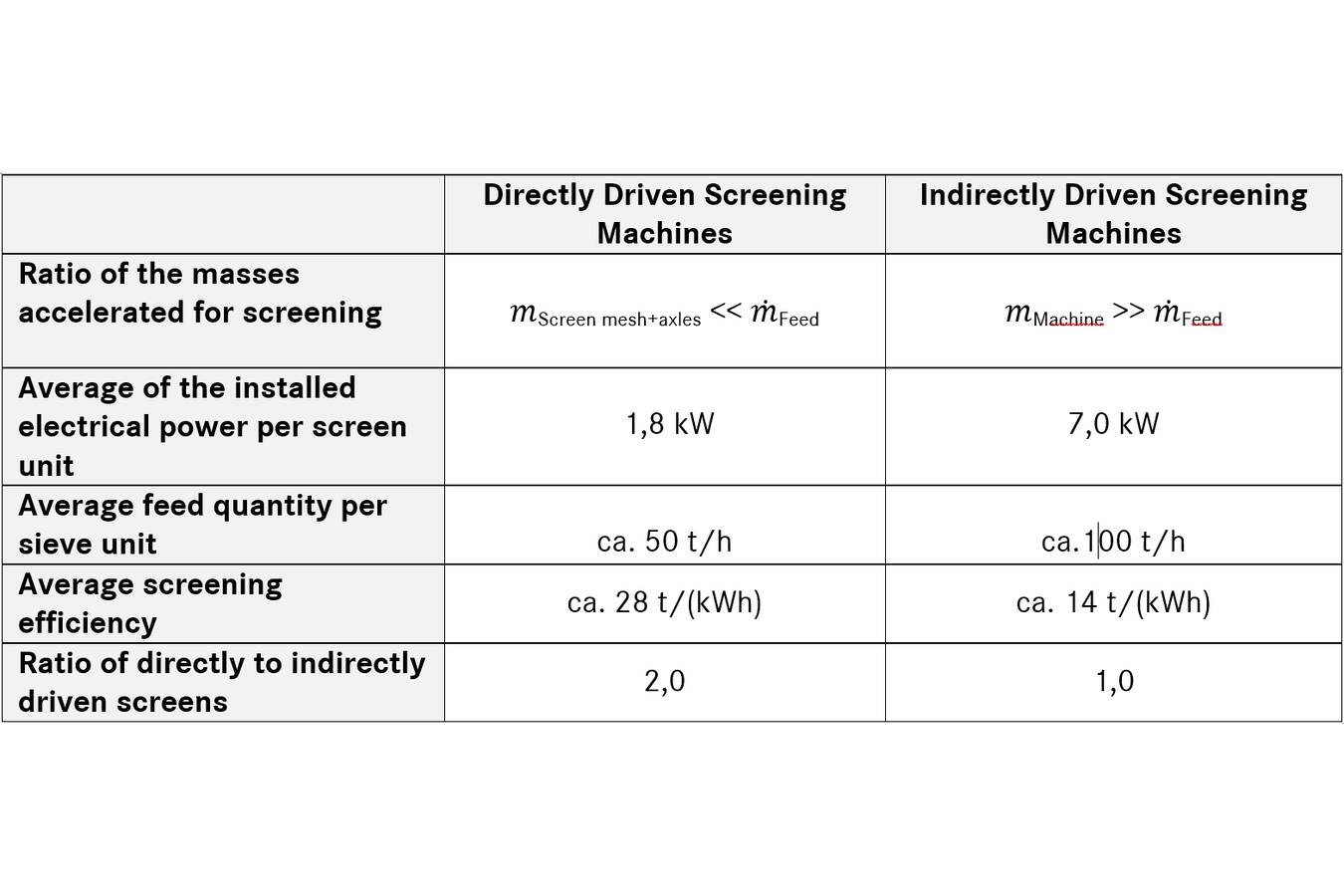
An evaluation of RHEWUM screens already supplied, grouped according to drive type, can be found in Table 1. Figs. 2a and 2b show common designs of the respective type.
Table 1 Screening Machine Efficiency Comparison
In simplified terms, it can be assumed that a directly excited screening machine generates only 50 % of the energy costs of an indirectly (conventionally) driven screening machine.
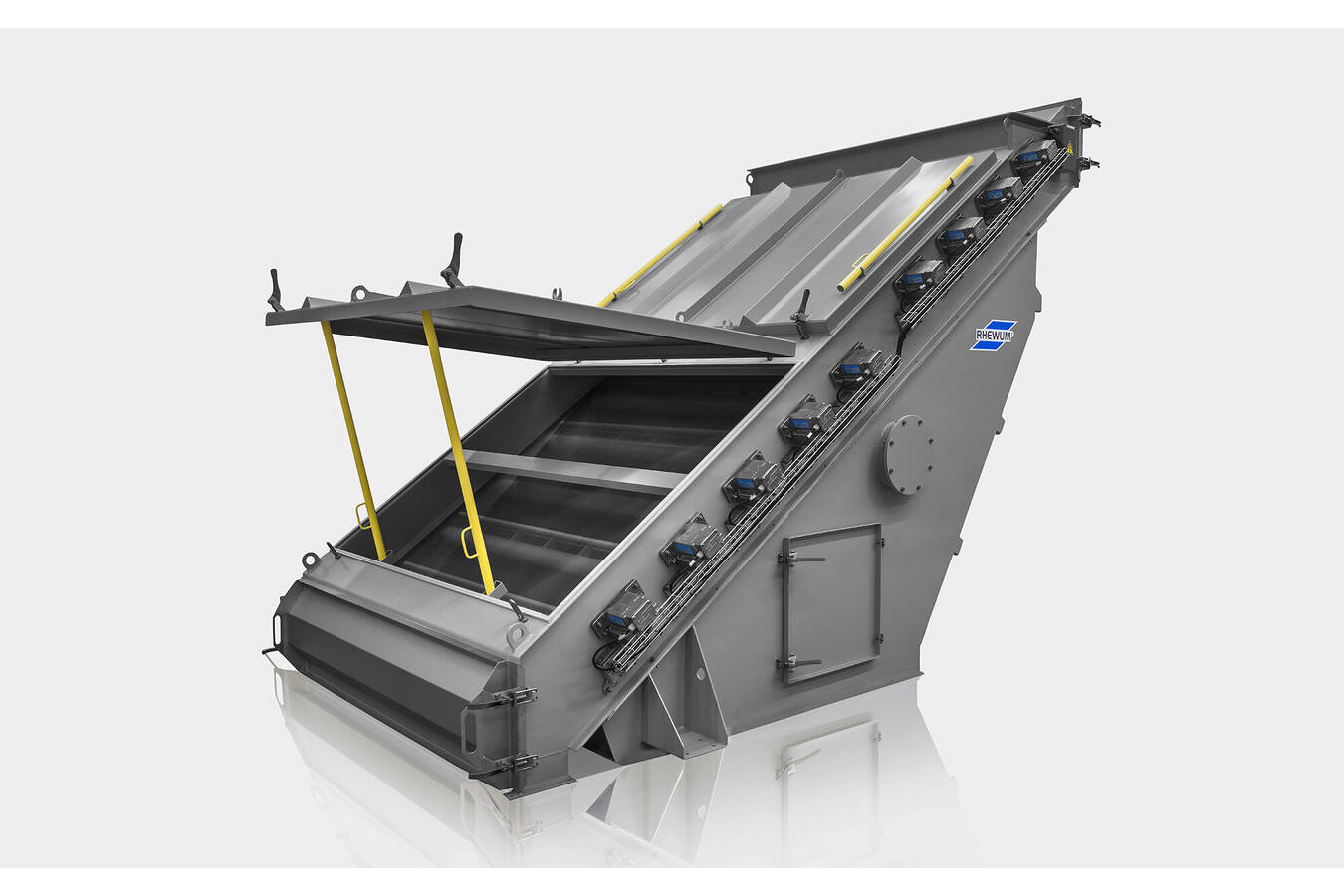
Figure 2a: Directly driven screening machine, Type RHEsono®
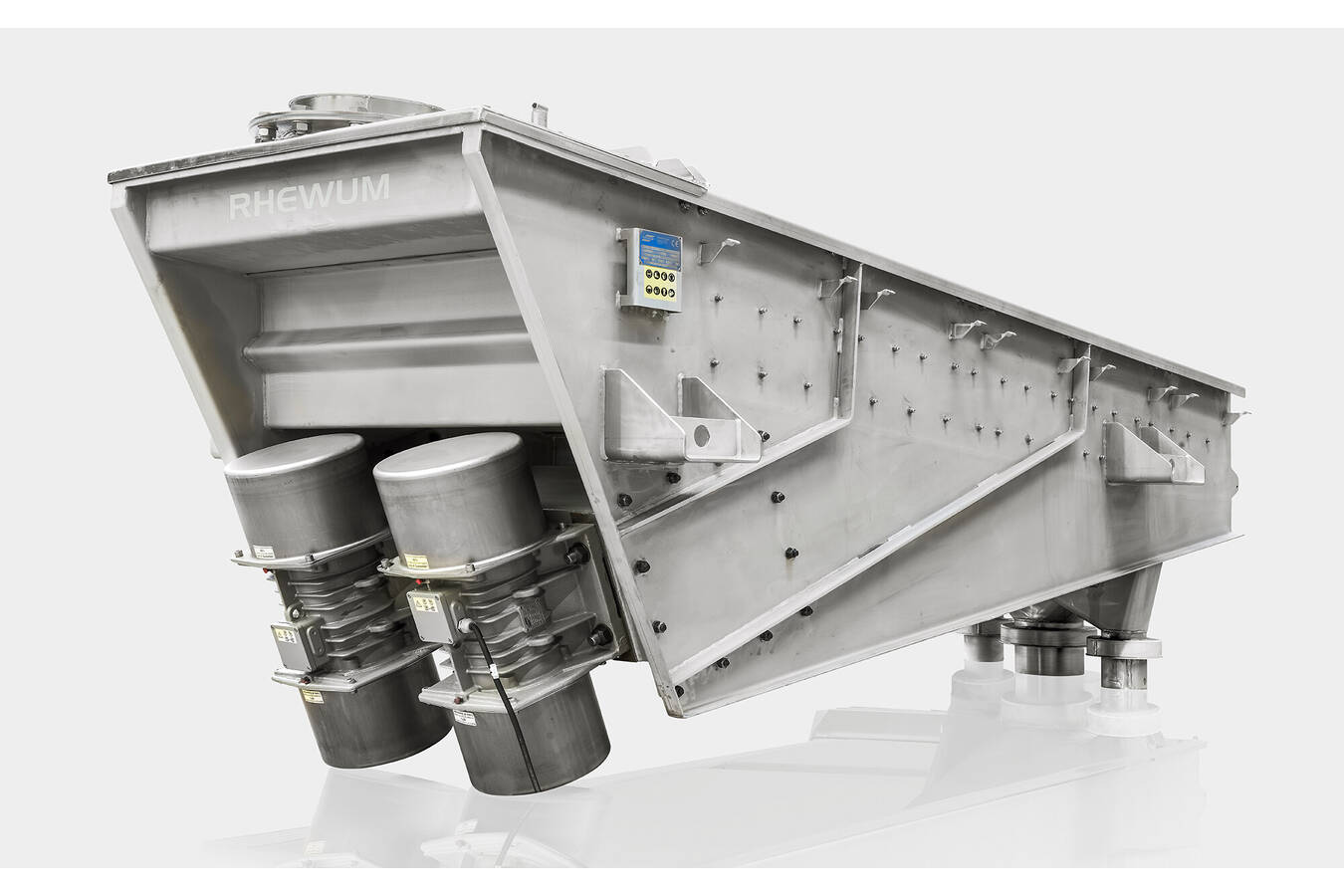
Figure 2b: Linear motion screen Type RHEflex®
Figure 3: Comparison of screening machine types in terms of screening efficiency and screening performance
SUSTAINABLE MANUFACTURING AT RHEWUM: POWERING GREEN SCREENING SOLUTIONS
In addition to engineering and manufacturing highly energy-efficient screening equipment, RHEWUM is as a company committed to environmental, social, and governance (ESG) principles in many areas. We offer sustainable solutions and promote sustainability in all our operations, from offering e-bikes to employees to relying on renewable energy sources. We have transformed parts of our factory roof into a solar energy powerhouse, capable of meeting to 66% in average of our energy needs during the summer month through self-generated solar power. We lead by example in green manufacturing, embracing sustainability through measures such as remote service and eco-friendly buildings and production halls.
CONCLUSION
In conclusion, the escalating energy costs and increasing emphasis on ESG criteria underscore the critical need for energy-efficient solutions across industries, particularly in energy-intensive sectors like fertilizer production. As this article has demonstrated, the initial cost of a screening machine represents only one facet of the total investment. Long-term operational expenses, including energy consumption, coupled with the growing importance of ESG performance, necessitate a more holistic evaluation process. By prioritizing energy efficiency and incorporating ESG principles into their operations, businesses can not only mitigate rising energy costs and enhance their brand image but also contribute to a more sustainable future. Ultimately, choosing energy-efficient screening solutions, such as those offered by RHEWUM, is not just a smart business decision; it’s an investment in a more sustainable and responsible future for all stakeholders. RHEWUM’s commitment to sustainable manufacturing practices, exemplified by its investment in renewable energy and energy-efficient screening technologies like the directly driven RHEsono, positions the company as a leader in providing solutions that address both economic and environmental concerns.
REFERENCES
U.S. Energy Information Administration (EIA), ”Short-Term Energy Outlook
(Commission, ”EU Energy Prices and Costs Report
(SDGs and Sustainable Fertilizer Production
(Report 2022 - International Fertilizer Association (Benefits of Embracing Sustainability and Green Manufacturing (