Supplier sign in
Home
STAY INFORMED
Subscribe to our monthly newsletter.
Your email address will never be disclosed to any third party.
Read our privacy notice.


Product news
20.06.2025  |  2319x
Share this item
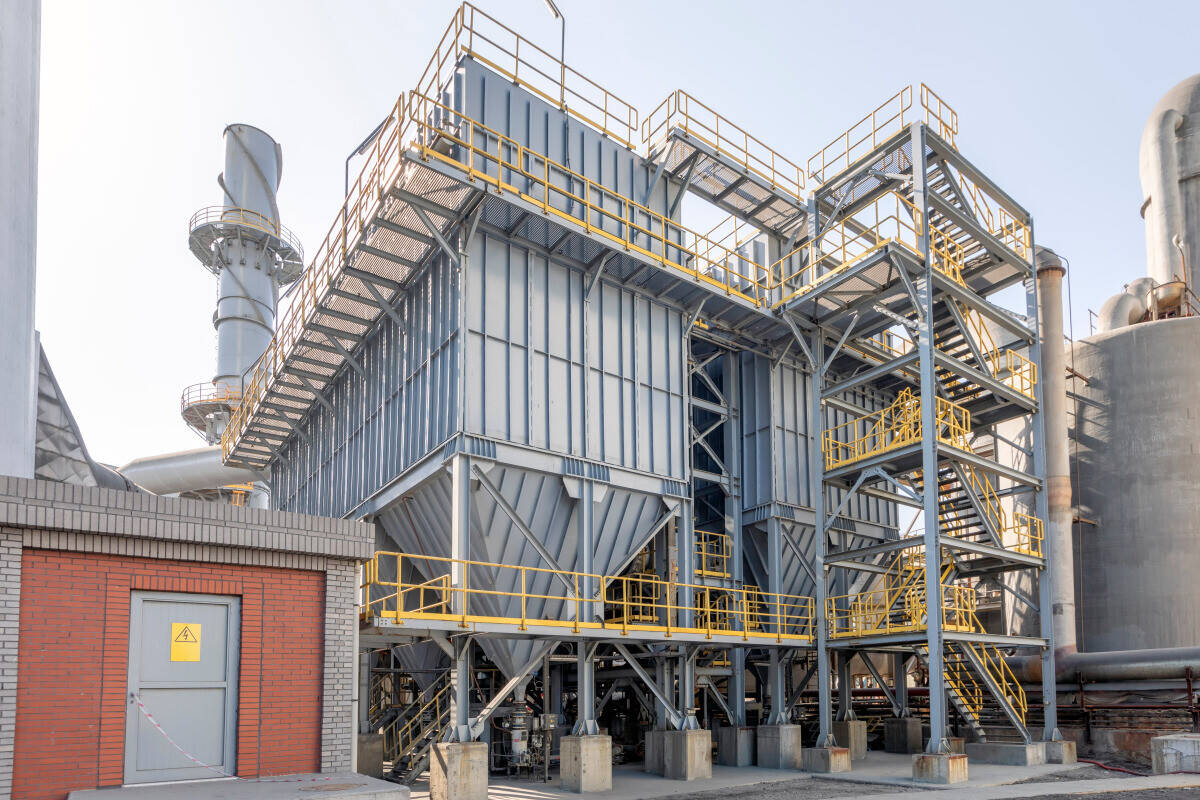
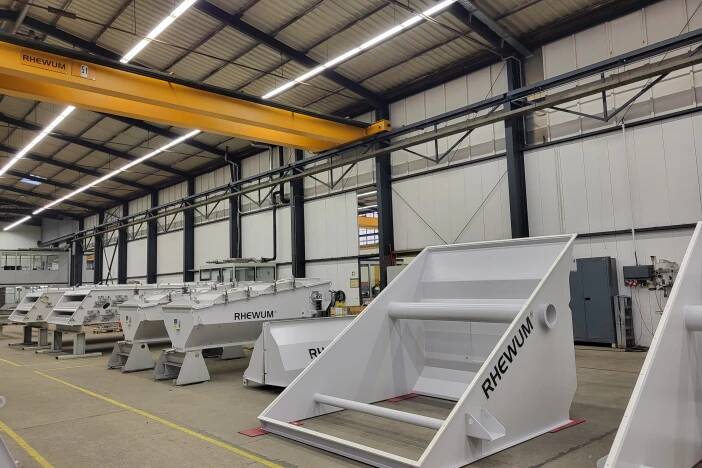
High-performance industrial screening installation in a modern processing plant, featuring robust steel construction and elevated maintenance platforms.

Dust Recovery with Fine Screening Technology

Dust is a resource. With RHEWUM® fine screening technology, valuable products can be recovered from dust, energy can be saved, and processes can be made more sustainable. Discover how we go about this

Fine Screening Technology

For Sustainable Dust Recovery and Resource Efficiency; When it comes to sustainability, many first think of wind turbines or solar energy. But even in existing screening and grinding processes, sustainable and economically beneficial changes can be implemented quickly and easily. RHEWUM fine screening technology – particularly through the RHEsono® and RHEsonox® systems – enables the recovery of valuable products from filter dusts with separations down to 50 µm or 300 mesh.

Filter Dust Recovery

Focusing on Energy Savings and Sustainability; In comminution technology, mills and screening machines work closely together. Screening machines retain only particles that exceed the defined maximum grain size. This process consumes between two and twenty kilowatt-hours of electricity per ton of material. Additionally, drying – for example, from 10% to below 2% residual moisture – requires about 48 kWh per ton. In total, this results in an energy demand of approximately 50 kWh per processed ton.
Central dedusting systems connect mills and screening machines to a filter unit, preventing dust emissions. Efficient dust management is critical to economic performance. Those who forgo modern, energy-efficient solutions risk long-term competitive disadvantages. Conversely, innovation can bring significant benefits over decades.

Application Example

  • Frac Sand Production Using RHEsono® Technology
  • Challenge: Fracking requires high-quality frac sand consisting of pure silicon dioxide with round particles. A precise particle size distribution at high throughput is essential. During processing, filter dust is generated that contains valuable, marketable products.
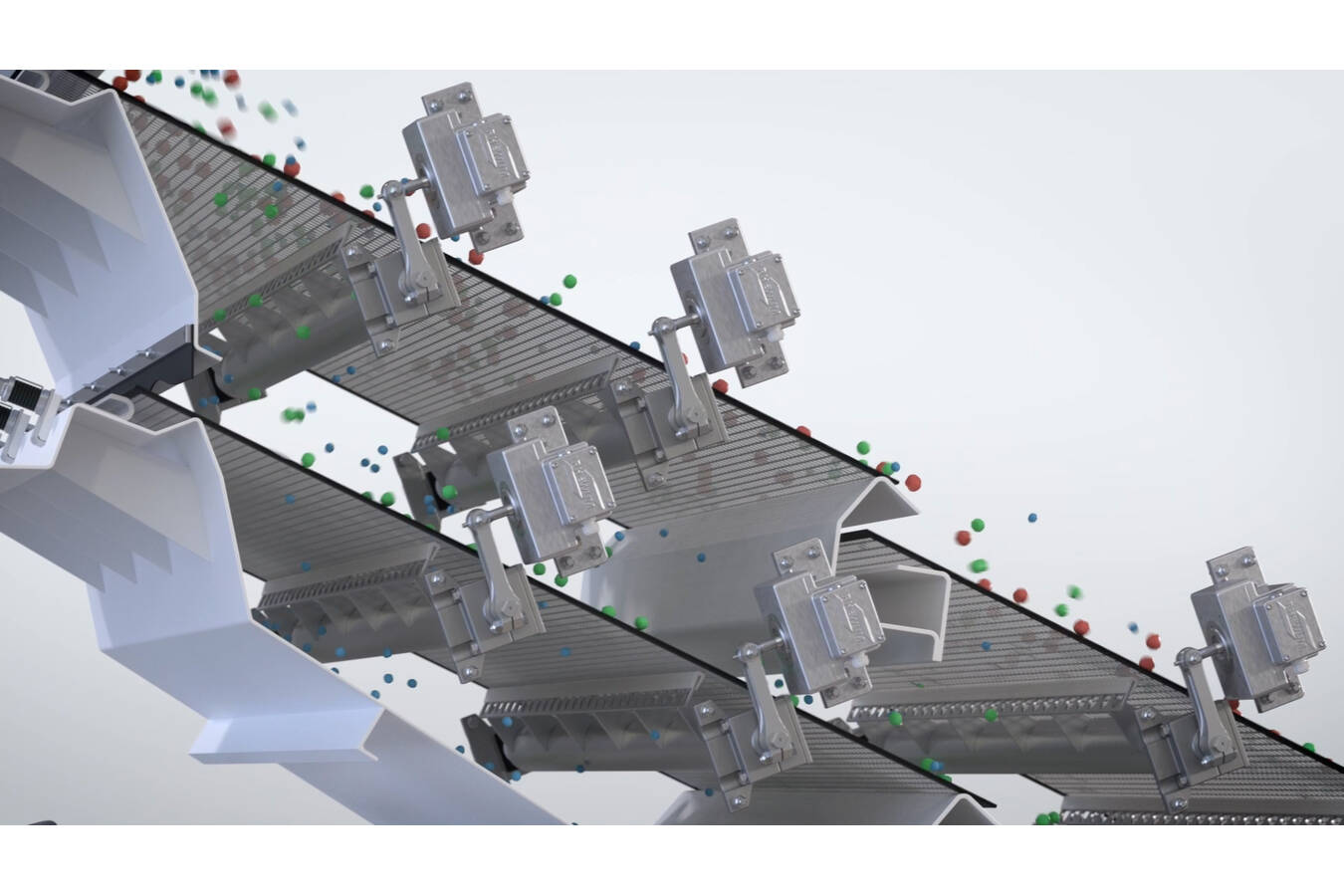
  • Solution: The RHEWUM RHEsono® 300x538/2 screening machine with electromagnetic drives is ideal for particles with sizes close to the mesh opening. It generates strong vibrations in the inclined screen fabric without transmitting significant movement to the machine body – minimizing wear, reducing maintenance costs, and protecting against silicosis.
  • Results: Approximately 12 tons per hour of sellable material could be recovered from filter dust. At a conservative price of 30 USD per ton, the investment paid off in less than one year. Thanks to the drive technology, energy costs are negligible.

Screening the Key to Greater Efficiency

The RHEsono® demonstrates how innovative technology can deliver both ecological and economic benefits. The potential of such systems is often underestimated in favor of traditional machines – a decision that can weaken competitiveness in the long term.
Using filter dust wisely reduces waste, saves energy, and increases efficiency. Payback periods of under 36 months are economically attractive – and at under 18 months, rapid implementation is advisable.
Act now for a more sustainable and cost-effective production process with RHEWUM fine screening technology. Contact us for a personalized consultation on dust recovery – let’s boost your efficiency and sustainability together.


Company information

More items

Screening Machines, the Choice: Conventional or Directly Excited? What’s the best screening solution for you? With many options available, companies often struggle to find the optimal machine for their specific requirements.
Screening Machines, the Choice: Conventional or Directly Excited?
What’s the best screening solution for you? With many options available, companies often struggle to find the optimal machine for their specific requirements. Although all technologies serve the same basic purpose – the separation of particles by size – they fundamentally differ in their construction, operation, and applications. The right choice can not only increase productivity but also minimize maintenance and downtime, which is crucial in today’s competitive industrial landscape. Below, we’ll look at the differences between conventional vibratory screens and direct-excitation screen machines to help you make your decision. Conventional Vibratory Screens: How They Work Conventional vibratory screens operate with an oscillating motion transmitted to the entire screen frame. This movement is generated by eccentric shafts or unbalance motors, ensuring the material advances on the screen surface and particles can fall through the mesh. Advantages of Conventional Screens: * Simple design * High throughputs * Flexibility Disadvantages of Conventional Screens: * Inefficient separation with low vibration
15.05.2025  |  2547x  |  Product news  |   | 
FGD gypsum recycling: securing future supply With coal plants being phased out the construction industry faces a gypsum supply challenge. Recycling becomes a crucial alternative.
FGD gypsum recycling: securing future supply
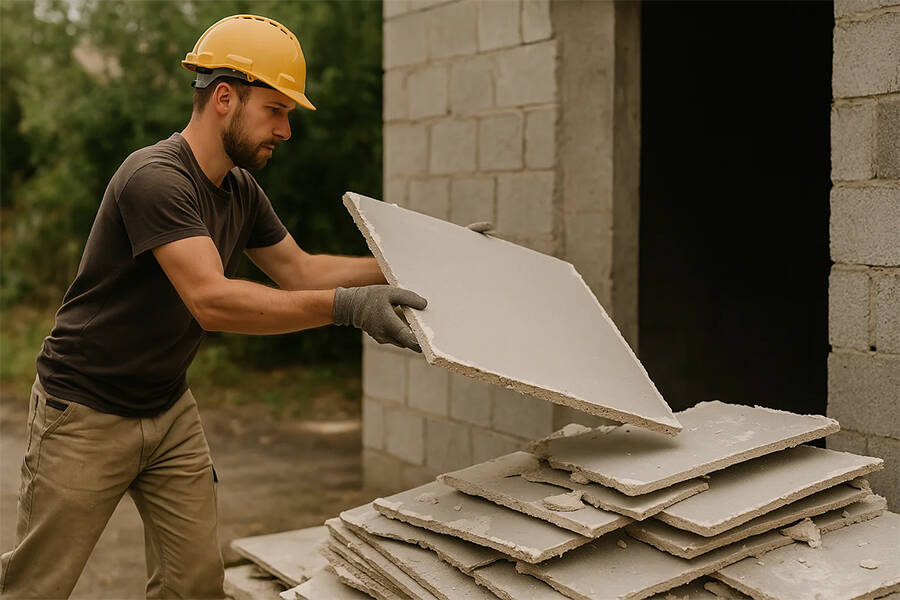
With coal plants being phased out the construction industry faces a gypsum supply challenge. Recycling becomes a crucial alternative. The global shift away from coal-fired power plants has significantly impacted the availability of Flue Gas Desulfurization (FGD) gypsum, a byproduct of these plants. With coal plants being phased out, particularly in countries like Germany where a complete shutdown is expected by 2038, the construction industry faces a gypsum supply challenge. Currently, more than half of Germany’s gypsum demand, approximately four million tons annually, is met through FGD gypsum. As natural gypsum sources are limited, recycling becomes a crucial alternative, with an estimated three to four million tons of gypsum waste available for recovery. Globally, FGD gypsum production is projected to peak around 2030, declining thereafter, especially in Europe, Japan, and potentially the USA. This shift presents both challenges, such as rising gypsum costs due to reduced FGD output, and opportunities, including a growing recycled gypsum market projected to reach $3.21 billion by 2030. Recycling
17.04.2025  |  3076x  |  Product news  | 
Powerful RHEWUM-tool for operators of Screening Machines The RHEWUM ScreenSpector app optimizes screening machine monitoring with tools like MeshConverter and VibSonic, available for iOS and Android.
Powerful RHEWUM-tool for operators of Screening Machines
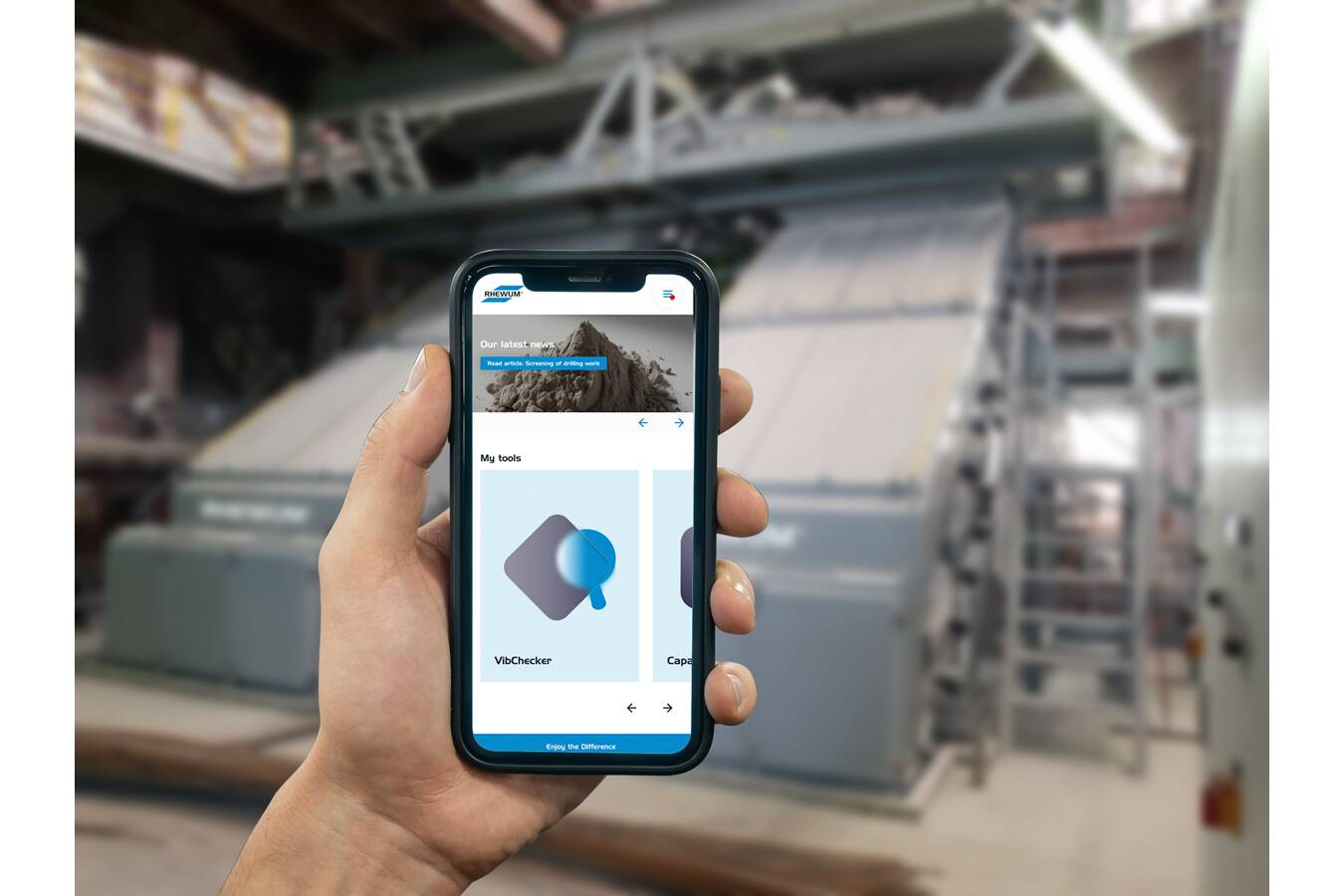
The RHEWUM ScreenSpector app optimizes screening machine monitoring with tools like MeshConverter and VibSonic, available for iOS and Android. The RHEWUM app, known as ”RHEWUM ScreenSpector,” provides users of RHEWUM screening machines with tools for optimal utilization. Available for iOS and Android, it supports the operation and monitoring of screening machines with several key features: MeshConverter The MeshConverter simplifies the conversion of mesh sizes. It converts between DIN millimeters, inches, ASTM, and Tyler mesh units and offers advanced functions for calculating separation sizes for inclined screens. Users can input mesh sizes and angles to determine separation sizes in inches or millimeters. The tool supports calculations with any two values, making it a comprehensive solution for various screening scenarios. Additionally, the inclination angle (0°-45°) can be automatically determined using the smartphone’s sensors. VibSonic VibSonic transforms your smartphone into a powerful sound measurement device that measures sound levels across various frequencies. It calculates a mean
10.04.2025  |  1741x  |  Product description  |   | 
Quality-Focused Screening of Urea Prills Learn how a French urea prills manufacturer aims to address production challenges with a tailored screening approach.
Quality-Focused Screening of Urea Prills
Learn how a French urea prills manufacturer aims to address production challenges with a tailored screening approach. The Challenge: Ensuring Consistent Product Quality A prominent French manufacturer of urea prills faced a critical juncture in their production process. Their existing screening system, handling both uncoated and coated prills, struggled with persistent clogging in the lower deck and excessive dust in the final product. The manufacturer required exact separations for two fine screen cuts during loading screening, adhering to strict quality standards that permitted only a small percentage of undersized and oversized products. Developing a Quality-Focused Configuration RHEWUM’s engineering team conducted a series of in-depth screening tests to determine the optimal machine configuration. These tests focused on various screen designs, amplitudes, and frequencies to enhance separation efficiency and product quality. The aim was to develop a solution specifically tailored to overcome the quality challenges faced by the manufacturer. A Tailored Solution: Precision
26.02.2025  |  1737x  |  Product news  |   | 
PORTALS
BulkSolids-Portal Schuettgut-Portal Recycling-Portal
Related
Bulkgids.nl
SIGN UP FOR OUR NEWSLETTER
Newsletter archive
Service and contact
ContactDisclaimerPrivacyAdvertising
FOLLOW US
Linked