Why Direct‑Excited Screening Improves Safety and Energy
Silicosis is a preventable occupational lung disease caused by inhaling respirable crystalline silica (quartz dust). The smallest particles can reach the alveoli, where they trigger inflammation and irreversible scarring. Sectors like cement, mining, stone, ceramics, glass, and foundries must keep respirable silica out of the air at the source—making the choice of separation technology pivotal for both safety and compliance.
Sifters vs. Screening:
The separation and energy trade‑offs
Many lines still use sifters (air classifiers) to separate quartz‑bearing fines. While they are often cheaper to purchase, two operational drawbacks matter in silica‑sensitive applications:
- Lower separation sharpness: Cut curves can broaden under variable load or moisture, allowing fine quartz to bypass into the coarse fraction or escape with process air—raising exposure risk and affecting product quality.
- Higher energy use: Maintaining high airflow and overcoming pressure drops requires significant fan power, which increases electricity consumption, heat load, and filter wear.
Modern screening machines approach the problem differently. With precision meshes and controlled vibration, they generally deliver a cleaner cut at the target size and use considerably less process air, reducing total energy demand and simplifying dust collection.
Direct‑excited screening : precision where it matters
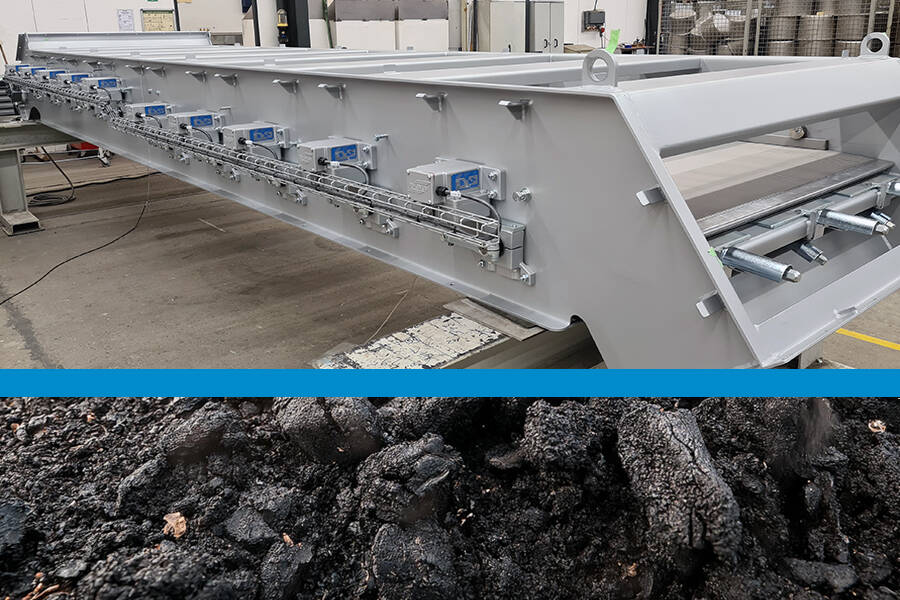
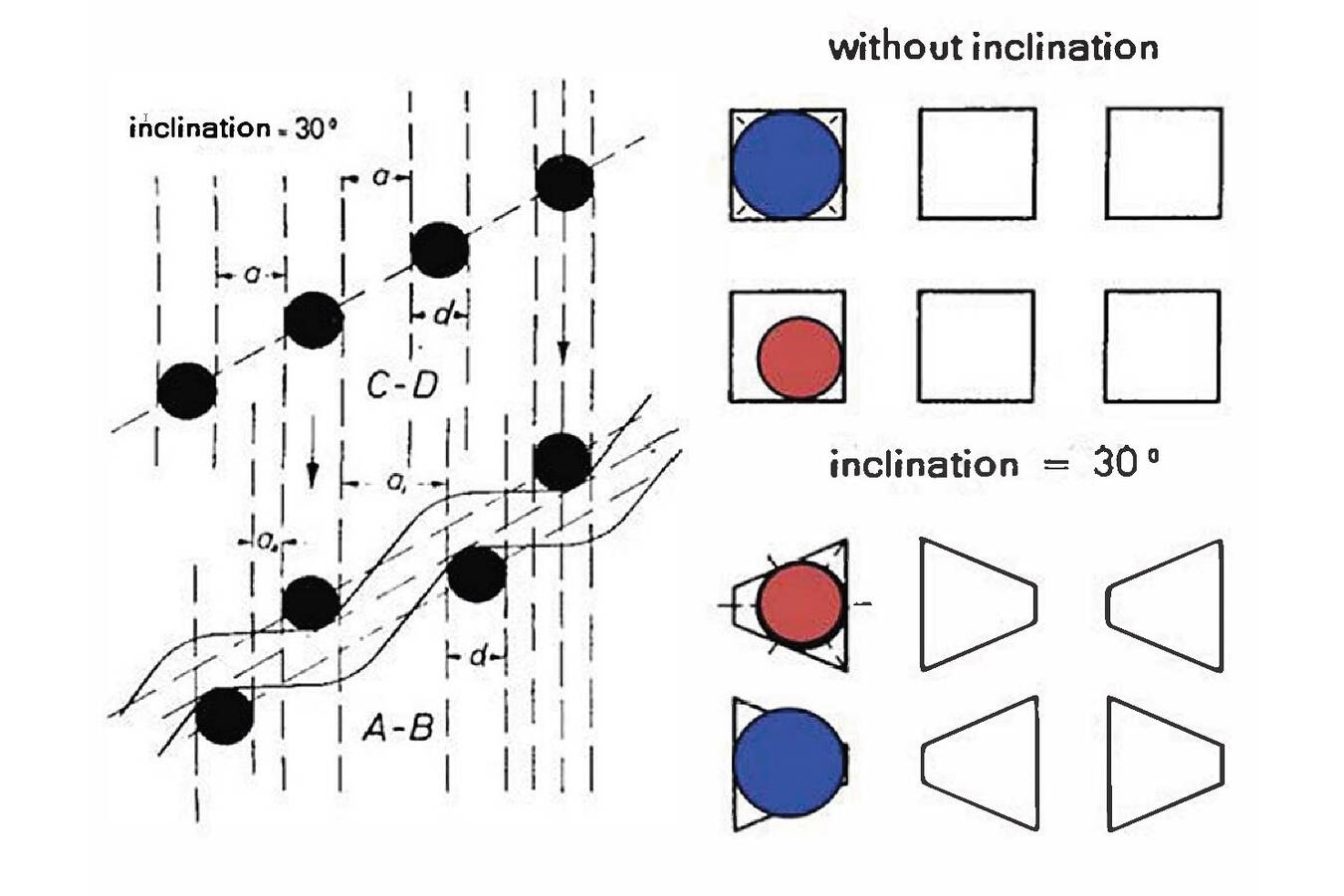
Direct‑excited screens—such as those from RHEWUM®—drive the screen cloth itself at high frequency while the housing remains static. This targeted excitation creates uniform micro‑throws across the mesh, promoting rapid stratification and preventing blinding. The result is a consistently narrow cut curve at the chosen aperture, so fine quartz particles are reliably removed even when feed rate or moisture fluctuates. In silica‑critical processes, that added separation sharpness directly supports lower airborne RCS and more stable product specs.
Energy efficiency and containment advantages
Because only the screen mesh is excited and not the entire machine mass, direct‑excited screens typically require less drive power than conventional vibratory screens and far less process air than sifters. The static housing is easy to seal dust‑tight, enabling smaller extraction volumes and reducing fan energy, filter pulsing, and wear. In practice, that translates into lower kWh per tonne and more compact air‑handling systems without compromising cut quality.
How does this principle work?
- High‑frequency exciters transmit vibration directly into the screen cloth.
- Controlled micro‑throws stratify material quickly: fines pass the apertures; coarse particles move forward.
- The housing stays largely still, minimizing dynamic loads and energy waste; frequency and amplitude are tuned to the material for stable, sharp cuts.
Total cost of ownership: looking beyond capex
Yes, high‑quality screening machines—especially enclosed, low‑noise units with automatic cleaning—can cost more upfront. But a total cost of ownership view often favors them when silica is in scope:
- Energy and filtration: Lower drive power and reduced extraction volumes cut electricity and extend filter life.
- Compliance and risk: Sharper cuts reduce airborne respirable silica, supporting regulatory exposure limits worldwide and facilitating smoother audits and certifications.
- Yield and quality: Tighter size cuts mean fewer fines in coarse product, less rework, and steadier throughput.
Conclusion:
Turning silica control into an operational advantage
Controlling quartz dust is both a duty of care and a business decision. While sifters can look economical at purchase, their broader cut curves and higher energy needs increase exposure risk and long‑term costs. Direct‑excited screening targets the mesh directly for consistently sharp cuts, lower kWh per tonne, and easier dust‑tight containment. That combination supports global exposure limits, stabilizes product quality, and reduces the total cost of running your line.
For plants handling silica‑bearing materials, the path forward is clear: invest in precision where it matters. With direct‑excited screens, you get reliable separation performance even under variable loads and moisture—turning compliance pressure into measurable gains in safety, energy, and uptime.
Ready to quantify the benefits?
Request a pilot test with your material or a TCO and energy benchmark for direct‑excited screening by RHEWUM® to see the cut‑sharpness and efficiency gains in your own process.