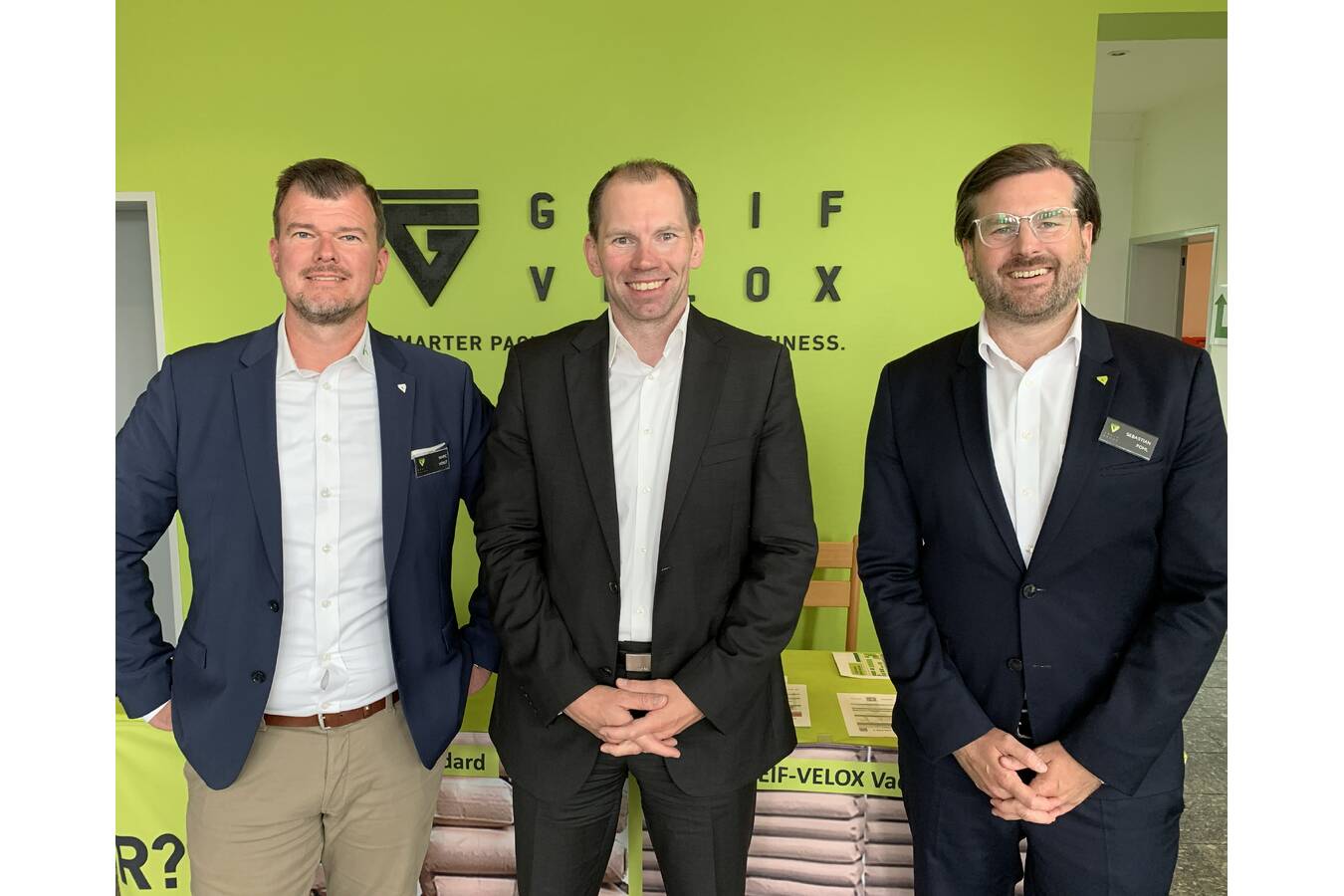
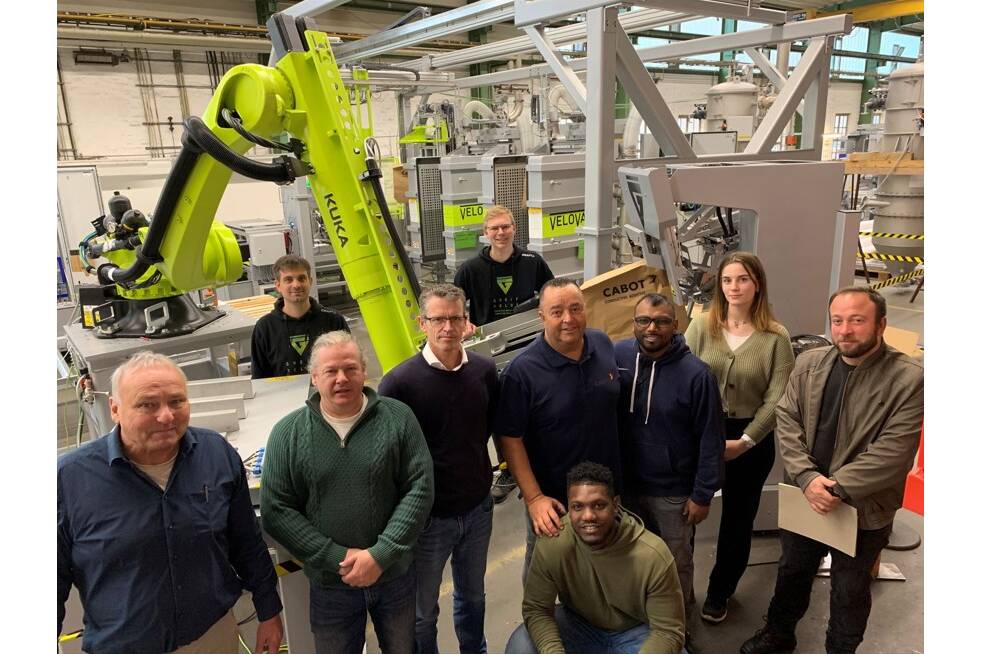
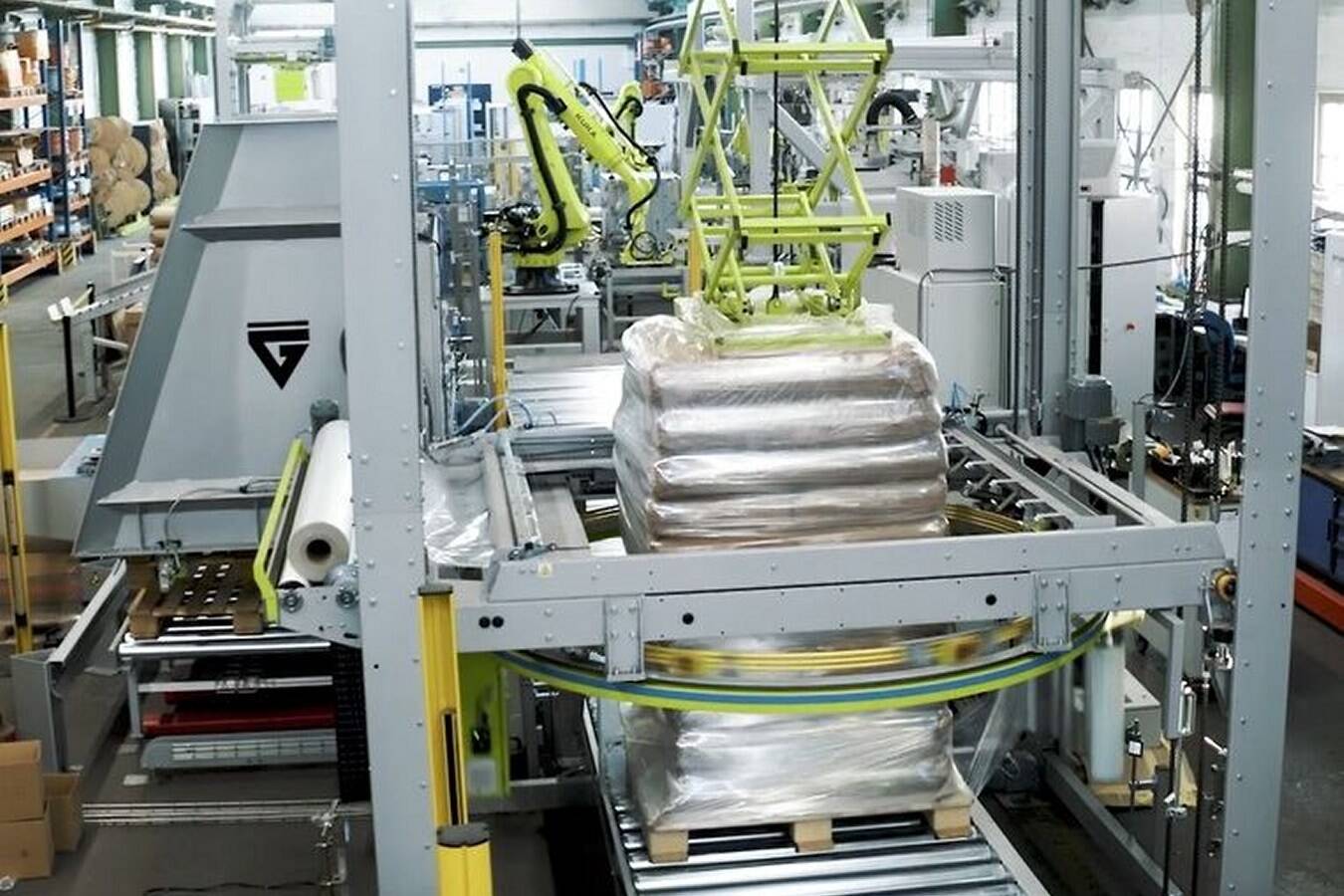
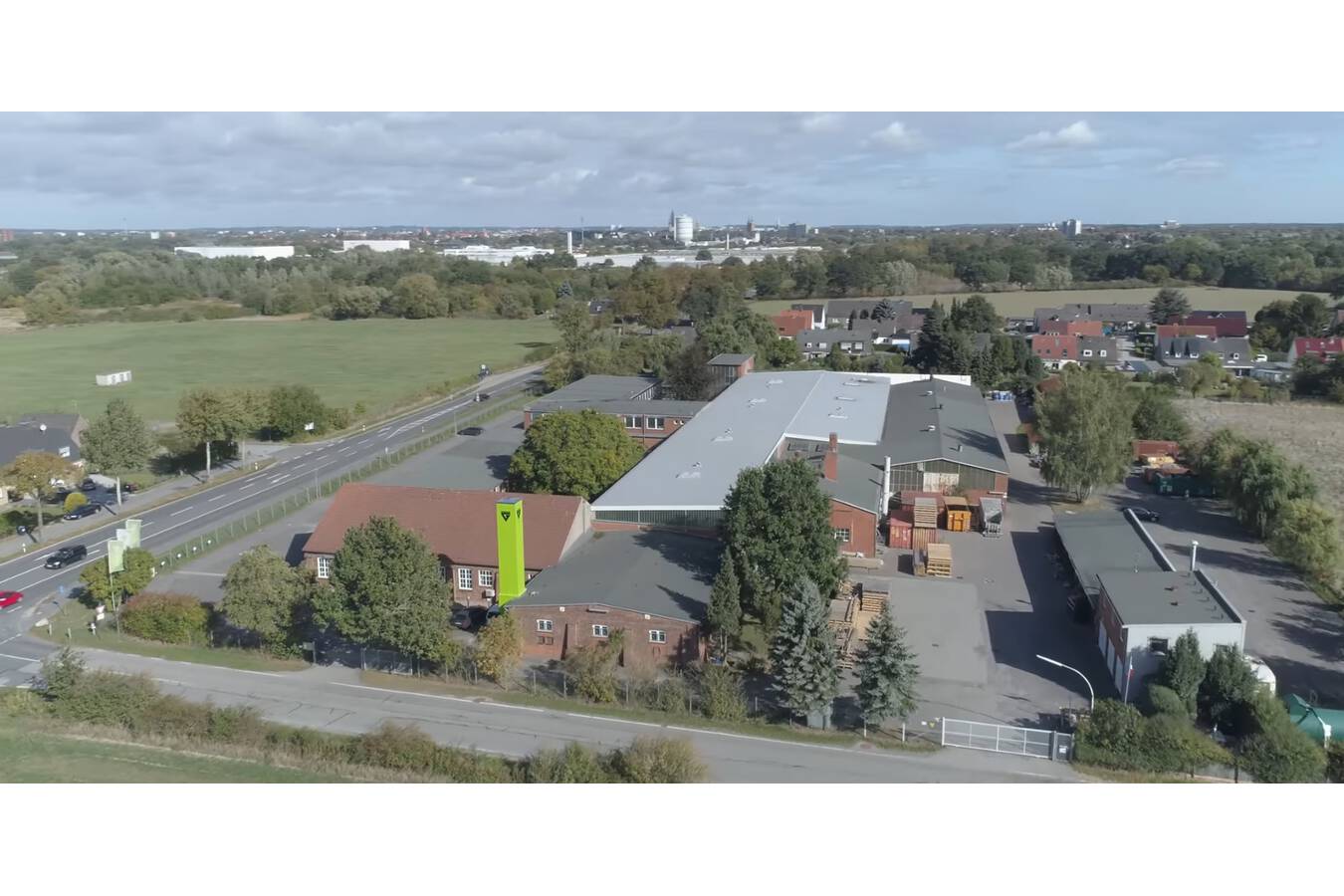
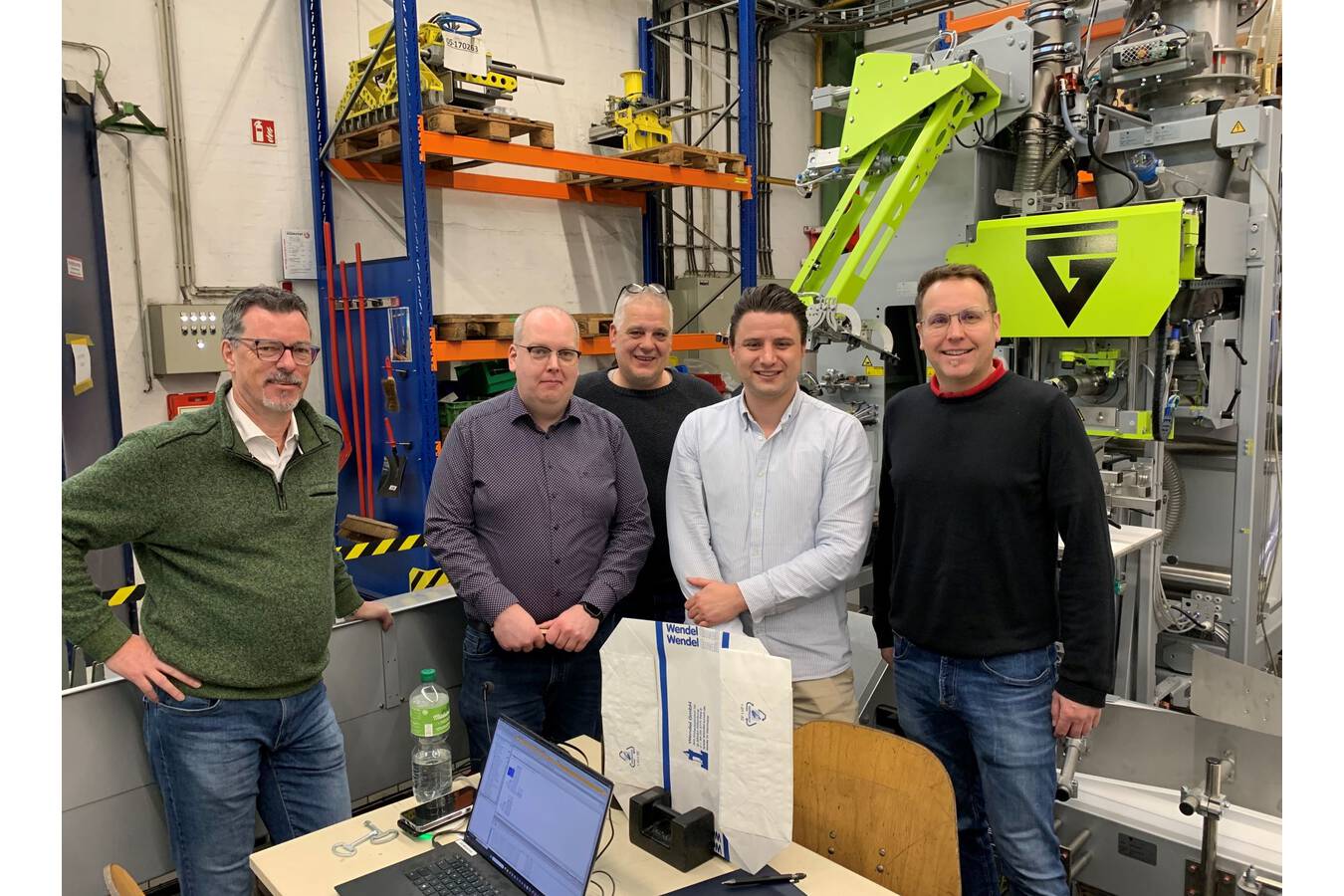
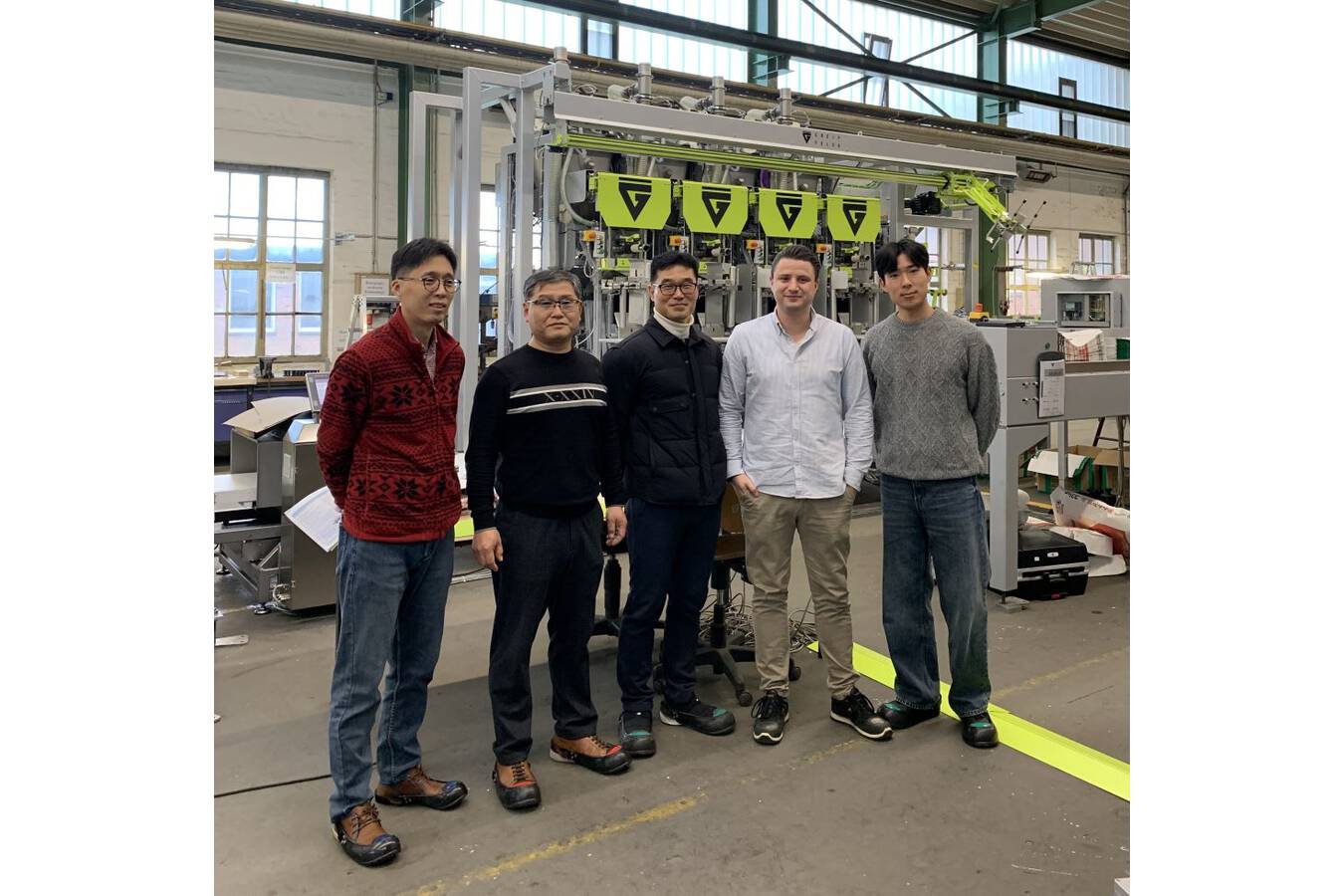
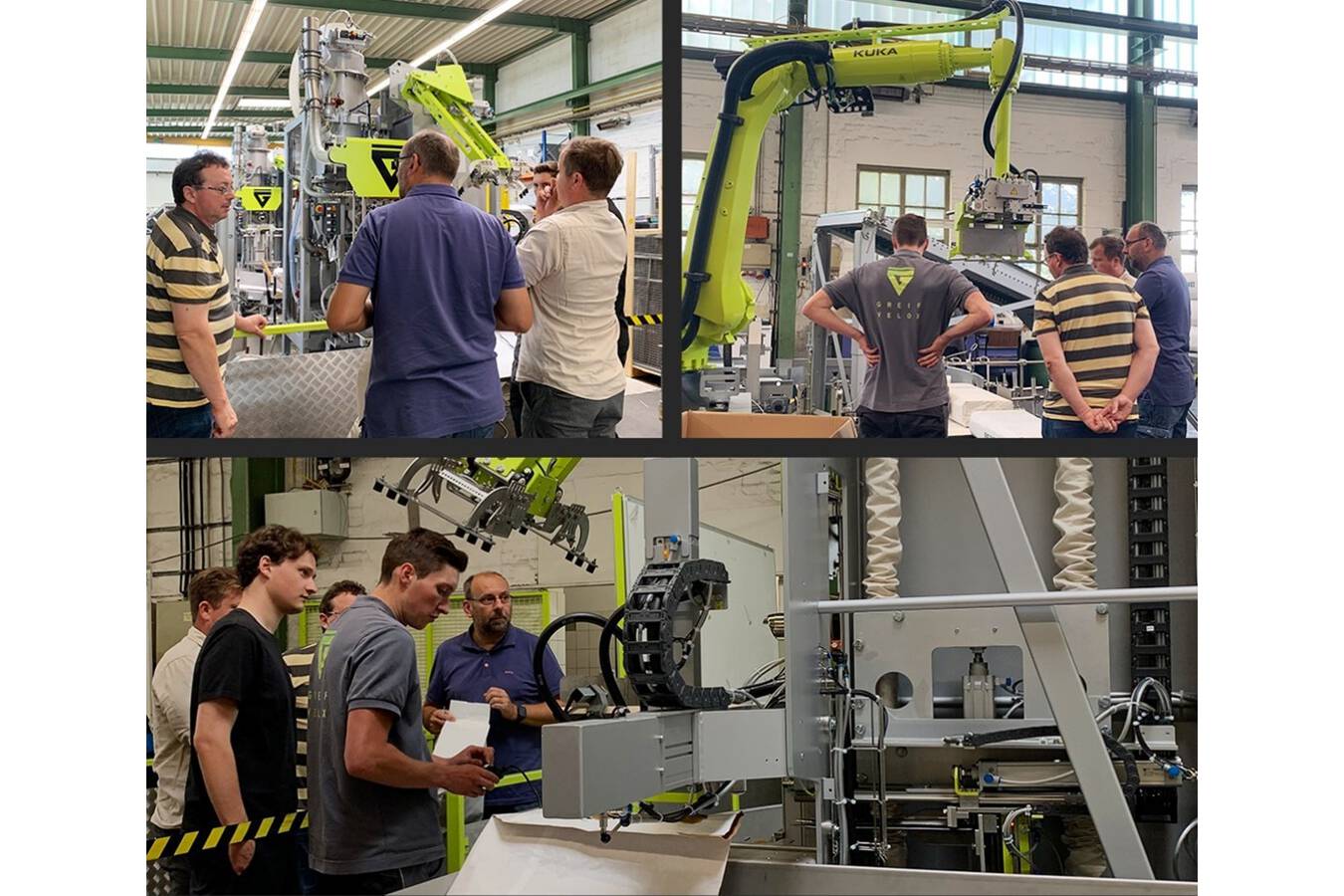
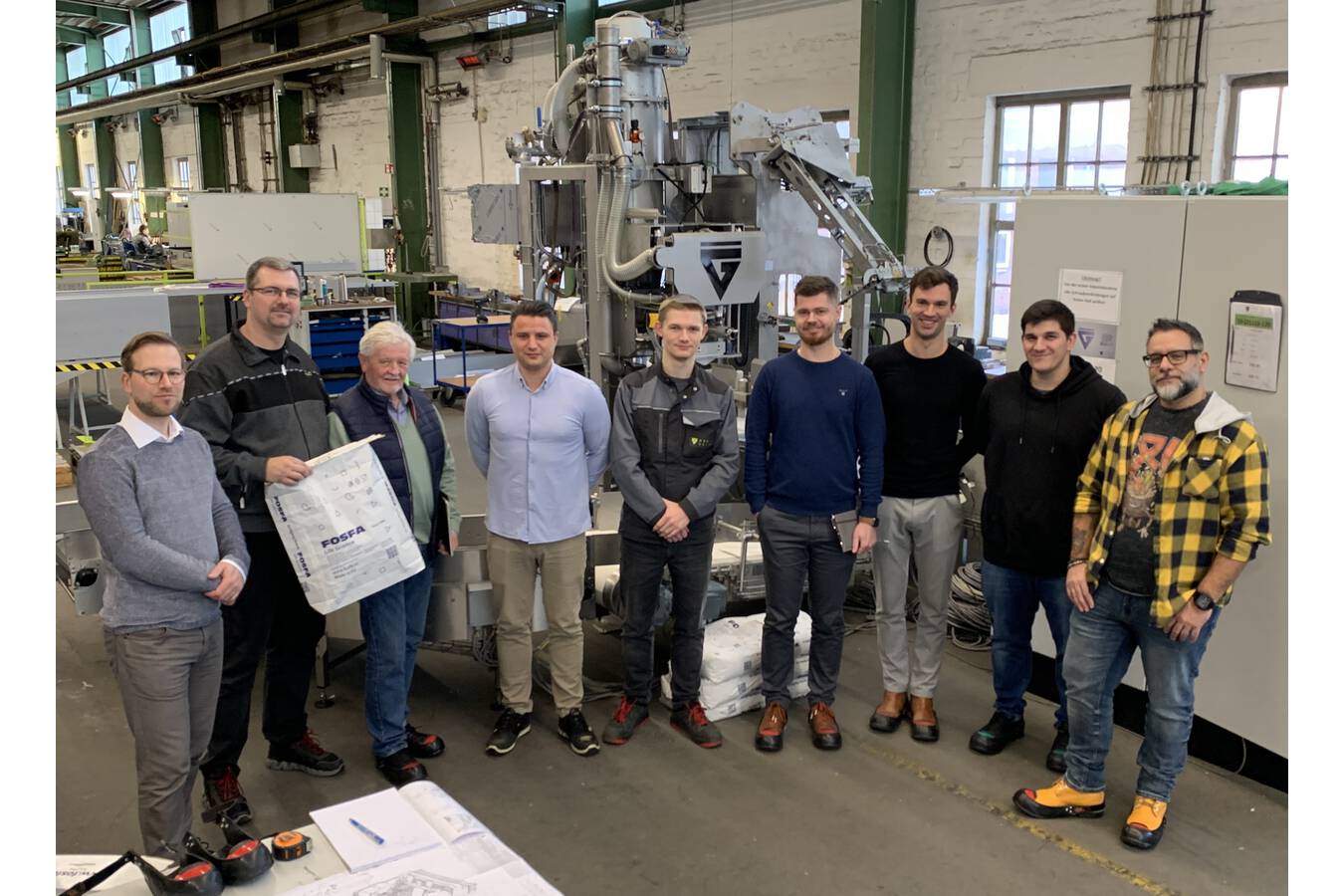
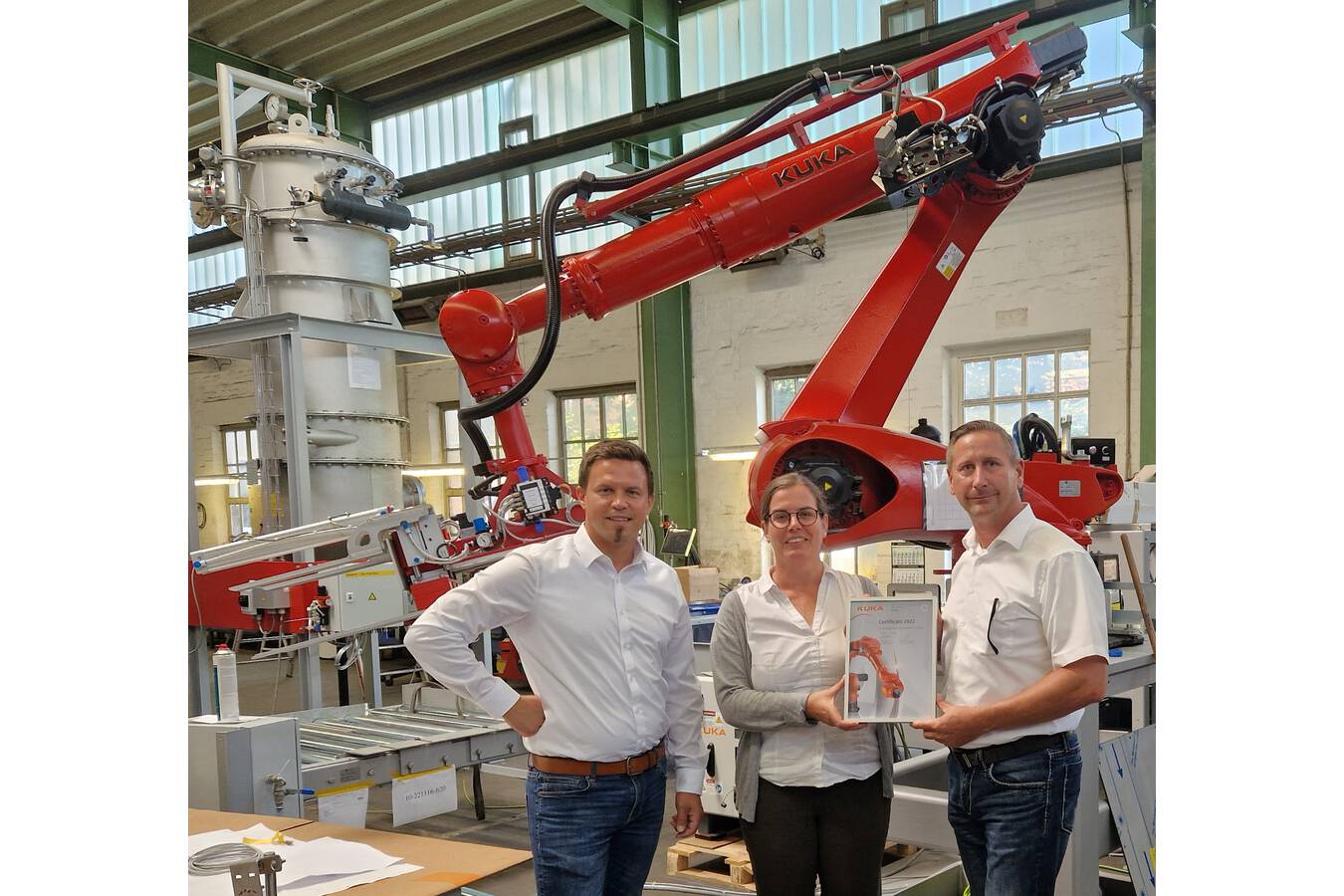
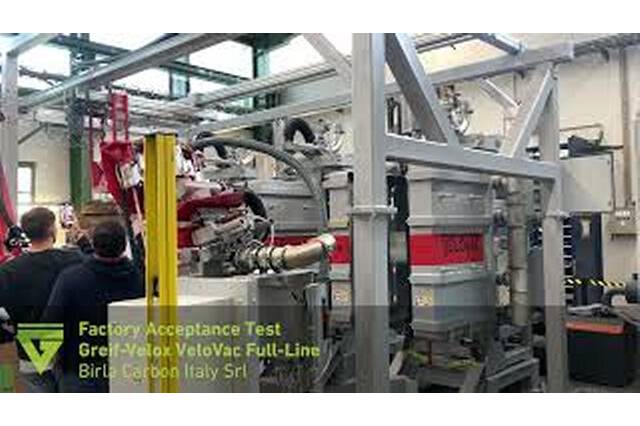
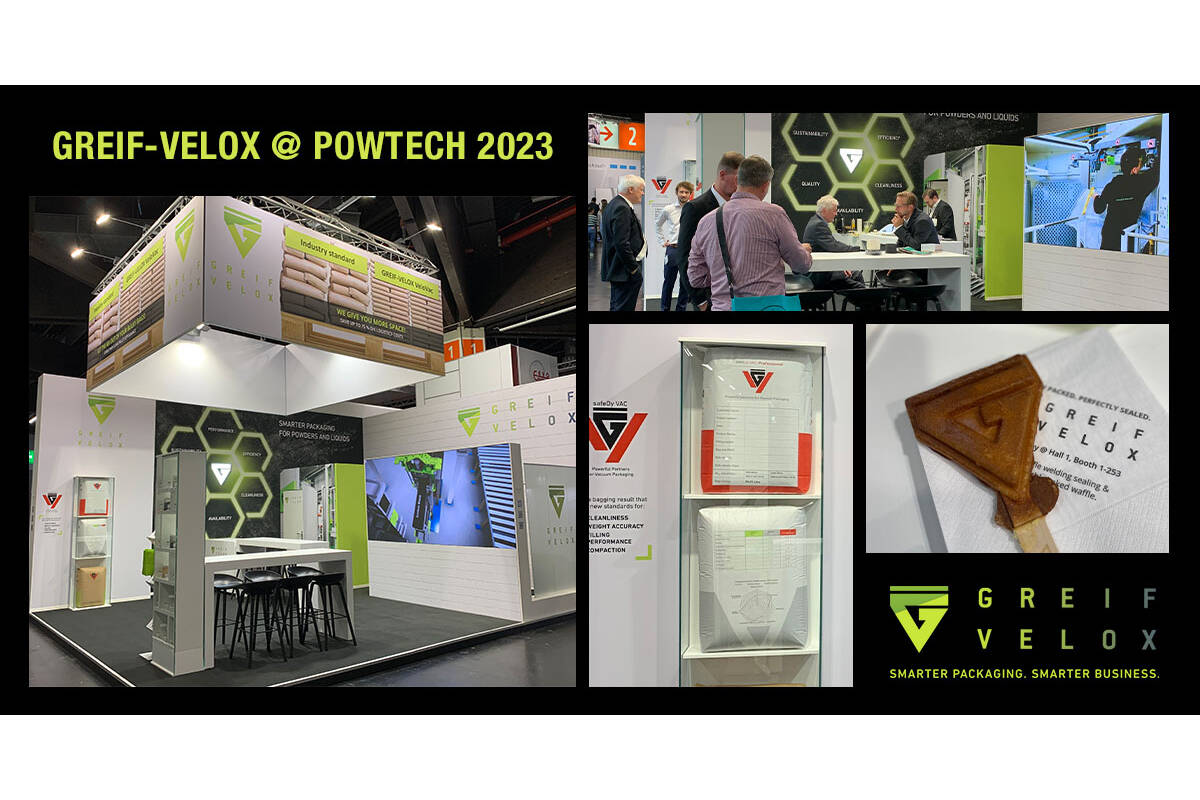
GREIF-VELOX is one of the oldest companies in the world with 1,000 years of company history: In the year 1,100, monks founded the Greifenmühle in Klützow in Pomerania, laying the foundations for many centuries of practical experience in efficient bagging, filling and palletizing.
Ernst Mahlkuch, whose family had owned the Greifenmühle since 1734, used this experience to found GREIF-WERKE in 1938, which has been designing and producing innovative bagging machines and filling systems ever since.
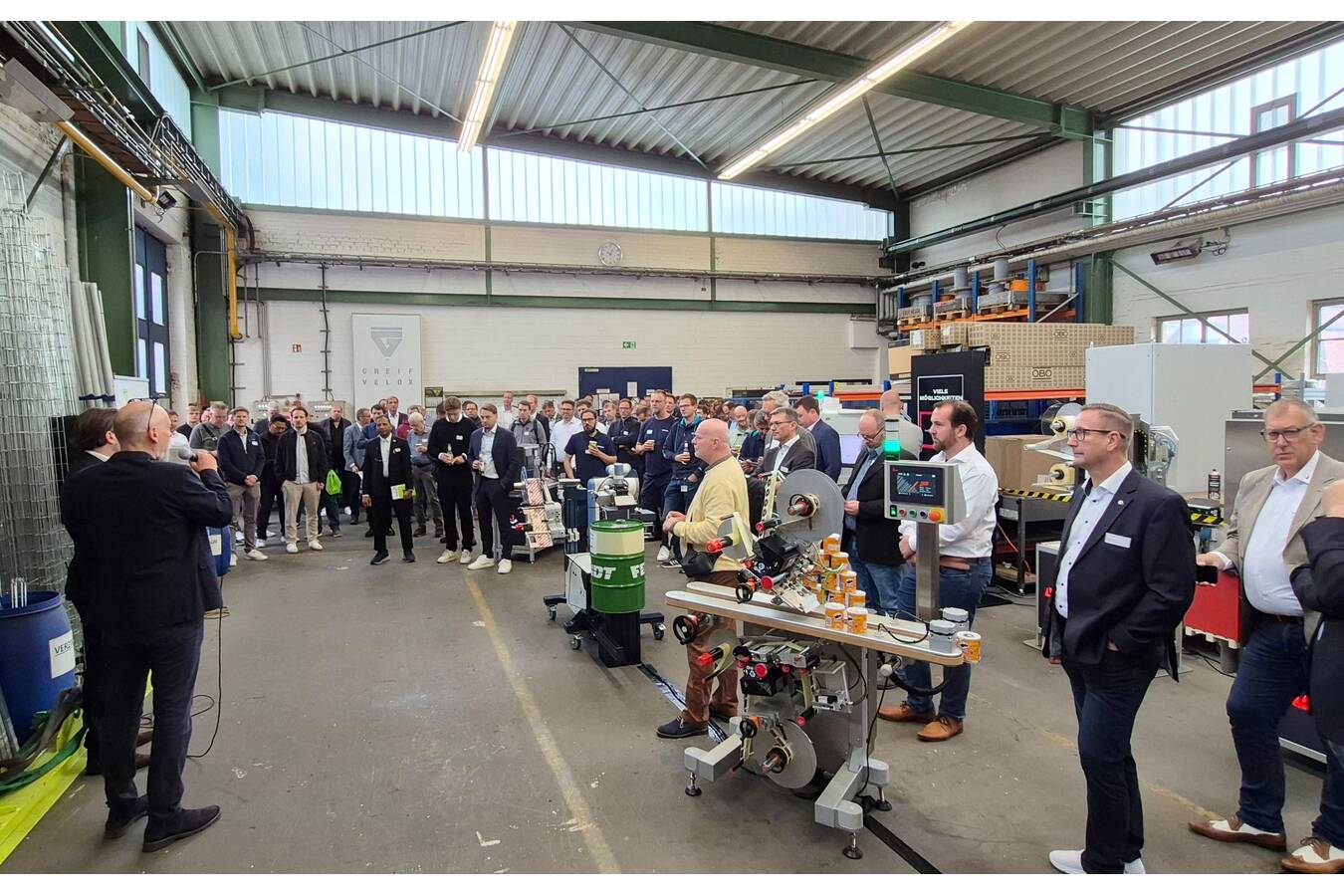
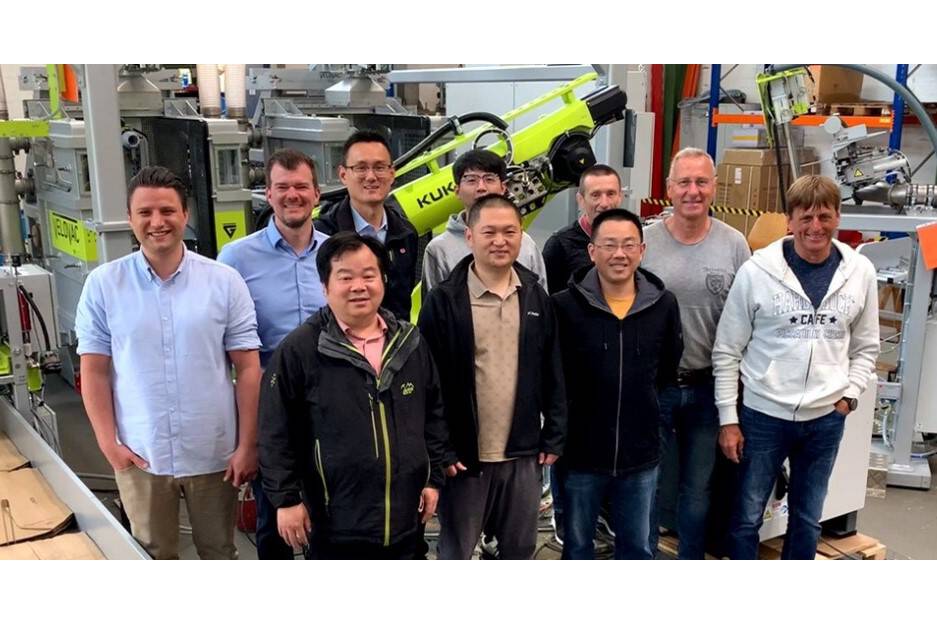
After 1945, GREIF-VELOX grew out of this foundation in Lübeck, Germany, with over 150 experts, who cultivate the tradition of over 1,000 years of innovation culture every day and thus constantly set new benchmarks in the industry.
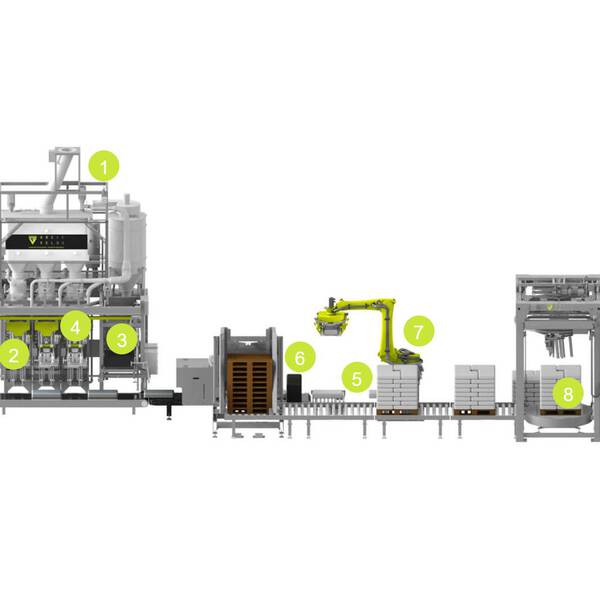
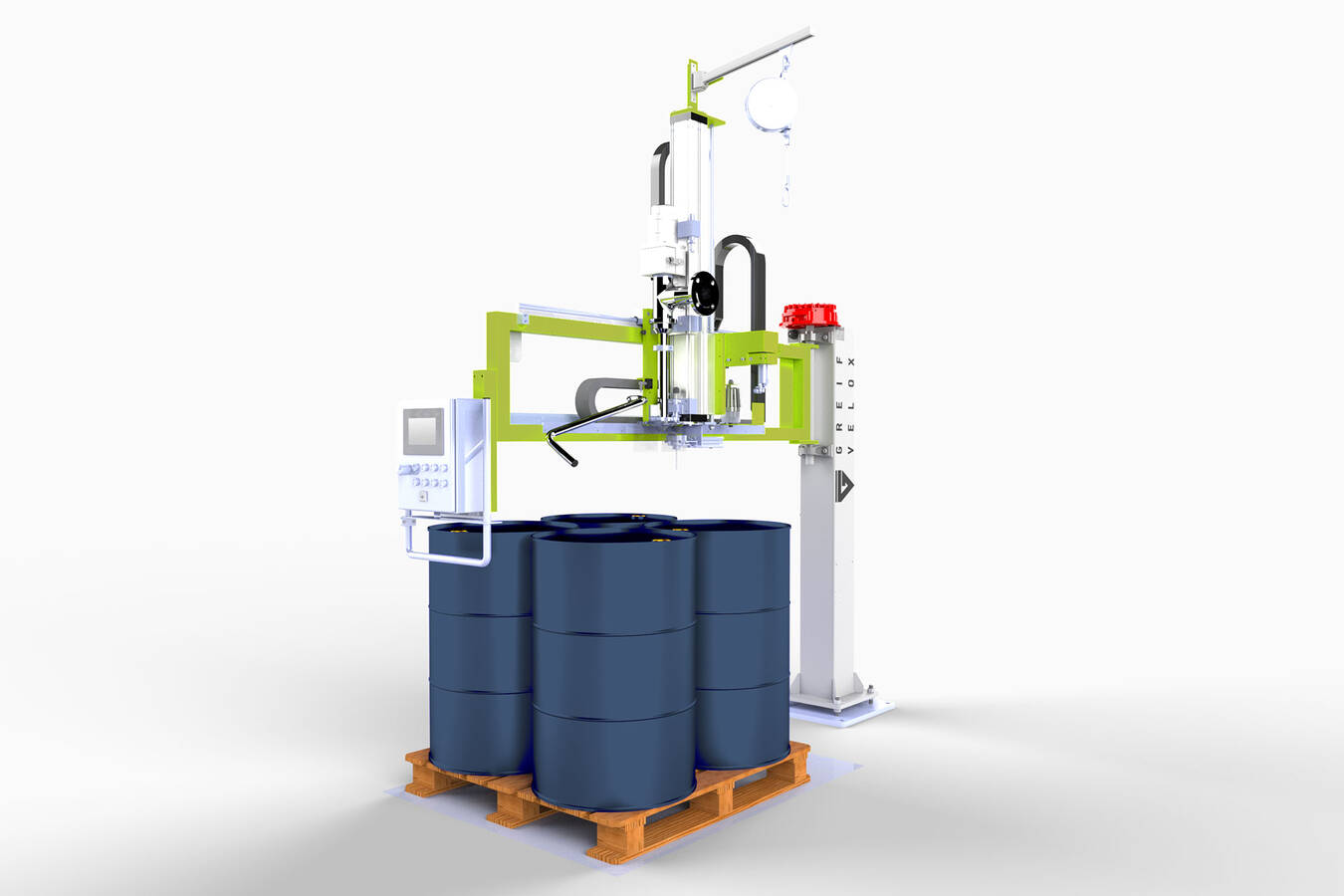
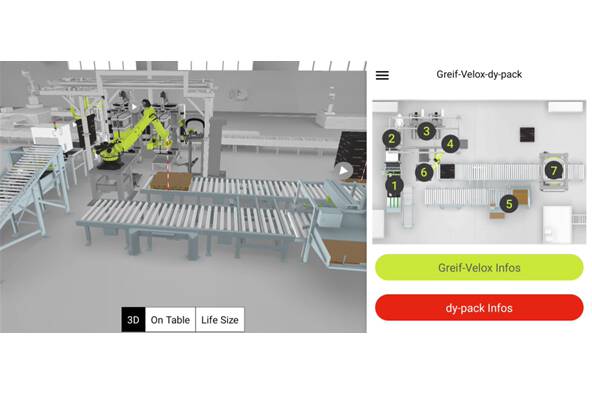
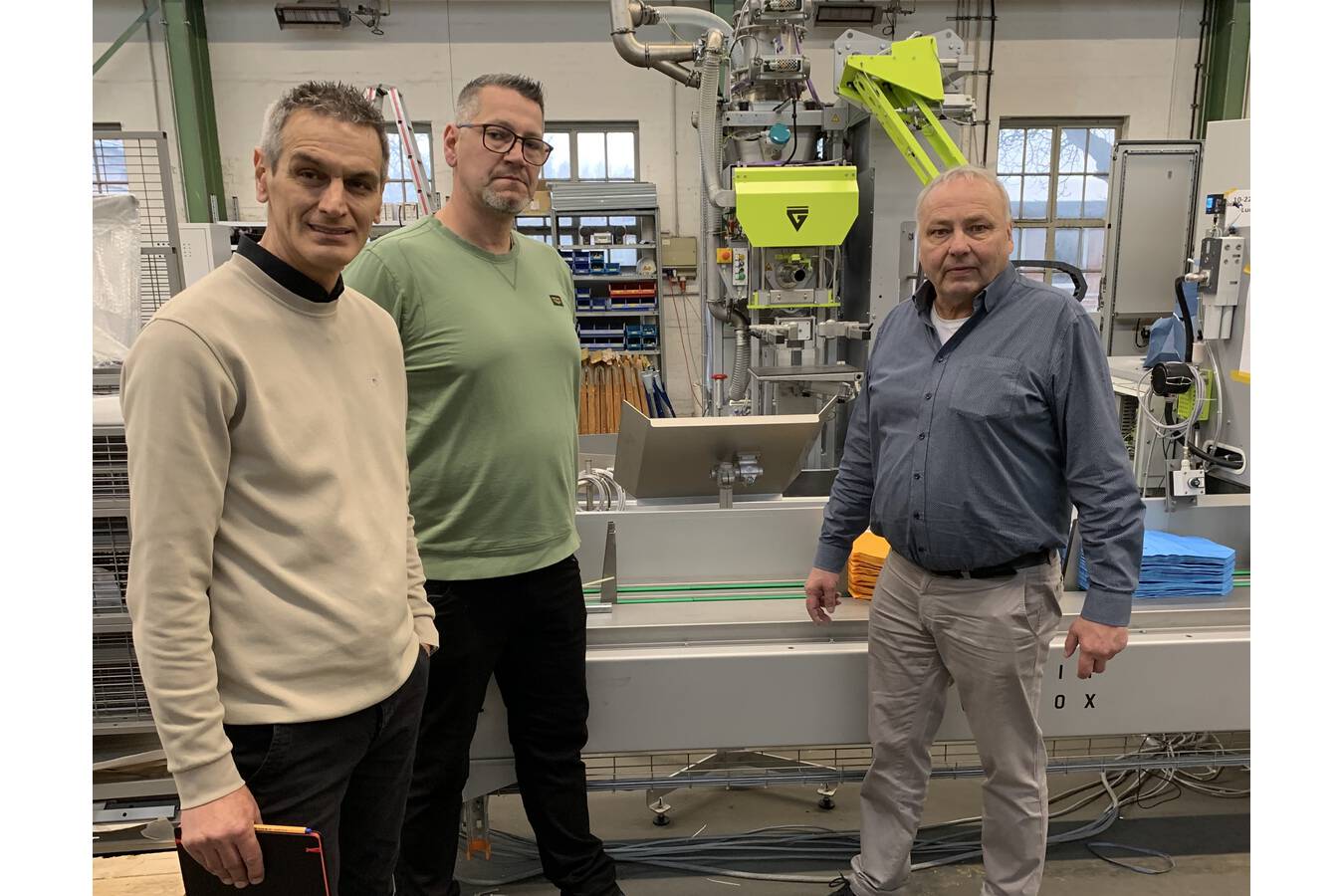
Customers do not need standard solutions off the shelf, but individual concepts and developments. As a rule, this individuality not only increases production quality and quantity, but also leads to strong competitive advantages that quickly pay for themselves. On request, GREIF-VELOX can supply complete full-line systems including robot palletizing and load securing from a single source to further enhance these advantages for the customer.
Brands
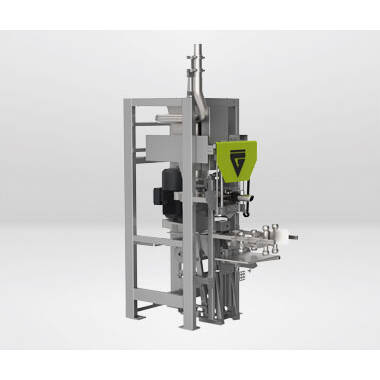
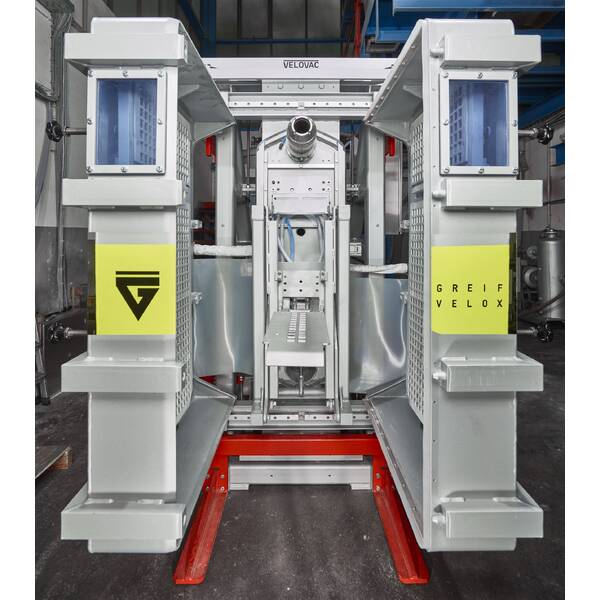
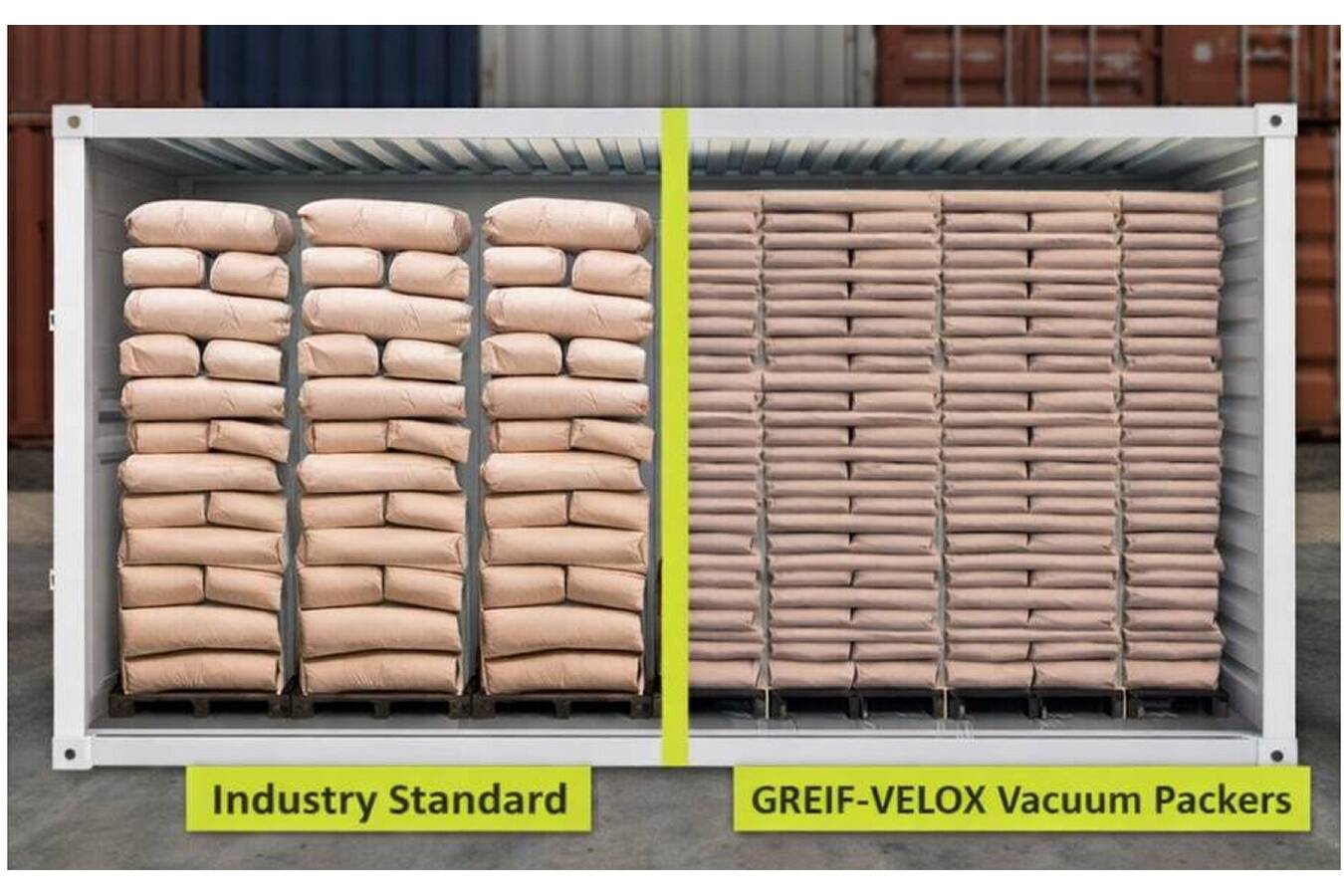
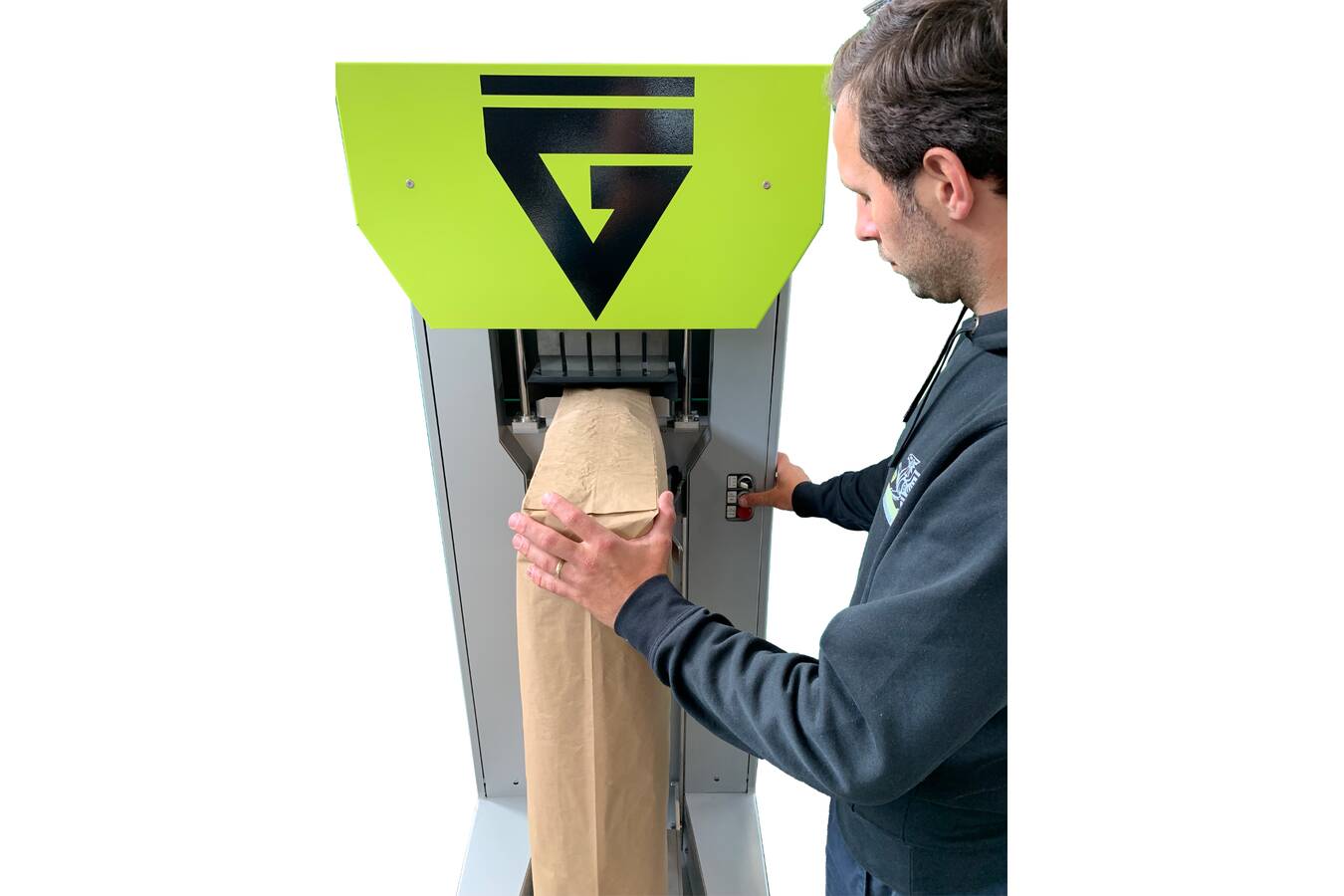
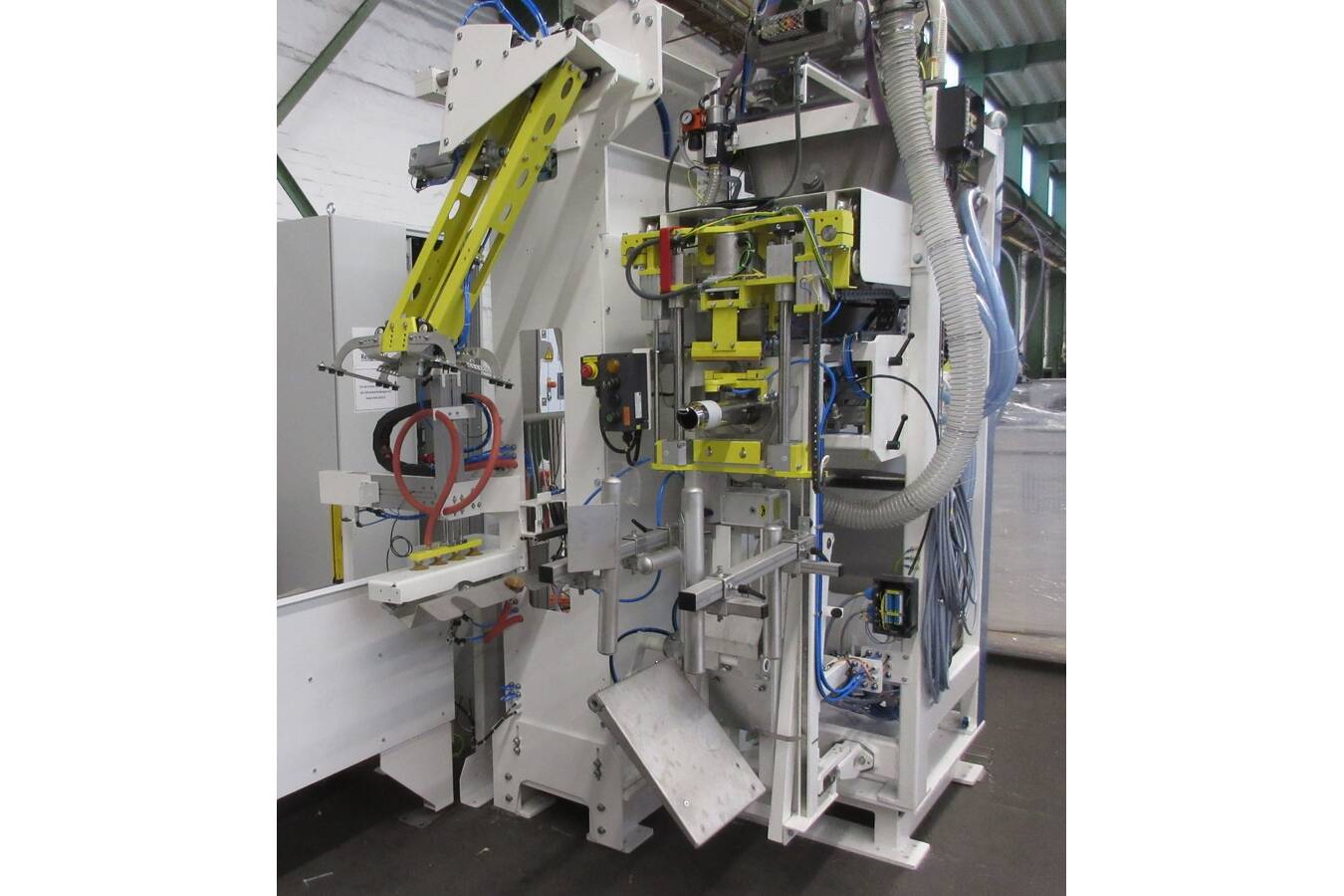
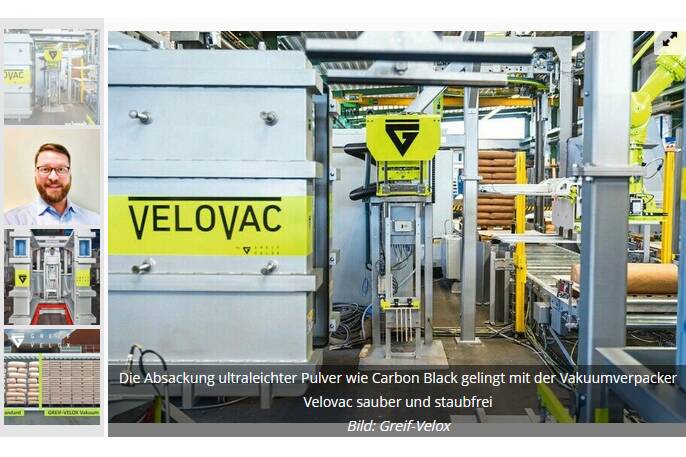
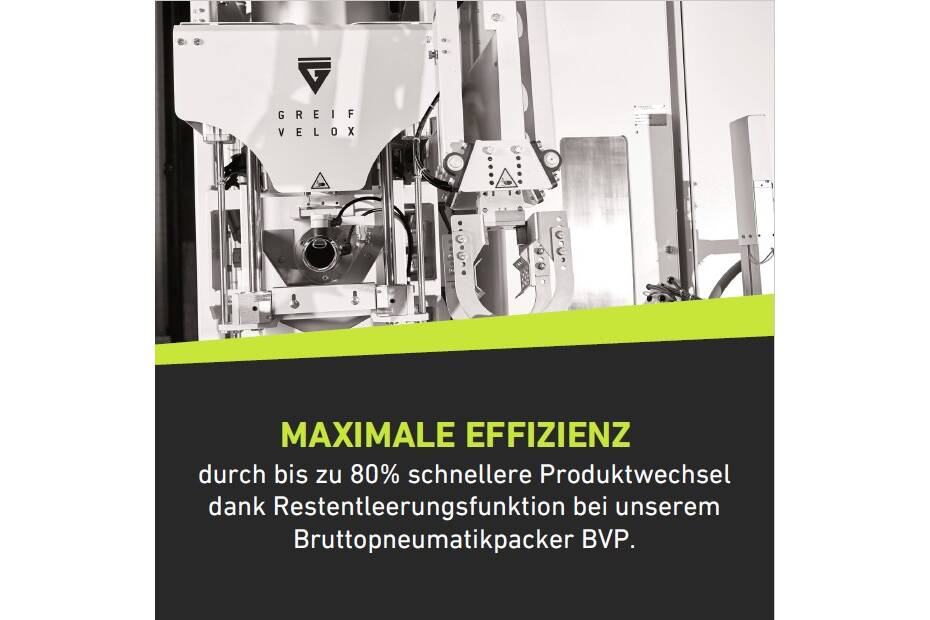
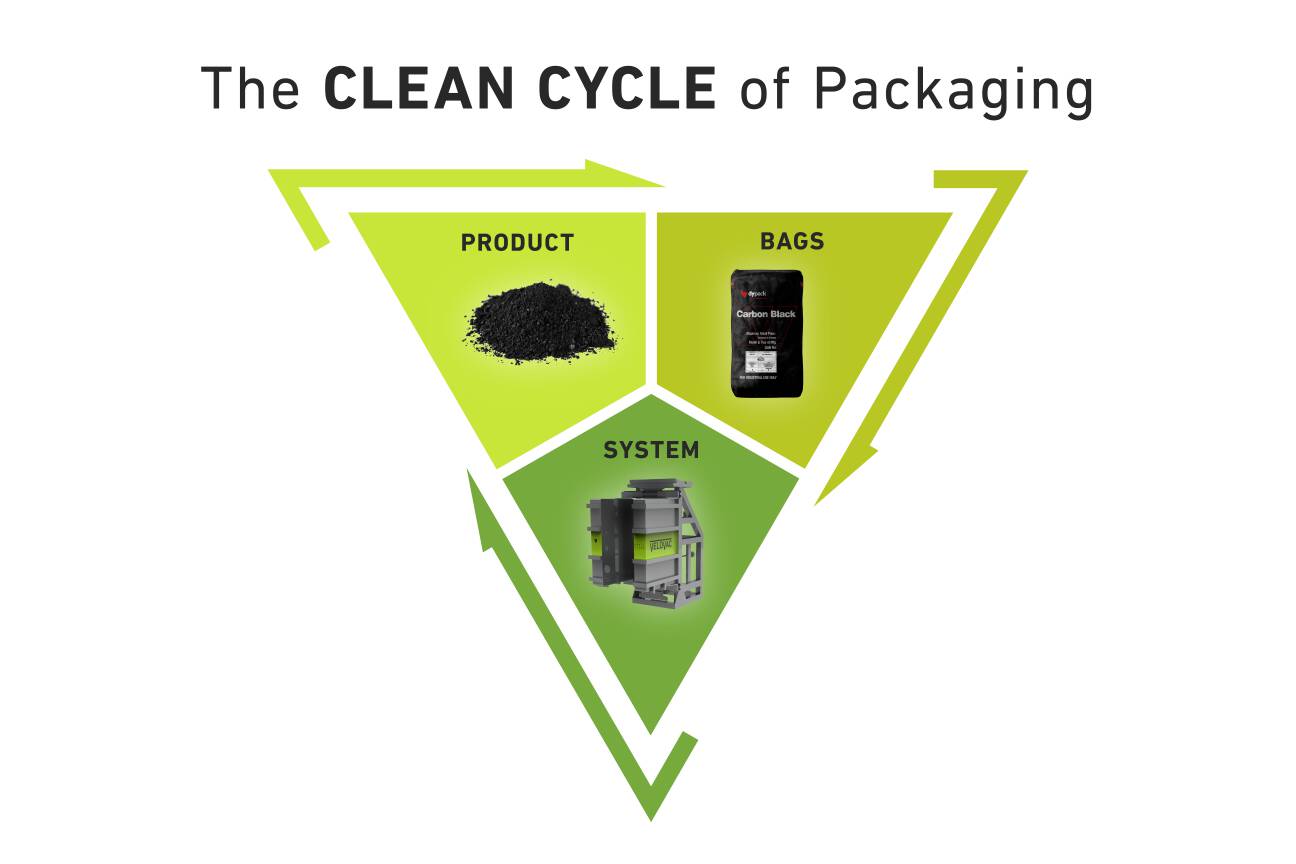
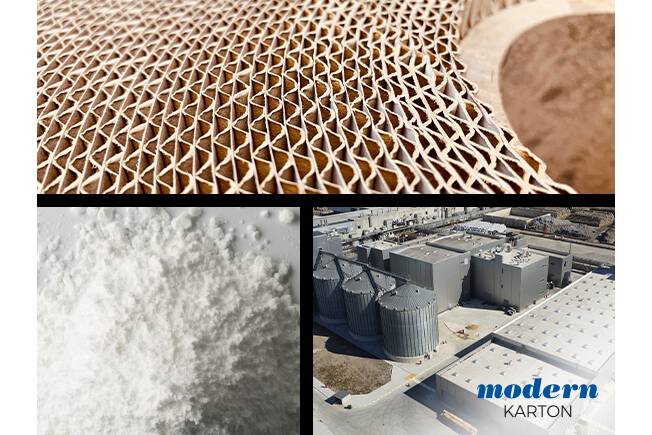
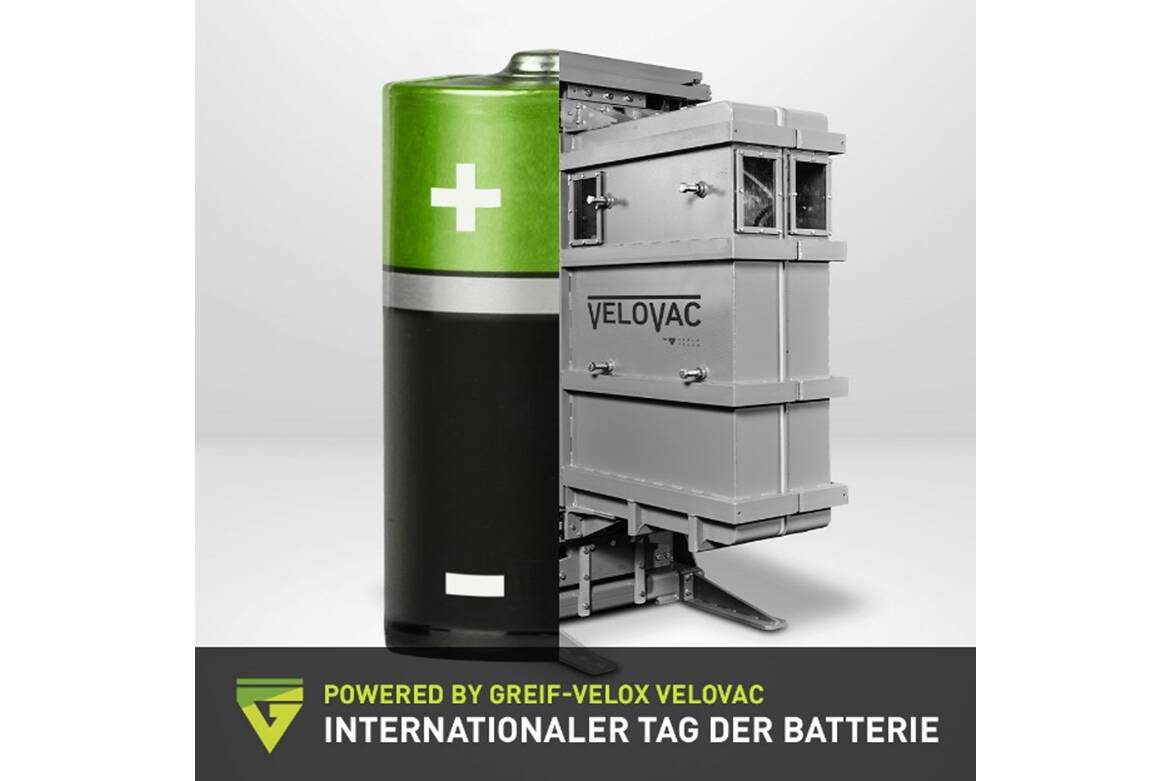
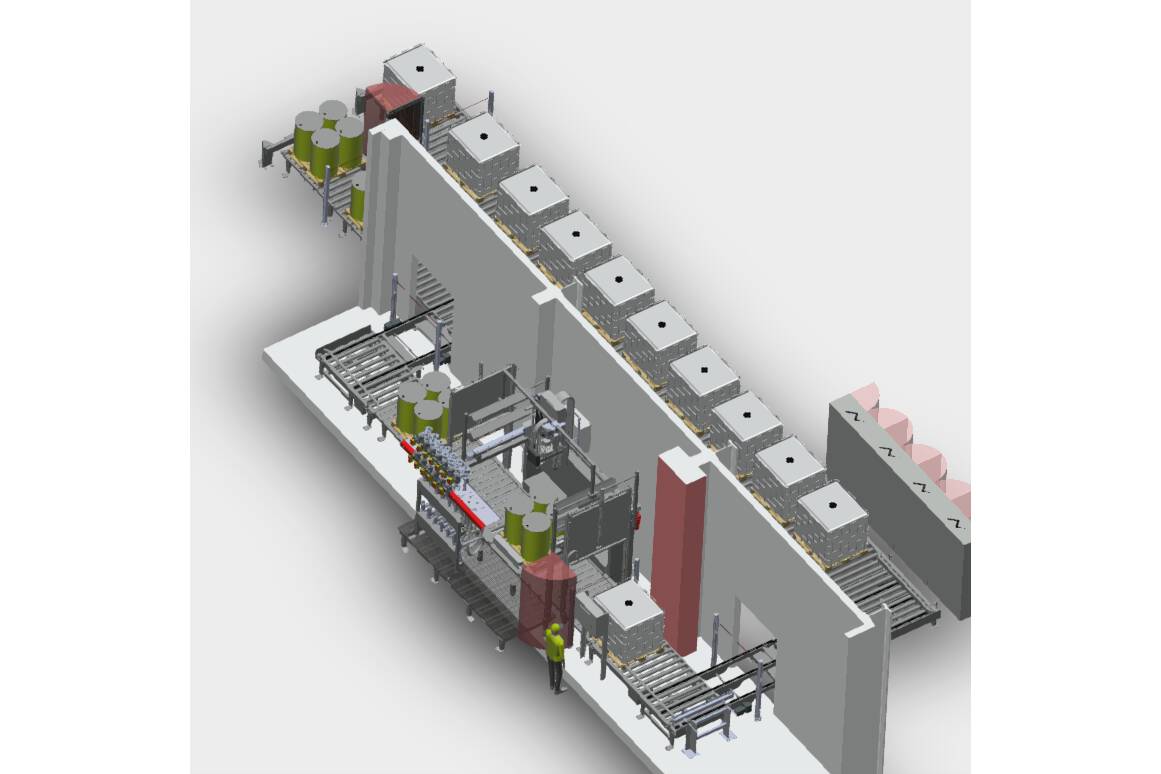
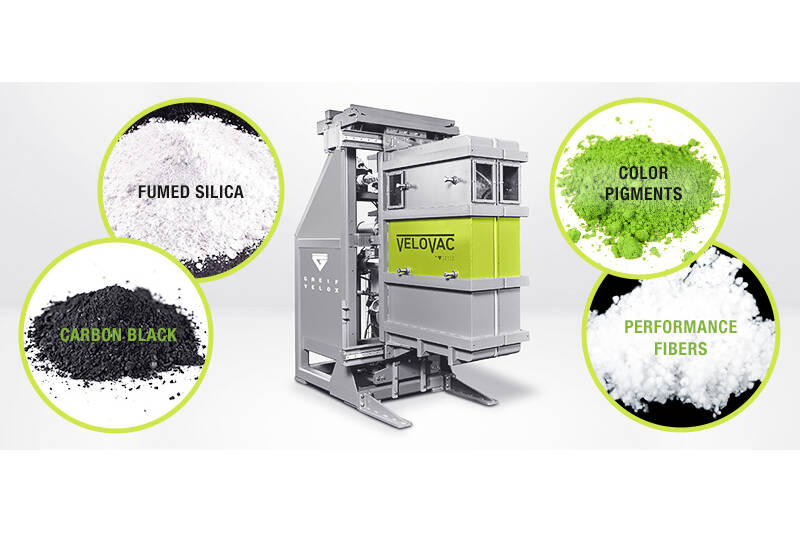
Greif-Velox VeloVac - World market leader for bagging of ultrafine powders: carbon black, silica, color pigments 100% dust-free, save up to 75% logistics costs
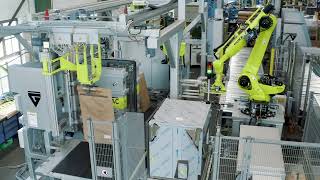
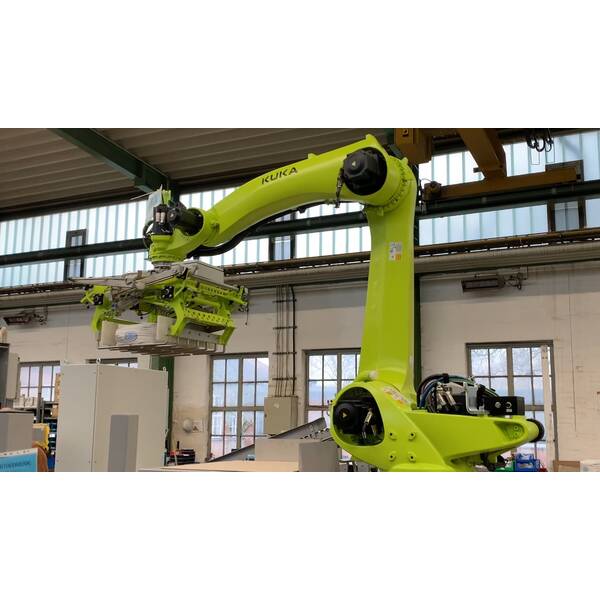
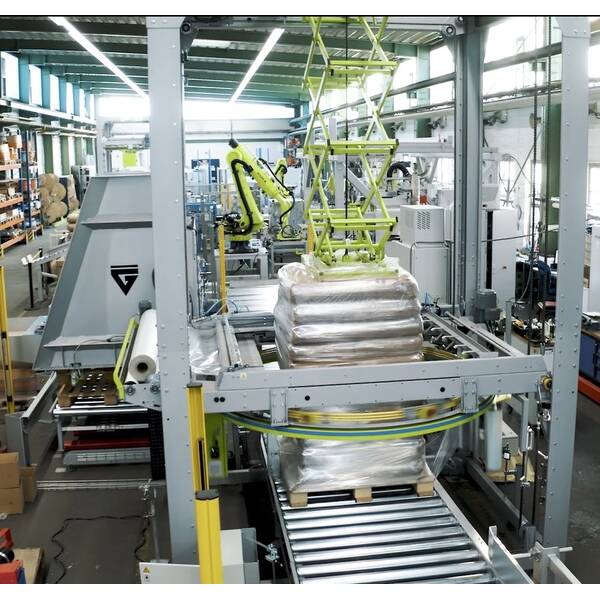
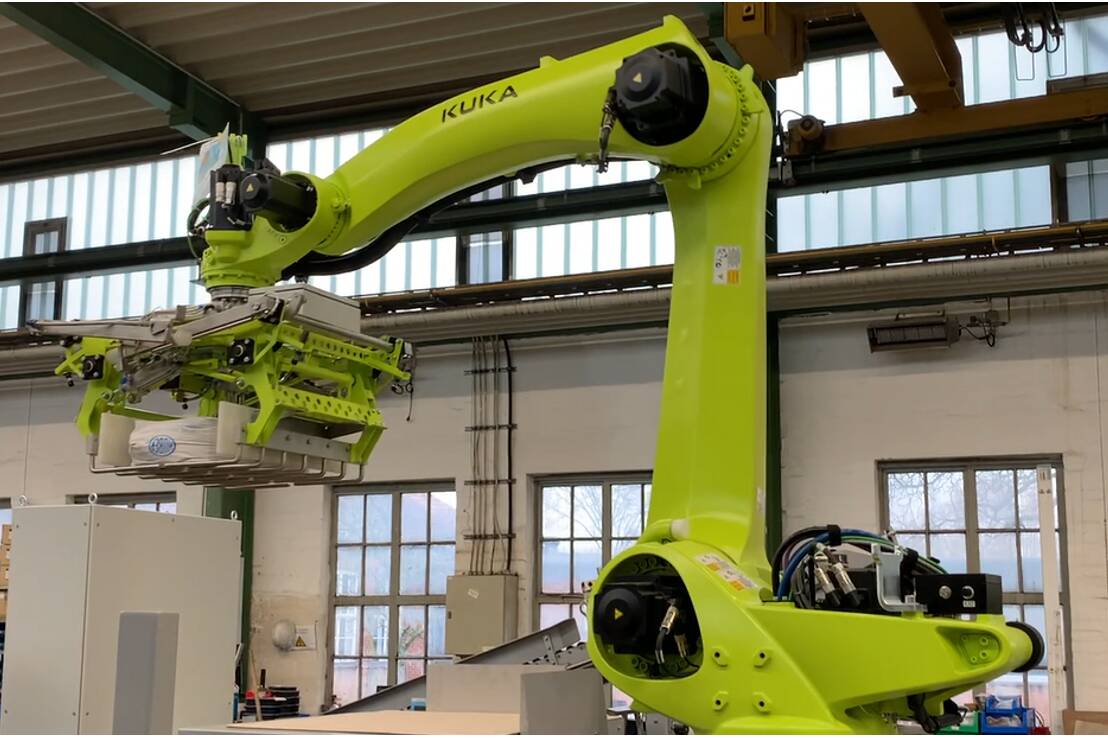
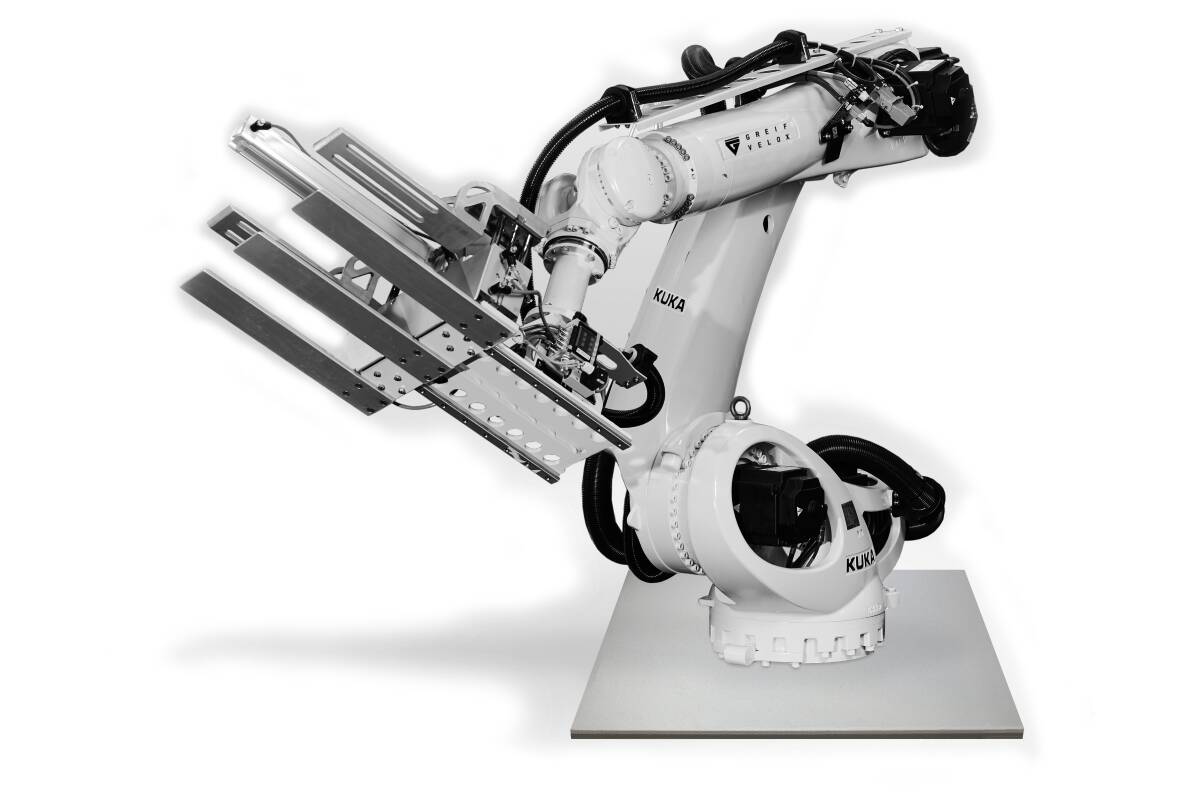
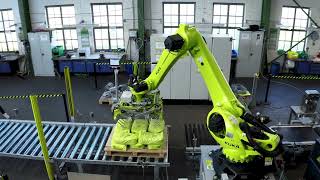
Palettierroboter VeloPack - Applications: Containers: bags, drums, canisters, buckets, cartons.
Industries: Chemical, petrochemical, food, building materials. Up to 2,000 bags/h
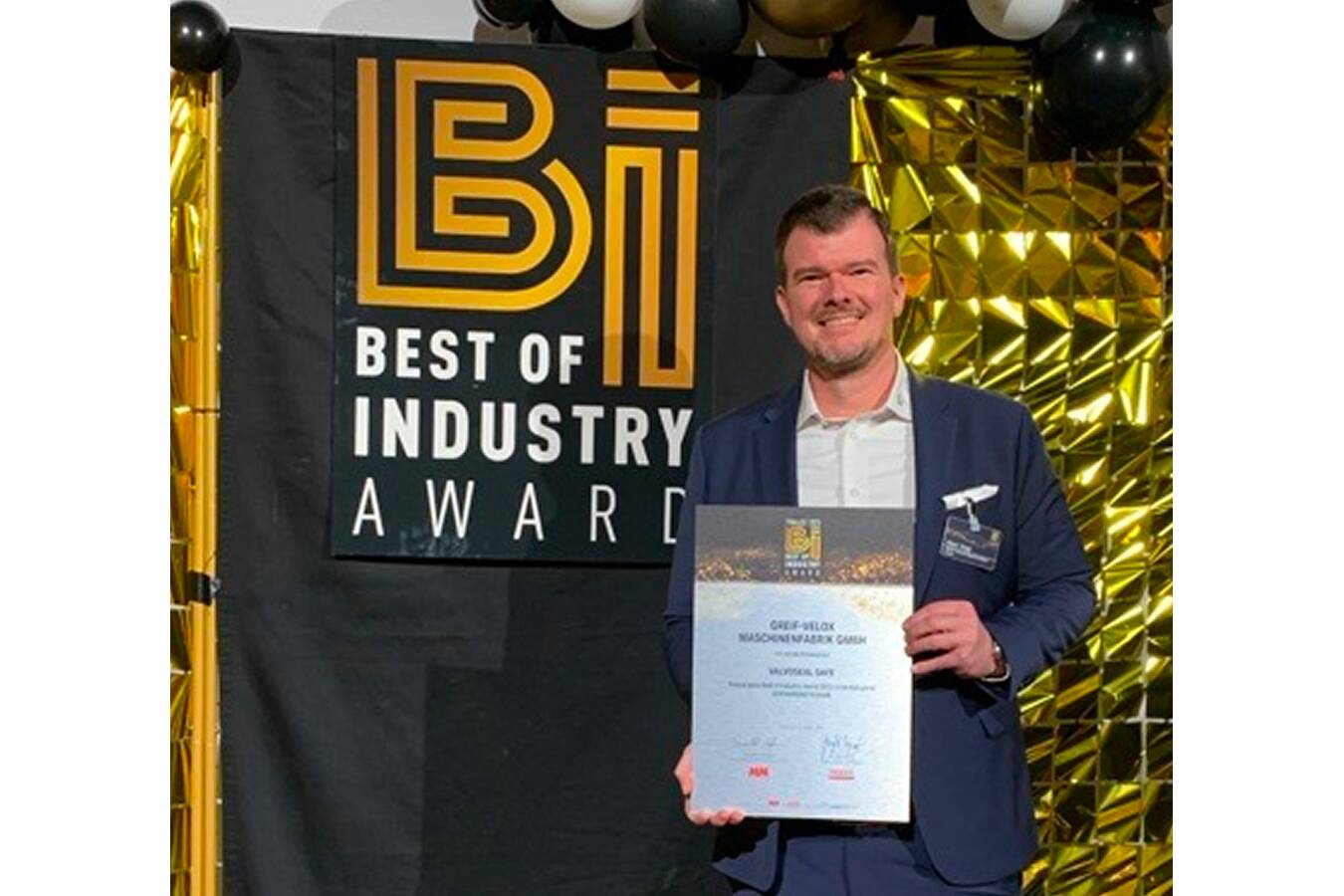
Greif-Velox ValvoCare - The patented ValvoSeal ultrasonic sealing unit seals the bag with a multiple, particularly tear-resistant sealing line.

Hygienic Design in the Food Industry
How hygienic equipment design improves safety and efficiency in bulk solids filling Hygienic production conditions are a fundamental requirement in the food industry to ensure product safety, quality, and stable processes. Especially in the handling and filling of powdered bulk materials, product residues, dust emissions, and hard-to-clean machine areas pose significant risks. Hygienic design therefore follows a constructive approach aimed at eliminating potential sources of contamination already during the design phase of machines and systems.
Hygienic design as an engineering principle
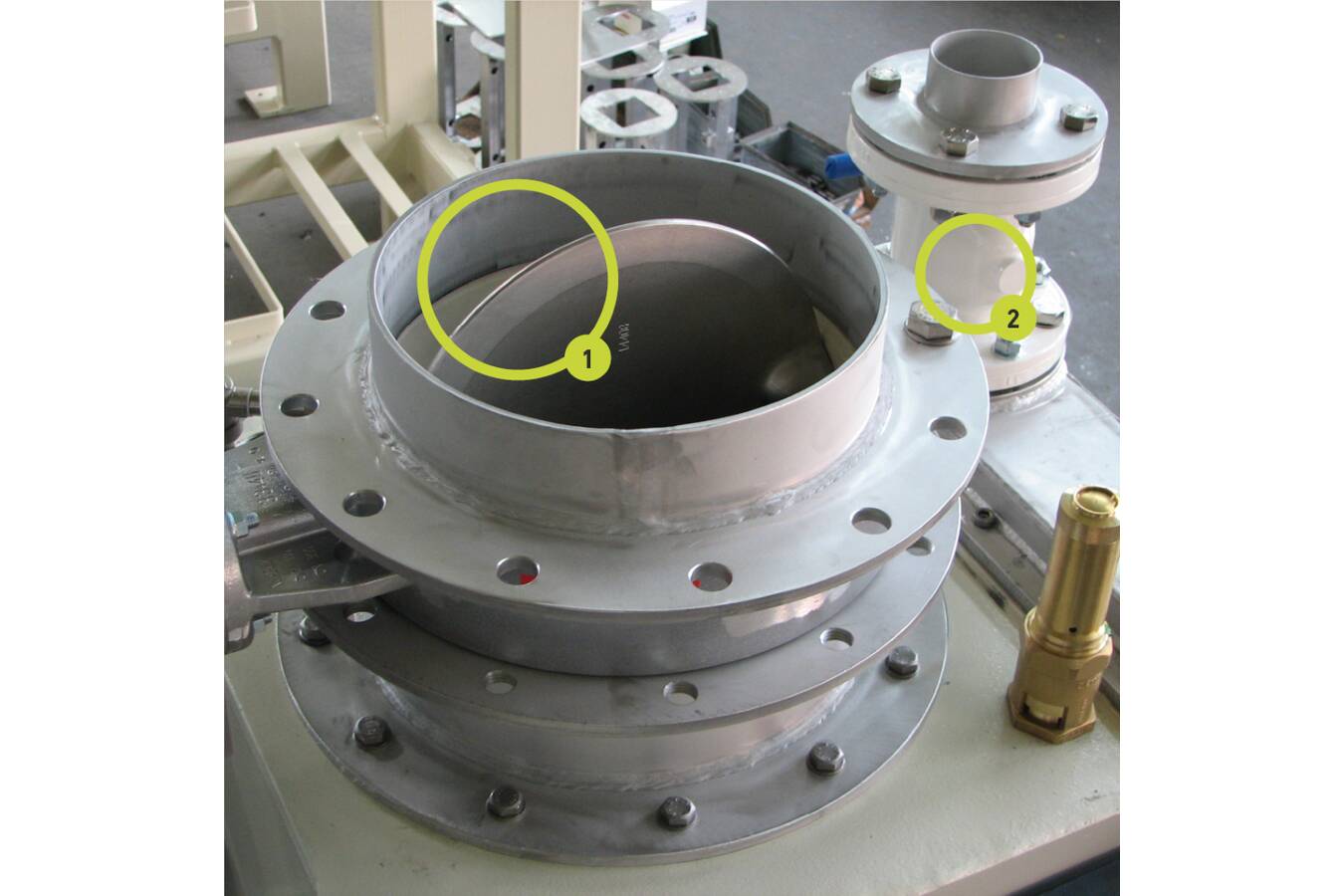
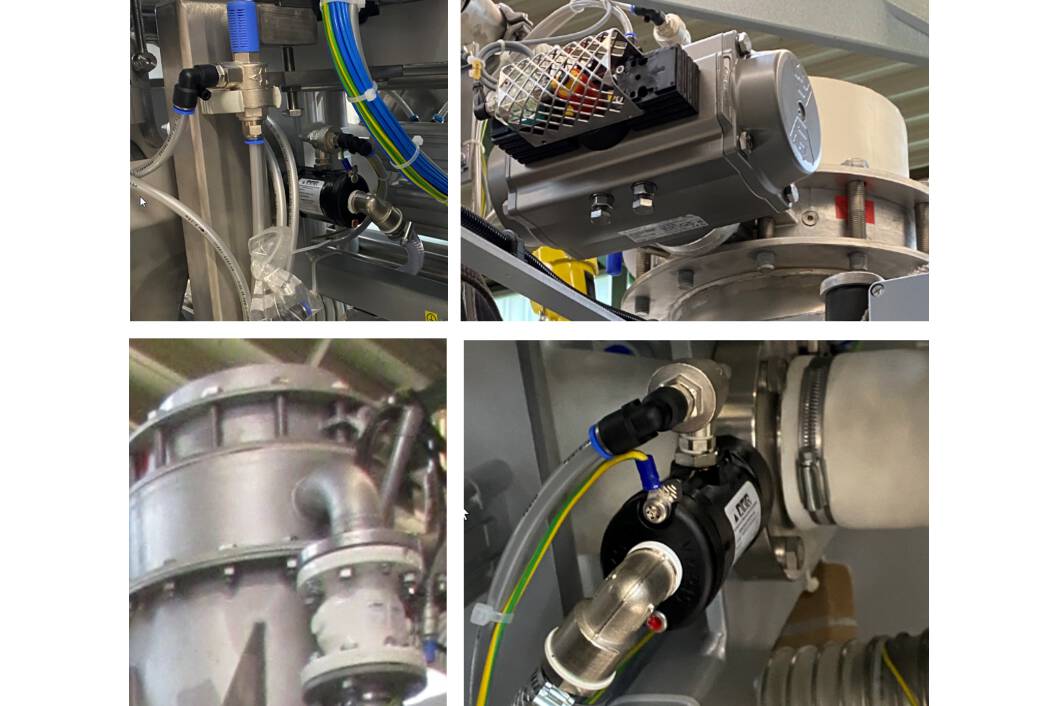
Hygienic design refers to the consistent hygienic construction of machine components, surfaces, and transitions. The objective is to avoid dead spaces, horizontal surfaces, and complex geometries that are difficult to clean. Smooth, closed surfaces, radial transitions, and fully drainable components significantly reduce product adhesion and simplify cleaning procedures.
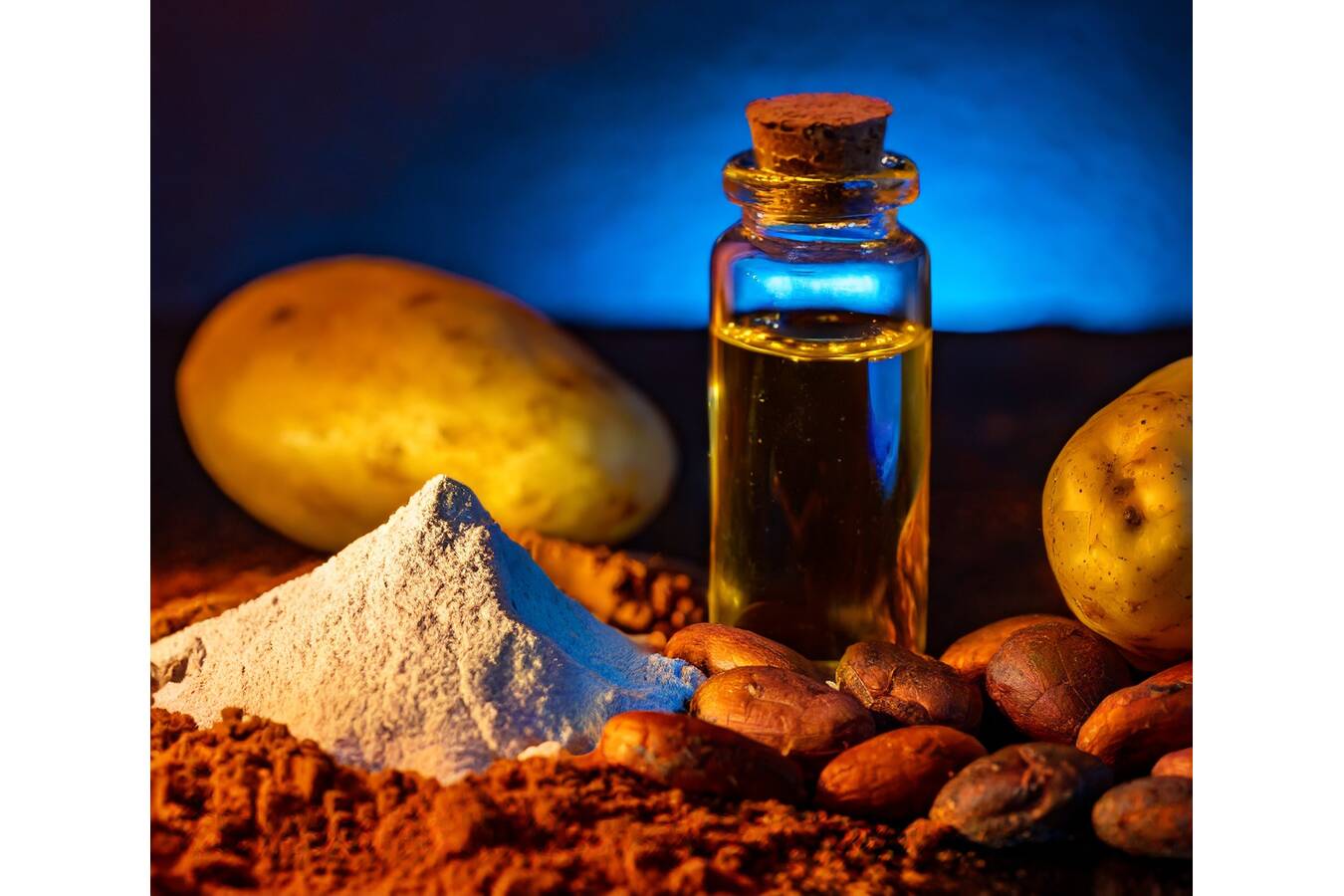
In bulk solids filling applications—such as milk powder, cocoa, starch, or protein-based ingredients—this
10.02.2026 | 1637x |