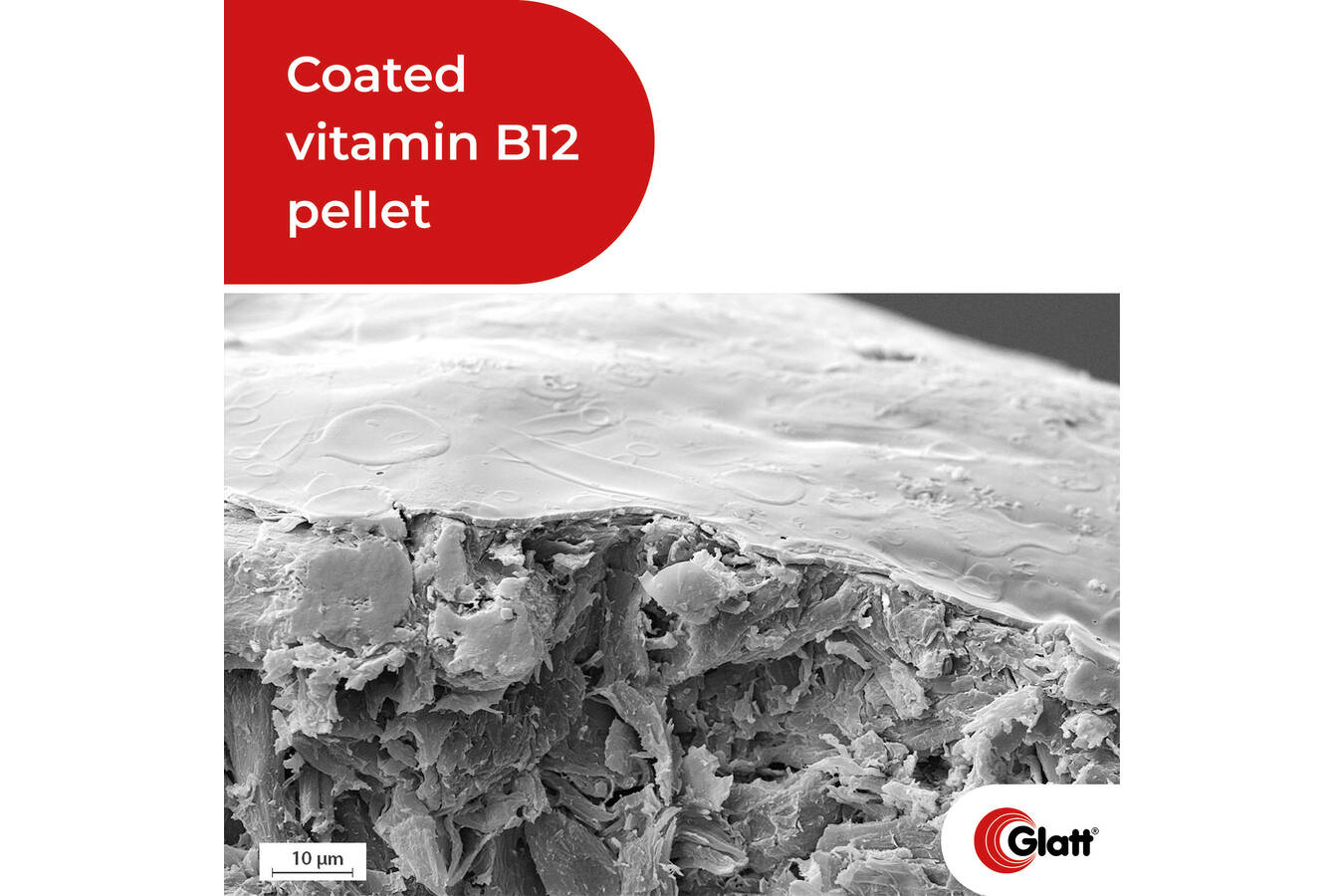
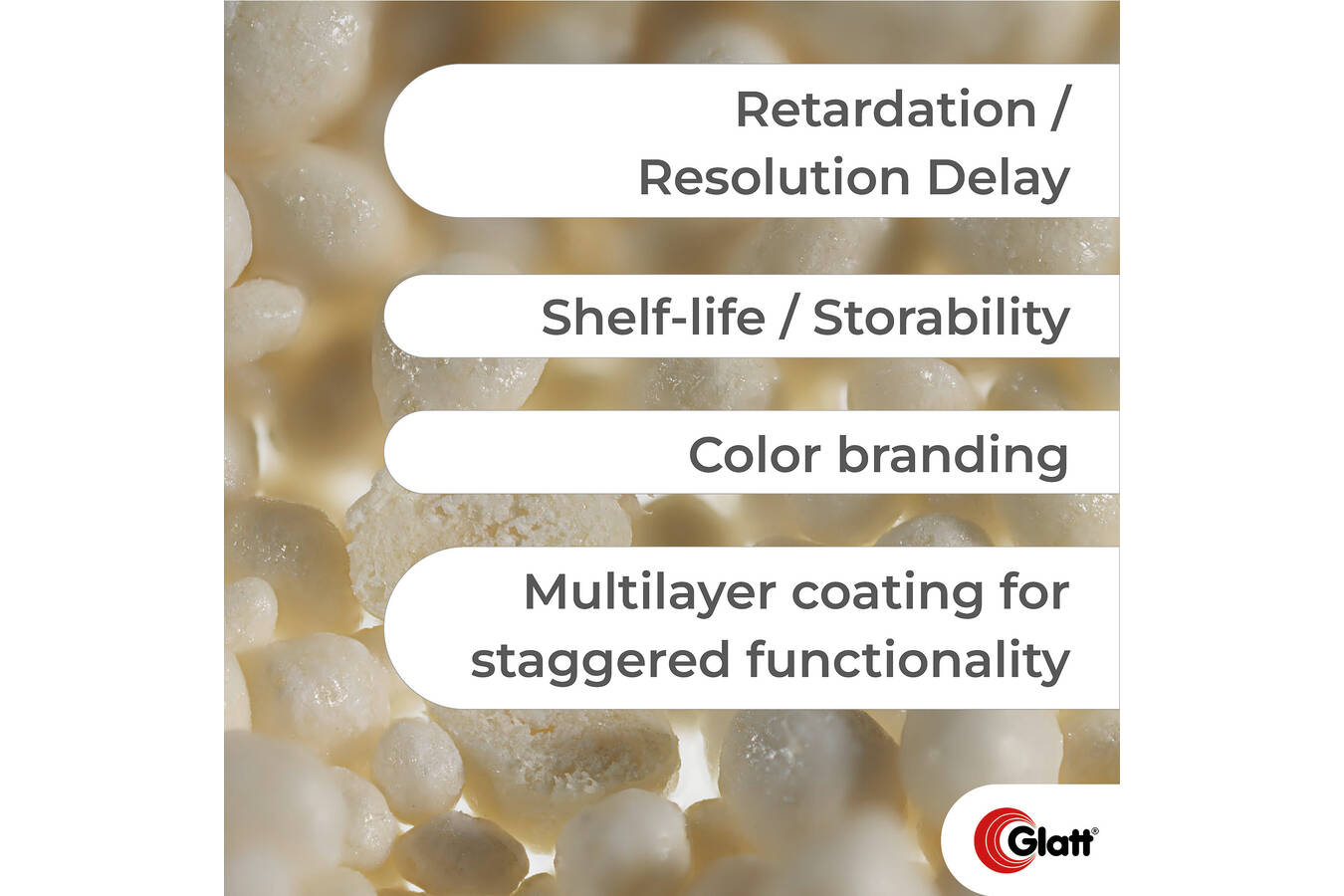
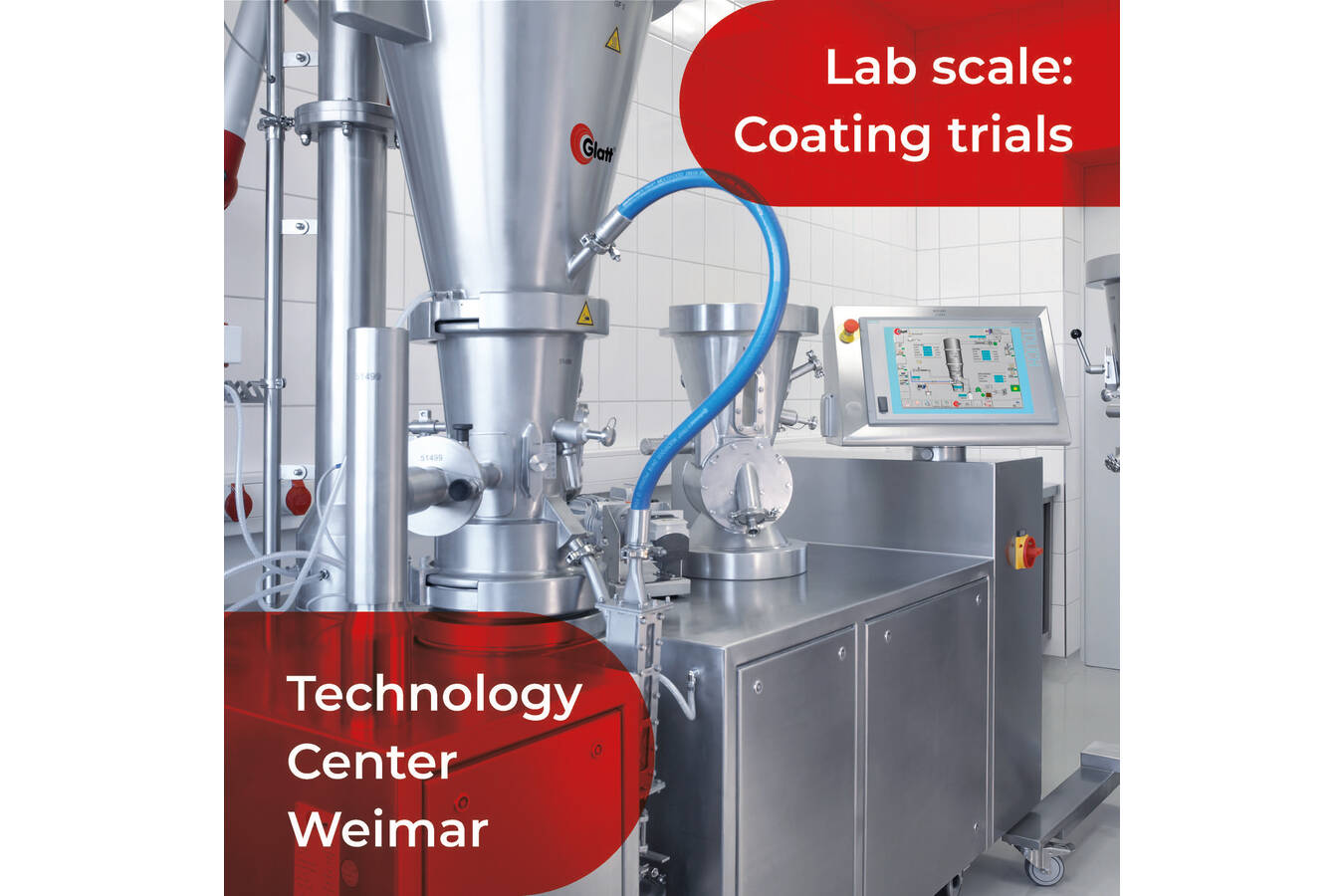
Individually adjusted coating parameters
By determining the quality of the end product, particle coating is a critical step in many manufacturing processes. To achieve optimum results, it is essential to select the most suitable approach and, to do this, the specific properties of the raw materials, the required functionality of the coating and the intended application must all be considered.
The most important aspects to think about when coating functionalised particles are outlined below. From the very beginning, those involved in process and product development must define the target parameters, the desired product properties and identify the technological and commercial conditions. Based on these criteria, a suitable technology can then be selected for production. Typically, this is an incremental process that, based on an initial concept, investigates different production variants. The aim is to optimise the process in terms of product properties and costs. There are a large number of functional particle coating applications in a wide range of industries. Important examples include
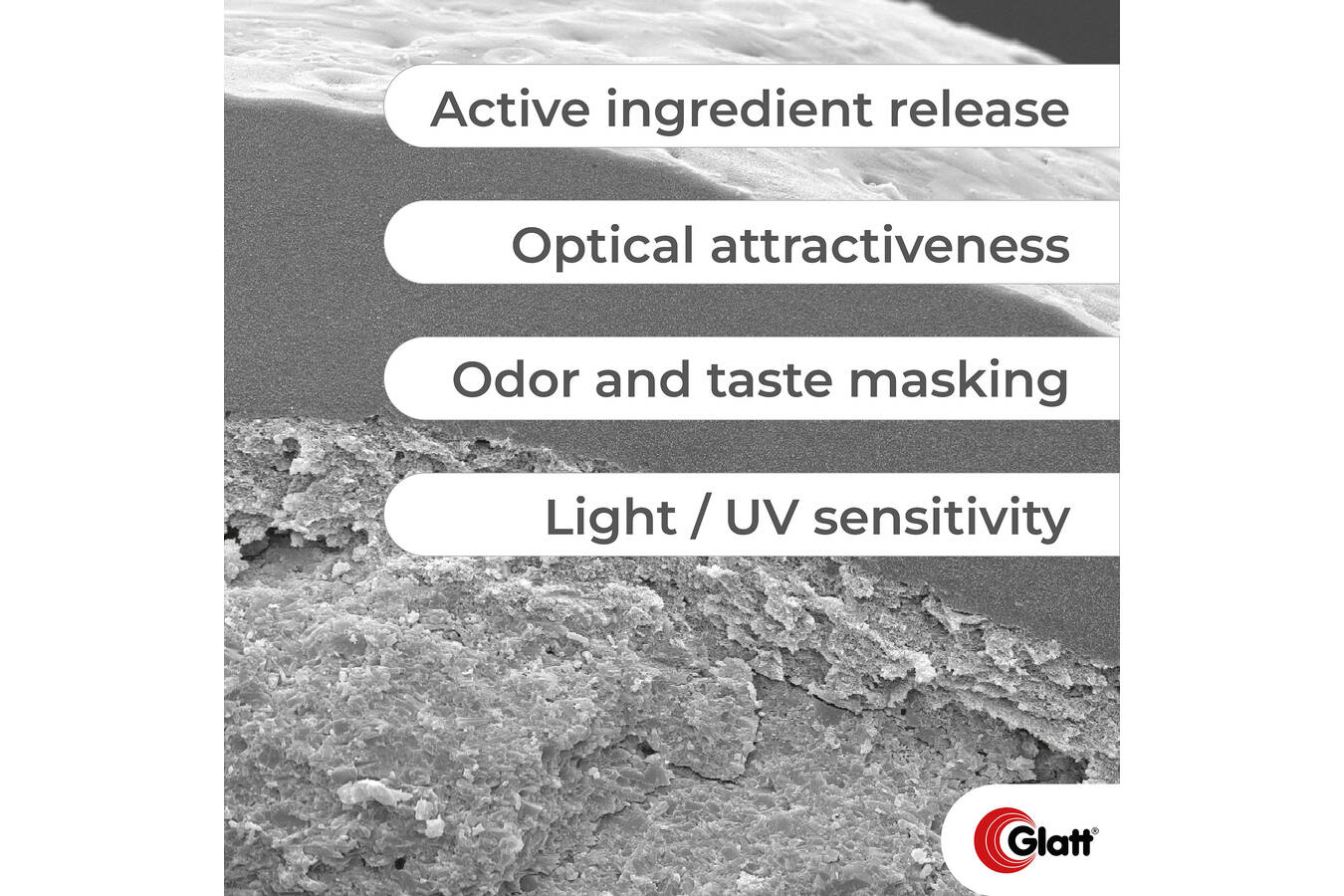
- protecting the product from environmental influences
- protection of the user from the product
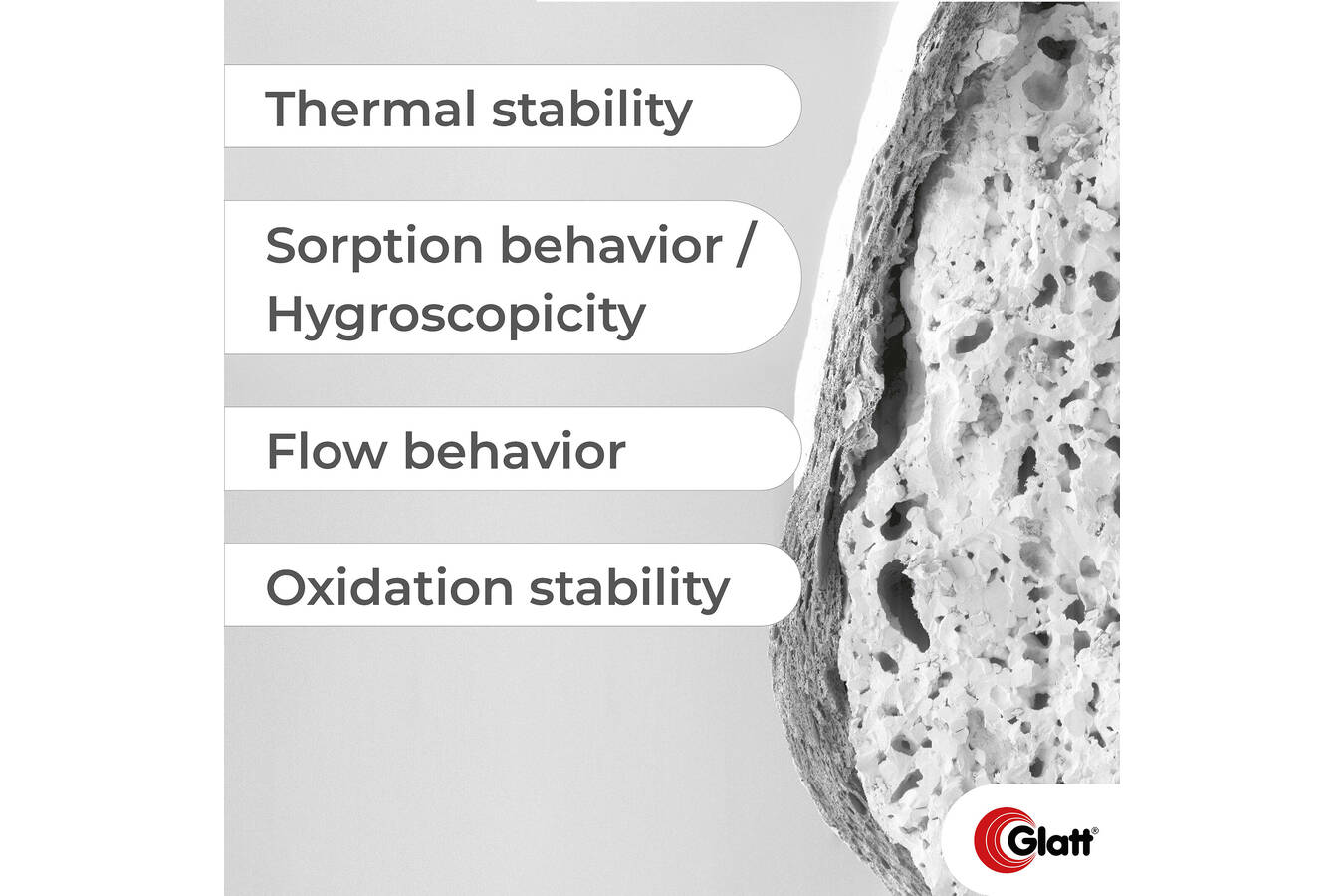
- improving the stability of sensitive products
- the precise adjustment or targeted modification of active ingredient release profiles
- reduction of the hygroscopicity of solids
- the creation of chemically active coatings
- optimised flowability
- changing the surface structure and appearance
- the production of composite particles
- an altered taste and odour.
A key aspect in the selection of suitable coating processes is the primary particle size of the material to be functionalised. With small particles (less than 100 µm), for example, conventional coating processes based on fluidised bed applications with liquid injection have certain limitations. How well the liquid can be atomised and what droplet sizes can be achieved both play a decisive role.
Owing to the typical properties of liquids, such as viscosity and surface tension, droplets smaller than 10 µm cannot usually be produced economically. Single particle coating is always more difficult to achieve if the size ratio between the droplet and the primary particle falls below a certain level. If the spray droplets are too large when compared with the primary particles, localised overmoistening occurs; this results in agglomeration effects that negatively impact the coating quality and product particle properties. Particle strength, for instance, can suffer. Depending on the material system, two alternative processes are available for these particle size ranges: core-shell coating during spray calcination or the spray drying of spray suspensions and single particle coating by chemical vapour deposition (CVD).
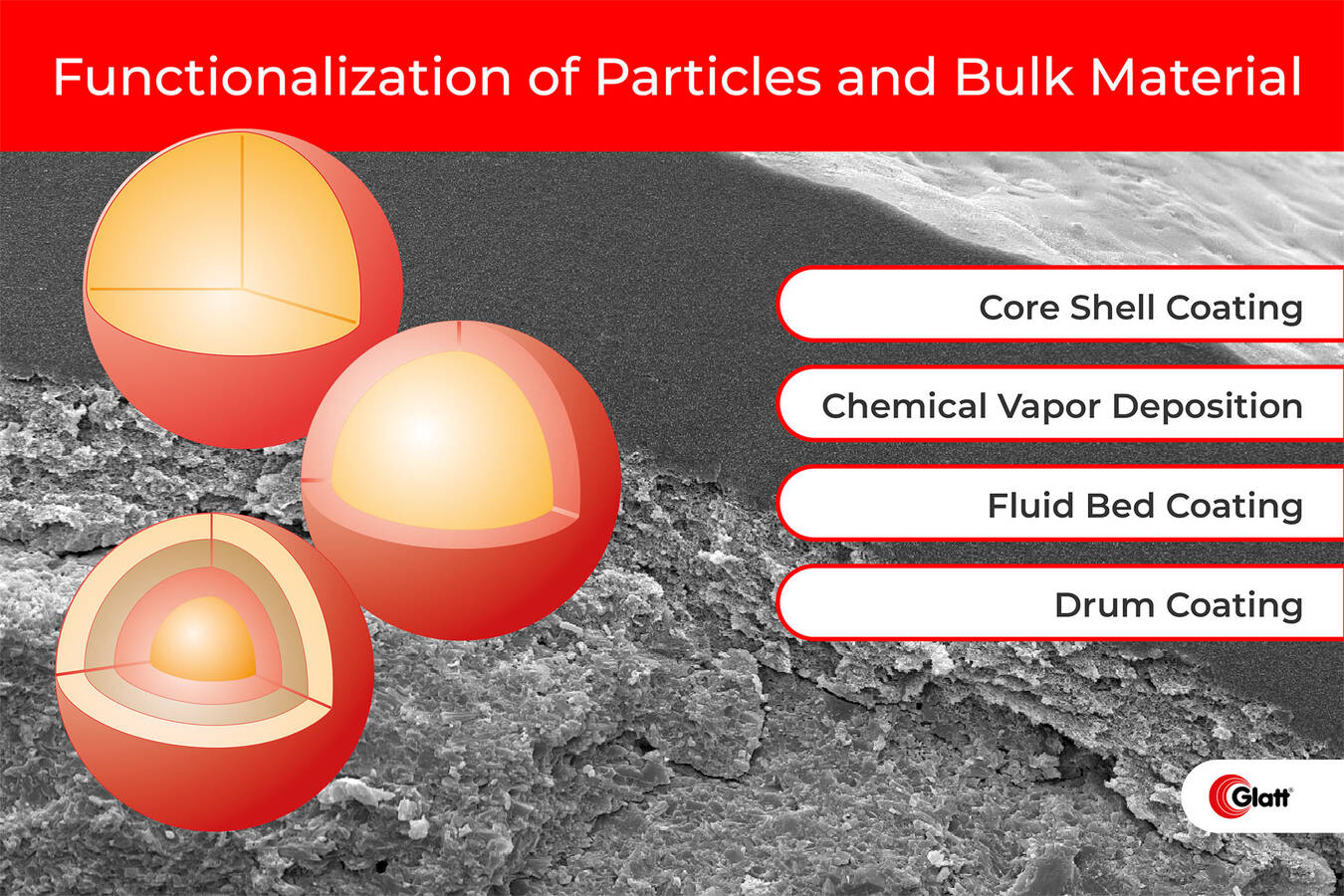
Core-Shell Coating
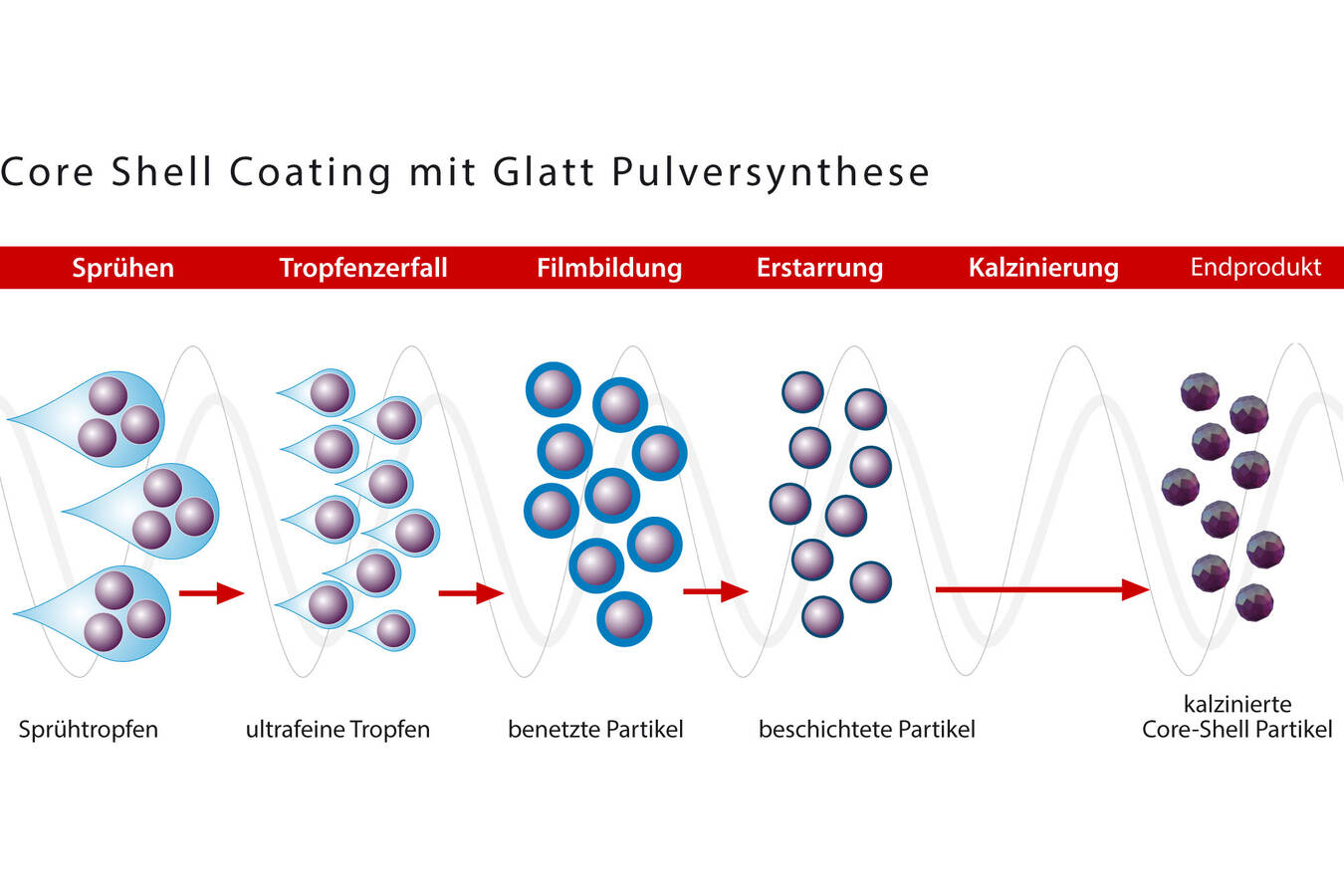
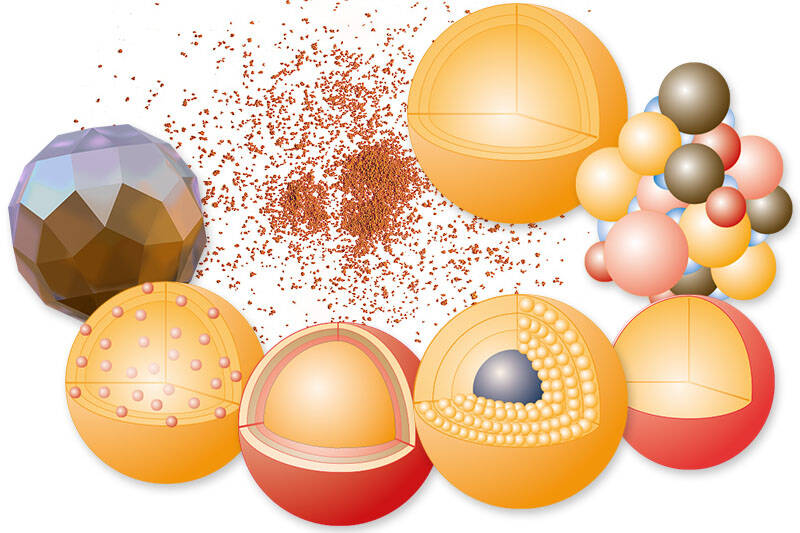
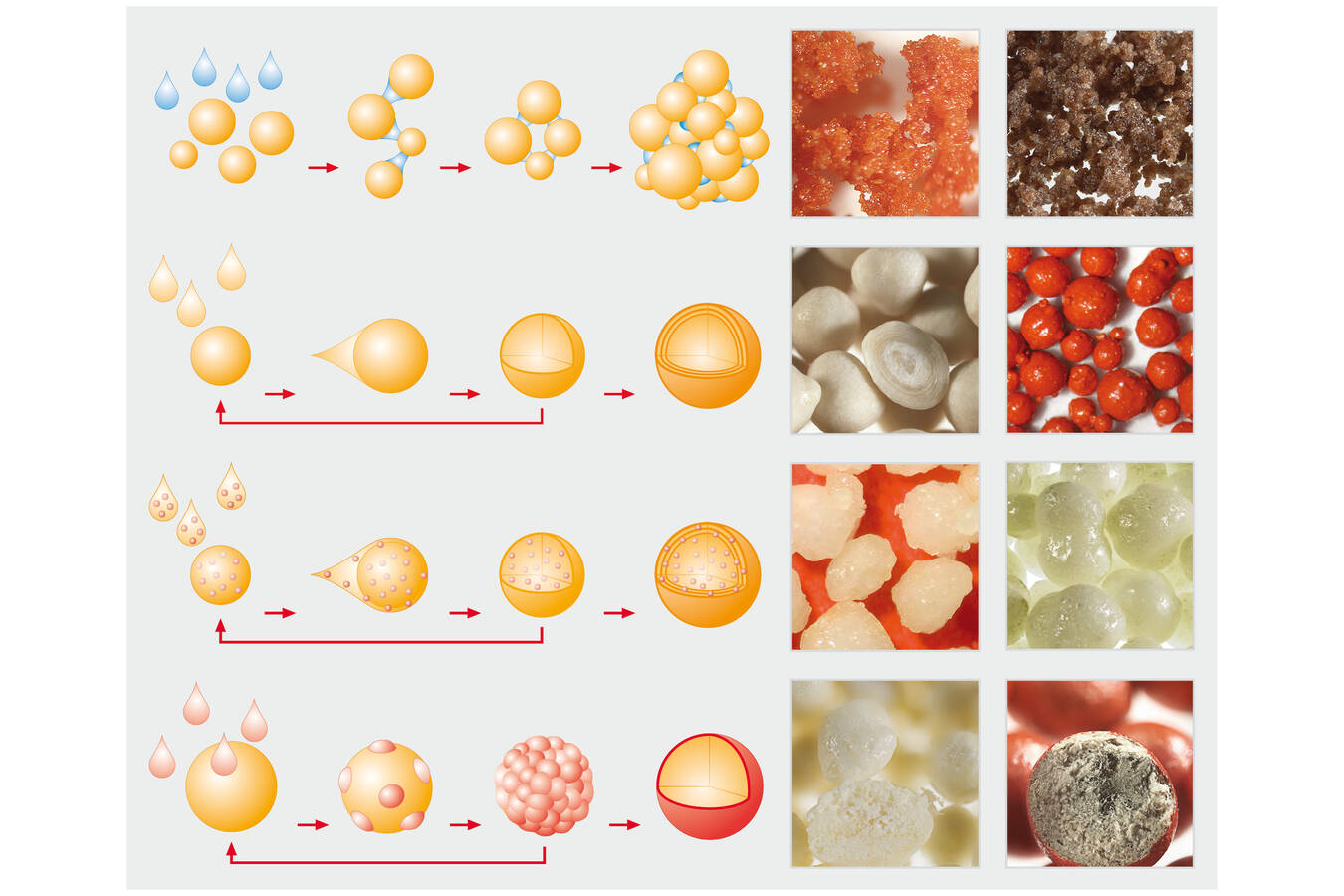
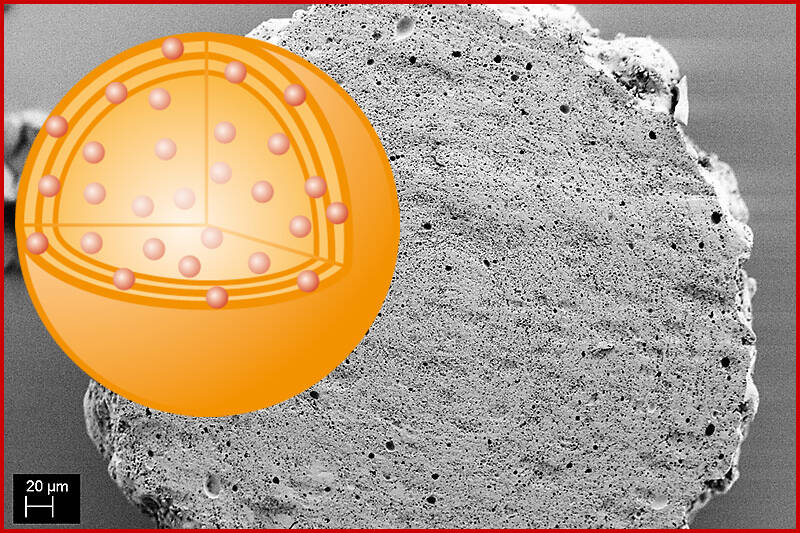
Core-shell particles are obtained from suspensions using the Glatt powder synthesis process (Figure 1). The undissolved phase defines the particle size of the end product and forms the core material. The coating material is present in dissolved form and the ratio of solid to solution can be adjusted, which defines the layer thickness. The suspension is introduced into the pulsating gas flow of the powder synthesis apparatus: here, the controlled atomisation and subsequent secondary atomisation of the suspension ensure the production of very fine droplets. The solution wets the particle surfaces, which quickly dry because of the high heat and mass transfer rates. If necessary, the temperature can be increased further and combined with chemical conversion to produce the required end product quality.
Chemical Vapour Deposition
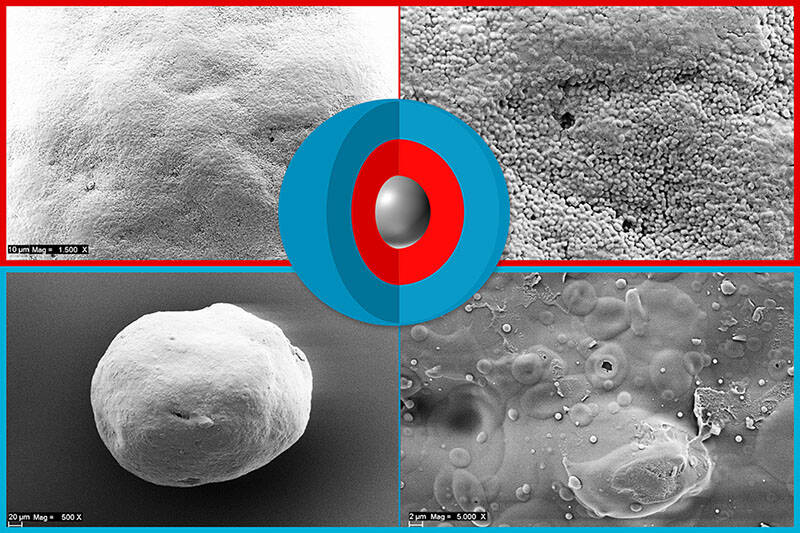
The coating of substrates by CVD is an established process that is used, for example, to coat wafers with silicon compounds in the electronics industry and/or to coat glass or tools with hard coatings such as metal oxides, carbides and nitrides. In this process, a solid layer is deposited on the substrate at temperatures of 200–1300 °C via chemical reactions in the gas phase. In combination with fluidised bed technology, this principle can be transferred to particle coating by capitalising on the known advantages of high heat and mass transfer, good solid mixing and scalability. This makes it possible to produce particularly thin coating layers in the nanometre range — even on particles smaller than 100 µm.
The challenges with this process include the selection of suitable precursors to produce the desired solid layer and the moderate flow properties of the particles to be coated. However, this can be solved by using suitable fluidisation aids such as gas pulsation or vibration. At the same time, the particles to be coated must be appropriately temperature stable.
Fluidised Bed and Spouted Bed Processes
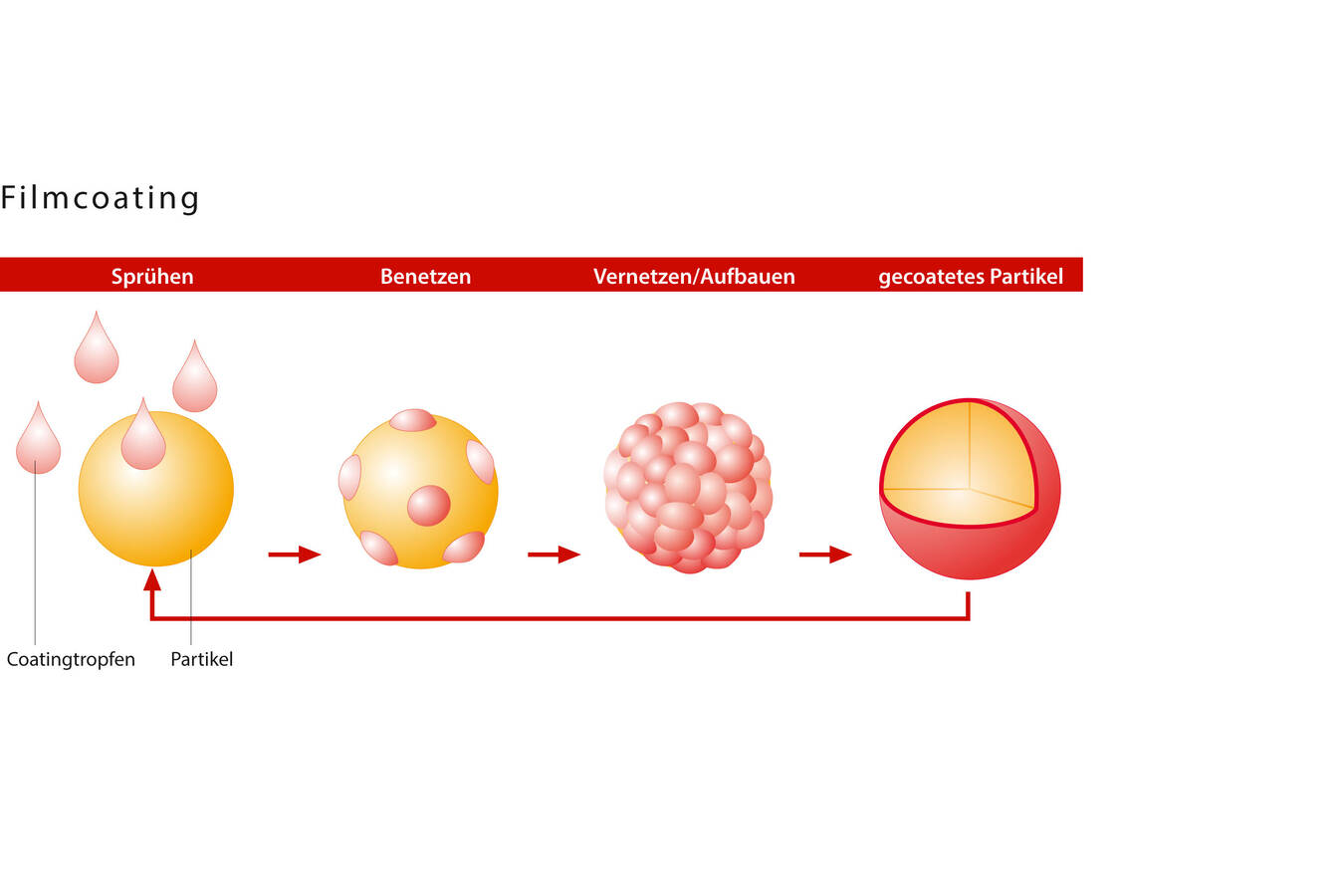
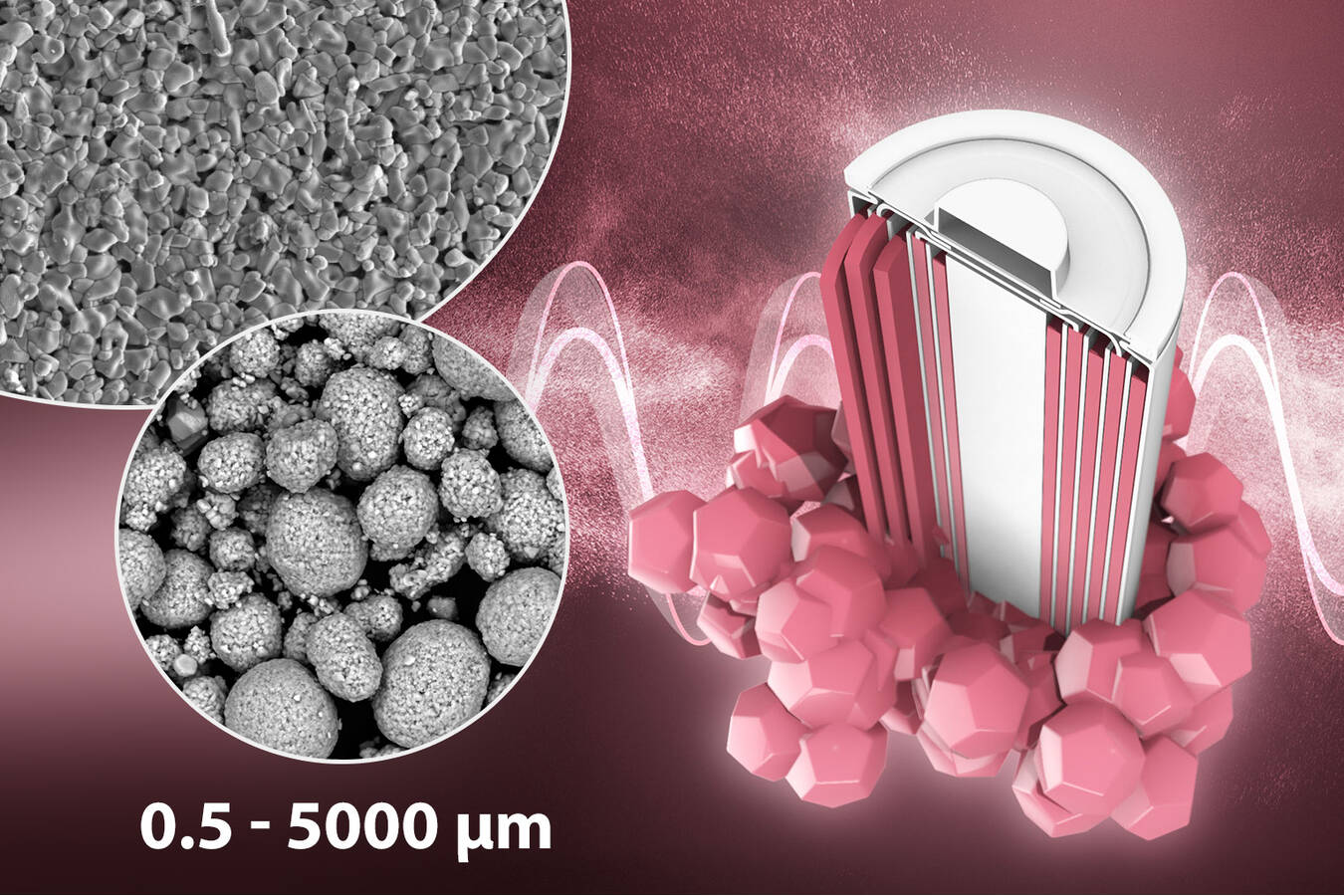
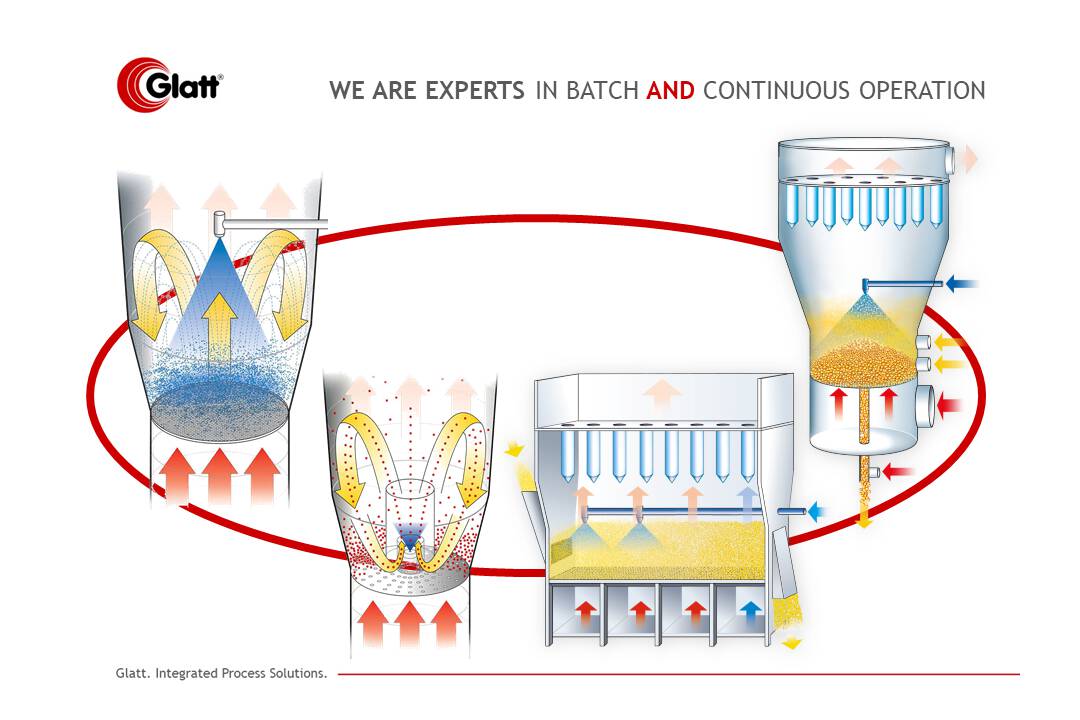
For particle sizes in the 100–5000 µm range, tried and tested fluidised and spouted bed processes can be used (Figure 2). Here, coating liquids are injected and applied to fluidised particle systems. An important consideration, among other things, is the design of the spray system. The liquid to be introduced into the fluidised bed is usually injected from top to bottom (top spray) or vertically upwards (bottom spray). In some applications, laterally or tangentially oriented spray systems are also used. The so-called Wurster process has established itself as a special form of bottom spray.
The area around the nozzle is enclosed by a cladding tube in which very high gas velocities occur. This process is often used to coat fine particle systems with comparatively thin but completely closed layers, such as the application of protective films or functional layers to pharmaceutical or otherwise active core substances.
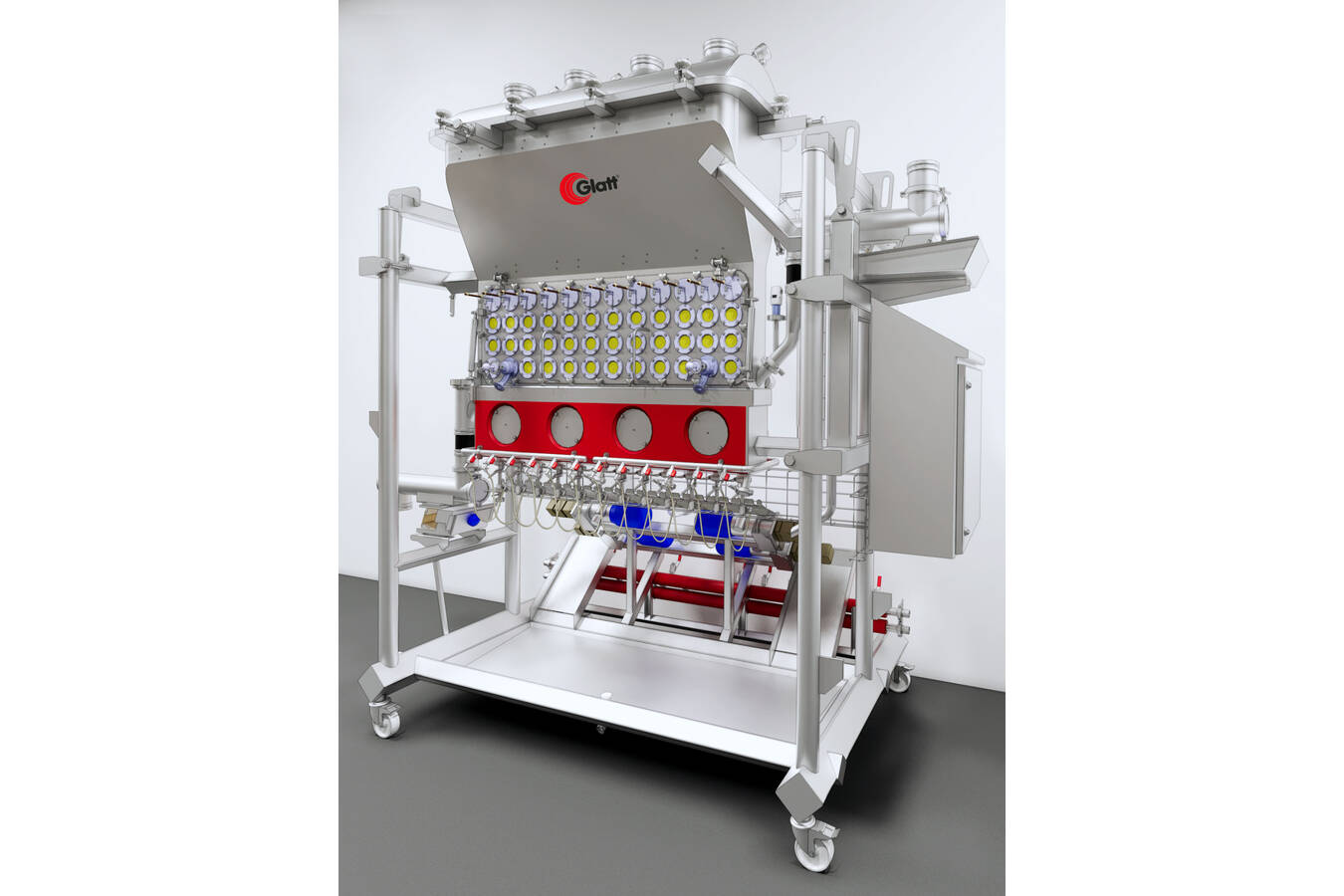
In certain situations, a continuous supply of raw materials and uninterrupted product discharge are required. For this purpose, GF plant for continuous process control was developed that works according to the fluidised bed principle. This is characterised by the elongated rectangular process chamber. The underlying concept is based on a directed flow of solids in the fluidised bed and enables several process steps to be done in one machine.
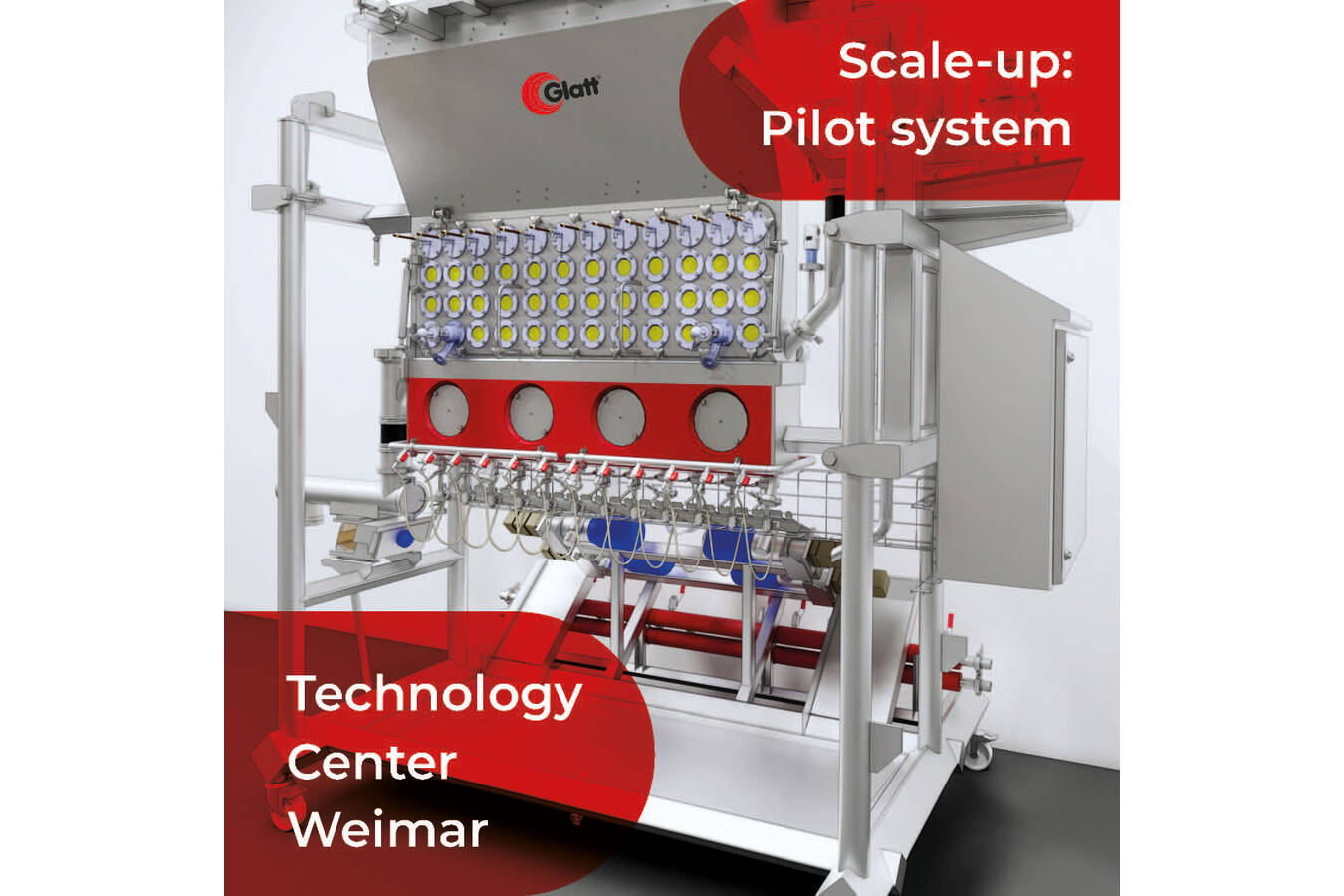
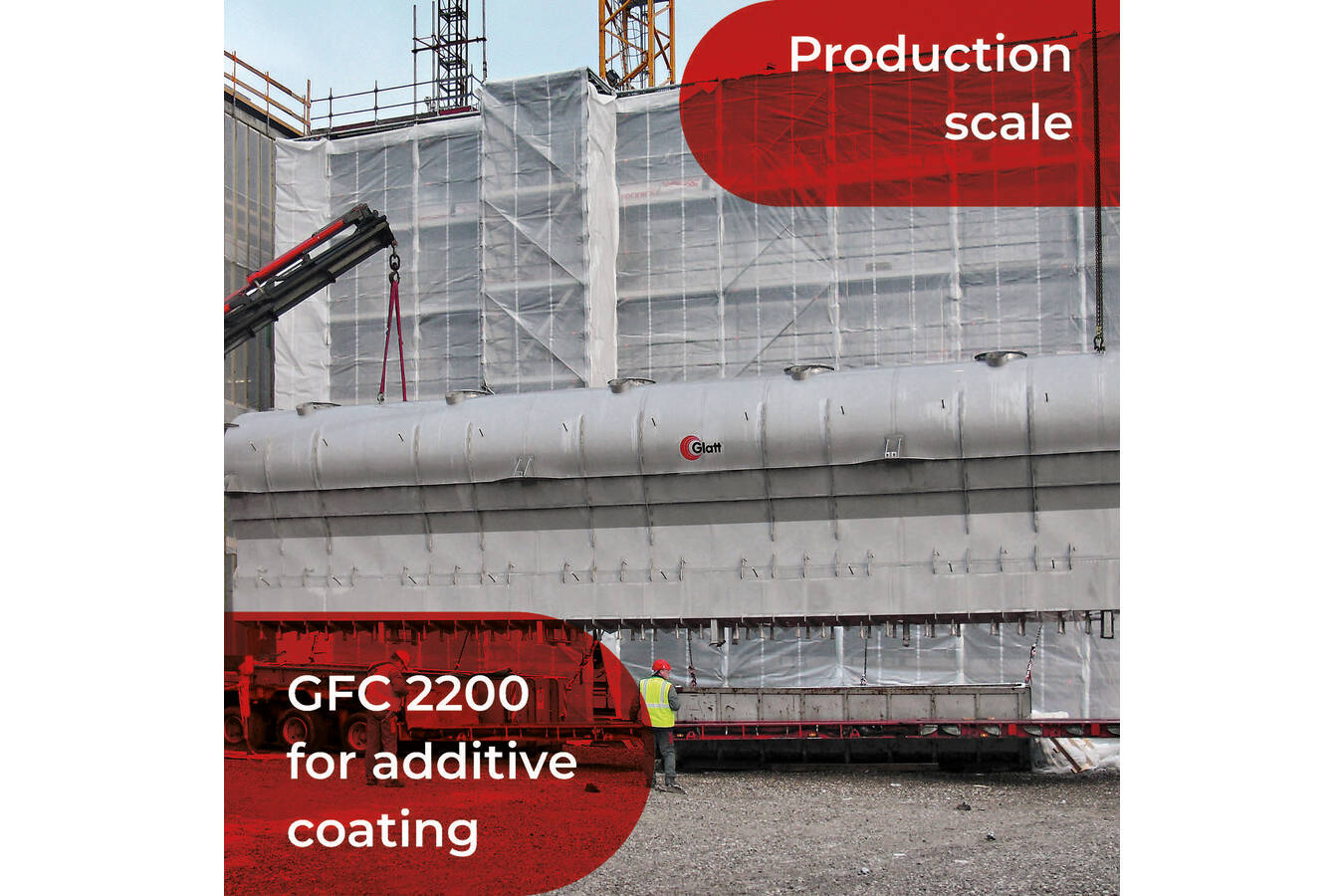
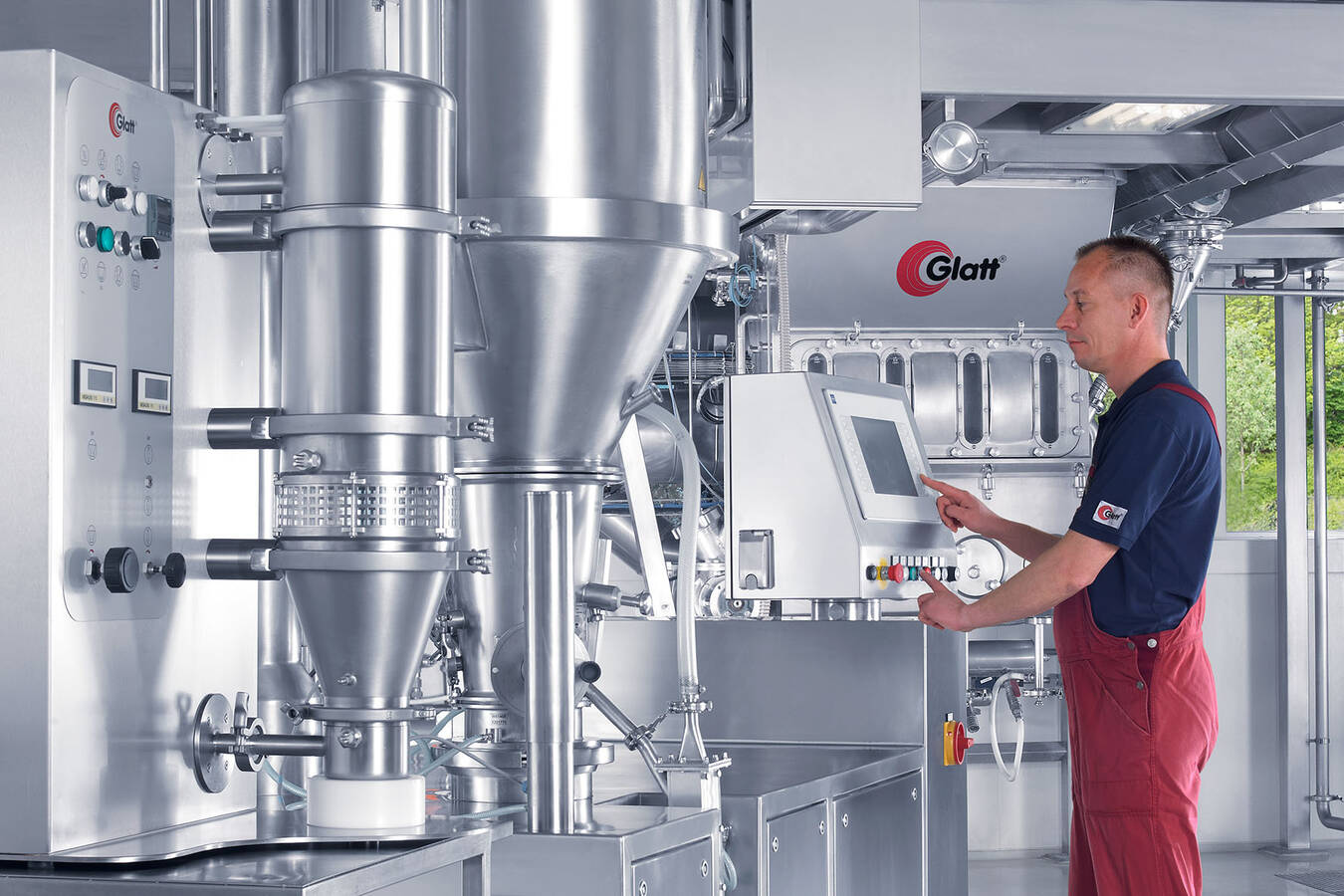
For this purpose, the area below the gas distributor is divided into air supply chambers. Each of these can be supplied with conditioned process gas with different volume flows or temperatures. A typical application involves injection on the feed side of the GF apparatus with subsequent post-drying or cooling in the chambers on the discharge side. With such a configuration, different functional layers can be applied one after the other. Continuous fluidised bed coating has special requirements in terms of residence time distribution. Glatt recently developed the new GFC 16 pilot system, which is customised for continuous coating applications and tailored to process development (Figure 3).
Drum Coating
For particles larger than 5000 µm, alternative processes such as drum coating are technically feasible. In the transition range, the requirements for the coating and its quality determine the preferred process. In this size range, the density of the individual particles also defines the resulting cost-effectiveness of a coating process based on fluidised bed technology. The fluidising velocities of such large and heavy particles can require a considerable amount of energy. As such, separating the mechanical movement from the provision of the drying medium can be advantageous. These drum coating processes are used, for example, in tablet coating and the food industry.
Glatt supports its customers from product concept to the production of functional particles. Users benefit from innovative technologies, expertise in functional particle coating in various applications, a wealth of raw material property knowledge and very short development times for customised particle properties and products.
authors: Dipl.-Ing. Arne Teiwes and Dr.-Ing. Christian Rieck, both Technology Development, Process Technology Food, Feed & Fine Chemicals, Glatt Ingenieurtechnik
originally published at Process Engineering » Coating: Individually Adjusted Coating Parameters (process-technology-online.com, Konradin Mediengruppe)