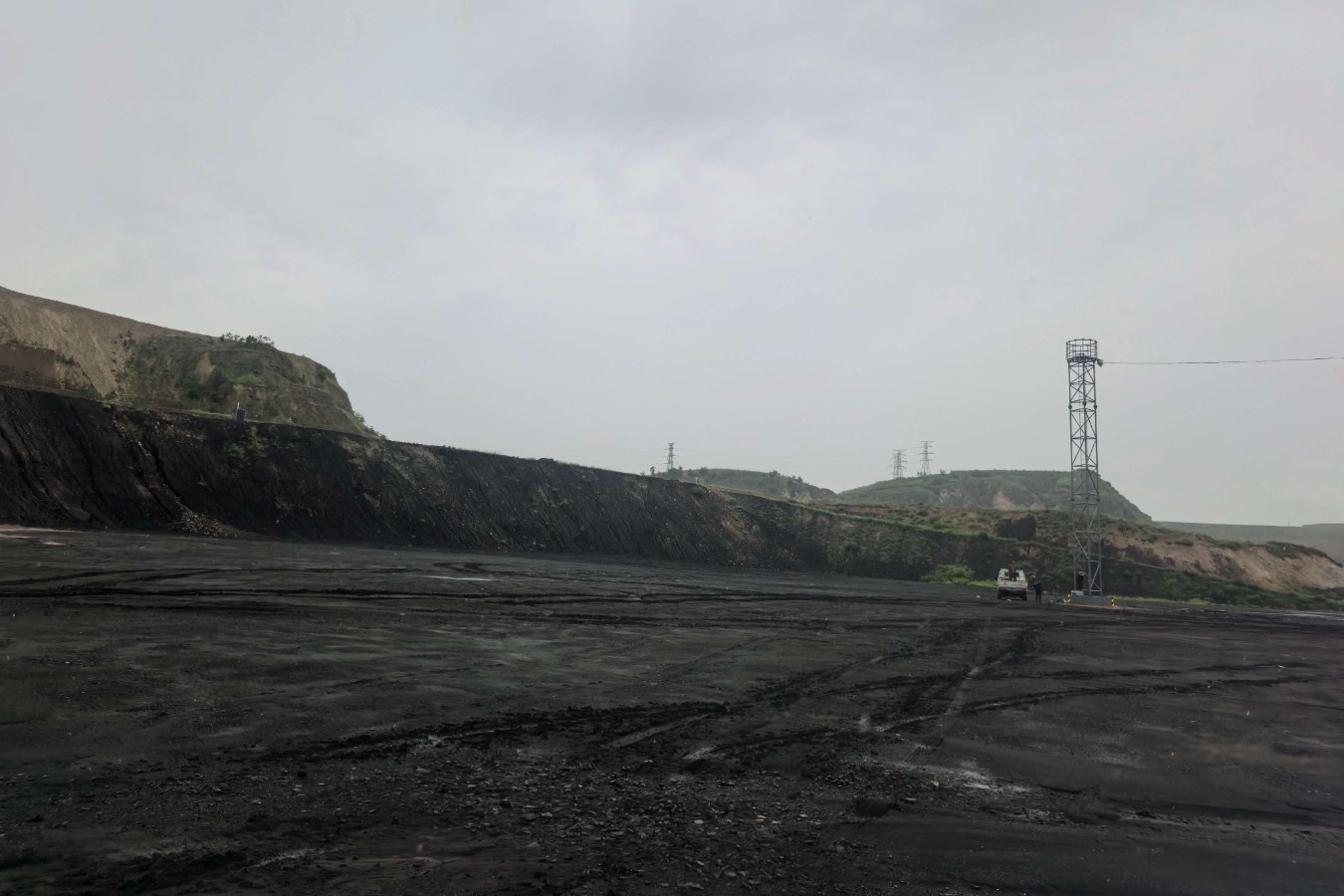
Plant managers in glass processing and calcium carbonate facilities regularly face a difficult trade-off: stopping production for manual inventory checks or relying on inaccurate estimates. In calcite powder silos, dense dust clouds cause standard sensors to output unstable readings. Meanwhile, jagged, uneven piles of glass cullet make single-point devices blind to true material volume.
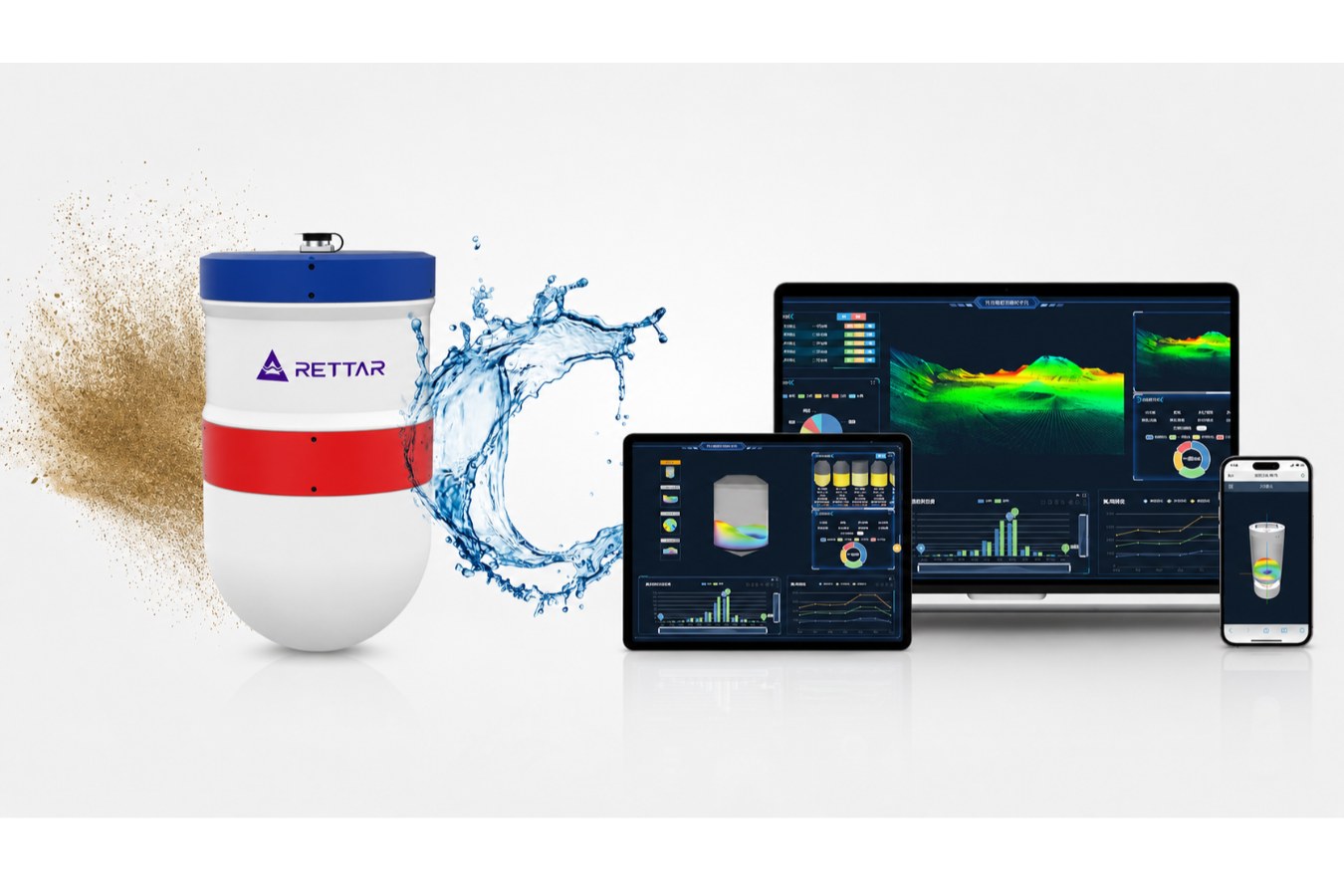
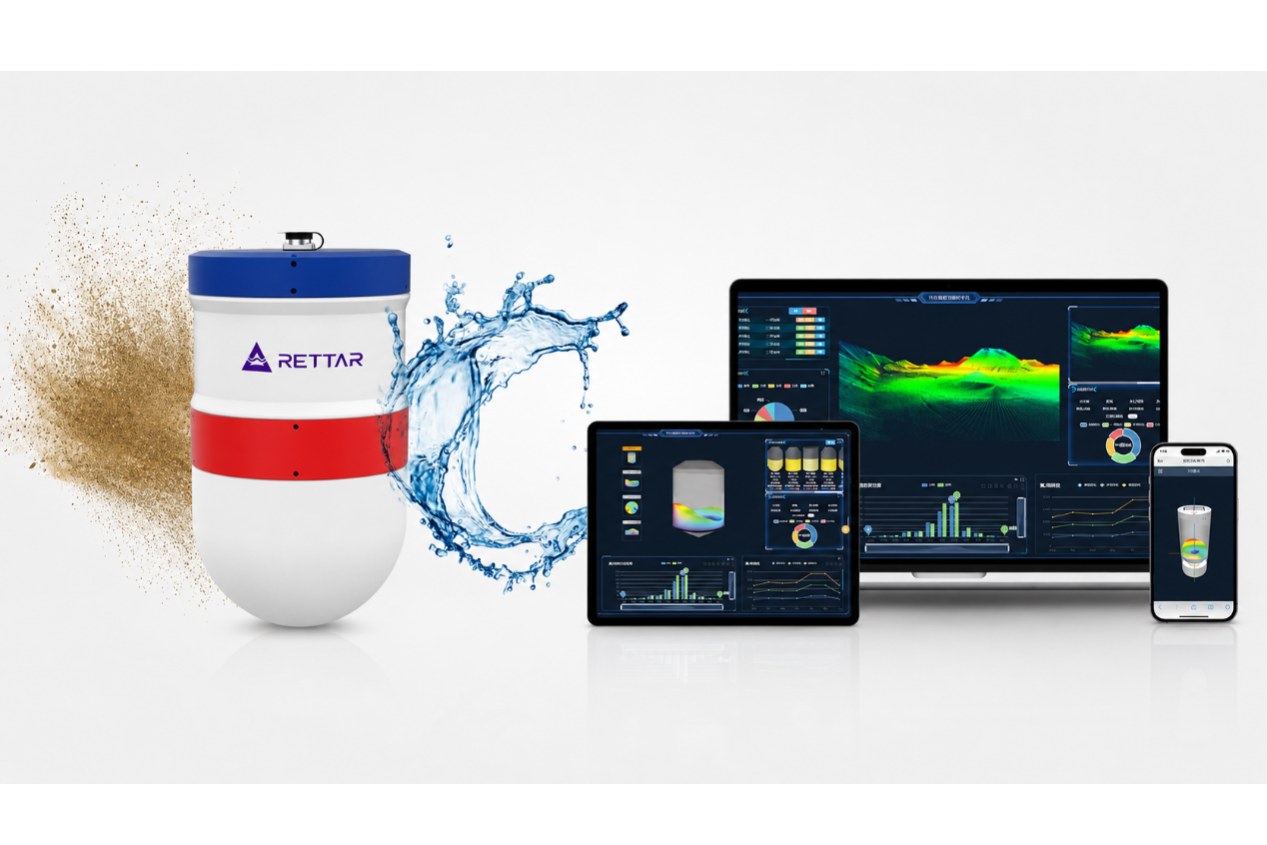
To overcome these daily operational gaps, the Rettar 3DPro2300 Easy Radar Scanner applies multi-point FMCW radar scanning to capture true surface modeling and provide automated 3D inventory calculations.
Inventory Measurement Challenges in Glass Cullet and Calcite Silos
Calcium Carbonate Powder Silos
Calcium carbonate production generates heavy dust during filling and handling. Depending on installation conditions and sensor types, dust significantly disrupts measurement performance. Additionally, material buildup on silo walls distorts volumetric calculations, making it difficult for basic instruments to map the true inner profile. Manual inspections also expose workers to airborne dust and safety hazards in enclosed or elevated storage areas, while production shutdowns lead to financial losses.
Broken Glass Storage
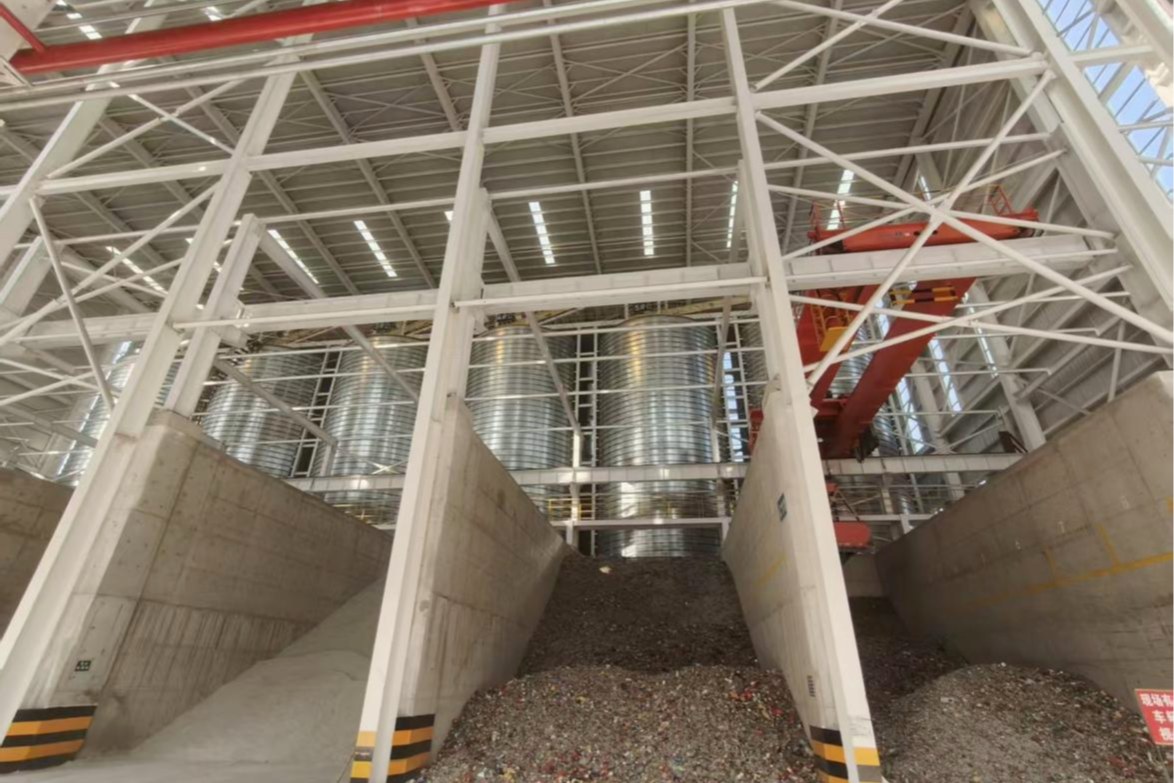
Broken glass forms complex piles characterized by varying heights, steep slopes, and localized depressions. Standard level transmitters provide localized surface readings, which naturally miss uneven contours across large storage spans. Highly reflective glass fragments and unpredictable pile geometries compound these difficulties. Consequently, unreliable inventory data often results in excess raw material purchases, unexpected shortages, and disrupted production planning.
How the Rettar 3DPro2300 Easy Works
The Rettar 3DPro2300 Easy combines high-frequency radar hardware, AI-driven 3D modeling, and robust industrial connectivity into a comprehensive solution for harsh storage environments.
- Multi-Angle Radar Scanning: Utilizing a 80 GHz frequency-modulated continuous-wave (FMCW) radar coupled with a multidirectional servo mechanism (360° horizontal rotation and ±90° pitch movement), the system collects up to 8,000 spatial coordinate measurements per acquisition cycle. This multi-angle approach captures detailed data on irregular surfaces that single-point sensors miss.
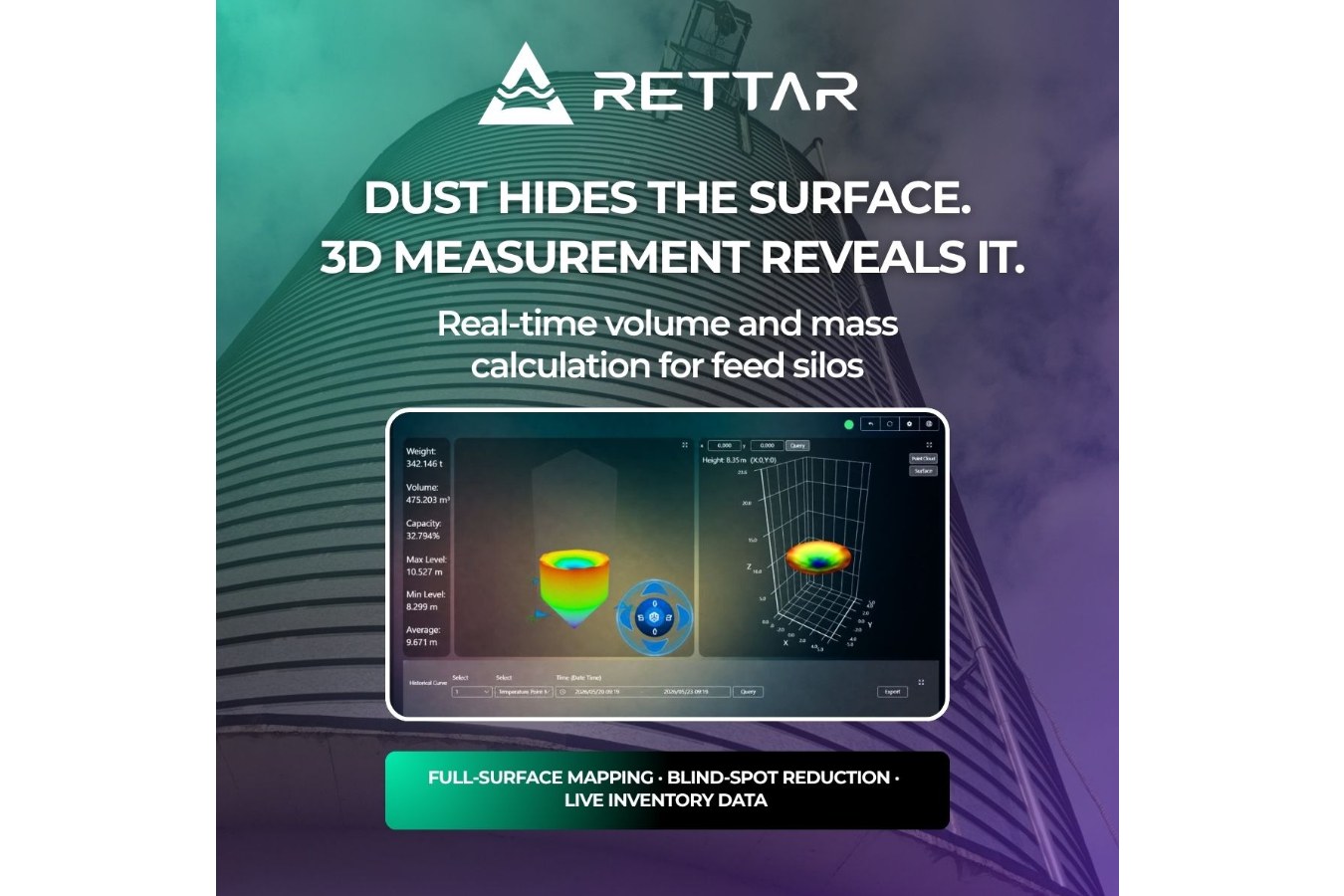
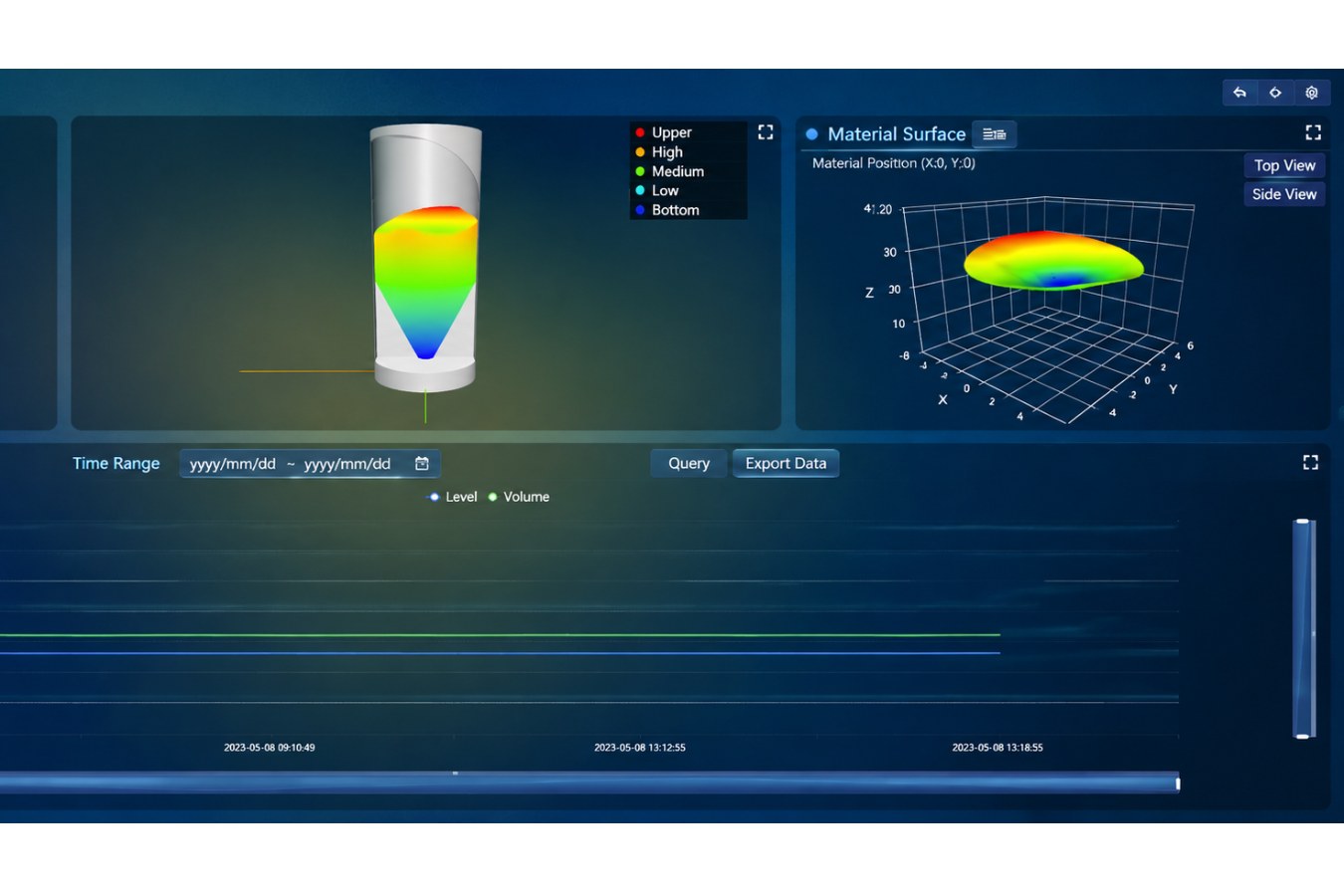
- 3D Modeling and Volume Calculation: Collected point-cloud data is processed via advanced conversion algorithms and machine learning techniques to construct a precise three-dimensional model of the stored material. The system rapidly calculates key parameters—including maximum, minimum, and average material levels, total volume, and estimated mass (when bulk density data is provided)—completing a full silo scan in as little as 10 seconds.
- Flexible Deployment and System Integration: The device can operate independently in smaller silos or be deployed in multi-device configurations with point-cloud stitching for larger storage areas. It supports Ethernet,fiber-optic, and 4G/5G communication, allowing seamless integration with enterprise resource planning (ERP),manufacturing execution systems (MES), and warehouse management systems (WMS).
Key Benefits and Business Value for Bulk Material Handling
The 3DPro2300 Easy delivers notable advantages over traditional measurement methods:
- Dust Tolerance: The radar technology can penetrate up to a 1 cm dust layer under specified conditions,maintaining stable performance in dusty powder environments.
- High-Resolution Surface Mapping: Multi-angle scanning achieves ±2 mm single-point measurement accuracy and a volume error range of ±0.5% to ±2% of full scale.
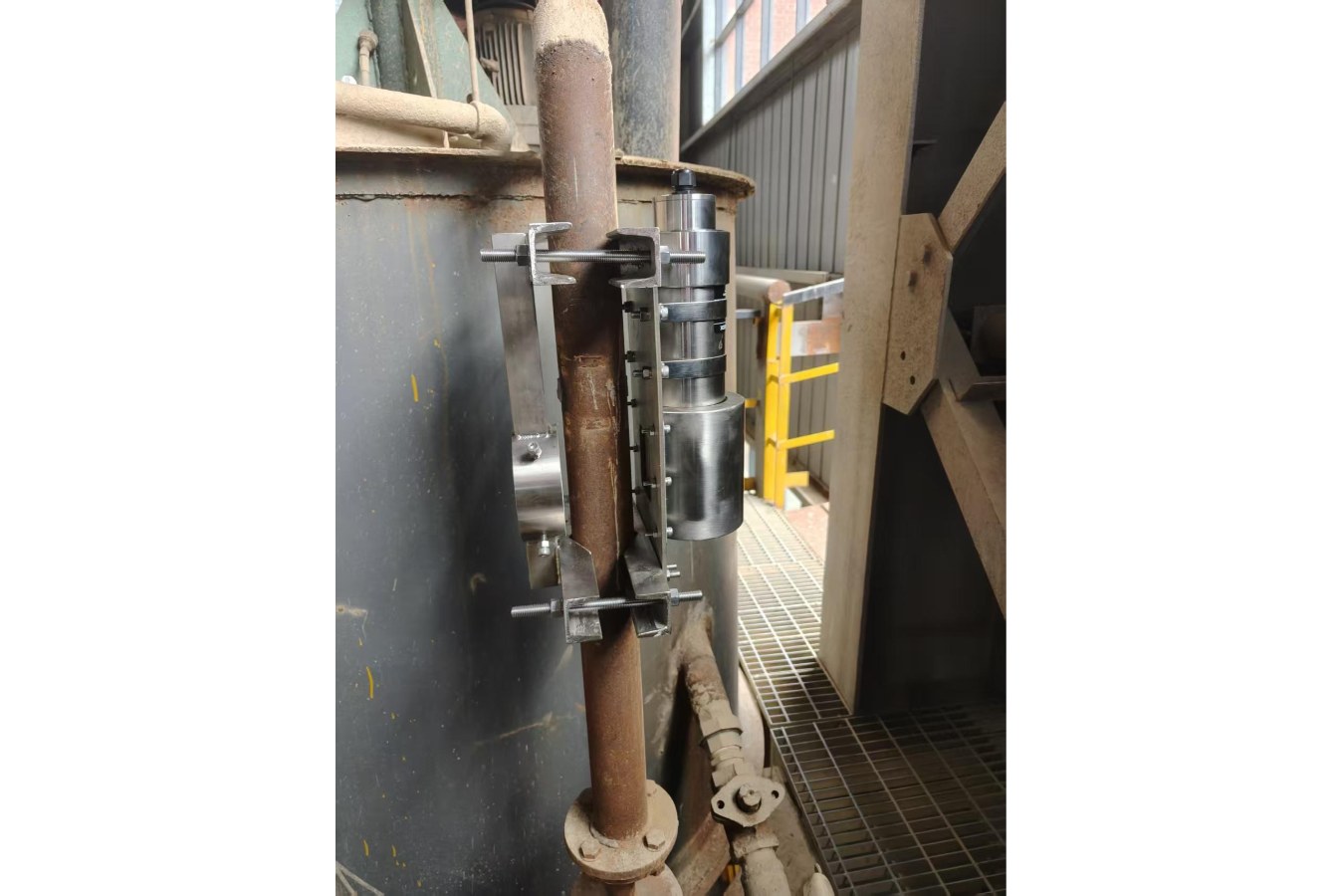
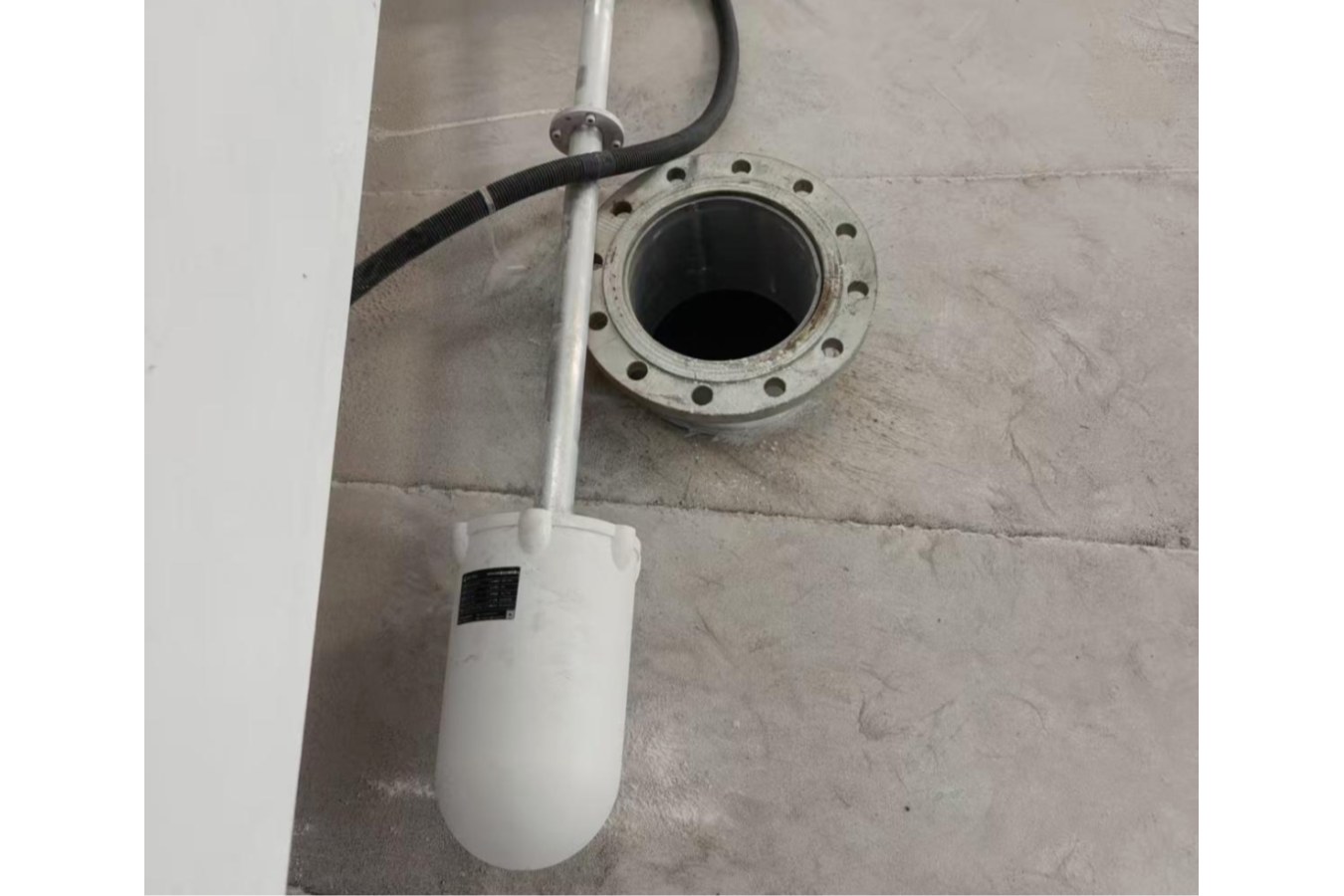
- Compact and Reliable Design: Weighing just 6.5 kg with a 190 mm silo-roof opening requirement, the unit is engineered for easy retrofitting. Features like built-in gyroscopes for installation correction, dual power and communication redundancy, and temperature safety safeguards ensure robust industrial operation.
Implementing automated 3D surface scanning solves the longstanding friction in calcite and glass cullet containment—stopping the need for risky manual stocktaking and line shutdowns. By replacing manual estimation with continuous point-cloud scanning, Rettar’s 3D radar technology delivers real-time visibility over complex material slopes—helping facilities stabilize inventory control and streamline daily bulk storage operations.