Reliable inventory data is the backbone of efficient feed production. However, traditional level measurements often fail to reveal the actual quantity of material inside a silo. Irregular filling patterns, heavy dust, material buildup, and uneven surfaces distort conventional readings, creating significant blind spots for feed manufacturers handling abrasive bulk materials in enclosed environments. While traditional point-level switches and single-point transmitters indicate general status, they cannot reconstruct the complete material surface. 3D material mapping offers a comprehensive solution, capturing true bulk volume to drive more informed supply chain decisions.
The Hidden Challenges Inside Feed Silos
Feed silos rarely contain flat material surfaces. Material accumulates unevenly during filling, shifts during discharge, and forms slopes or irregular contours that skew standard measurements. Key operational challenges include:
- Heavy dust: Airborne particles interfere with traditional sensing performance.
- Material buildup: Internal deposits or sensor fouling compromise long-term reliability.
- Irregular filling patterns: Uneven distribution creates peaks and depressions that a single measurement point cannot capture.
- Abrasive material movement: Continuous filling and discharge expose equipment to severe wear.
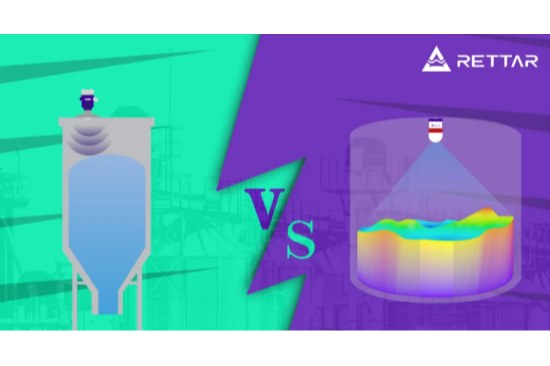
Consequently, a transmitter may report a normal level while vast portions of the silo remain empty—or a localized peak can create a false sense of high inventory. While traditional switches suffice for basic high/low alarms, they introduce supply chain risks when purchasing, production, and dispatch rely on precise stock figures.
Advancing Level Measurement: The Multi-Point Advantage of 3D Surface Profiling
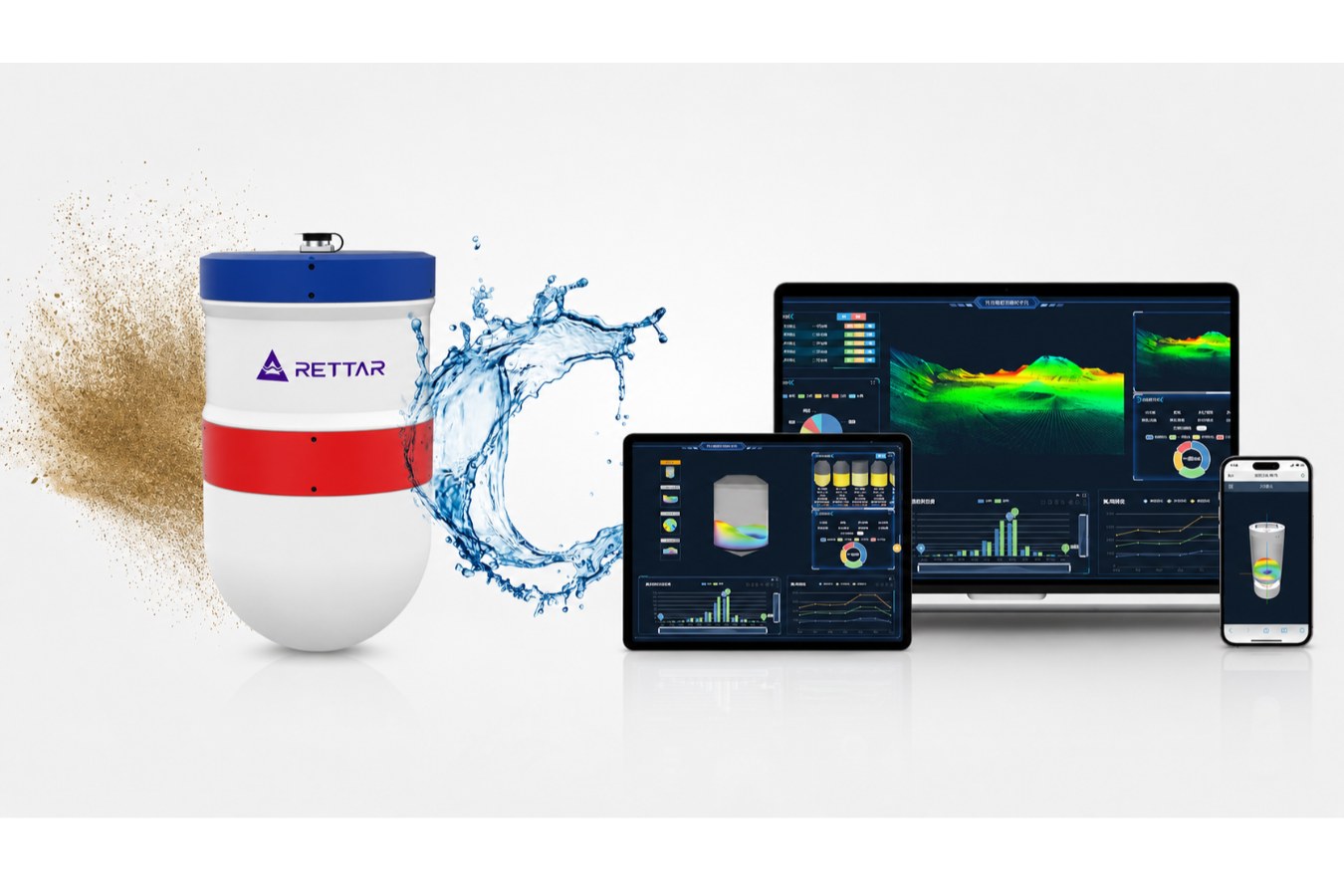
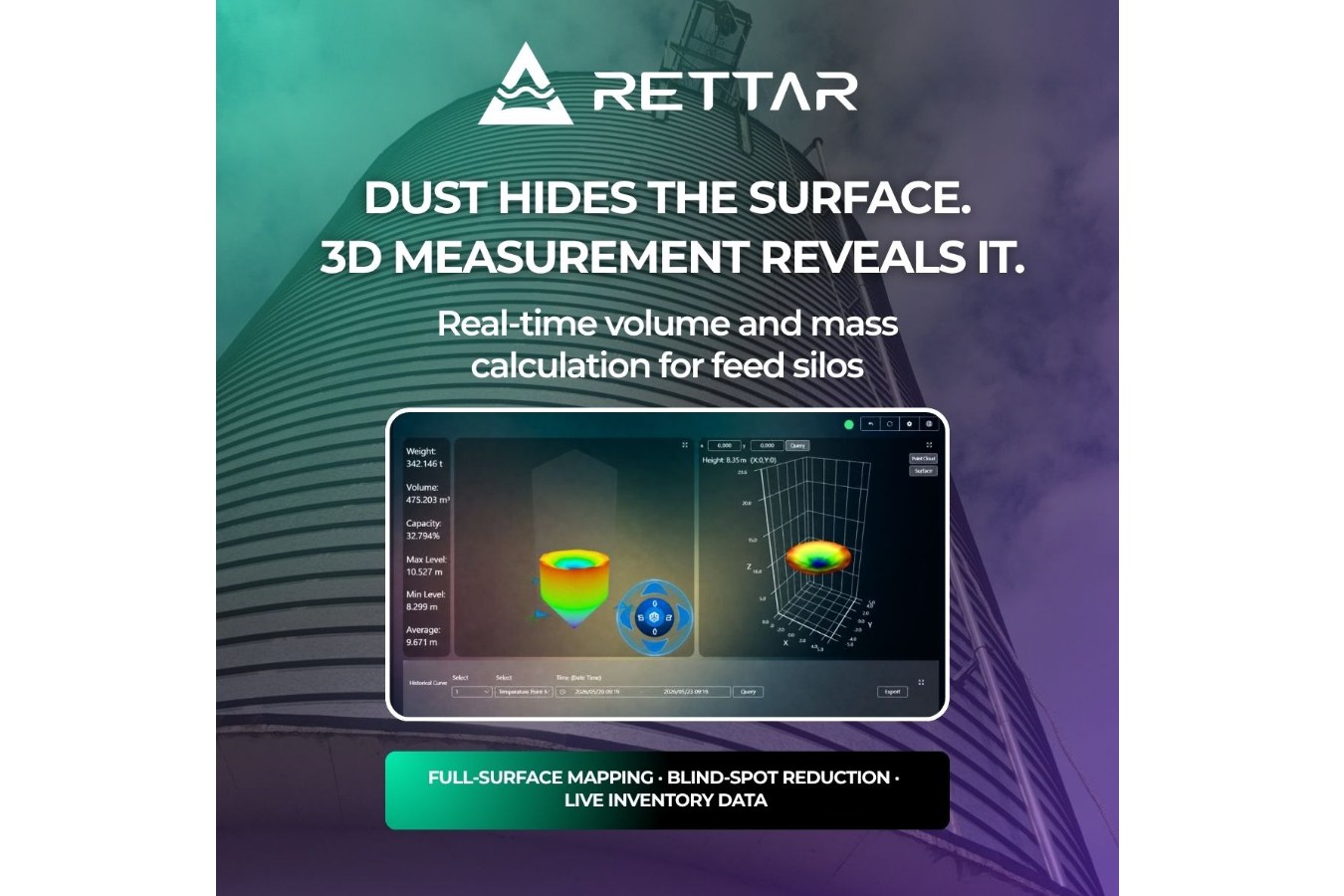
Building upon traditional level measurement, 3D material mapping captures multiple points across the surface to to generate a high-resolution, three-dimensional topographical profile. Peaks, depressions, and discharge channels are factored directly into the inventory calculation rather than remaining hidden.
By combining this surface data with silo geometry, the system calculates bulk volume far more accurately than single-point estimates. When integrated with material bulk density data, volume is converted into estimated mass—though variables like moisture and compaction should be accounted for during system configuration.
With appropriate setup, real-time bulk volume monitoring enables operators to:
- Visualize changing material distribution through 3D surface maps.
- Identify hidden inventory discrepancies missed by single-point sensors.
- Track volume changes continuously during filling and discharge.
- Improve inventory consistency across operating shifts.
Strategic Value: Streamlining Bulk Material Operations and Supply Chains
Accurate 3D measurement extends its benefits far beyond the silo, optimizing overall operations:
- More precise purchasing: Reliable volume data helps teams assess remaining stock and estimate replenishment requirements, reducing the risk of premature orders, unexpected shortages, and excess safety stock.
- Predictable production planning: Improved visibility helps planners identify potential ingredient shortages early and schedule replenishment around actual operating requirements.
- Optimized logistics and storage: Operators can streamline delivery scheduling, material allocation, and storage planning based on actual available capacity rather than localized readings.
- Reliable inventory control: 3D mapping minimizes uncertainty caused by uneven surfaces, providing a stronger baseline to reconcile stock records with material movements.
Conclusion: Build Better Decisions on Better Inventory Data
Dust, buildup, and irregular surfaces undermine conventional inventory estimates when devices are used beyond their intended purpose.
3D material mapping provides a comprehensive, transparent view of stored material, supporting accurate volume calculations, informed mass estimates, and stronger silo inventory management. If your current measurement system leaves gaps between reported levels and actual inventory, connect with Rettar’s engineering specialists to discuss your specific silo conditions and explore tailored 3D radar solutions for your plant!