Supplier sign in
Home
STAY INFORMED
Subscribe to our monthly newsletter.
Your email address will never be disclosed to any third party.
Read our privacy notice.
Product description
20-08-2026  |  68 x
Share:

Coal Storage Inventory Monitoring: 3D Laser vs. Millimeter-Wave Radar

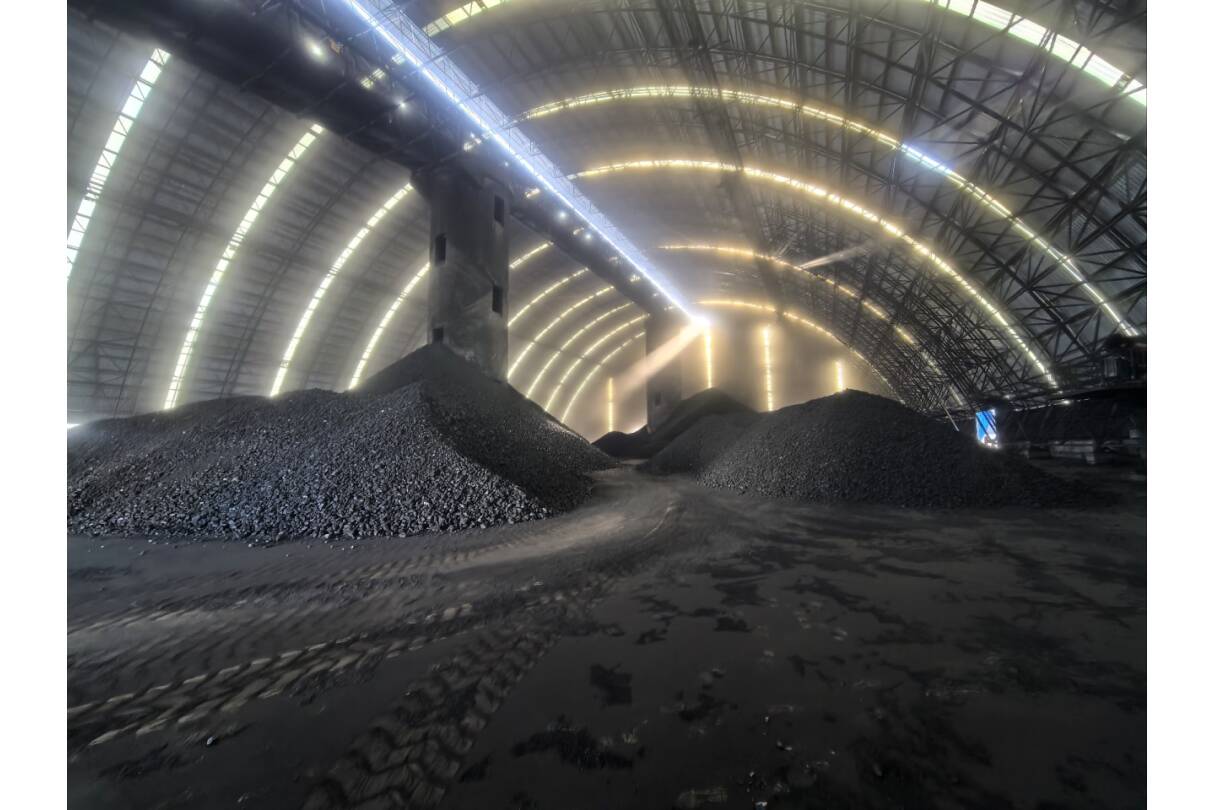
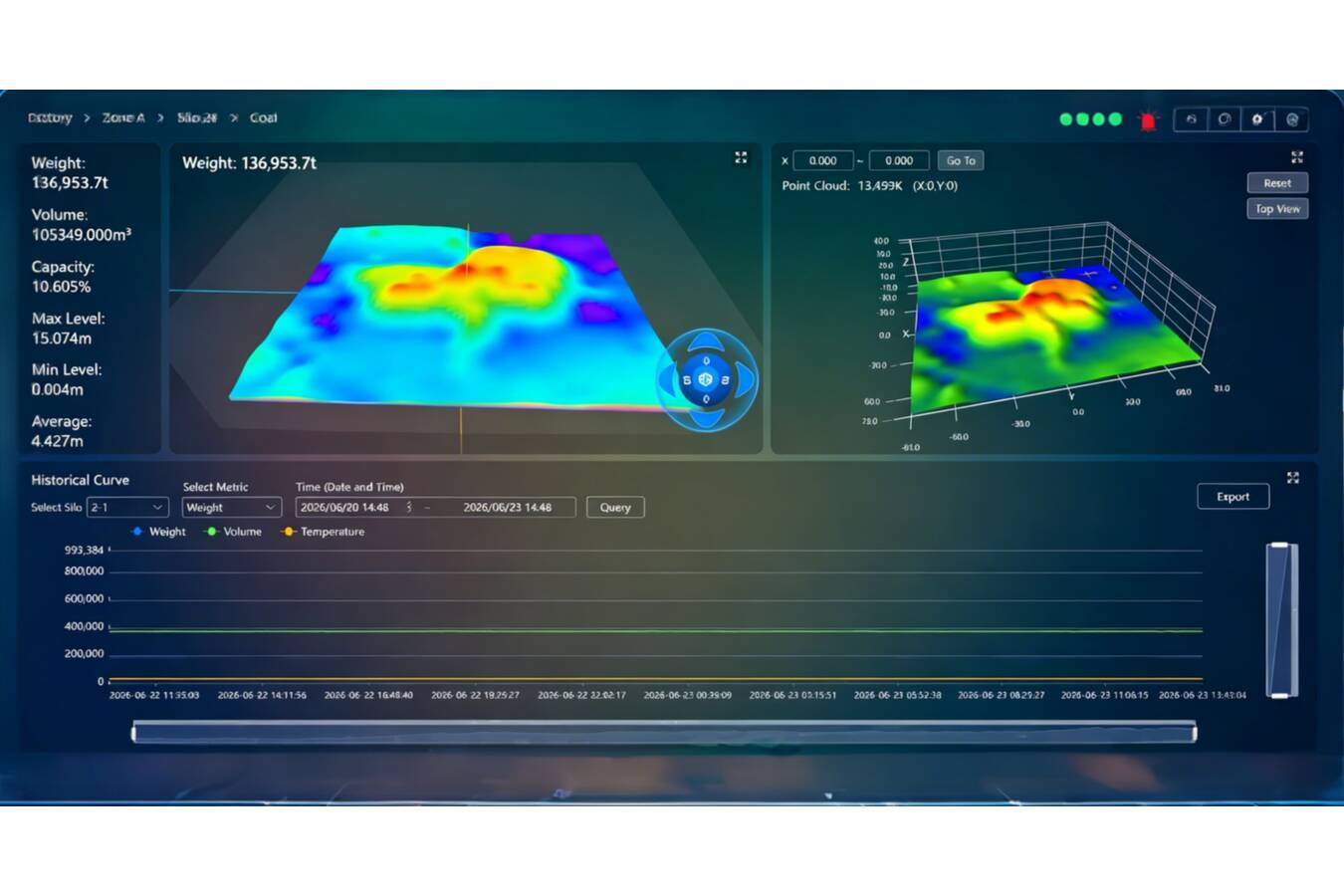
Coal inventory in silos or sheds is challenging due to dust and humidity. 3D laser scanners suit sheds with moderate dust for detailed mapping. 80GHz radar is best for enclosed silos with extreme dust/steam for deep penetration.
Keeping track of bulk coal inventory is a persistent operational challenge. In large storage sheds and tall silos, heavy airborne dust, humid vapor, and shifting material piles make accurate volume estimation exceptionally difficult. Measuring these stockpiles precisely is essential to maintain steady boiler feed rates in power plants while protecting silos from structural damage caused by asymmetrical loading.
Both 3D laser scanners and millimeter-wave 3D radars offer automated, non-contact volumetric tracking—each excelling in specific plant environments.

Key Takeaways:

  • 3D Laser Scanning: Best for indoor coal sheds and semi-enclosed domes with light-to-moderate dust where high-density spatial resolution and detailed surface mapping are needed.
  • 80GHz Millimeter-Wave Radar: Ideal for enclosed coal silos with extreme dust, high humidity, and heavy steam due to its superior signal penetration.
  • Operational Impact: Both technologies eliminate high-risk manual climbing, prevent structural wall stress, and feed real-time inventory data directly into enterprise ERP/PLC systems.
Managing bulk coal comes with unique field challenges that can quickly disrupt daily operations:

Key Operational Challenges in Coal Inventory Management

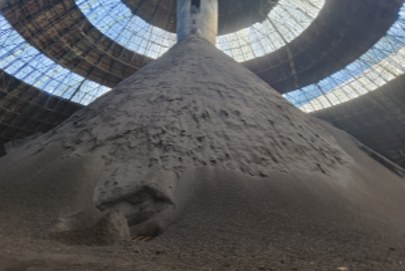
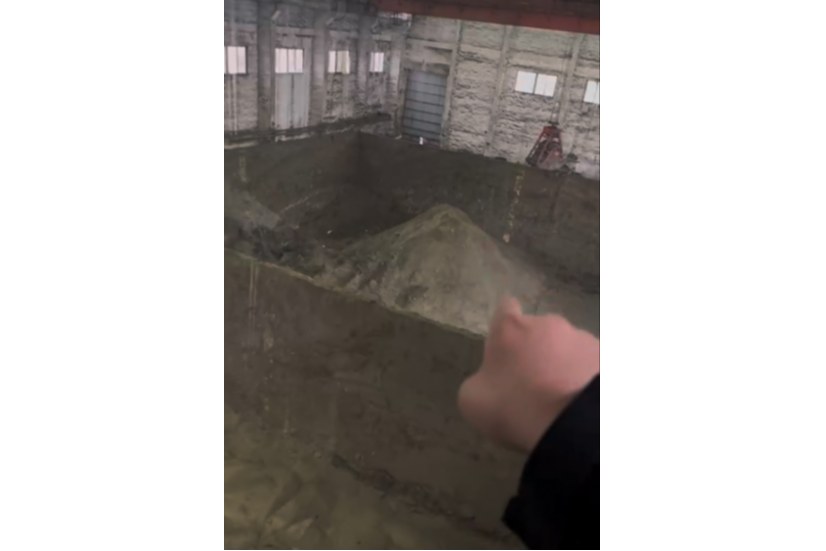
  • Heavy Dust and Airborne Moisture: Active dumping and conveyor loading fill coal sheds with dense dust clouds or humid vapor, which can blind basic optical tools.
  • Uneven Surface Contours: Draw-down pockets, rat-holing, and steep peaks make basic level checks unreliable for estimating total volume.
  • Structural Asymmetry Risks: Concealed empty pockets or uneven weight distribution put localized stress on silo walls and support frames.
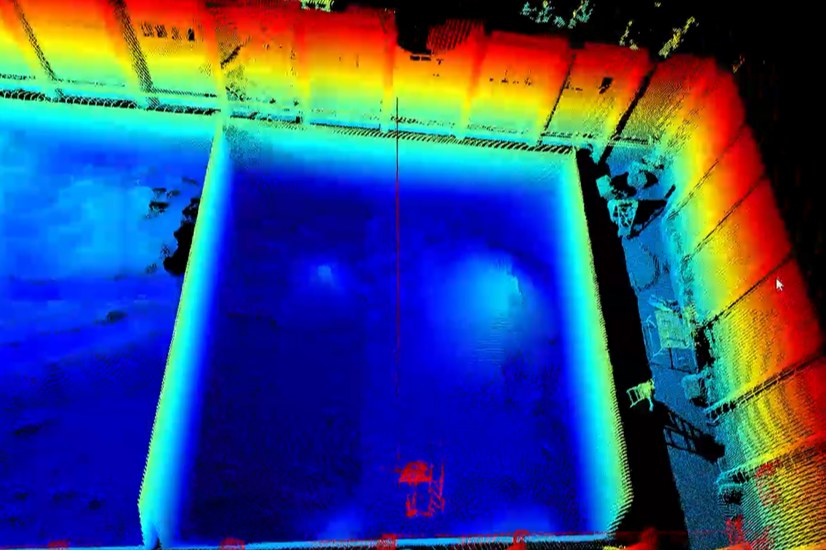
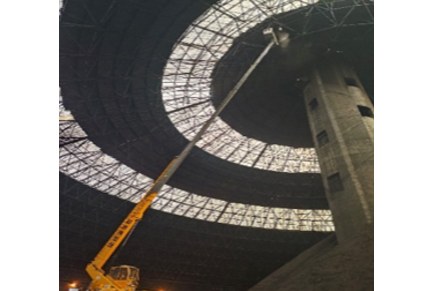
When operating in indoor coal sheds or semi-enclosed domes with low-to-moderate dust levels, optical laser scanning provides rich surface detail. High-frequency light beams sweep across large material surfaces to generate dense, accurate point clouds.

Precise Surface Mapping with 3D Laser Scanning

  • Detailed Spatial Resolution: Captures fine topographical details, sharp material edges, and complex surface contours across vast storage footprints.
  • Fast Area Coverage: Sweeps across wide indoor yards in just minutes to generate complete volumetric models.
  • Rugged Hardware Protection: Hardware like the Rettar 3DPro2501 utilizes dual-layer protective housing and automated lens cleaning to maintain steady performance in dusty coal sheds.
This technology is ideal for plant managers who need high-resolution visual feedback and precise spatial mapping across broad storage areas.
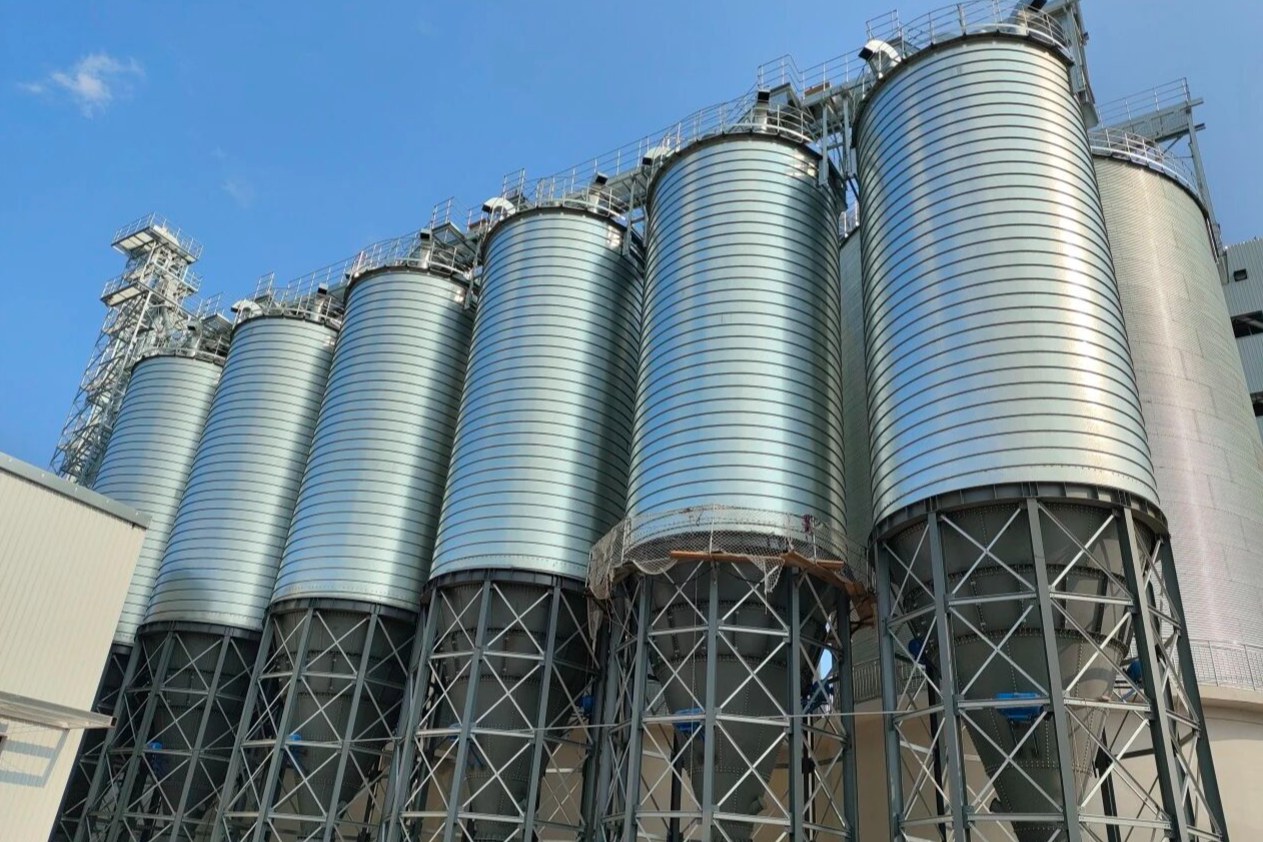
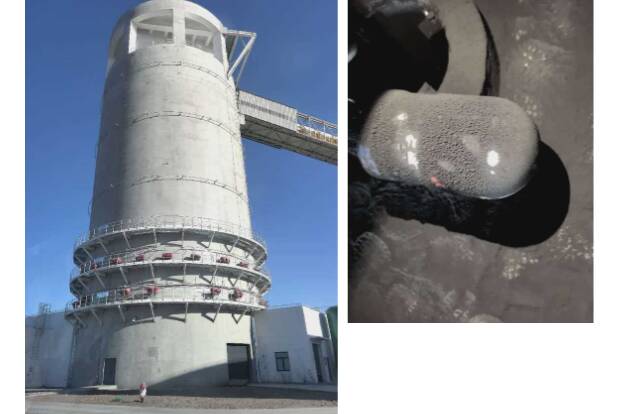
In enclosed coal silos where thick dust, heavy steam, and airborne particles overwhelm light-based sensors, the 3DPro2300 Radar Scanner, an 80GHz millimeter-wave radar, provides a dependable alternative. Instead of relying on light, a non-contact radar level sensor uses electromagnetic waves.

Signal Penetration with Non-Contact 3D Radar Sensors

  • Penetrates Steam and Dust: High-frequency radar signals pass cleanly through dense dust clouds and heavy humidity without signal loss.
  • Low Maintenance Design: Radar signals remain unaffected by material buildup on the sensor face, lowering routine cleaning needs in harsh environments.
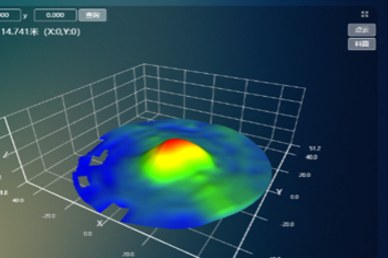
  • Multi-Point Spatial Radar Arrays: Uses FMCW radar arrays to measure distances across multiple points on the coal surface, calculating true volume under extreme conditions.
This technology provides stable, round-the-clock tracking in humid or heavily enclosed storage spaces.
Unlocking Total Material Visibility and Site-Wide Integration
Selecting the right sensing solution—whether laser-based or radar-based—brings immediate operational clarity to your facility:
  • In-Silo Risk Prevention: Plant operators can view real-time 3D models of stored coal to spot asymmetric loading, or rat-holing before structural issues arise.
  • Seamless Systems Integration: Live volume data transfers smoothly to plant PLC, DCS, and enterprise ERP systems, giving procurement and logistics teams instant stock counts.
  • Zero-Climb Workplace Safety: Automated spatial tracking removes the need for site staff to climb tall silos or walk active coal slopes.

Optimize Your Coal Inventory Management

Every coal storage facility operates under different conditions—from dust density and moisture levels to unique space geometries. Looking to upgrade your coal inventory tracking? Tell us about the specific inventory tracking challenges at your plant. Our engineering team is happy to review your site layout and help you find the right 3D volumetric reconstruction setup for your operations.


Company information

Related trade show

More items

Can 3D Volumetric Reconstruction Bring Certainty to Coal Inventory? Digital upgrading across heavy industrial sectors highlights a growing necessity for precise inventory tracking, safety monitoring, and automated management.
Can 3D Volumetric Reconstruction Bring Certainty to Coal Inventory?
Digital upgrading across heavy industrial sectors highlights a growing necessity for precise inventory tracking, safety monitoring, and automated management. Large storage sheds and raw coal silos require safer and more efficient monitoring solutions. Heavy coal dust clouds, wide temperature variations, and strict explosion-proof requirements frequently challenge field sensors. In these environments, highly irregular material surfaces make precise inventory control extremely difficult to maintain through basic measurement methods. To address these complex physical formations, field-proven radar technology offers an integrated sensing network to transform bulk inventory control from rough approximations into real-time, visual data. Inside massive bulk storage yards, material handling presents a distinct set of operational challenges: Critical Challenges in Inventory Management * Dense Airborne Dust: High dust concentration and wide temperature fluctuations often disrupt optical or acoustic measurement tracking. * Irregular Material Profiles: Different coal types create complex pile formations with unpredictable peaks,…
18-08-2026  |  386  |  product news  | 
Continue reading
Rettar 3DPro2300 Easy Radar Scanner Elevates Grain Silo Management The Rettar 3DPro2300 Easy Radar Scanner provides automated, non-contact 3D volumetric scanning for bulk materials in silos, overcoming traditional inventory challenges like safety risks and inaccurate measurements, and boosting data transparency.
Rettar 3DPro2300 Easy Radar Scanner Elevates Grain Silo Management
The Rettar 3DPro2300 Easy Radar Scanner provides automated, non-contact 3D volumetric scanning for bulk materials in silos, overcoming traditional inventory challenges like safety risks and inaccurate measurements, and boosting data transparency. Grain and feed facilities need reliable storage management to protect inventory and running efficiency. Traditional silos face measurement errors, safety risks from manual checks, and slow data flow. Modern grain operators turn to a Smart Manufacturing Solution to upgrade standard inventory checks. The deployment of the Rettar 3DPro2300 Easy Radar Scanner in multi-silo storage facilities provides clear 3D inventory scanning across corn, wheat, and soybean stocks, helping plant managers oversee bulk stock and ensure grain safety. Pitfalls in Grain Storage Silos Modern grain facilities handle large volumes of corn, wheat, and soybean meal daily. Frequent loading creates high airborne dust and irregular surface profiles inside enclosed bins. Basic types of sensors measure only one point on the grain surface, leaving huge blind spots. Manual inventory checks make workers into dangerous high-altitude spaces with hazardous dust. Traditional estimation methods result in inaccurate…
17-08-2026  |  167  |  product news  | 
Continue reading
3D Radar for Coal Silos: Preventing Summer Caking Risks Wet coal in silos causes inaccurate inventory, wall clinging, and structural stress. The RETTAR 3DPro 2300 Radar Scanner provides precise 3D real-time bulk solids monitoring, preventing blockages and ensuring safe, accurate fuel management.
3D Radar for Coal Silos: Preventing Summer Caking Risks
Wet coal in silos causes inaccurate inventory, wall clinging, and structural stress. The RETTAR 3DPro 2300 Radar Scanner provides precise 3D real-time bulk solids monitoring, preventing blockages and ensuring safe, accurate fuel management. Peak summer electricity demands require power plants to maintain maximum fuel reserves. However, high seasonal humidity and heavy rainstorms make stored coal wet and cohesive, causing material to stick to vessel walls and form hidden internal cavities. Deploying an advanced system, such as the RETTAR 3DPro 2300 Radar Scanner, addresses these measurement errors by replacing single-point estimations with continuous radar tracking—ensuring reliable bulk inventory tracking, preventing structural wall damage, and enabling safe fuel management. Seasonal Hazards vs. 3D Real-Time Bulk Monitoring Solutions Summer humidity and heavy rainfall create severe material handling challenges in power generation plants. Wet coal becomes highly cohesive, causing it to cling to vessel walls and form dangerous hidden arches or cavities. Traditional meters often measure a single high spot, mistaking a half-empty vessel for a full one and causing critical fuel supply disruptions. Furthermore,…
10-08-2026  |  216  |  product news  | 
Continue reading
Behind the Scenes of RETTAR’s Precision 3D Radar Manufacturing Harsh industrial conditions cause inaccurate bulk solids inventory in silos. Advanced 80GHz 3D level scanners, rigorously tested for extreme environments, provide continuous, precise volumetric measurement for reliable stock control.
Behind the Scenes of RETTAR’s Precision 3D Radar Manufacturing
Harsh industrial conditions cause inaccurate bulk solids inventory in silos. Advanced 80GHz 3D level scanners, rigorously tested for extreme environments, provide continuous, precise volumetric measurement for reliable stock control. Industrial bulk material processing relies on accurate stock monitoring to prevent unexpected production stoppages. During peak summer operations, extreme heat, high humidity, and heavy dust cause material caking along vessel walls, leading to significant inventory accounting errors. Deploying an advanced 3D level scanner for silos addresses these data gaps by replacing manual estimations with continuous radar tracking, ensuring reliable stock records, enhanced workplace safety, and seamless factory material flow. Extreme Industrial Conditions Threaten Silo Inventory Management Maintaining precise bulk inventory presents ongoing operational challenges when field sensors operate in harsh plant conditions. Silo tops frequently reach temperatures above 60°C, which can cause standard electronic components to suffer signal drift or thermal throttling. At the same time, internal humidity causes fine powders to cake and cling to internal walls, creating hollow spaces that…
04-08-2026  |  277  |  product news  | 
Continue reading
3D Radar Solves Bulk Material Inventory Errors in Factory Yards 3D radar replaces flawed manual yard inventory with precise, real-time volume data, overcoming dust and irregular piles to boost accuracy and efficiency.
3D Radar Solves Bulk Material Inventory Errors in Factory Yards
3D radar replaces flawed manual yard inventory with precise, real-time volume data, overcoming dust and irregular piles to boost accuracy and efficiency. In 2026, manufacturing profits face tightening pressures from volatile raw material costs, rising labor expenses, and stricter safety rules. Today, saving operational overhead is the most direct way to protect industrial earnings. Unfortunately, the most common area for hidden losses is often out of sight: bulk material warehouses storing coal, mineral powder, cement, or grain. While these materials move in and out daily, tracking true stock levels remains a constant challenge. Traditional manual inventory checks are slow and highly inaccurate, leaving managers with unreliable data. What Causes Bulk Material Inventory Errors in Factory Yards? Accurate stock tracking inside large containment structures requires balancing several volatile physical conditions: * Dense Environmental Dust: High-volume loading creates thick particle clouds that block standard optical or acoustic tracking tools, causing frequent measurement errors. * Highly Irregular Piles: Shifting raw…
28-07-2026  |  287  |  product news  | 
Continue reading
PORTALS
BulkSolids-Portal Schuettgut-Portal Recycling-Portal
Related
Bulkgids.nl
SIGN UP FOR OUR NEWSLETTER
Newsletter archive
Service and contact
About, ContactDisclaimerPrivacyAdvertisingControl panel login
Follow us
Linked
Supplier sign in
Choose your company: