Supplier sign in
Home
STAY INFORMED
Subscribe to our monthly newsletter.
Your email address will never be disclosed to any third party.
Read our privacy notice.
Product news
04-08-2026  |  89 x
Share:

Behind the Scenes of RETTAR’s Precision 3D Radar Manufacturing

Harsh industrial conditions cause inaccurate bulk solids inventory in silos. Advanced 80GHz 3D level scanners, rigorously tested for extreme environments, provide continuous, precise volumetric measurement for reliable stock control.
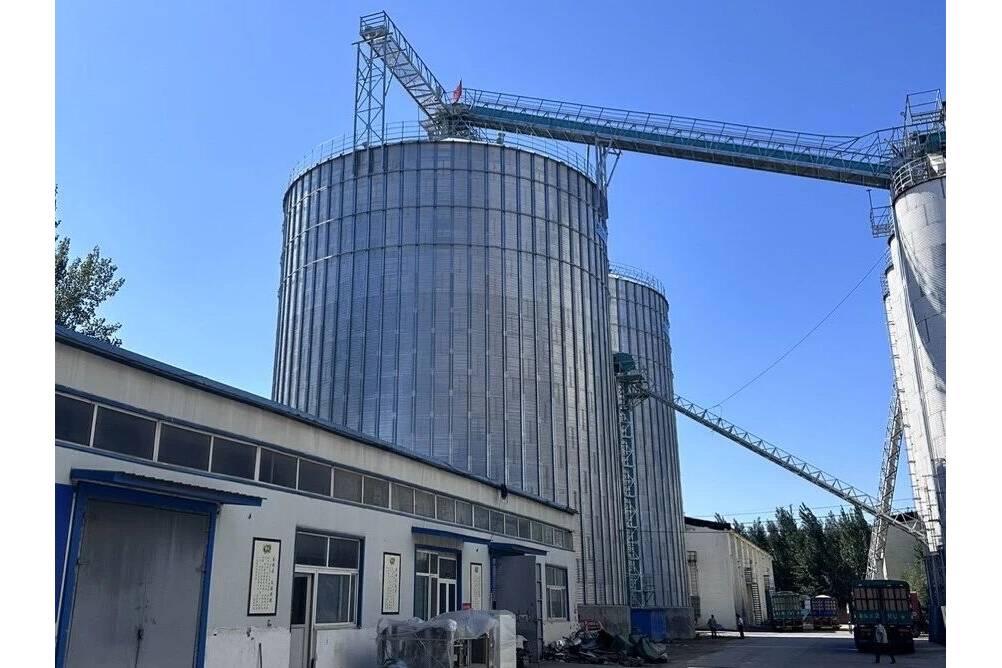
Industrial bulk material processing relies on accurate stock monitoring to prevent unexpected production stoppages. During peak summer operations, extreme heat, high humidity, and heavy dust cause material caking along vessel walls, leading to significant inventory accounting errors. Deploying an advanced 3D level scanner for silos addresses these data gaps by replacing manual estimations with continuous radar tracking, ensuring reliable stock records, enhanced workplace safety, and seamless factory material flow.

Extreme Industrial Conditions Threaten Silo Inventory Management

Maintaining precise bulk inventory presents ongoing operational challenges when field sensors operate in harsh plant conditions. Silo tops frequently reach temperatures above 60°C, which can cause standard electronic components to suffer signal drift or thermal throttling. At the same time, internal humidity causes fine powders to cake and cling to internal walls, creating hollow spaces that distort standard single-point height readings. When sensors drift or fail in severe dust environments, real-time reporting becomes corrupted, leading to incorrect enterprise material accounting and expensive unplanned downtime.

Precision Factory Quality Control Ensures Field-Proven Stability

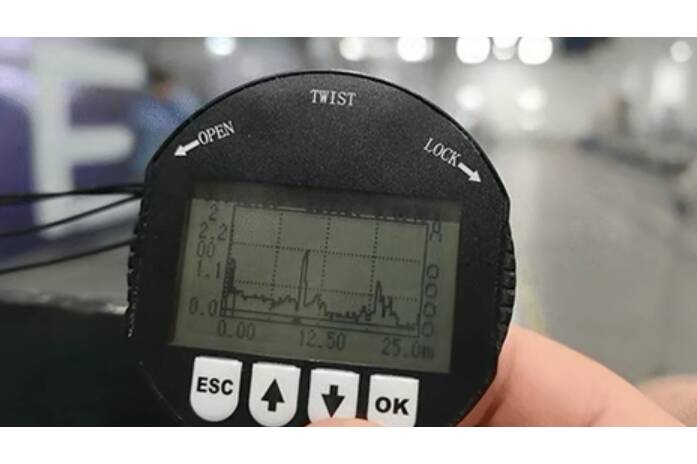
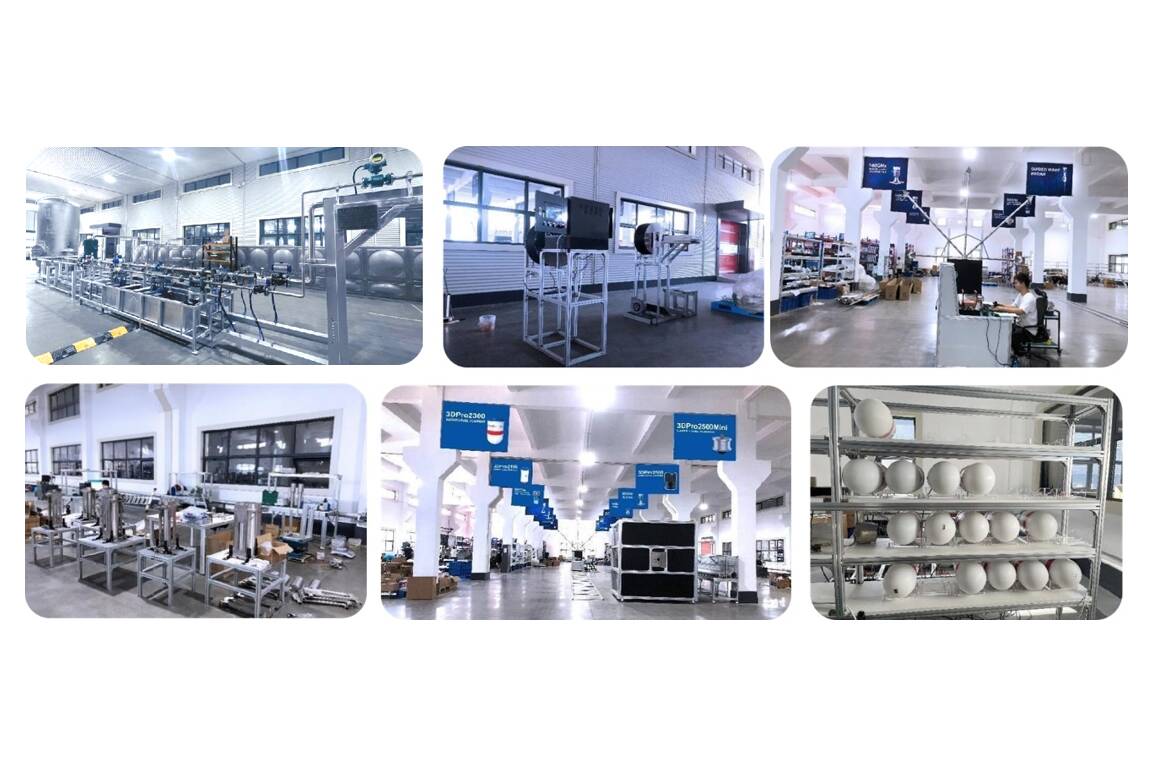
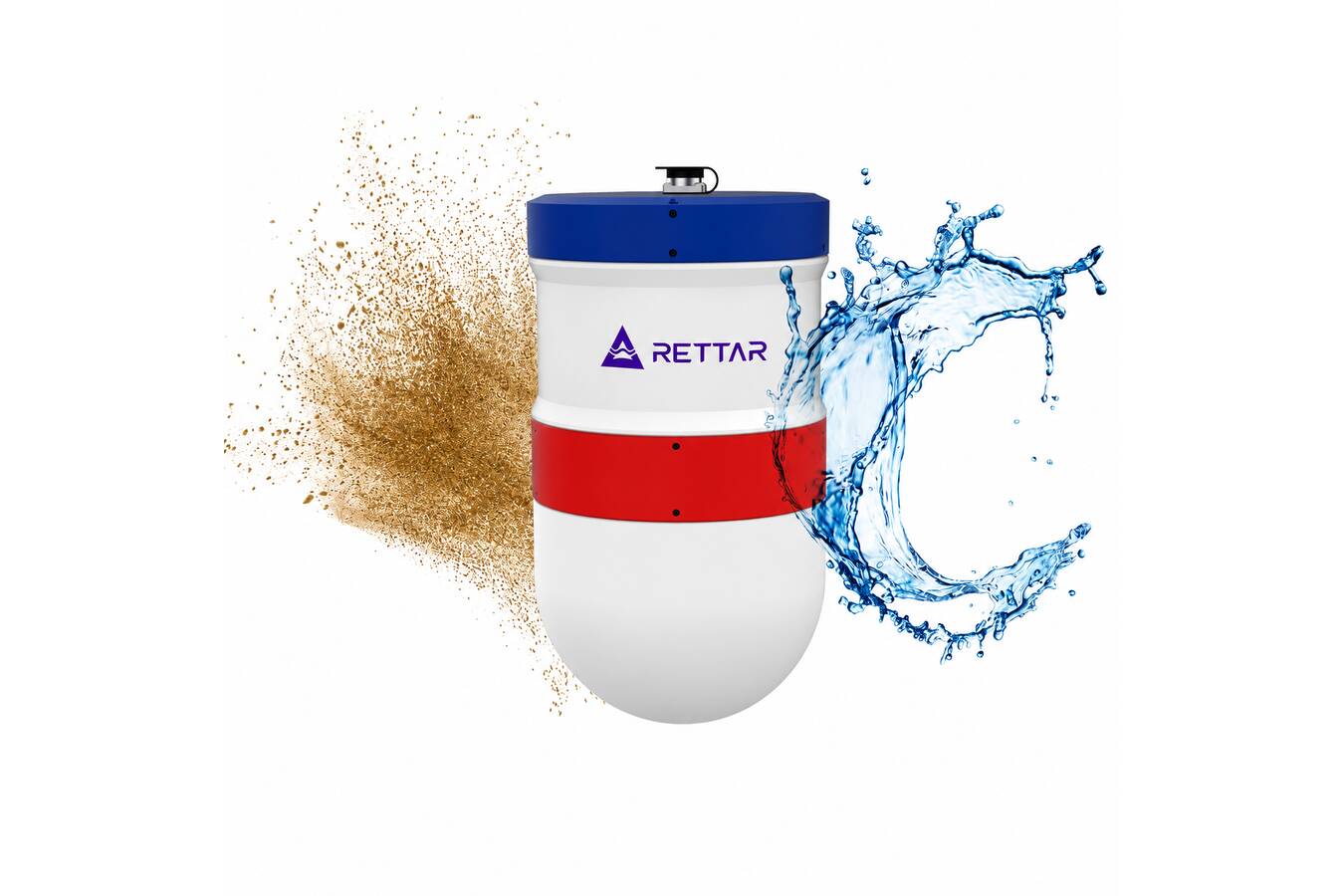
To guarantee long-term stability in harsh environments, industrial facilities rely on hardware engineered and assembled under strict manufacturing controls. RETTAR strictly rejects white-label sourcing, maintaining full control over every manufacturing stage. Before leaving the factory, every single 3DPro2300 unit undergoes 100% rigorous calibration, high-frequency vibration testing, and extended thermal aging under high temperatures. This uncompromising quality process guarantees that every core chipset and IP68-rated seal delivers flawless industrial-grade consistency, completely eliminating sensor drift before installation.

Advanced 80GHz 3D Radar Scanner Engineering Eliminates Data Gaps

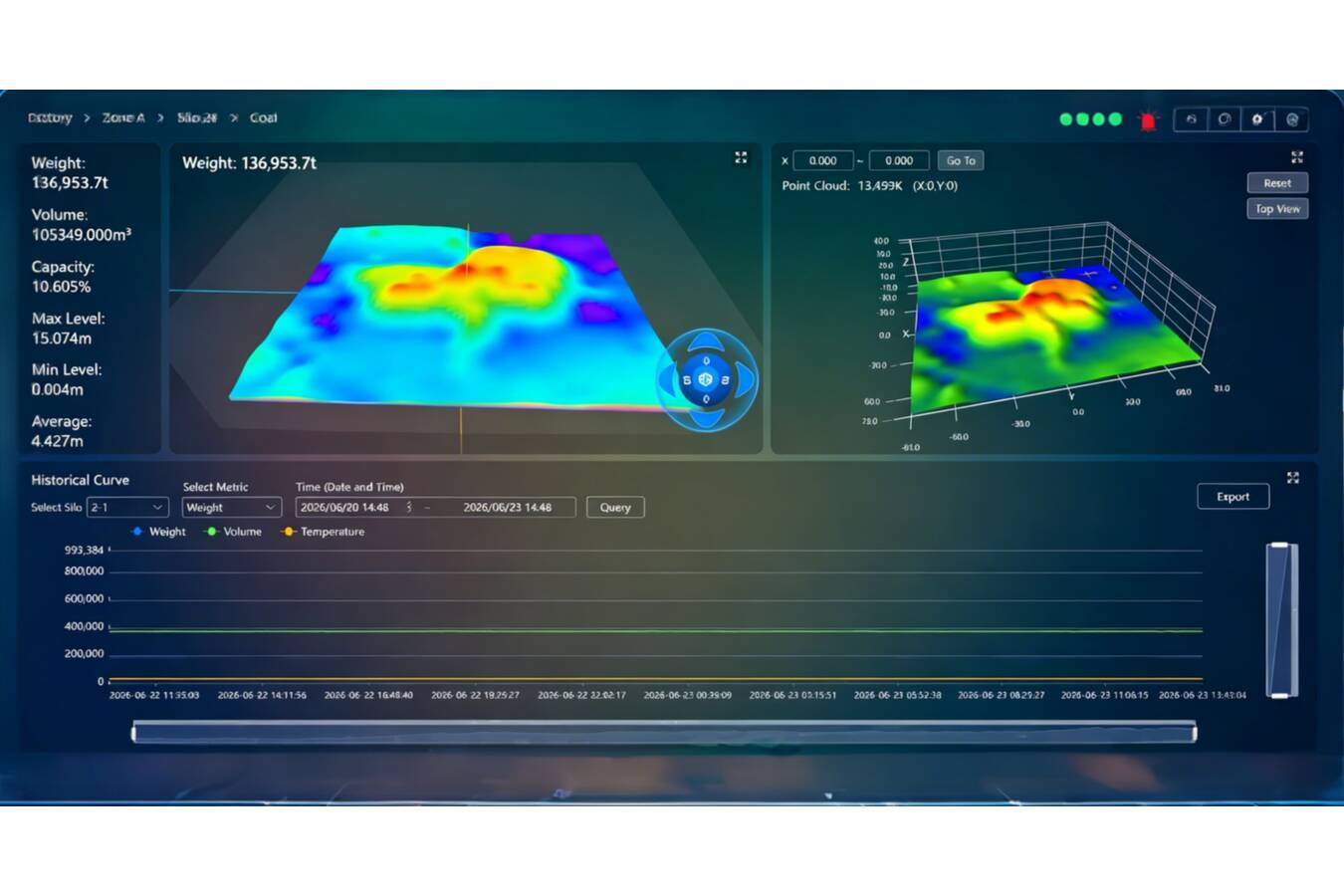
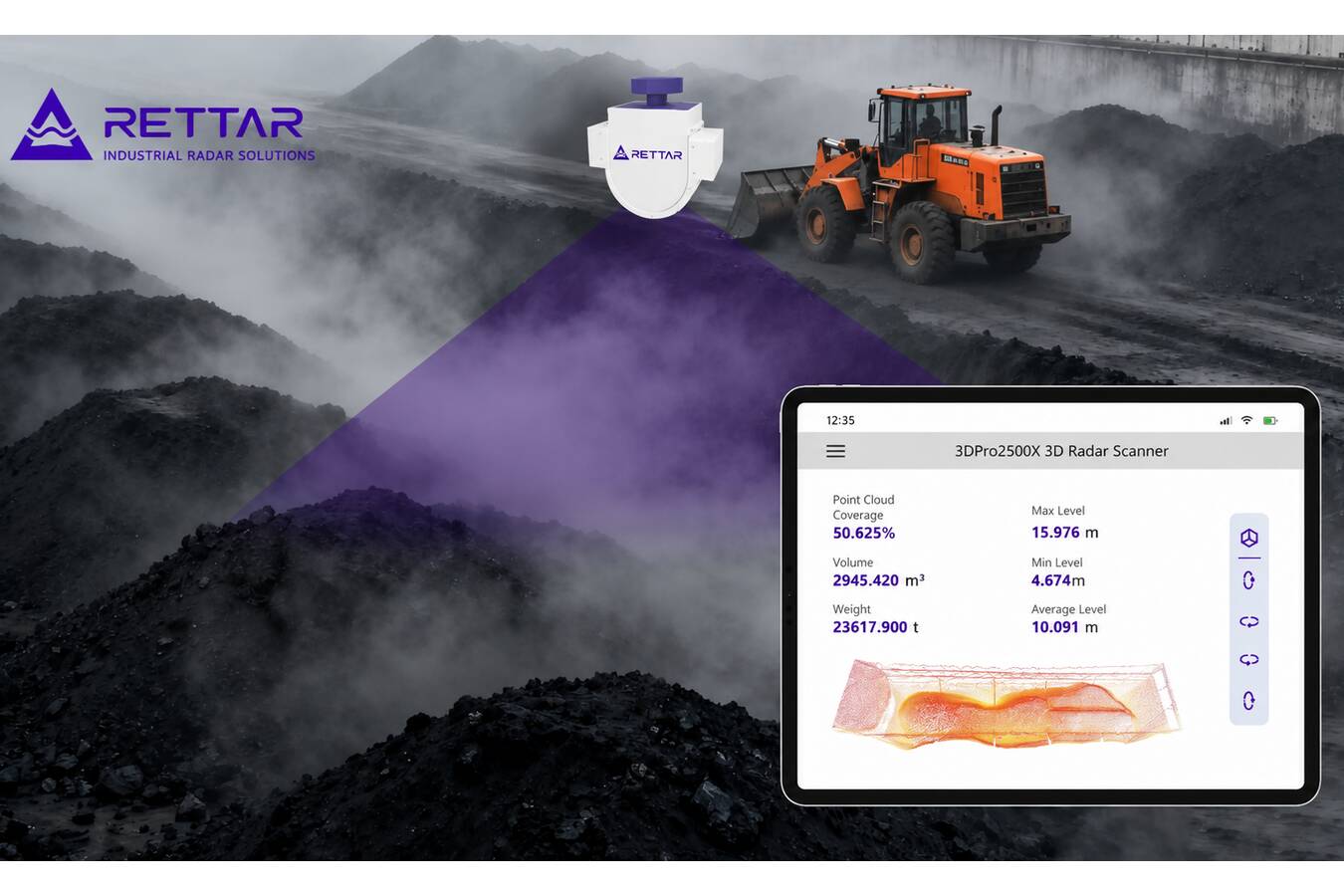
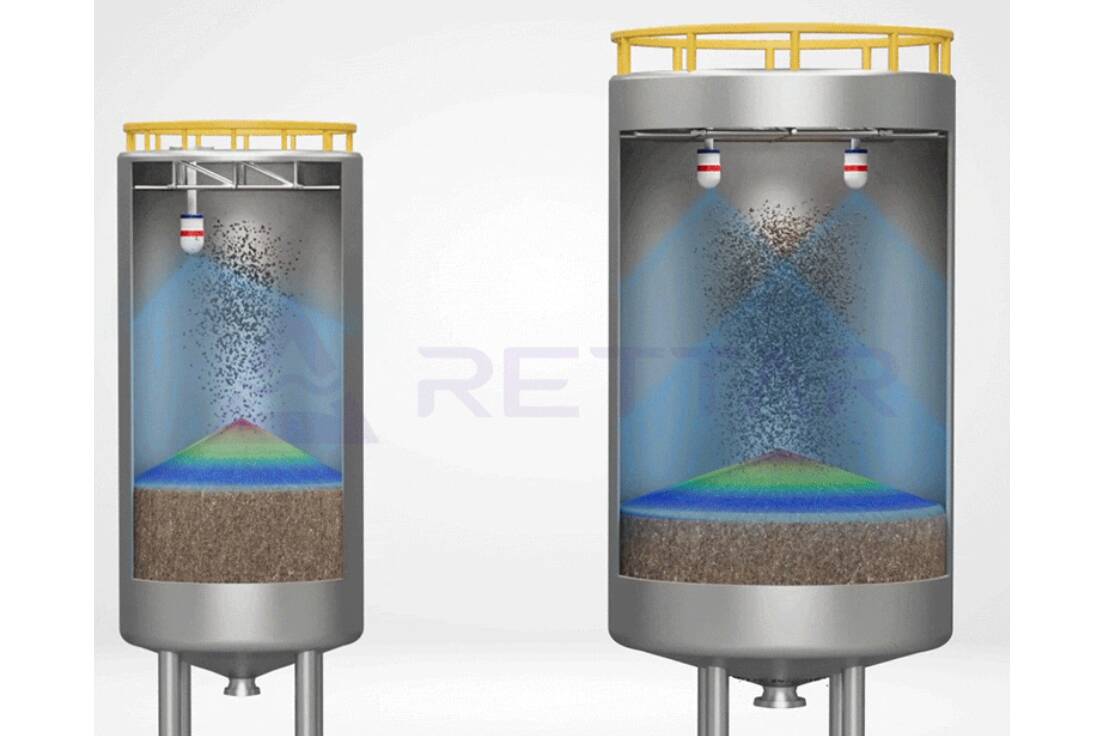
To maintain measurement accuracy through airborne dust and vapor, modern non-contact hardware operates on high-frequency 80GHz signals. During operation, the sensor performs continuous multi-point sweeps across the inner space, capturing accurate spatial coordinates for live 3D Surface Mapping and 3D Volumetric Reconstruction. This continuous physical scanning reveals exact surface contours, material build-up, and center funnels without requiring manual vessel entry or disruptive plant shutdowns.

Academic R&D and Factory Mass Production Drive Data Transparency

Bridging the gap between advanced sensor research and commercial reliability requires deep engineering expertise. Inheriting the scientific pedigree of the Tsinghua University Department of Automation team, RETTAR has successfully translated complex laboratory algorithms into standardized modern factory mass production. This visible manufacturing excellence ensures that global heavy industries receive rugged, field-tested inventory guardians capable of surviving peak summer production stress.

Enterprise ERP & WMS Integration

Upgrading to standardized 3D surface scanning transforms raw physical measurements into verifiable enterprise insights across the organization. Control room operators gain complete silo transparency with real-time visual mapping, allowing them to detect wall clinging early and prevent structural blockages. Furthermore, verified 3D volumetric data streams directly into central ERP and WMS platforms via standard industrial protocols—leveraging OPC UA, Modbus TCP, or MQTT to interconnect field devices with plant PLCs, DCS networks, and cloud platforms—establishing full enterprise data transparency. This automated pipeline eliminates manual logging errors, empowers procurement teams to automate reordering routines, and keeps maintenance personnel safely on the ground.

Inaccurate inventory metrics in extreme heat or dusty storage environments often signal deeper measurement bottlenecks. Is your plant experiencing data delays or unreliable stock accounting? Contact the RETTAR engineering team today to request our technical product catalog or detailed application manual for your facility.


Company information

Related trade show

More items

3D Radar Solves Bulk Material Inventory Errors in Factory Yards 3D radar replaces flawed manual yard inventory with precise, real-time volume data, overcoming dust and irregular piles to boost accuracy and efficiency.
3D Radar Solves Bulk Material Inventory Errors in Factory Yards
3D radar replaces flawed manual yard inventory with precise, real-time volume data, overcoming dust and irregular piles to boost accuracy and efficiency. In 2026, manufacturing profits face tightening pressures from volatile raw material costs, rising labor expenses, and stricter safety rules. Today, saving operational overhead is the most direct way to protect industrial earnings. Unfortunately, the most common area for hidden losses is often out of sight: bulk material warehouses storing coal, mineral powder, cement, or grain. While these materials move in and out daily, tracking true stock levels remains a constant challenge. Traditional manual inventory checks are slow and highly inaccurate, leaving managers with unreliable data. What Causes Bulk Material Inventory Errors in Factory Yards? Accurate stock tracking inside large containment structures requires balancing several volatile physical conditions: * Dense Environmental Dust: High-volume loading creates thick particle clouds that block standard optical or acoustic tracking tools, causing frequent measurement errors. * Highly Irregular Piles: Shifting raw…
28-07-2026  |  195  |  product news  | 
Continue reading
Hidden Costs of Manual Stockpile Measurement in Concrete Plants Manual bulk material inventory in concrete plants incurs hidden costs & safety risks. 3D laser scanning offers real-time, accurate volume measurement for stockyards and storage sheds, enhancing operational safety, efficiency, and data integration.
Hidden Costs of Manual Stockpile Measurement in Concrete Plants
Manual bulk material inventory in concrete plants incurs hidden costs & safety risks. 3D laser scanning offers real-time, accurate volume measurement for stockyards and storage sheds, enhancing operational safety, efficiency, and data integration. Aggregate, sand, and bulk material batching require reliable inventory counts. Yet many concrete batching plants still rely on manual audits, traversing active storage yards, or dropping weighted lines in storage sheds to estimate remaining volume. These methods create hidden operational costs that quietly eat into plant margins. The Hidden Costs of Manual Stockpile Measurement in Concrete Batching Plants Estimating bulk material in storage sheds and open yards creates ongoing losses across several daily cost centers: ● Direct Labor Hours: Manual measuring requires multiple team members spending hours daily on site audits, consuming valuable labor budget that could support plant maintenance. ● Workplace Injury and Liability Risks: A single slip, trip, or fall on uneven material piles or wet access ladders leads to paid sick leave, medical expenses, and increased workers’ compensation premiums. ● Production Downtime and Bottlenecks: Pausing loader operations or…
24-07-2026  |  324  |  product news  | 
Continue reading
80GHz Radar Technology Solves Industrial Level Measurement Problems Heavy dust, steam, and buildup often compromise measurement accuracy in harsh industrial sectors. RETTAR’s 80GHz radar technology provides a high-precision solution, using narrow beam physics to maintain stability where others fail.
80GHz Radar Technology Solves Industrial Level Measurement Problems
Heavy dust, steam, and buildup often compromise measurement accuracy in harsh industrial sectors. RETTAR’s 80GHz radar technology provides a high-precision solution, using narrow beam physics to maintain stability where others fail. The Resilience Test: Penetrating Real-World Obstructions In industrial environments such as petrochemical refineries, steel mills, and power plants, process conditions are rarely ideal. Dust, steam, and material buildup on vessel walls are common, often causing traditional level measurement devices to produce unreliable data, signal drift, or complete system failure. For process engineers and plant managers, the challenge is not just taking a measurement; it is maintaining accuracy despite the environment. Putting It to the Test: Penetration Capability To verify how 80GHz technology handles these obstructions, we conducted a practical evaluation. The goal was to see if the radar signal could ”ignore” barriers and lock onto the true target. The Test Setup: * Device: RETTAR 80GHz Radar Level Meter. * Target: A metal box (simulating the surface of real material). * Interference: A blue plastic box (simulating wall buildup or internal obstacles). The Process: *…
22-07-2026  |  763  |  product news  | 
Continue reading
How Radar Sensors Help Prevent Material Build-Up in Silos Automated 3D radar monitoring prevents hazardous build-up (bridging, ratholing) in bulk solids silos, ensuring continuous processing flow. It tracks material topography safely for accurate inventory and avoids manual entry.
How Radar Sensors Help Prevent Material Build-Up in Silos
Automated 3D radar monitoring prevents hazardous build-up (bridging, ratholing) in bulk solids silos, ensuring continuous processing flow. It tracks material topography safely for accurate inventory and avoids manual entry. Inside industrial grain silos and flour processing plants, hidden material build-up like bridging, sidewall cling, and ratholing often disrupts operations. When material arches or sticks to walls, it creates dangerous empty pockets, unexpected flow stoppages, and sudden material collapses. However, sending workers up to check silos introduces high fall hazards and relies on slow, inaccurate manual record-keeping. To fix these safety and data gaps, deploying automated grain silo monitoring systems tracks actual surface topography, keeping crews safely on the ground. What Structural Hazards Defeat Manual Silo Inventory Management? Maintaining stable material flow inside heavy-duty grain storage units introduces severe operational risks when relying on manual estimation or other traditional metrics. Industrial storage environments frequently deal with complex physical changes across wide silos: Severe Interior Flow Faults: Sticky or humid bulk items cling to internal steel…
17-07-2026  |  557  |  product news  | 
Continue reading
3D Radar Scanner Optimizes Grain Inventory in Large Flour Mills The RETTAR 3DPro2300 Radar Scanner overcomes heavy dust and irregular surfaces in flour mill silos. Using 80GHz high-frequency radar and a dual-axis servo, it maps 3D material contours to achieve up to 98% inventory tracking accuracy.
3D Radar Scanner Optimizes Grain Inventory in Large Flour Mills
The RETTAR 3DPro2300 Radar Scanner overcomes heavy dust and irregular surfaces in flour mill silos. Using 80GHz high-frequency radar and a dual-axis servo, it maps 3D material contours to achieve up to 98% inventory tracking accuracy. In large flour processing mills, grain silo tracking directly impacts production scheduling, cost accounting, and food safety. However, massive dimensions, irregular surfaces, and heavy dust have long restricted measurement efficiency and precision. RETTAR 3DPro2300 Radar Scanner uses radar technology to deliver an efficient, precise, and safe silo bulk material handling solution for modern flour mills. Bulk Material Measurement Dilemma of Large Flour Mill Silos At a high-capacity flour mill, multiple large wheat storage silos serve as vital infrastructure to sustain daily output. However, the complex physical conditions inside these deep structures introduce constant inventory control challenges: ● Massive Silo Dimensions: The wide structural spans and extreme heights prevent traditional sensors from achieving comprehensive area coverage. ● Irregular Surface Contours: Wheat naturally forms unpredictable peaks and deep slopes during loading, causing massive calculation…
14-07-2026  |  482  |  product news  | 
Continue reading
PORTALS
BulkSolids-Portal Schuettgut-Portal Recycling-Portal
Related
Bulkgids.nl
SIGN UP FOR OUR NEWSLETTER
Newsletter archive
Service and contact
About, ContactDisclaimerPrivacyAdvertisingControl panel login
Follow us
Linked