How Radar Sensors Help Prevent Material Build-Up in Silos
Automated 3D radar monitoring prevents hazardous build-up (bridging, ratholing) in bulk solids silos, ensuring continuous processing flow. It tracks material topography safely for accurate inventory and avoids manual entry.
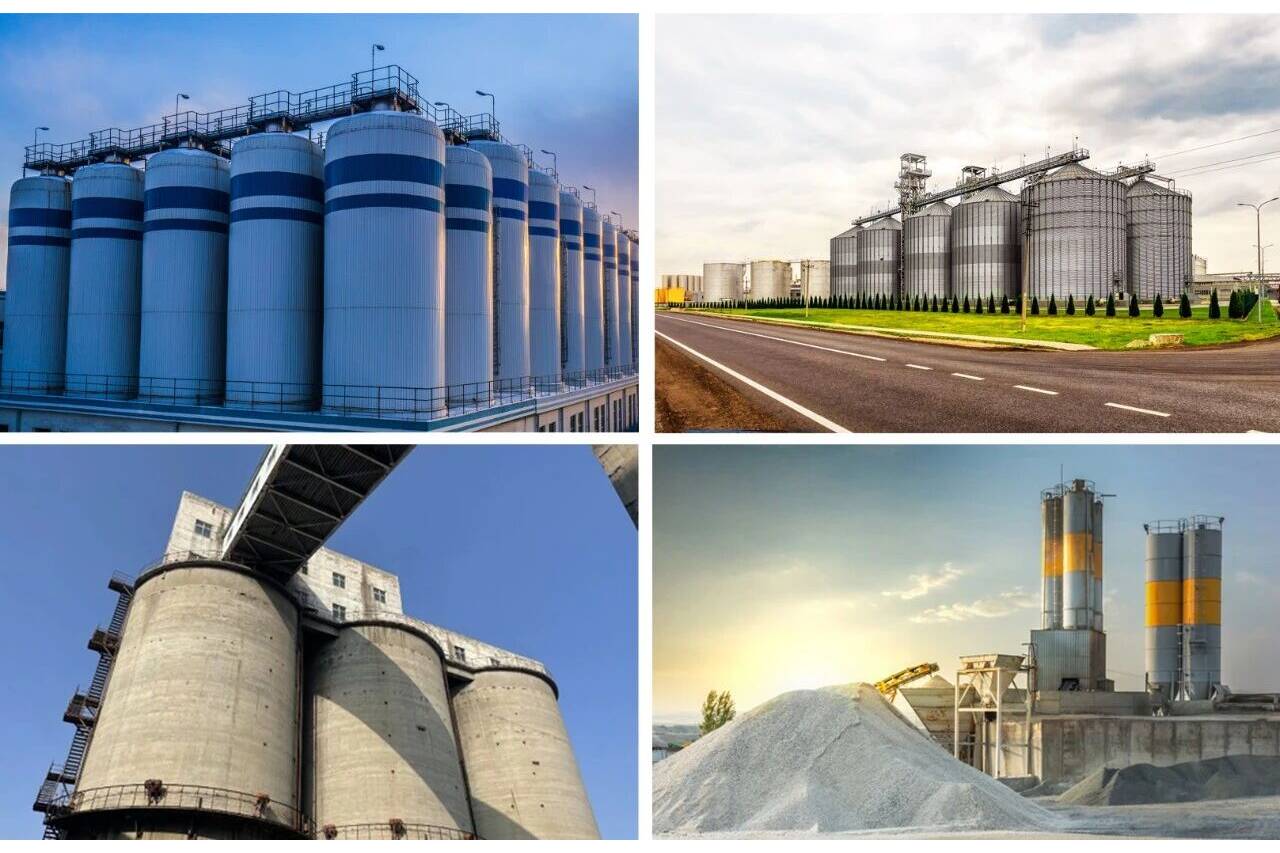
Inside industrial grain silos and flour processing plants, hidden material build-up like bridging, sidewall cling, and ratholing often disrupts operations. When material arches or sticks to walls, it creates dangerous empty pockets, unexpected flow stoppages, and sudden material collapses. However, sending workers up to check silos introduces high fall hazards and relies on slow, inaccurate manual record-keeping. To fix these safety and data gaps, deploying automated grain silo monitoring systems tracks actual surface topography, keeping crews safely on the ground.
What Structural Hazards Defeat Manual Silo Inventory Management?
Maintaining stable material flow inside heavy-duty grain storage units introduces severe operational risks when relying on manual estimation or other traditional metrics. Industrial storage environments frequently deal with complex physical changes across wide silos:
Severe Interior Flow Faults: Sticky or humid bulk items cling to internal steel or concrete walls, causing sudden ratholing and bridging that completely halt downward flow.
Dangerous Fall Hazards: Sending maintenance crews onto high platforms to manually clear blockages or check levels introduces extreme slip and fall hazards, especially during dusty loading cycles.
Manual Tracking and Calculation Errors: Relying on handheld tape measurements or single-point estimates leads teams to use paper logs, resulting in delayed stock updates and unexpected factory shortages.
How a 3D Solids Scanner Maps Shifting Material Peaks
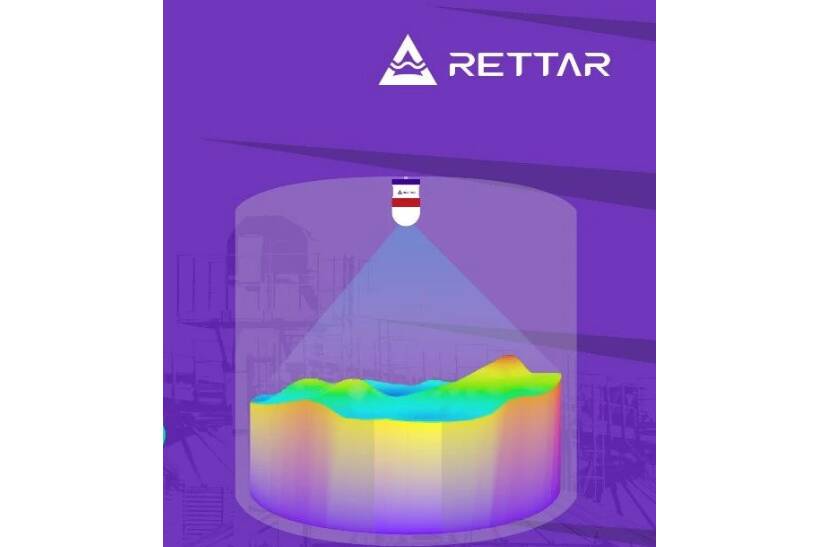
To resolve these inventory errors automatically without entering hazardous structures, plants deploy advanced silo inventory management upgrades. Mounting a Rettar 3DPro2300 3D Radar Scanner at the top center of a concrete or steel bin delivers full-surface tracking from a single installation point.
This specialized 3D radar level transmitter uses a mechanical dual-axis servo configuration to run continuous horizontal and vertical sweeps inside the storage unit. Operating at high frequencies, the sensor penetrates thick dust clouds to capture thousands of distinct measurement points. This automated process converts physical surface variations into reliable stockpile volume measurement records, performing a live 3D Volumetric Reconstruction to identify build-up issues before blockages happen.
Why Choose Automated 3D Surface Mapping for Plant Automation?
Transitioning from old estimation habits to continuous digital monitoring delivers measurable operational upgrades across different corporate departments:
Secured Process Continuity: High-precision scanning identifies irregular material accumulation early, allowing operators to clear wall build-up before it triggers conveyor downtime.
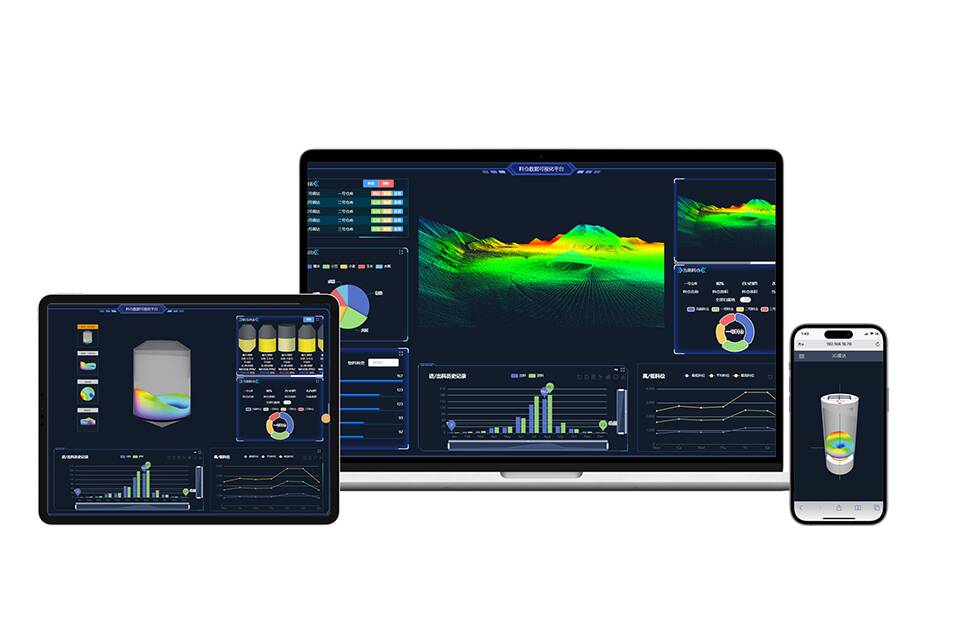
True Silo Transparency: Live graphical charts display shifting material curves, giving control room operators complete visibility into real bin conditions.
Enterprise Data Transparency: The digitized volume of data streams directly to central control systems (ERP/WMS), removing manual data entry so procurement teams see true stock updates instantly.
Are Material Build-Ups Affecting Your Silo Storage Assets?
Tell us your specific silo dimensions and the flow problems you face. Send your site details to the Rettar team today for a tailored technical recommendation.