Supplier sign in
Home
STAY INFORMED
Subscribe to our monthly newsletter.
Your email address will never be disclosed to any third party.
Read our privacy notice.


Product description
05.01.2026  |  155x
Share this item
Allow (tracking) cookies from YouTube and Vimeo to watch videos

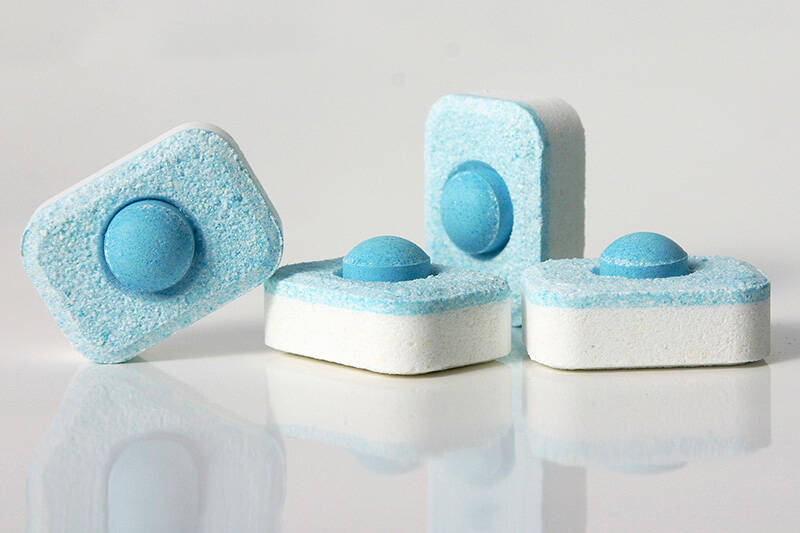
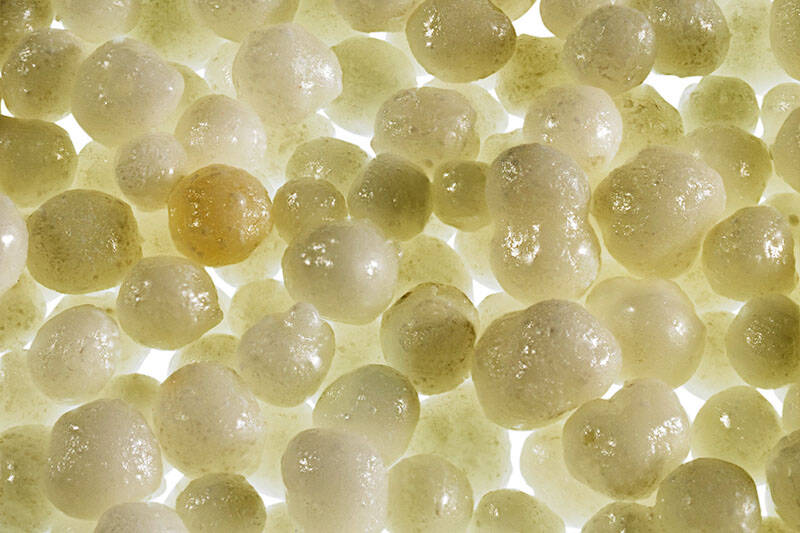
Granulate powders into tabletable agglomerates

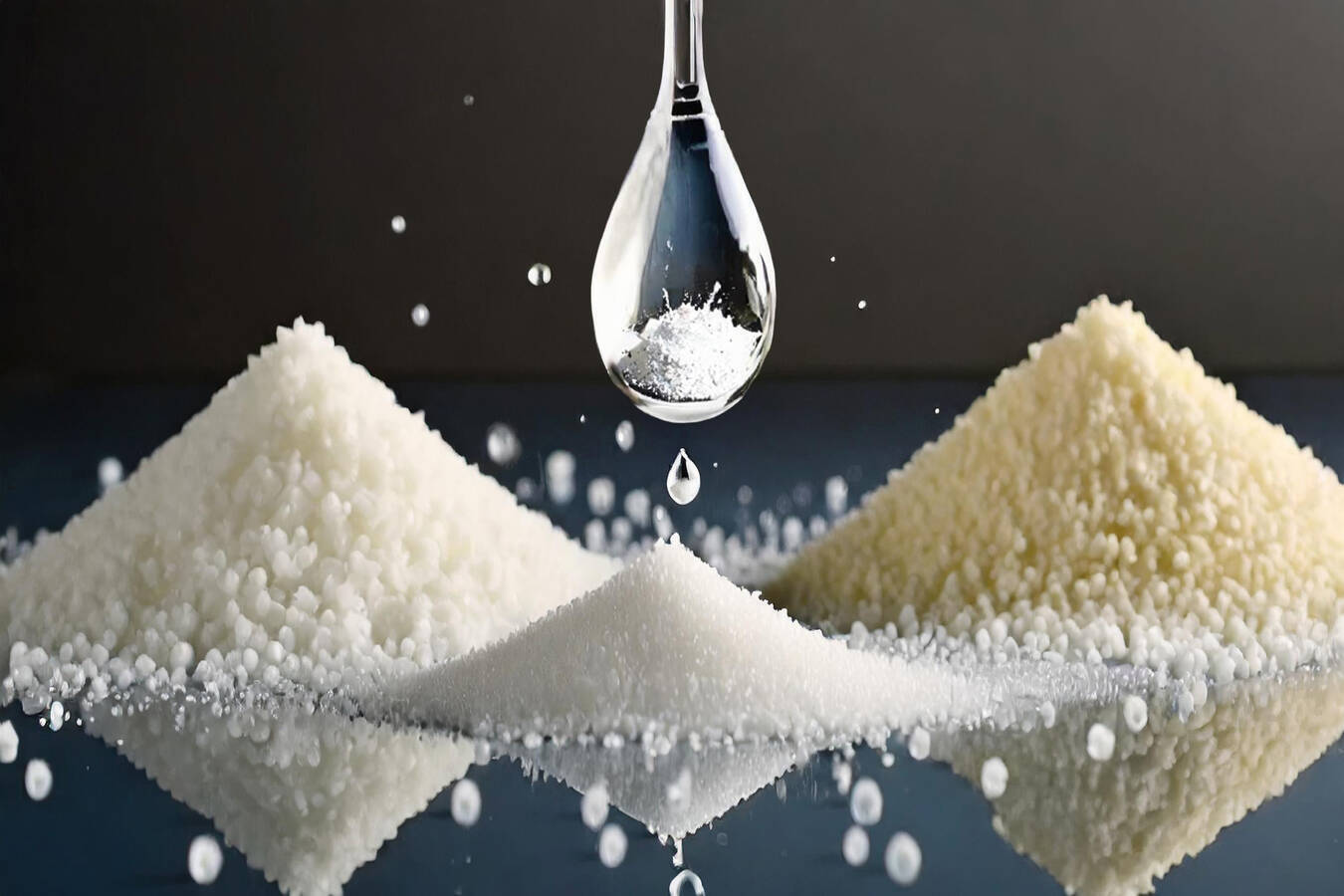
Fluid bed spray agglomeration of powder as a perfect alternative to direct compression of powder mixtures: No segregation. Good flowability. Good dosing accuracy. Adjusted tablet properties.
In the production of tablets, direct compression of the powder mixture is often not possible.
Weak cohesive forces between powder particles often result in insufficient tablet strength. Also, due to flow-inhibiting adhesive forces, fine powders exhibit poor flowability, which can result in inadequate dosing accuracy when filling the dies. If highly potent active ingredients are present as fine powders, dust formation makes safe powder handling difficult. If different particle sizes are combined in a powder mixture, segregation processes can counteract a trouble-free tableting process with consistent product quality.
Consequently, the powder properties are decisive for the success of tabletting and the tablet properties that can be achieved.

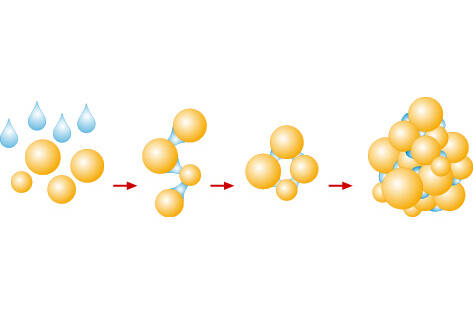
Spray agglomeration of powder based on fluid bed technology solves all these problems. By spraying a binder solution onto powder particles, they can be glued together, thus increasing particle size and reducing fines content. Formulation ingredients, such as active ingredients, can also be sprayed on with the binder solution and thus homogeneously distributed. By establishing individual process and formulation parameters, agglomerates with defined properties such as particle size, shape or bulk density can be produced. In the process, flowability is improved, segregation of different powder fractions is avoided, and the dust content is reduced, thereby specifically influencing tablet properties, such as disintegration characteristics or dissolution behavior, and ensuring consistently excellent tablet quality.

At the Glatt Technology Center in Weimar, we work with you to determine the optimum process conditions for your product in feasibility trials for product development. Various laboratory facilities and comprehensive analytical equipment are available for this purpose. On our pilot plants, we optimize the process and scale it up reliably to a stable and economical production scale. The results from this form the basis for the design and construction as well as the erection of your fluid bed or spouted bed plant, tailored to your requirements. As an alternative to our own process technology, we offer you the outsourcing of your production by means of contract manufacturing at Glatt.

Company information

Glatt Ingenieurtechnik GmbH
Glatt is specialized in intelligent particle design for the generation and functionalization of powders and granulates with defined, adjustable properties. The focus is on particles and powders for pigments, catalytic, ceramic or battery materials as well as for granules and pellets as additives for e.g. industrial salts, detergents and cleaning agents, fertilizers, pesticides, food, feed, dietary supplements and pharmaceuticals. Encapsulation of flavors, enzymes, vitamins, microorganisms, probiotics or fatty acids (PUFA) is just as possible as encapsulation of essential oils and other active, sensitive substances to be protected. With Glatt APPtec®, a unique technology for spray calcination, it is possible to generate, coat and then calcine particles in a pulsing hot gas stream in a single process step. As a pioneer in fluid bed and spouted bed technologies, Glatt masters these important processes for the formulation and optimization of particle properties through defined spray agglomeration, spray granulation, spray coating or (micro)encapsulation as well as through combinations of these processes. Also in the high temperature range. Glatt supports the product idea from the early phase of product formulation through process development to scale-up to production scale. Under the leadership of the Glatt Process & Plant Engineering teams, customized production plants for nutrition, fine chemicals, pharmaceuticals, and biotech applications are successfully planned and commissioned. Worldwide. Whether based on powder synthesis, fluid bed or spouted bed technology, Glatt also offers certified contract manufacturing for customers without their own production capacities.

Last update: 28.10.2025

Related articles

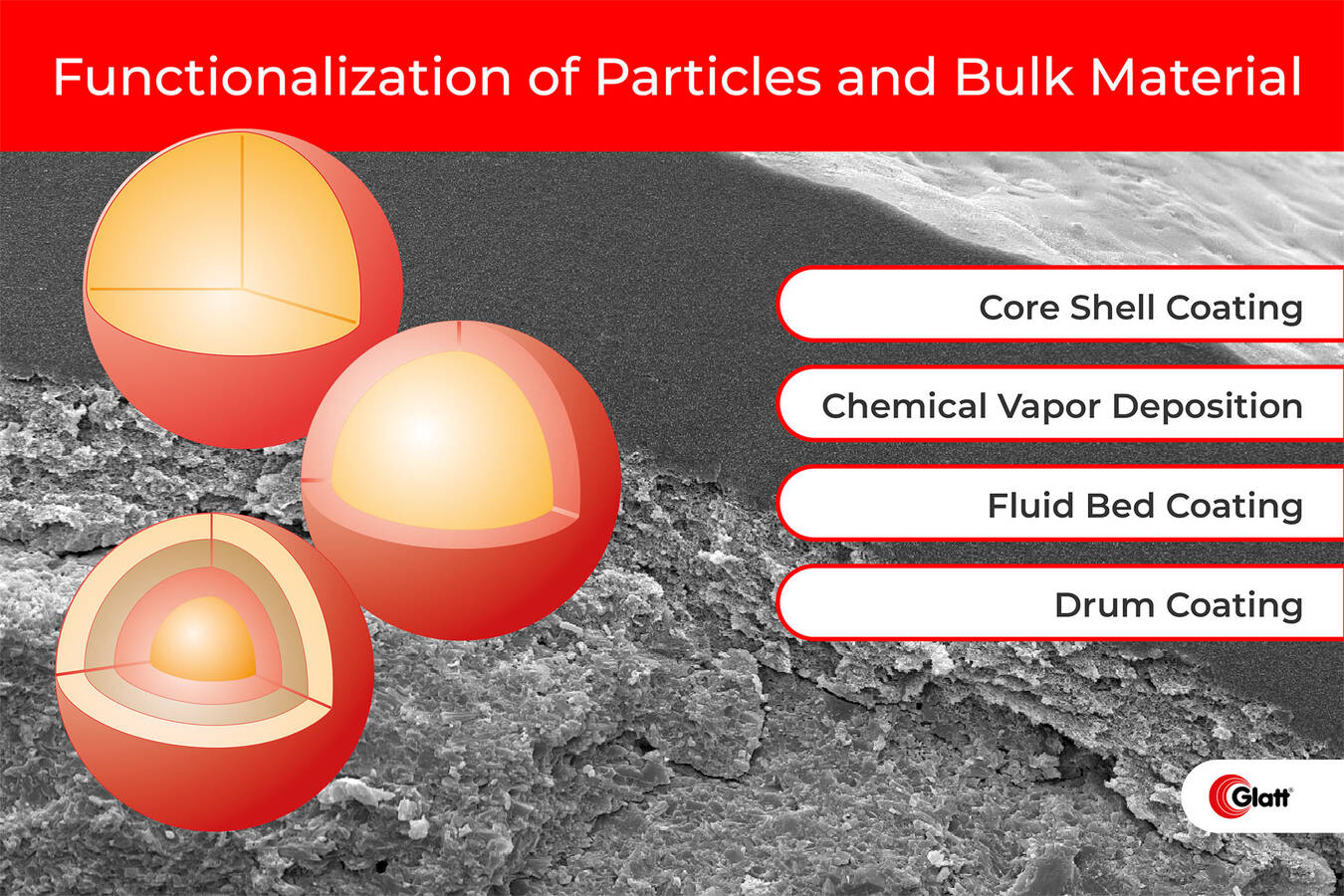
Functionalization of particles + bulk material by coating By determining the quality of the end product, it is essential to select the most suitable technology approach.
Functionalization of particles + bulk material by coating
By determining the quality of the end product, it is essential to select the most suitable technology approach. Individually adjusted coating parameters By determining the quality of the end product, particle coating is a critical step in many manufacturing processes. To achieve optimum results, it is essential to select the most suitable approach and, to do this, the specific properties of the raw materials, the required functionality of the coating and the intended application must all be considered. The most important aspects to think about when coating functionalised particles are outlined below. From the very beginning, those involved in process and product development must define the target parameters, the desired product properties and identify the technological and commercial conditions. Based on these criteria, a suitable technology can then be selected for production. Typically, this is an incremental process that, based on an initial concept, investigates different production variants. The aim is to optimise the process in terms of product properties and costs.
03.12.2025  |  2034x  |  Specialist article  |   | 
Production of innovative Battery Materials  
Enhancing Capacity and Stability by Particle Design with Advanced Powder Synthesis.
Production of innovative Battery Materials
Enhancing Capacity and Stability by Particle Design with Advanced Powder Synthesis. Enabling the production and refinement of anode/cathode materials and solid electrolytes in a single step, Glatt Powder Synthesis is a flexible and versatile tool for the development and industrial production of innovative battery materials. Although the battery capacity of computers and mobile devices has reached acceptable levels of functionality and performance, there is still room for improvement in terms of charging speed and range, particularly in the field of electromobility. The search for solutions to overcome these issues is a strong driver of innovation. Glatt Powder Synthesis is a technology that is already being used in the production, activation and coating of new battery materials. The key to the effectiveness of this process is the use of a pulsating hot gas flow and application-specific conditions. Developed by Glatt Ingenieurtechnik (Weimar, Germany) to synthesize a homogeneous powder, this technology first uses the raw materials to create a stoichiometric
22.07.2025  |  6226x  |  Specialist article  | 
Striving for efficient phosphorus recycling solutions Phosphorus recycling from sewage sludge: more fertilizer, fewer heavy metals
Striving for efficient phosphorus recycling solutions
Phosphorus recycling from sewage sludge: more fertilizer, fewer heavy metals Phosphorus is essential as an agricultural fertilizer. Globally, this indispensable element is becoming increasingly scarce, putting an increasing focus on recovery where natural phosphate deposits are rare. Glatt Ingenieurtechnik GmbH has further developed its patented PHOS4green fertilizer production process so that sewage sludge ash from conurbations with high heavy metal contents can be used. Their removal means that fewer pollutants are released into the environment. Glatt has expanded its PHOS4green process to facilitate the legally compliant recovery of valuable materials from sewage sludge ash contaminated with heavy metals With sustainability now a global priority, the development of circular economies is top of mind throughout society, business and politics. The efficient use of resources, especially the recycling of waste products from material cycles, is becoming increasingly important. A good example is sewage sludge ash. Owing to its high phosphorus
03.01.2025  |  5596x  |  Specialist article  |   | 
From process development directly to contract manufacturing With short time-to-market: Particle and functional design from the fluid bed market leader
From process development directly to contract manufacturing
With short time-to-market: Particle and functional design from the fluid bed market leader The Glatt Group’s customers benefit from bundled expertise in particle design – from the initial feasibility test, through scale-up, to validation of the production process. Glatt offers suitable solutions for every variant and, if required, also implements customer-specific processes. Contract manufacturing has to fulfill very varied requirements. Some companies permanently outsource their production and permanently request large quantities. Others require flexible production slots to compensate for highly fluctuating requirements in terms of volume. Often, a mature product idea exists, but the innovators do not yet have the suitable technology. For the production and refinement of solid product formulations, a wide variety of tasks are commonplace: from nanodispersed powders for high-tech applications, to matrix-encapsulated feed and food additives in granule and pellet form, to products with a modified release of active ingredients. Contract manufacturing
08.07.2024  |  6269x  |  Specialist article  |   | 
How to tame recalcitrant ingredients withtechnological processes Plant-based functional ingredients behave differently than manufacturers of nutraceuticals and cosmetic products would like. Double microencapsulation can help them to overcome bioavailability and solubility challenges
How to tame recalcitrant ingredients withtechnological processes
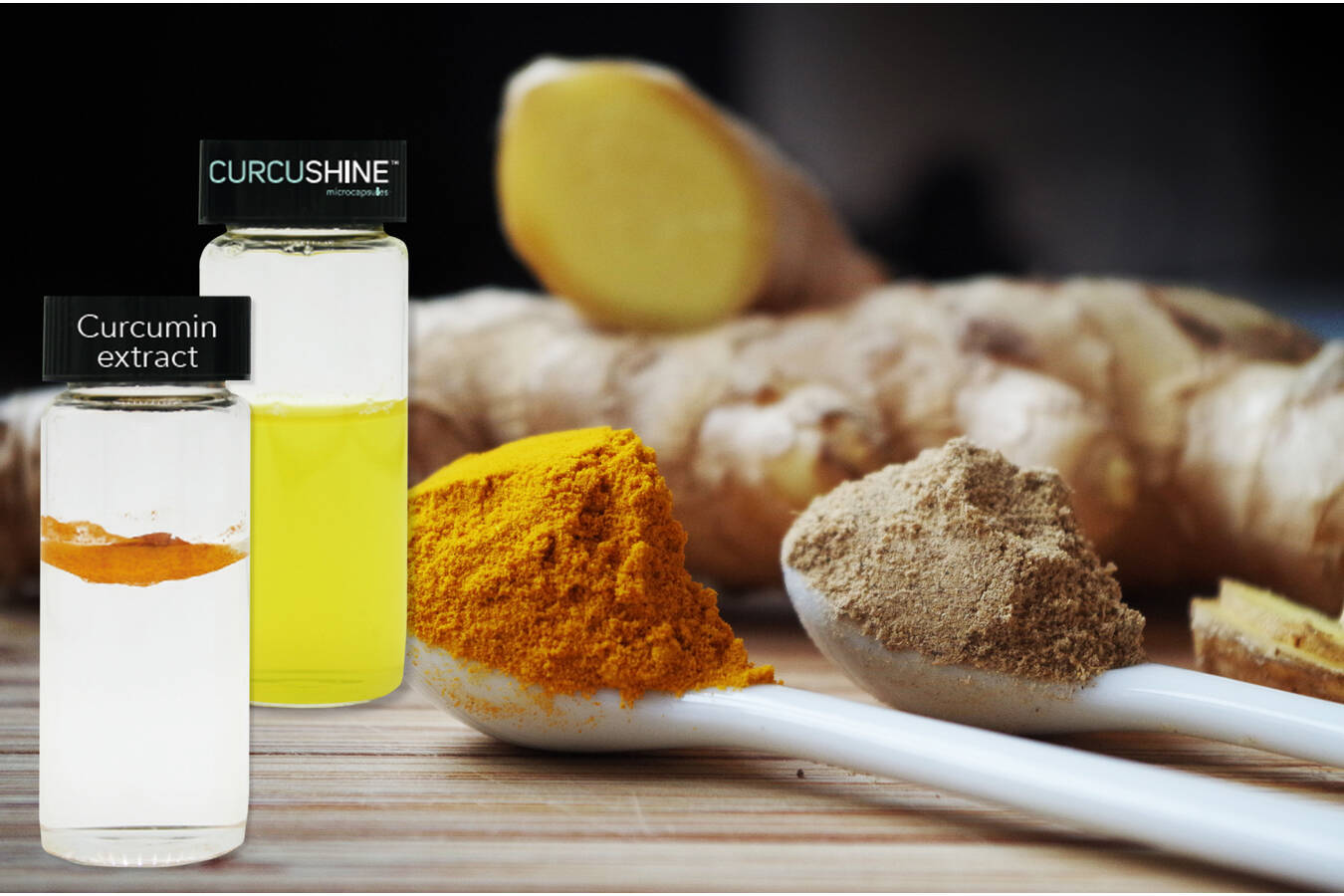
Plant-based functional ingredients behave differently than manufacturers of nutraceuticals and cosmetic products would like. Double microencapsulation can help them to overcome bioavailability and solubility challenges Plant-based functional ingredients behave differently than manufacturers of nutraceuticals and cosmetic products would like. Innovative processes such as double microencapsulation can help them to overcome bioavailability and solubility challenges. Among the currently trending functional ingredients, interest in natural sources such as turmeric and its polyphenol, curcumin, has been increasing for years. The spice is not only in demand in the culinary world, but has also found great promise in both consumer and scientific applications.1 Hewlings and Kalman reported that the reason for this is because of the medicinal properties of this rhizomatous perennial plant (Curcuma longa) from the ginger family, which have been known for thousands of years.2 In Asian countries, turmeric has traditionally been used as a medicinal plant for its antioxidant, anti-inflammatory, antimutagenic, antimicrobial and anticancer properties.3–5 This sought-after ingredient is not only
09.04.2024  |  7688x  |  Specialist article  |   | 
Ceramic raw materials from the pulsating hot gas stream Creating customized raw material products on a technical scale. Example: barium strontium cobalt iron oxide (BSCF), doped and coated zirconium dioxide.
Ceramic raw materials from the pulsating hot gas stream
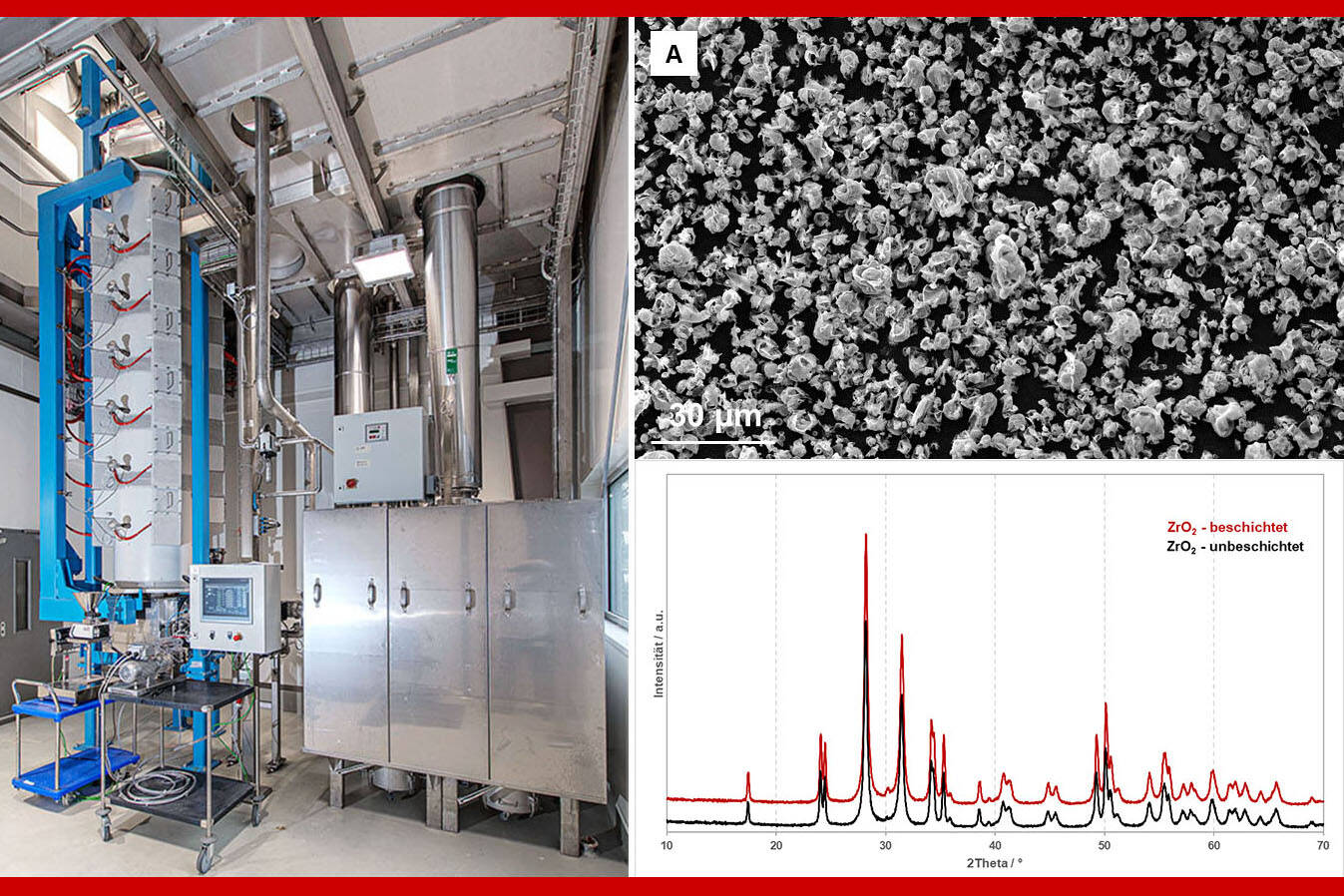
Creating customized raw material products on a technical scale. Example: barium strontium cobalt iron oxide (BSCF), doped and coated zirconium dioxide. By using Glatt’s innovative powder synthesis technology and the associated spray drying and calcination processes, new opportunities in raw material production have been explored. In this article, the inherent potential of barium strontium cobalt iron oxide (BSCF), doped and coated zirconium dioxide is described. Keywords Zirconium dioxide, BSCF, raw material development, spray drying, calcination, powder synthesis Authors Dr-Ing. Viktor Drescher is a materials engineer and holds a doctorate in coating technology from the Technical University of Berlin. At Glatt, he works in business development and is responsible for the high-temperature processes powder synthesis, high-temperature fluidized bed and chemical vapor deposition (CVD). Dr rer. nat. Johannes Buchheim obtained his PhD from Friedrich Schiller University in Jena, Germany. He has been working as a project engineer in Glatt’s Application and Formulation Technology department on powder synthesis
02.02.2024  |  6336x  |  Specialist article  | 
Plant safety from the perspective of an operating company Plant engineers should “go the extra mile” to ensure the safe operation of process facilities
Plant safety from the perspective of an operating company
Plant engineers should “go the extra mile” to ensure the safe operation of process facilities Manufacturers in the bulk material industriy can profit, if the engineering and construction company not only develops tailor made solutions, but is a manufacturer itself. Toll manufacturing sharpens the view for the obligations, dutys and challenges on the manufacturing and operation side. Manufacturers need to pay higher attention to product safety, fire and explosion protection, plant and operator safety (occupational health) as well as environmental protection, than required from the engineering and construction side. Being a toll manufacturer themself, Glatt is incorporating the operational experience into the design of their process plants, beyond legal and regulatory requirements. Plant manufacturers and operators must comply with strict operational demands and legal regulations, some of which overlap or must be apportioned to the appropriate party. For the plant manufacturer, examples include conformity procedures — such as risk analyses in accordance with
27.10.2023  |  6881x  |  Specialist article  | 
Drying liquids – Best technology for nutraceuticals The desired end product properties can make a difference when choosing between spray drying or spray granulation
Drying liquids – Best technology for nutraceuticals
The desired end product properties can make a difference when choosing between spray drying or spray granulation Both spray drying and fluid bed spray granulation can be used to convert liquid products into bulk materials. The most effective process will often be dictated by the desired properties of the final particles and the specific application. Glatt Ingenieurtechnik has a thorough understanding of both techniques and has a long history of designing fluid bed systems that are tailored to individual customer products. Drying solids-laden liquids is frequently used in industry to convert products into a more manageable form and enable their storage at ambient temperatures. The resulting bulk materials are not only more stable than the liquid raw materials, they also have lower weights and smaller volumes, significantly reducing transportation and storage costs as well as any handling issues. To dry liquids as quickly as possible, spraying them into a hot air stream (spray drying) is very effective. It has been used for decades to quickly and cost-efficiently dry large-volume
29.08.2024  |  11763x  |  Specialist article  |   | 
Auf den Punkt getrocknet – Thermische Verfahren in der Wirbelschicht

This item is only available in German
02.03.2023  |  6462x  |  Specialist article  |   | 
Drying and product design in the vacuum fluid bed Dry, durable, pressure-resistant: Gentle and safe processes
for processing extracts containing solvents and temperature-sensitive substances
Drying and product design in the vacuum fluid bed
Dry, durable, pressure-resistant: Gentle and safe processes for processing extracts containing solvents and temperature-sensitive substances The processing of solvent-containing extracts and temperature-sensitive substances such as microorganisms or enzymes places high demands on process conditions, occupational safety and plant safety. Vacuum fluid bed technology from plant manufacturer Glatt is another way of achieving even more temperature-friendly processes by lowering the boiling point at reduced system pressures. This benefits live cells, products with organic solvents, and also agglomerates with high strength. Aqueous processes and their limits Fluid bed technology is characterized by excellent heat and mass transfer. Each individual product particle is suspended by the process gas to achieve perfect mixing and homogeneous temperature distribution. These well-known advantages of convection drying over contact dryers are utilized for temperature-sensitive products such as yeasts, enzymes and other reactive substances. Efficient drying in the fluid bed enables a variety of other processes such as
06.05.2025  |  13620x  |  Specialist article  |   | 
Spray agglomerating of plant-based milk alternatives Using fluidized bed spray agglomeration, particle size distribution, particle structure and particle properties can be specifically adjusted and improved.
Spray agglomerating of plant-based milk alternatives
Using fluidized bed spray agglomeration, particle size distribution, particle structure and particle properties can be specifically adjusted and improved. Spray agglomeration of plant-based milk alternatives for perfect wetting and dispersing properties Powdery substances often cause problems during dosing, filling and transport because of their high dust content and poor flowability. Low solubilities and dispersing properties also impair the application of the end product. With the help of fluidised bed spray agglomeration, the size distribution and structure of difficult-to-process particles can be specifically adjusted and improved. According to a study by the Research and Markets Institute, the global market for plant-based milk alternatives will grow at an estimated annual rate of 9.9% until 2025 (vegconomist 2020). Market shares of almond and soy milk are expected to grow particularly rapidly, at 40% and 37% respectively. At the same time, the application and use of powdered products is increasing. Benefits include the fact that less packaging required, which is more sustainable, and transport is both easier
01.08.2024  |  10997x  |  Specialist article  |   | 

More items

Improving the Solubility of Proteins Targeted control of product properties for fast and improved solubility of protein powders.
Improving the Solubility of Proteins
Targeted control of product properties for fast and improved solubility of protein powders. Several processes. ONE process step only. Perfect solubility. Targeted control of product properties. Proteins are a common ingredient in powder mixes for sports drinks and other protein drinks. Isolating them from complex animal or vegetable sources and then preserving them by drying in a spray tower produces a fine powder with low solubility. Dry your solution in one step to perfectly soluble agglomerates with our fluidized bed technology. Several processes in one step for improved solubility of proteins The combination of our processes such as spray granulation and spray agglomeration in just one fluidized bed apparatus offers maximum flexibility for influencing product properties. In the first zone of the apparatus, liquid droplets dry to form powder particles, similar to the drying process in the spray tower. This initial layer is built up into granules in the other zones by spraying. Spray droplets hit the particles several times and spread across the
06.11.2025  |  771x  |  Product description  |   | 
Product Design for High-Performance Detergent Applications Optimize formulations for detergent components, ensure specific functions and protect valuable ingredients
Product Design for High-Performance Detergent Applications
Optimize formulations for detergent components, ensure specific functions and protect valuable ingredients Do you want to make your detergents more sustainable with new formulations, improved cleaning efficacy while reducing the consumption of raw materials and packaging materials? Fluid bed technology and spouted bed technology, with a wide range of process options, enable defined adjustment of bulk densities, stabilization of mixtures and, of course, separation of active ingredients – such as bleaching agents, perfume oils or enzymes – by coating the individual components. There are many adjusting screws and leeway, from specific particle shapes and sizes to the release of individual ingredients. Synthesis by chemical reaction is also possible. The different processes in the fluid bed are used specifically to spray different liquids simultaneously. Due to the variety of options, a wide range of end product properties can be achieved. These are influenced by the properties of the starting materials, the plant geometry and the selection of the process parameters We
07.10.2025  |  823x  |  Product description  |   | 
Enrichment of animal feed with vitamins and minerals Optimal Animal Feed Mixtures: Taste masking. Homogeneous compounds. Processing enzymes, organic acids or essential oils.
Enrichment of animal feed with vitamins and minerals
Optimal Animal Feed Mixtures: Taste masking. Homogeneous compounds. Processing enzymes, organic acids or essential oils. Gentle processing of animal feed additives Feed additives for large livestock today fulfill a wide variety of tasks. Weight gain in fattening cattle, increasing milk yield or reducing phosphate excretion are just some of the issues in the feed industry. Enzymes, organic acids or essential oils perform specific tasks. Since the ban on prophylactic antibiotic administration, bactericidal oils have become an integral part of feeds. All these products are usually used in feed mixtures and must therefore be robust and free-flowing. Glatt fluid bed and spouted bed technology Processes such as spray stiffening, a special variant of spray granulation, embed oleoresins and other essential oils in a fatty matrix, turning them into compact additives that mix well. Coating processes allow taste masking of bad smelling and tasting active ingredients. In addition, active substances are also often sensitive to temperature or oxidation and, with a protective coating, are given
04.07.2025  |  1497x  |  Product description  |   | 
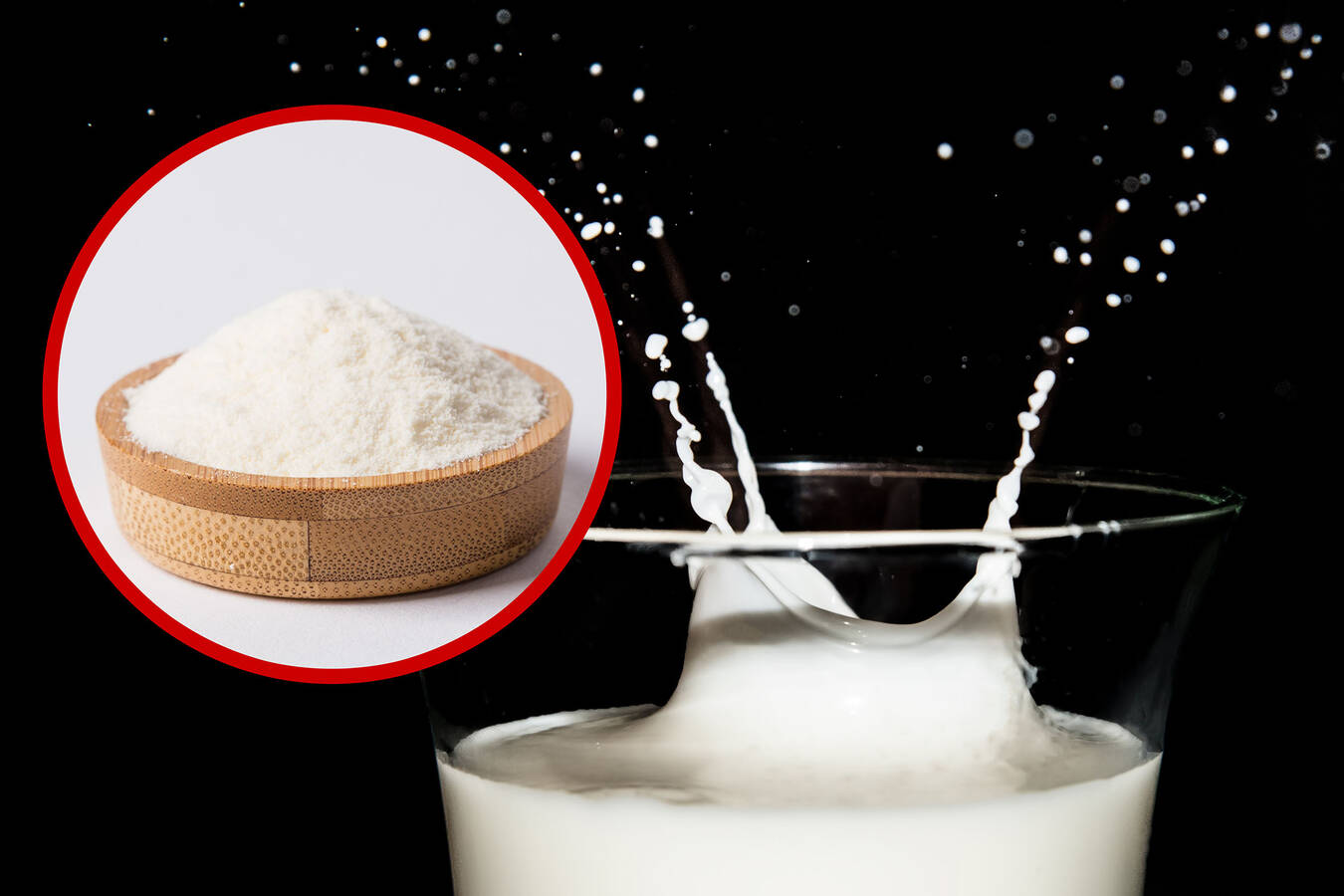
Optimized Product Properties for Plant-based Milk Alternatives Drying Technologies for Milk, Whey and Vegan Raw Materials
Optimized Product Properties for Plant-based Milk Alternatives
Drying Technologies for Milk, Whey and Vegan Raw Materials Enhancing of products like animal proteins and peptides, plant-based instant beverages, lactose, enzymes, microorganisms, etc. Energy saving process options. Our expertise in particle design and plant engineering for functional powders, granules and pellets focuses on a wide range of products from almost all bulk solids processing industries. This also applies to milk, whey and vegan raw materials. There are numerous options for optimizing and functionalizing milk products, plant-based milk alternatives and ingredients: - dry liquids into free-flowing granulates, such as for plant-based instant drinks - produce instant products, food supplements, cosmetics with perfectly adjusted solubility like collagen and animal proteins - dry and stabilize microorganisms like probiotics and bacterials - granulate powder into tabletable agglomerates like lactose - control release of active ingredients, for example microorganisms like probiotics and bacterials - stabilize
05.06.2025  |  1378x  |  Product description  |   | 
Stabilize Oxidation-Sensitive or Volatile Substances Protection for essential oils, carotenoids, flavors and hydrophobic substances and other active ingredients by micro encapsulation
Stabilize Oxidation-Sensitive or Volatile Substances
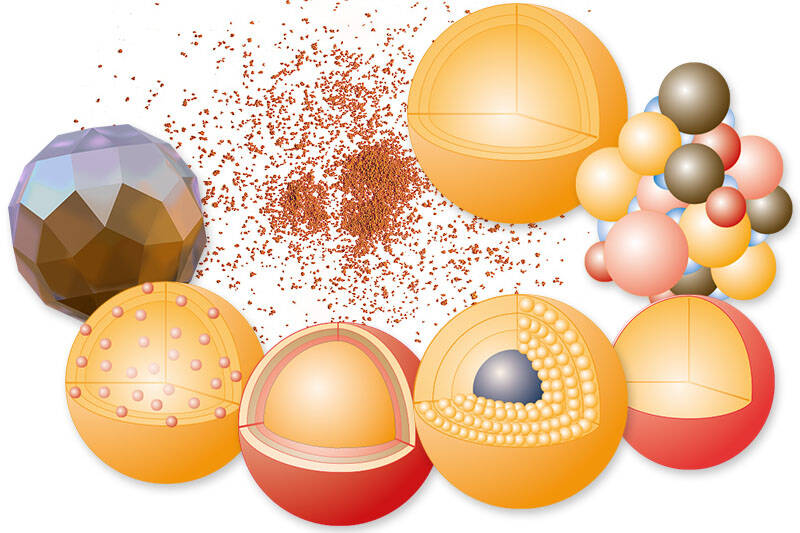
Protection for essential oils, carotenoids, flavors and hydrophobic substances and other active ingredients by micro encapsulation Protecting and drying hydrophobic substances by micro encapsulation Essential oils, carotenoids, flavors or even hydrophobic plant substances are challenging candidates in terms of formulation and process due to their chemical structure. Such substances are usually extremely sensitive to oxidation and to higher temperatures. For many applications, these substances are needed in solid formulations, for example in flavored teas and dessert mixes or as essential oils, neutral in taste and stable over time as additives in baby food. The micro encapsulation process combines the inclusion of hydrophobic substances in a matrix with granulation and drying. In the first process step, the oil is emulsified and encapsulated with an encapsulation material that protects against oxidation – such as modified starches, hydrocolloids or even proteins. Stabilization of the emulsion has a decisive influence on product quality. It prevents the microcapsules from being destroyed
04.04.2025  |  1856x  |  Product description  |   | 

Related categories

PORTALS
BulkSolids-Portal Schuettgut-Portal Recycling-Portal
Related
Bulkgids.nl
SIGN UP FOR OUR NEWSLETTER
Newsletter archive
Service and contact
ContactDisclaimerPrivacyAdvertising
FOLLOW US
Linked