Dust Removal in Battery Recycling; Safety, Health and Efficiency
Battery recycling requires dust extraction during crushing, conveying and screening. Infastaub offers enclosed systems with ATEX-compliant filters.
With the rapid growth of the battery industry, the topic of battery recycling is also increasingly taking center stage. While large-scale production capacities are still being established, it is already becoming clear that significant quantities of used batteries and production waste will need to be returned to the recycling loop in the coming years. This, in turn, places greater demands on industrial dust collection.
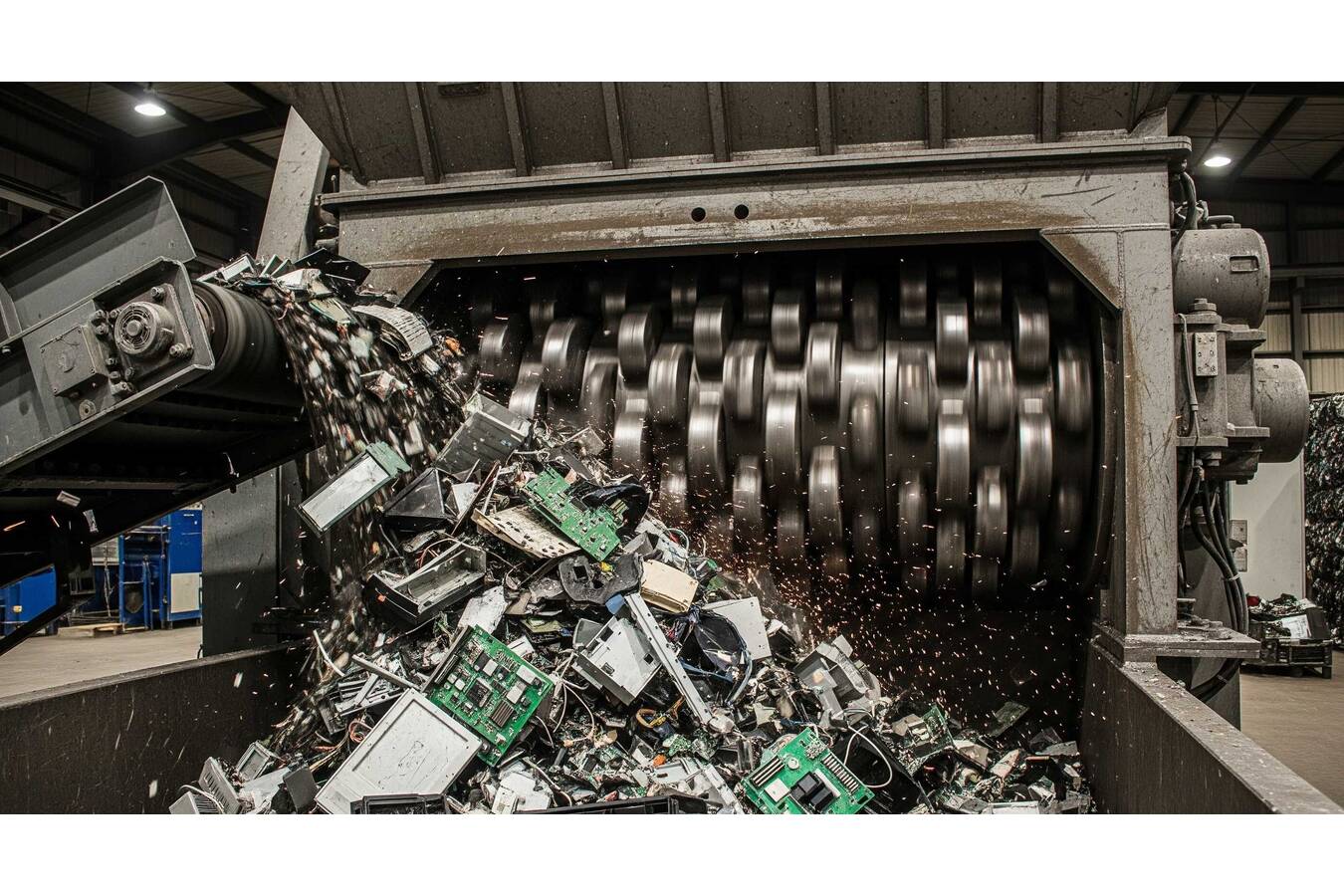
Dust is generated in nearly every step of the lithium-ion battery processing chain—whether during shredding, conveying, screening, sorting, or conveyor belt transfers. Graphite and lithium metal oxide dusts, in particular, place high demands on plant engineering and occupational safety. These dry, free-flowing dusts are often flammable, sometimes toxic, and can pose a significant risk of explosion and harm to health.
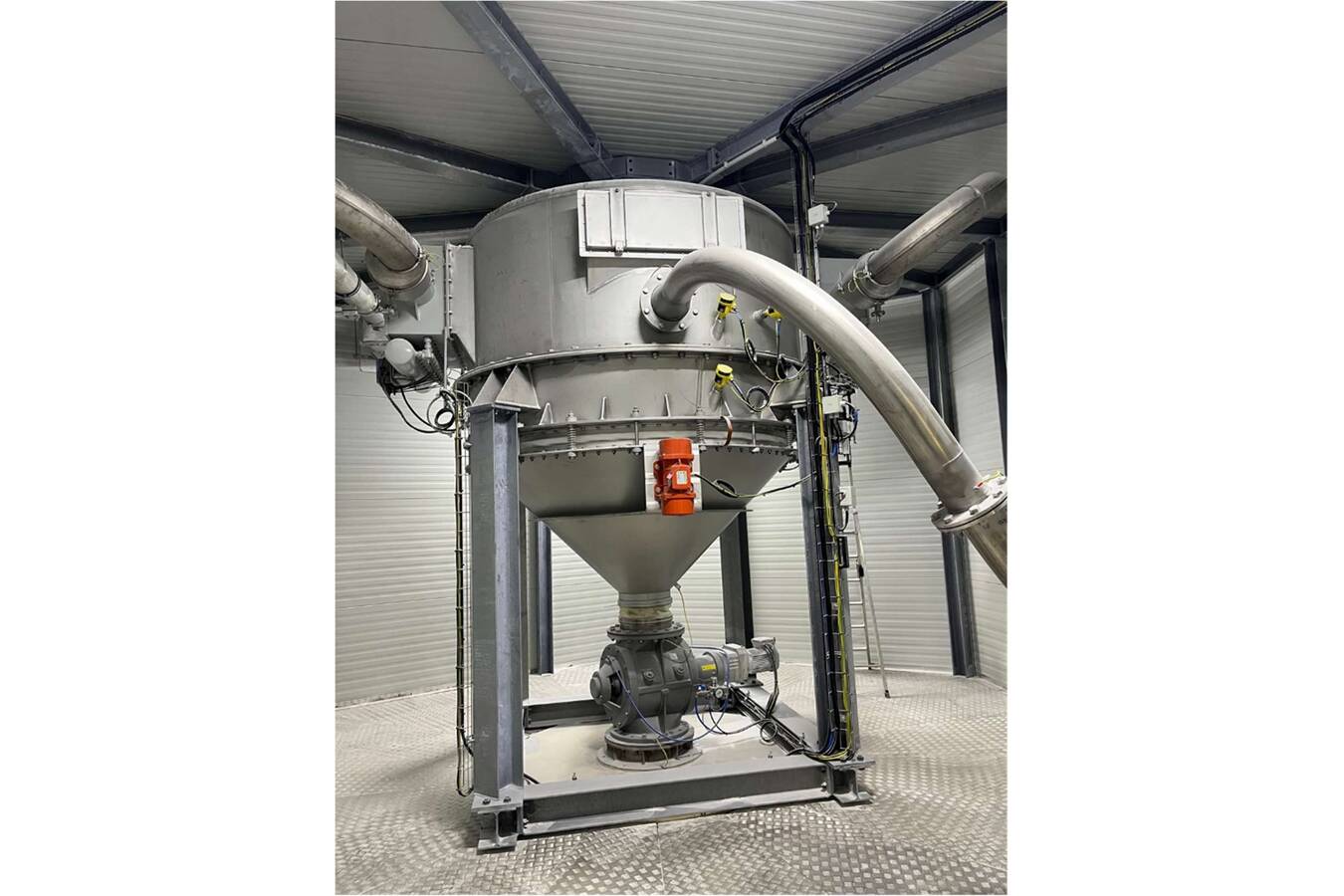
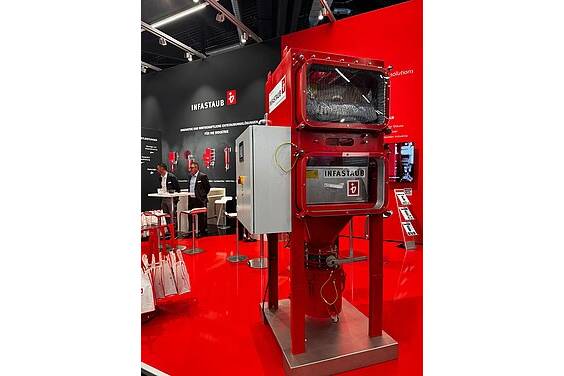
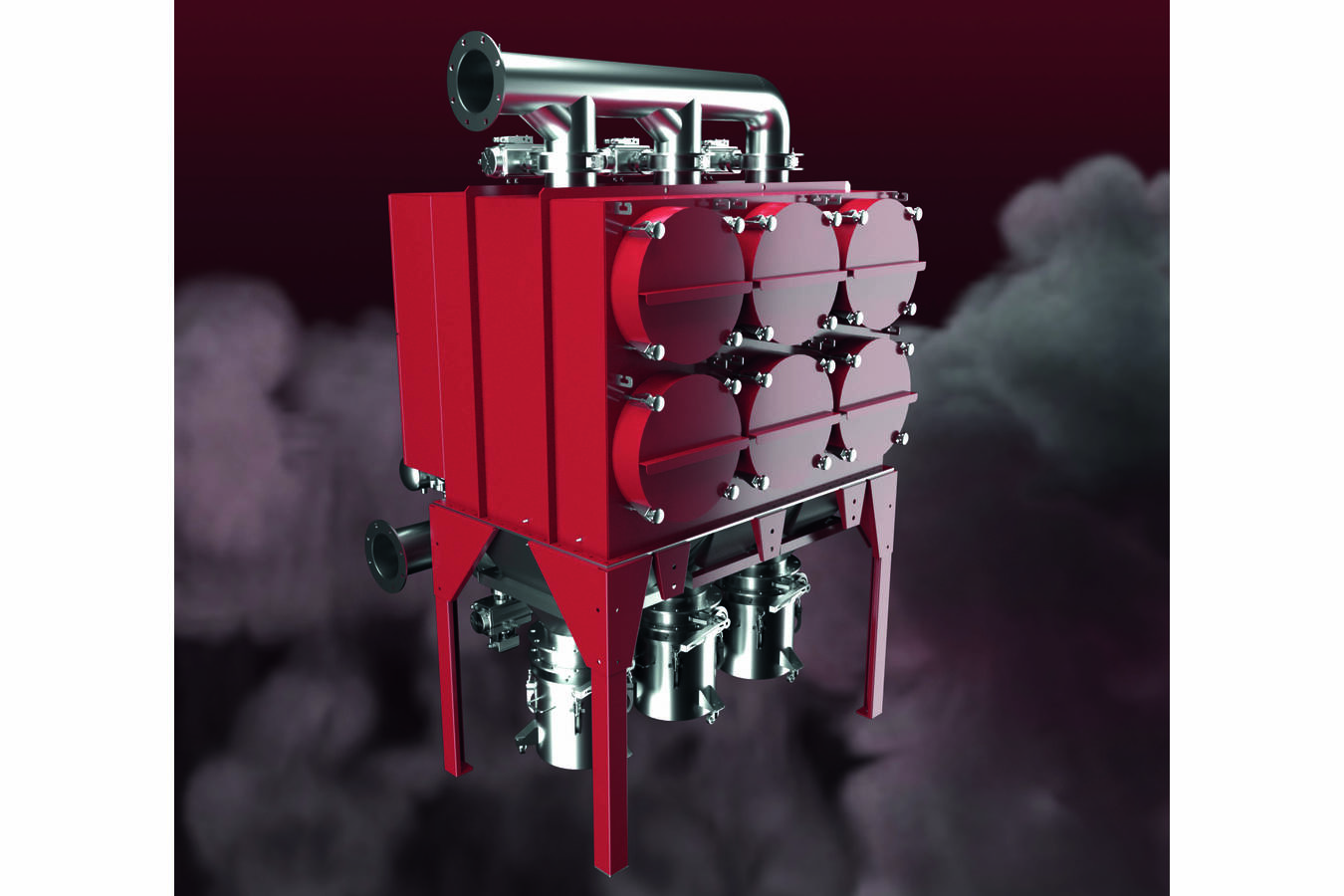
This is where Infastaub GmbH comes in with customized dust collection solutions. The company has nearly 60 years of experience in industrial filtration and has already completed its first reference projects in the field of battery and recycling applications. The goal is to reliably capture dust emissions, protect employees from health risks, and at the same time ensure cost-effective plant operation. A particular challenge in battery recycling is handling contaminated and potentially hazardous dusts. As a result, enclosed systems for safe filter replacement are becoming increasingly important. Using bag-in-bag-out systems, filter media can be replaced without operating personnel coming into contact with the captured materials. Such solutions meet stringent occupational safety requirements and are used in particular for applications with high OEB classifications.
Dust collection systems in battery recycling facilities must generally comply with ATEX directives for protection against dust and gas explosions. Combustible dusts and potential ignition sources require specially designed filter systems that are both explosion-proof and rated for various temperature ranges. Depending on the process conditions, cartridge filters, bag filters, or sintered lamella filters are used. Thanks to a wide range of filter media, the respective solution can be precisely tailored to the operator’s requirements.
Dust collection serves more than just a protective function. In many processes, the collected dust contains valuable raw materials that can be further analyzed downstream and, if appropriate, returned to the recycling cycle. Filtration thus also contributes to resource efficiency and the circular economy. The recycling industry is
currently developing at a rapid pace. For Infastaub, this is an important future market in which issues such as health protection, ATEX compliance, fine dust filtration, safe filter changes, and raw material recovery are becoming increasingly important. Modern dust collection solutions are thus becoming an essential component of safe and sustainable recycling processes—particularly in the growing market for battery recycling.