Supplier sign in
Home
STAY INFORMED
Subscribe to our monthly newsletter.
Your email address will never be disclosed to any third party.
Read our privacy notice.
       

COMPANY PAGE

Login
Latest update: 11.12.2024
The Wolfson Centre for Bulk Solids Handling Technology
TEL: +44 20 8331 8646
FAX: +44 20 8331 8647
University of Greenwich
Central Avenue
UK-ME4 4TB   Chatham Maritime, Kent
United Kingdom
Contact
+44 20 8331 8646
Ms. Caroline Chapman
Centre Support Manager The Wolfson Centre for Bulk Solids Handling Technology
+442083318646
Mr. Mike Bradley
Director The Wolfson Centre for Bulk Solids Handling Technology
02083318646
Ms. Baldeep Kaur
Consultant Engineer The Wolfson Centre for Bulk Solids Handling Technology
Company video
Allow (tracking) cookies from YouTube and Vimeo to watch videos
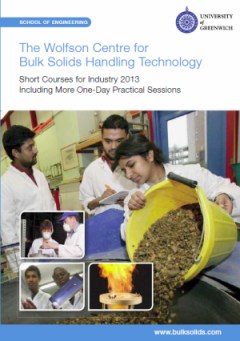
Consultancy, Research and Training (Short Courses) for the bulk materials handling industry.


Independent expertise and cost-effective solutions to industrial problems.

Our Mission: To help industry to get it’s powders and bulk materials to behave in the way they need them to.

2024 marked 50 years of service to the bulk solids handling industry
We shall continue to help Industry solve its bulk materials handling issues.
Consultancy Services, Education and Research
Products, services
 Bulk solids handling courses - identify the problem, learn the solution. We offer online learning, face to face courses with practical workshops or in-company courses.
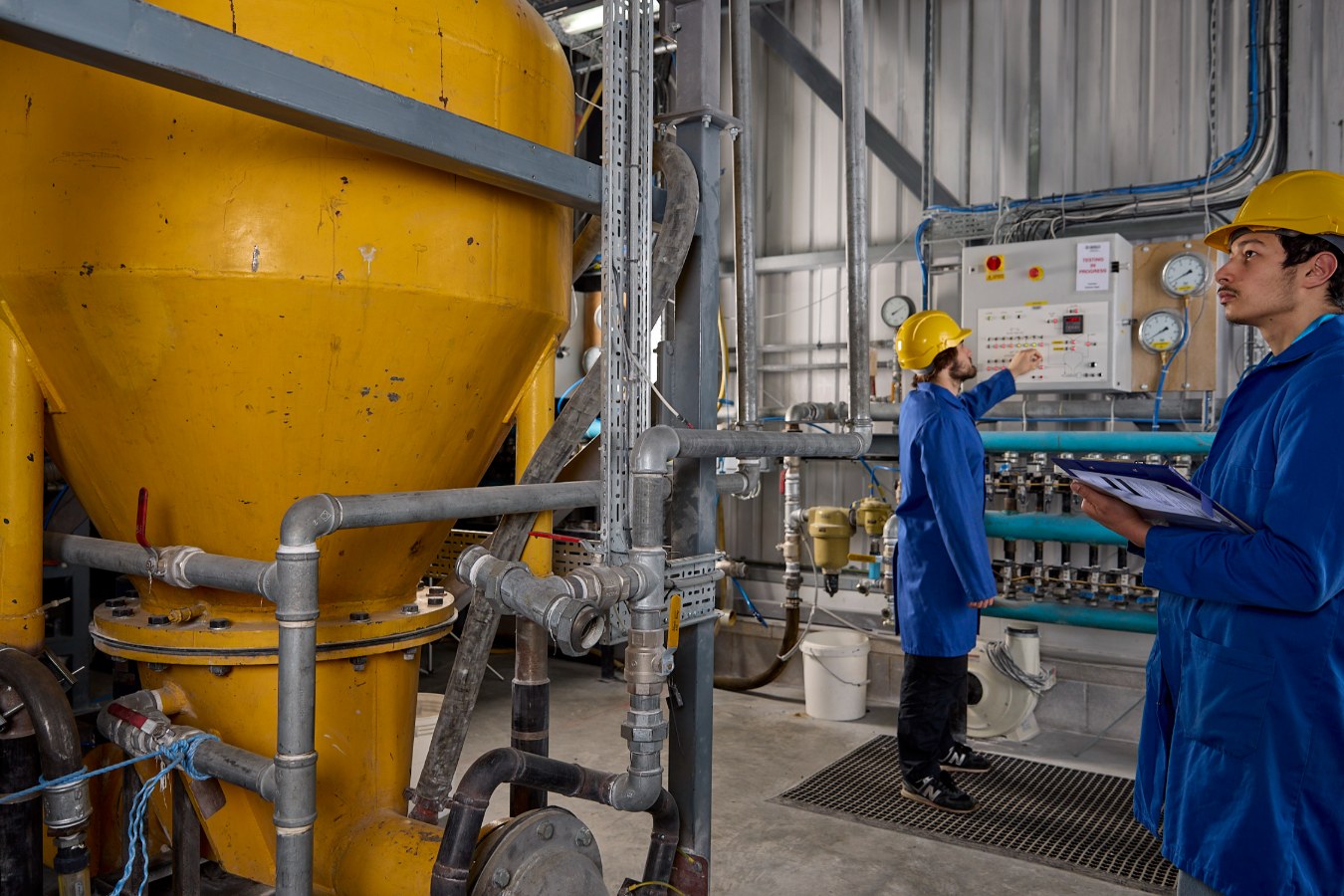
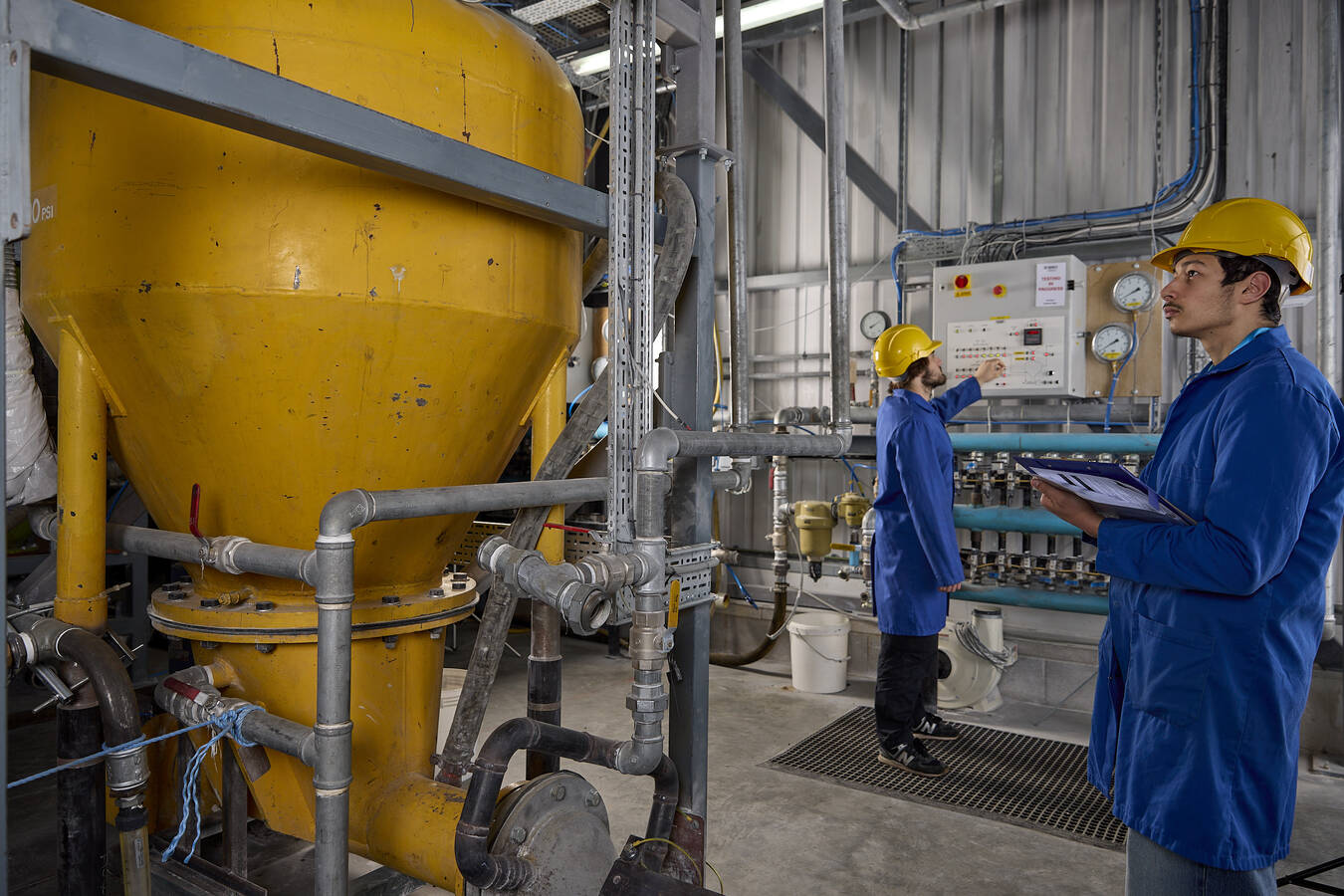
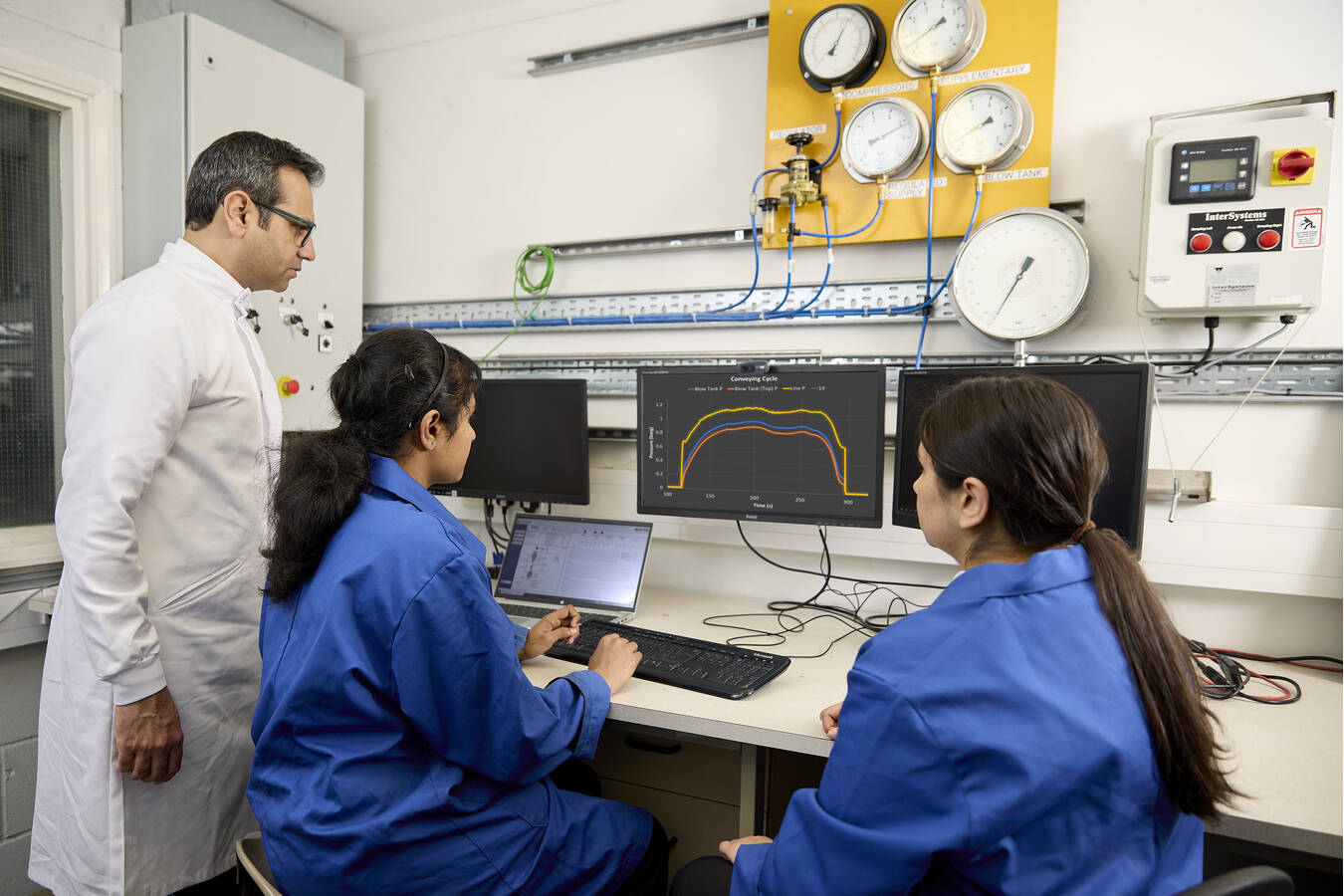
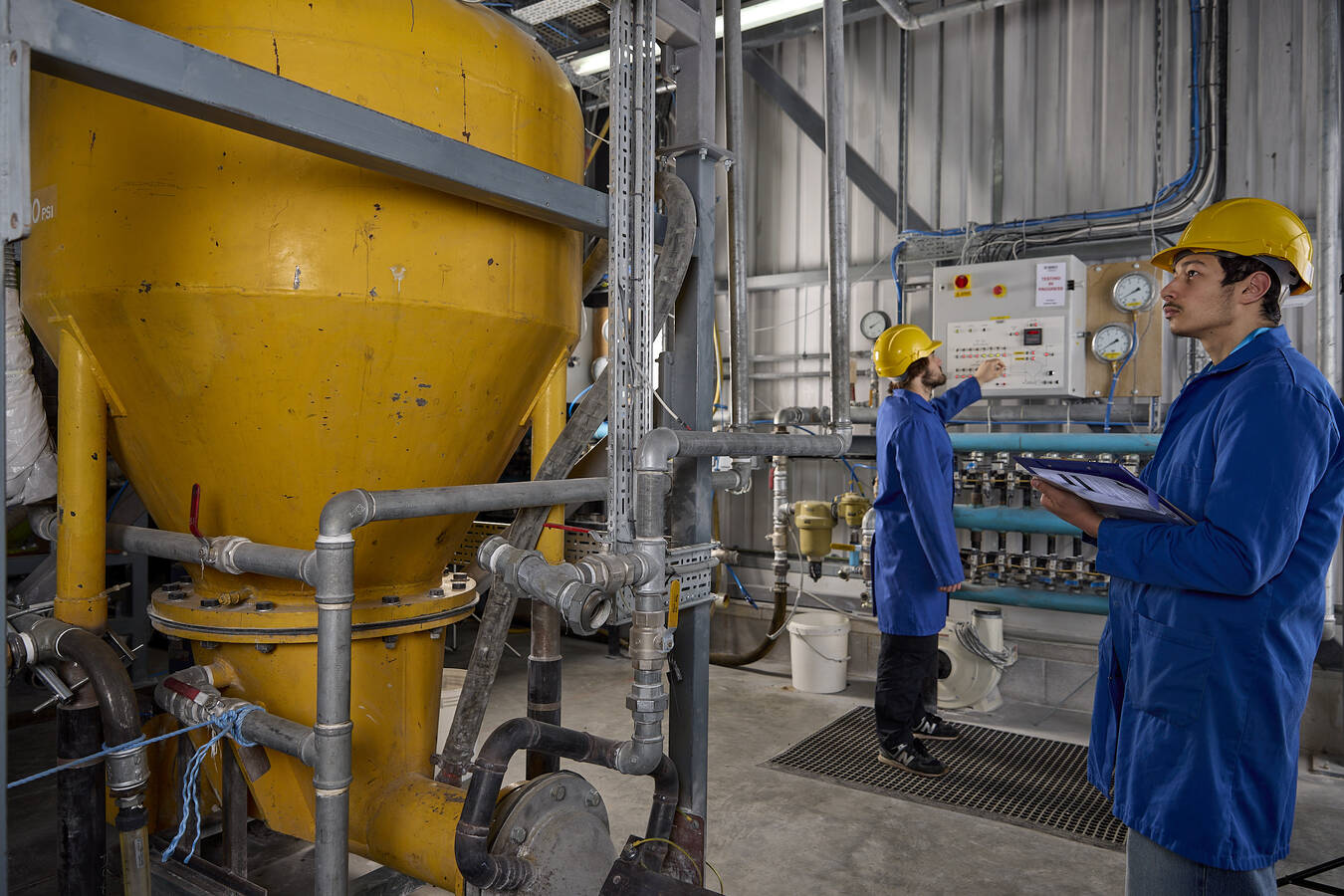
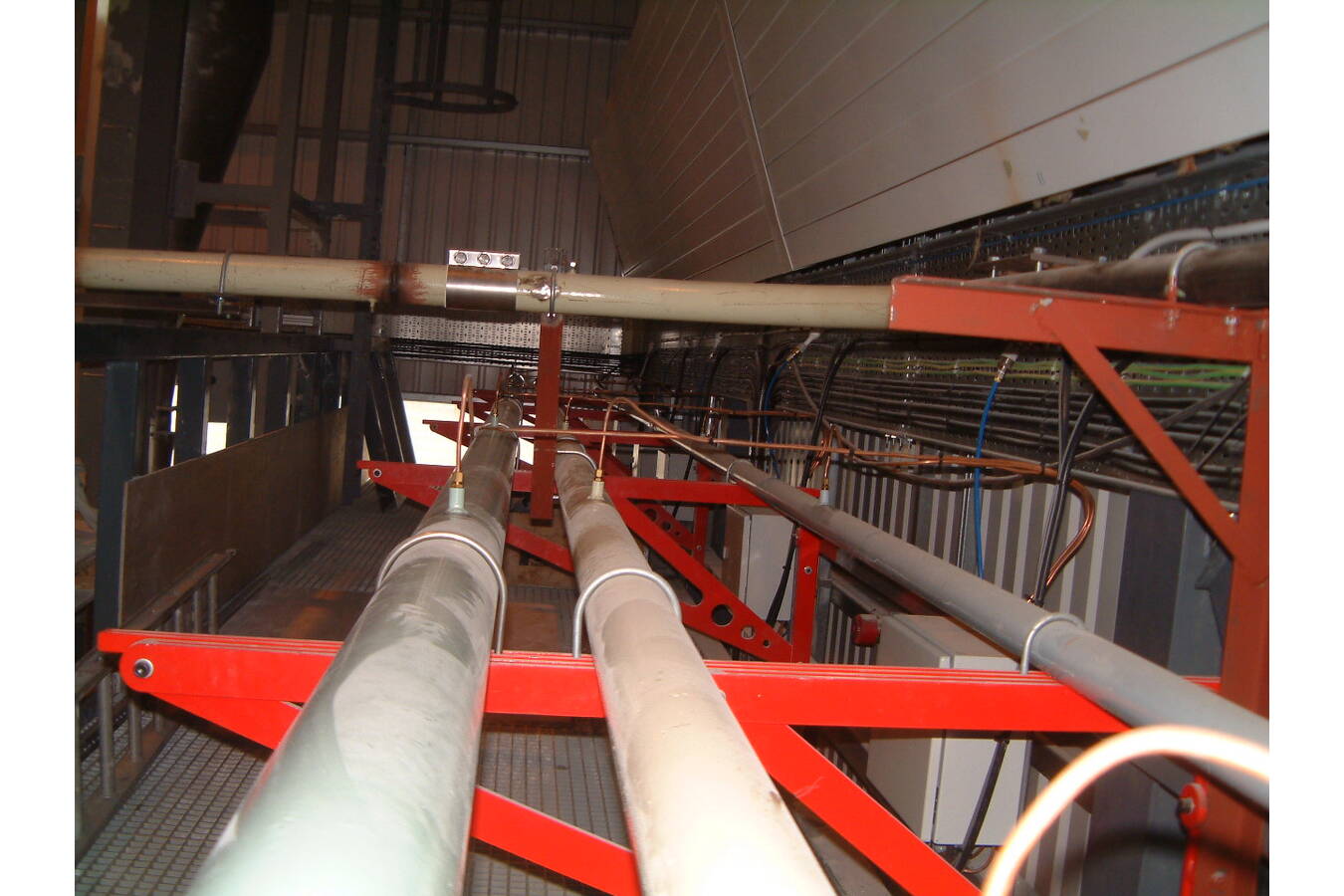
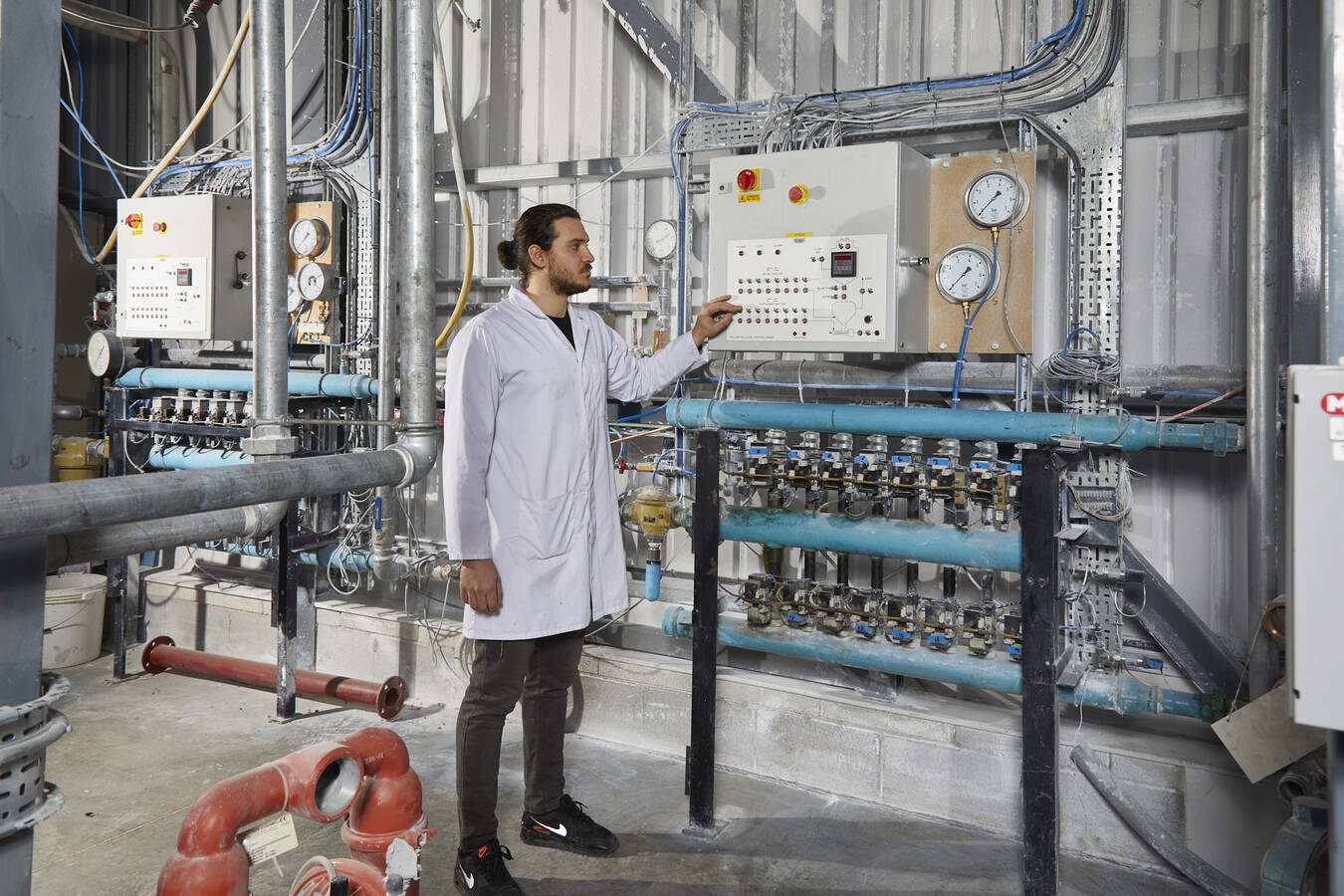
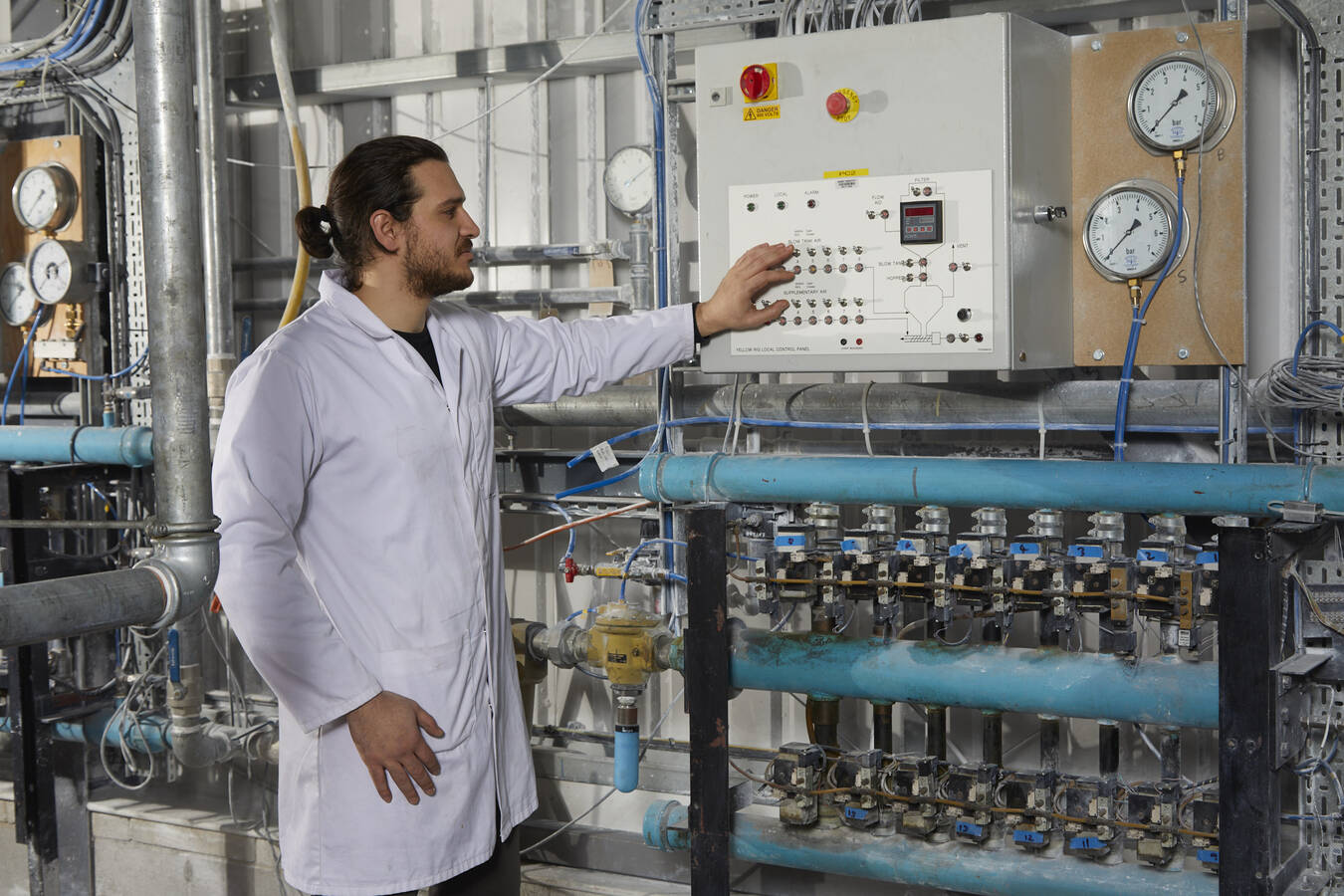
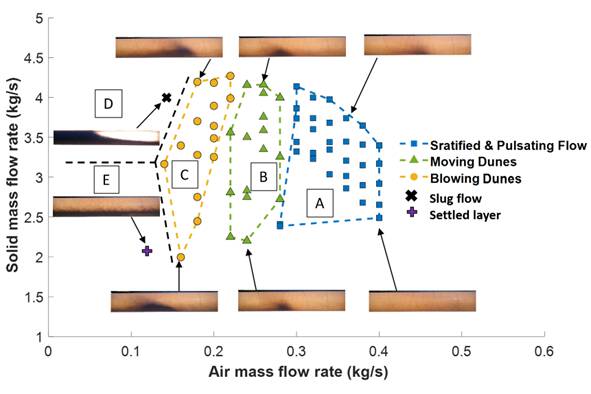
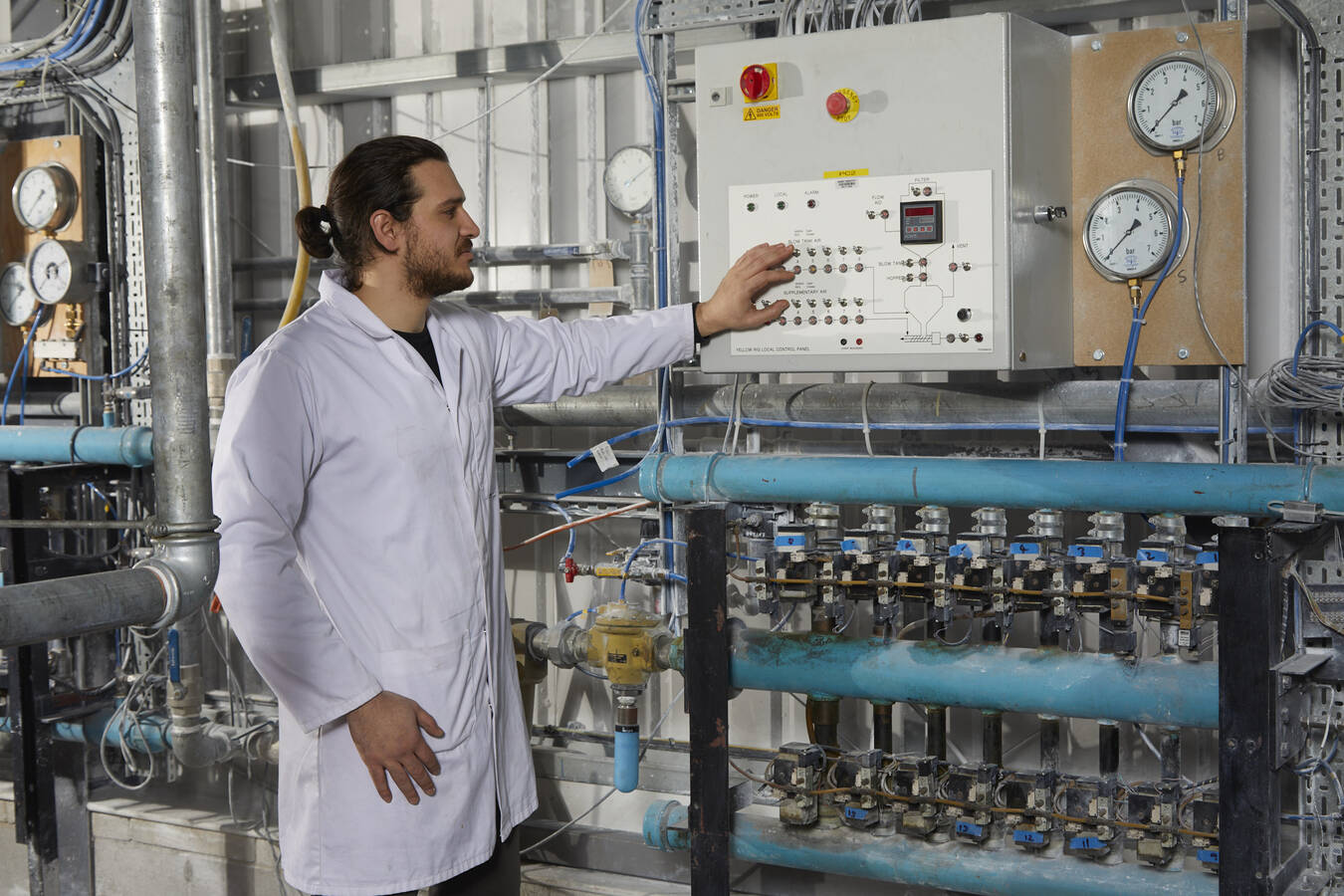
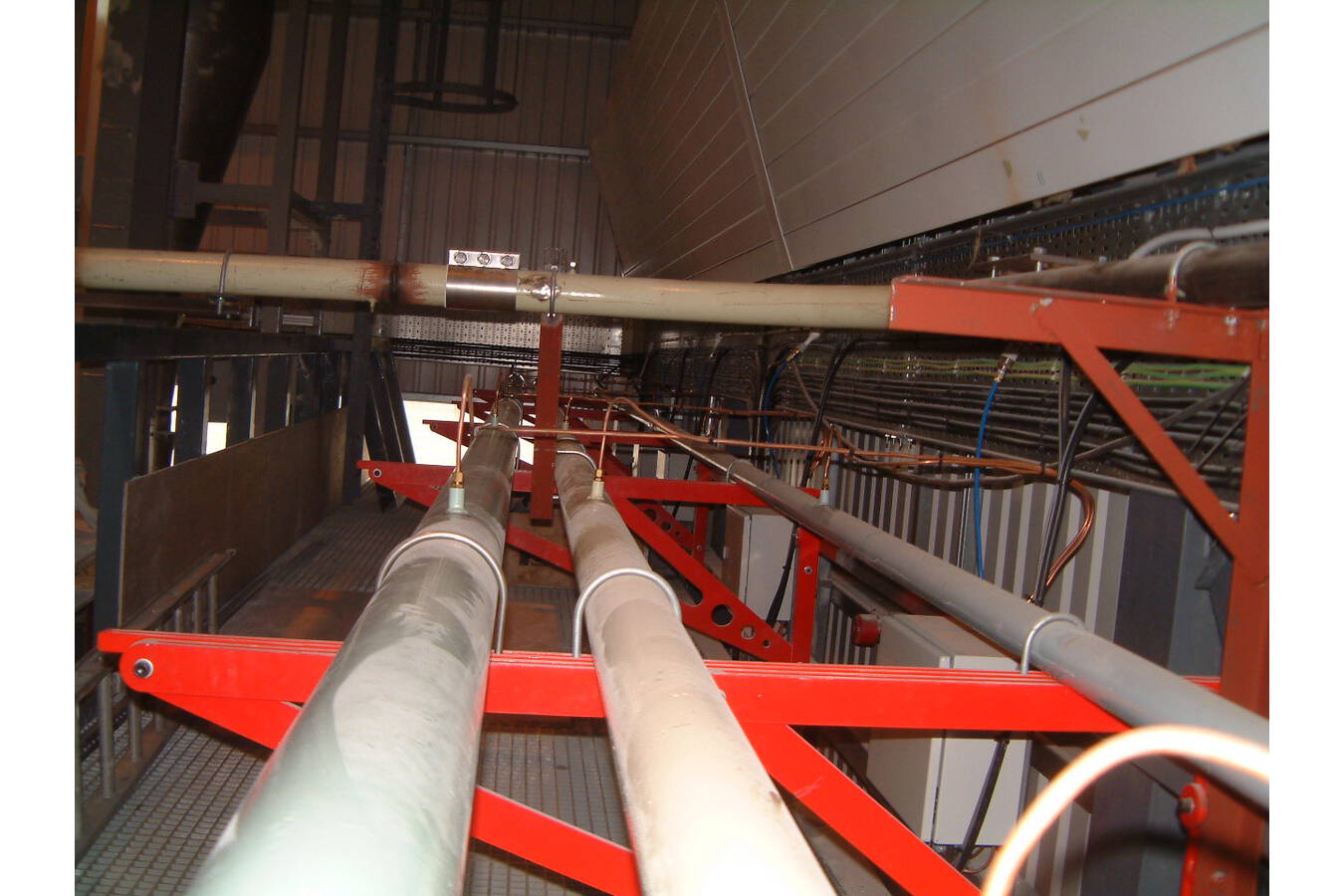
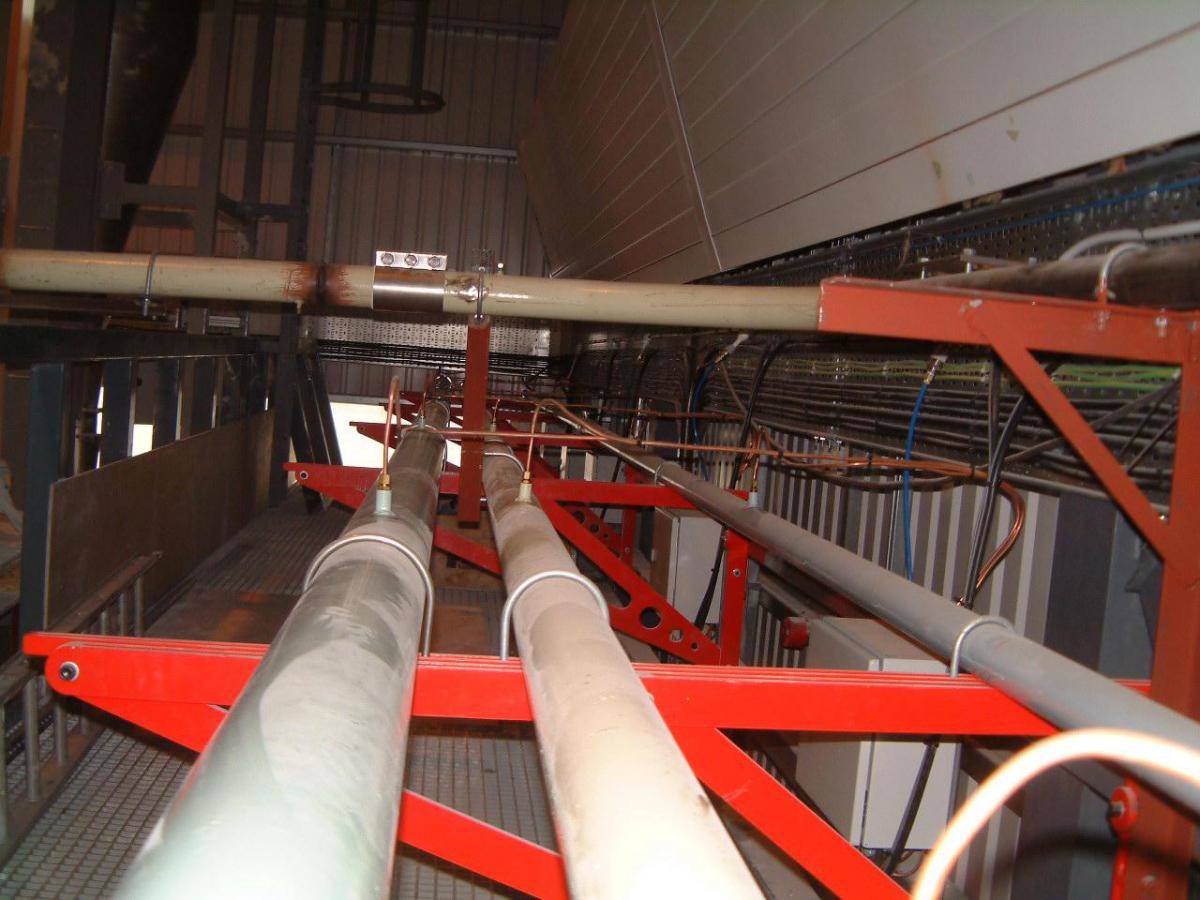
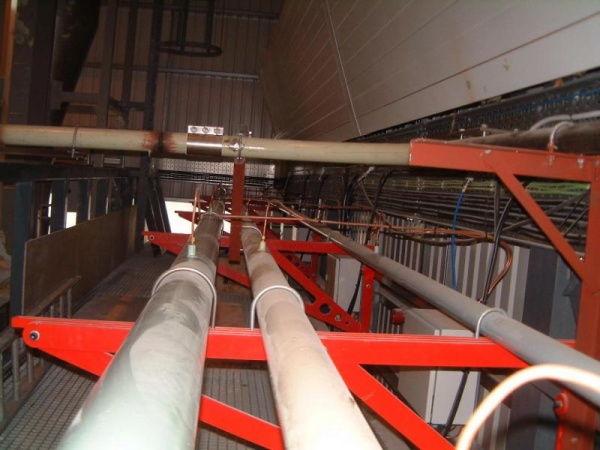
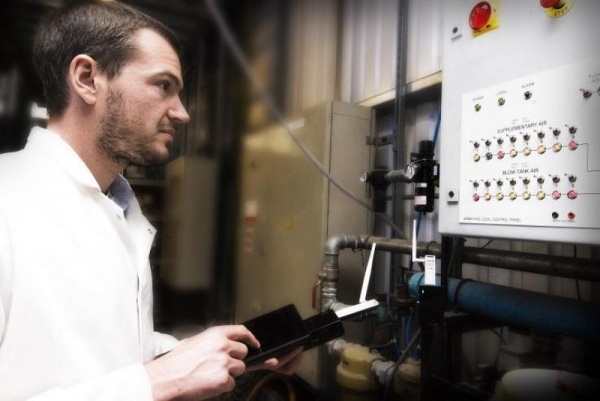
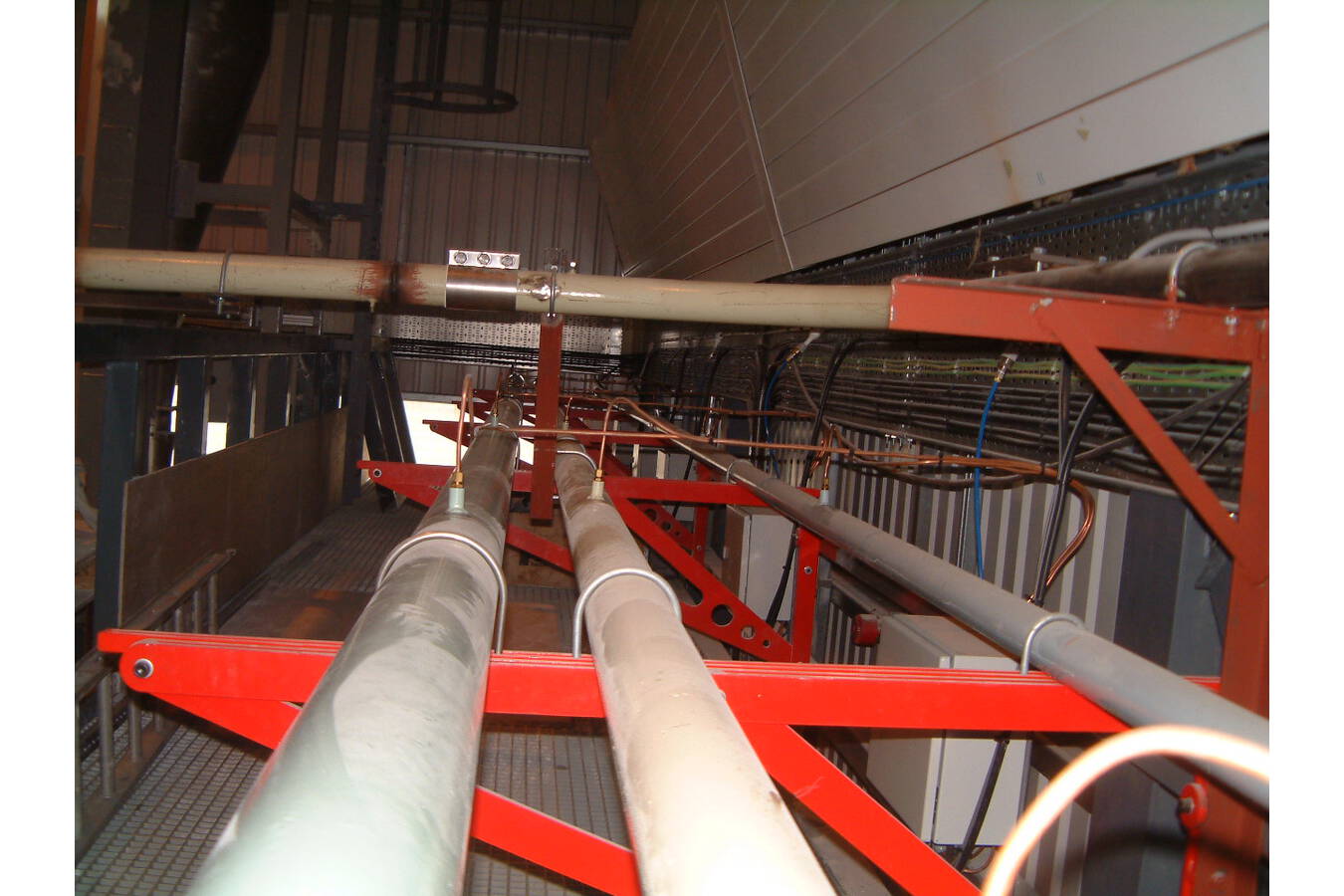
 Pneumatic conveying - Consultancy and education services; Research projects. On-site pilot plant with pneumatic conveying pipelines.
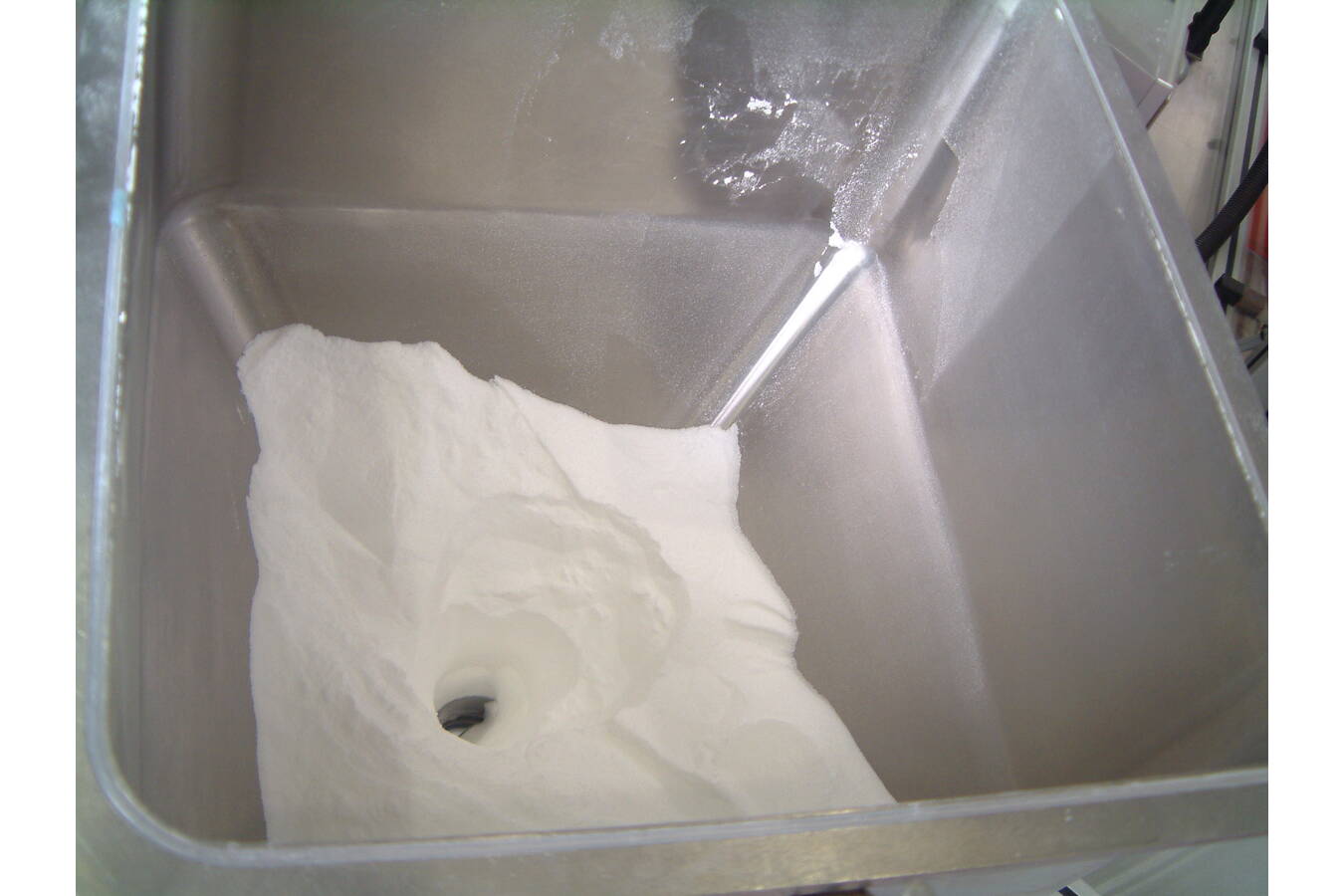
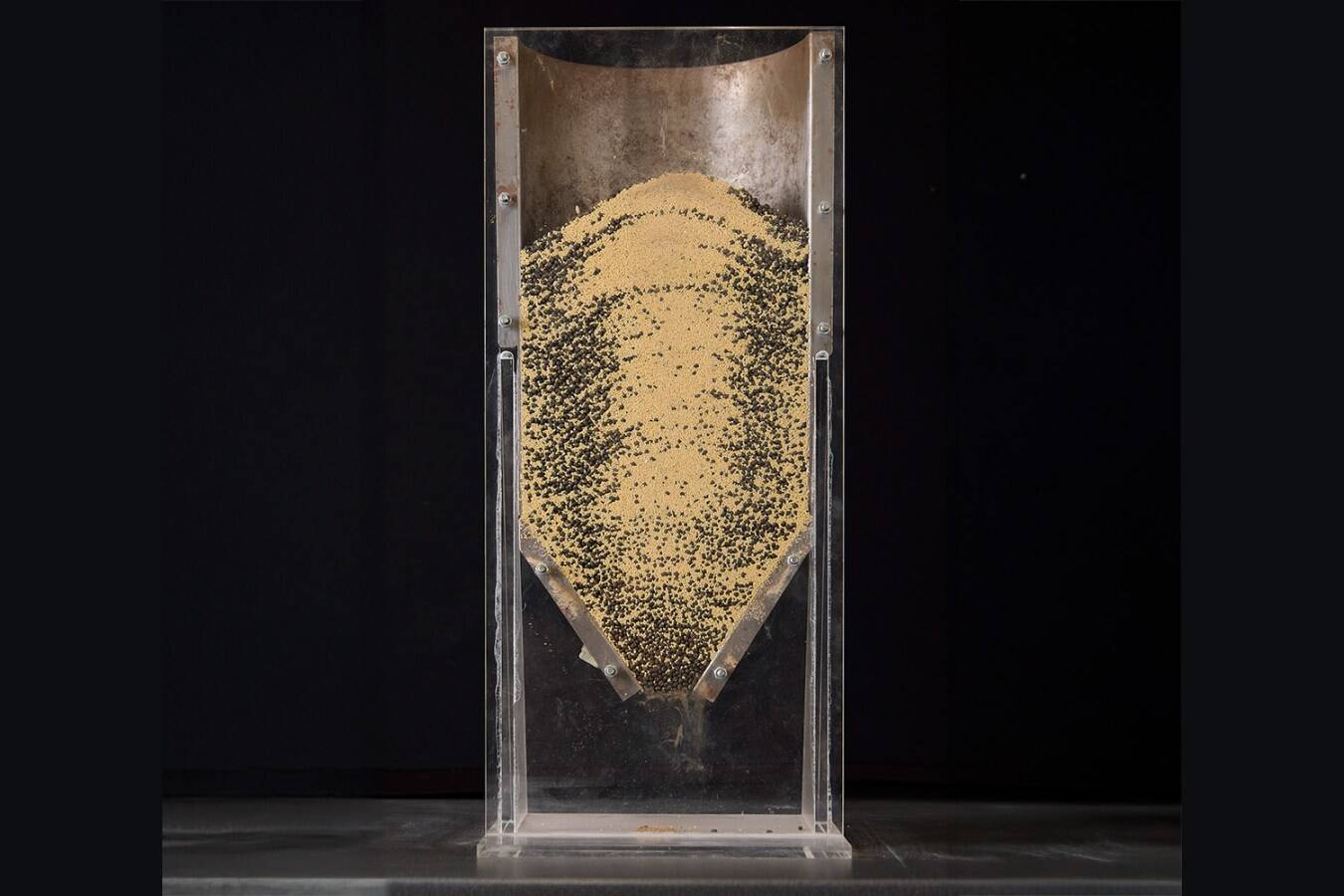
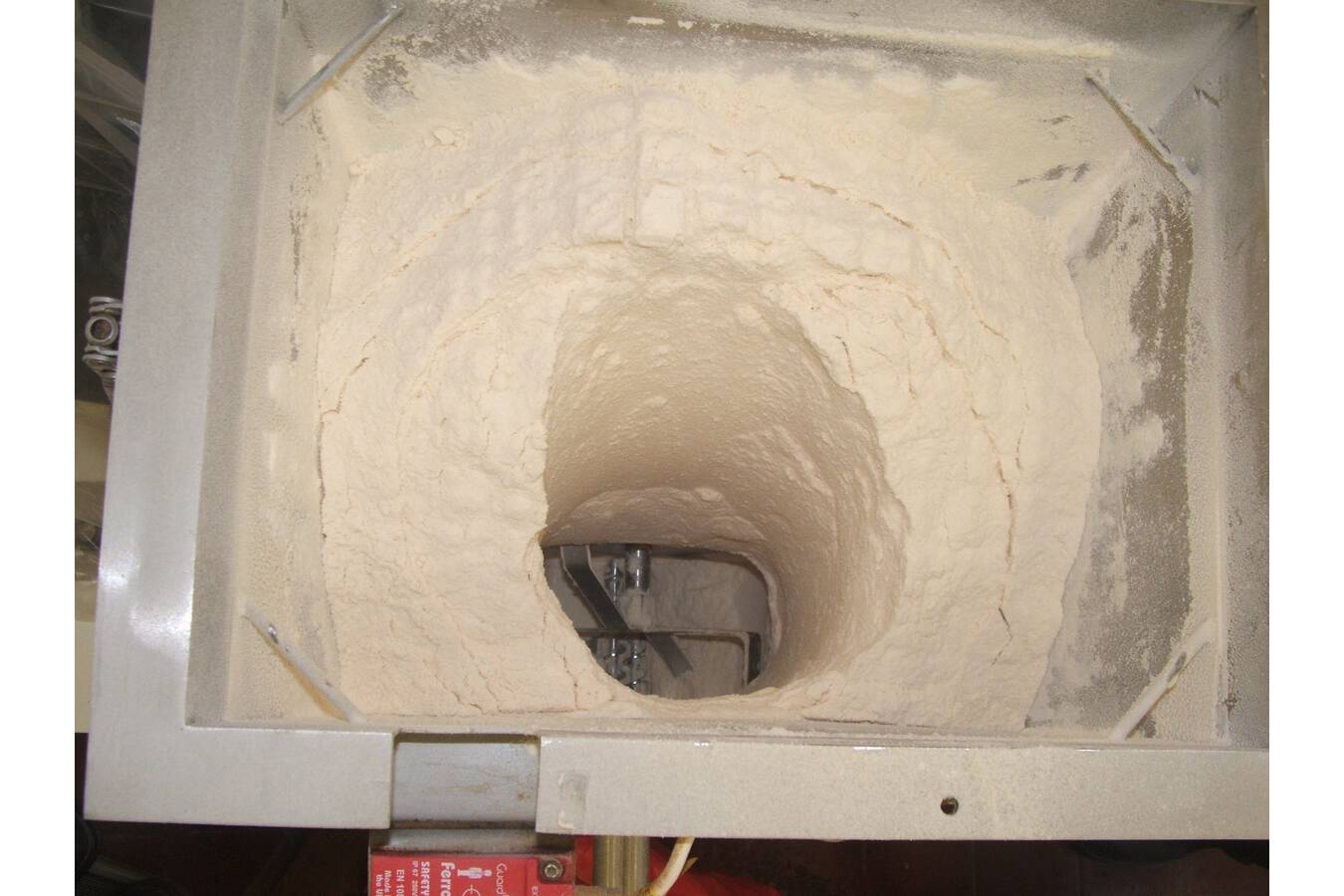
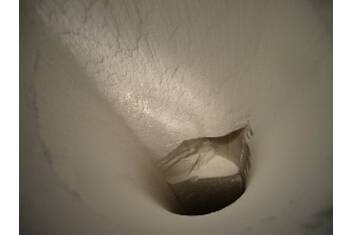
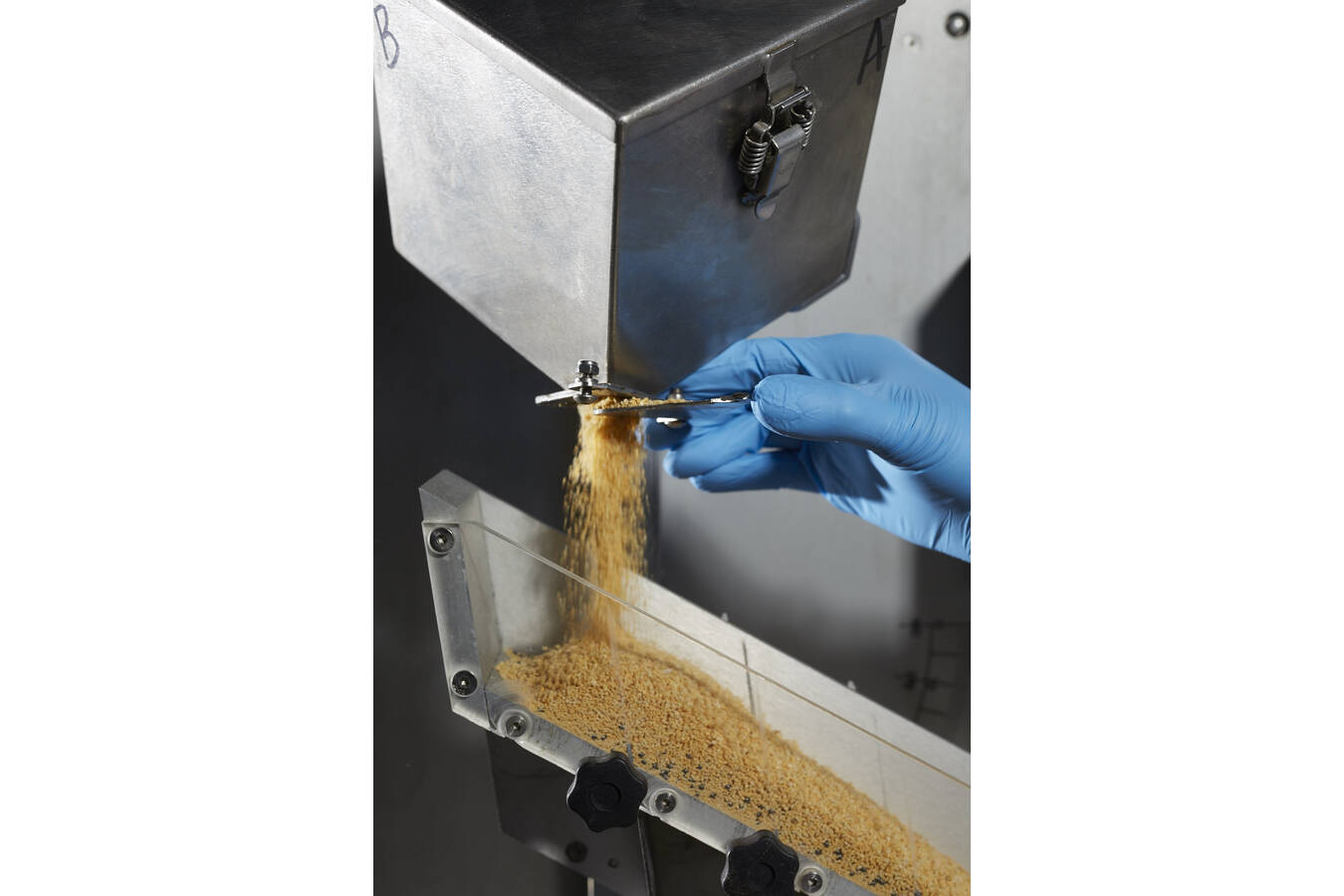
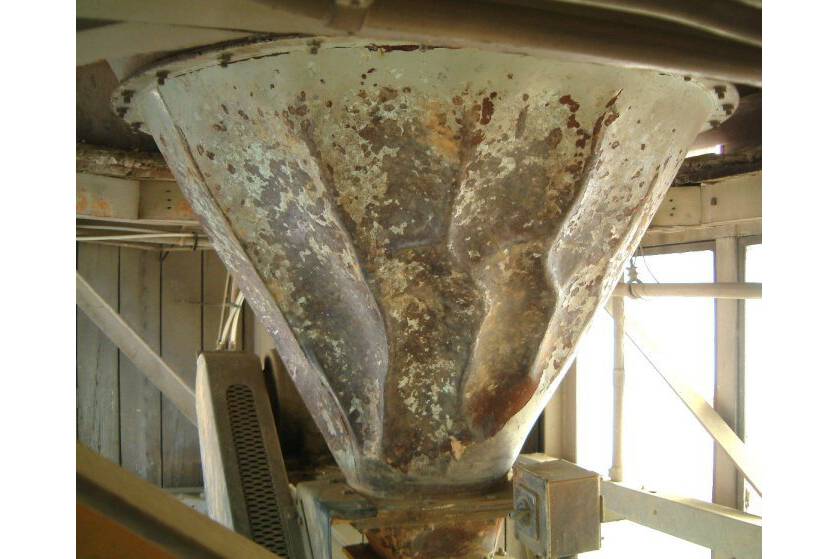
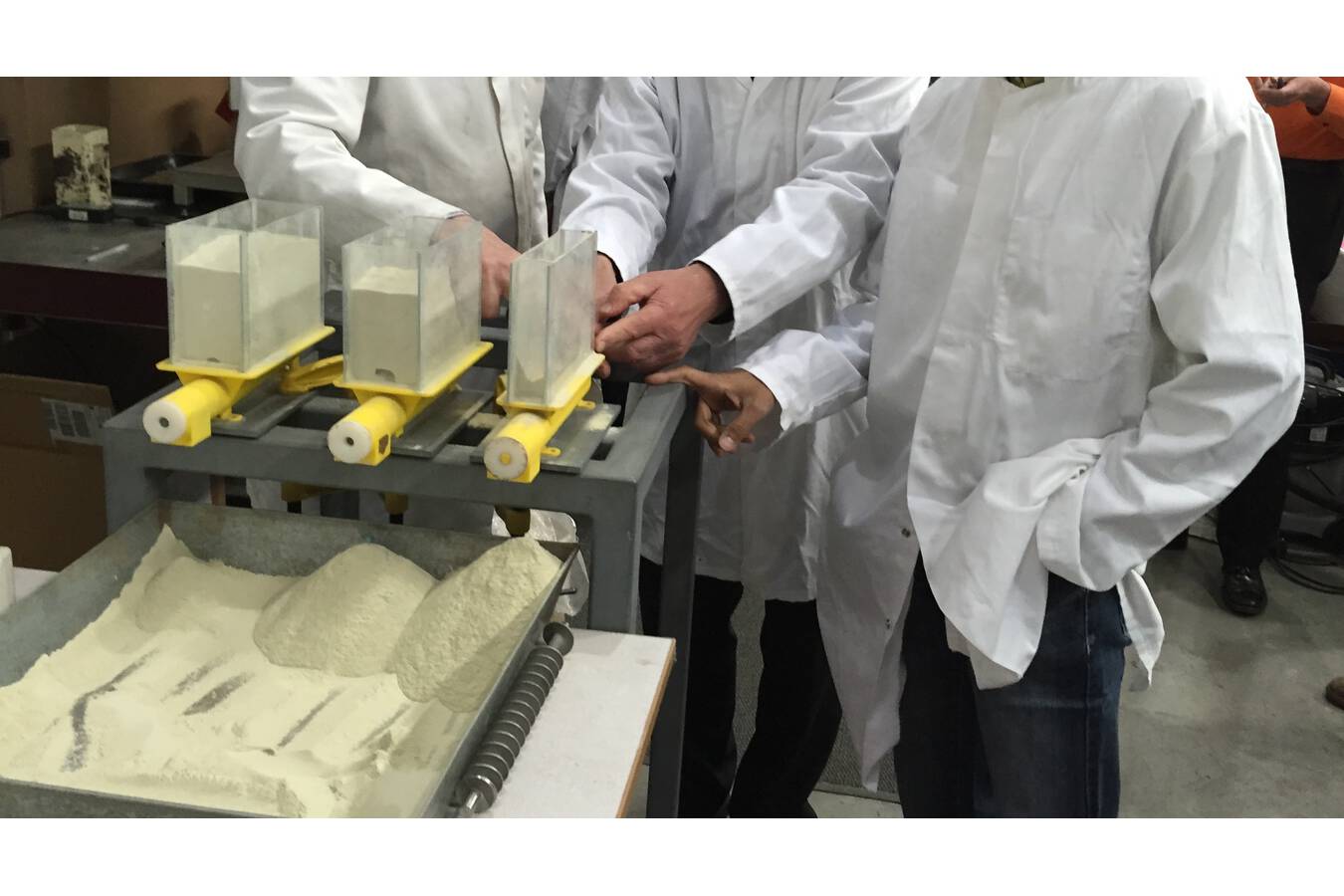
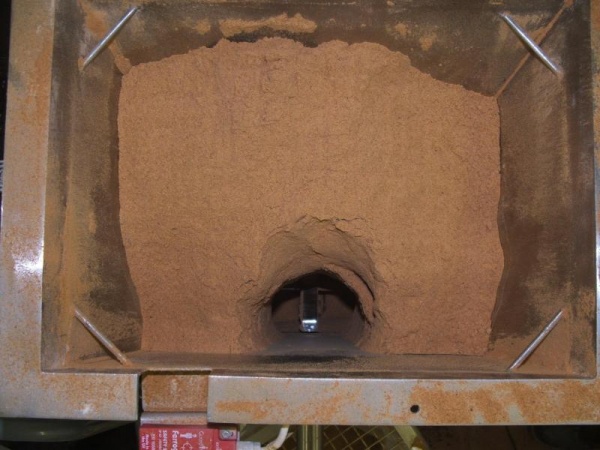
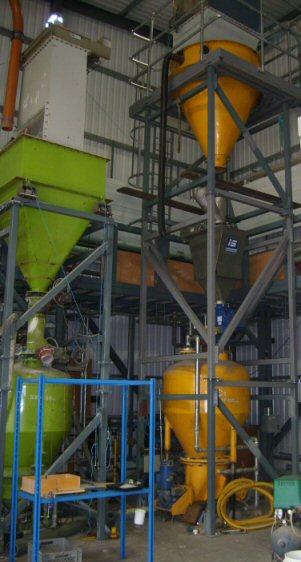
 Discharge of Powders - Consultancy and education services; Research projects. Specialist equipment on site to identify issues with storage and discharge of bulk materials.
 Expert witness services - For companies involved in litigation, arbitration or adjudication matters, we can provide reports, analyses, ’forensic engineering’ or court appearanc
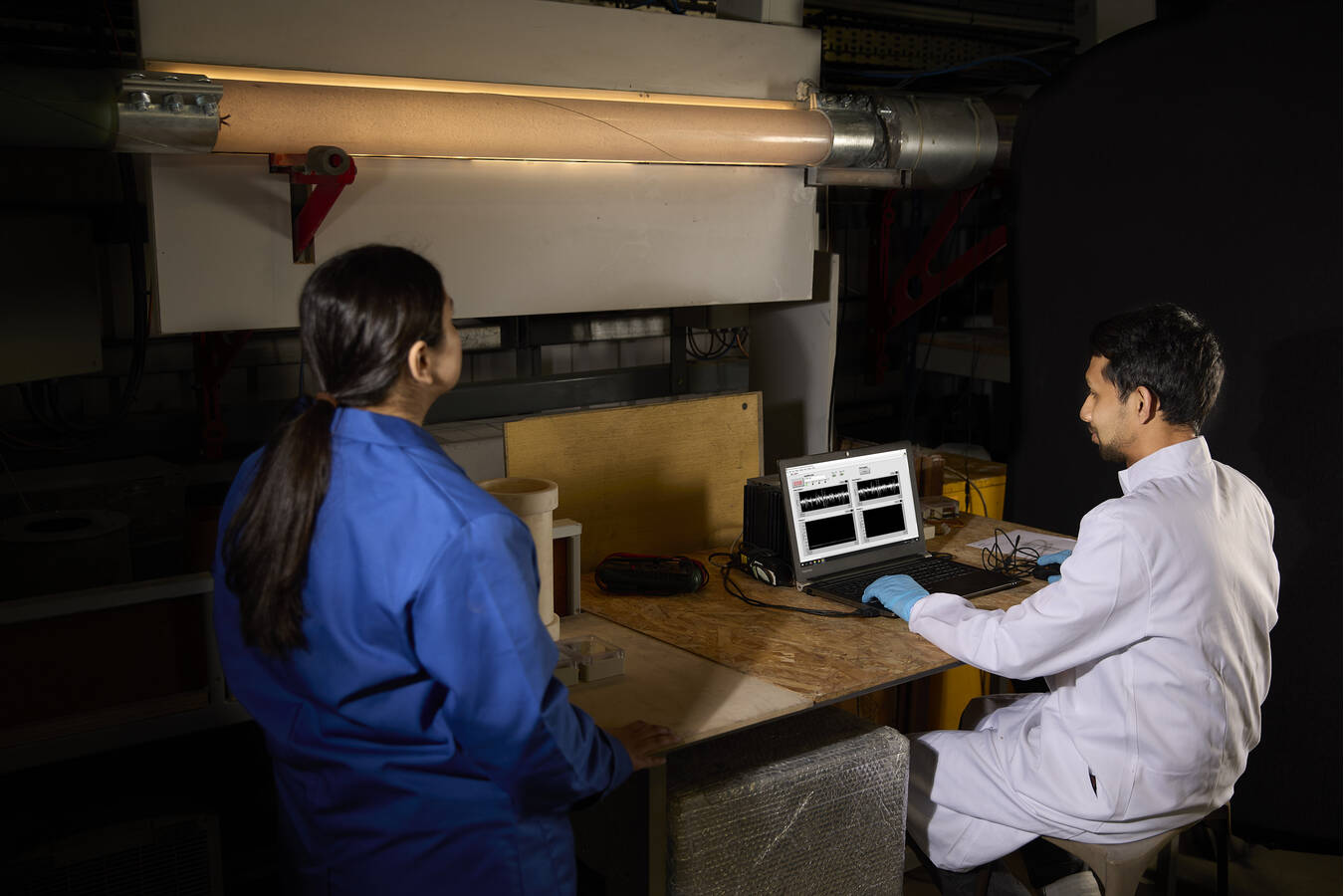
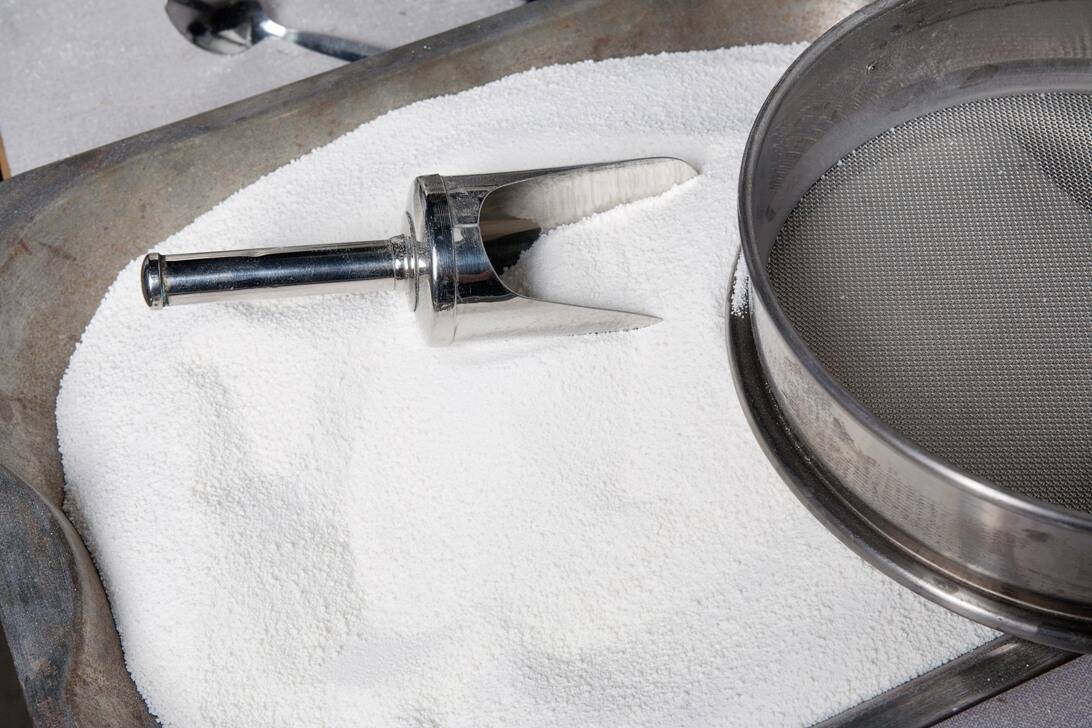
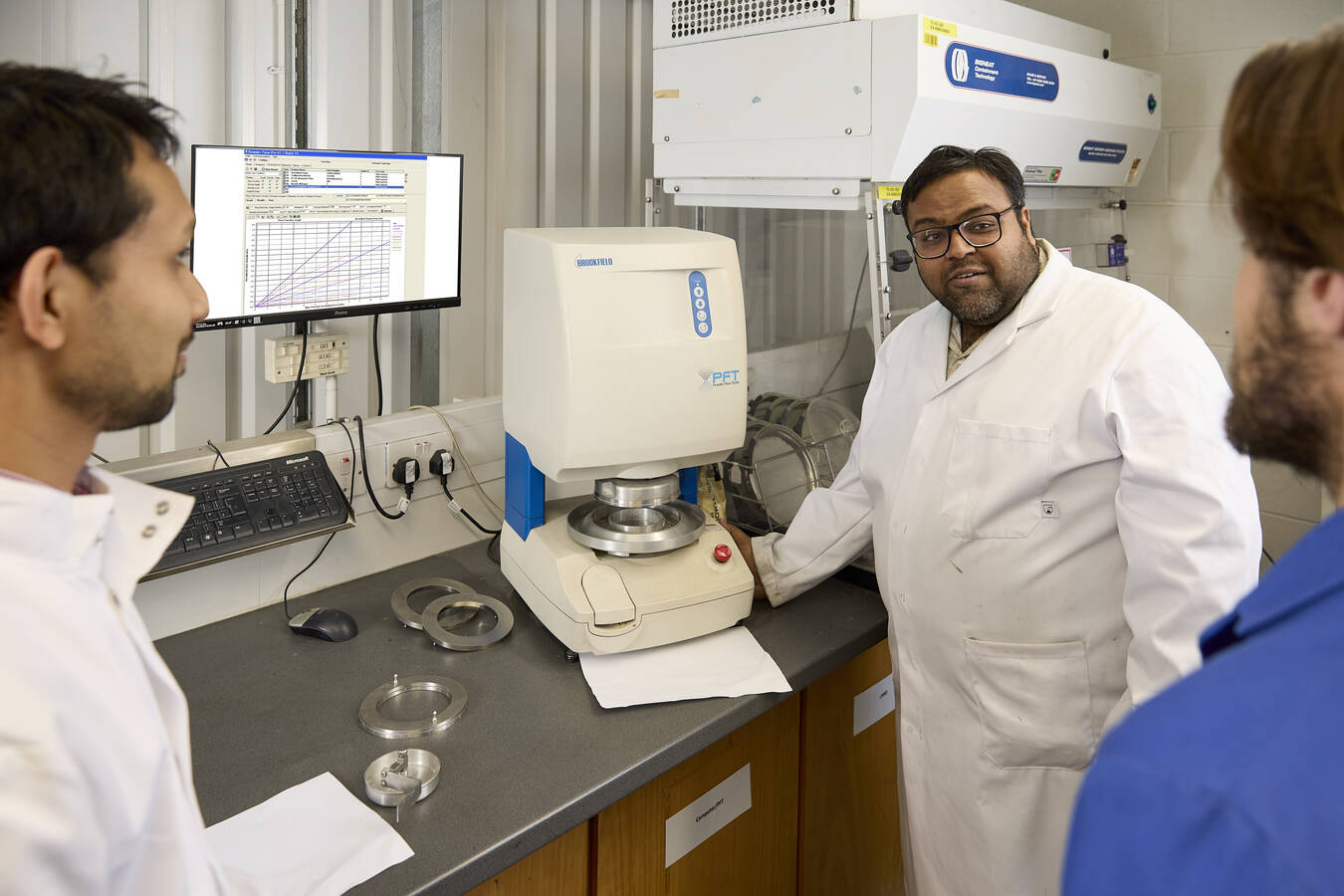
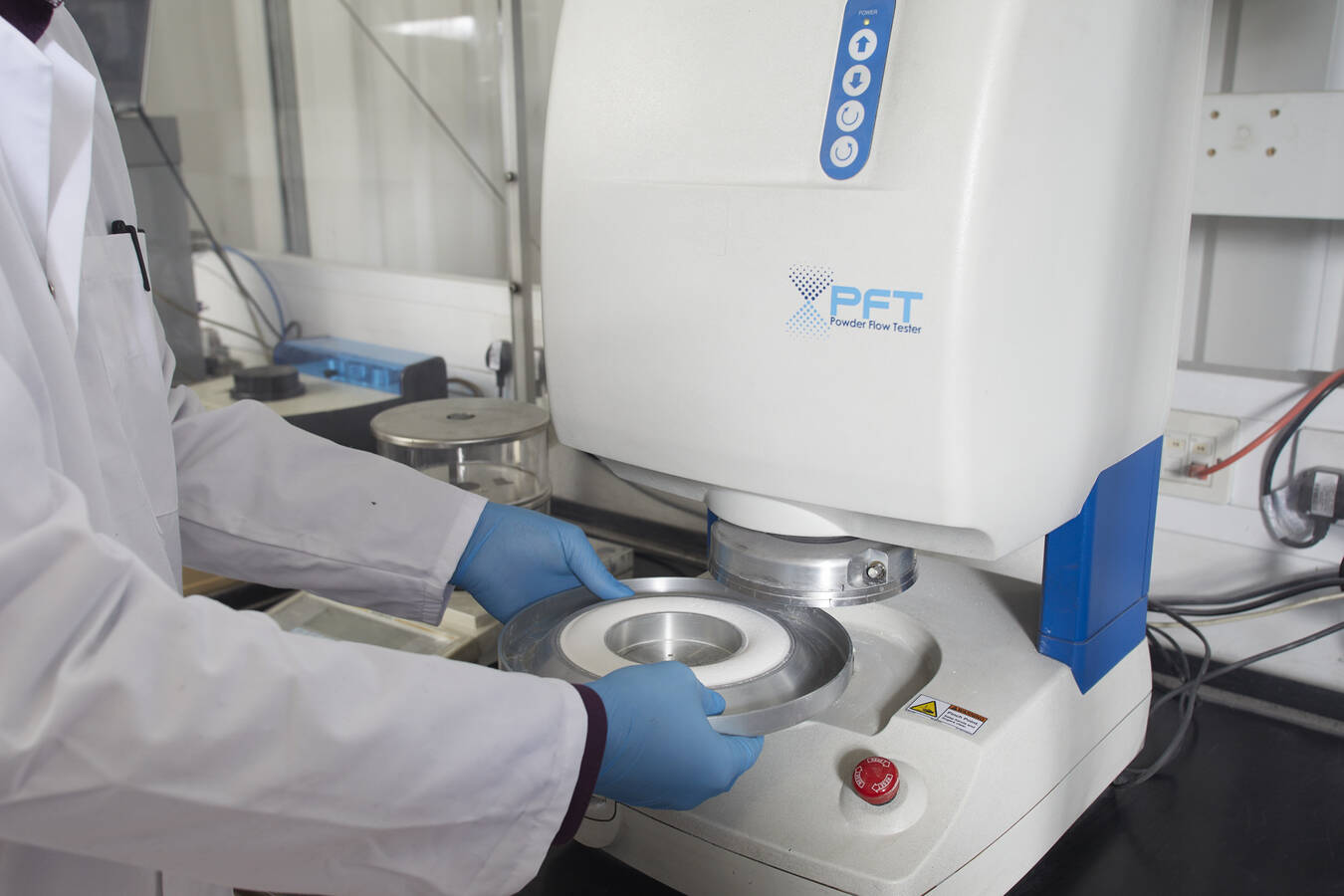
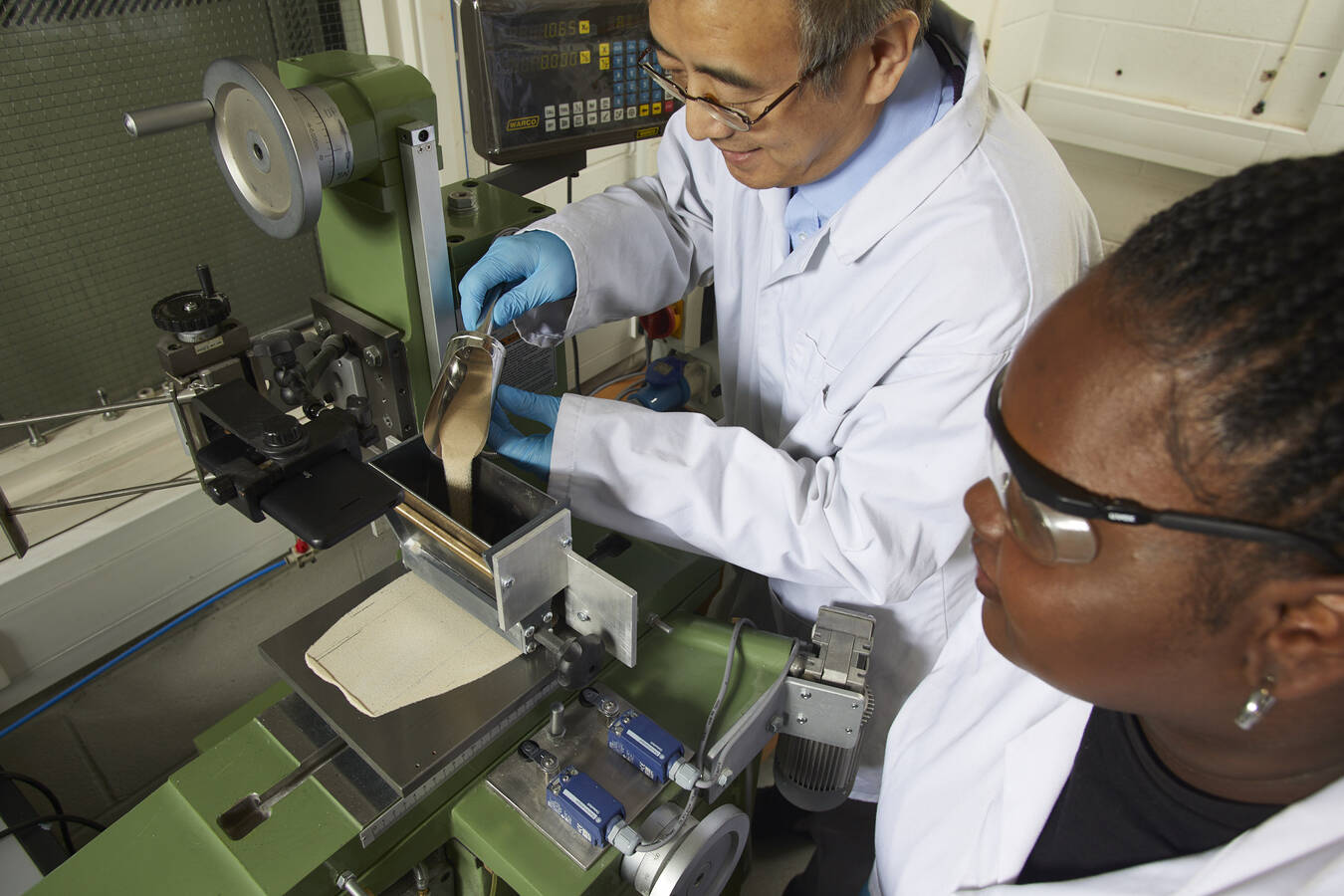
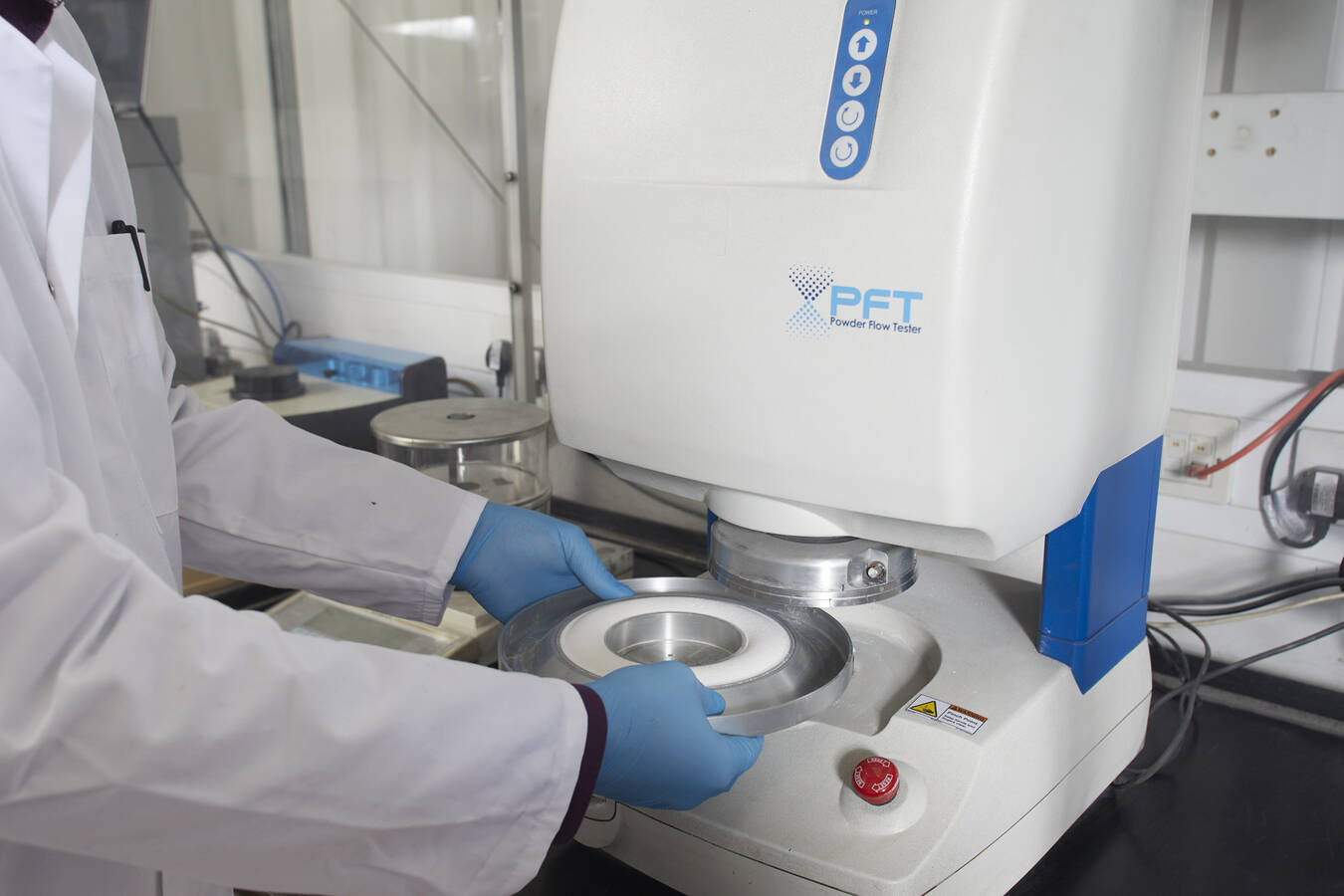
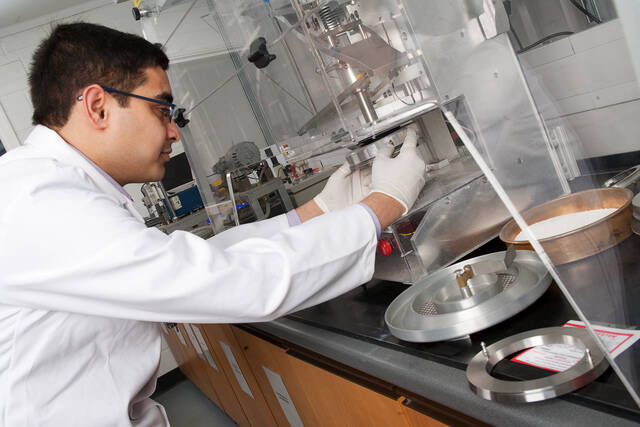
 Powder Flow Properties - Consultancy and education services; Research projects. Powder testing facilities.
 Plant Design services - The greatest risk to plant performance for end users is to assume a constant form and behaviour for a given bulk solid throughout the plant.
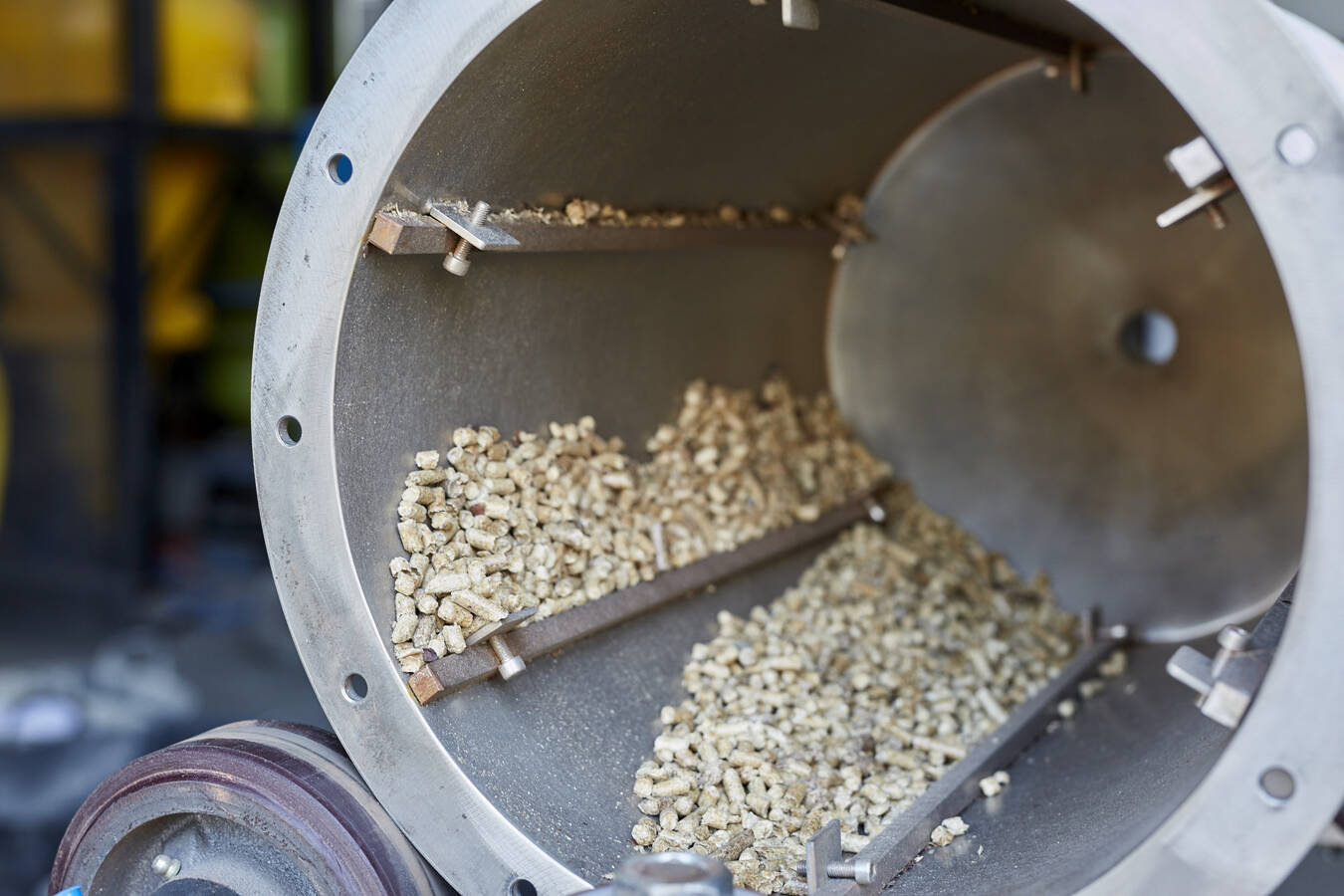
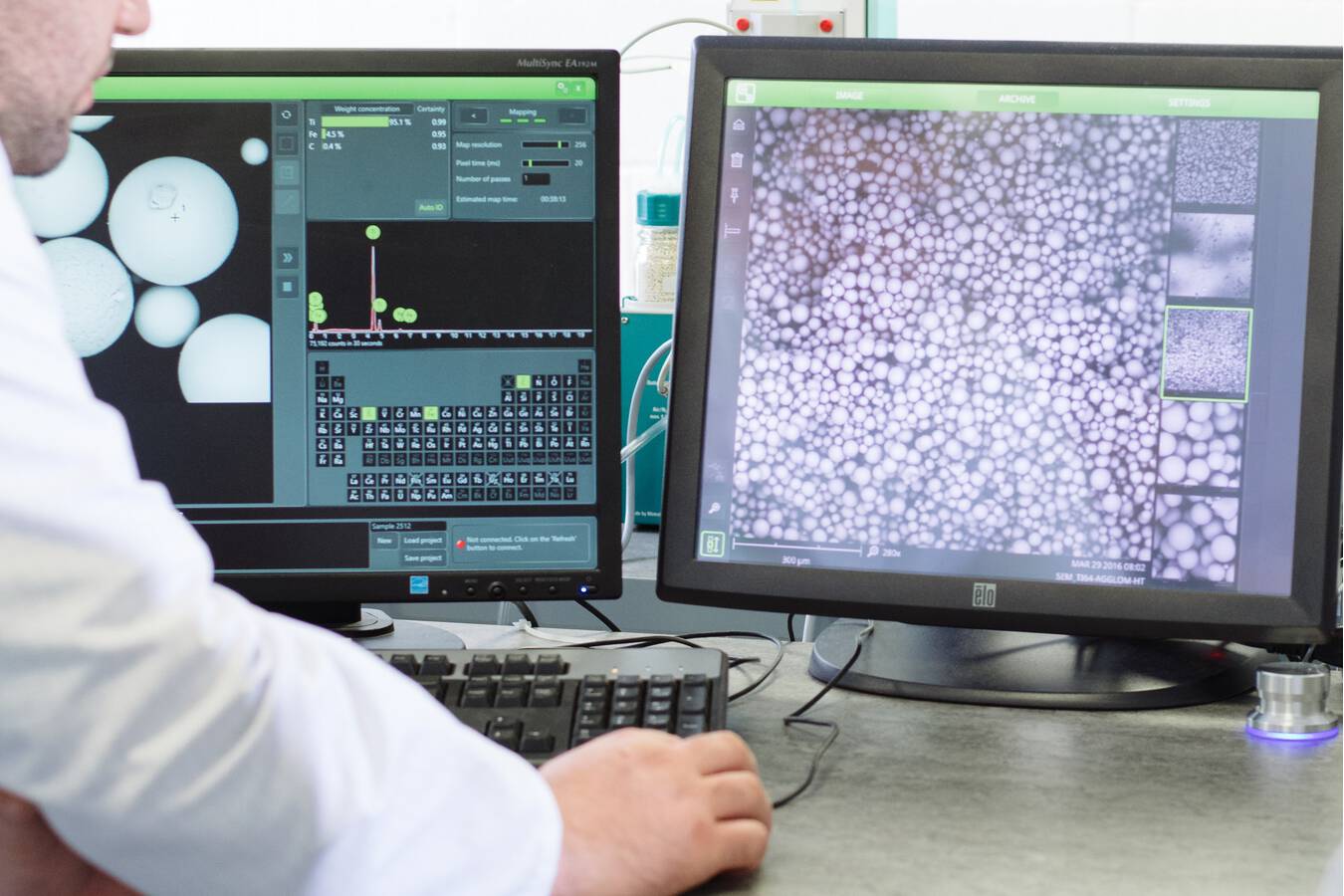
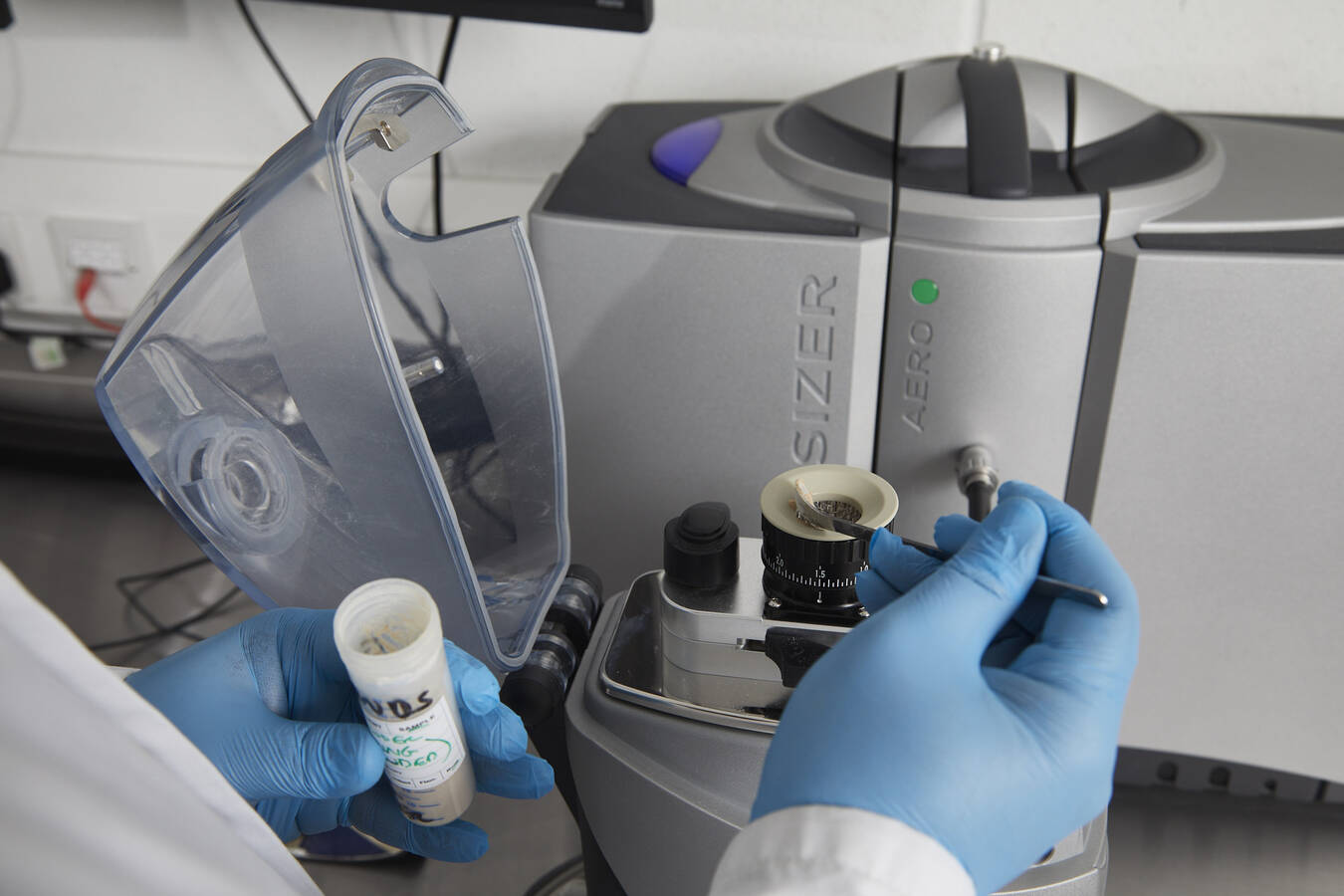
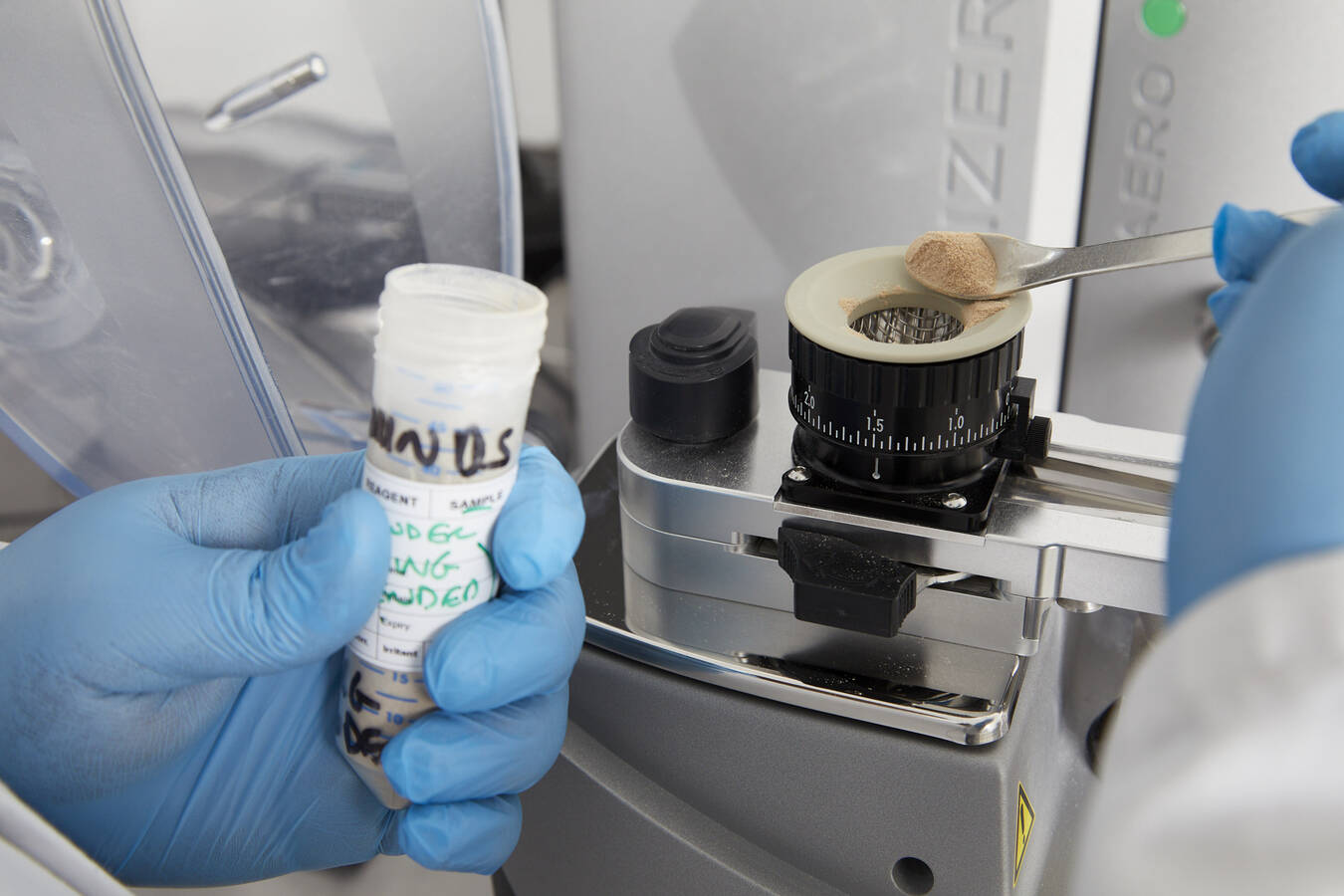
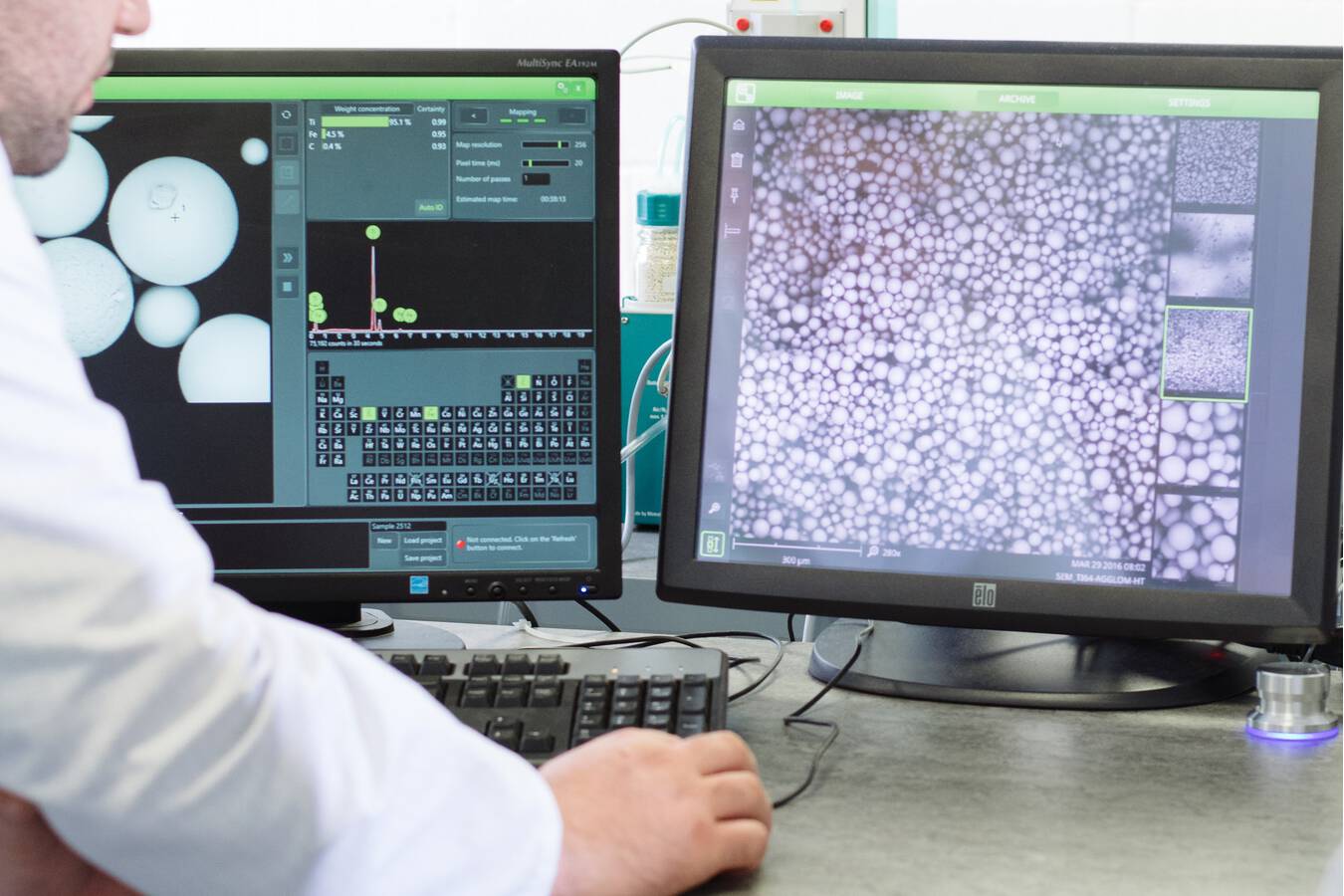
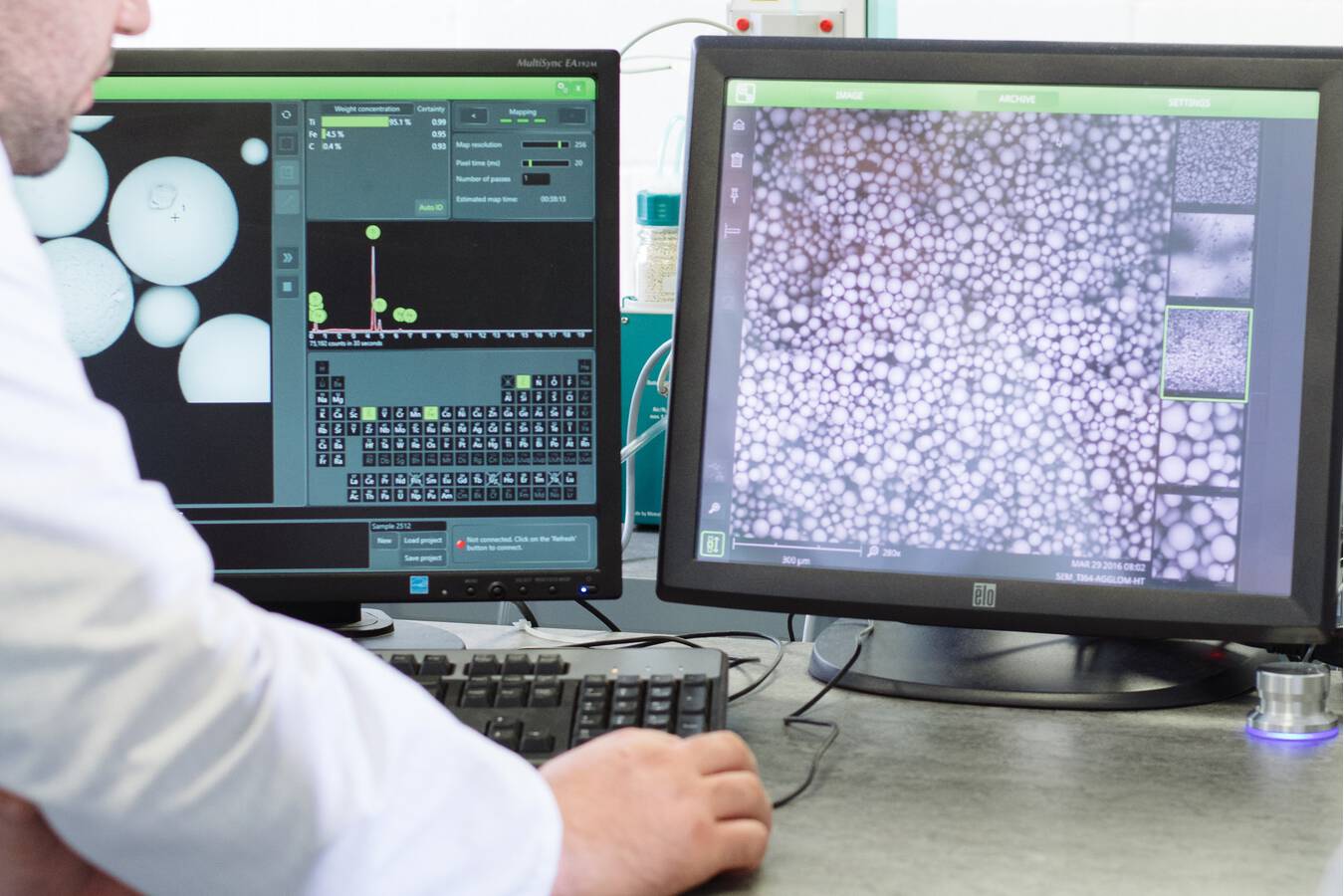
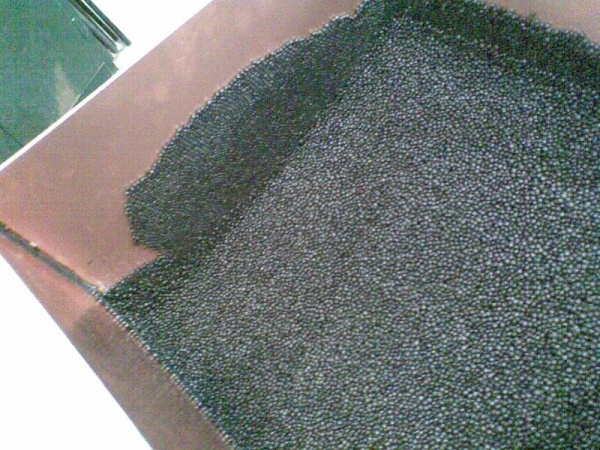
 Particle shape analysis - Consultancy and education services; Research projects. Specialist equipment available
 Quality control - Consultancy and education services; Research projects.
 Bulk material handling - Independent expertise and cost-effective solutions to industrial problems
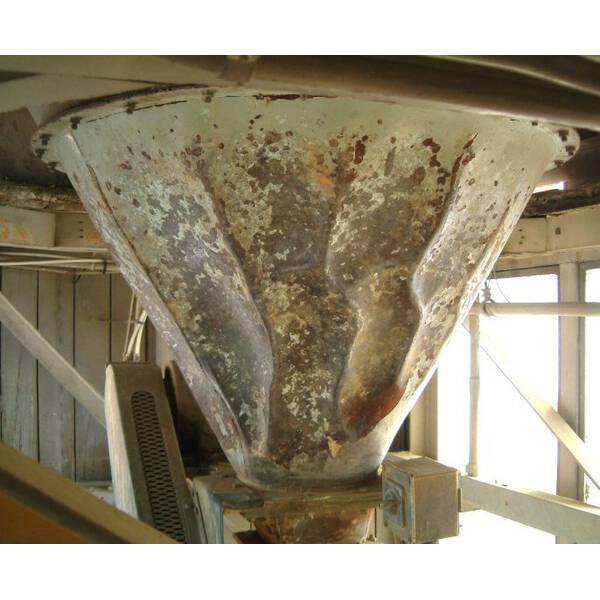
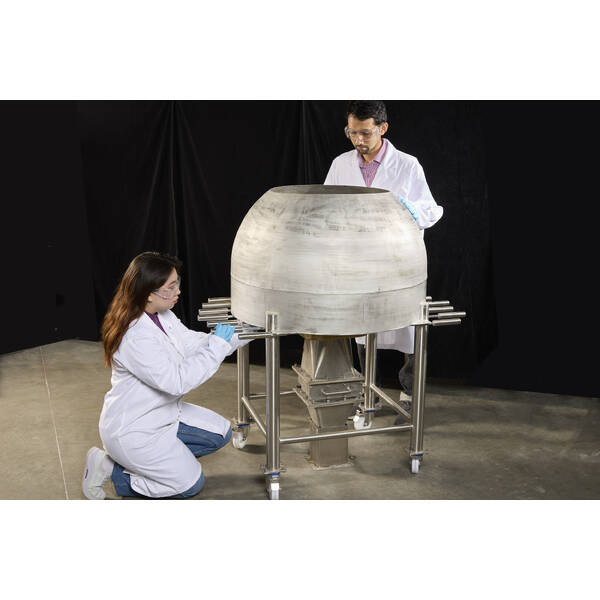
 Hoppers and Silos - Independent expertise and cost-effective solutions to industrial problems
Categories
Services - Various services - Education
Services - Various services - Expert witnesses
Services - Measurement, analyses - Flow property measurements
Services - Measurement, analyses - Fluidisability measurements
Handling
Show more
Categories
Services - Various services - Education
Services - Various services - Expert witnesses
Services - Measurement, analyses - Flow property measurements
Services - Measurement, analyses - Fluidisability measurements
Handling
Services - Measurement, analyses - Particle shape analysis
Services - Measurement, analyses - Particle size distribution measurements
Services - Measurement, analyses - Quality control

Current events

Course Troubleshooting and Commissioning Pneumatic Conveying System
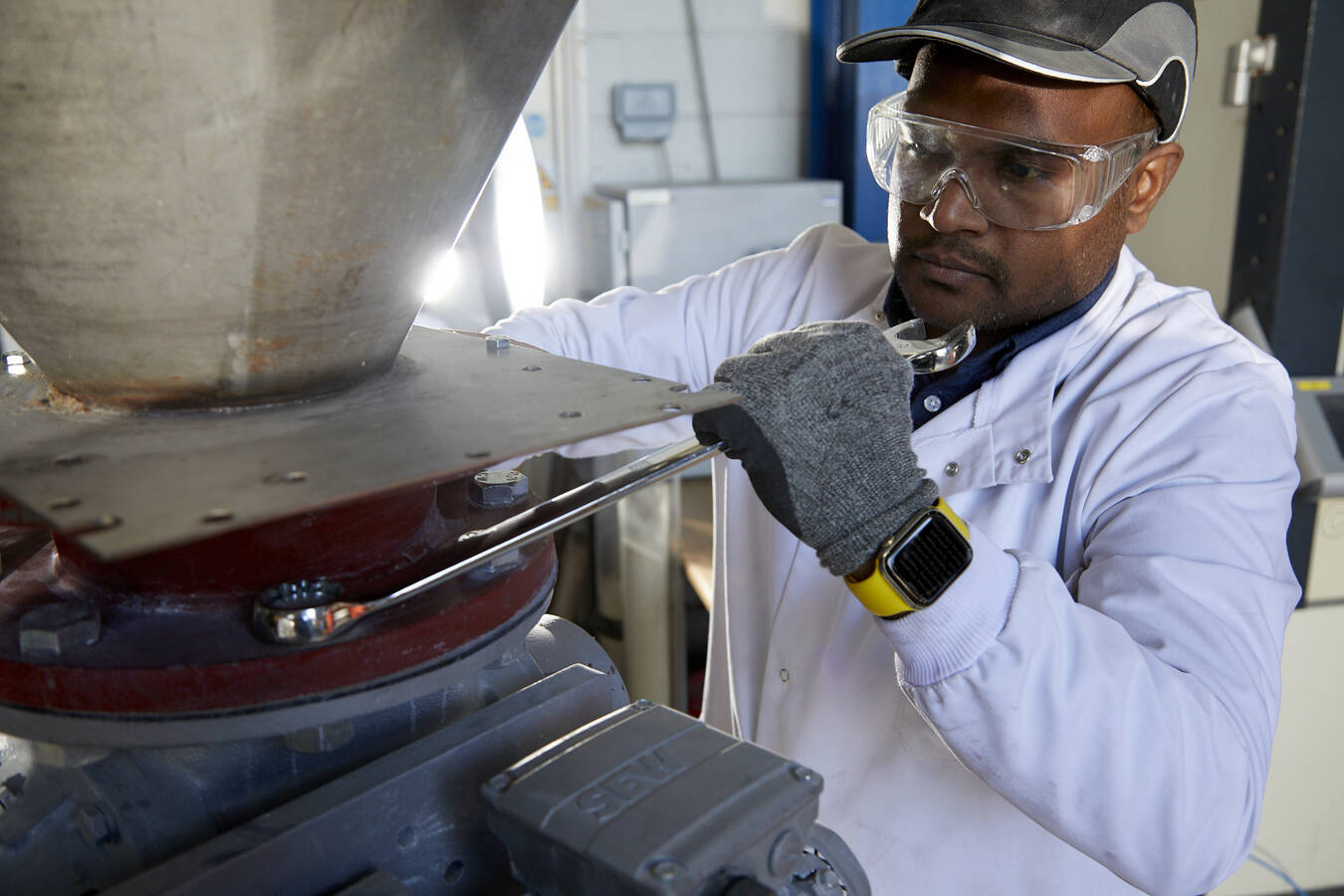
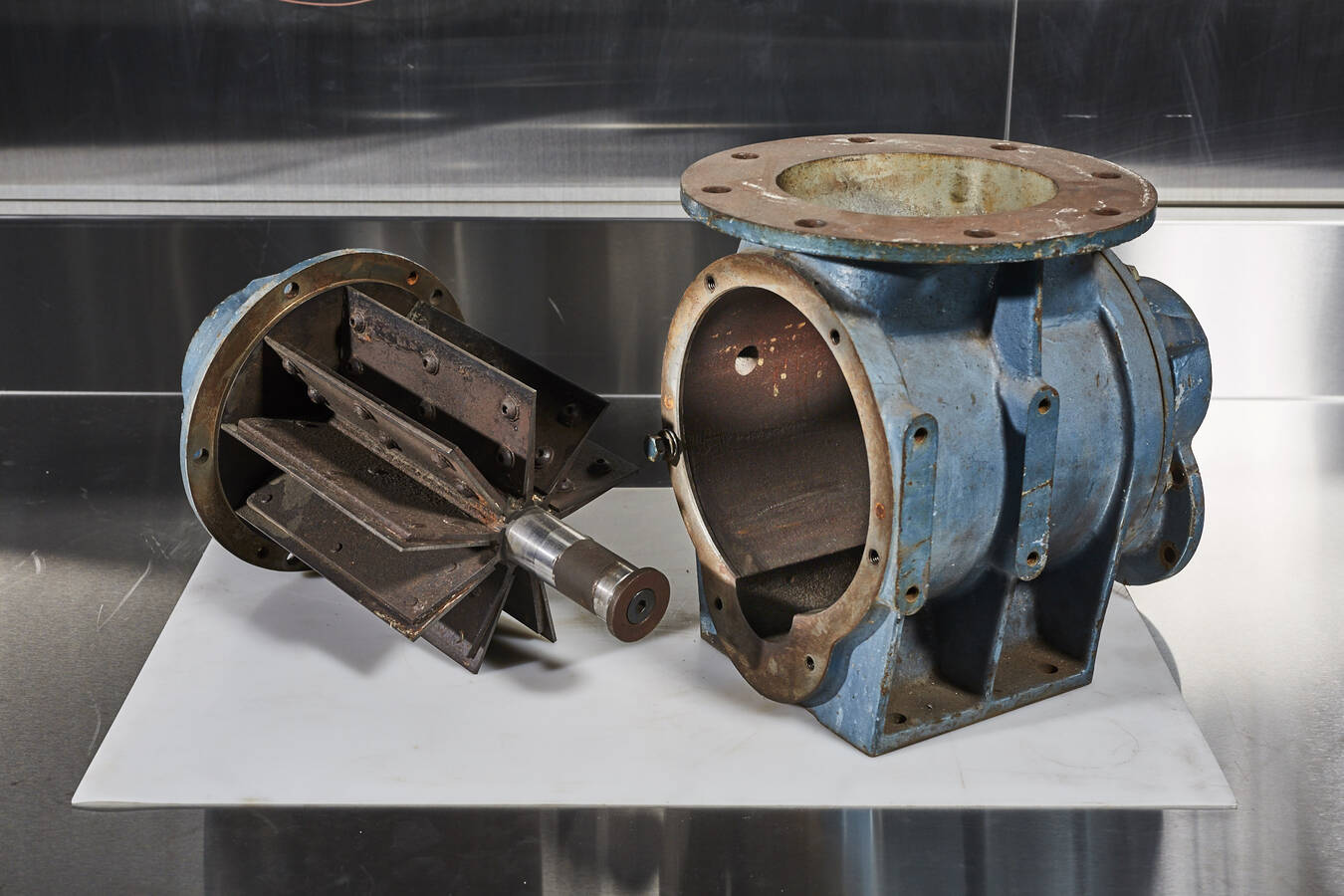
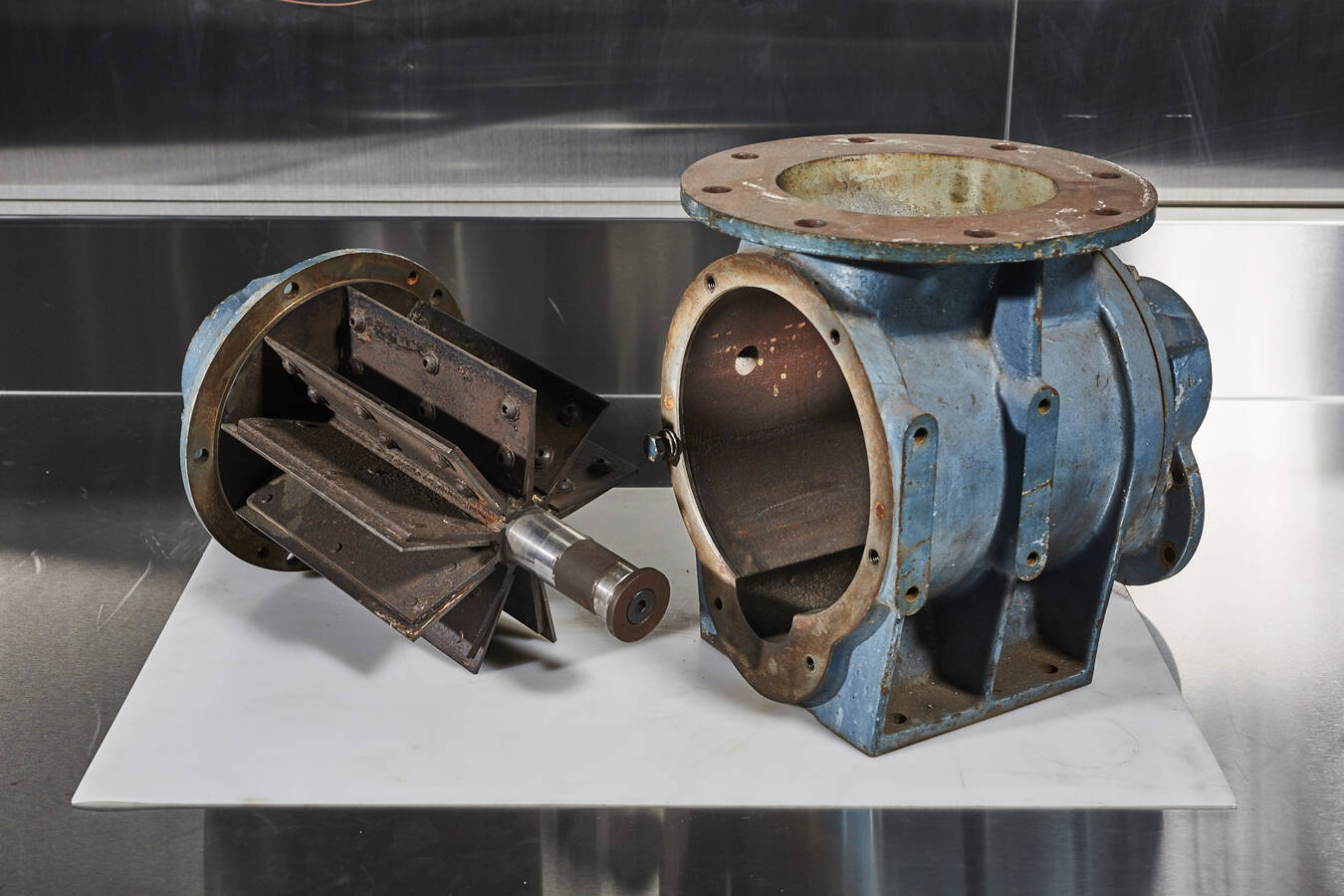
Overview: Delegates will look at the setting up and commissioning of pneumatic conveying systems. This course is a ’Hands on’ fully practical session using the pneumatic conveying lines and rotary valves in the on-site laboratories in Chatham. Subjects covered: * The practical challenge of starting up systems on site and making sure they work as the designer intended; * Understand the key signals to look out for that tell you how the system is operating; * Avoiding pitfalls that can lead to slow start up, blockages etc; * How to know when the system is operating as intended; * Ensuring the system is optimised around the users priority requirements eg. minimum energy usage/ particle blockage / system wear; * It also covers lean and dense phase, rotary valves, blow tanks and various air supply types Course fee: £915 per delegate Venue: Chatham, Kent Contact: Caroline Chapman
06.01.2026 | Course | 2 days | Chatham, UK | Entry: paid
Short Course Caking and Lump Formation in Powders and Bulk Solids
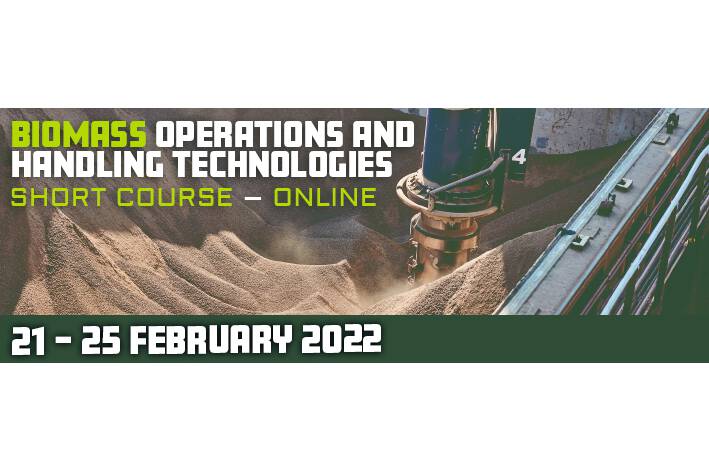
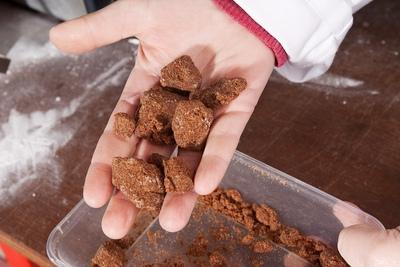
An on-line course over 2 sessions covering the causes of lump formation and hardening of powders and bulk materials in storage, and the techniques used to predict and solve these problems. It is designed for engineers, plant managers, skilled operatives, maintenance and equipment manufacturers handling powders and bulk materials. Course dates: 27 and 28 January 2026; 13:00 - 16:00 UK time Course Fee * £525 full fee per delegate. * Discounted rate £472.50 per delegate. * Early Bird: £450 per person if your book before 31 December 2025 Discounts are available for group bookings and returning delegates. This course is also available as an In-Company course. [**NOTE**Auf Deutsch**Der Kurs wird online auf Englisch abgehalten. Wenn Sie daran interessiert sind, diesen Kurs auf Deutsch zu erhalten, nehmen Sie bitte Kontakt mit uns auf, um dies zu vereinbaren.**]
27.01.2026 | Short Course | 2 days | on-line | Entry: paid
Course Undesired Deblending and separation in processes and equipment
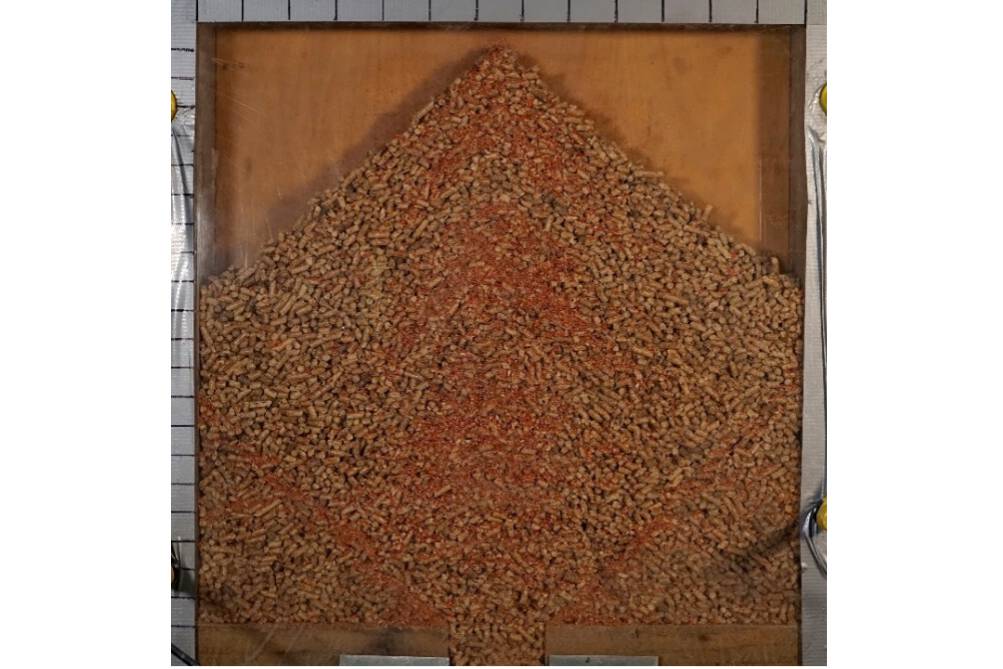
Overview: This course looks at the causes and effects of de-blending (segregation) of bulk particulates Subjects covered: * Identification of the most commonly encountered segregation mechanisms * Examples of how segregation has occurred in plant * Techniques that can be applied in plant design to minimise these effects Different types of segregation will also be identified; air-induced, rolling, surface effect, percolation. Course fees: £525 per person [**NOTE****The course will be delivered online in English. If you are interested in receiving this course in German, please contact us to arrange.**]
10.02.2026 | Course | 2 days | on-line | Entry: paid
Show more (6)

Articles

Handling Bulk Materials; What’s the Big Deal? Process technologies have advanced enormously the past decades. But  flow problems have persisted. This article will discuss some of the more common causes. 
by R.J. Farnish
Handling Bulk Materials; What’s the Big Deal?
Process technologies have advanced enormously the past decades. But flow problems have persisted. This article will discuss some of the more common causes. by R.J. Farnish The movement and storage of bulk materials within processes has been a fundamental activity for many plants since the event of the industrial revolution in the 18th century. Process technologies have advanced enormously in their sophistication and efficiency over the intervening period to the current day. If it were possible to bring an engineer from the early days of industrialisation to see what is available today they almost certainly would not believe their eyes at the sheer diversity of plant equipment tailored for specific process requirements and end products. Sadly, what they probably would be able to relate to are the silos, bunkers and hoppers that function poorly and are often on the receiving end of the not so tender attentions of plant operators. This article will discuss some of the more common causes of processing/flow problems that have persisted over the decades. Fundamentals The discharge problems that are experienced when handling bulk
05.03.2021  |  2471x  | 

Posts

Online short course: Undesired Deblending in Processes and Equipment 2 x 3 hour sessions, delivered in English. Early Bird discount: £450 per person if your book before 31 December 2025
Online short course: Undesired Deblending in Processes and Equipment
2 x 3 hour sessions, delivered in English. Early Bird discount: £450 per person if your book before 31 December 2025 The issue of de-blending (segregation) of bulk particulates is one that afflicts many diverse industry sectors. For single materials and blended materials the presence of segregation within a process can be apparent as fluctuations in bulk density, chemical composition, shifts in size distribution or even unpredictable flowability issues. These types of problems invariably lead to the generation of waste through out of range product weights (tablets/ pack fill), poor processing characteristics or variable quality end products in general. This short course covers: * Identification of the most commonly encountered segregation mechanisms * Examples of how segregation has occurred in plant * Techniques that can be applied in plant design to minimise these effects * Different types of segregation will also be identified; air-induced, rolling, surface effect, percolation. Subjects covered During the course discussions will take place to highlight material types
14.11.2025  |  210x  |  Press release  | 
Online short course: Caking and Lump Formation in Powders, Bulk Solids 2 x 3 hour sessions, delivered in English. Early Bird discount: £450 per person if your book before 31 December 2025
Online short course: Caking and Lump Formation in Powders, Bulk Solids
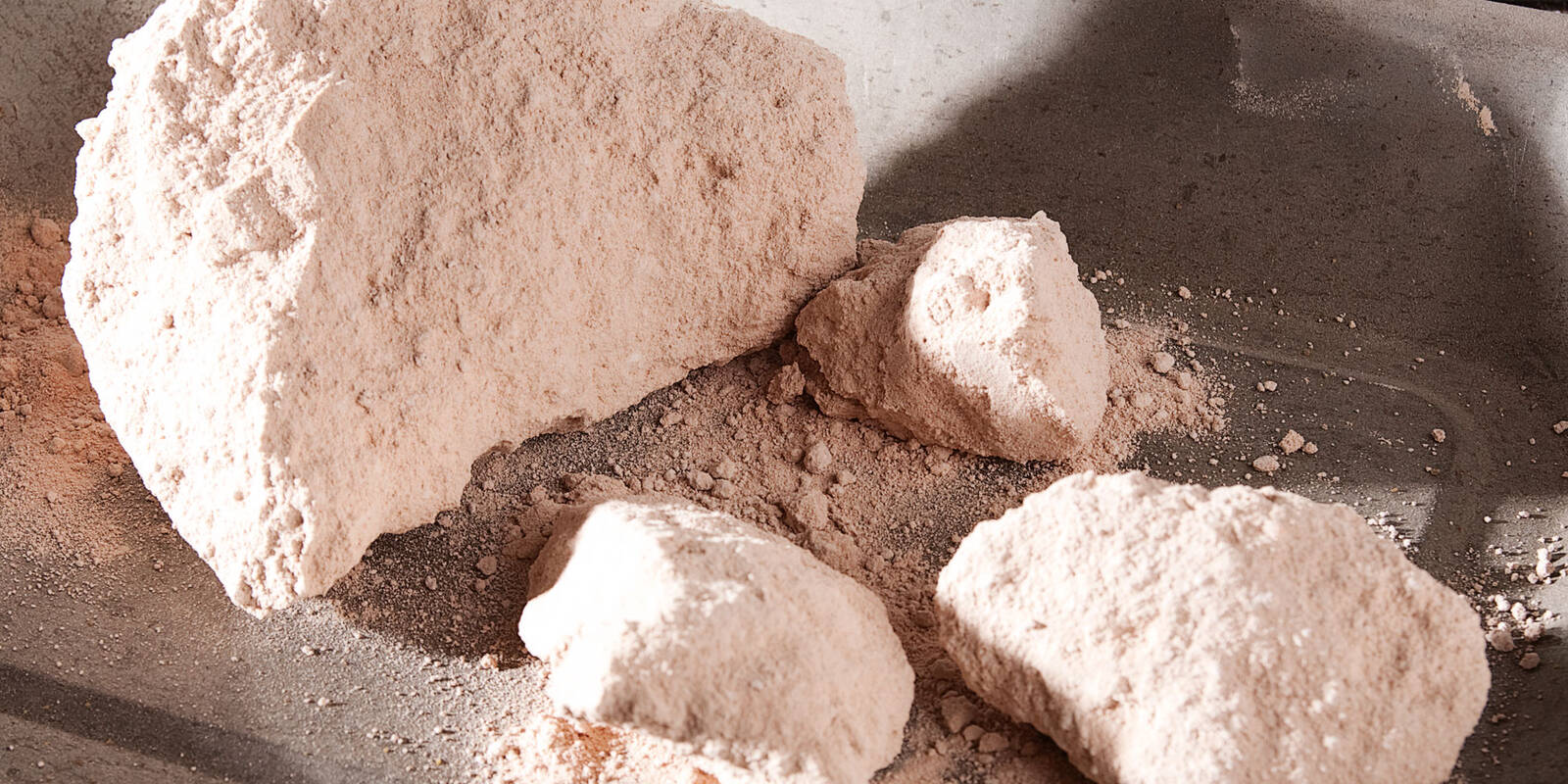
2 x 3 hour sessions, delivered in English. Early Bird discount: £450 per person if your book before 31 December 2025 Join the experts for this online course to discover how to stop your materials form forming lumps or caking in vessels and discharge bins. Topics to be covered include: - Understanding the forces between particles and how they relate to chemistry, the environment and physical processes; - Methods for determining caking tendencies of powders and granules; - Practical advice on changes to the product and the handling and storage conditions to reduce this problem; - Advice on selection of the solution and practical implementation; - Extensive case studies of caking problems and their solutions across the food, pharmaceutical, chemical, mineral and other industries. 2 x 3 hour sessions, delivered in English. Early Bird discount Registration is now open. Course Fee: £525 full fee per delegate. Fees will be discounted for 2 or more attendees from the same company. Discounted rate £472.50 per delegate. Early Bird discount: £450 per person if your book before
14.11.2025  |  2748x  |  Product news  | 
Online powder handling courses - Early Bird Rates until 31 December These courses look at different aspects of powder and bulk materials handling, storage, discharge and transport issues.
Online powder handling courses - Early Bird Rates until 31 December
These courses look at different aspects of powder and bulk materials handling, storage, discharge and transport issues. The Wolfson Centre for Bulk Solids Handling Technology, based at the University of Greenwich, UK has released the short course calendar for 2026 and registration is now open. These courses look at different aspects of powder and bulk materials handling, storage, discharge and transport issues. Beginning with 2 online Powder Handling courses delegates are provided with the opportunity to understand why certain issues arise, and how to overcome them. 27-28 January: Caking and Lump Formation of Powders and Bulk Solids Concentration on issues relating to keeping powders and granules in a free-flowing, lump-free condition. Programme: Day 1: Occurrences of caking in processes / Types of caking and methods for laboratory evaluation Day 2: Common plant and operational issues 10-11 February: Deblending and Separation in Processes and Equipment Identification of common segregation mechanisms and how to minimise the effects. Programme: Day 1: Characterisation
14.11.2025  |  891x  |  Product news  | 
Short courses: Pneumatic Conveying of Bulk Materials 3 different aspects of pneumatic conveying are covered in November and December
Short courses: Pneumatic Conveying of Bulk Materials
3 different aspects of pneumatic conveying are covered in November and December A properly designed, fully functioning handling system keeps your plant safe, reliable and reduces downtime as well as extending the life of equipment. The following 3 courses look at different aspects of the process of transporting bulk materials around the plant. 29- 31 October 2025; Pneumatic Conveying of Bulk Materials – basic course; identification of components of pneumatic conveying systems, system selection and design techniques. This course includes an optional practical workshop. 19 – 20 November; Pneumatic Conveying System Design – advanced course; An in-depth exploration of detailed calculations for design of pneumatic pipelines and specifying plant 10 – 11 December 2025; Troubleshooting and Commissioning Pneumatic Conveying Systems; A ‘hand‘s on’ practical course in the pilot plant at the Wolfson Centre premises in Chatham, Kent. It provides a look at the practical challenges of starting up systems on site and making sure they work
25.09.2025  |  1503x  |  Product news  | 
Storing and Handling of Pharma Powders and Bulk Materials  A new one day course designed for the Pharma Industry
Storing and Handling of Pharma Powders and Bulk Materials
A new one day course designed for the Pharma Industry This course aims to equip participants with the knowledge to address challenges in storing and handling bulk powders specific to pharmaceutical manufacturing. What will you learn? * basics in operation, design and specification of hoppers and silos * feeders and feeding * discharge aids * prediction of discharge rates focussing on pharmaceutical materials (API, Excipients, Co-Excipients, Glidants, Flow Agents) * correct design for reliable discharge * determining flow properties of pharmaceutical materials * hopper geometry and practical design considerations * compliance with industry standards, including cGMP and regulatory guidelines Is this course for you? This course is designed for professionals involved in material handling, storage, or processing within the pharmaceutical industry. Ideal participants include process engineers, R&D professionals, plant managers, and supply chain specialists. This course can also be delivered
08.08.2025  |  2911x  |  Product news  |   | 
Free Webinar: Air Classification, Insights from Industry and Research This webinar will explore the challenges and advantages of ultrafine air classification, a particle separation technique that utilises aerodynamic properties to segregate materials by size, density, or shape.
Free Webinar: Air Classification, Insights from Industry and Research
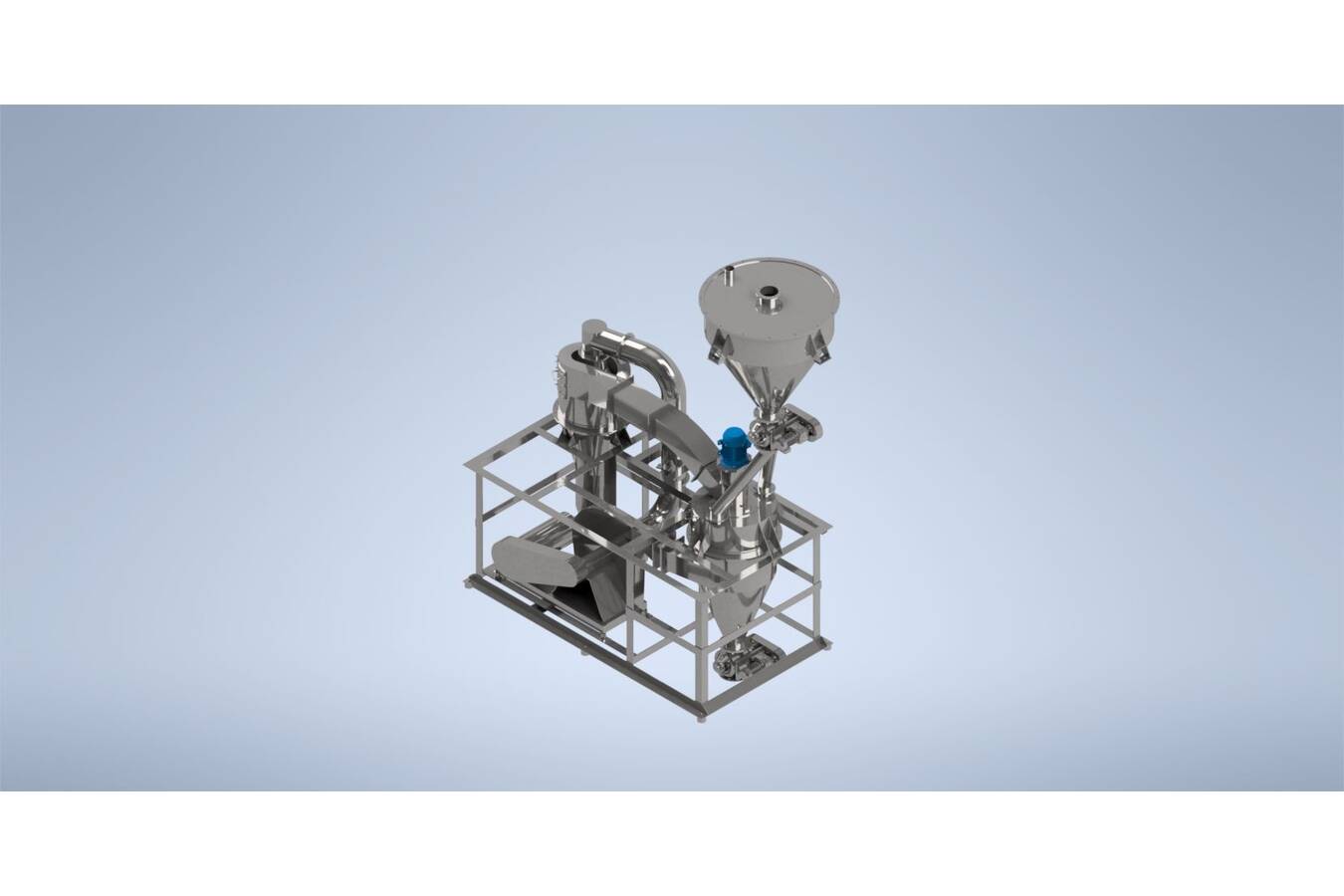
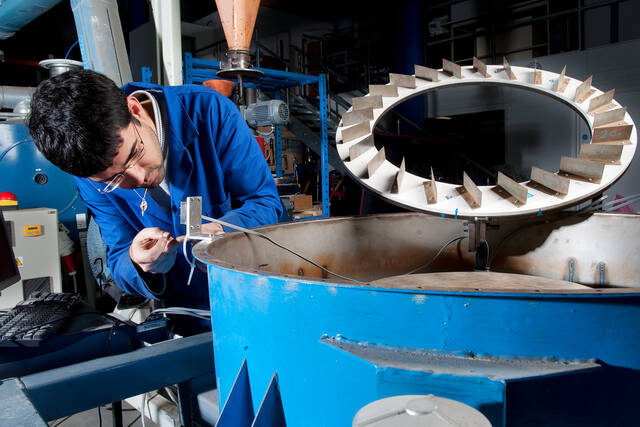
This webinar will explore the challenges and advantages of ultrafine air classification, a particle separation technique that utilises aerodynamic properties to segregate materials by size, density, or shape. Air classification is a particle separation technique that utilises aerodynamic properties to segregate materials by size, density, or shape. It avoids the use of chemicals to separate the powders in dry state, making it ideal for industries like mining, recycling, and food processing. Air flow rate and rotor dynamics are the main operating parameters to achieve the desired fractionation of the products. The applications of air classification ranges from mineral refinement to sustainable waste recovery and pharmaceutical production. Air classification plays a pivotal role in advancing resource efficiency and eco-friendly material processing and has been used for many centuries for different applications. The major research interest is the ultrafine air classification. Ultrafine air classification brings its own challenges, such as, achieving precise cut size and desired throughput. It becomes much more challenging for materials with required cut size below
13.06.2025  |  713x  |  Press release  | 
Show more (91)
PORTALS
BulkSolids-Portal Schuettgut-Portal Recycling-Portal
Related
Bulkgids.nl
SIGN UP FOR OUR NEWSLETTER
Newsletter archive
Service and contact
ContactDisclaimerPrivacyAdvertising
FOLLOW US
Linked