The Engineering Role of Reagent Cabinets in Flue Gas Treatment
Discover how reagent cabinets combine controlled loading, consistent material flow and precision dosing to support reliable flue gas treatment.
Flue gas treatment systems rely on accurate and consistent reagent dosing. However, feeder performance is only one part of reliable reagent handling. Before powdered reagents reach the injection point, they must be introduced into the system, held within the hopper and presented consistently to the screw feeder.
Reagent cabinets bring these functions together within a compact handling arrangement. By combining reagent loading, local holding capacity and precision screw feeding, they support the controlled delivery of powdered reagents into the flue gas treatment process.
The Role of the Reagent Cabinet
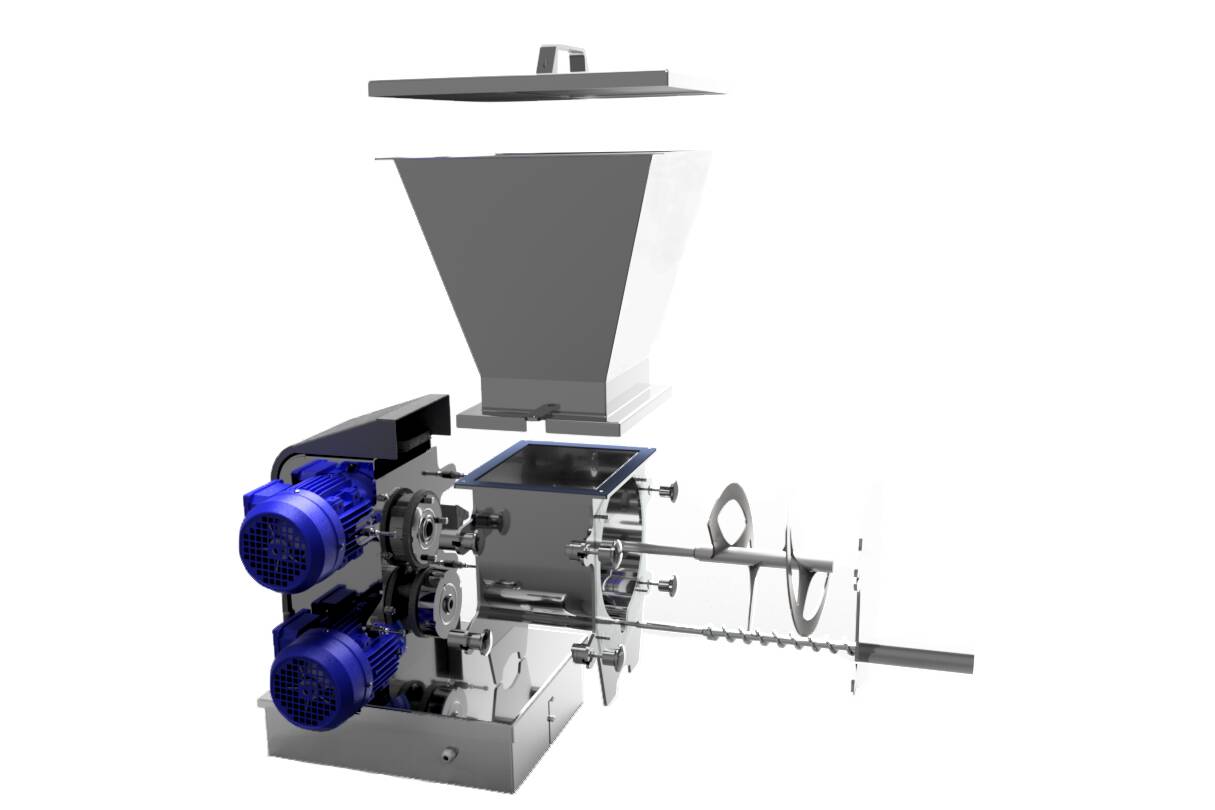
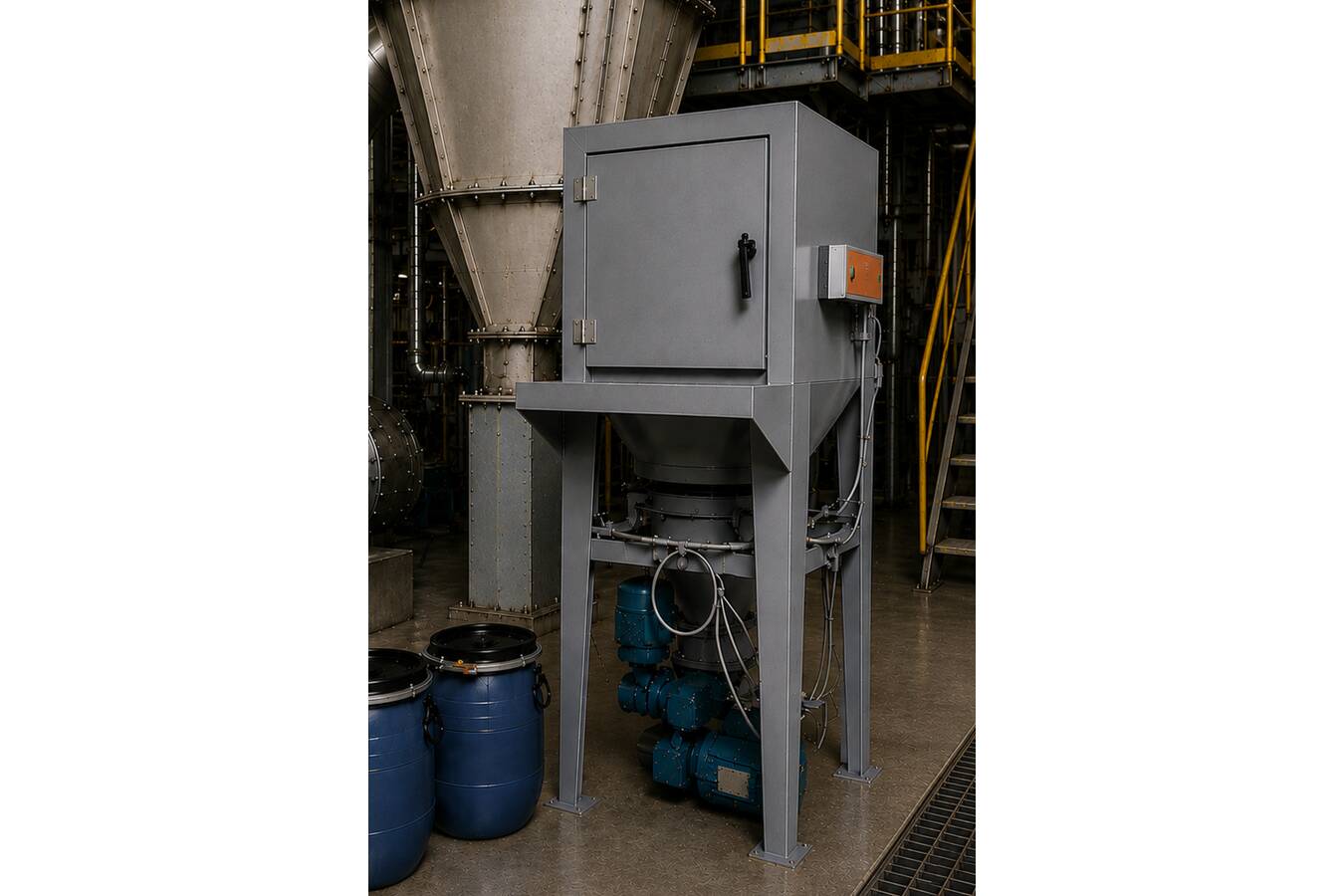
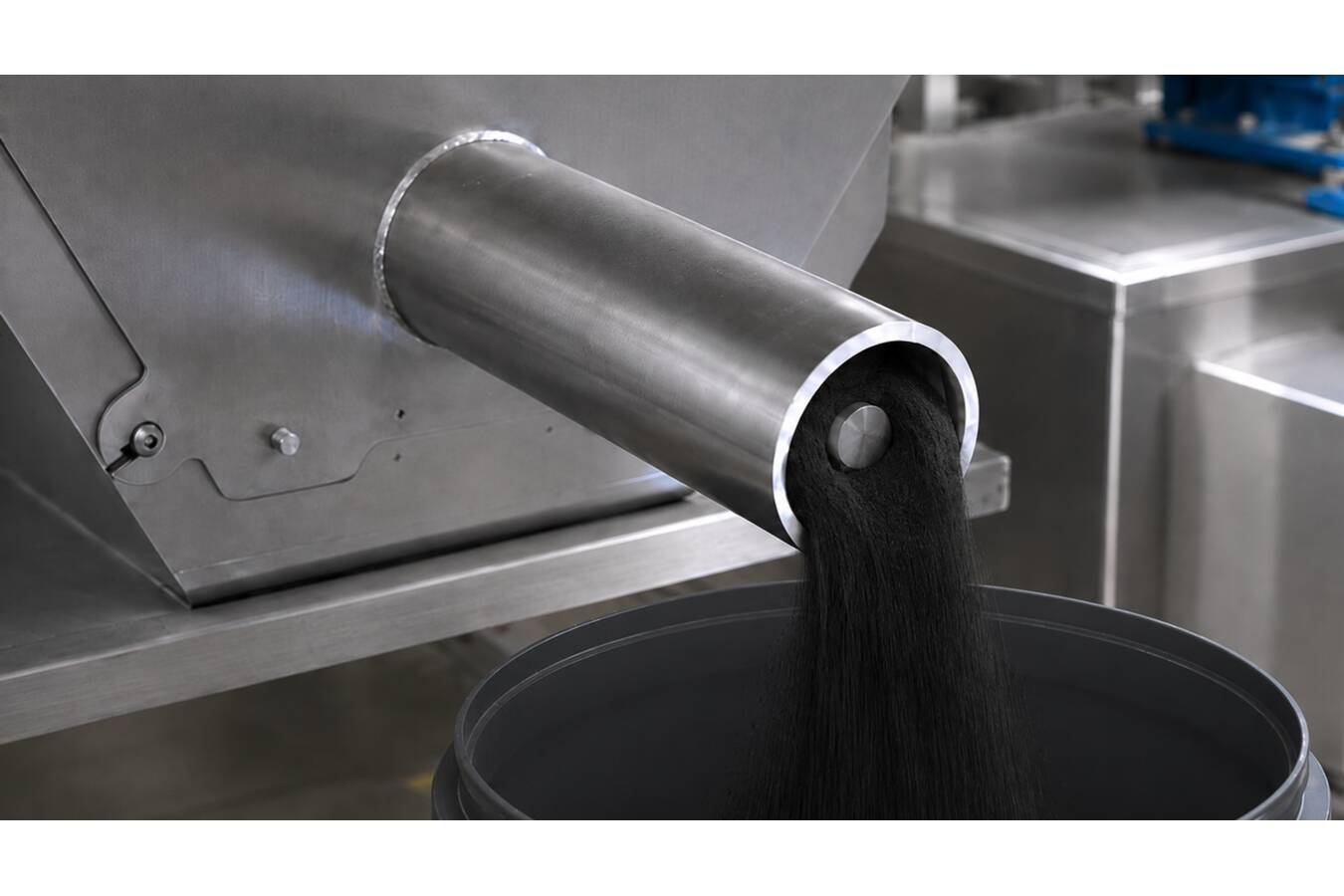
A reagent cabinet typically incorporates a keg-tip mechanism, hopper and integrated screw feeder. During operation, the reagent keg is positioned within the station before being mechanically tilted to discharge the material into the hopper. The hopper provides local holding capacity and supplies reagent to the screw feeder positioned below.
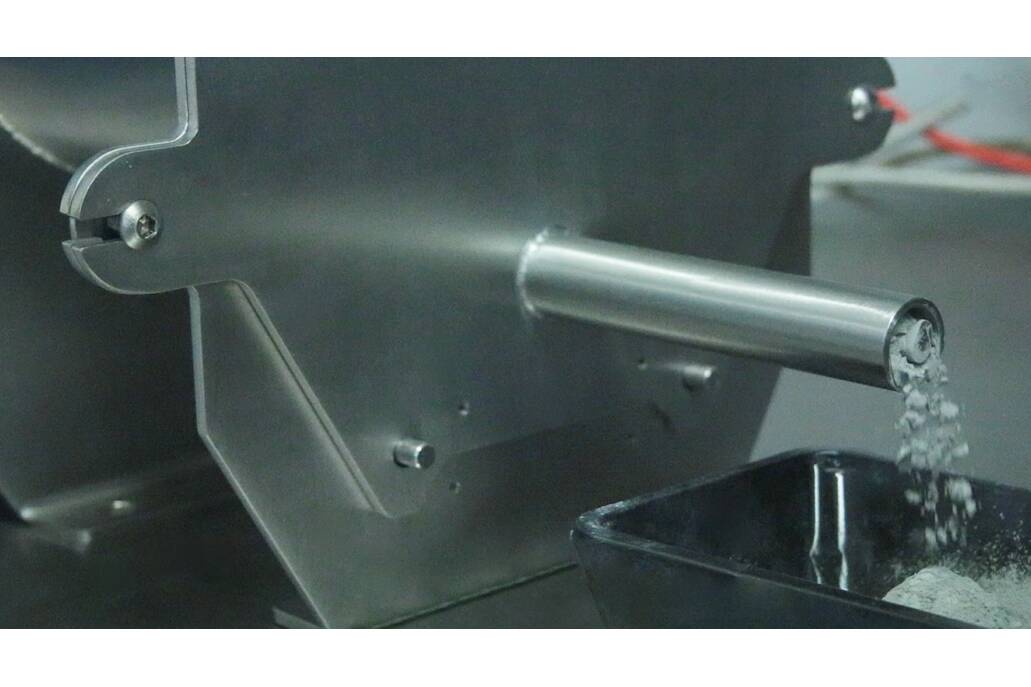
Combining these functions within an enclosed arrangement helps contain dust during reagent loading while providing a controlled route from material introduction through to precision dosing. The screw feeder then meters the reagent at a controlled and repeatable rate for delivery into the flue gas treatment process.
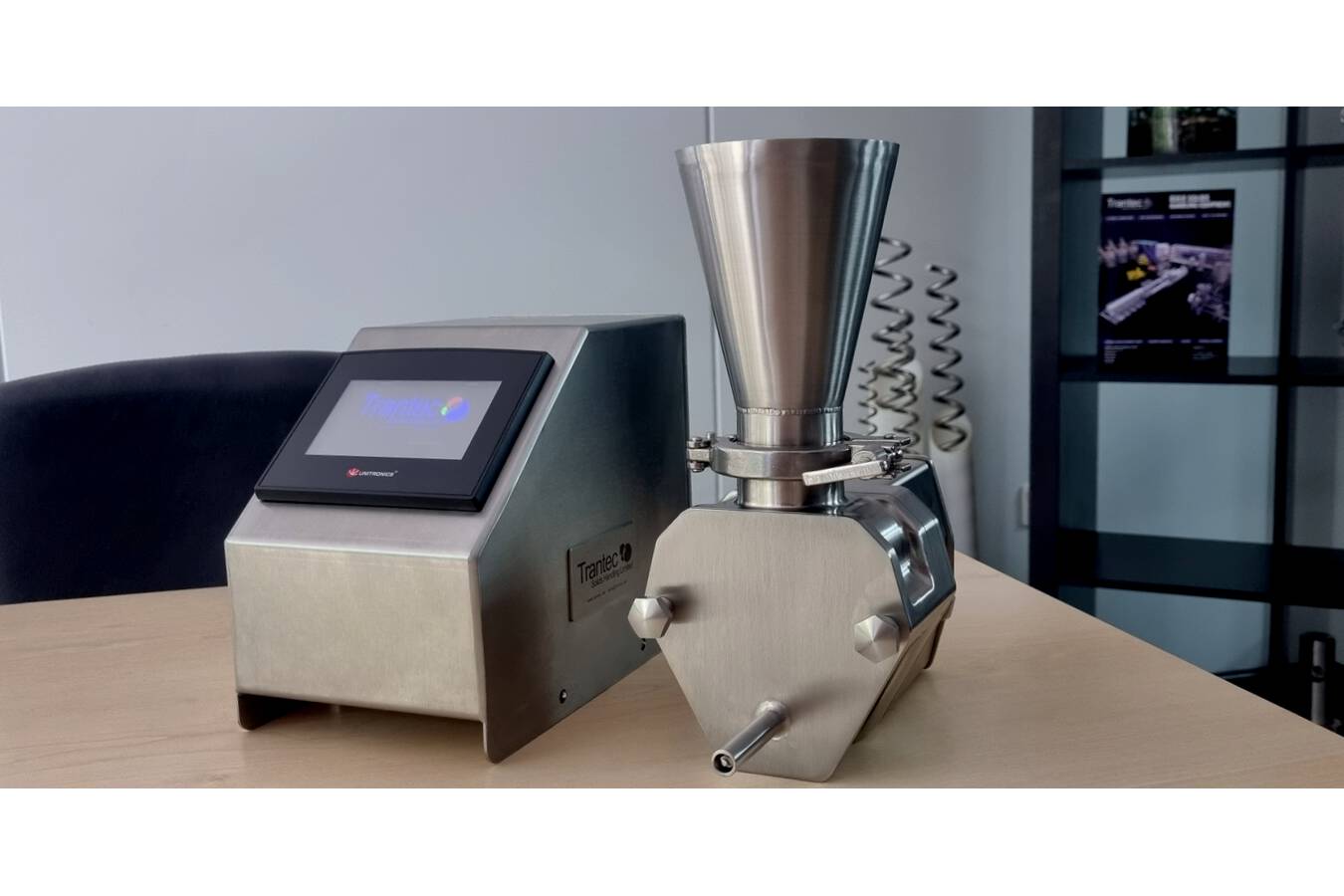
Trantec Solids Handling configures reagent cabinets according to the handling characteristics of the powder and the required dosing performance. Hopper design, agitator requirements and screw-feeder configuration can therefore be selected to support reliable material flow and consistent reagent delivery.
Adapting Reagent Supply to the Application
The method used to supply reagent to the cabinet depends on factors such as reagent demand, available storage capacity, plant layout and the required level of automation.
For direct replenishment, the keg-tip function allows reagent to be loaded into the hopper as required. This provides a compact arrangement where the cabinet’s local holding capacity is sufficient to support the operating requirements of the process.
Where greater storage capacity or automated material transfer is required, the reagent cabinet can be integrated with upstream bulk storage and a flexible screw conveyor. In this configuration, the conveyor provides an enclosed means of transferring powdered reagents from the storage vessel to the cabinet, reducing the need for manual replenishment.
By accommodating different supply methods, reagent cabinets can be incorporated into both compact dosing installations and wider automated handling systems.
Creating the Conditions for Accurate Dosing
Reliable reagent dosing depends on more than the accuracy of the screw feeder itself. Consistent material flow from the hopper into the feeder is also important in maintaining a controlled and repeatable output throughout operation.
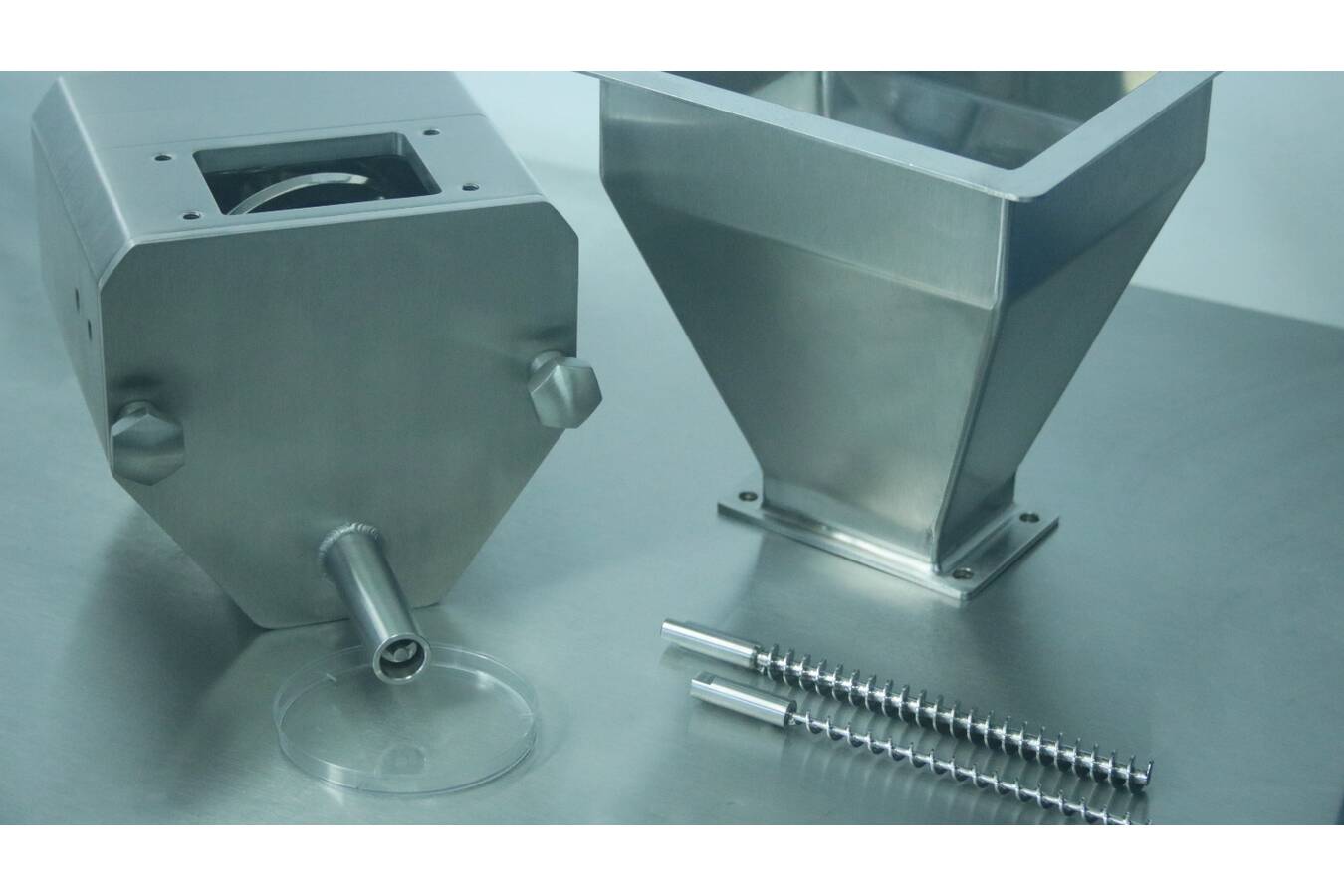
Factors such as hopper geometry, material compaction and bridging can influence how consistently reagent is presented to the auger screw. Where material characteristics require it, an agitator mechanism within the feeder body can help maintain material movement and promote uniform filling of the screw flights.
Positioned beneath the hopper, the screw feeder provides the controlled discharge required for precision reagent dosing. Its performance depends on both consistent material presentation and appropriate feeder configuration, making each an important consideration in achieving reliable reagent delivery.
Considering the Wider Handling Process
Reagent handling requirements can vary considerably between flue gas treatment applications. Reagent characteristics, consumption rates, plant layout, storage requirements and operating practices can each place different demands on the handling process.
The relationship between material loading, local holding capacity and precision dosing should be considered as part of the wider handling arrangement to support reliable material flow through to the injection point.
Specific requirements
This application-led philosophy guides the reagent handling solutions engineered by Trantec Solids Handling for demanding flue gas treatment applications.
For further guidance on reagent cabinets, flexible screw conveying and powder dosing solutions for flue gas treatment applications, contact Trantec Solids Handling to discuss your specific handling requirements.