Consistent and efficient material flow starts with understanding your material. At Trantec Solids Handling, they prioritise material testing to identify the ideal screw feeder configuration for each application. By assessing key characteristics like particle size, cohesiveness, and flowability, they ensure reliable dosing and continuous feeding.
Why Material Testing Matters?
Every material behaves differently, and these differences can directly affect a screw feeder’s performance, impacting consistency, dosing accuracy, and reliability. For example:
- Particle shape, size, and distribution – Irregular or unevenly sized particles can cause bridging, segregation, or uneven flow.
- Moisture content – High moisture can cause clumping, rat-holing, or sticking inside the feeder.
- Cohesiveness – Sticky or cohesive powders may resist movement, causing interruptions in flow.
- Flowability – Poorly flowing materials can create uneven feed rates and dosing errors.
- Friability – Brittle powders may break down during feeding, affecting uniformity and process control.
- Abrasiveness – Hard or sharp materials can wear down the auger screw, and other feeder components faster.
- Electrostatic tendencies – Fine powders can cling to surfaces and accumulate, causing inconsistent dosing.
- Stickiness and tackiness – Materials that adhere to equipment surfaces can interrupt flow and reduce throughput.
By understanding these properties through material testing, Trantec can customise screw feeder configurations to handle your material smoothly, maintain precise dosing, and improve efficiency.
Agitators for Enhanced Flow
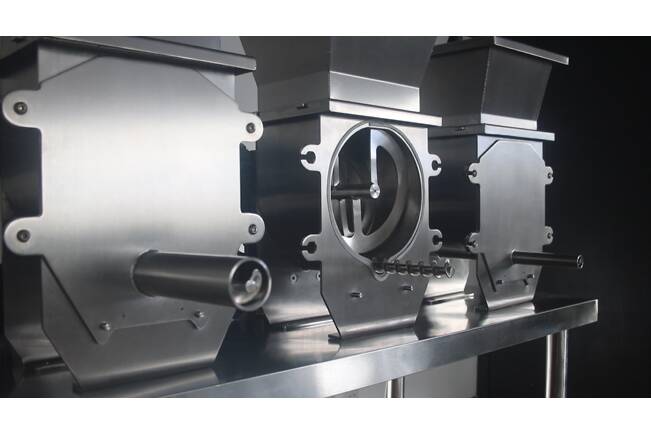
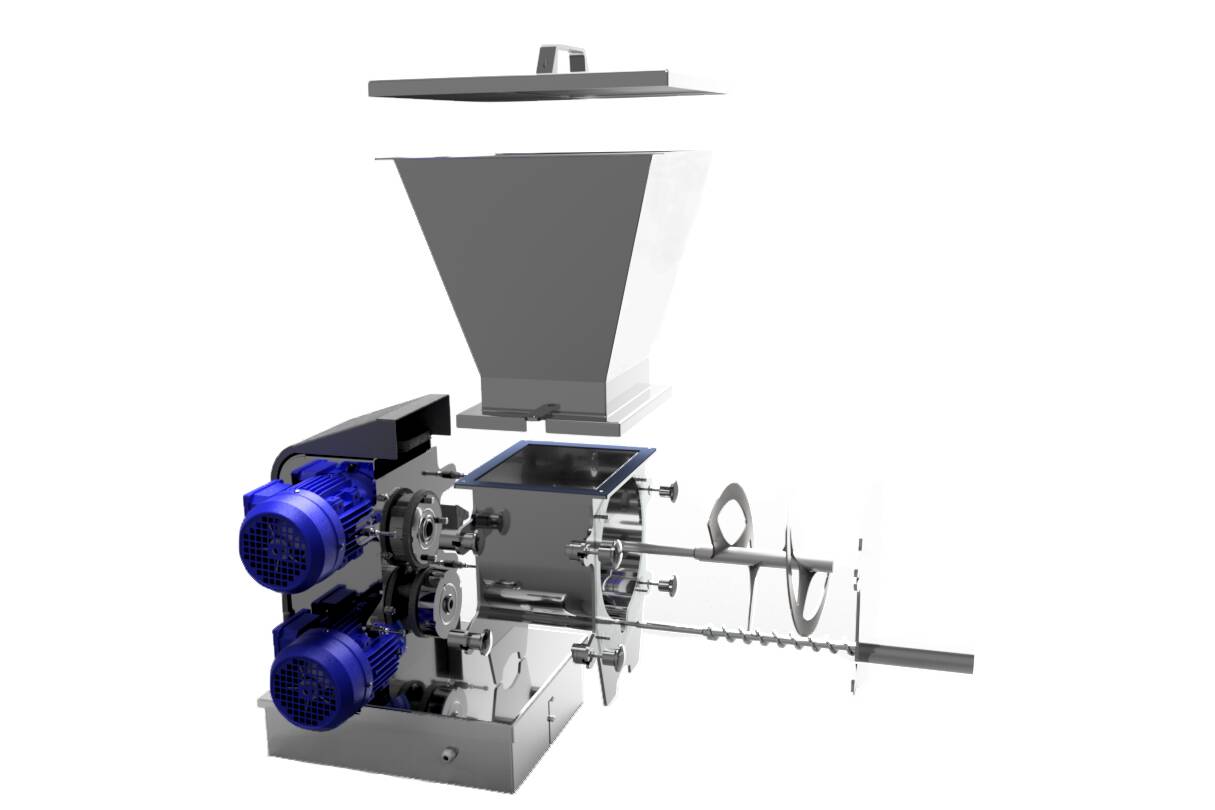
To solve problems like bridging, rat-holing, and uneven flow, Trantec provides different agitators designed for various materials. Fragile powders need gentle mixing to avoid breaking down, while dense, sticky, or cohesive materials need stronger agitation to keep moving smoothly.
Leveraging their material-handling expertise, Trantec has designed agitators to address specific material challenges, ensure continuous, uniform flow, and optimise screw feeder performance. By combining hands-on testing with engineering experience, they have created agitators that enable reliable handling even of the most challenging materials.
Versatile Augers for Every Application
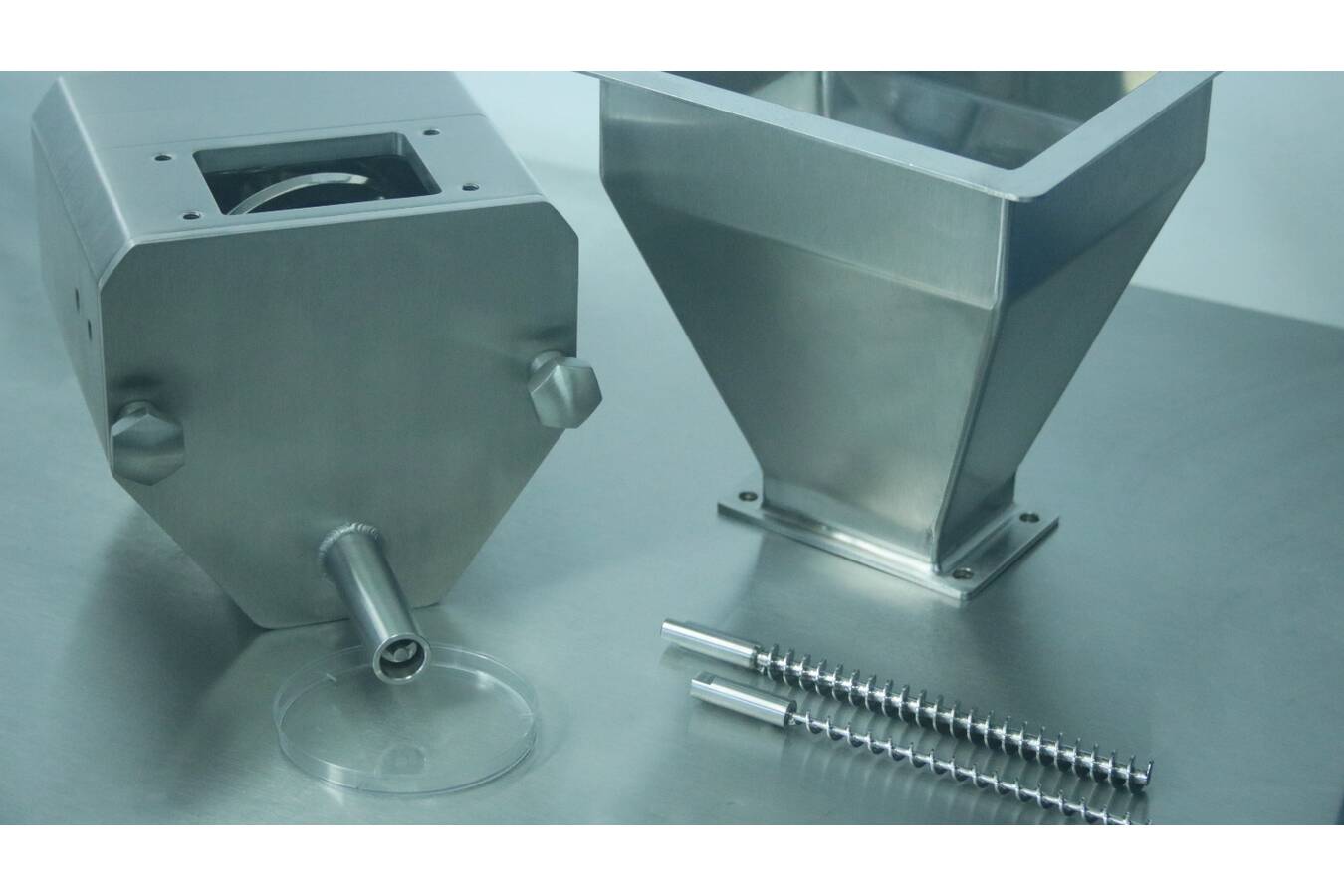
Choosing the right auger screw is essential for achieving accurate and consistent material feeding. Its design must complement both the material’s characteristics and the overall feeder configuration to ensure optimum performance. As the central component of a screw feeder, the auger transports material from the hopper to the discharge point, and its geometry directly determines how smoothly and precisely that material is delivered.
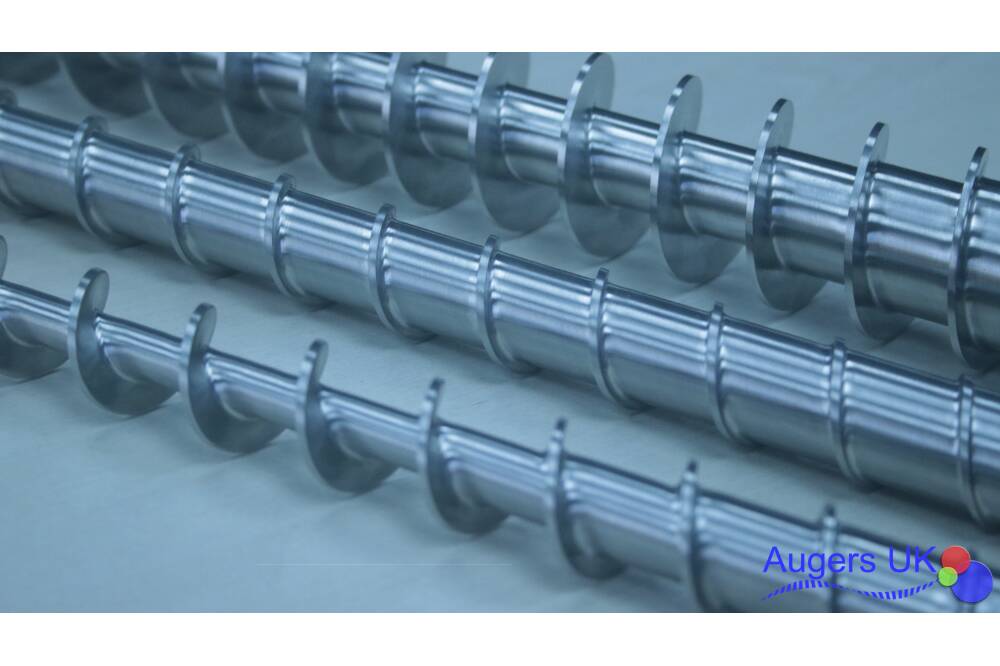
From single-start or multi-start augers for precision feeding to small micro augers for ultra-low dosing, their auger designs are based on material testing to ensure smooth, uninterrupted flow and minimised wear.
Through their specialist UK division, Augers UK, Trantec has the skills and expertise to produce bespoke augers tailored to your specific materials and process needs. Their in-depth understanding of material properties enables them to design auger screws in a wide variety of configurations, including:
- Single-start augers
- Multi-start flight designs
- Variable pitch, stepped and constant pitch augers
- Segmented core and flight designs
- Fully customised auger screw for unique feeder setups
By combining material testing insights with engineering expertise, Trantec ensures that each auger is optimised for uniform material flow, no matter how challenging the material or application.
Advanced Testing Facility
Material testing is the foundation of effective screw feeder selection. By evaluating a broad range of characteristics, Trantec ensures every feeder configuration is tailored to your material. The result is reliable, continuous, and efficient material handling that optimises your production process.
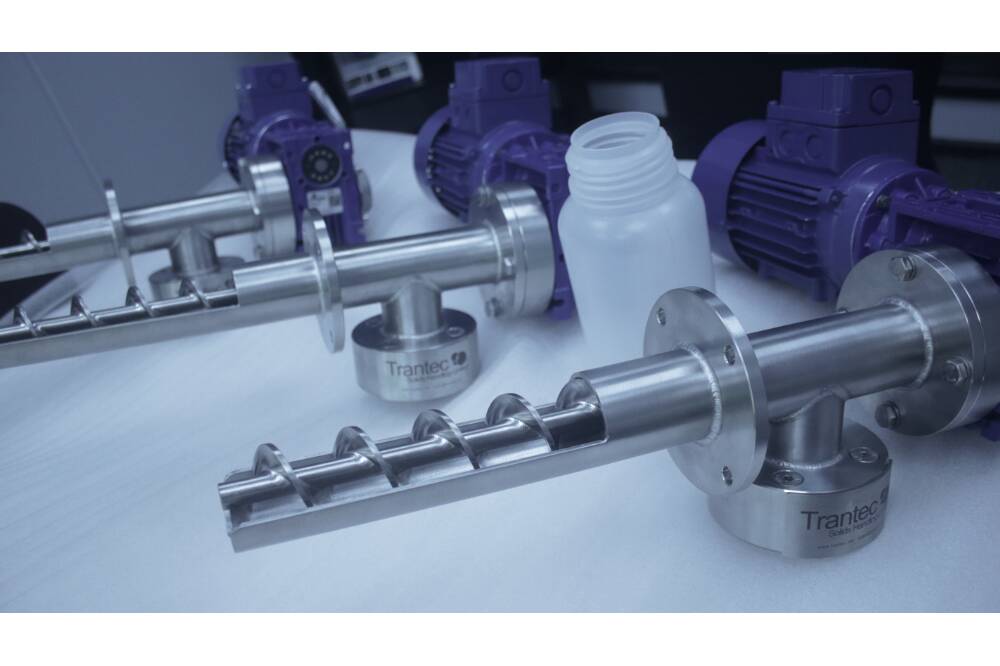
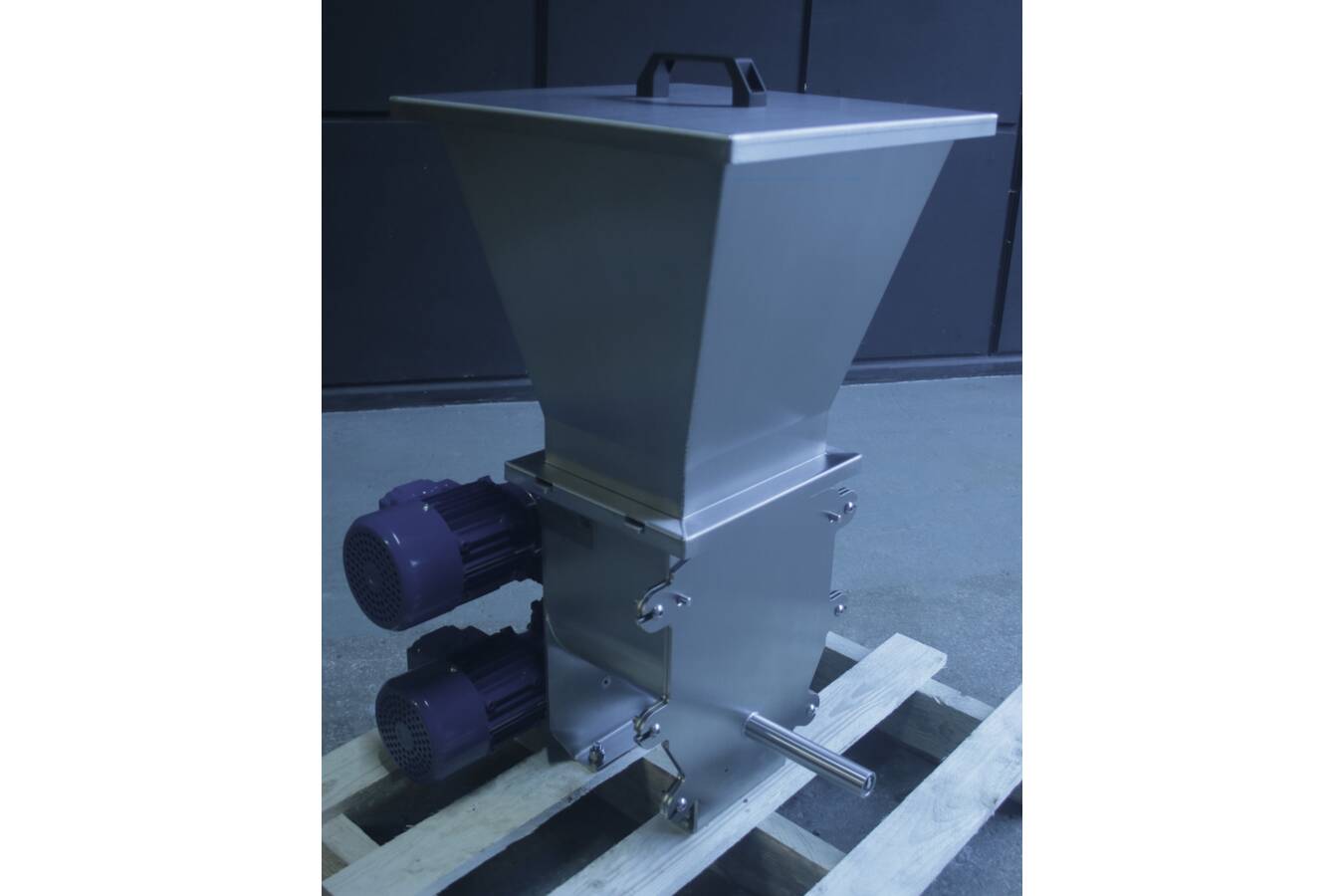
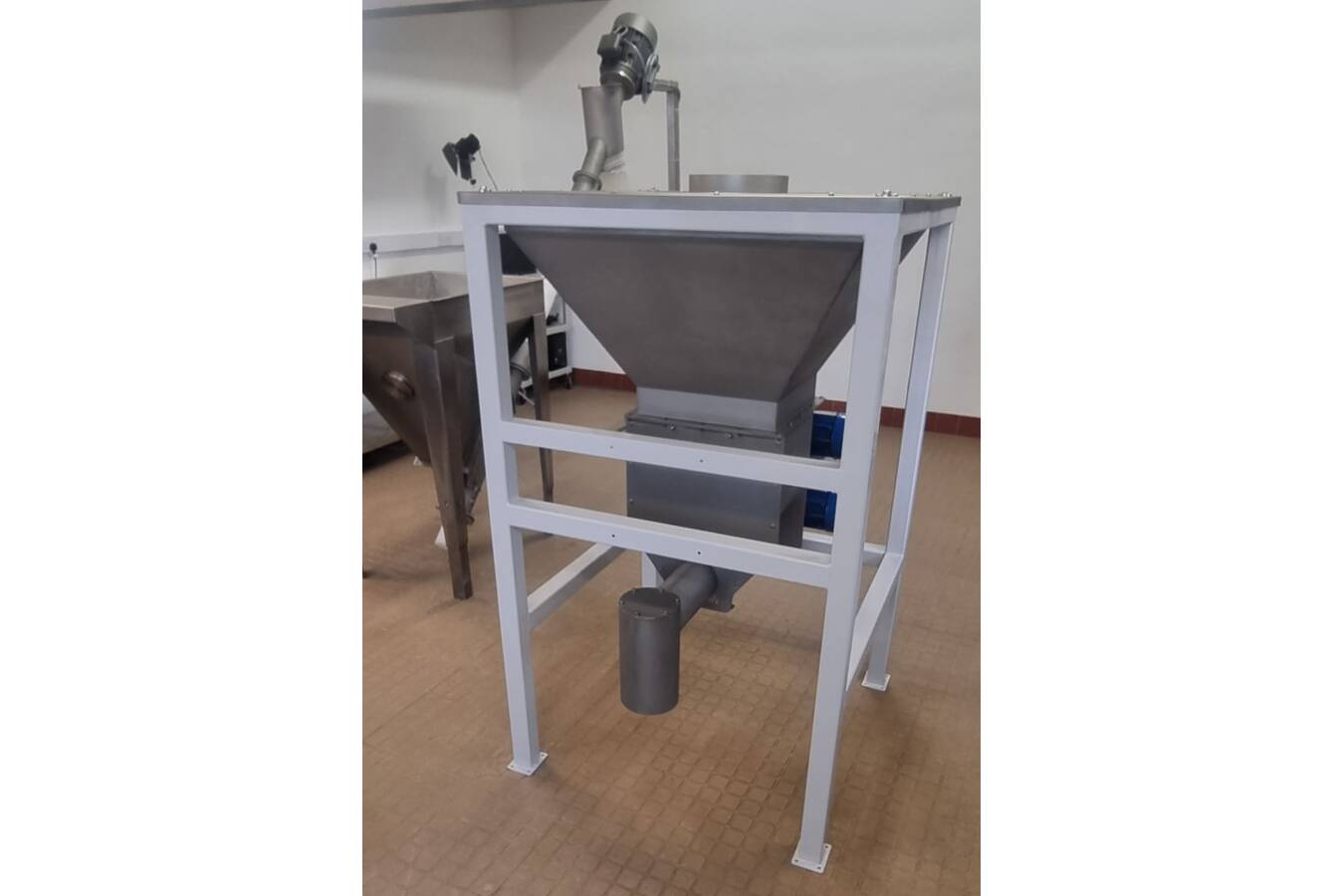
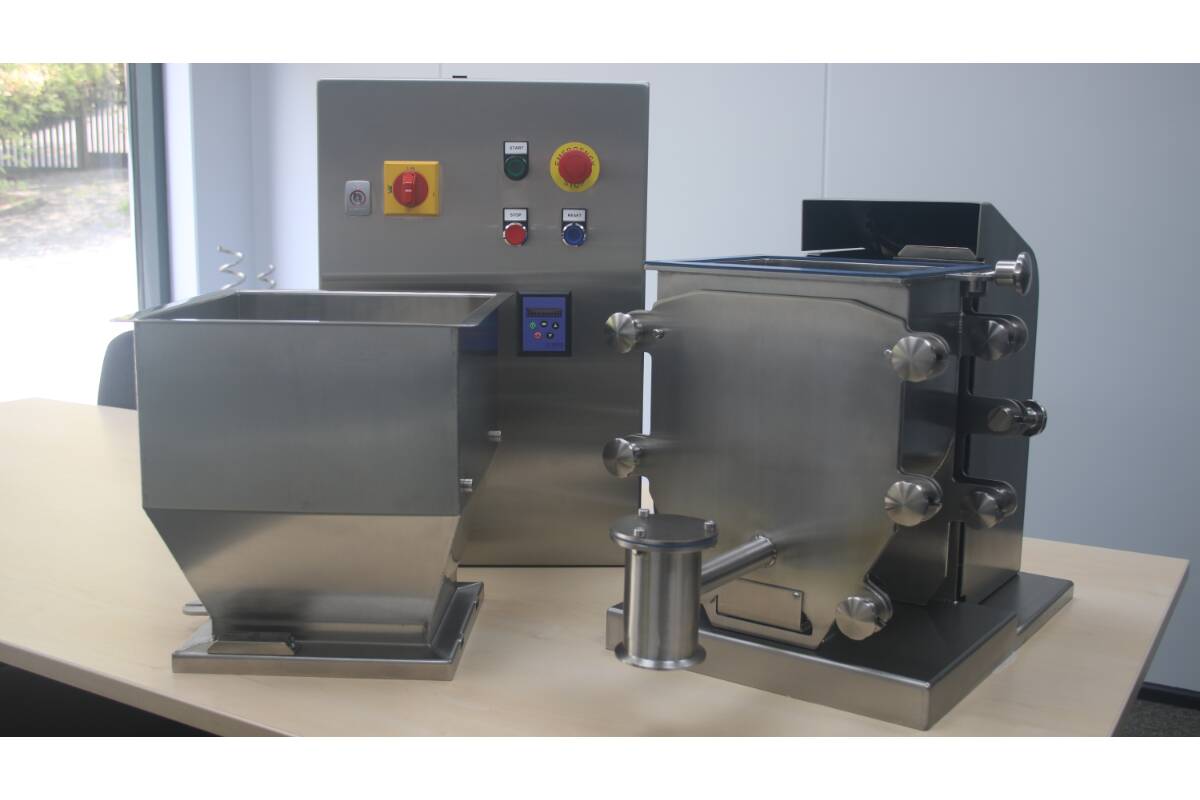
Trantec’s state-of-the-art testing facility is equipped with a wide range of screw feeders in various sizes, from large high-capacity systems to micro-batch feeders for precise, low-volume dosing. They also stock a variety of augers, agitators, and feeder components, allowing rapid setup and experimentation with your material. This hands-on testing ensures they can find the most effective and reliable configuration for your process, guaranteeing optimal performance from day one.