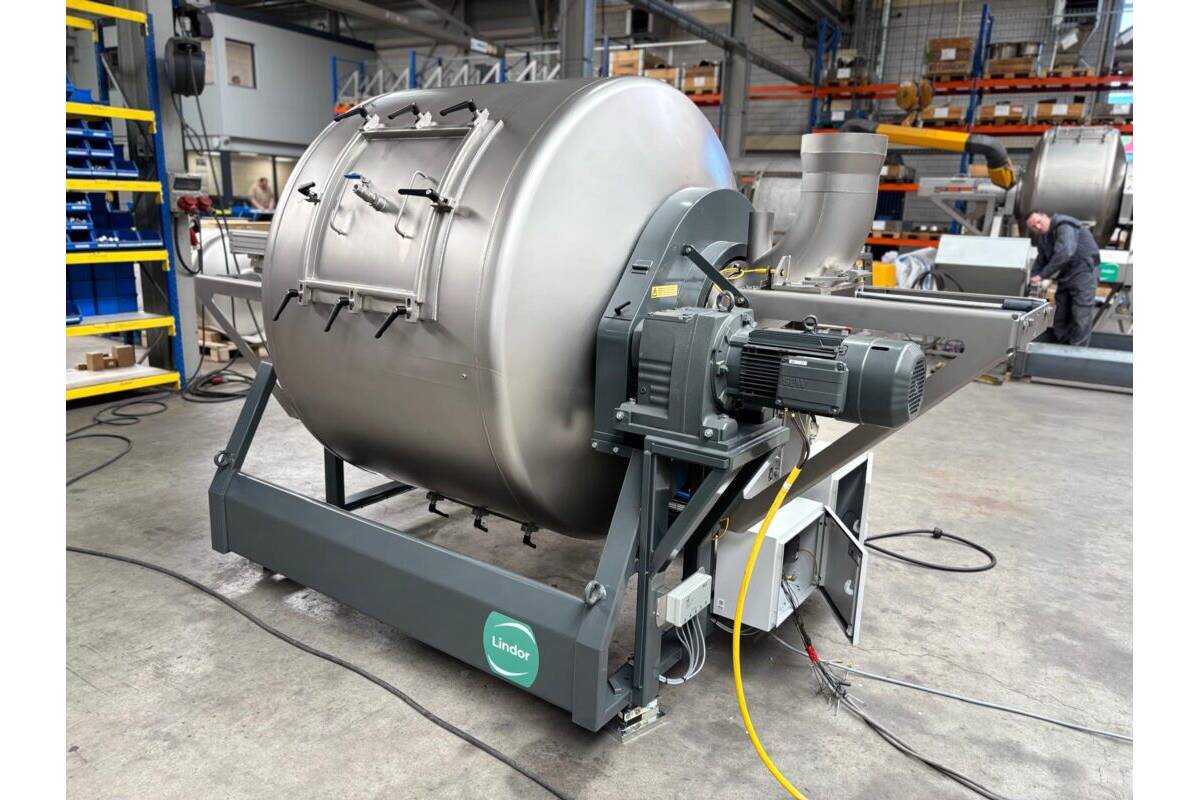
Lindor Commissions Advanced Coating Mixer for Carbon Fiber Manufacture
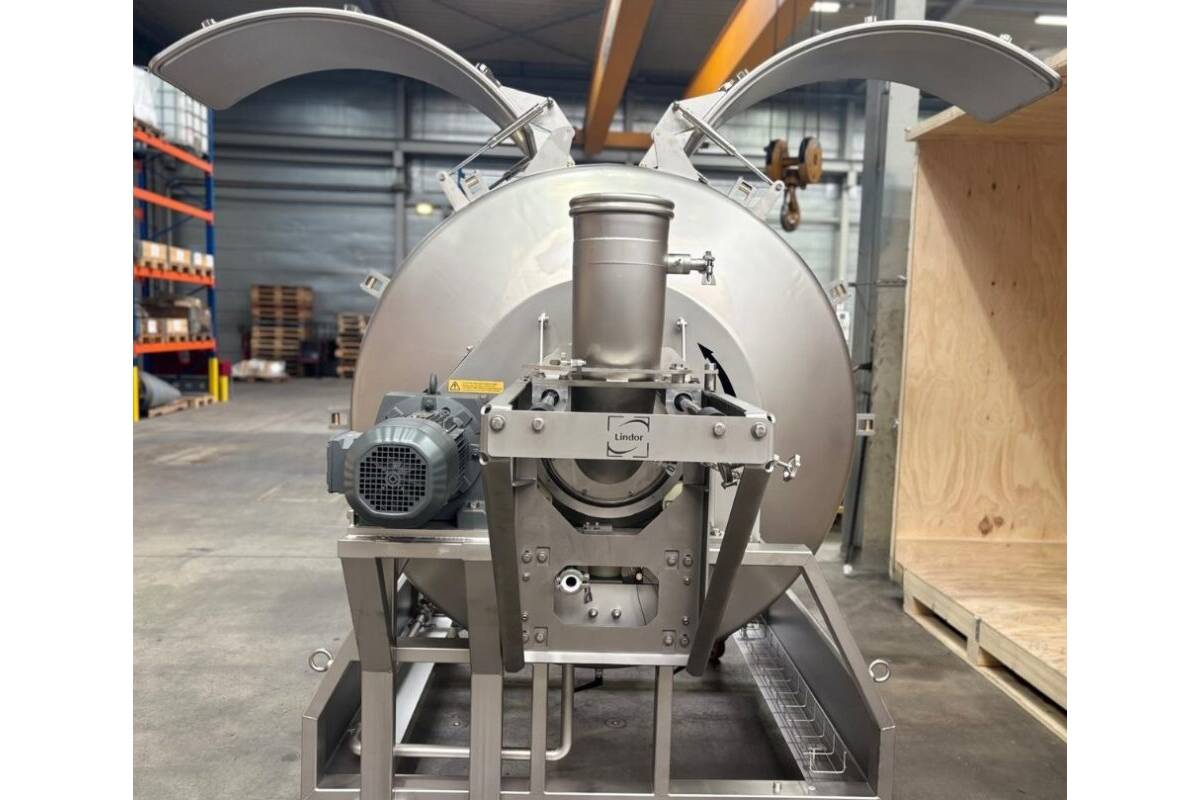
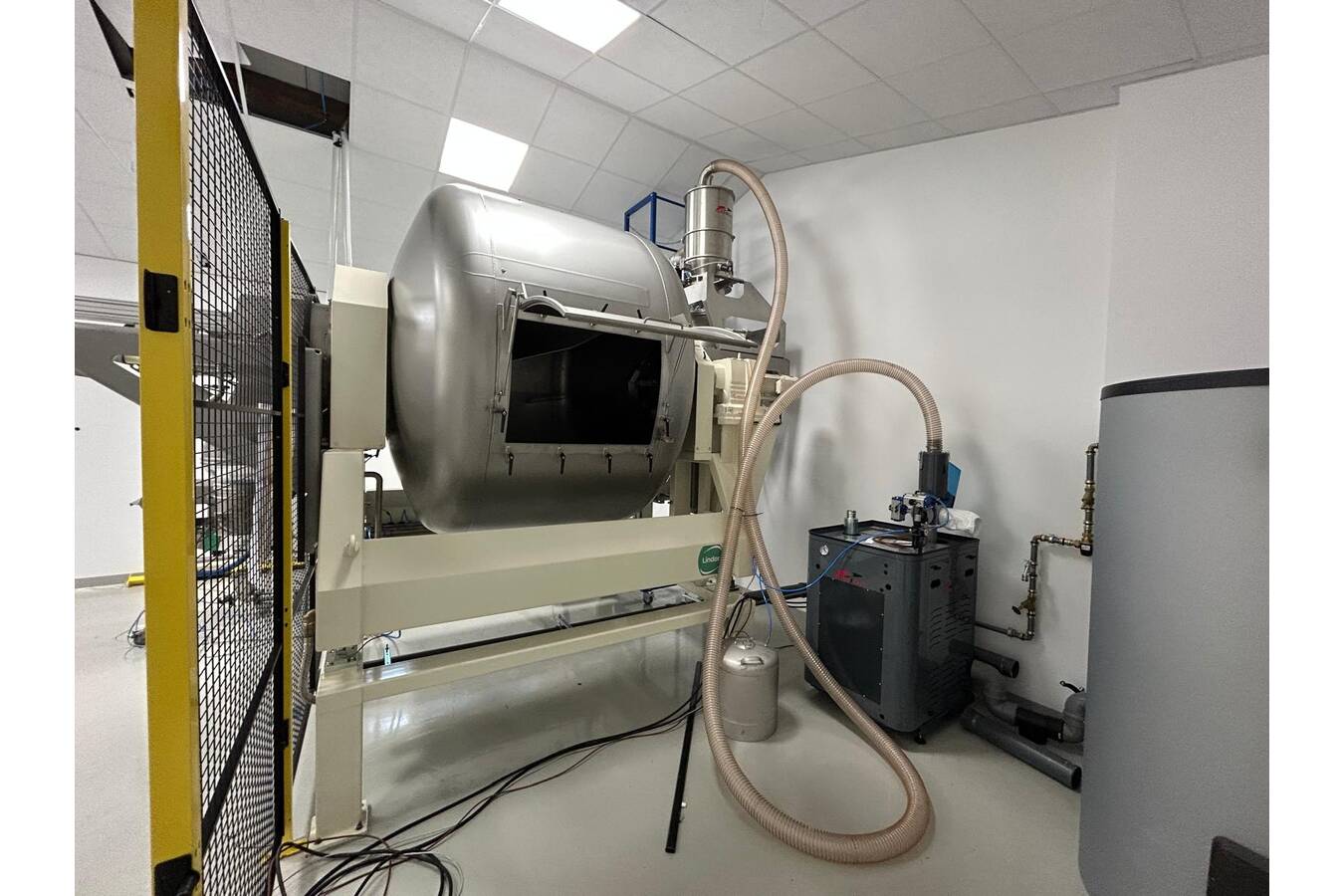
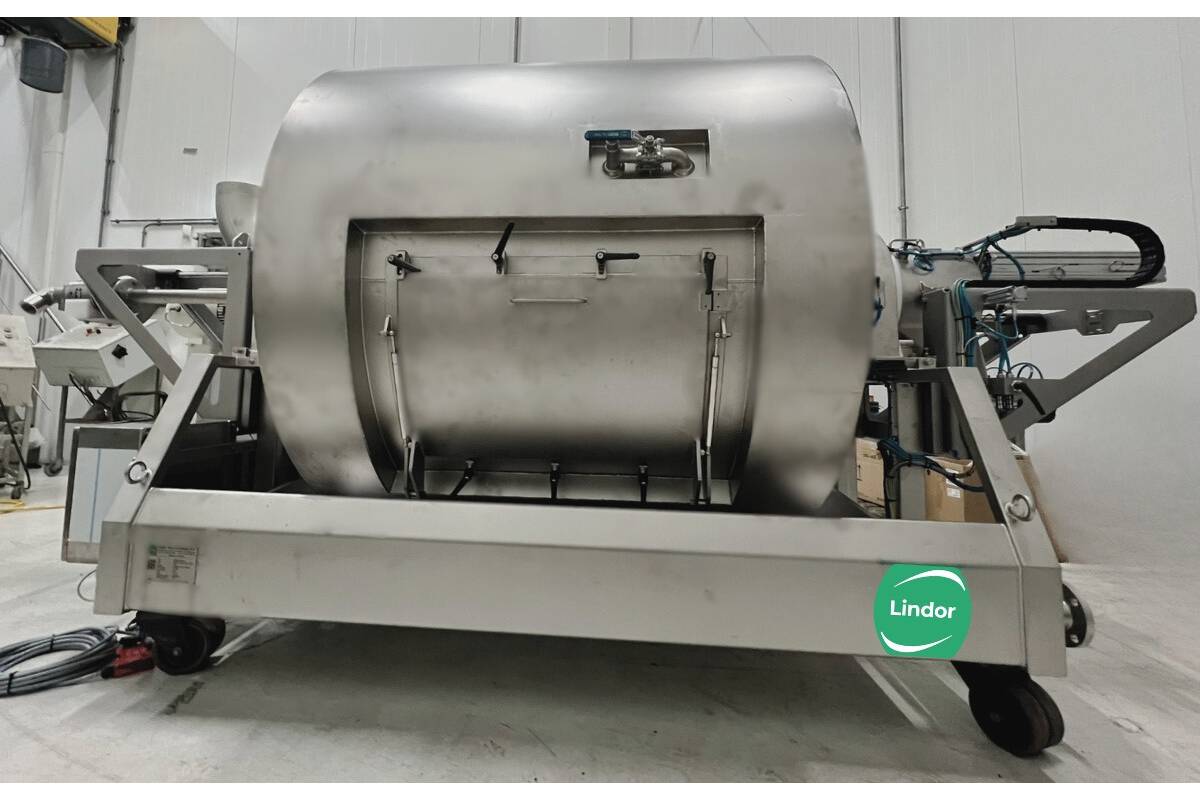
Lindor’s rotary drum mixer was configured with an advanced coating system that makes it an ideal solution for sizing delicate fibers. Such a mixer was commissioned successfully at a carbon fiber production facility in Europe.
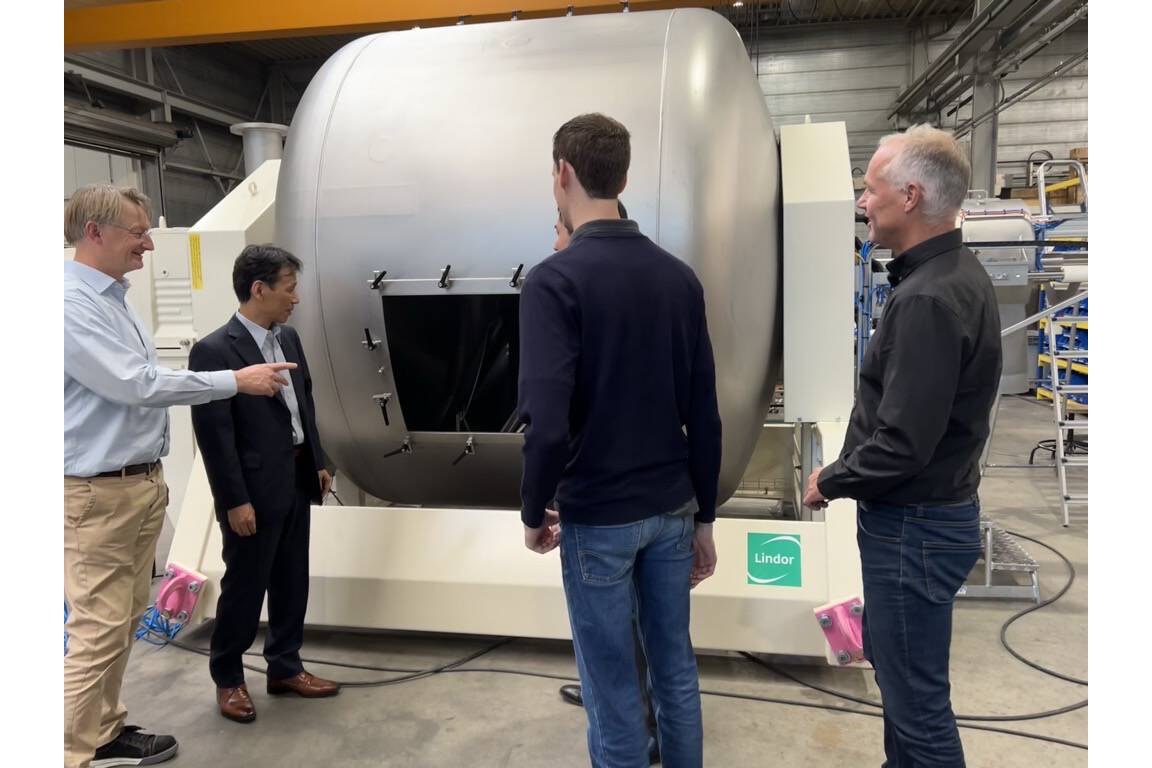
After an in-depth trial at Lindor’s Mixing Test Center in the Netherlands, the carbon fiber manufacturer selected the Lindor rotary drum coating mixer as the optimal solution for their processing line.
The machine is now fully operational at their site and plays an integral role in their carbon fiber sizing process.
This is a critical step in ensuring the fibers bond correctly with composite matrices in end-use applications like aerospace, civic constructions and automotive goods.
Why use a rotary drum coating machine?
In the fiber production industry, applying a sizing layer is essential. Sizing improves handling, protects the fiber during processing, and enhances the adhesion between the fiber and resin in composite materials. Common methods such as dip baths or kiss rollers are widely used, but each comes with limitations. This is where Lindor’s rotary drum coating mixer stands out.
Due to its gentle mixing technology, the Lindor mixer provides a low-shear environment, meaning fibers are neither broken nor compacted. There are no aggressive paddles or fast-moving blades; instead, the fibers tumble in a controlled rotational flow.
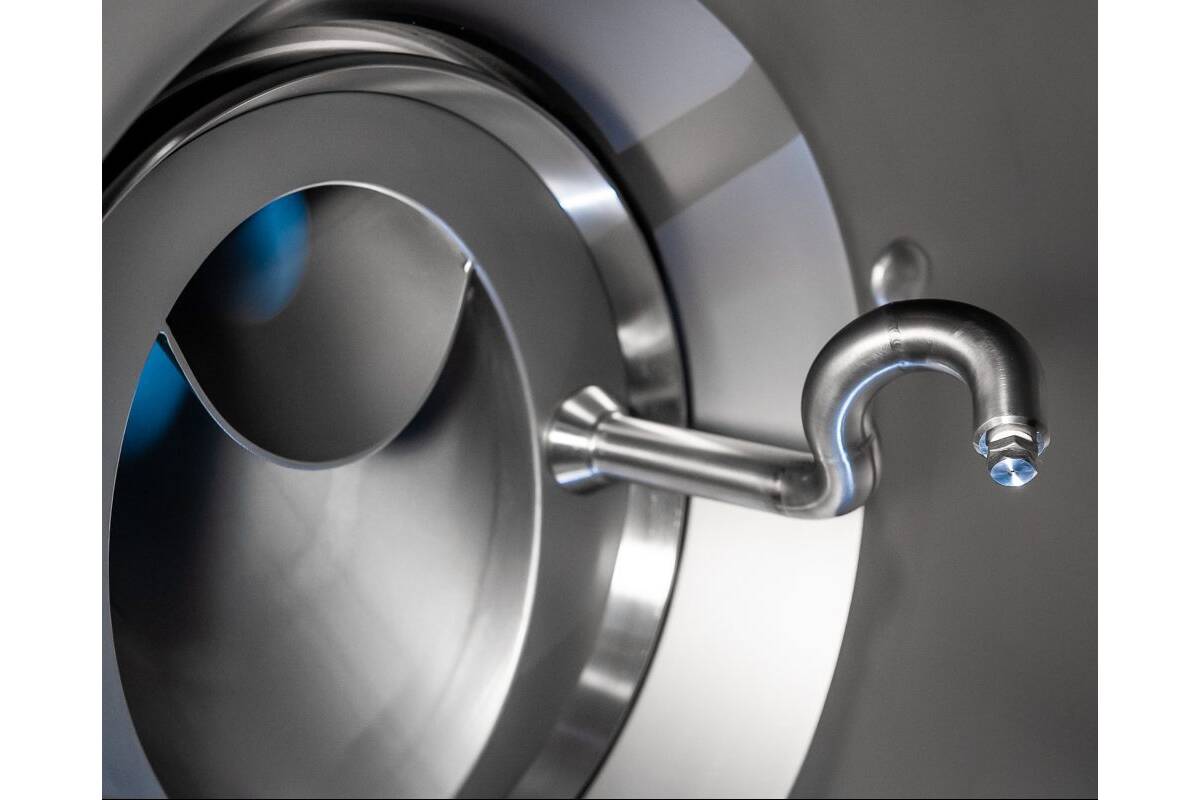
Strategically placed spray nozzles inside the drum ensure that the liquid sizing solution is evenly dispersed, avoiding clumping or over-saturation.
The rotational flow in combination with the spray nozzle placement results in an exceptionally homogenous coating across all particles.
Tailor-Made Engineering
The carbon fiber manufacturer’s product and process posed several challenges—limited flowability, a high risk of fiber bridging, and regularly changing formulations. Lindor’s engineering team stepped in with a tailor-made solution.
A bespoke liquid injection system was developed to match the client’s frequently changing sizing formulations. The machine was also fine-tuned to prevent product bridging, a common issue with long or fibrous materials that can obstruct flow. With years of experience handling powders, granules, and fragile products, the Lindor team was able to adapt their standard machine design to accommodate this complex product.
“Our client came to us with a challenging material,” said a Lindor engineer involved in the project. “It doesn’t flow well, it’s prone to forming clumps, and their coating recipes vary frequently. But we managed to make it work flawlessly.”