Supplier sign in
Home
STAY INFORMED
Subscribe to our monthly newsletter.
Your email address will never be disclosed to any third party.
Read our privacy notice.
Product description
05-10-2026  |  54 x
Share:

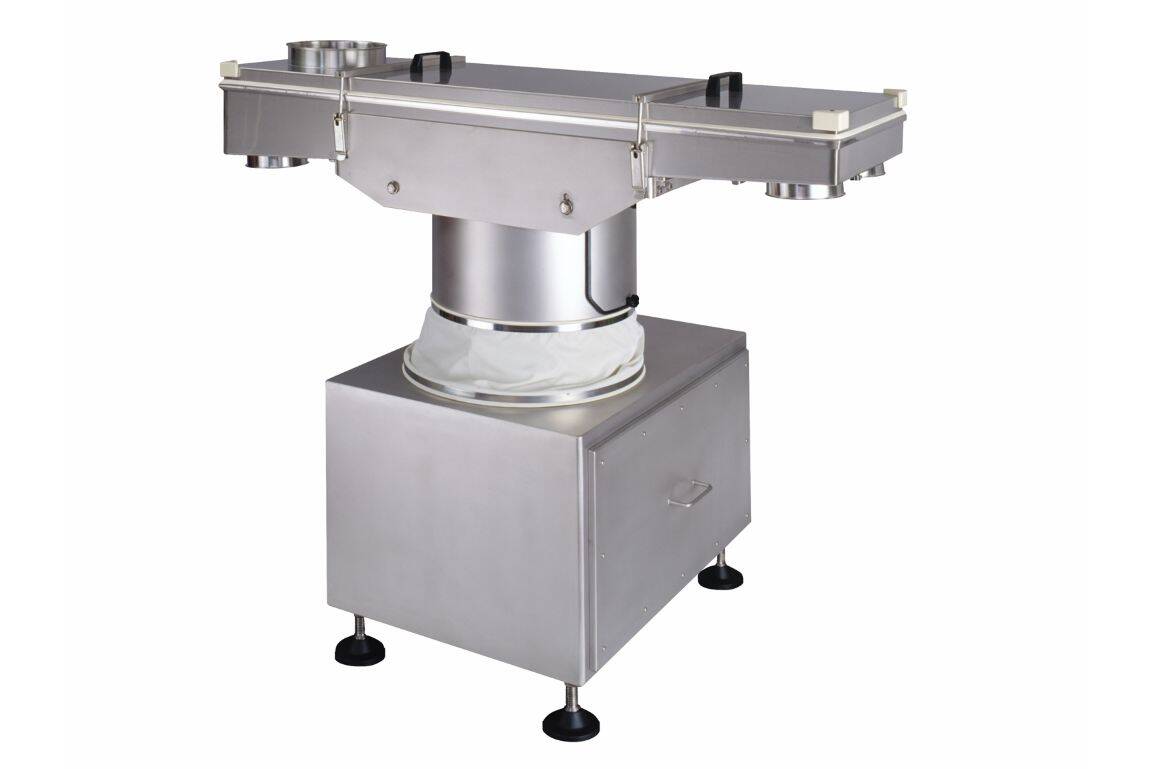
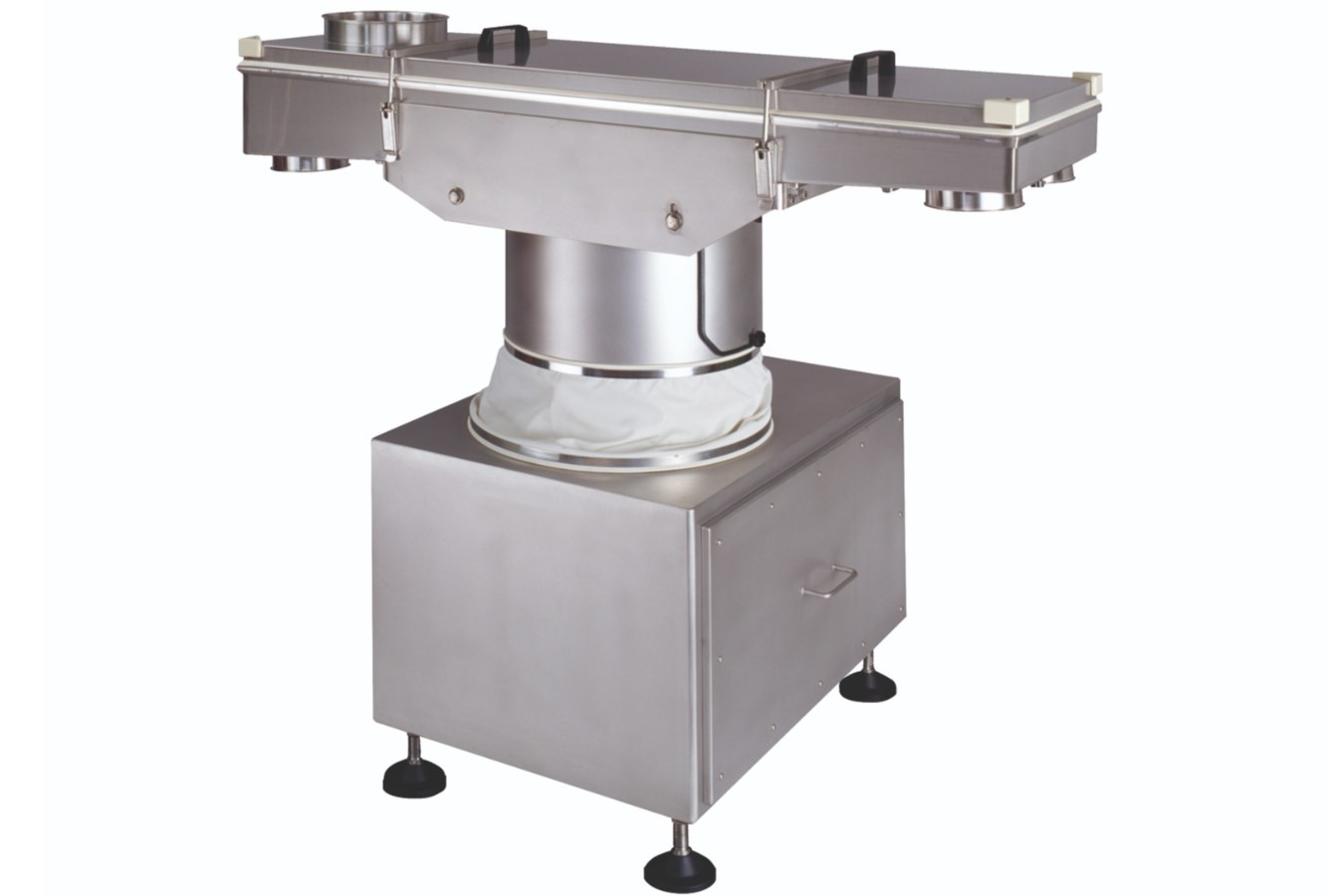
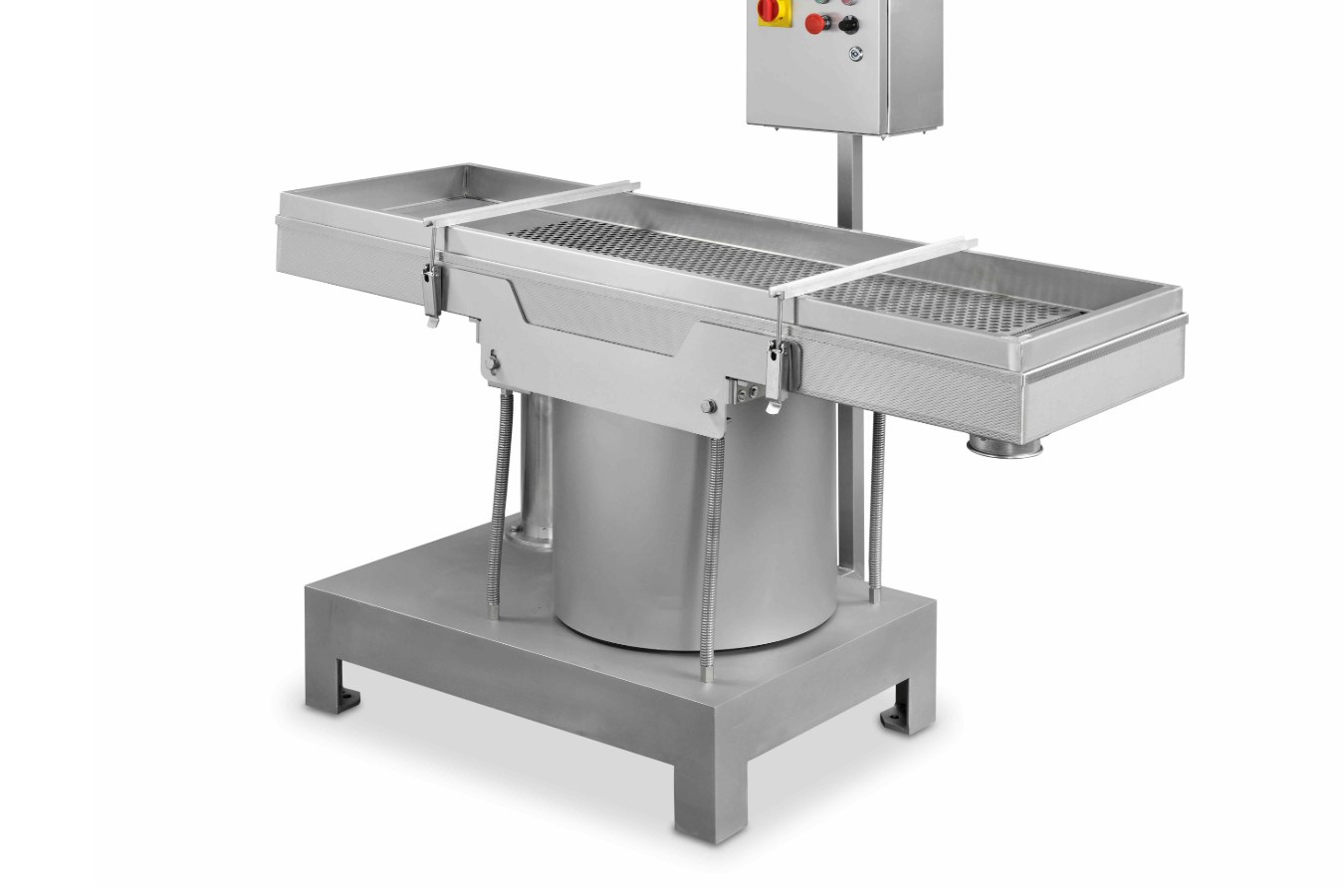
Siftomat: Screening technology based on a proven fundamental principle

Since the 1950s, Siftomat has been synonymous with simple and robust screening technology. The basic principle was developed by Rudolf Fuchs and has been refined over the decades—without fundamentally altering the proven design.
For more than six decades, the Siftomat has relied on a proven principle: a planar, eccentric screening motion that gently and precisely guides bulk materials across the screening surface. FUCHS has continuously refined the design without altering the fundamental concept.

As a former mill manager, Rudolf Fuchs knew from practical experience the requirements for reliable screening. To this day, the Siftomat is based on a planar, eccentric screening motion. This motion guides the bulk material in a controlled manner across the screen surface and enables gentle product handling.

The product is fed onto the rear section of the screen and transported forward by the screening motion and screen inclination. Finer particles fall through the mesh, while coarser components are conveyed along the entire length of the screen. The long residence time offers particular advantages when processing materials with a narrow particle size range.

Highly versatile

The Siftomat is suitable for the three main screening applications: grading, dust removal, and inspection screening. Depending on the model, one to three screening decks are possible, allowing for the production of up to four fractions.

Sorting by particle length is also possible—for example, with plastic pellets to remove “longs” and “twins,” with excessively long textile fibers, or with cut vegetables.

The flat-screen machine is used in the food, plastics, pharmaceutical, and chemical industries, among others. Various stainless steel models are available for hygienically sensitive applications.

Cleaning Systems for Demanding Products

For materials that tend to clog the mesh, the Siftomat can be equipped with a ball-beating cleaning system. Cleaning balls made of natural rubber, polyurethane, or silicone are flung against the screen by the screening motion, thereby dislodging trapped particles.

For particularly fine screen meshes up to 200 µm, a patented ultrasonic cleaning system is also used. The generated frequency varies continuously between 30 and 38 kHz. This can prevent the screen from clogging—especially with fine powders—and increase throughput.

Easy Handling in Daily Production

A key advantage of the Siftomat is its ease of use in daily production. Screens, cleaning frames, and spacer frames can be changed quickly. On many models, this can be done without tools and by a single person. Depending on the size, the entire screen box can also be disassembled for cleaning.

Eight screen sizes cover screening areas ranging from 350 × 550 to 960 × 1840 mm. This allows the machine to handle capacities ranging from a few kilograms to several metric tons per hour.

The smooth screening motion protects both the product and the machine. Low maintenance requirements and a robust design make the Siftomat a screening machine suitable for continuous industrial use.

A proven basic principle, continuously optimized to meet the demands of modern bulk material processes.


Company information

Related trade show

More items

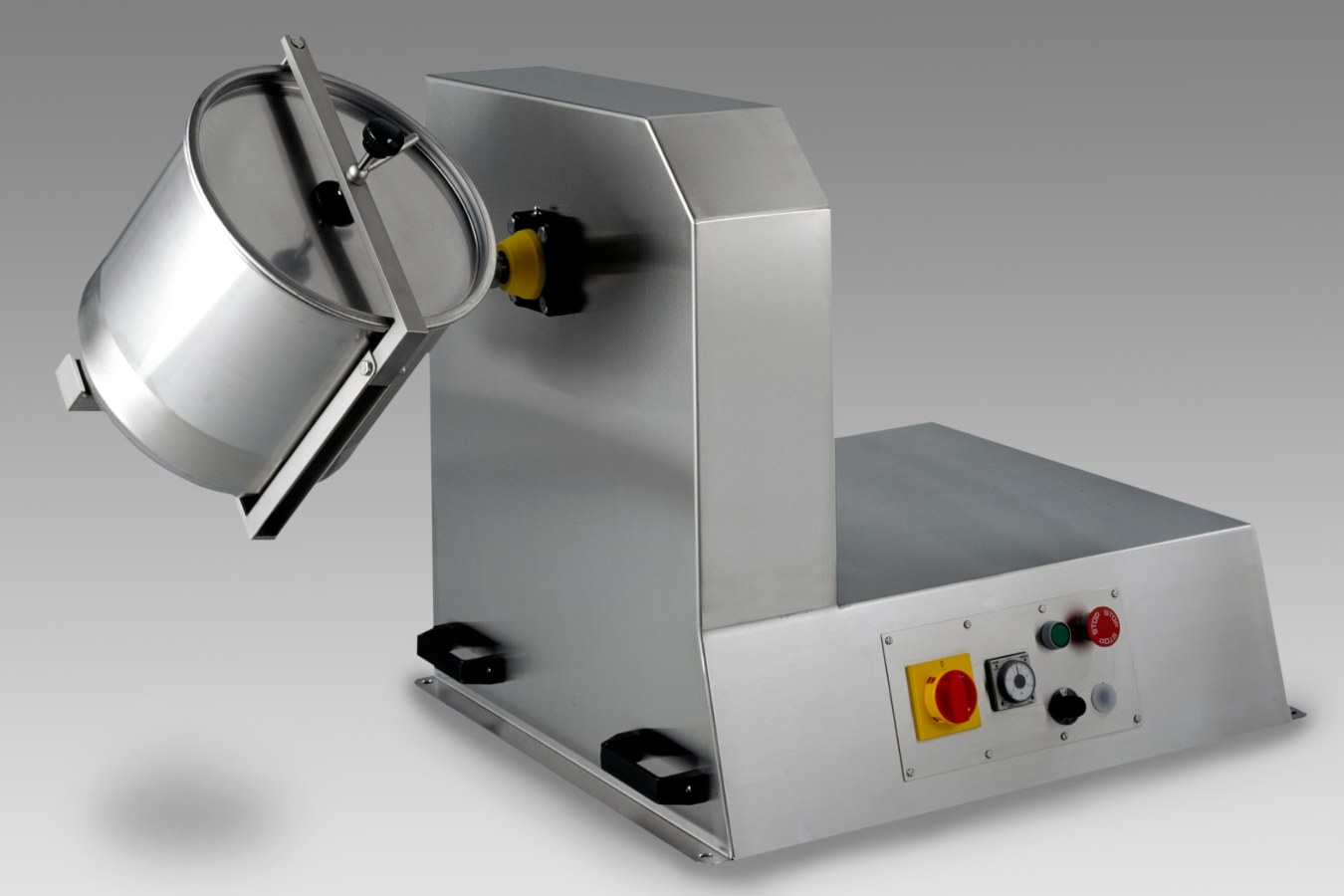
Laboratory Mixer Mixomat A with additional options The Mixomat A laboratory mixer is now also available with optional container heating and interior cooling (cooling of the mixing chamber).
Laboratory Mixer Mixomat A with additional options
The Mixomat A laboratory mixer is now also available with optional container heating and interior cooling (cooling of the mixing chamber). Mixomat drum mixers are used for mixing or pre-blending bulk materials in the chemi-cal, pharmaceutical, and food industries. Among other things, they are also suitable for powders and granulates that do not have optimal flow properties. The Mixomat drum mixer range has a modular design and includes mixers for a wide variety of container sizes and applications. The Mixomat A laboratory mixer is designed for quantities or batches of 3 to 26 li-ters, a maximum bulk material weight of 2 kg/l, and a maximum payload of 25 kg, with a weight of 90 kg. This mixer has the same features as the large drum mixers and, thanks to its mobility, can be used directly on site or in the laboratory area. The Mixomat A laboratory mixer is also available as a two-sided version and as a com-fortseries or ecoline version. The functionality is identical to that of its larger Mixomat counterparts: the container, filled to a maximum of 70% of its gross volume, is rotated upside down for a preselect-ed…
07-09-2026  |  257  |  product news  | 
Continue reading
GRANOMAT JP: Disc MIll for Wet and Dry Grinding Applications With the GRANOMAT JP, FUCHS Maschinen AG offers a disc mill for wet and dry size reduction on a single, flexible machine platform.
GRANOMAT JP: Disc MIll for Wet and Dry Grinding Applications
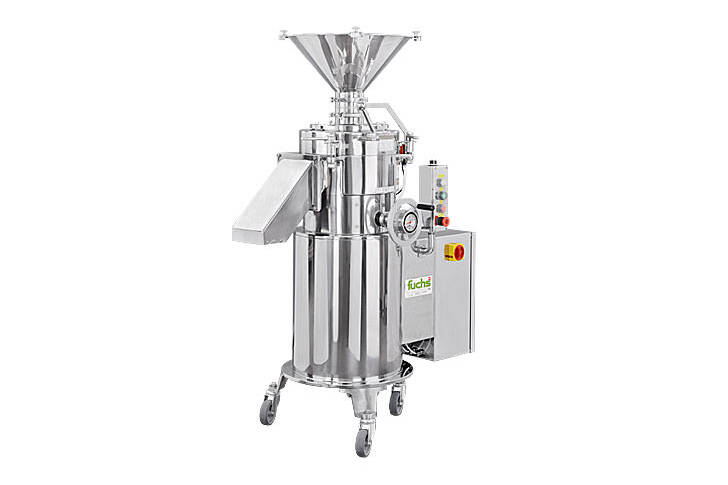
With the GRANOMAT JP, FUCHS Maschinen AG offers a disc mill for wet and dry size reduction on a single, flexible machine platform. The GRANOMAT JP from FUCHS Maschinen AG is a disc mill designed for both low-flour dry grinding and fine wet grinding applications. Depending on the selected grinding discs, the machine can process a wide range of bulk solids as well as suspensions and pastes. Three machine sizes for different requirements The GRANOMAT JP is available in three sizes with grinding disc diameters of DN 150, DN 250 and DN 360. Depending on the machine size, drive powers from 1.5 to 75 kW are available. This allows the series to cover applications ranging from laboratory and pilot-scale testing to industrial production processes. Depending on the product, grinding tools and required fineness, throughput rates range from 1 kg/h to 3,000 kg/h. Target particle sizes between 10 and 4,000 µm can be achieved with the appropriate grinding discs. Adjustable grinding gap during operation The grinding principle is based on a rotating rotor and a stationary grinding disc (stator). The product is guided…
06-08-2026  |  359  |  product description  | 
Continue reading
Homogeneous Bulk Solids Mixing Without Product Degradation Achieving a homogeneous blend while protecting sensitive powders and granulates is one of the key challenges in bulk solids processing.
Homogeneous Bulk Solids Mixing Without Product Degradation
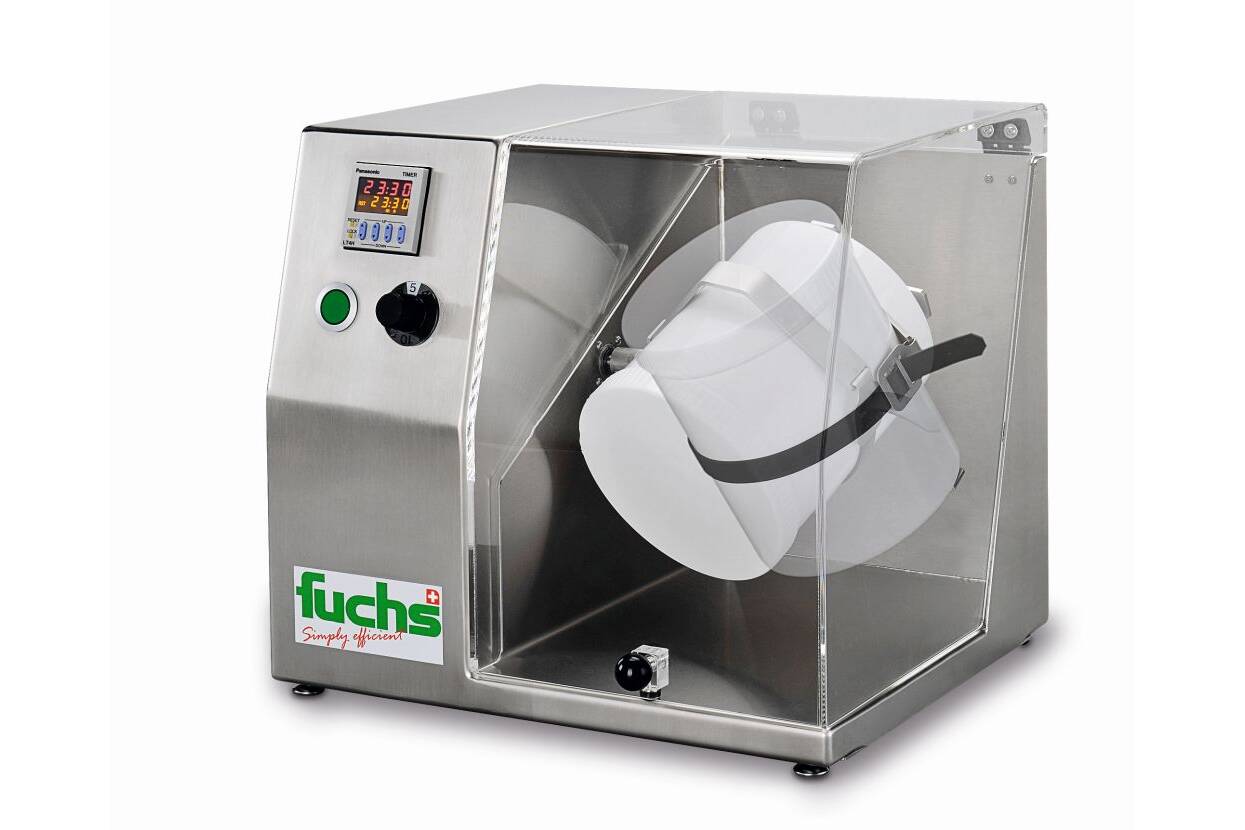
Achieving a homogeneous blend while protecting sensitive powders and granulates is one of the key challenges in bulk solids processing. Achieving a homogeneous blend while protecting sensitive powders and granulates is one of the key challenges in bulk solids processing. Differences in particle size, bulk density and flow characteristics can affect blend quality, while excessive mechanical stress may alter product properties. With its MIXOMAT range, FUCHS Maschinen AG offers tumble mixers designed for applications ranging from laboratory use to industrial production. Gentle Mixing for Sensitive Products Whether in the chemical, pharmaceutical or food industry, mixing processes require consistent, reproducible results while preserving product quality. Sensitive powders and granulates demand mixing technologies that ensure homogeneous blending without damaging particle structure. The MIXOMAT tumble mixers operate according to a three-dimensional mixing principle. The mixing container is filled to a maximum of 70% of its volume and rotated upside down during the preset mixing cycle. Because the container…
07-07-2026  |  682  |  product description  | 
Continue reading
From Laboratory Sample to Production Particle size, particle size distribution, and homogeneity influence numerous properties of powders and granules.A ccordingly, laboratories place great ...
From Laboratory Sample to Production
Particle size, particle size distribution, and homogeneity influence numerous properties of powders and granules.A ccordingly, laboratories place great ... Particle size, particle size distribution, and homogeneity influence numerous properties of powders and granules. Accordingly, laboratories place great emphasis on the careful preparation of raw materials and product samples. Grinding, pre-mixing, and particle size analysis are among the routine steps that precede many development and quality control tasks. New raw materials, modified formulations, or adjusted process parameters are typically evaluated in the laboratory before being introduced into production. To ensure comparable results, materials must be prepared under defined conditions. Variations in particle size or uneven distribution of individual components can significantly affect the assessment of material and product properties. FUCHS Maschinen AG, based in Granges-Paccot, Switzerland, develops and manufactures equipment for the processing of powders, granules, and other free-flowing bulk materials. Its product range includes solutions for grinding,…
10-06-2026  |  829  |  product description  | 
Continue reading
Modern Screening Technology Improves Throughput and Product Quality With the SIFTOMAT and SIFTOMAT food, FUCHS Maschinen AG provides solutions for demanding screening applications in the plastics, food and bulk solids industries
Modern Screening Technology Improves Throughput and Product Quality
With the SIFTOMAT and SIFTOMAT food, FUCHS Maschinen AG provides solutions for demanding screening applications in the plastics, food and bulk solids industries In many bulk solids processes, overall plant performance is not determined by the conveyor or mixer – but by the screening machine. Whenever high throughput rates, demanding product quality or difficult material characteristics come together, the screening process often becomes the critical process step. Blocked screen meshes, reduced separation efficiency and unplanned downtime directly affect product quality and plant efficiency. Modern screening technology therefore has to deliver far more than simple particle separation. Fine, sticky or moist bulk materials in particular tend to block screen apertures. As a result, the open screening area is continuously reduced, leading to lower throughput, reduced screening accuracy and increasing machine load. Even small agglomerates or foreign particles can negatively affect downstream processes or cause quality issues. Especially in the plastics, food and chemical industries, process reliability and reproducible screening…
07-05-2026  |  780  |  product description  | 
Continue reading
PORTALS
✓ BulkSolids-Portal Schuettgut-Portal Recycling-Portal
Related
Bulkgids.nl
SIGN UP FOR OUR NEWSLETTER
Newsletter archive
Service and contact
About, ContactDisclaimerPrivacyAdvertisingControl panel login
Follow us
Linked
Supplier sign in