How Humidity Dictates Spray Drying Outcomes
In spray drying, humidity has a significant influence on the entire process. Both the absolute humidity in the supply air and in the exhaust air directly determine the drying dynamics - with consequences for energy efficiency, product quality and process safety.
The Cost of High Supply and Exhaust Humidity
Excessive humidity in the supply air reduces the vapour pressure gradient between the product and the air. The consequences are reduced evaporation rates, longer drying times and higher energy consumption. At the same time, high exhaust air humidity can be an indication of inefficient drying, for example due to condensation, inadequate air routing or overloading of the system. In such cases, undesirable material deposits often occur.
The Hidden Risks of Overdrying Your Product
Excessively low humidity in the exhaust air should be viewed critically. It often indicates overdrying. This leads to unnecessary energy consumption and can also impair product quality. Loss of flavour, powder breakage and increased dust formation are typical consequences.
Why Absolute Humidity is a Vital Control Metric
Absolute humidity is a key control parameter. It has a decisive influence on how much moisture the air can absorb and therefore how effectively evaporation takes place. Without reliable measurement of this parameter, it is difficult to control the desired degree of drying and process control, and fluctuations in the ambient or process air remain undetected. This leads to inconsistent product quality, higher reject rates, inefficient use of energy and potential caking or safety risks.
Real-Time Process Visibility with REMBE CO.Pilot
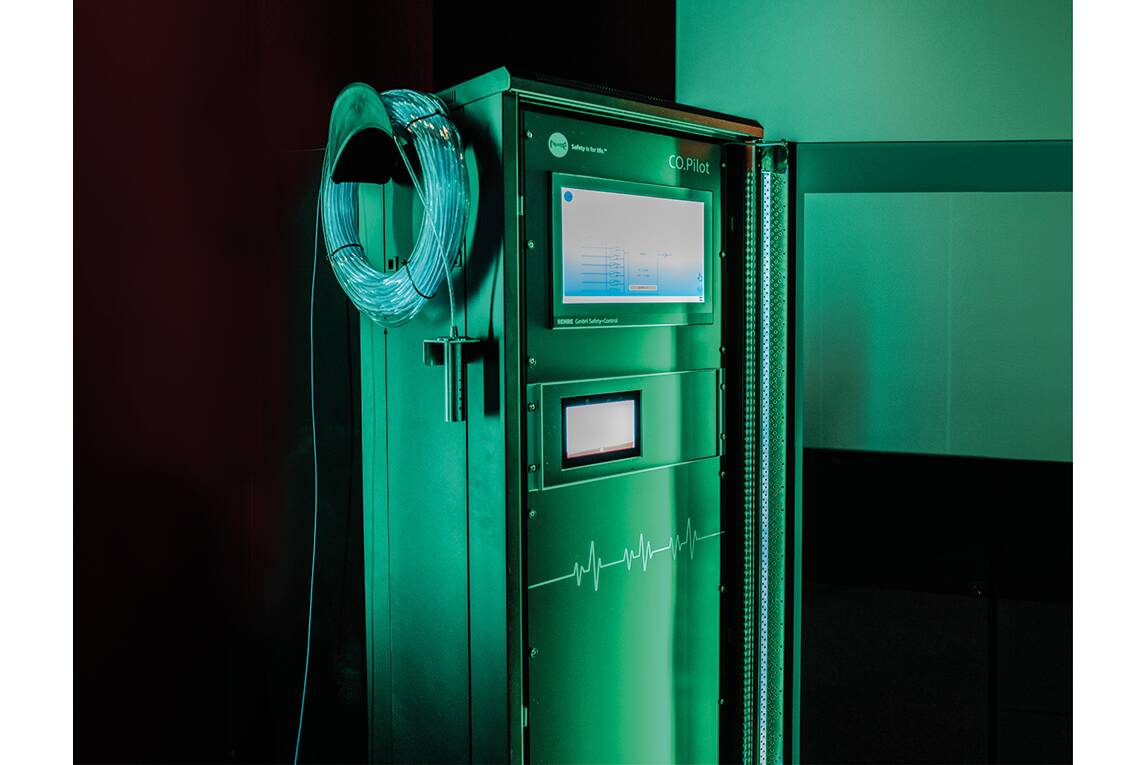
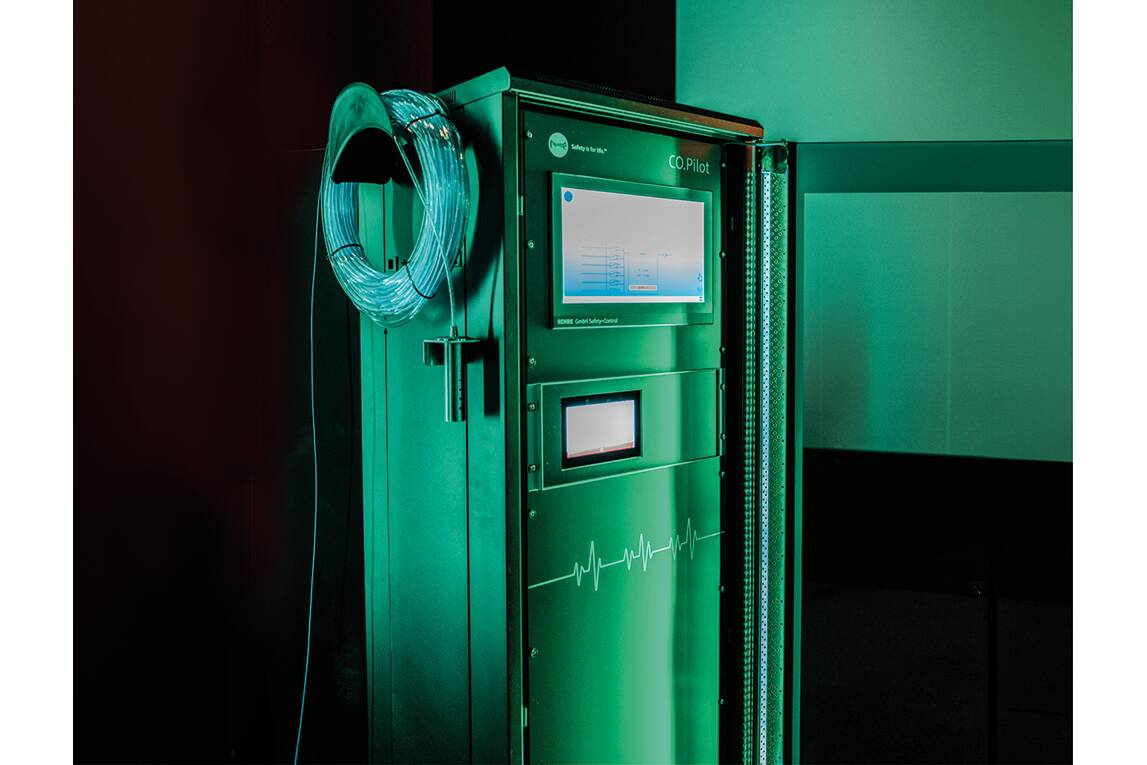
This is exactly where the CO.Pilot from REMBE comes in. The system measures the absolute humidity of the supply air and exhaust air in real time and without the need for complex maintenance. This makes the actual drying conditions completely visible. This data can be used to control processes in a targeted manner, use energy more efficiently and stabilize production processes in the long term. The CO.Pilot demonstrably recognizes changes in humidity in the range of seconds and provides continuous measurement data. This allows the operator to adjust the process directly, e.g. by modifying the drying parameters.
The benefits at a glance
- Energy savings
- More consistent drying profiles,
- Improved reproducibility,
- Reduction of product deposits,
- Carbon monoxide monitoring for detecting smoldering embers and incipient fires
Double Protection: Efficiency Meets Fire Safety
The combination of humidity measurement and CO detection for early fire detection in a single, robust system. The CO.Pilot covers two critical process aspects: Efficiency and safety, a smart tool for modern drying technology.