Whether wheat flour, rye flour, meal, grain or animal feed, the bagging process is a key factor in productivity, quality and cost-effectiveness for many mills and compound feed plants.
Increasing production volumes, stringent quality requirements and the growing shortage of skilled labour are presenting the industry with new challenges. At the same time, process reliability, hygiene and cost-effectiveness are becoming increasingly important in packaging operations.
This raises a key question: Is a semi-automatic bagging solution sufficient, or is it time to invest in a fully automatic bagging system? There is no one-size-fits-all answer. The decision depends on production volumes, the product portfolio, staff availability and future production requirements.
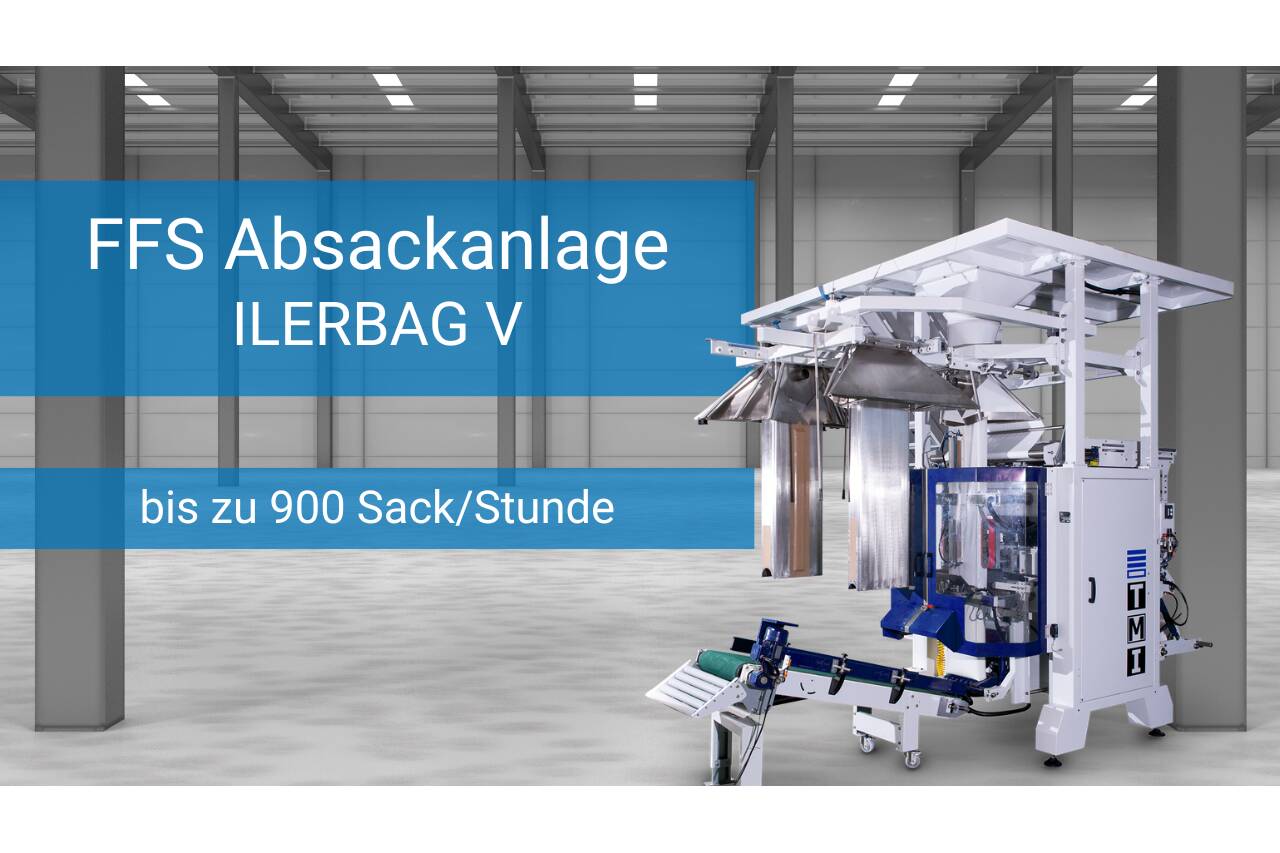
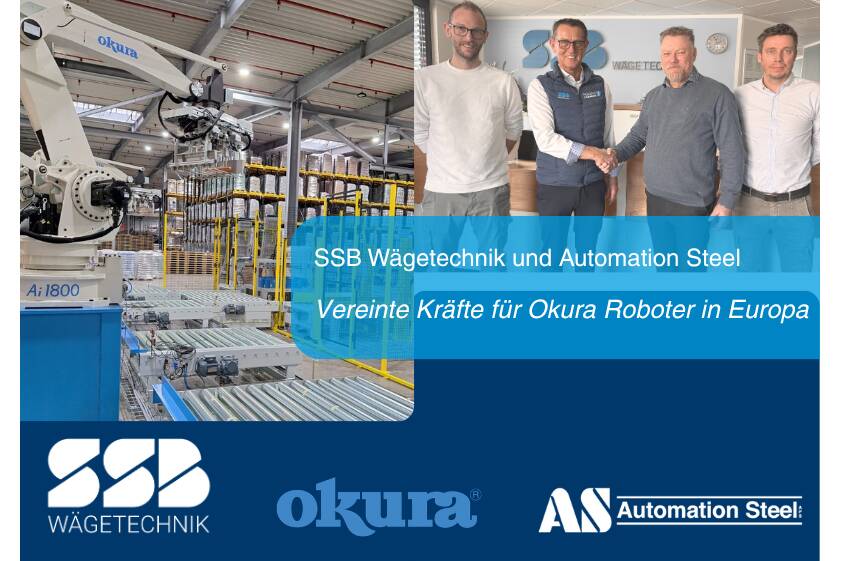
This is precisely where TMI and SSB Wägetechnik come in. Through close collaboration between the two companies, customised solutions are developed for the milling, grain and animal feed industries, ranging from precision weighing technology and high-performance bagging systems to complete packaging and palletising lines. The aim is to deliver systems that operate economically and reliably, are designed for the future and can be optimally adapted to individual production requirements.
Automatic or Semi-Automatic Bagging System?
Both semi-automatic and fully automatic bagging systems automatically dose and weigh the product. The key difference lies in how the bag itself is handled.
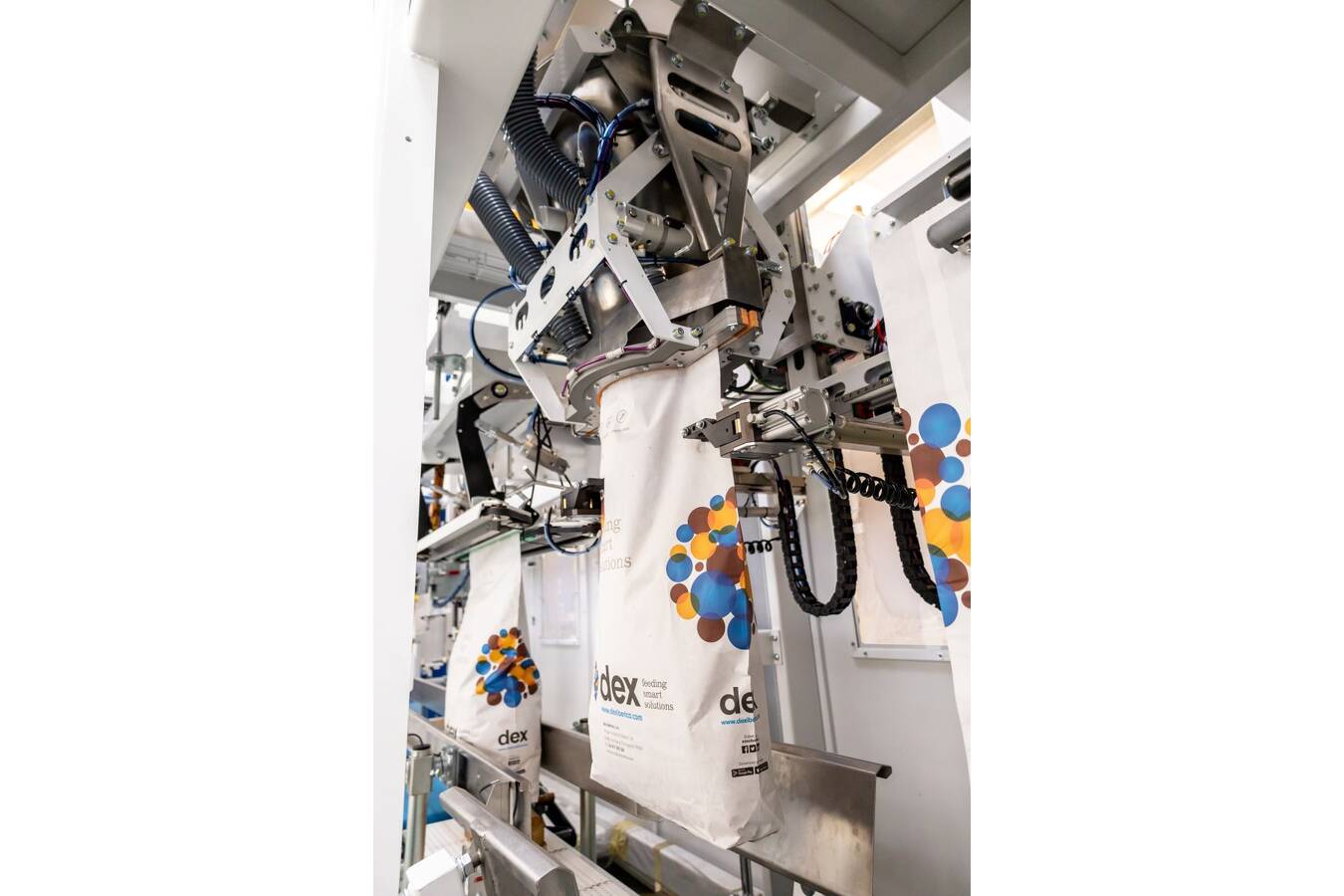
With a semi-automatic system, the operator places the empty bag onto the filling spout. Once filled, the bag is sealed and conveyed onwards. With a fully automatic solution, the system performs every stage of the process, from picking up and opening the empty bag through to filling, sealing and transferring it to the palletising system.
This also changes the role of operating personnel. Instead of carrying out physically demanding, repetitive tasks, their focus shifts to monitoring the process and ensuring that the system is supplied with empty bags and consumables.
Benefits for Mills and Feed Producers
Automation offers significant advantages, particularly when bagging flour, grain, meal or animal feed.
- Consistent Line Performance
Automatic systems operate at a consistent speed and with a high degree of repeatability. This increases production capacity and improves planning reliability, particularly where high volumes or multi-shift operation are involved. When filling 25 kg or 50 kg bags of flour, grain or animal feed, a continuous product flow ensures a high level of process stability and improves the utilisation of downstream equipment. - Improved Process and Product Quality
Automatic bag positioning ensures precise filling weights and consistently clean, reliable bag closures. This reduces rework, product waste and downtime. - Improved Working Conditions
Flour and animal feed products are often associated with high levels of dust. Automated bag handling reduces direct contact between operators and the product. At the same time, the physical workload for employees is reduced considerably by minimising repetitive manual tasks
What Requirements Need to Be Met?
A fully automatic bagging system requires a higher initial investment than a semi-automatic solution. Whether this investment is economically viable depends primarily on production volumes, labour costs and the company’s planned growth targets.
In addition, automatic systems require more space due to the additional modules needed for bag feeding and handling. Regular preventive maintenance and appropriately trained operating personnel also play an important role in ensuring high long-term system availability.
When Is Automation Worthwhile?
An automatic bagging system becomes particularly cost-effective when large volumes are being processed and high system availability is required. Automation can also provide a significant competitive advantage in situations where labour costs are rising or skilled workers are difficult to recruit.
For mills and animal feed producers, hygiene and dust control are also important considerations. Reduced manual contact with the product not only improves working conditions but also helps maintain consistently high packaging quality.
Should Bagging or Palletising Be Automated First?
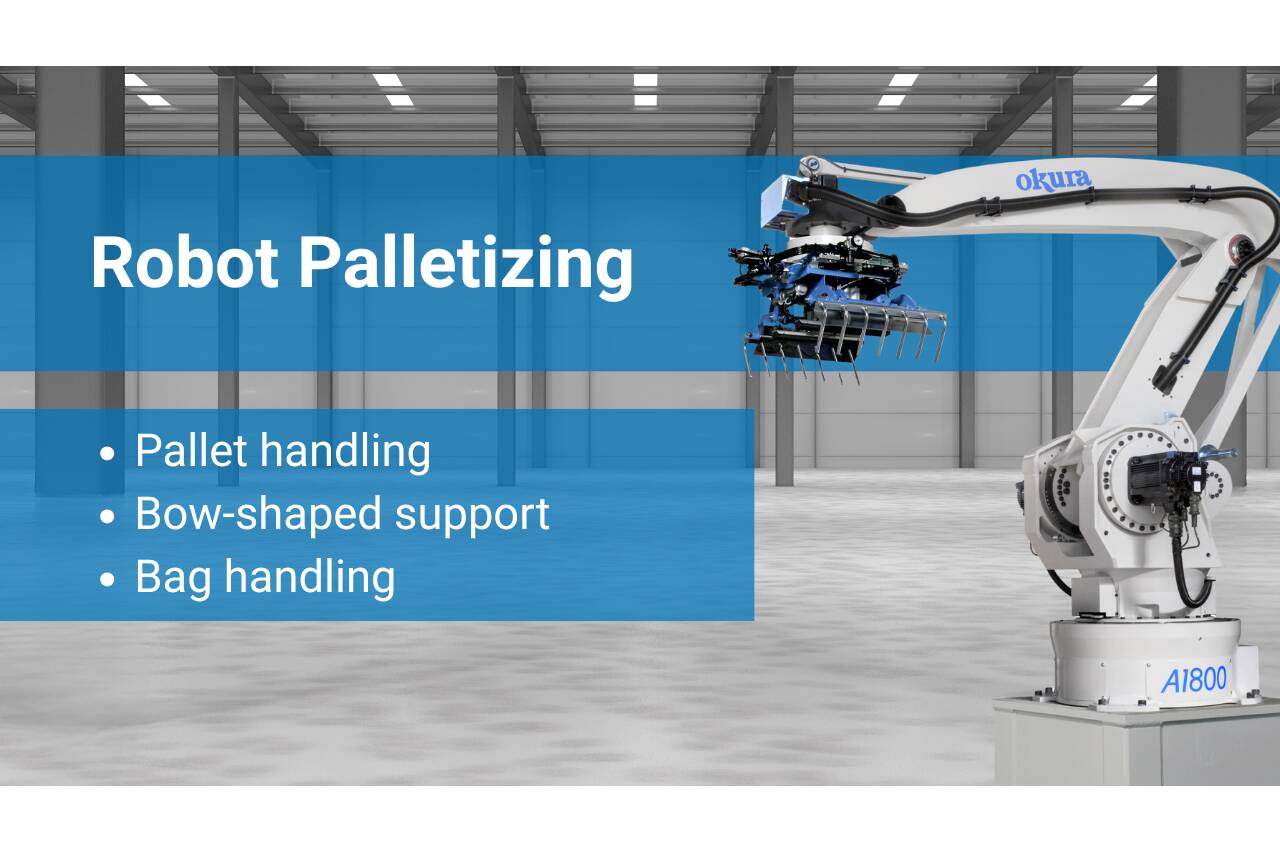
When the available investment budget is limited, the question often arises as to which process should be automated first. Although manual palletising is particularly physically demanding, in many operations the performance of the bagging system determines the throughput of the entire line.
It is therefore advisable to begin by analysing the actual bottleneck. If this lies within the bagging process, automating this stage will generally deliver the greater economic benefit. Palletising automation can then be added as the next logical step.
This is where coordinated system planning offers a particular advantage: bagging technology, conveying systems, palletising and weighing technology are not considered in isolation, but designed as an integrated overall system. This helps reduce interfaces, optimise processes and sustainably improve overall equipment efficiency.
Precision as a Quality Factor
In mills and the animal feed industry, dosing accuracy affects not only product quality but also cost-effectiveness. Even minor overfilling can add up to substantial product losses at high production volumes. At the same time, underfilling must be avoided to ensure reliable compliance with legal requirements and customer specifications.
Modern bagging systems combined with high-precision weighing technology ensure reproducible filling weights, helping to maintain consistently high product quality while improving process control.
Dust Management and Occupational Safety
Bagging flour, meal or animal feed inevitably generates dust. Automated bag handling reduces dust release around the packaging line and consequently improves working conditions.
At the same time, a controlled bagging process makes it easier to comply with hygiene requirements and contributes to a cleaner production environment. Depending on the product and system design, additional dust extraction or explosion protection measures may also be appropriate.
Future-Proof Investment
Many mills modernise their production facilities gradually. When selecting a bagging system, it is therefore important to consider from the outset whether the line can be expanded at a later stage, for example by adding automatic bag feeding, palletising, stretch hood or wrapping systems, as well as digital monitoring solutions.
A modular system concept makes it possible to adapt production capacities to future requirements and spread investment across several stages of expansion.
Conclusion
Whether flour, grain or animal feed, the demands placed on modern bagging processes are continuously increasing. Automatic bagging systems enable higher productivity, consistent packaging quality and improved working conditions.