Blending bulk solids, maintaining particle structure and avoiding dust
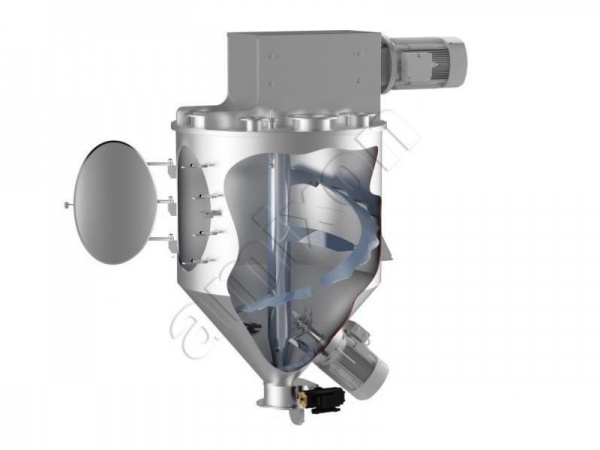
Dust is produced wherever dusty goods are processed. Dust binding by wetting can take place gently and precisely in amixon® mixers. Challenges of Industrial Dust
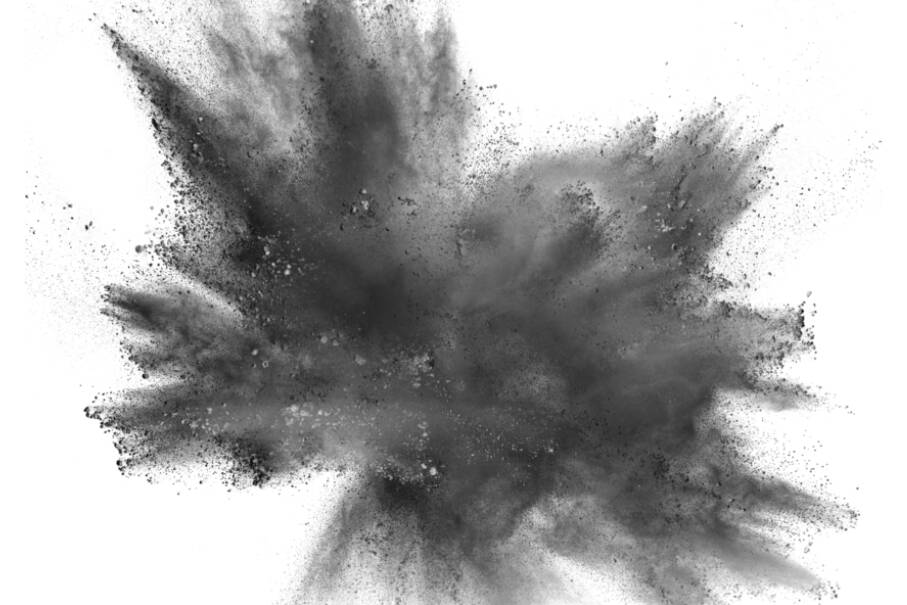
Wherever powdery goods are processed, dusts are an inevitable byproduct. Their problematic nature stems from their ability to escape through even the smallest leaks in equipment like big bags, mixers, silos, pipelines, and filling plants. Once airborne, dust can remain suspended for extended periods, settling on all surfaces, particularly horizontal ones. A sudden air current can easily re-suspend settled dust, creating a cycle of contamination. Furthermore, some dusts are hygroscopic, meaning they absorb moisture from the air, making surfaces sticky and difficult to clean. Salt dusts, for example, can also be corrosive. Beyond being a nuisance, dusts pose significant hazards; organic dusts, especially when fine and dry, can be both combustible and explosive. In the workplace, dusts invariably impact well-being and irritate the respiratory tract. Economically, escaping dust represents material loss and incurs disposal costs.
Nanoparticles…