Supplier sign in
Home
STAY INFORMED
Subscribe to our monthly newsletter.
Your email address will never be disclosed to any third party.
Read our privacy notice.
EVENT
01-12-2026 – 02-12-2026
Share:
Type:Short courseDuration:2 daysStarts:01-12-2026Ends:02-12-2026Place:Chatham Maritime, Kent, UKEntry:paid
More information

Pneumatic Conveying System Design

Short course

Advanced Course: Pneumatic Conveying System Design

An in-depth exploration of detailed calculations and design for pneumatic pipelines.

This course is aimed at practitioners already familiar with the basics of pneumatic conveying.
Course fees are £915, discounted for returning delegates from other courses, and 2 or more registrations from one company

This is also available as an In-Company course.

This course is delivered in English.
Pneumatic Conveying System Design 01-12-2026 02-12-2026 Chatham Maritime, Kent, UK

Related events

Short course Dust Control for Processes
Overview: An exploration of the different methods for dust prevention, capture and extraction. Subjects covered: * Characterisation of bulk particulates - covering bulk behaviour, particle size distribution, bulk density, the need for characterisation, key materials characteristics. * Materials handling - covering vessel geometry and type, feeders and flow problems. * Dust control - covering prevention and contamination, extraction, capture (filters) and venting. * Guidance on dust control Course fee: £375 per delegate The course will be delivered online in English. If you are interested in receiving this course in German, please contact us to arrange.
14.06.2023 | Short course | 1 day | on-line | Entry: paid
PASSED
Course Rotary Valves: Design, Selection and Operational Issues
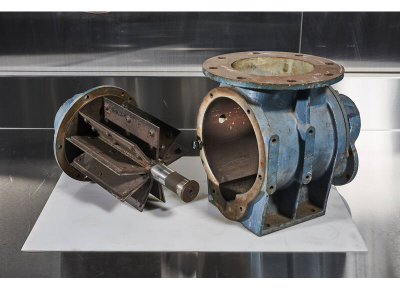
Rotary valves are widely used to feed pneumatic conveying pipelines, and for feed metering, explosion isolation, atmospheric isolation etc. However there are a multitude of combinations of different feature options available covering choice of materials of construction, rotor type, drive type, venting arrangements, bearing pattern, seal choice, clearances, cleaning features etc. Faced with this bewildering choice, how does an engineer decide what to specify? This course will help understand the reasons for the different options and how to choose them. Topics will include: * Application areas for rotary valves, and their different demands (feeding, explosion protection, isolation etc) * Basics of rotary valve performance – air leakage, feed rate etc * Materials of construction linked to issues of wear and build-up * Seals and bearings, options, functions and selection * Special consideration for explosion isolation * ATEX requirements and responsibilities * Features for cleaning and preventing contamination * Venting – needs, options and ensuring success * Review of practical application issues The course is aimed at engineers, system designers, maintenance personnel who have responsibility for sourcing, specifying and keeping operational rotary valves in all industries. Course fees are £580 per person

24.02.2026 | Course | 1 day | Chatham Maritime, Kent, UK | Entry: paid
PASSED
Course Pneumatic Conveying of Bulk Solids
Overview: This intensive course looks at system components, design techniques, operation and control of blow tank systems, explosion hazards and operational problems, as well as the important but often neglected area of interfacing storage bins with conveying systems. Subjects covered: * Techniques for reducing product degradation during conveying * Ways to reduce maintenance, repair and unplanned stoppages to pneumatic conveying equipment * Methods of reducing energy consumption * How to troubleshoot problematic systems * How to eliminate blockages in pneumatic pipelines * Explosion Hazards including ATEX Directives * Operation and control of blow tanks * System selection and operation * Interfacing storage bins to conveying systems * Relevant case studies from industry Course fee: from £915. Discounted are offered for returning delegates and 2 or more registrations from one company.
17.11.2026 – 18.11.2026 | Course | 2 days | Nether Langwith, Notts | Entry: paid
Course Troubleshooting and Commissioning Pneumatic Conveying System
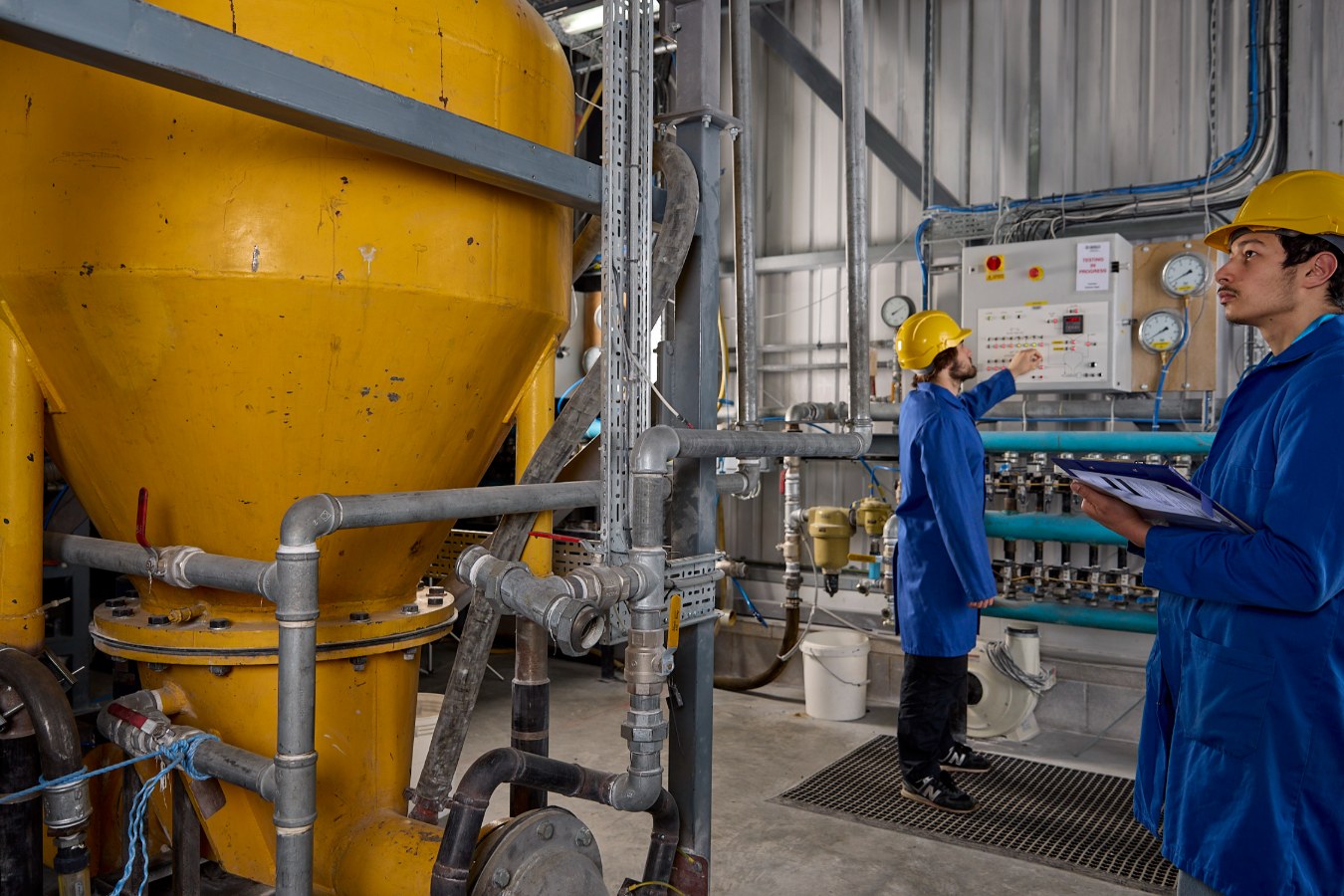
Overview: Delegates will look at the setting up and commissioning of pneumatic conveying systems. This course is a ’Hands on’ fully practical session using the pneumatic conveying lines and rotary valves in the on-site laboratories in Chatham. Subjects covered: * The practical challenge of starting up systems on site and making sure they work as the designer intended; * Understand the key signals to look out for that tell you how the system is operating; * Avoiding pitfalls that can lead to slow start up, blockages etc; * How to know when the system is operating as intended; * Ensuring the system is optimised around the users priority requirements eg. minimum energy usage/ particle blockage / system wear; * It also covers lean and dense phase, rotary valves, blow tanks and various air supply types Course fee: £915 per delegate Venue: Chatham, Kent Contact: Caroline Chapman
23.02.2027 – 24.02.2027 | Course | 2 days | Chatham, UK | Entry: paid

Event organizer

Related items

2-day in-depth course: Pneumatic Conveying System Design 2 day in-depth short course for Engineers involved in the design or troubleshooting of pneumatic conveying systems
2-day in-depth course: Pneumatic Conveying System Design
2 day in-depth short course for Engineers involved in the design or troubleshooting of pneumatic conveying systems If you are tasked with designing Pneumatic Conveying systems, this course is designed for you. An advanced in-depth exploration of detailed calculations for design of pneumatic pipelines and specifying plant. The course will cover: * Lean versus dense phase – relative advantages in practical application, and applicability to different materials; * A detailed look at obtaining conveying information for the material to be handled, and how to scale this up for pipeline design; * Different equations for predicting pipeline pressure drop and throughput; * Stepped bore pipelines – how they enhance system performance and reduce problems, and how to design them; * Differences in powder behaviour; * A detailed look at bends; radius, pressure drop, wear, particle damage and material build-up; * Air humidity effects – psychrometry and moisture calculations, and controlling interaction or airborne moisture with the powder; * Practical details – choice…
16-04-2026  |  1428  |  product news  | 
Continue reading
Handling Bulk Materials; What’s the Big Deal? Process technologies have advanced enormously the past decades. But  flow problems have persisted. This article will discuss some of the more common causes. 
by R.J. Farnish
Handling Bulk Materials; What’s the Big Deal?
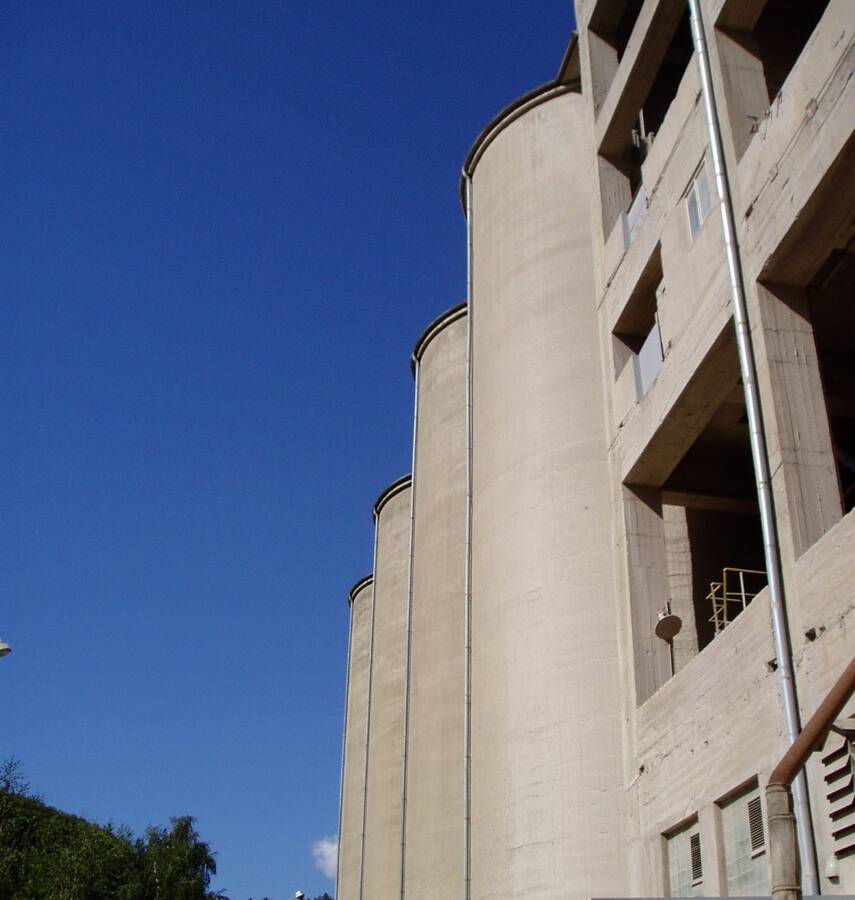
Process technologies have advanced enormously the past decades. But flow problems have persisted. This article will discuss some of the more common causes. by R.J. Farnish The movement and storage of bulk materials within processes has been a fundamental activity for many plants since the event of the industrial revolution in the 18th century. Process technologies have advanced enormously in their sophistication and efficiency over the intervening period to the current day. If it were possible to bring an engineer from the early days of industrialisation to see what is available today they almost certainly would not believe their eyes at the sheer diversity of plant equipment tailored for specific process requirements and end products. Sadly, what they probably would be able to relate to are the silos, bunkers and hoppers that function poorly and are often on the receiving end of the not so tender attentions of plant operators. This article will discuss some of the more common causes of processing/flow problems that have persisted over the decades. Fundamentals The discharge problems that are experienced when handling bulk…
05-03-2021  |  3231  |  specialist article  | 
Continue reading
PORTALS
BulkSolids-Portal Schuettgut-Portal Recycling-Portal
Related
Bulkgids.nl
SIGN UP FOR OUR NEWSLETTER
Newsletter archive
Service and contact
About, ContactDisclaimerPrivacyAdvertisingControl panel login
Follow us
Linked