Hygienic Design in the Food Industry
How hygienic equipment design improves safety and efficiency in bulk solids filling
Hygienic production conditions are a fundamental requirement in the food industry to ensure product safety, quality, and stable processes. Especially in the handling and filling of powdered bulk materials, product residues, dust emissions, and hard-to-clean machine areas pose significant risks. Hygienic design therefore follows a constructive approach aimed at eliminating potential sources of contamination already during the design phase of machines and systems.
Hygienic design as an engineering principle
Hygienic design refers to the consistent hygienic construction of machine components, surfaces, and transitions. The objective is to avoid dead spaces, horizontal surfaces, and complex geometries that are difficult to clean. Smooth, closed surfaces, radial transitions, and fully drainable components significantly reduce product adhesion and simplify cleaning procedures.
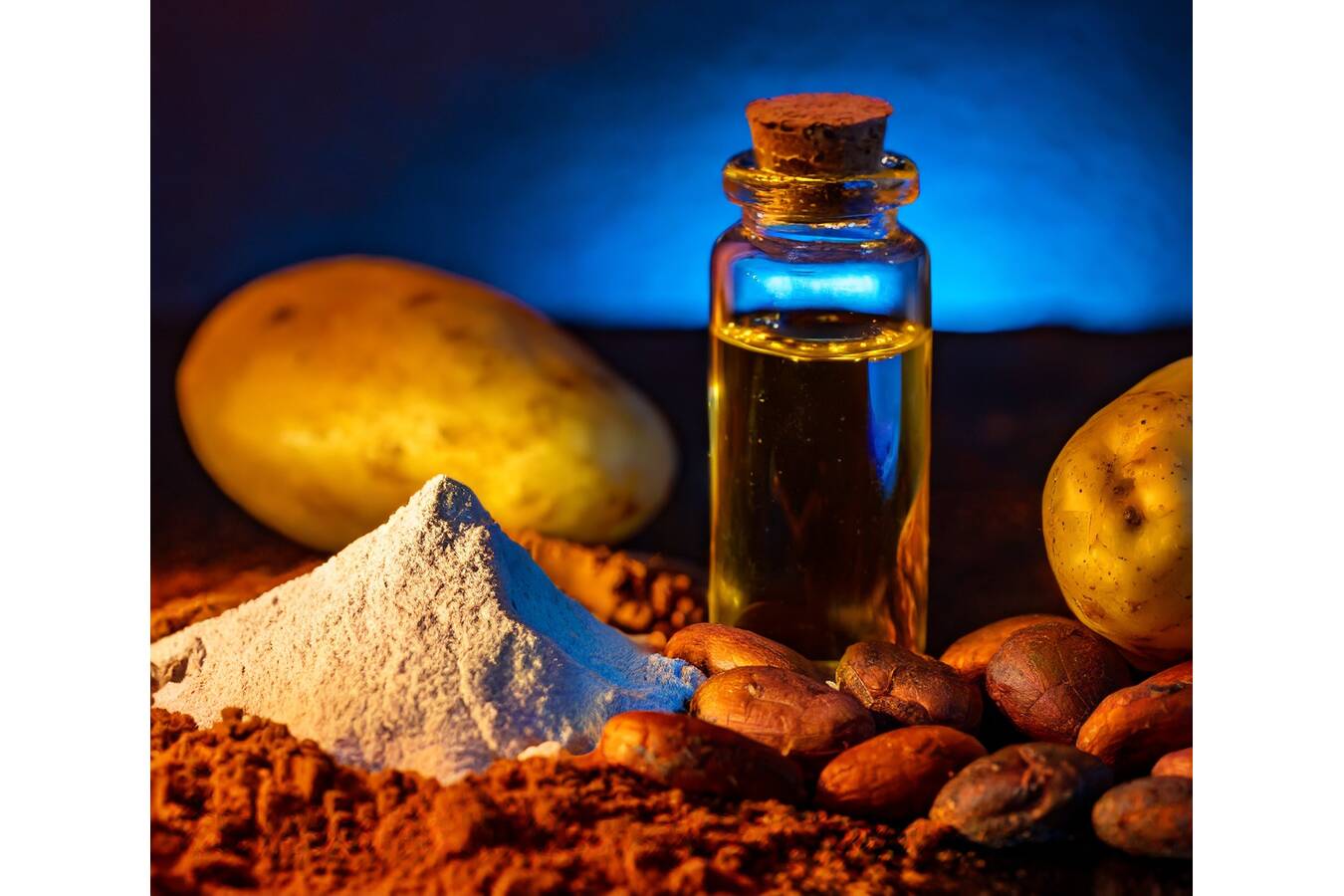
In bulk solids filling applications—such as milk powder, cocoa, starch, or protein-based ingredients—this type of design helps minimize microbiological risks and ensures reproducible hygiene standards.
Regulatory requirements and audit readiness
Food manufacturers are subject to a wide range of national and international regulations. Hygienic design supports compliance with relevant requirements such as EU Regulation 1935/2004, GMP guidelines, and HACCP concepts. A risk-based design approach allows potential contamination points to be identified early and addressed through appropriate engineering measures.
Another key advantage is improved audit readiness. Equipment that is clearly structured, easily accessible, and designed for hygienic inspection simplifies both internal and external audits and reduces the organizational effort required in quality management.
Technical solutions for critical process points
In practice, hygienic design becomes particularly relevant at sensitive process areas such as the filling zone, component interfaces, or bag sealing. Integrated aspiration systems can significantly reduce dust emissions and help prevent cross-contamination within the production environment.
Packaging integrity also plays a critical role. Reliable sealing technologies ensure that product losses are avoided and hygienic conditions are maintained throughout transport and handling. In addition, sensor-based monitoring systems allow continuous control of critical process steps.
Cleaning as an efficiency driver
A major economic benefit of hygienically designed equipment lies in cleaning efficiency. Smooth surfaces, good accessibility, and complete drainability significantly reduce cleaning time. Optional integrated wet cleaning systems enable automated and documented cleaning processes—particularly beneficial for frequent product changes or allergen-critical applications.
Reduced downtime, lower consumption of cleaning media, and higher equipment availability directly improve operational efficiency and contribute to a lower total cost of ownership.
Hygienic design as a competitive factor
Beyond food safety and efficiency, hygienic design is increasingly becoming a strategic differentiator. Clean processes, dust-free packaging, and consistent product quality positively influence the market perception of manufacturers and strengthen trust among customers and partners.
Modular equipment concepts allow hygienic requirements to be flexibly adapted to different bulk materials and production conditions. As a result, hygienic design becomes a key element for future-proof, high-performance filling solutions in the food industry.
Learn more
The whitepaper “Hygienic Design in the Food Industry” provides an in-depth overview of hygienic equipment design principles for powder filling applications. It explains how well-engineered machine design helps improve food safety, reduce cleaning effort, and increase process reliability in food-grade production environments.
Download the whitepaper now, through the link in the box on the right.