Optimising moisture control in aquafeed pelleting processes
Accurate moisture measurement in aquafeed processing improves feed quality, optimises energy use, and prevents process blockages. Digital sensors enable continuous monitoring from intake silos to final cooling.
Role of moisture in aquafeed processing
Aquafeeds require a balanced mix of proteins, carbohydrates, lipids, minerals, and vitamins for healthy aquatic organism growth. Pelleting and extrusion increase gelatinisation and digestibility while maintaining feed palatability and water stability. Accurate moisture control across processing stages ensures consistent product characteristics, reduces material waste, and helps optimise overall plant energy consumption.
Strategic sensor placement along the production line
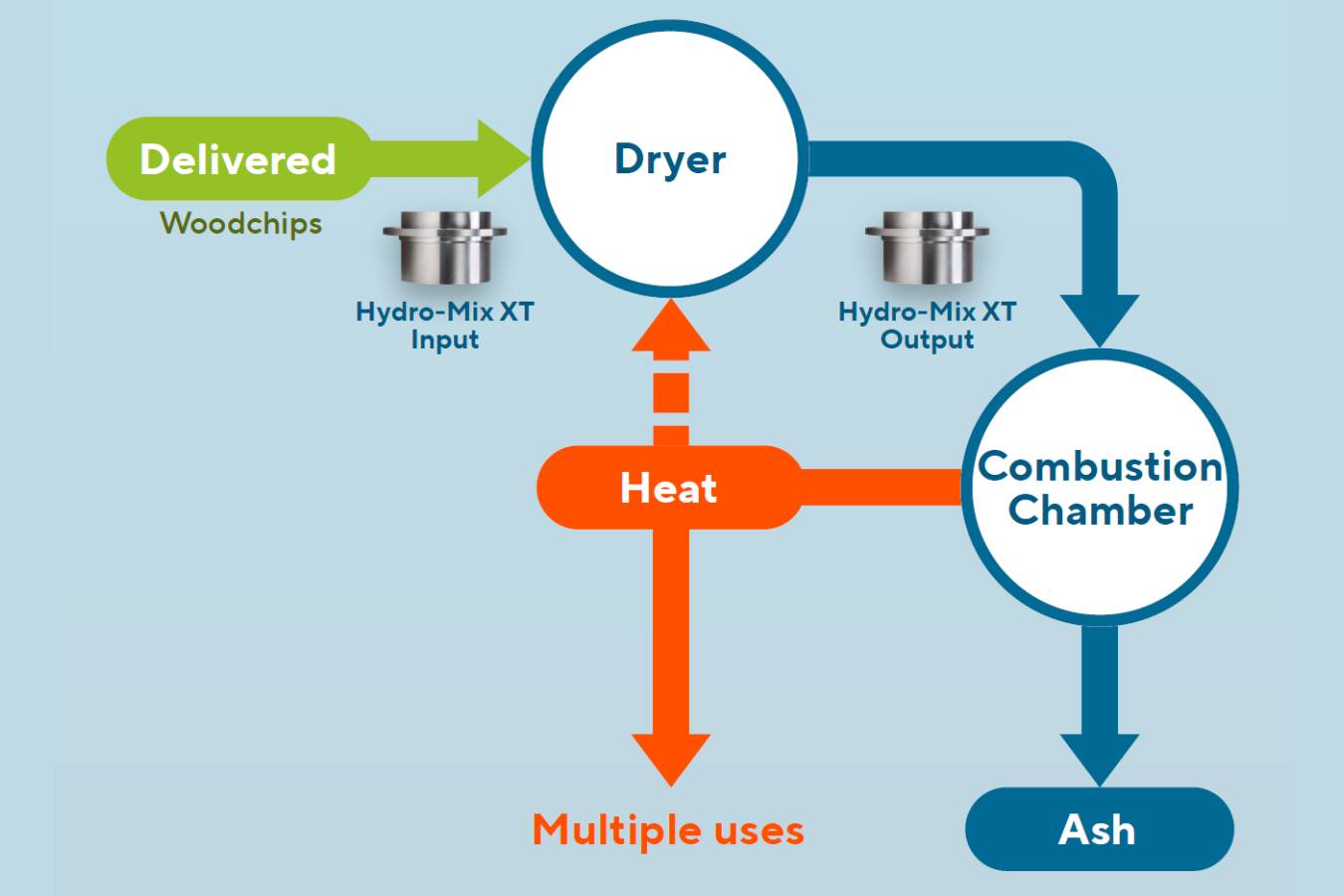
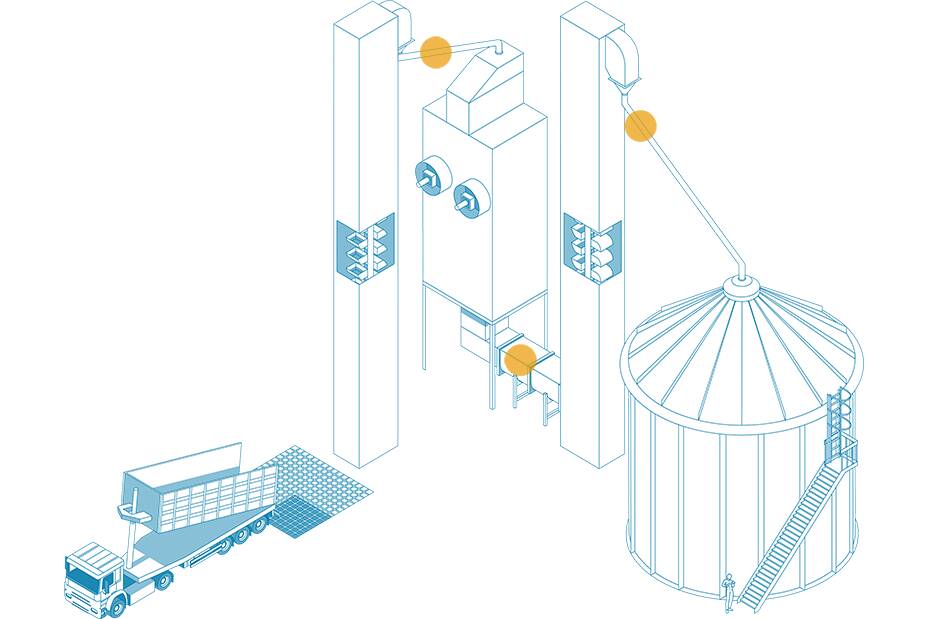
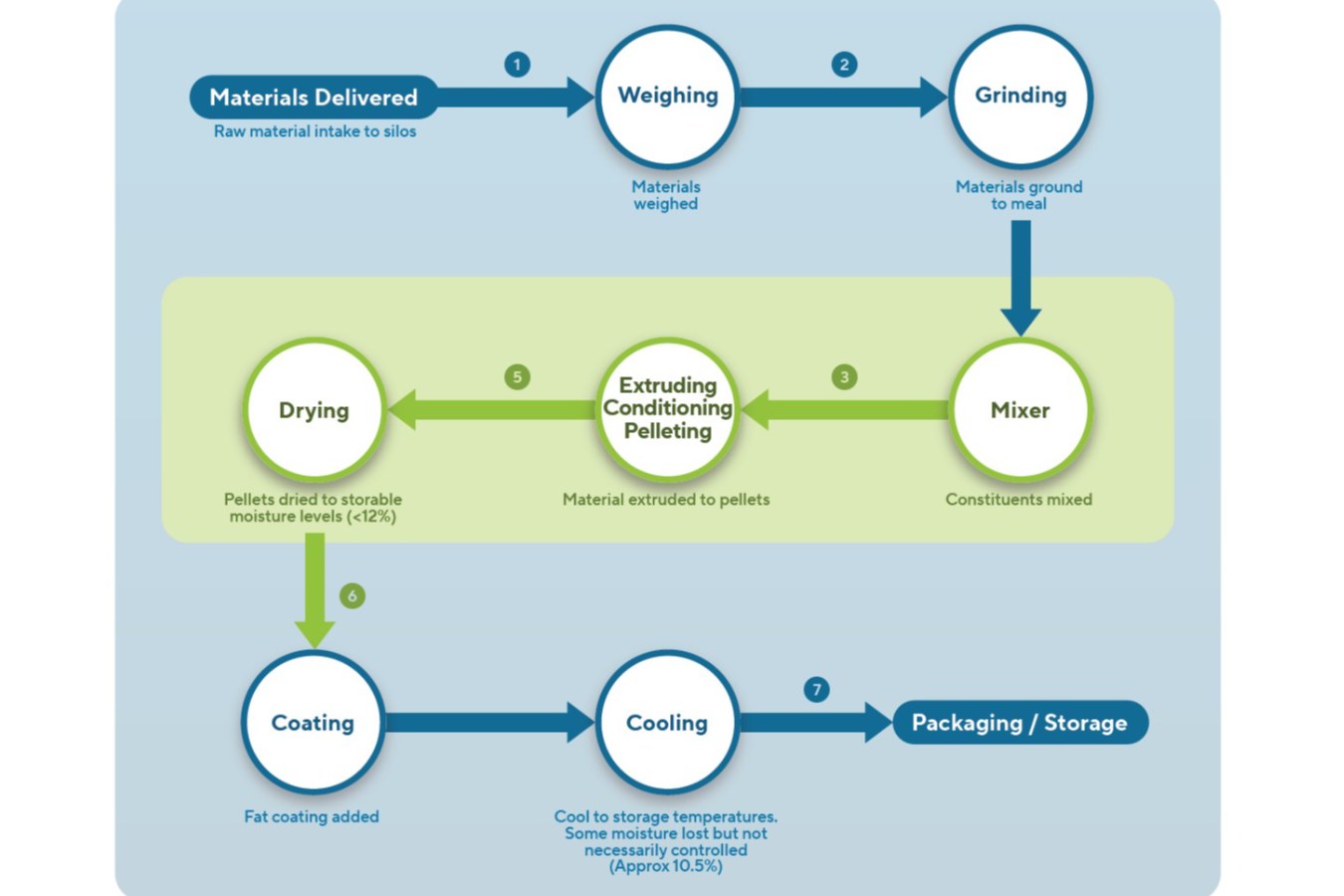
Effective moisture control requires inline digital sensors placed at key processing points. Installing sensors between raw material intake and storage silos prevents unsuitable ingredients from entering the system. Moisture monitoring before grinding reduces equipment wear and improves process efficiency, while measurement in the mixer allows precise water addition prior to extrusion. Further continuous monitoring at dryer inputs and outputs enables feed-forward and feedback process control, complemented by final quality checks after cooling.
Installation methods and sensor technology
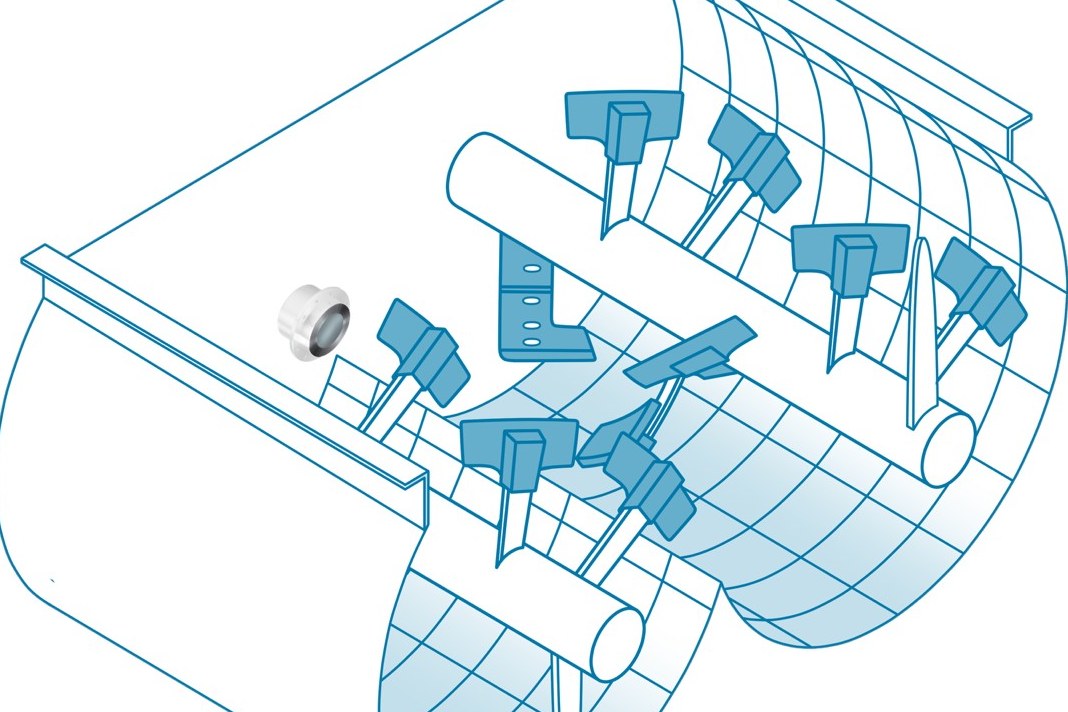
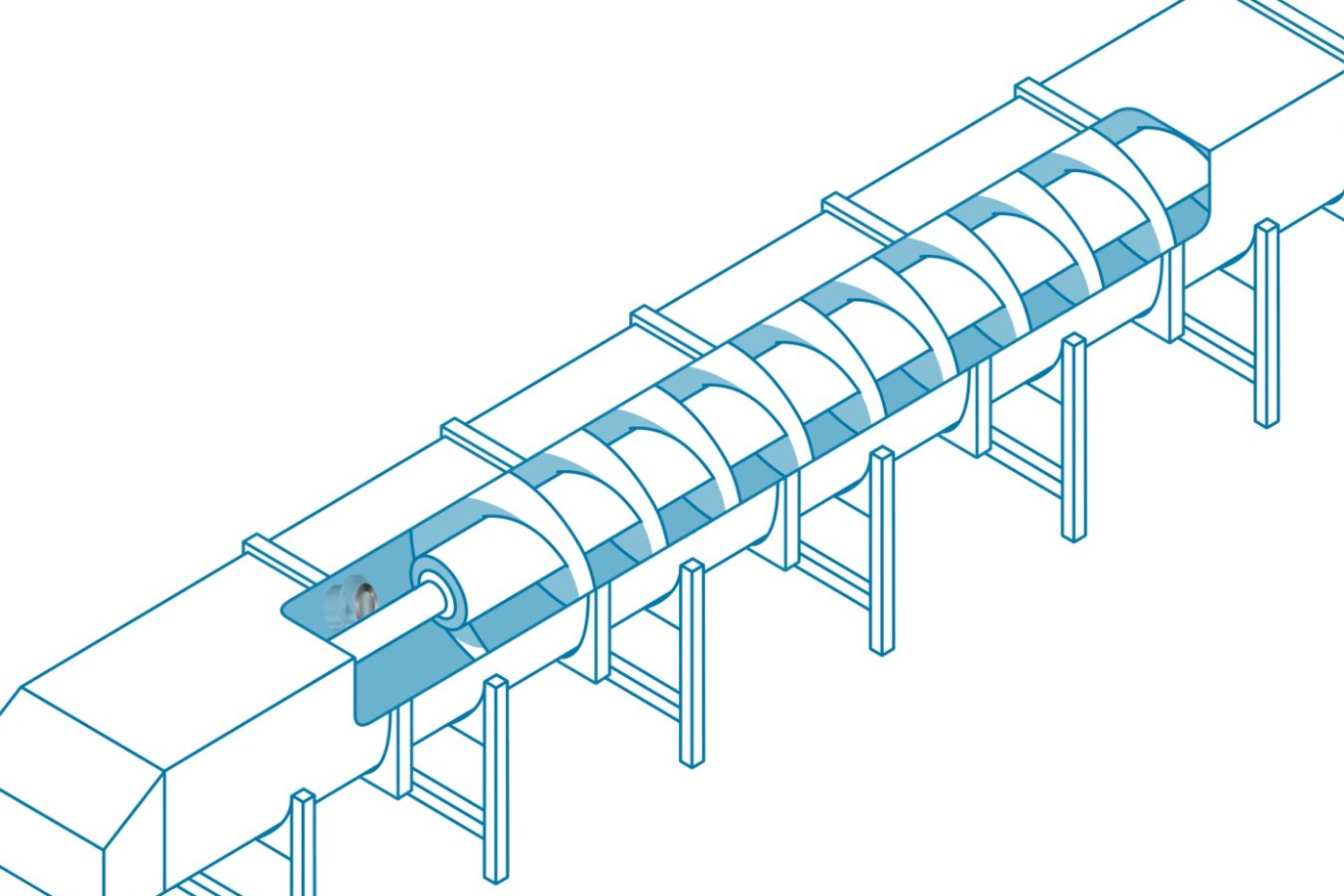
Sensors can be flush-mounted in mixer bellies or end walls, positioned in conveyor bellies at a 30-degree angle from the underside, or installed in hoppers and ducting systems with consistent material flow. Digital microwave sensors, such as the Hydro-Mix XT and high-temperature Hydro-Mix HT, provide real-time continuous moisture data for flowing bulk solids. Continuous measurement helps eliminate machine blockages caused by excessive moisture and roller slippage, ensuring reliable plant operation.