Precision That Lasts: A Guide to Process Instrument Reliability
Accuracy in industrial manufacturing isn’t a one-time setup; it’s a commitment. From daily maintenance to self-cleaning tech, learn how to protect your equipment’s lifespan and eliminate costly production downtime.
In industrial manufacturing, process instruments are critical for ensuring process safe and efficient operations. Whether measuring temperature, pressure, flow, or liquid levels, the precision and reliability of these instruments directly impact production efficiency and product quality. However, optimal performance isn’t achieved once. It is built on a foundation of consistent maintenance and swift technical support.
The Strategic Value of Consistent Daily Maintenance
Industrial instruments are constantly exposed to environmental factors, varying media, and mechanical vibrations, which can lead to measurement drift or failure. Proper maintenance provides guaranteed measurement accuracy by ensuring precise data and preventing drift from affecting production decisions. It also extends equipment lifespan by reducing wear and corrosion, minimizes downtime through early detection of potential issues, and significantly lowers long-term repair expenses while enhancing overall plant safety.
Essential Protocols for Field Instrument Upkeep
Inspections should be performed daily or weekly. Key tasks include verifying that field instrument readings match control room data, checking for physical damage or leaks, and confirming stable power and gas supplies. Furthermore, regular blowdown and flushing are required for instruments like differential pressure transmitters to discharge sediment. Lubrication of mechanical parts and the application of anti-corrosion coatings ensure flexibility and resilience in harsh environments, while heat tracing prevents freezing in cold climates.
The Shift Toward Maintenance-Free Design
Taking RETTAR technology’s solutions as an example, their product designs consistently revolve around solving user pain points. By integrating advanced materials and smart diagnostics, these tools move beyond traditional manual labor. Modern instrumentation now focuses on ”set and forget” reliability, allowing operators to focus on production throughput rather than constant recalibration and sensor cleaning.
Advanced Sensing Solutions for Extreme Environments
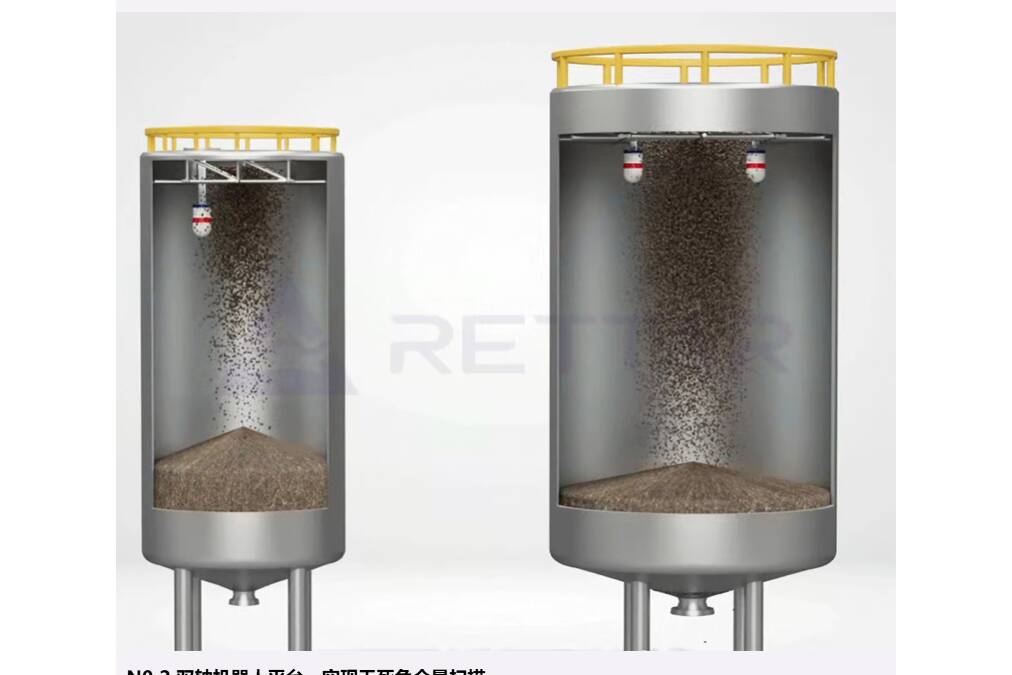
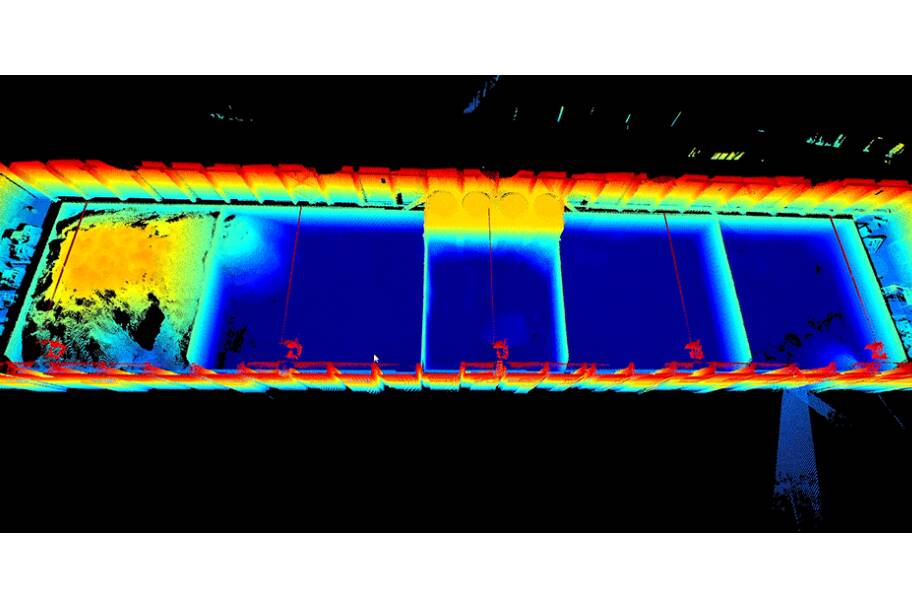
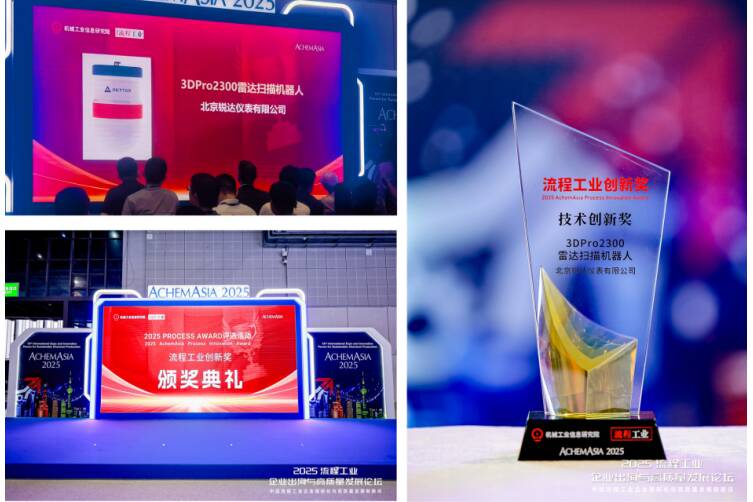
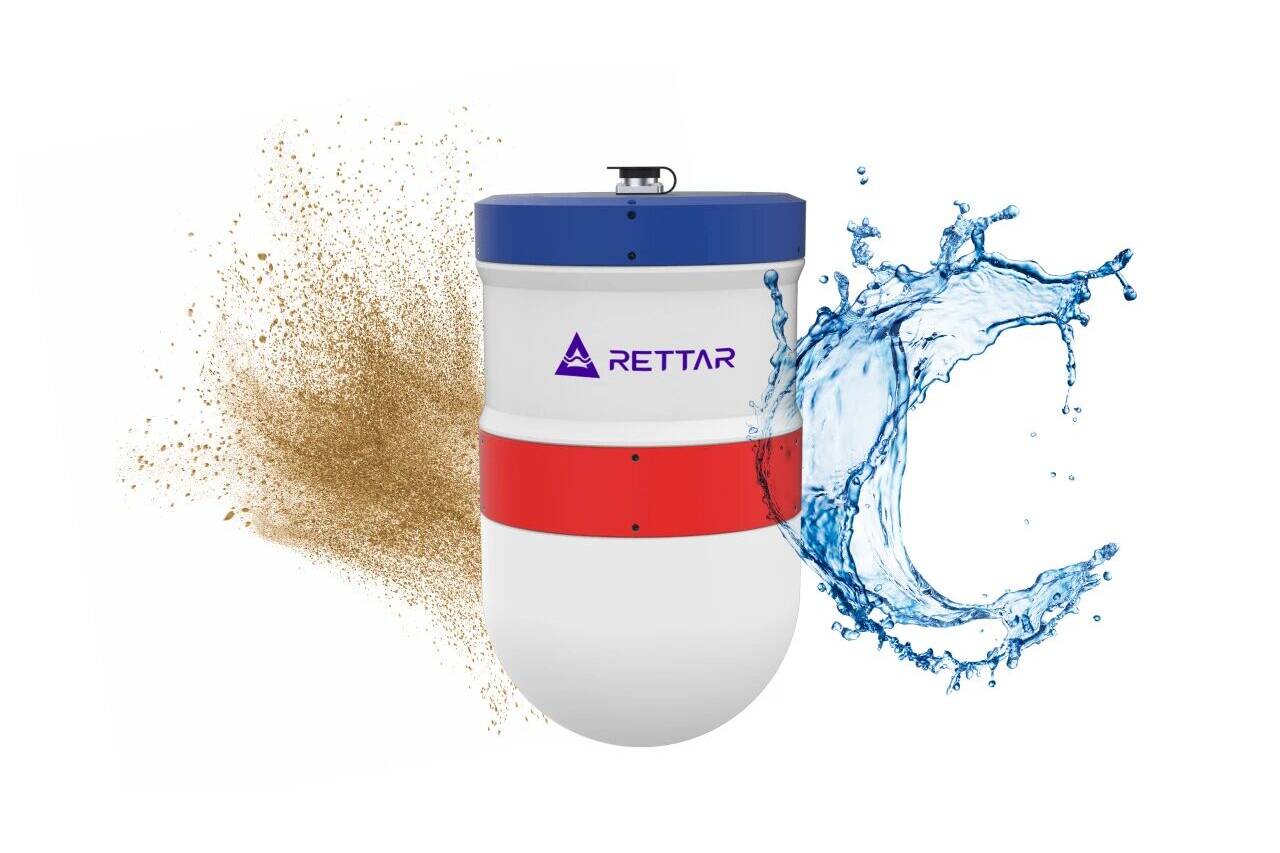
The RETTAR 3D Radar Scanner disrupts traditional maintenance models with its superior dust resistance. Equipped with Terahertz Frequency Modulated Continuous Wave (FMCW) technology, it can penetrate thick media even if the sensor surface is completely covered in dust. This ensures precise material surface data without ever needing to shut down for cleaning. Similarly, RETTAR’s high-frequency radar level meters and thickener bed level monitoring systems utilize integrated flushing rings and narrow beam angles to eliminate scaling and interference.
Smart Engineering for Flow and Density Monitoring
Utilizing non-contact measurement technology, the Na22 Density Meter monitors media density without the need for intrusive installation. For liquid measurement, the Slurry electromagnetic flowmeter uses a flow sensor and a transmitter where excitation coils generate a magnetic field through the measurement tube. A pair of electrodes on the inner wall lead out the induced electromotive force, providing stable data even when dealing with abrasive or complex fluids.
Future-Proofing Industrial Processes
High Precision & Reliability uses high-accuracy sensors and fully digital signal processing to ensure measurement stability. Smart Connectivity supports multiple protocols like 4-20mA, HART, and Modbus for seamless integration with DCS/PLC systems and cloud data management. With human-centric design and self-cleaning technologies, RETTAR provides a full lifecycle service—from selection and installation to maintenance training—ensuring efficient operation for the life of the instrument.