Sensor-Based Method Revolutionizes Concrete Sedimentation Testing
New sensor-supported method for rapid and user-friendly testing of fresh concrete sedimentation stability, developed at IWB Stuttgart by Franz Ludwig GmbH, addresses challenges with modern concretes
Challenges with Modern Concretes
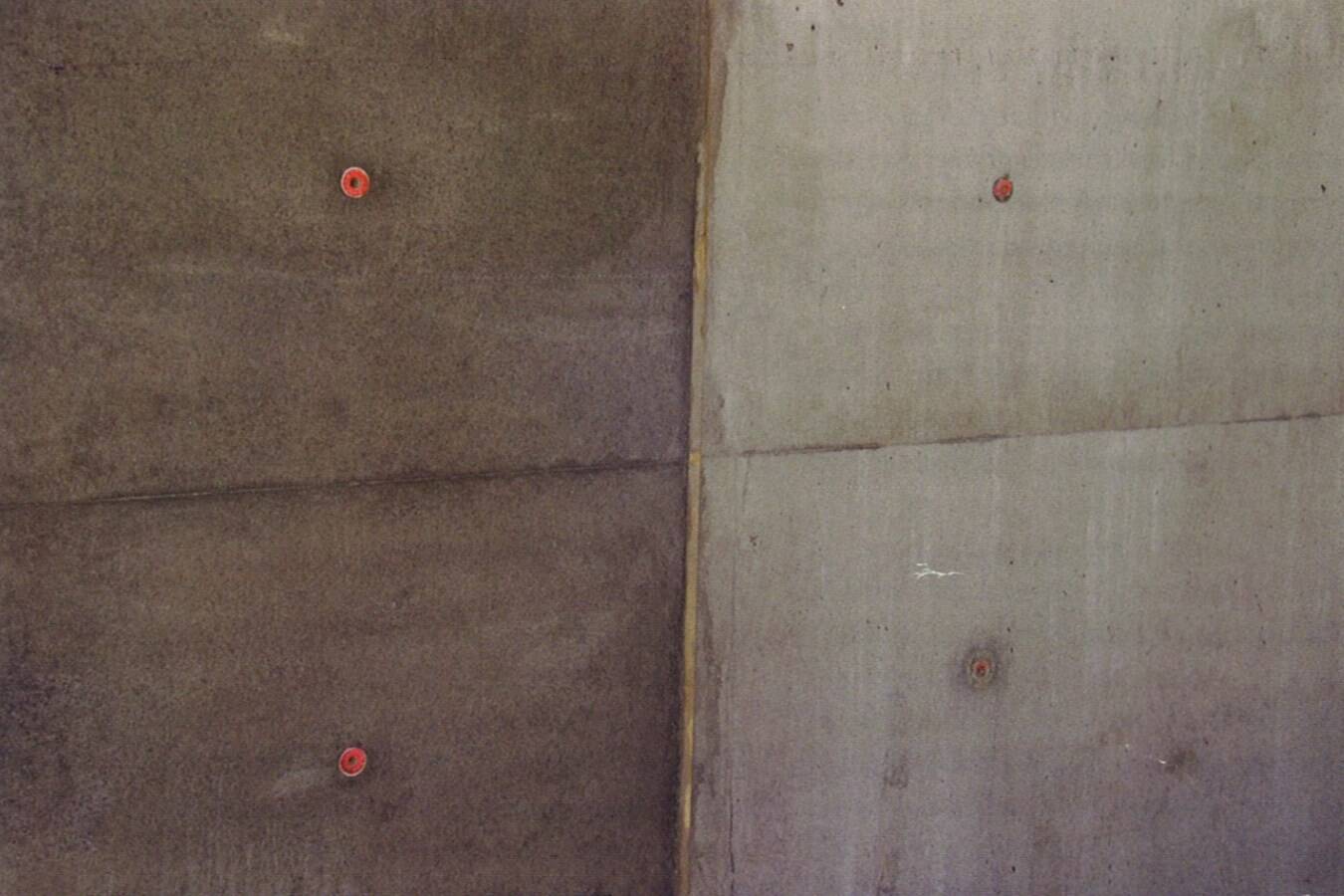
Modern concretes are becoming increasingly complex to meet current demands like slender structures and filigree components. The use of highly effective superplasticizers makes these concretes not only more performant but also more susceptible to environmental factors and segregation. Maintaining the desired fresh and hardened concrete properties is becoming increasingly problematic. To date, quick and user-friendly methods for on-site testing of concrete sedimentation stability are lacking. Therefore, it is crucial to examine these concretes for their tendency to segregate before placement.
Developing a Novel Testing Method
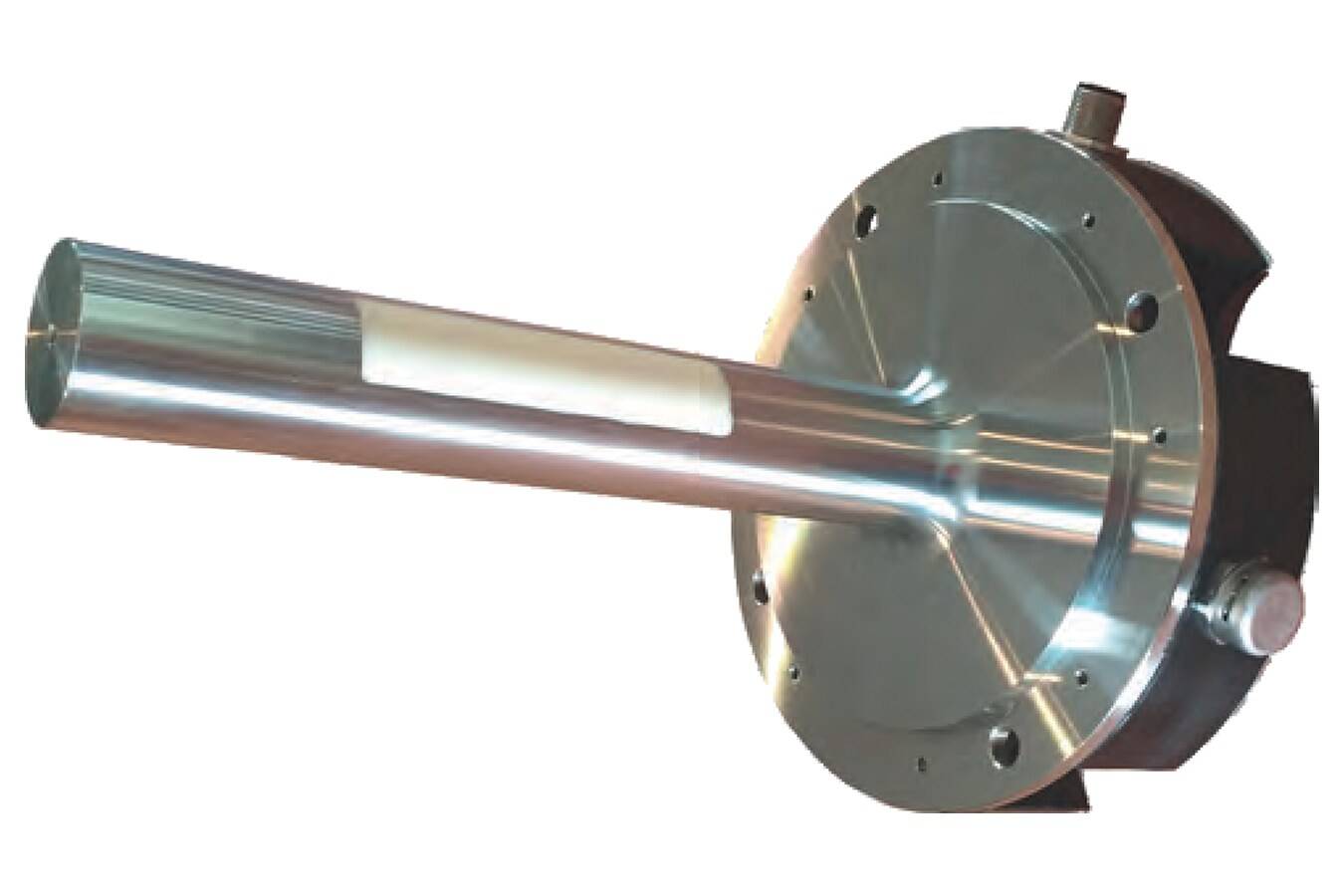
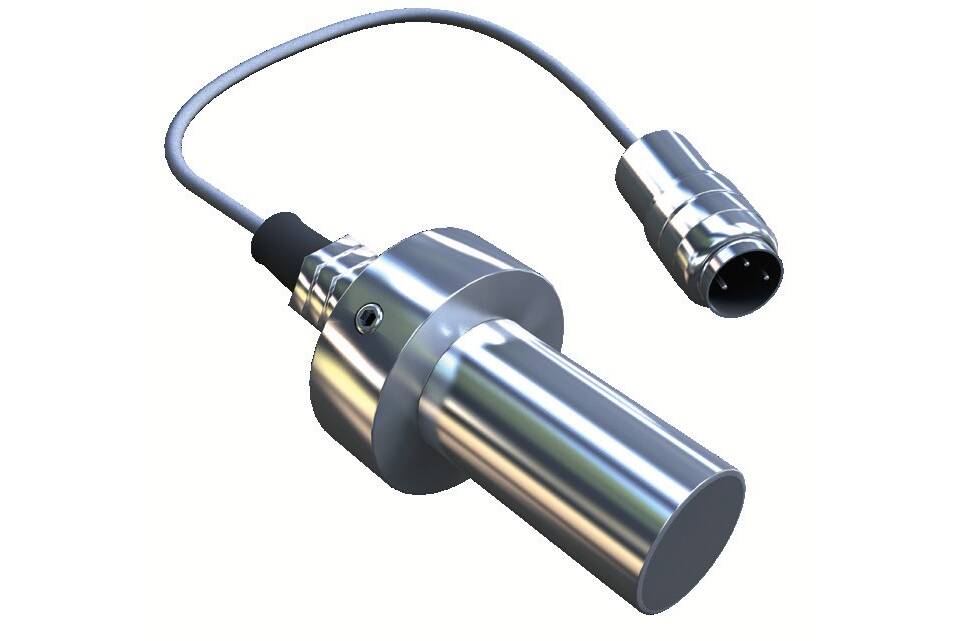
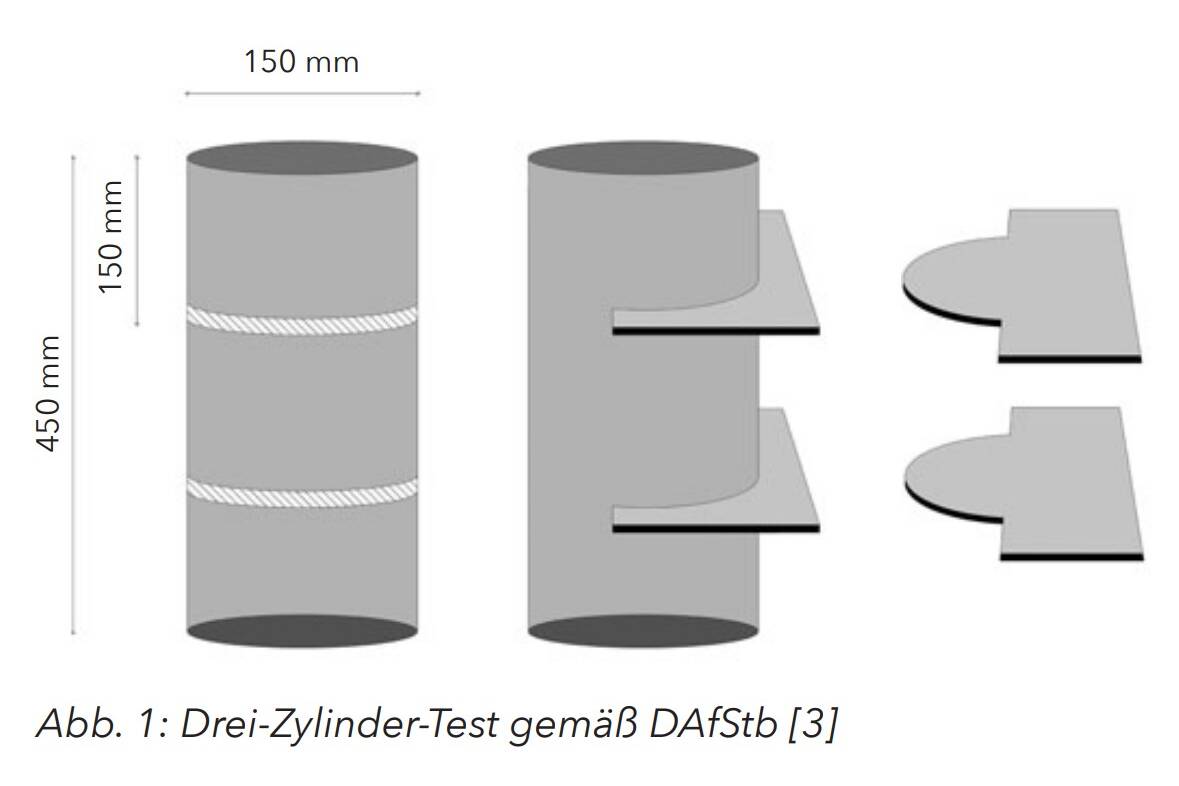
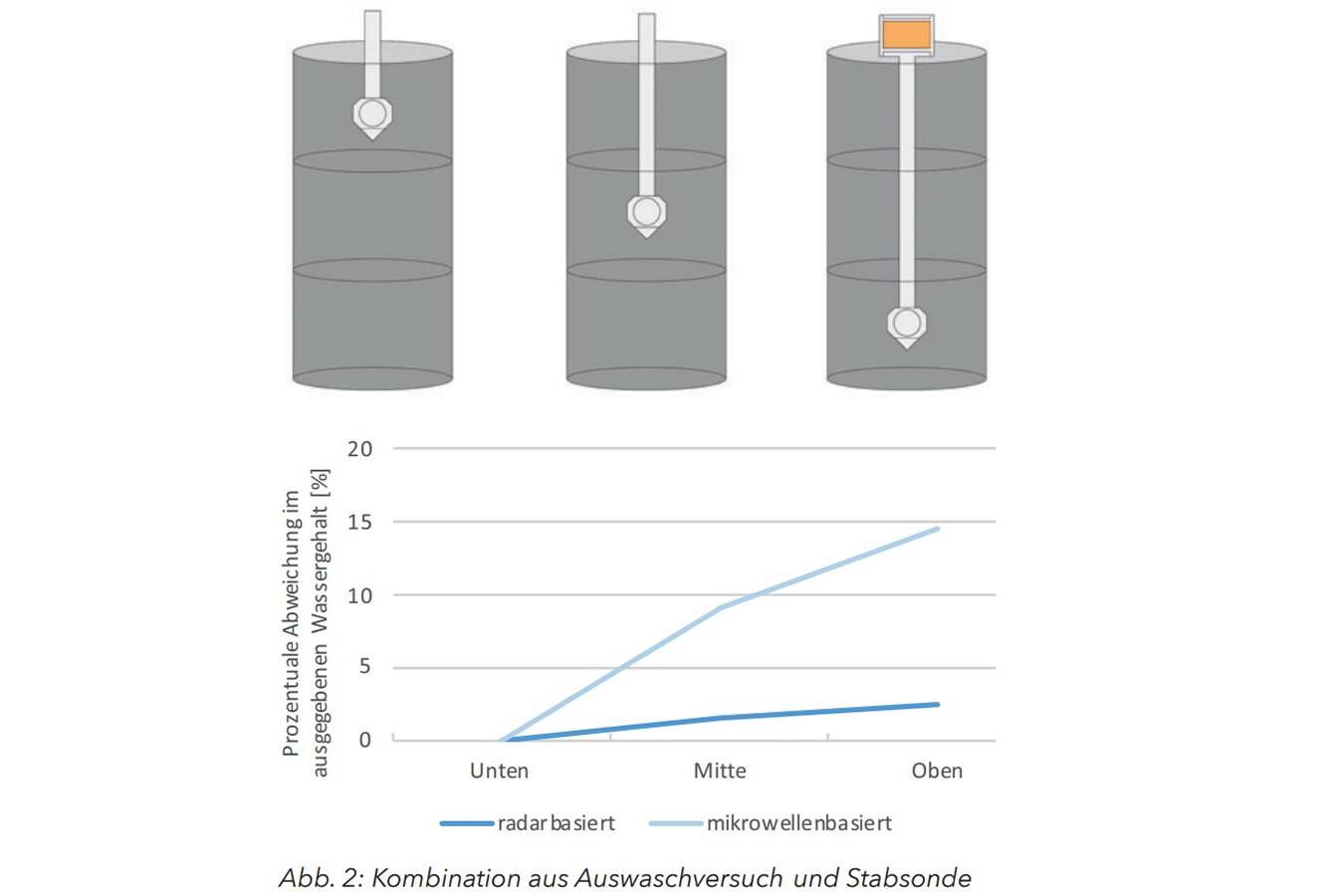
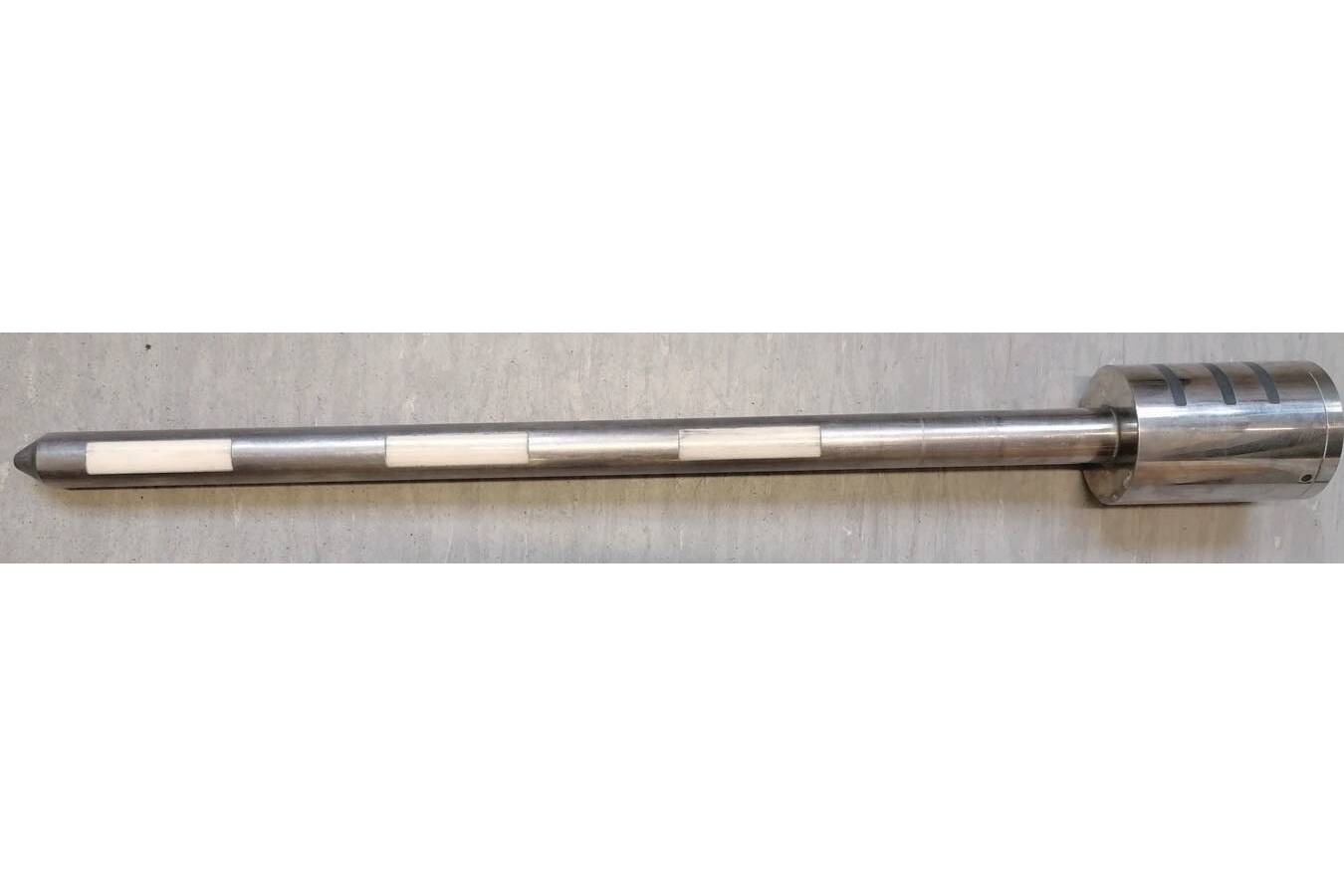
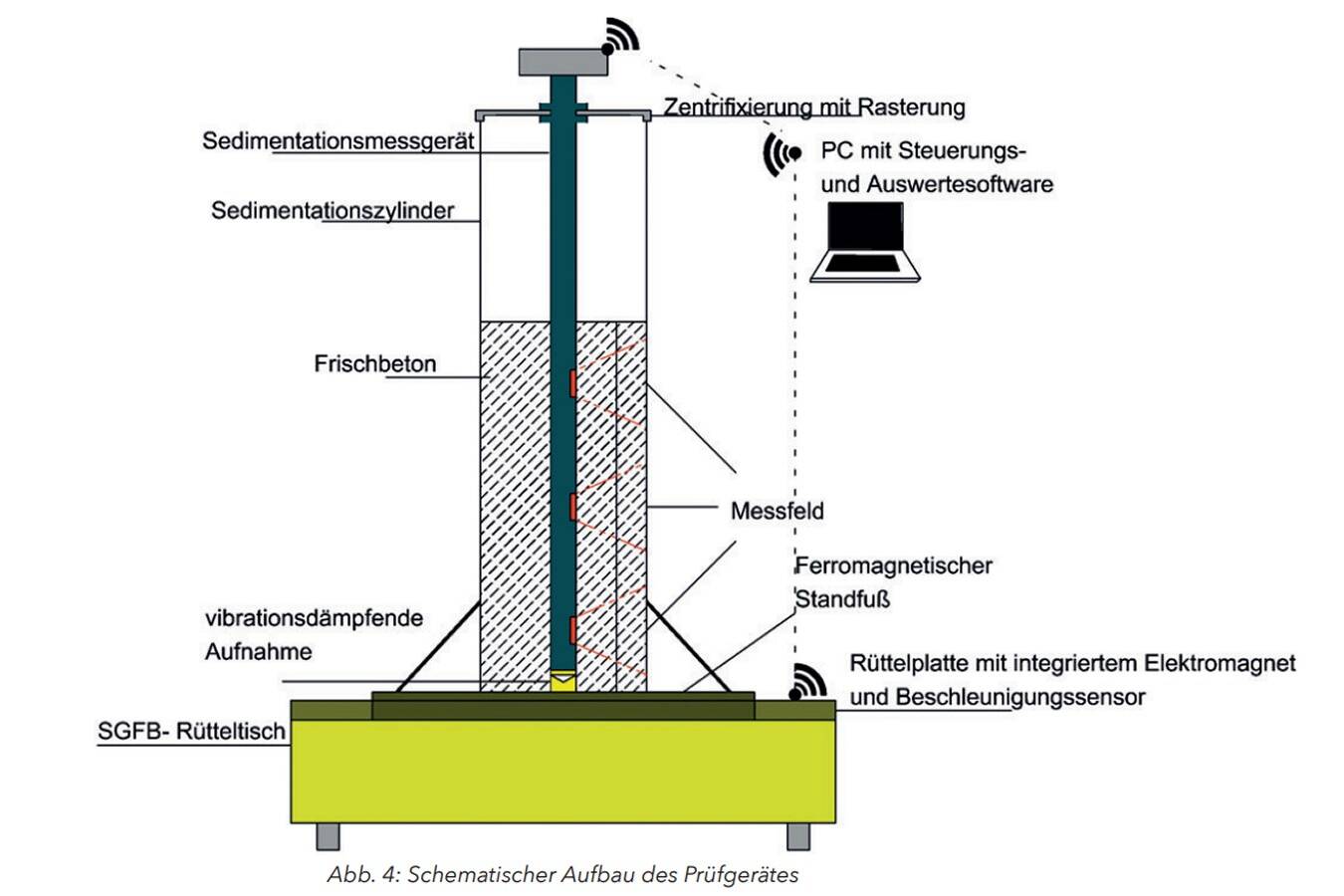
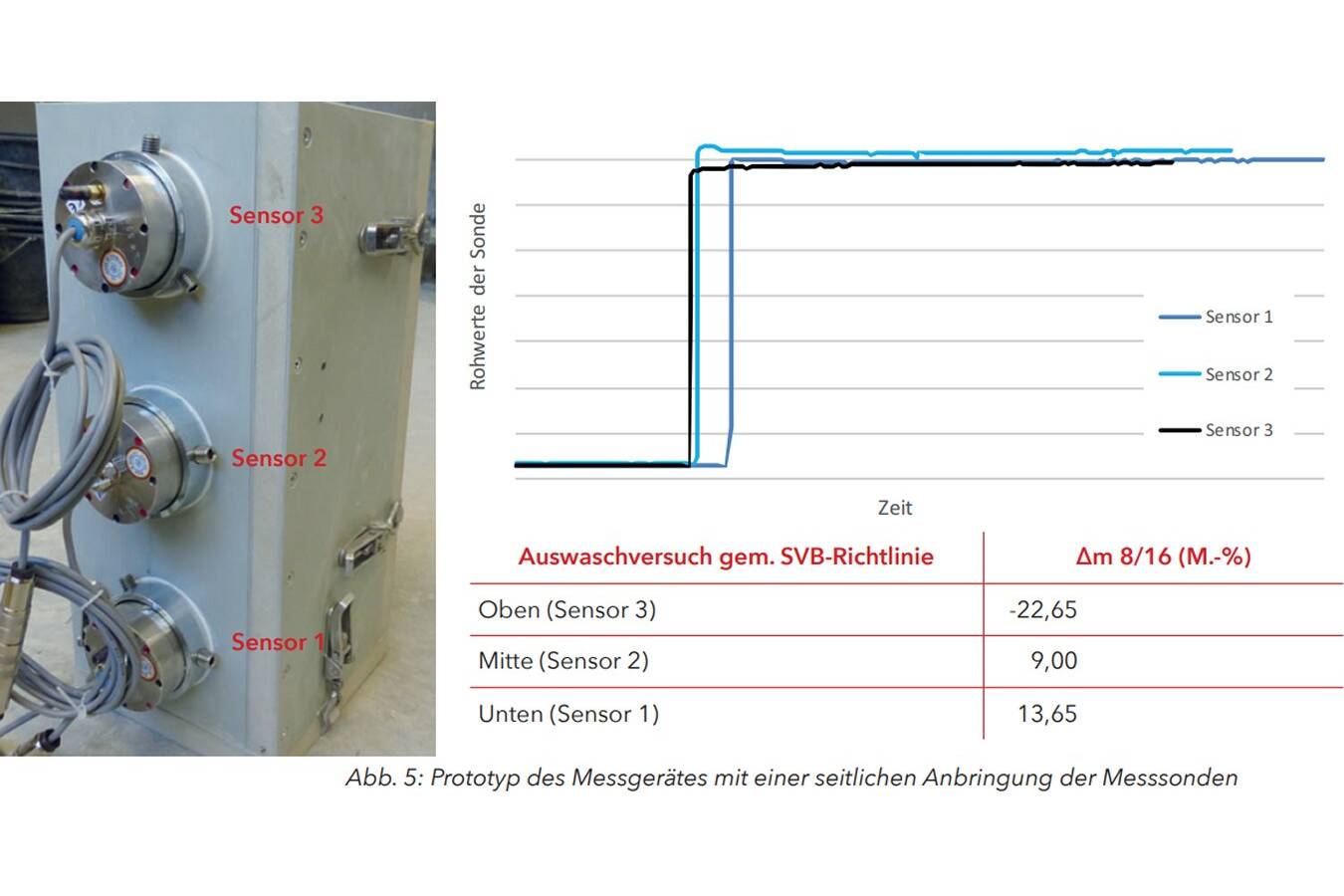
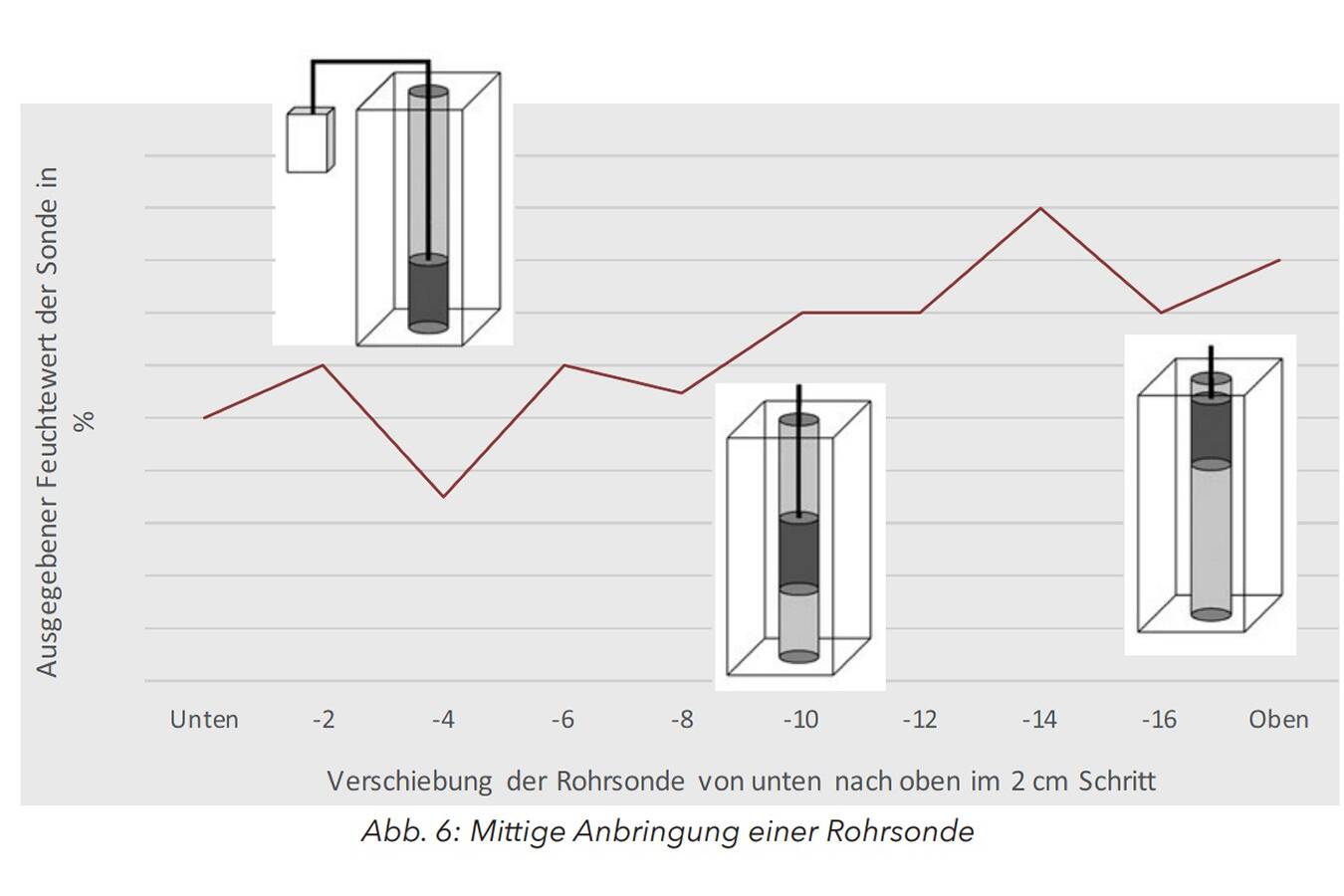
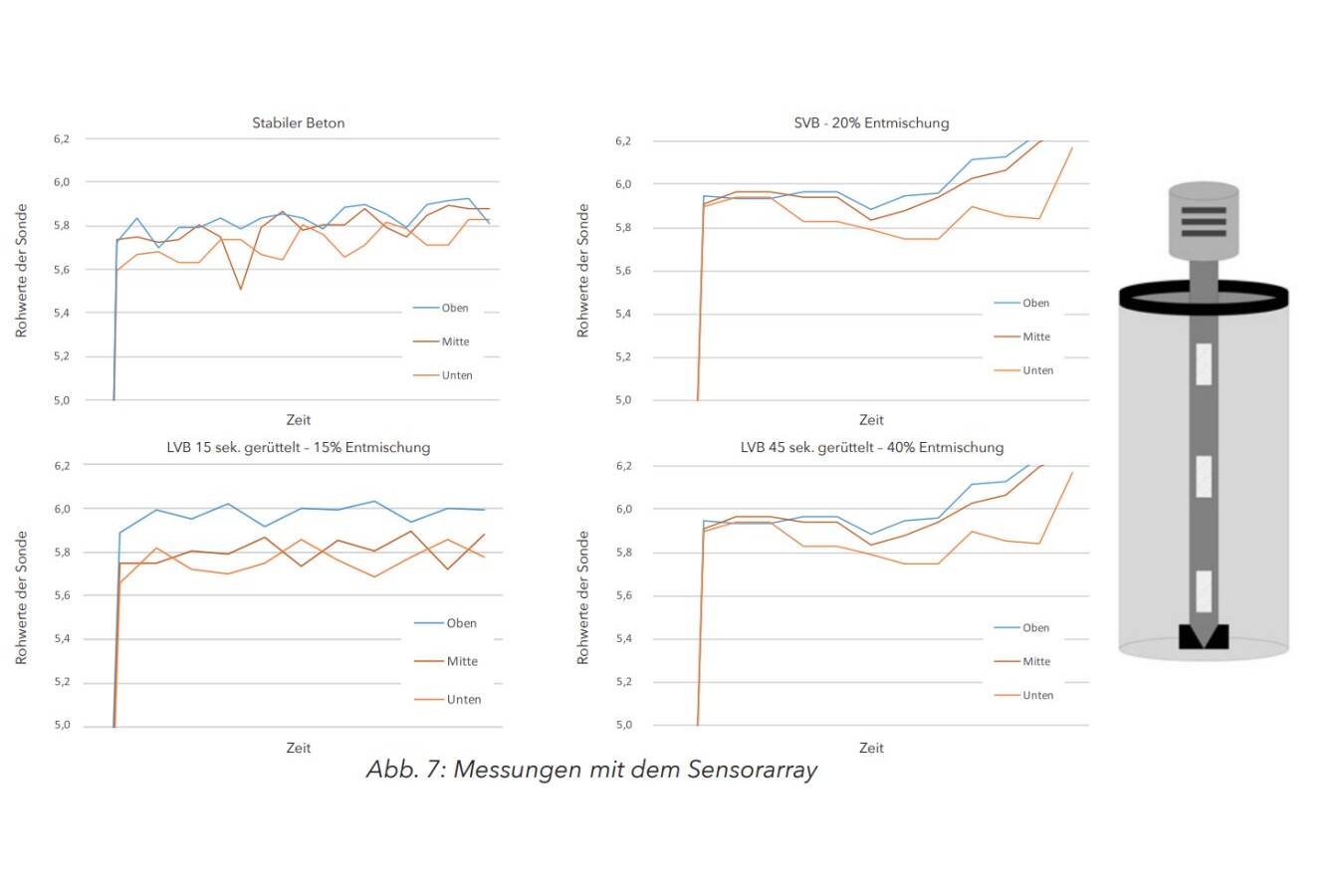
At the Institute for Construction Materials (IWB) at the University of Stuttgart, a sensor-based testing method is being developed to specifically examine soft concretes for sedimentation stability. Initial preliminary tests have already successfully confirmed the basic principle of the testing. The testing device, referred to as the ”Three-Cylinder Test,” involves filling a cylindrical mold with fresh concrete. A sensor array inserted into the center of the cylinder electronically records the sedimentation behavior , replacing the elaborate washing out of the three segments. Communication between the probe and the evaluation software is wireless.
Benefits and Future Application for Sedimentation Testing
The method allows for the detection of water/cement paste ratios compared to coarse aggregate in the respective measurement volume, and enables the measurement of differences in these ratios. By rotating the sensor array, a larger measurement volume is covered without disturbing the sample. This makes it possible to obtain values at three different measurement heights almost simultaneously and to measure time-dependent sedimentation. This is particularly relevant for highly viscous concretes, where segregation tendencies are not immediately apparent. The new method enables rapid and reliable testing of the sedimentation stability of high-flow fresh concrete, preventing structural defects due to mixing instabilities and reducing financial losses.