Impact of water-cement ratio on concrete brightness
The water-cement ratio is crucial for concrete surface brightness. Moisture variations in aggregates and mixing processes affect the color and brightness stability of bulk material concrete.
The Role of Water-Cement Ratio in Concrete Brightness
Differences in the water-cement ratio (w/c value) are the most frequent cause of color and brightness variations in concrete products. Efflorescence also contributes. Modern cements and additives may introduce additional influences. Pigments do not change their properties during concrete production and remain permanently bound to the binder. However, the binder itself changes its chemical structure through hydration, which affects concrete strength. The formation of fine structures leads to brightness, as seen in efflorescence. The higher the w/c value, the brighter the concrete surface.
Influence of Moisture and Temperature on Surface Brightness
In fresh concrete, water acts as a reactant for the hydration of the binder. Concrete does not simply dry out; rather, the water chemically reacts with hydraulic cement and additives. Higher temperatures lead to brighter concrete surfaces. The amount of water remaining in the concrete during hydration is also critical. An unprotected concrete surface can release a lot of moisture at high temperatures, potentially leading to a darker surface if the w/c value decreases. This is particularly true for earth-moist concrete, which can be demolded immediately after forming and is highly influenced by ambient conditions.
Fluctuations in Water Content in the Concrete Mix
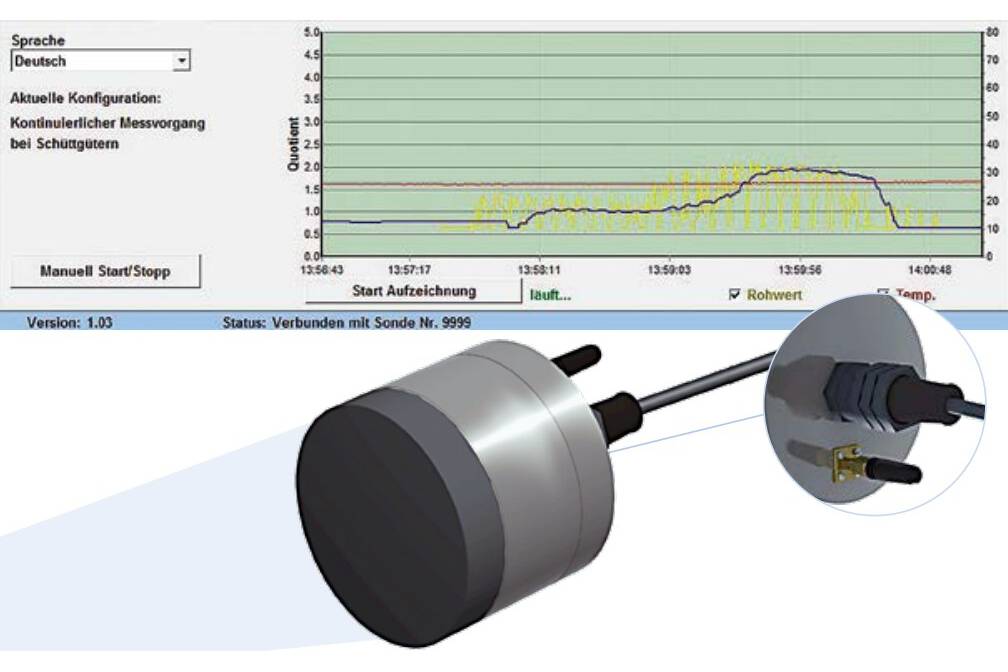
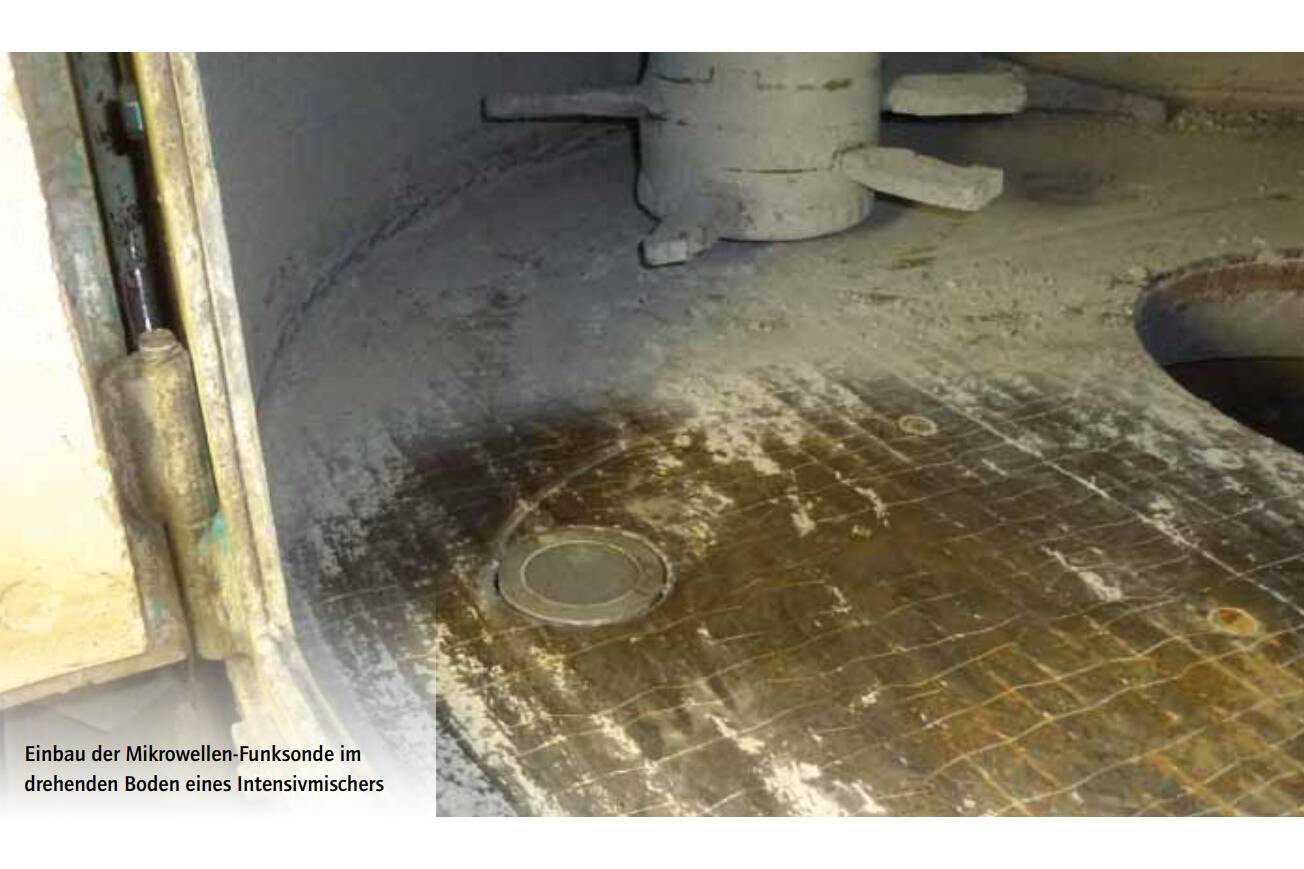
Water enters the concrete mix in various ways, including added water and additive suspensions. A factor of uncertainty is the moisture content of the aggregates, especially sand, which can fluctuate significantly. An uncorrected high water content in the sand affects the concrete recipe because it alters the ratio between this aggregate and other raw materials. This can lead to variations in color and binder concentration, as well as changes in the aggregate grading curve. Microwave moisture measurement systems and mixer measurements can accurately determine the inherent moisture and precisely calculate the required added water, ensuring targeted concrete production.
Homogeneity and Consistency in the Mixing Process
A concrete mixing plant’s ability to homogenize a specific amount and composition of concrete depends on the inherent moisture of the aggregates and the dosed water quantity. For aggregates with high moisture content, a longer dry mixing time is necessary to achieve a stable measurement. Modern moisture measurement systems use software algorithms to determine the degree of concrete mixing, allowing for adjustment of mixing times to changing conditions. This prevents excessively short mixing times and insufficient blending. It also avoids excessive energy input and unnecessary energy costs.