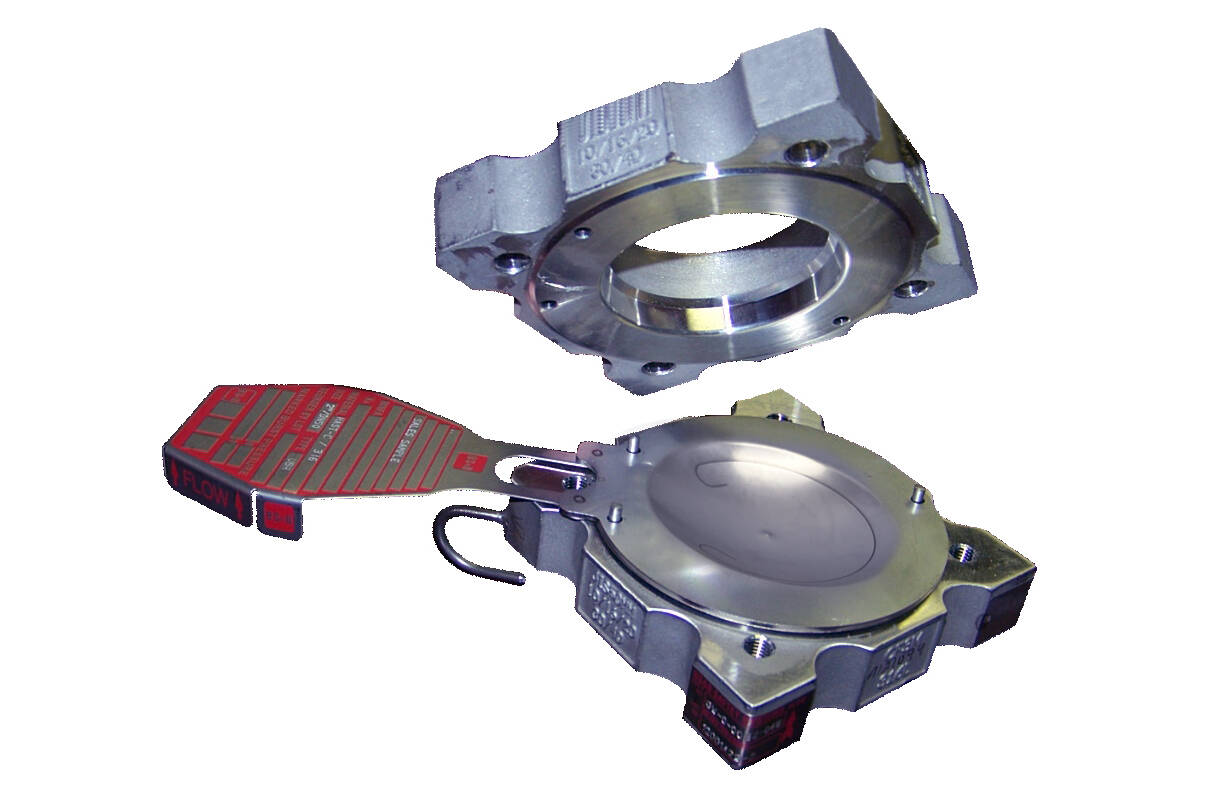
Full capacity with combination of rupture disk and safety valve
When safety valves and rupture disks are combined, Bormann & Neupert by BS&B guarantees the greatest possible efficiency for numerous combinations: the combination capacity factor of 1.
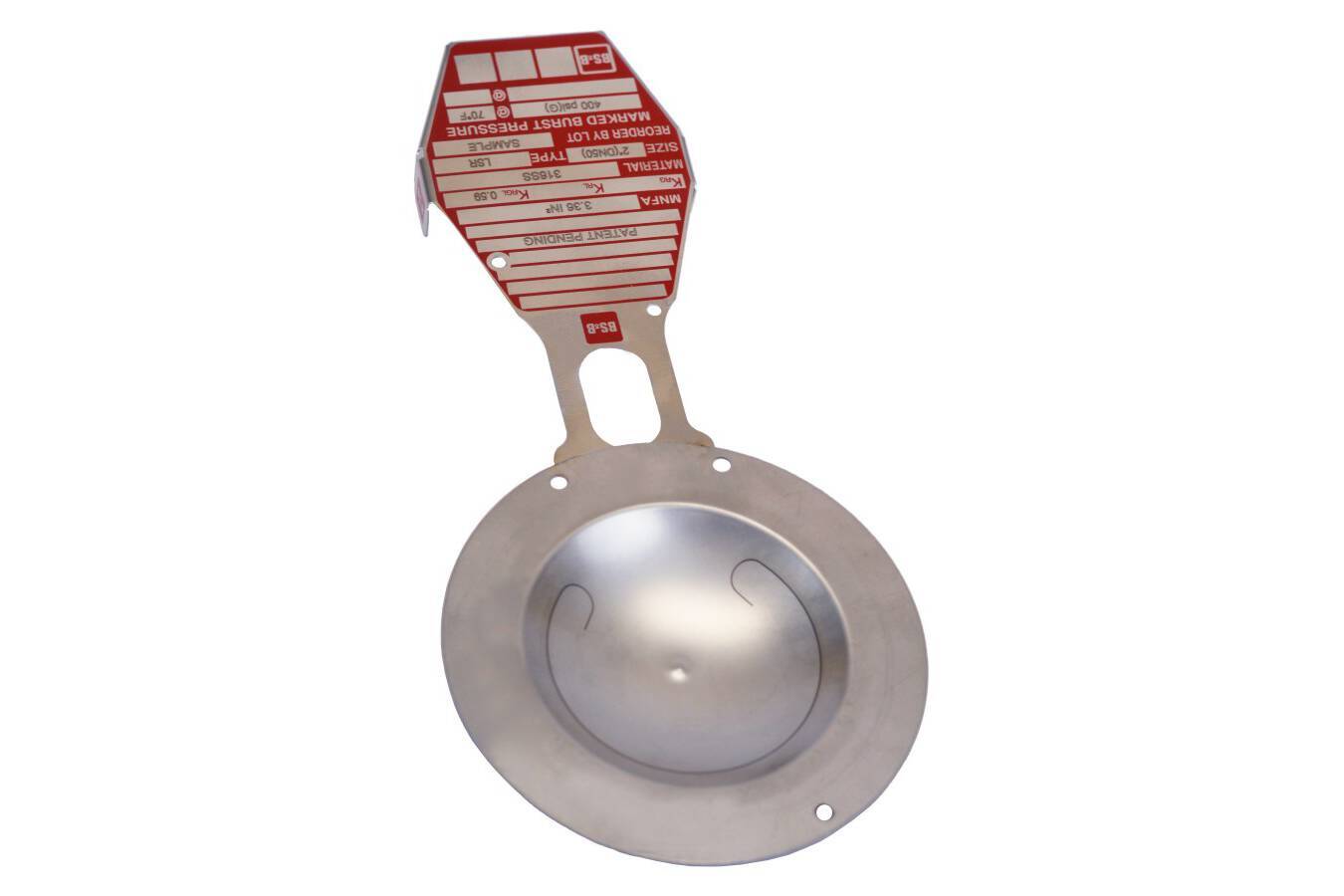
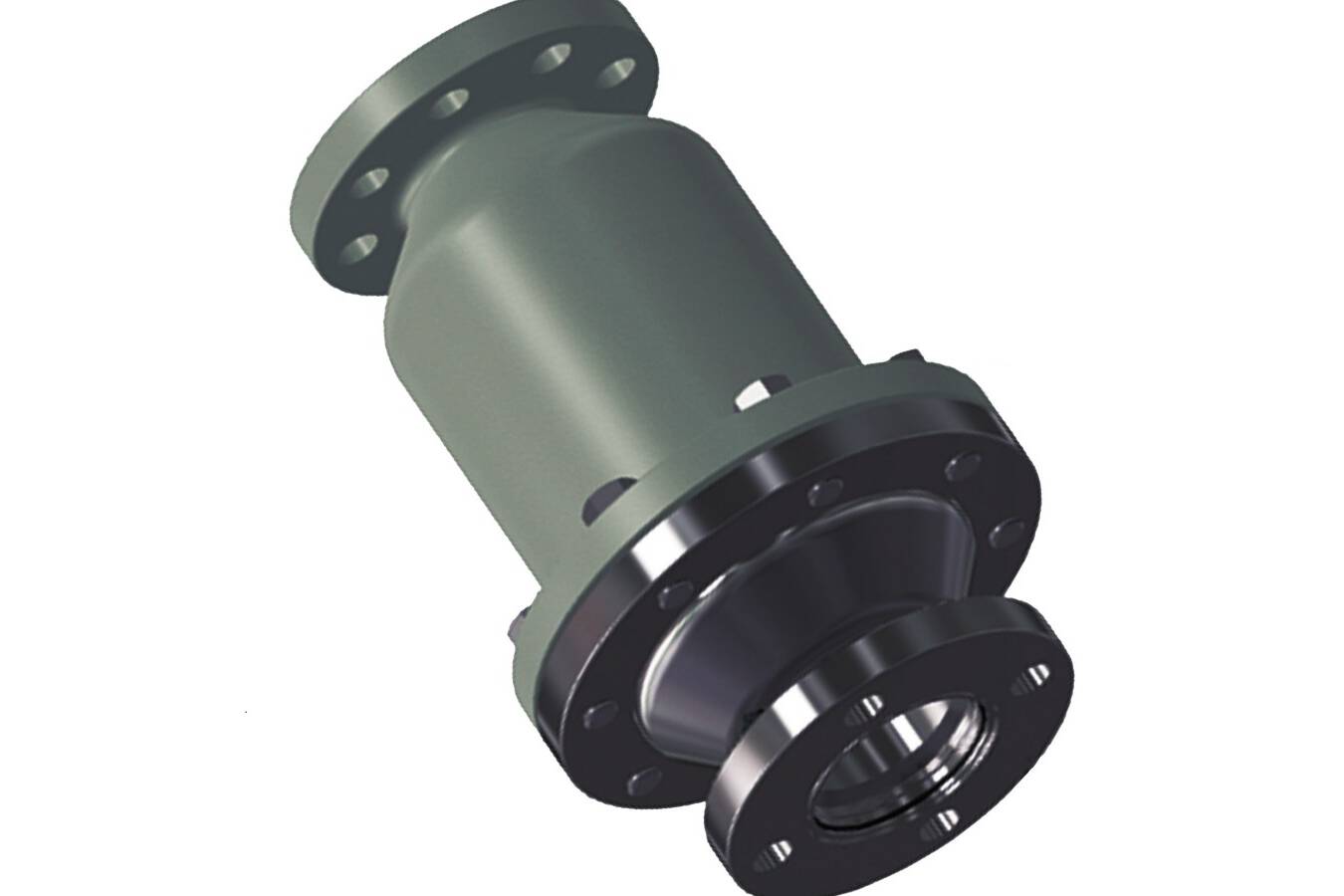
Rupture disks and safety valves have clearly proven their worth in protecting against overpressure in process engineering. In some applications, however, a combination of both pressure relief devices is useful or even necessary: If, for example, there are particularly strict immission specifications for the escape of process media into the environment or highly corrosive media are transported that could attack the valve mechanism. In such cases, safety valves at the inlet or outlet are combined with a rupture disk.
Bormann & Neupert by BS&B guarantees a combination capacity factor (CCF) of 1 for numerous combinations of its safety valves and bursting discs, certified in accordance with the ASME Boiler and Pressure Equipment Directive. This optimum value for the ratio of the flow capacities is decisive for the unrestricted performance of the pairing: it then has the full capacity of the individual components in all pressure ranges and enables the greatest possible flow efficiency. This not only guarantees the safety of systems and people, but also reduces costs and increases system availability.
With such solutions, valves and pipelines can be dimensioned economically and safely right from the design phase. Even if a safety valve is retrofitted with a rupture disk, a combination with a CCF of 1 offers a clear advantage. This is because costly adaptation of existing pipes and valves becomes unnecessary.
Sophisticated combinations are becoming increasingly important
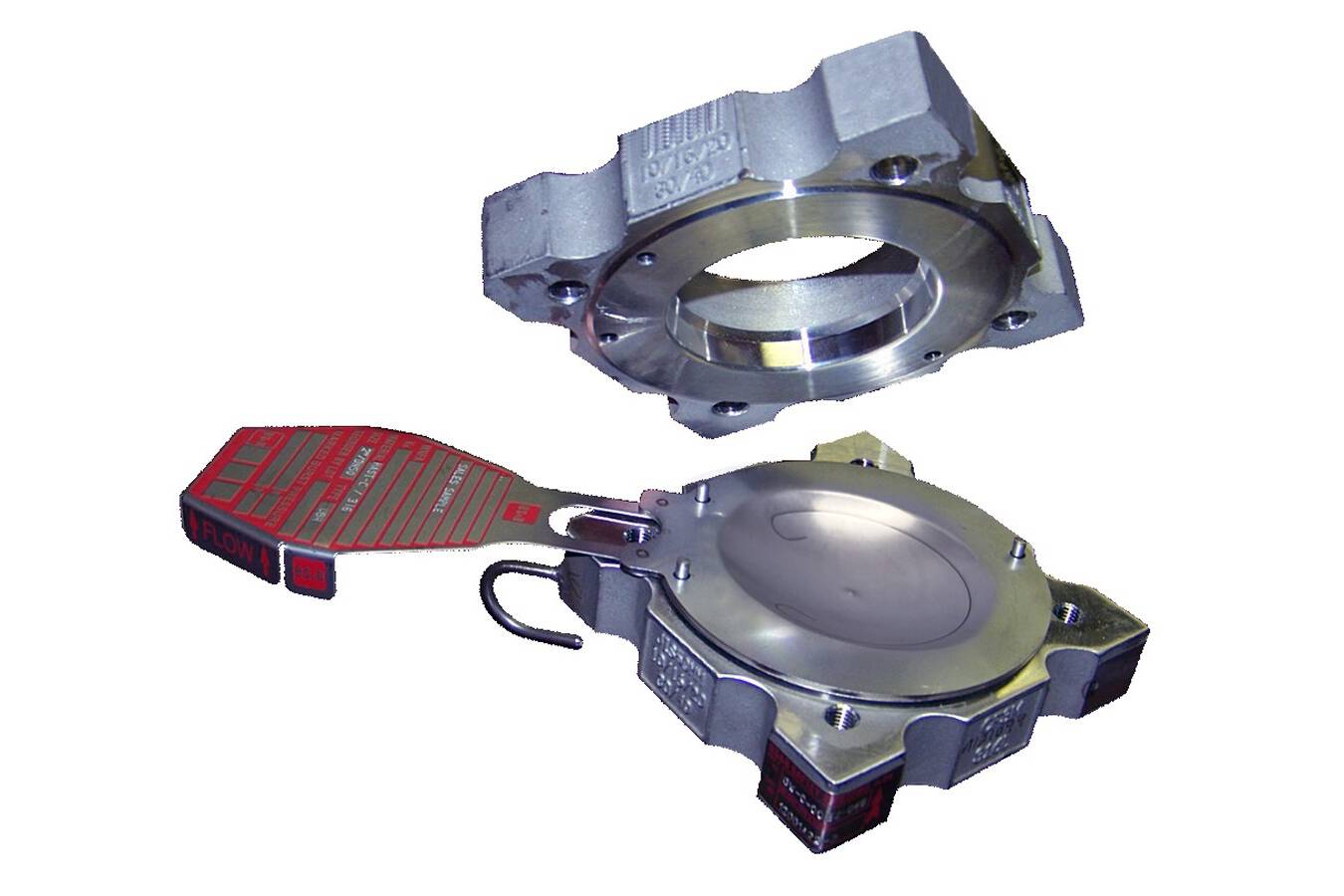
With the increasingly strict regulations for reducing fugitive emissions, the need to isolate a safety valve from the process medium using a rupture disk is also increasing. In order to increase the technical tightness, the rupture disk is usually fitted to the inlet of the safety valve. As a result, the operating pressure can be permanently closer to the set pressure without leakage or unintentional pressure loss. In addition, the spatial separation from the process medium helps to extend the valve service life and significantly reduces maintenance costs.
Installed at the valve outlet, a rupture disk decouples the valve from superimposed back pressure. This can occur in systems that do not vent directly into the atmosphere but into a distribution system. At the same time, the penetration of corrosive gases or moisture from the manifold system into the valve interior is effectively prevented.