Supplier sign in
Home
STAY INFORMED
Subscribe to our monthly newsletter.
Your email address will never be disclosed to any third party.
Read our privacy notice.


Product news
29.05.2024  |  2291x
Share this item
Allow (tracking) cookies from YouTube and Vimeo to watch videos

Shaftless screw conveyors for bulk solids transport

Sinfimasa specializes in bulk solids conveying. Below you find technical advantages and application examples of shaftless screw conveyors
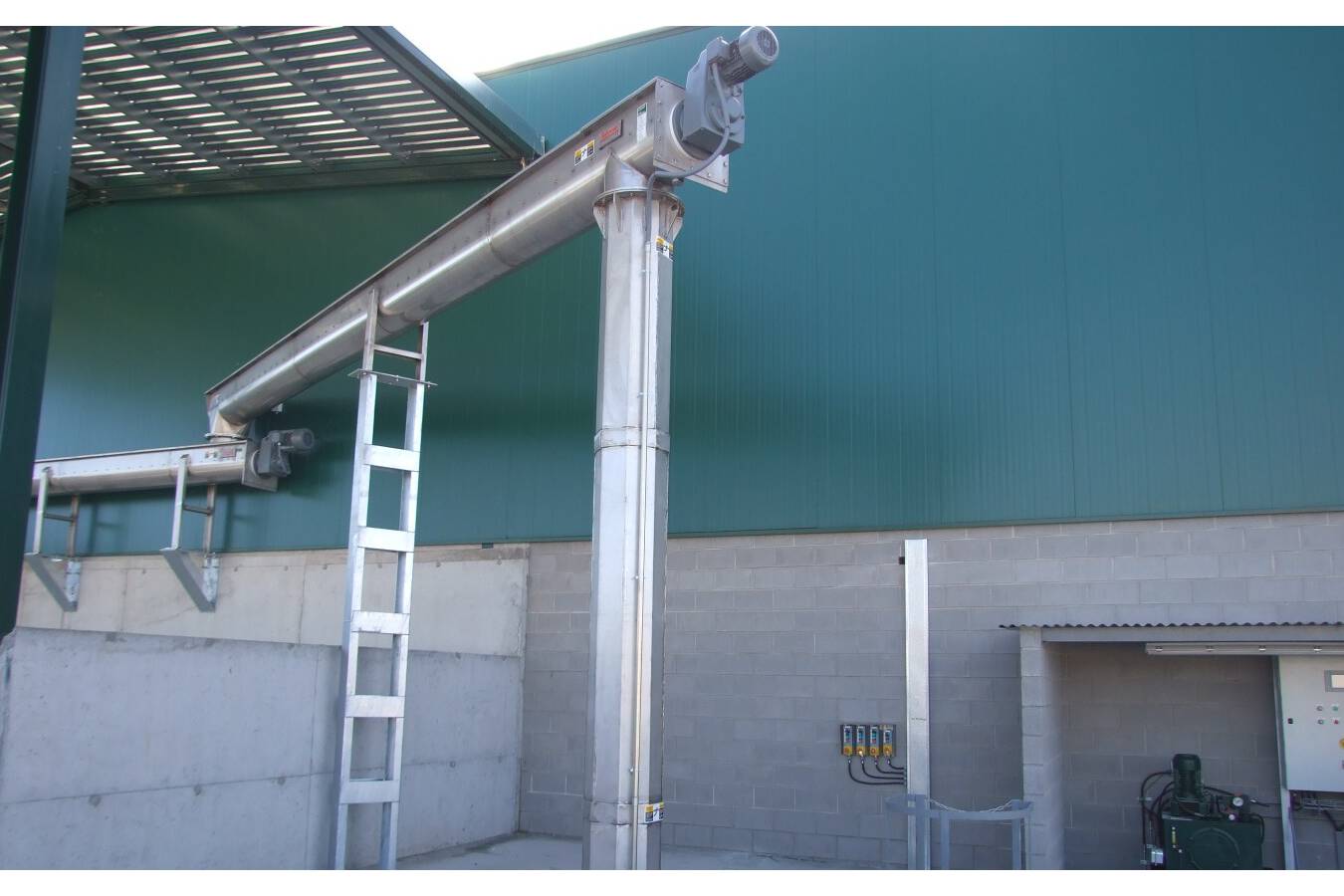
In the transport of bulk materials, the design and configuration of the mechanical conveyor is crucial for the efficiency and economy of the process. One of the most interesting pieces of equipment in this area is the shaftless screw conveyors, also known as Archimedes’ screws without a shaft. Although commonly used in sludge transport, their application goes beyond this. In this article, we will explore when and why a shaftless screw conveyor should be used to transport bulk solids.

What is a Shaftless Screw Conveyor?

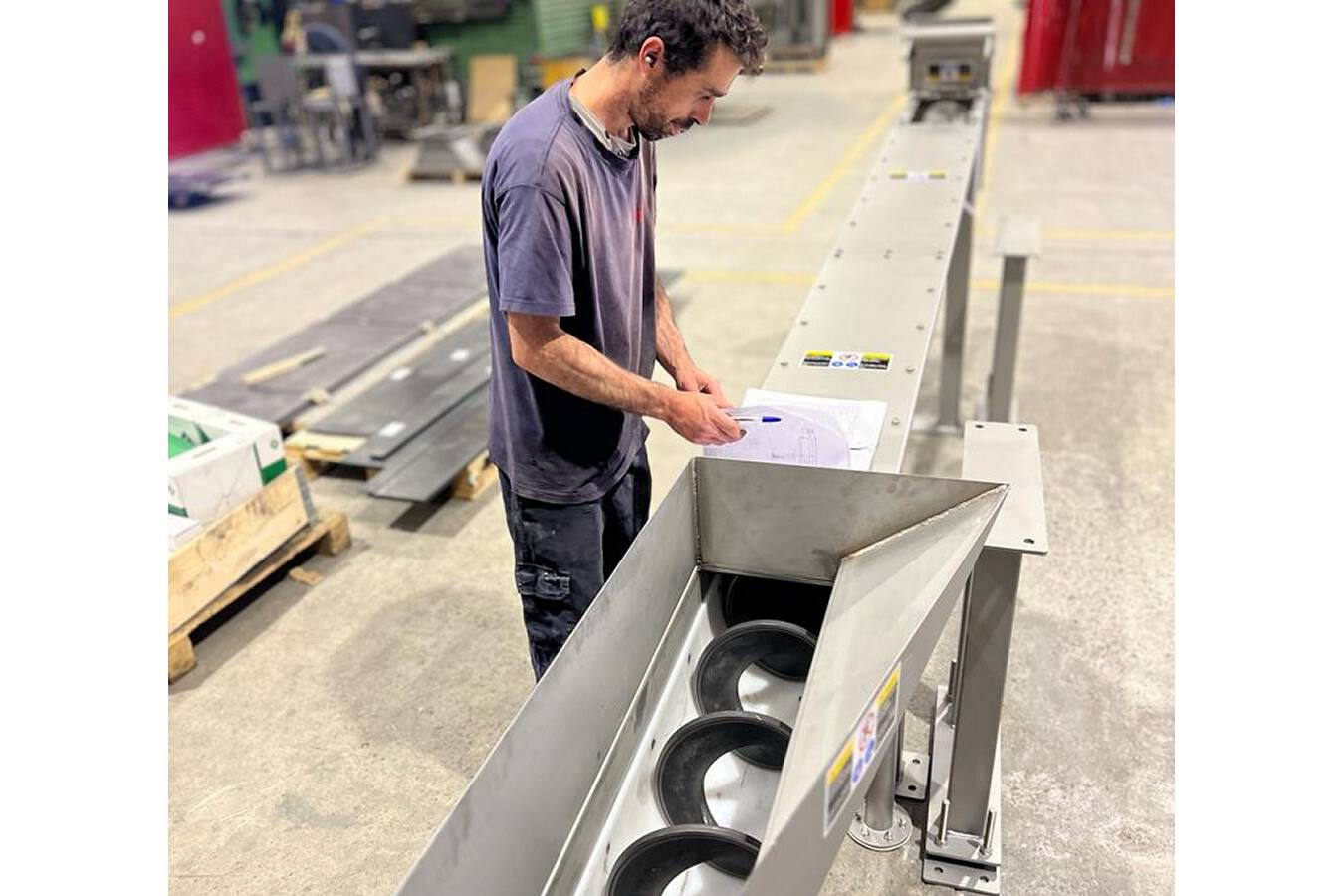
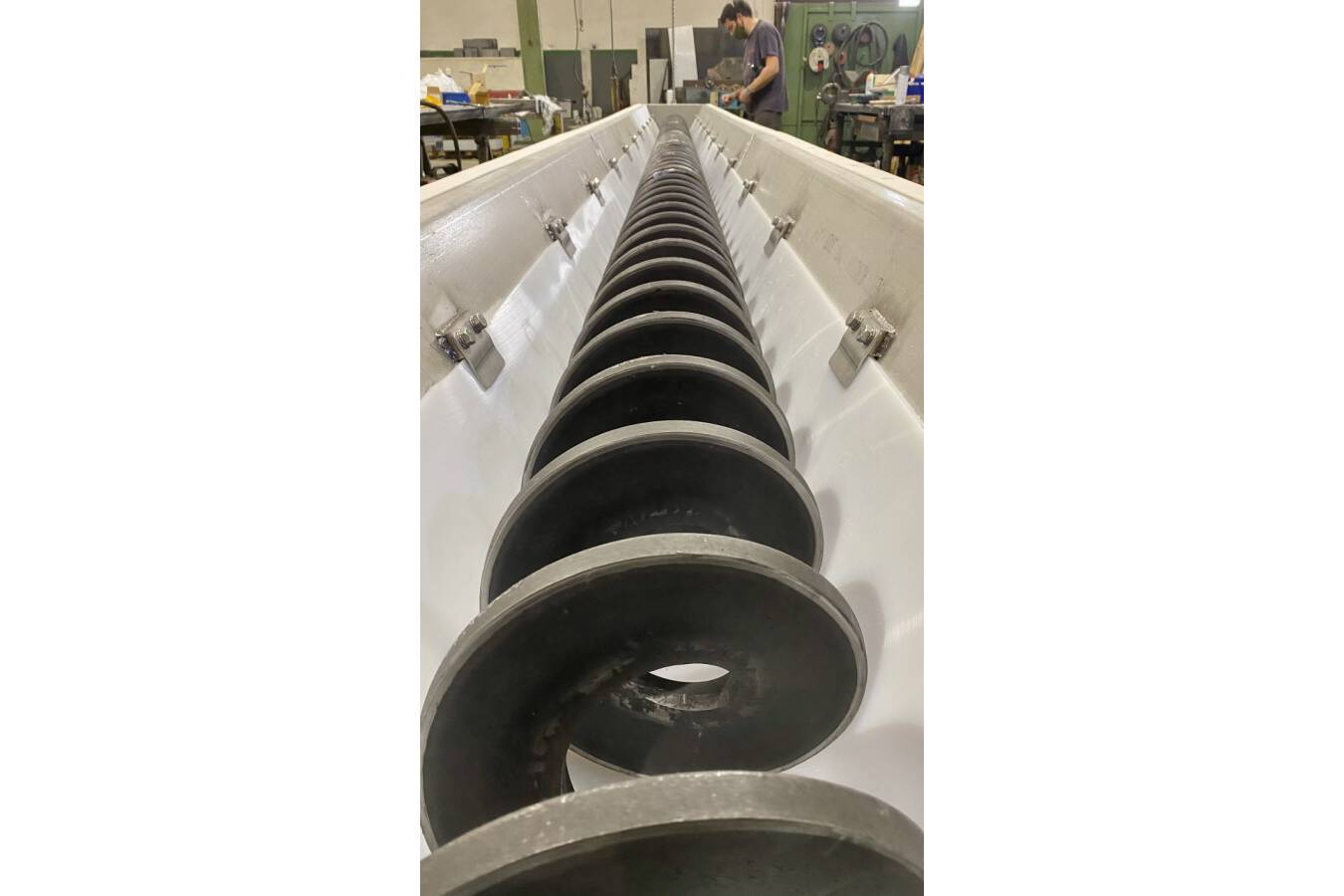
A shaftless screw conveyor is a type of conveyor that, unlike traditional screw conveyors, does not have a central shaft. It consists of a helix that rotates within a tube or trough, moving material along the conveyor.

Technical Advantages

  • Lower Risk of Clogging; With no central shaft, there is less risk of material getting stuck or accumulating around the shaft, which is especially useful for sticky or wet materials.
  • Better Handling of Viscous Materials; Shaftless screw conveyors are ideal for moving materials with high viscosity, as the lack of a central shaft allows for a more uniform and continuous flow of material.
  • Easy Cleaning and Maintenance; The absence of a central shaft facilitates cleaning and reduces maintenance time, which is crucial in industries where hygiene is paramount.
  • Prevention of Contamination; The purity of the product being transported is important in many applications, for example, chemical and food industries. Shaftless screw conveyors minimize areas where the product could accumulate and become contaminated, maintaining its quality.

Practical Applications
Shaftless screw conveyors are particularly effective for transporting:
  1. Sludges and Slurries: In wastewater treatment, sludges can be difficult to handle due to their consistency. Shaftless screw conveyors allow for efficient transport without the risk of clogging. For example, in sewage treatment plants (STP).
  2. Food Materials: In the food industry, products such as doughs or wet ingredients can be efficiently transported, taking advantage of the ease of cleaning of these systems. For example, a common use of these type of conveyors is in meat processing facilities for the treatment of offal or in fish farms. Another very common use is in the transport of by-products from canning companies, fish markets, and other fisheries for reuse.
  3. Chemicals and Pharmaceuticals: Sticky or pasty substances common in these industries benefit from the smooth and continuous transport offered by shaftless screw conveyors.

Case: Lactose powder

A specific example of a chemical that requires the use of a shaftless screw conveyor is lactose powder in the pharmaceutical industry. Lactose is a common excipient in the formulation of tablets and capsules. Its handling requires special care to maintain its quality and purity. The shaftless screw conveyor is ideal for this purpose, as it minimizes the exposure of the powder to potentially contaminating surfaces and ensures a constant, smooth flow, avoiding material degradation. Additionally, the ease of cleaning of these systems helps to maintain the high standards of hygiene required in pharmaceutical production.

Case: Calcium hydroxide

Another example is the transport of calcium hydroxide, also known as slaked lime or calcium hydroxide. This material is a chemical compound widely used in various industries, including water treatment, construction, and the chemical industry. Handling calcium hydroxide presents specific challenges that make shaftless screw conveyors particularly suited for this task. The main challenge is the tendency of this hydroxide to compact and form lumps, so the absence of a core allows the material to flow more freely, preventing clog formation. Also, calcium hydroxide is abrasive, so the absence of the core reduces wear-prone components.

Summary

In summary, shaftless screw conveyors stand out for their effectiveness in transporting bulk solids across multiple industries, offering significant advantages such as reduced clogging, ease of cleaning, and optimized handling of viscous materials. This type of conveyors improves operational efficiency, prevents contamination, and maintains the quality of transported products. Their application in sectors such as water treatment, food, chemical, and pharmaceutical industries underscores their value for versatility and superior performance in handling difficult materials, consolidating them as a key solution for cleaner, safer, and more efficient transport processes.


Company information

Sinfimasa
Sinfimasa
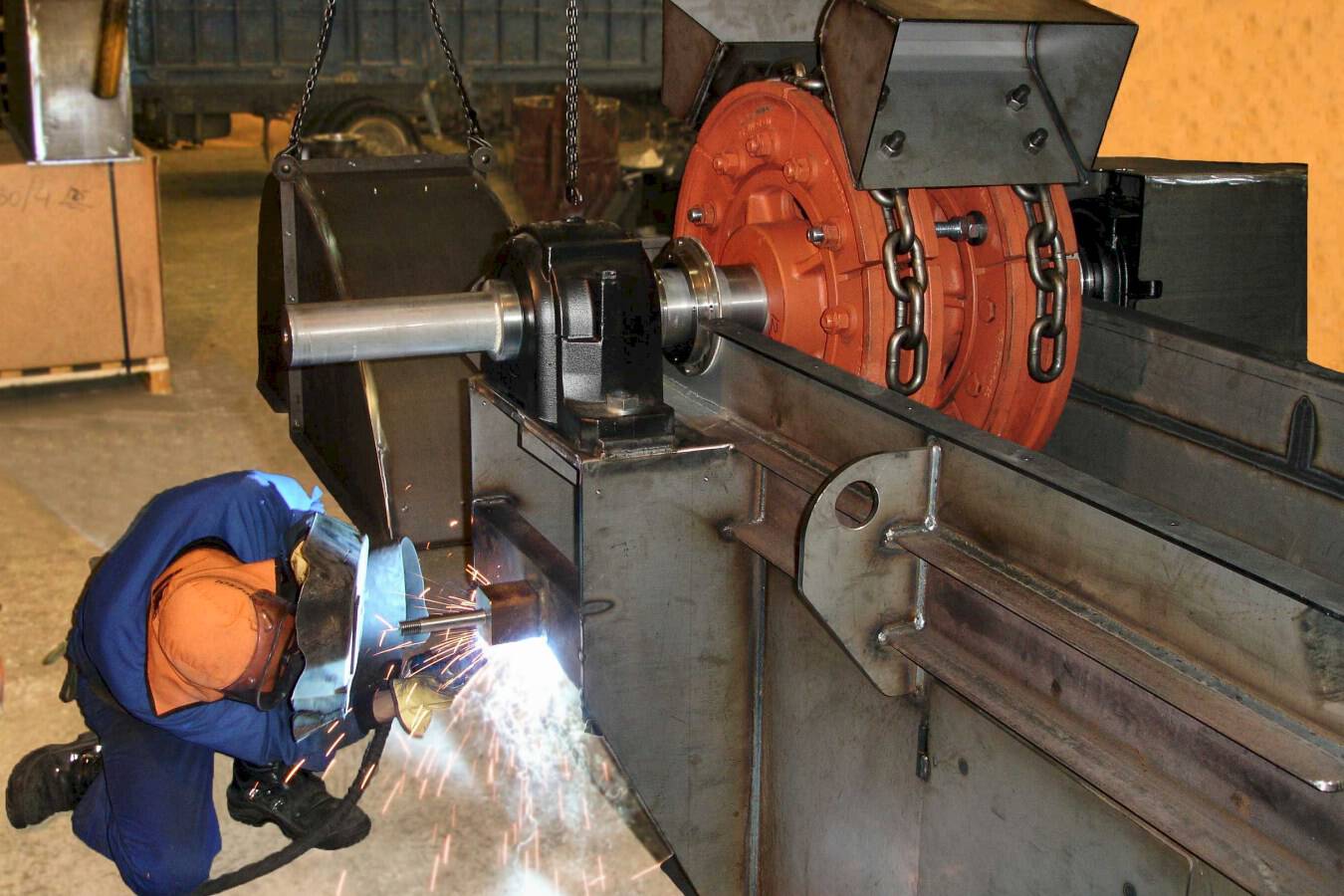
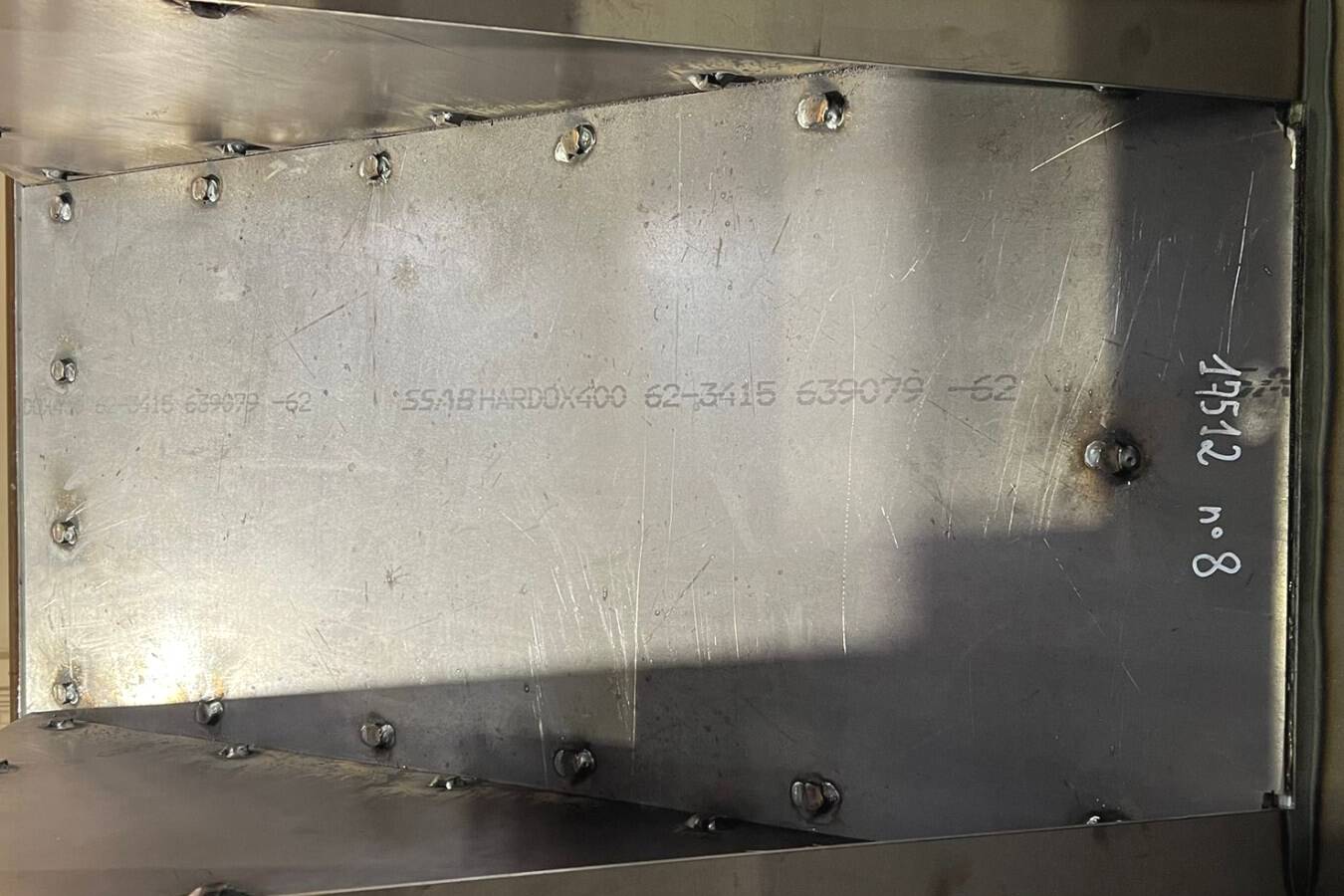
Experience and Commitment The main business of Sinfines y Maquinaria S.A. (Sinfimasa) is to understand the customer and design and manufacture conveyors according to project requirements and the specifications of the solid material to be handled. At our facilities in Guissona (Spain), we have our own engineering department with over 35 years’ experience, where we design machines that meet our customers’ technical specifications and make our commitment to their engineering project. We offer solutions for conveying and lifting bulk solids with uncompromising quality and precision, and we ensure equipment reliability in every situation in the processing plant. Safe, Robust, Reliable In our production plant we manufacture products with all types of finishes as required: pickled and passivated, electro-polished, lacquered, sandblasted and food-grade, etc. We work with different materials such as carbon steel, stainless steel and anti-wear steel. We use high quality and universally available components such as SEW gearmotors or SKF bearings. Our suppliers are also key to our success and we make a commitment to them. We have a test bench where, based on product samples from our customers, we research the best solution for the requirements of each project. We are committed to our customers and engineering companies to offer machines with guaranteed reliability. Sinfimasa has welding procedures and welders approved according to ASME Section IX (QW-484). We use an automated welding system to ensure that the entire length of the conveyors are welded evenly and are free from voids. At Sinfimasa we are rigorous and demanding, with numerous references in several countries on all five continents as our guarantee. Please ask us for more information as you require. Consult us about your project on no obligation. We will make you a reliable technical proposal that is 100% adapted to your requirements.
Last update: 08.04.2024

More items

Tips for effective screw conveyor maintenance Proper maintenance of a screw conveyor is essential to ensure its efficient operation, prolong its lifespan, and avoid costly repairs or replacements. How to check and maintain effectively.
Tips for effective screw conveyor maintenance
Proper maintenance of a screw conveyor is essential to ensure its efficient operation, prolong its lifespan, and avoid costly repairs or replacements. How to check and maintain effectively. A screw conveyor, also known as an auger conveyor, is a machine that uses a helical screw to move bulk products from one point to another. Proper maintenance of a screw conveyor is essential to ensure its efficient operation, prolong its lifespan, and avoid costly repairs or replacements. Sensitive points in a screw conveyor # Bearings: These parts allow the screw to rotate without friction. It’s crucial to check them regularly for signs of wear or damage. # Helical Screw: This is the main part of the conveyor. It should be inspected for deformations or excessive wear. # Tube or Trough: This is the container where the screw is located. It should be free of obstructions and damage. # Seals: They prevent material from escaping and protect against the entry of contaminants. They should be checked and replaced if necessary. Parts to replace periodically # Drive Shaft Bearings - Inspection and greasing; Frequency: Every 1000 hours or every three months. Regular
25.04.2024  |  3110x  |  Product news  | 
Sinfimasa helps choose optimal vertical conveying for your application Operating temperature, granularity, and other characteristics determine what the best option is for a bulk solids elevator. This item describes different types of bucket elevators: chain or belt.
Sinfimasa helps choose optimal vertical conveying for your application
Operating temperature, granularity, and other characteristics determine what the best option is for a bulk solids elevator. This item describes different types of bucket elevators: chain or belt. Chain or Belt Bucket Elevator Typically, in the industry and handling of bulk solid products, belt-anchored bucket elevators are used for vertical material lifting due to their higher performance in terms of load capacity and lifting speed. However, a chain bucket elevator emerges as a robust and reliable solution for lifting materials under certain specific conditions. Comparing them with the former, we observe significant differences that influence the implementation decision according to the needs of each project. Heavy-Duty applications Chain bucket elevators stand out for their ability to handle bulk materials of large size, high density, abrasiveness, and under high-temperature conditions. This type of elevator uses robust chains as a means of support and traction for the buckets, which gives it superior resistance to wear and slippage. This feature makes them ideal for applications where materials such as minerals, coal, and chemicals need to be transported
09.04.2024  |  3065x  |  Product news  | 
Preventing wear of conveyors for abrasive bulk goods
To prevent abrasive wear, it is necessary to use abrasion-resistant industrial coatings with good resistance to the (hardest and sharpest) particles in the bulk material being transported. The simplest solution is to apply a hard coating or lining to the surface of the parts of the conveyor in contact with the product. This protective coating should have a greater hardness than the particles causing the wear. A second possibility is to apply reinforced coatings with a better chemical composition, giving phases greater functionality and more protection. A third possibility is to treat the base metal, making it more resistant. Wear protection for bucket elevators For a bucket elevator, the buckets should be reinforced at the edges with an anti-wear steel plate, as this is the area most affected by wear. Wear protection for screw conveyors In screw conveyors, on the other hand, the entire spiral and shaft should be made of anti-wear steel. For this purpose
20.03.2023  |  3969x  |  Product news  | 
Which bulk material conveyor for which situation? Chain and screw conveyors versus belt conveyors. Sinfimasa manufactures chain and screw conveyors specifically for each customer and project.
Which bulk material conveyor for which situation?
Chain and screw conveyors versus belt conveyors. Sinfimasa manufactures chain and screw conveyors specifically for each customer and project. Which bulk material conveyor for which situation? Chain and screw conveyors versus belt conveyors There are several alternatives for conveying bulk materials. The most important of these are screw conveyors, belt conveyors and chain conveyors. Conveyors for bulk material should always be tailored to the situation: the movement path and the characteristics of the specific bulk material. Which type of conveyor is best for each situation? At Sinfimasa, we always say that the most important factor determining the choice of conveyor type is the product to be transported. Before the engineer defines the system, the properties of the product and conditions must be characterised. To mention are: the bulk density, grain size, abrasiveness, corrosivity, the temperature at which it will be transported, the power required, the degree of clumping, hygroscopicity, etc... Depending on the product and the configuration of the process or plant, one device will be better than
13.03.2023  |  4701x  |  Insight  | 
Sinfimasa bucket elevators and screw conveyors for lead oxide  Confined horizontal and vertical transport of lead oxide with a temperature of 110°C, a toxic and polluting material.
Sinfimasa bucket elevators and screw conveyors for lead oxide
Confined horizontal and vertical transport of lead oxide with a temperature of 110°C, a toxic and polluting material. Lead oxide or lead dioxide is an odorless brown powder or crystal. It is used in the electrodes of lead-acid accumulator batteries and in the paint, rubber and ceramics industries. In this success story, our client is a multinational lead-acid battery manufacturer that needed to transport and elevate lead oxide with an average temperature of 110°C for a new manufacturing line. Lead oxide is characterized by a high density and in this case, it is transported with a fine granulometry in powder form. In addition to its toxicity and polluting capacity, it requires that the machinery that transports it has an adequate sealing to avoid material leaks and an adequate dimensioning to ensure its correct operation in case of unexpected stoppages. Lead oxide bucket elevators To meet the requirements of the plant’s engineers, Sinfimasa designed and manufactured a belt bucket elevator taking into account the abrasion, temperature and tension requirements, so a top brand
24.01.2023  |  4440x  |  Product news  | 
PORTALS
BulkSolids-Portal Schuettgut-Portal Recycling-Portal
Related
Bulkgids.nl
SIGN UP FOR OUR NEWSLETTER
Newsletter archive
Service and contact
ContactDisclaimerPrivacyAdvertising
FOLLOW US
Linked