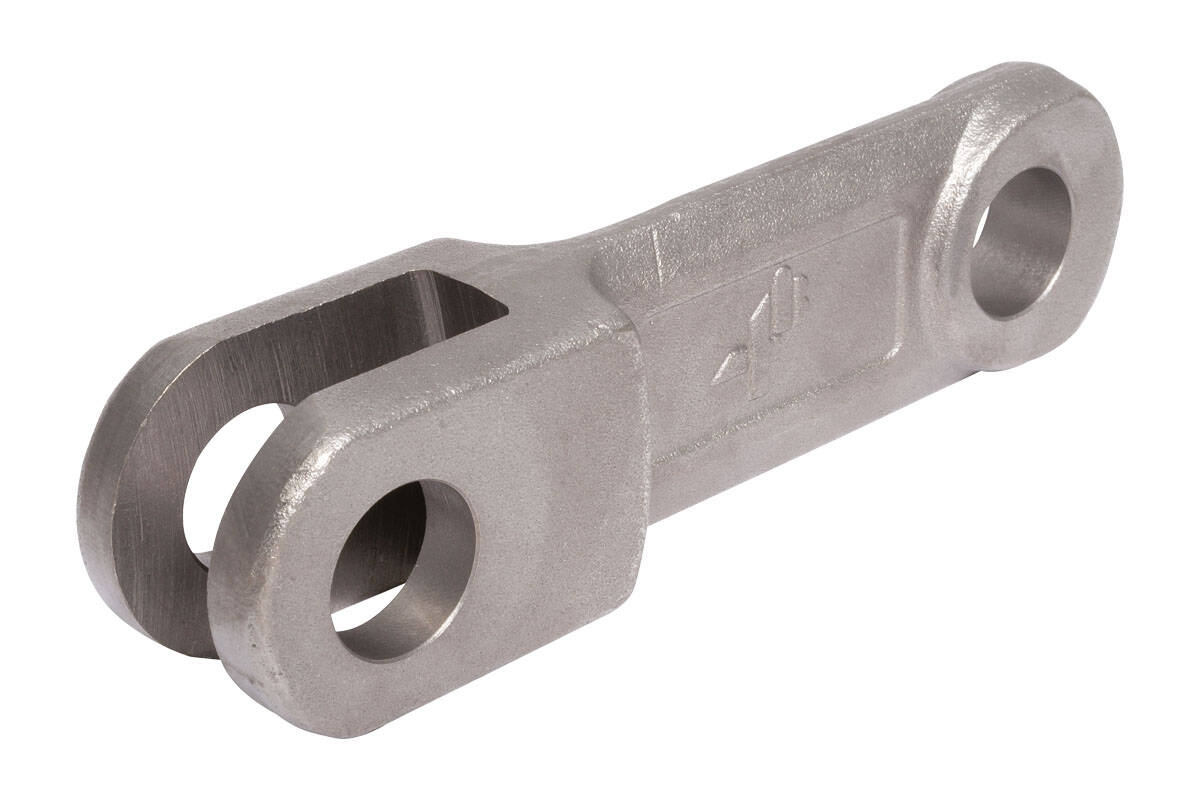
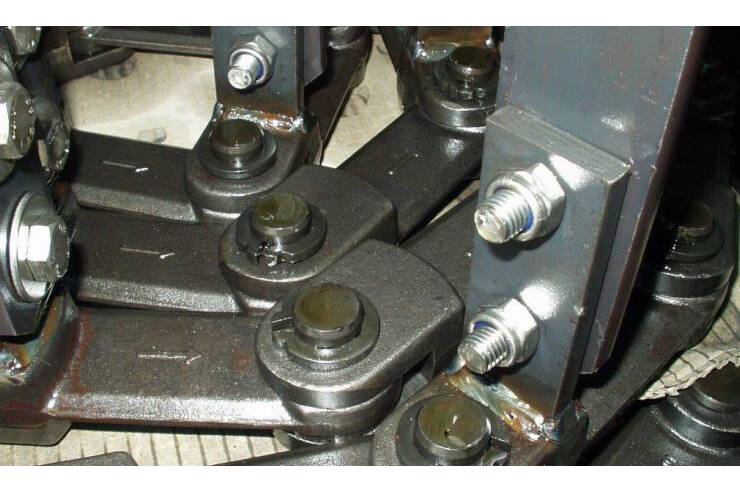
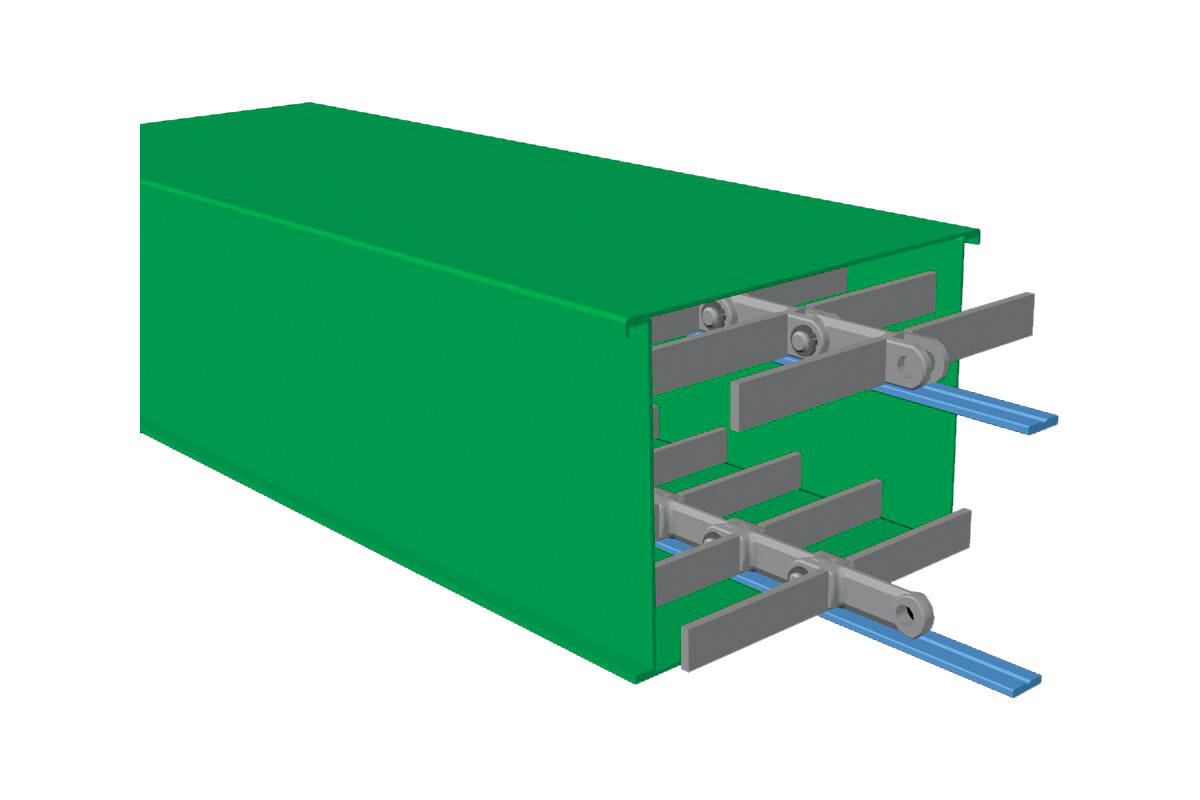
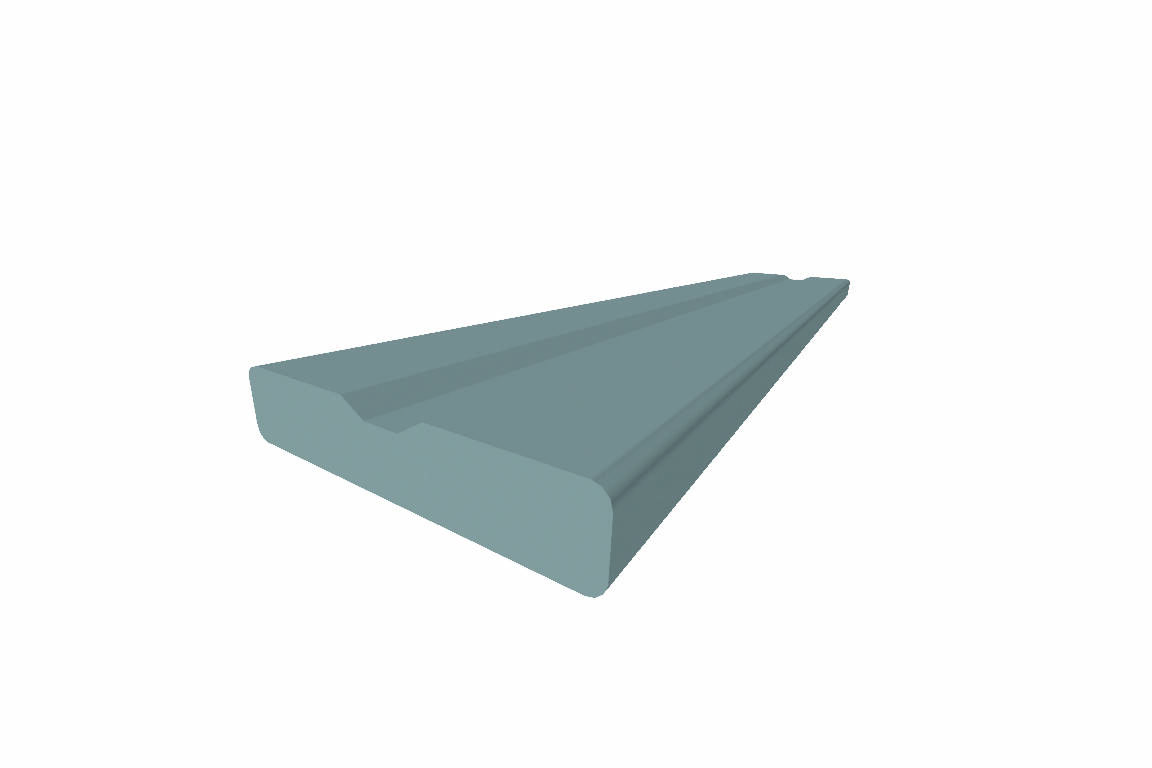
Specifically designed for the use with drop forged, heat-treated chain links, 4B Manganese Steel Wear Rails provide a low friction, highly wear-resistant ‘running surface’ for conveyor drag chains.
They extend the life of chain conveyor casing bottom plates (and other areas, depending on machine design, handled material and application), protecting against costly wear and premature casing panel replacement.
Benefits of work hardening and low friction
The combination of a ductile core and a hardened surface results in a durable solution for heavily loaded conveyor systems. The low-friction running surface reduces energy consumption and minimises stress on the conveyor chain, contributing to extended component life and lower operating costs.
- Increased wear resistance through work hardening
- Extended service life of conveyor casings
- Reduced energy consumption due to low friction
- High toughness with good formability
- Non-magnetic material properties
Applications in bulk material handling
The wear rails are specifically designed for use with drop-forged, heat-treated chain links. Typical applications include drag chain conveyors handling abrasive bulk materials such as minerals, aggregates, and industrial granulates. They act as a wear-resistant running surface, protecting bottom plates and other critical areas of the conveyor casing.
Flexible installation options
Installation is typically carried out using welded studs on the underside of the wear rails in combination with bolting. Additional tack welding may be applied to secure positioning and reduce the risk of detachment in the event of fixing failure. The exact installation method depends on equipment design, operating conditions, and the material being conveyed.
The use of manganese steel wear rails helps extend maintenance intervals and reduce unplanned downtime. This enables operators to improve plant availability and optimise lifecycle costs in demanding conveying environments.