Optimizing bulk handling efficiency
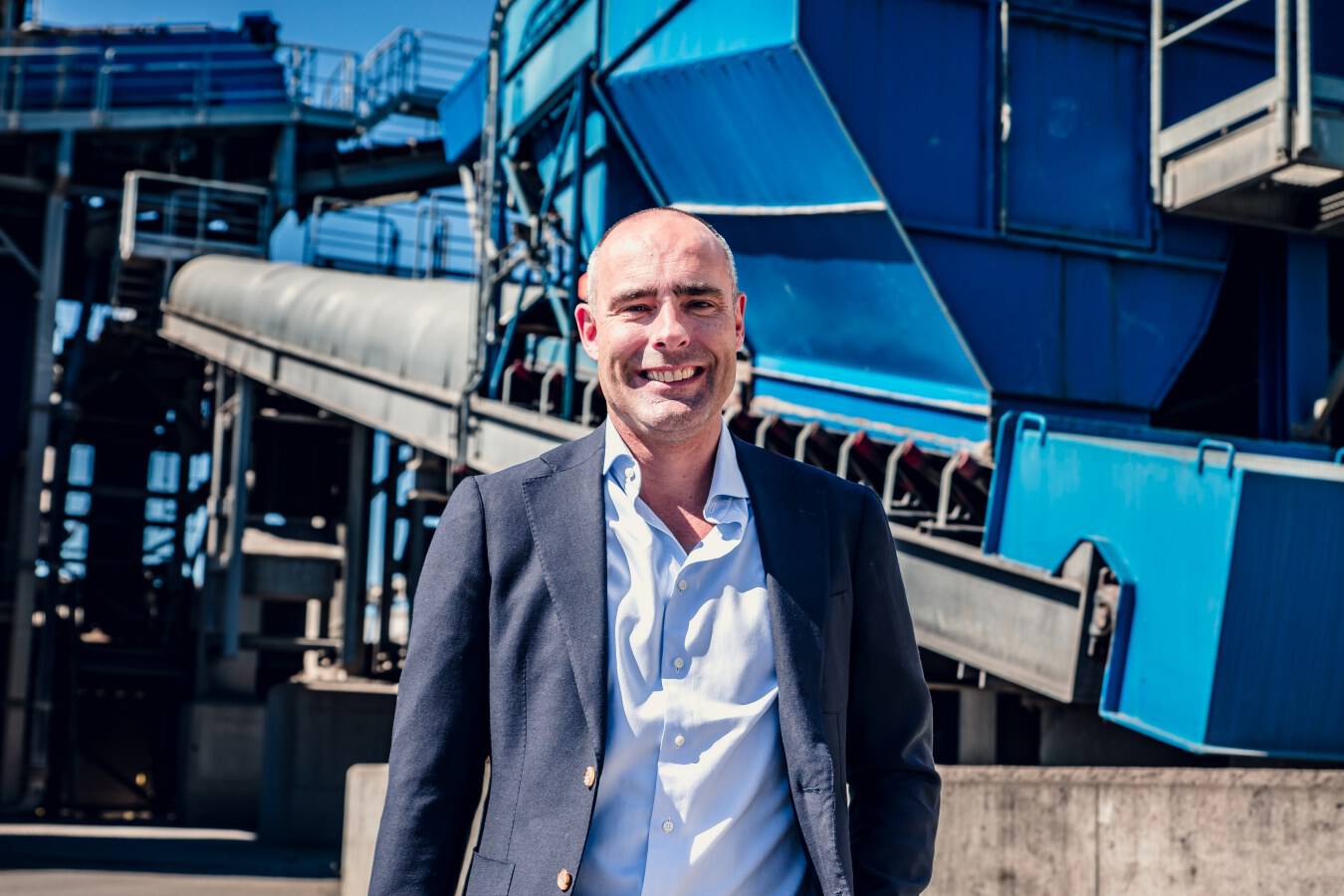
Dust reduction is often overlooked because it is not considered part of the primary production process, emphasizes Stan Egging. However, modern bulk solids handling requires an integrated approach to maintain clean and sustainable operations. TBK Group positions itself as a total partner for the prevention of pollution and dust in bulk material processing.
Hidden costs of industrial dust
The financial impact of dust accumulation extends far beyond simple cleaning expenses. Egging identifies several areas where companies lose significant capital without realizing it:
- Premature wear and damage to machinery and periphery equipment.
- Excessive cleaning service costs that can often be reduced by up to 60%.
- Potential legal claims and higher absenteeism due to health risks.
- Continuity risks in a tight labor market where employees demand clean work environments.
Integrated technical solutions
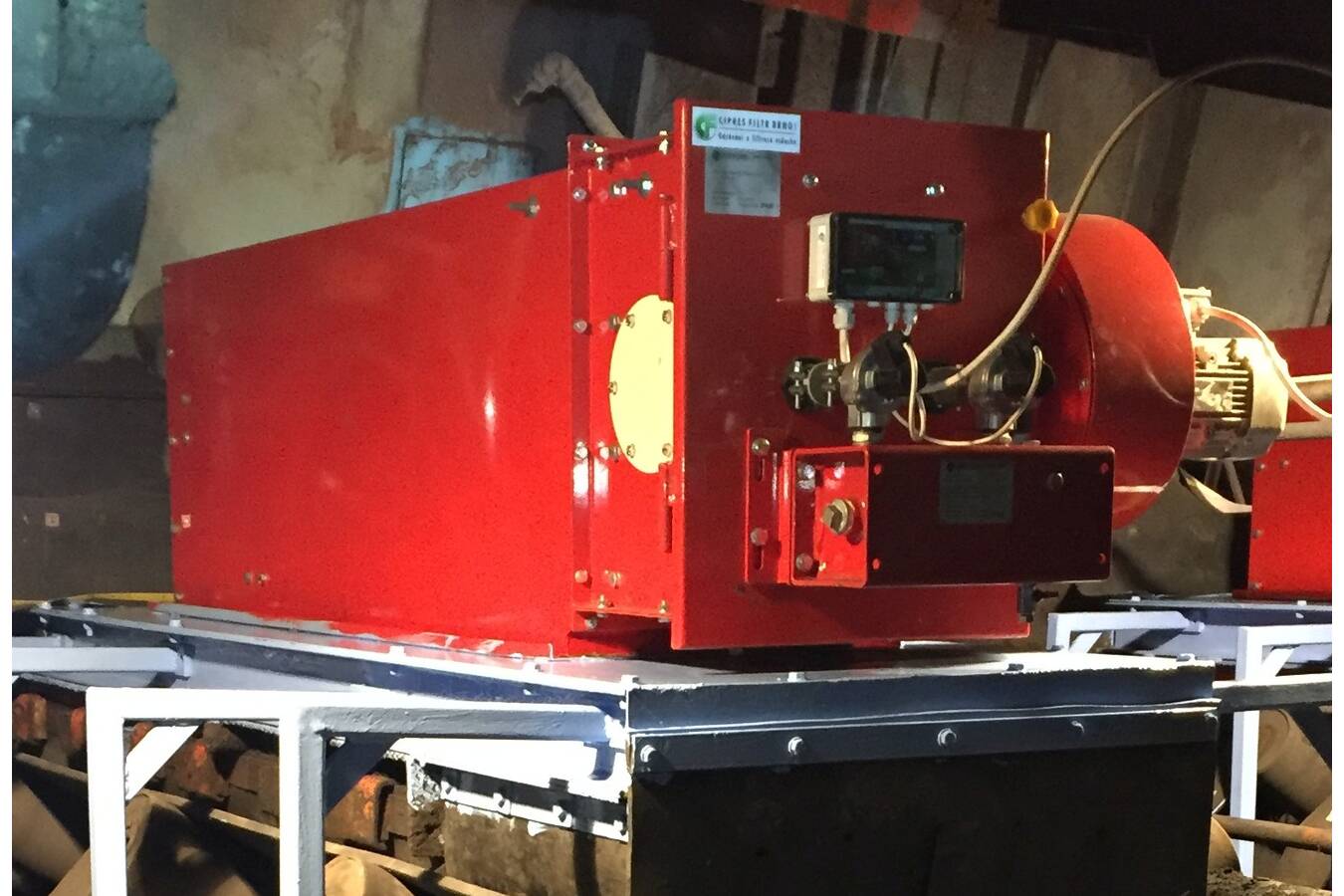
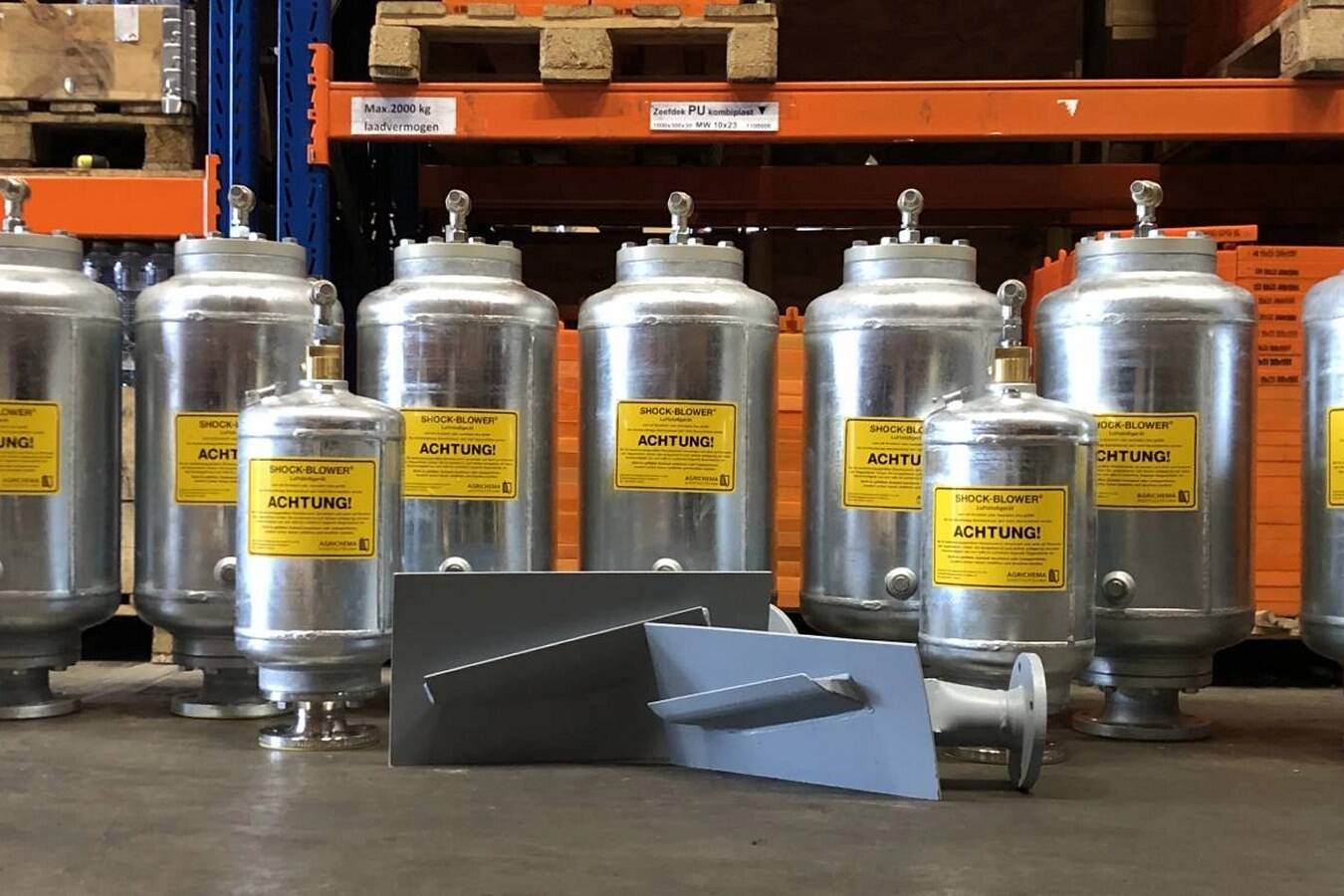
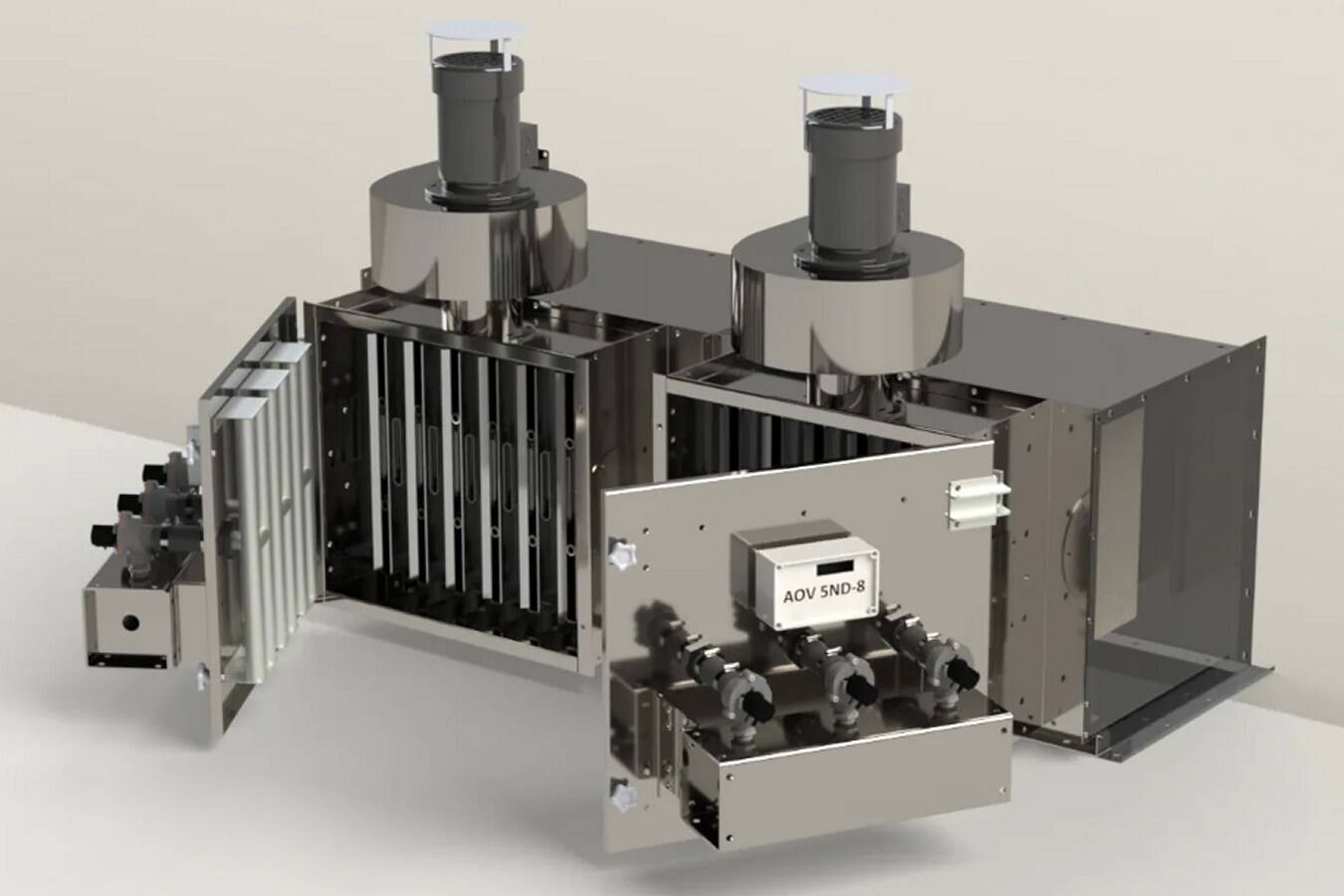
To tackle these issues, a combination of mechanical solutions and filtration technologies is required. TBK Group utilizes feedback from their service department and their customers to refine their product range, which includes:
- Dust extraction and advanced filtration systems.
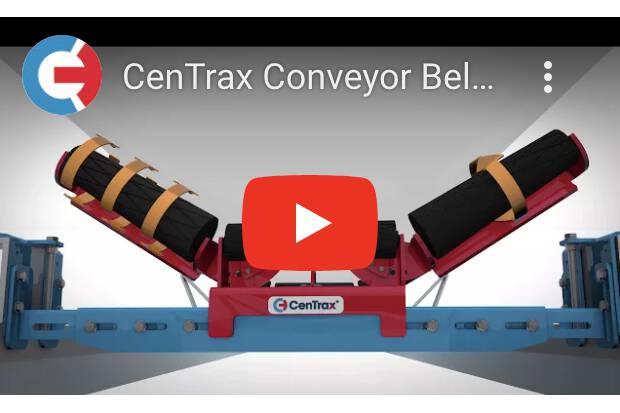
- Conveyor belt components such as trackers, scrapers, and sealing.
- Screening and vibratory technology for efficient material processing.
Future-proofing through compliance
With environmental regulations becoming more stringent and organizations like Greenpeace monitoring industrial impact, dust control has become a license to operate. Egging notes that while dust reduction was once seen as an investment without immediate ROI, it is now recognized as essential for protecting human capital and securing long-term environmental permits.
Evidence-based process improvement
The company employs a pragmatic approach by using test setups and measurable reporting to demonstrate the effectiveness of their solutions. This allows clients in sectors such as steel, food, and recycling to quantify improvements in both air quality and operational efficiency before committing to large-scale projects.