Automate without an entry threshold
How VEGA’s IoT level measurement technology is paving the way for automated logistics
For a long time, level measurement was a simple, local issue in the process industry. Sensors detected whether a container was empty or full, sometimes providing percentage values, but rarely integrating the results into larger systems. However, this view of measurement technology has changed fundamentally. Today, it’s no longer just about individual measuring points, but about networked systems: about greater transparency, higher efficiency – and about making decisions automatically, before they become urgent.
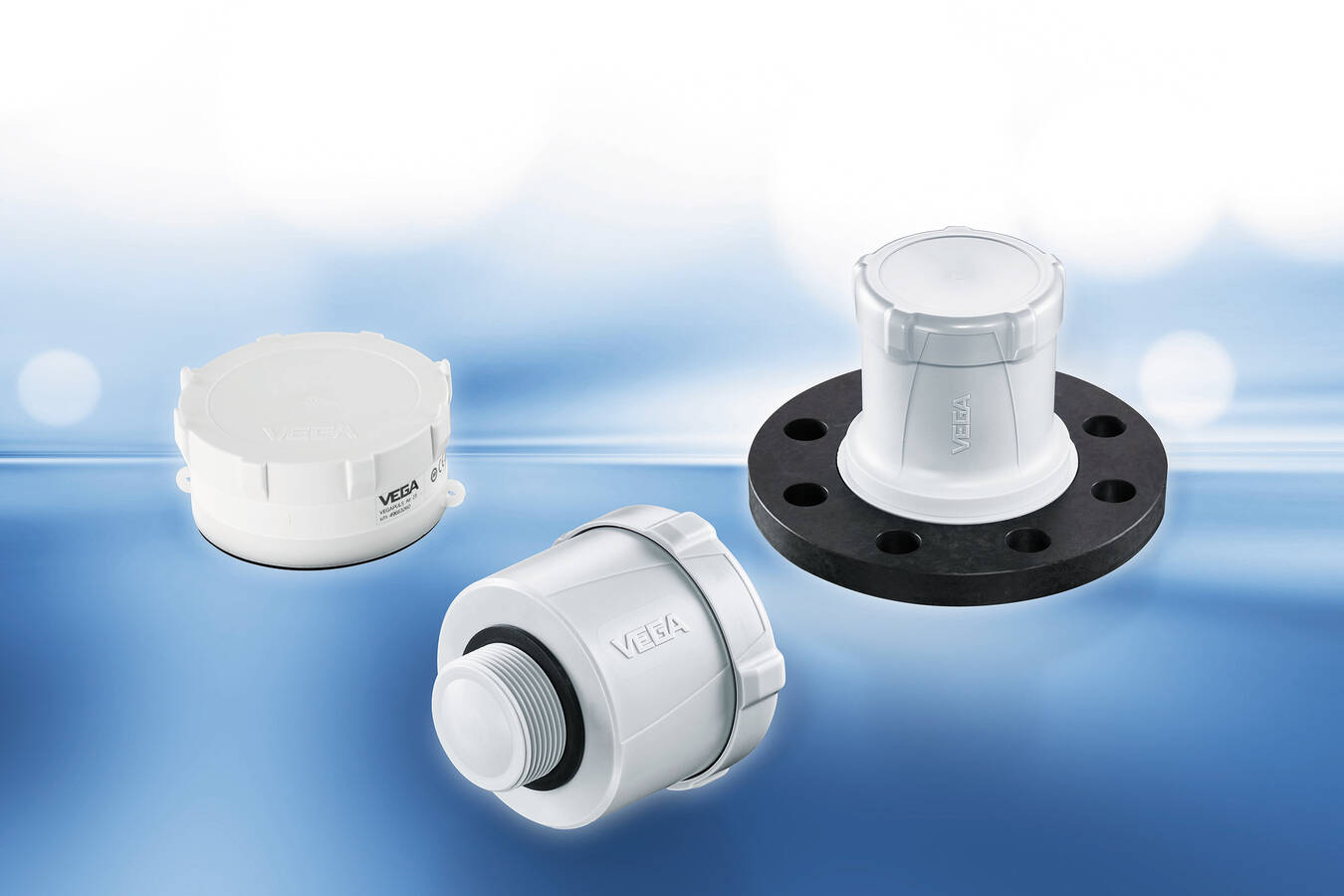
VEGA recognised this transition early on and helped shape it – with, among other things, the autonomous VEGAPULS Air radar sensor, VEGA Inventory System, the APL communication standard and universal Bluetooth connectivity. The goal of these developments is to make logistics processes not only more efficient but also more proactive. At the centre of all this is the concept of user-friendliness: Solutions should make everyday work noticeably easier.
Step by step towards intelligent supply
A practical example: What the transition to digitalised logistics can look like in practice was demonstrated last year at a farm in the Lower Rhine region. Uncertain data on current levels, spur-of-the-moment replenishment orders and unnecessary inspection trips were part of everyday life when it came to refilling the silos. The business operated with a large number of decentralised applications and, for the most part, lacked consistent information.
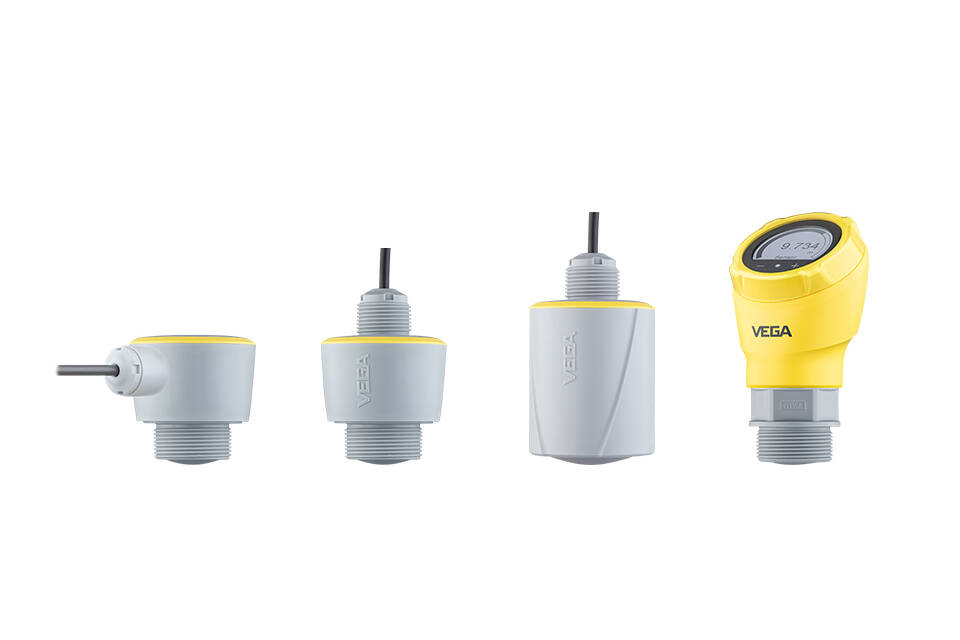
Together with the responsible VEGA field representative, Veith Doeven, management decided on a pragmatic approach: First install an autonomous VEGAPULS Air 41 radar sensor at one of the external storage facilities. Since then, the battery-powered radar sensor has been transmitting the level data directly to VEGA Inventory System via mobile network. There, the values can not only be monitored, but also evaluated with regard to historical data and used to determine consumption and plan replenishments.
The technical manager was surprised at how smoothly the technology worked: “I could read the current values by glancing quickly at my mobile phone.” Over the next few weeks, many other silos were equipped with VEGAPULS Air sensors, and supplies now arrive on time without having to make a single phone call. Another important effect was that delivery runs became significantly more efficient and changeover times much shorter. All this led to measurable savings and a noticeable increase in productivity.
For VEGA, this example is not an isolated case. It shows how, with minimal effort and starting with a single sensor, a comprehensive system can be created. Especially in industries with thin staffing levels or decentralised warehousing structures, this kind of process automation makes a noticeable difference. Doeven emphasises the importance of taking one step at a time: “It’s important to get started, even with just one probe, because the best ideas often arise on the way to a solution.”
Simple application, big impact
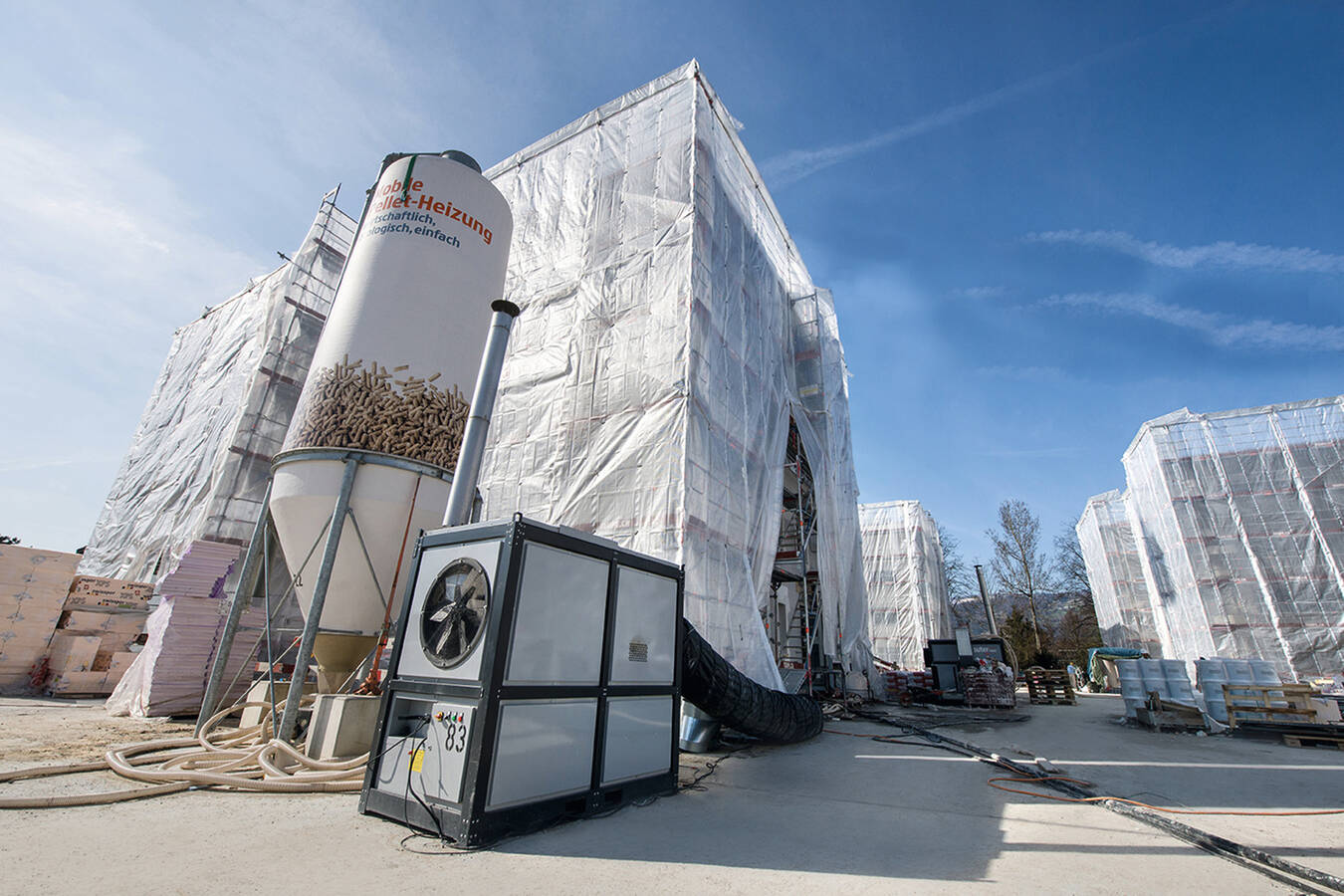
What may be easy to implement is actually a quite sophisticated piece of technology. The VEGAPULS Air transmitter incorporates the same cutting-edge radar technology that VEGA supplies for industrial applications in the chemical and food industries. It measures contactlessly and with high precision, and stays reliable even in the presence of dust, moisture or fluctuating temperatures. Thanks to its special energy-saving design, this battery-powered measuring instrument can run reliably for up to 10 years. This allows it to be used in locations without infrastructure: at construction sites, in mobile containers, or remote silos. In construction logistics, for example, concrete batching plants use the level data to keep track of cement stocks at various construction sites via VEGA Inventory System. Wasted delivery runs, overfilled silos or unnoticed bottlenecks are now a thing of the past. Veith Doeven reports: “Now, our customers know the day before where and what quantities will be needed the next morning.” The transmitters automatically report when a limit value is reached, which allows the dispatch department to react immediately.
Realtime instead of maintenance cycles
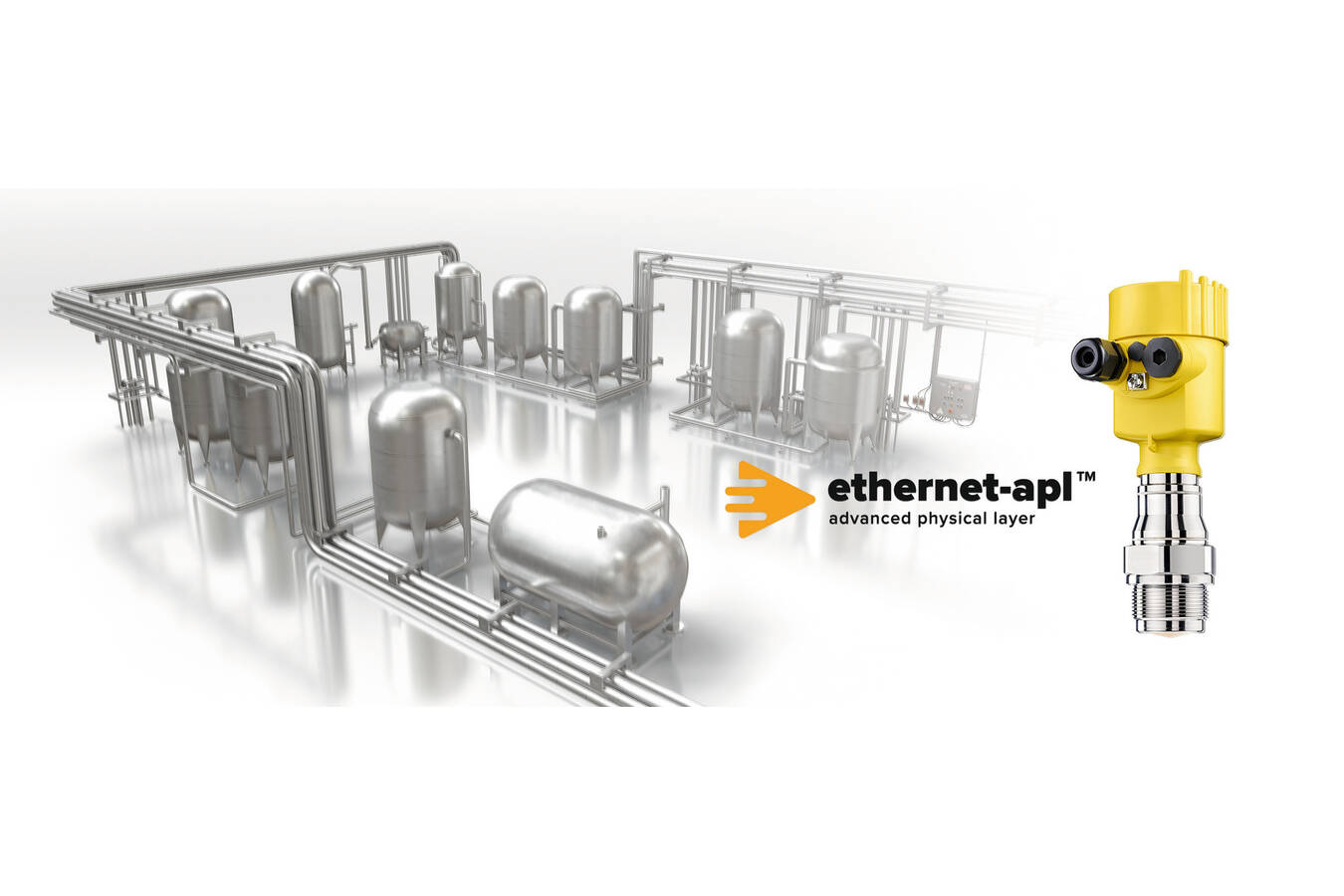
APL makes it possible: While the VEGAPULS Air radar transmitter is ideal for decentralised applications, VEGA also relies on another technology in large processing plants: APL (Advanced Physical Layer). This new standard brings Ethernet directly to the sensor, providing fast and complete transparency at the field level.
In applications that were previously reserved for analogue 4 ... 20 mA signals or Fieldbus protocols, APL now opens up the possibility of an end-to-end data connection from the control level to the transmitters. This means: faster setup and commissioning, better diagnostic functions as well as a digital twin of the plant. VEGA has made it its mission to not only market APL-compatible instruments, but also to actively support plant operators in the transition. Doeven explains that even in large companies, it’s important to keep the entry threshold as low as possible: “It often makes sense to start with a pilot system. The instruments are connected via Ethernet, deliver all process data exact to the second and diagnose themselves.” This saves a lot of legwork, and “we can identify problems before they become critical.” This transparency can be decisive, especially in safety-critical industries like chemicals and pharmaceuticals. VEGA therefore offers APL-capable transmitters and is systematically developing its instrument platform in line with this important standard.
Bluetooth as a bridge to practical application
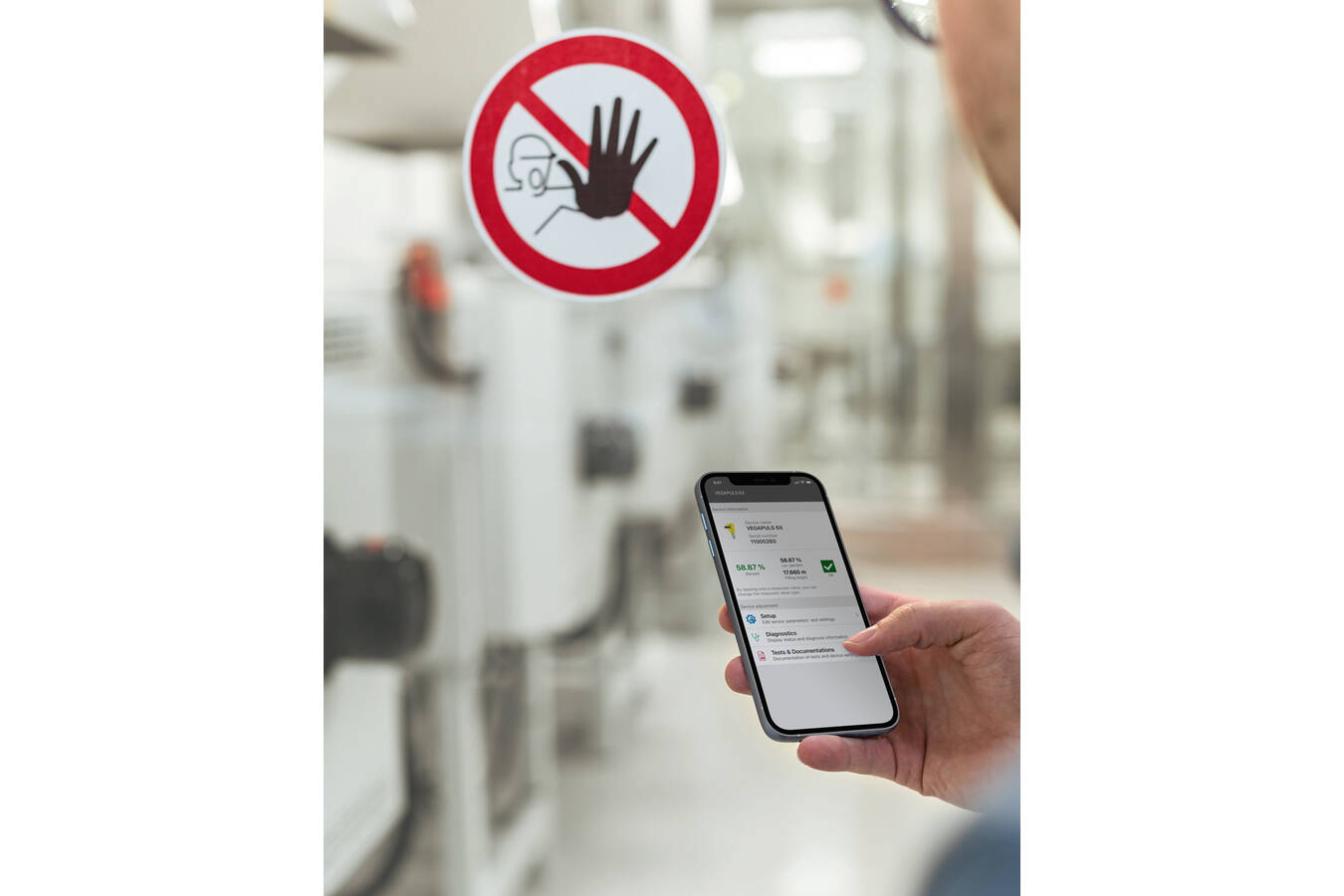
But even where Ethernet is not available – for example, in existing plants – digitalisation continues to move forward. A central element here is Bluetooth communication, which VEGA has consistently implemented in almost all of its product lines. Bluetooth is intended not as a replacement, but as a supplement: for quick setup and commissioning, occasional maintenance or local monitoring. It allows instruments to be parameterised, calibrated and read out via smartphone or tablet – without having to climb high ladders or travel long distances to remote measuring points. All recorded data is stored securely in the myVEGA cloud. It supplements local storage and documentation methods by providing centralised, digital access to measurement and diagnostic data in realtime.
This is also a significant advantage in Ex-hazardous areas. For example, in a chemical plant, the level inside a tank located in a potentially explosive area is checked regularly via this tool. In the past, technicians had to wear costly protective equipment and get directly next to the instrument in order to make adjustments or read measurements. Today, all they need to do is communicate from a safe distance via Bluetooth and an explosion-proof smart phone ot tablet.
Step by step towards autonomous logistics
What all VEGA IoT solutions have in common is simplicity: The transition to digital, automated logistics is a practical, low-threshold undertaking. No one has to convert their entire plant immediately. It makes sense to start with a small first step. Then the second one follows. Then, integration into VEGA Inventory System could follow. Everything modular, everything scalable.
Customers benefit not only from the technology, but also from the experience of a company that has grown with the process industry for decades and knows how to combine robust measurement technology with intelligent IT. “This opens up new potential for many of our customers: A scenario that previously seemed difficult to realise on a large scale is now within reach,” says Doeven, describing the VEGA approach. They benefit from self-organising logistics and a material supply system that identifies bottlenecks before they arise – and from measurement technology that not only measures but understands what is being measured and the significance of that measurement. “In the past, all a sensor would tell me is: ‘The tank is empty’,” he explains, and then compares, “today, via the VEGA Inventory System, it says: ‘Reorder now, otherwise your machines will be standing idle the day after tomorrow’.” That’s precisely the difference between simple measurement data and real, actionable information.