Askira: Early Warning System Makes Maintenance Risks Visible
Askira identifies maintenance risks early and provides clear priorities and actionable recommendations. This enables targeted maintenance planning, reduces unplanned downtime and improves equipment availability.
Askira provides operators of conveying systems with a data-driven early warning system. It detects unusual changes in equipment condition and supports predictable, risk-based maintenance planning.
Detecting Early Signs of Wear and Deterioration
Unusual vibration patterns, rising temperatures or changes in current consumption: Technical abnormalities often develop gradually before resulting in equipment malfunctions. However, such developments are not always apparent during normal operation.
In the bulk materials handling industry, unplanned downtime of individual conveying units can have far-reaching consequences. If a bucket elevator, screw conveyor or belt conveyor fails, downstream production processes may be affected.
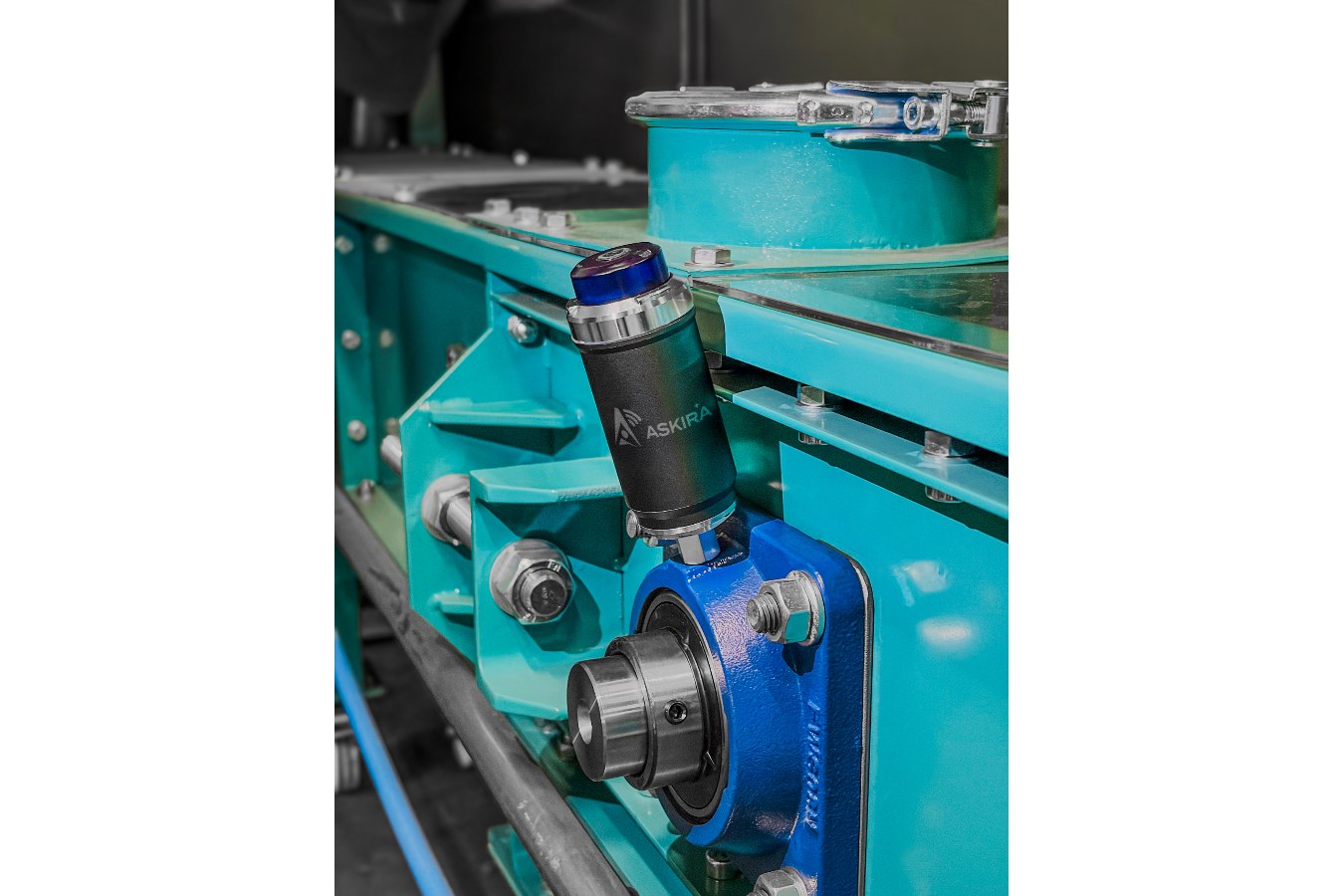
This is where Askira comes in. Developed by Askira GmbH, based in Haan, Germany, the early warning system for conveying equipment was introduced at Solids Dortmund in March 2026. Its purpose is to identify critical changes in equipment condition at an early stage and provide a reliable, data-driven basis for maintenance decisions.
Turning Measurement Data into Maintenance Decisions
Askira monitors relevant operating and condition parameters, including vibration, temperature, rotational speed, motor frequency and electrical current consumption.
The analysis focuses particularly on changes and trends in equipment operating behaviour. After all, an elevated measured value does not necessarily indicate a defect. What matters is how a component's condition develops over time and which deviations may indicate an increased risk of failure.
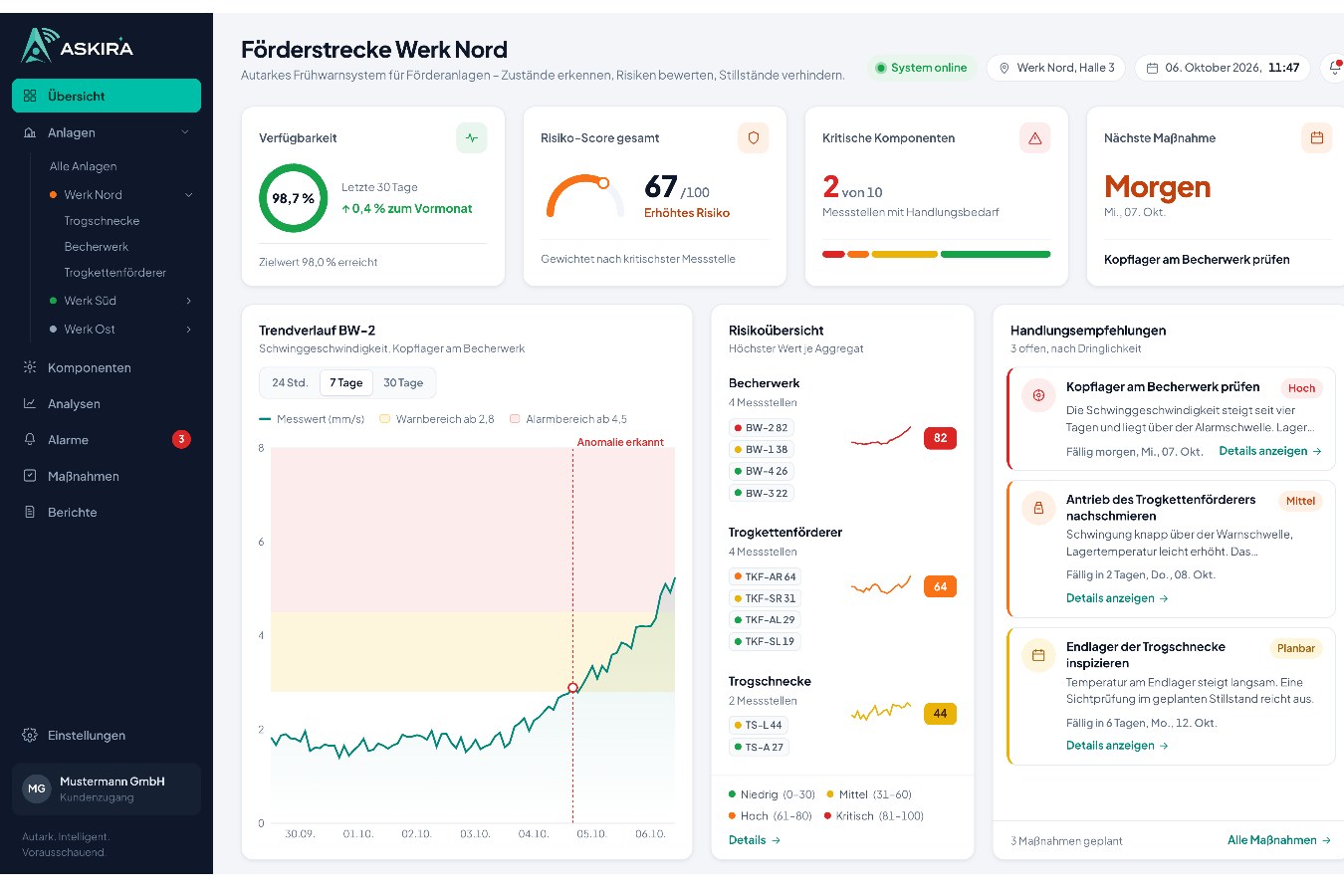
The collected data is used to generate risk scores and condition assessments. These help identify equipment showing abnormal behaviour, prioritise risks and determine appropriate maintenance measures.
Prioritising Critical Components
Rather than overwhelming maintenance teams with large volumes of isolated measurements and alerts, Askira provides a clear and transparent assessment of equipment condition.
A dashboard visualises condition trends, anomalies and critical components. Risk scores help assess the need for intervention across individual units and prioritise maintenance activities accordingly.
The crucial step is turning analysis into action: Based on condition assessments, actionable recommendations can be derived, maintenance activities prioritised according to urgency and suitable maintenance windows scheduled. This transforms condition monitoring from a purely diagnostic function into practical support for maintenance operations.
The objective is to minimise unplanned downtime, improve equipment availability and reduce the workload of maintenance teams through clear priorities and greater planning certainty.
From Individual Equipment Units to Entire Conveying Lines
Askira features a modular architecture and can be deployed to monitor individual units or multiple components within a conveying system. In addition to integration into new installations, the system is also designed for retrofitting existing equipment.
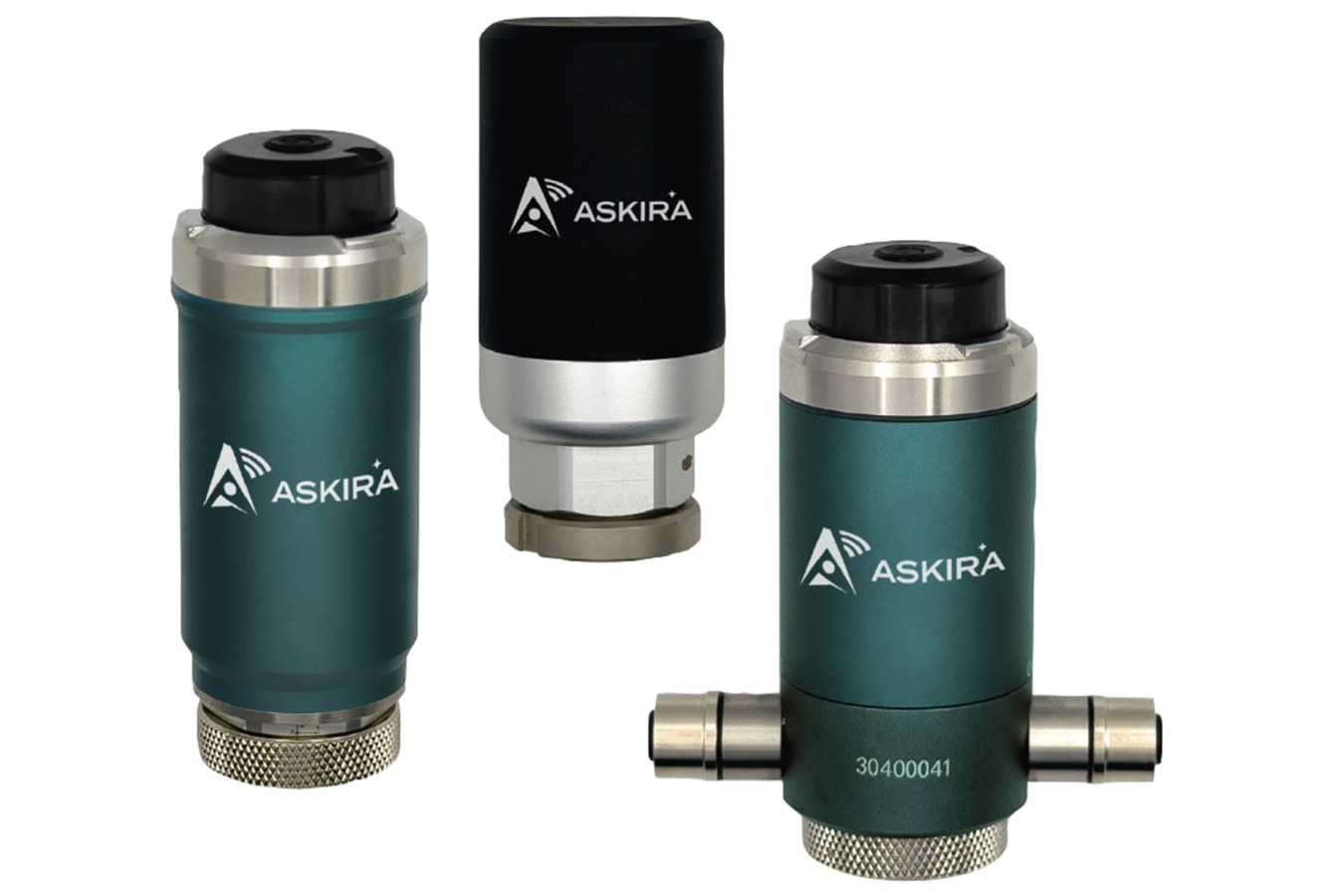
Depending on the application, various condition monitoring options are available – ranging from portable handheld measuring devices for spot measurements to networked monitoring solutions incorporating sensors, gateways and centralised data analysis.
The approach is not limited to bulk materials handling equipment. Other industrial production systems with suitable mechanical or rotating components may also benefit from condition-based monitoring.
Maintenance Based on Condition, Not Guesswork
With Askira, the company pursues a practical approach to predictive maintenance: Condition data is not simply collected but translated into actionable maintenance recommendations.
This provides a foundation for gradually transitioning from reactive or purely time-based maintenance towards a risk-based maintenance strategy.
About Askira
Askira GmbH, headquartered in Haan, Germany, develops solutions for data-driven condition monitoring and predictive maintenance of industrial equipment.
The company was founded by Philipp-Michael Stampfer, who serves as its Managing Director and is also responsible for technical management as Chief Technology Officer (CTO) at Anlagenbau Stampfer GmbH.
Askira's development draws on more than 35 years of experience in industrial plant engineering and extensive expertise in bulk materials handling technology.
By combining proven engineering expertise with modern data analytics, Askira enables more predictable, risk-based maintenance planning.