Coal Storage Operations: 3D Sensing and Data Solutions
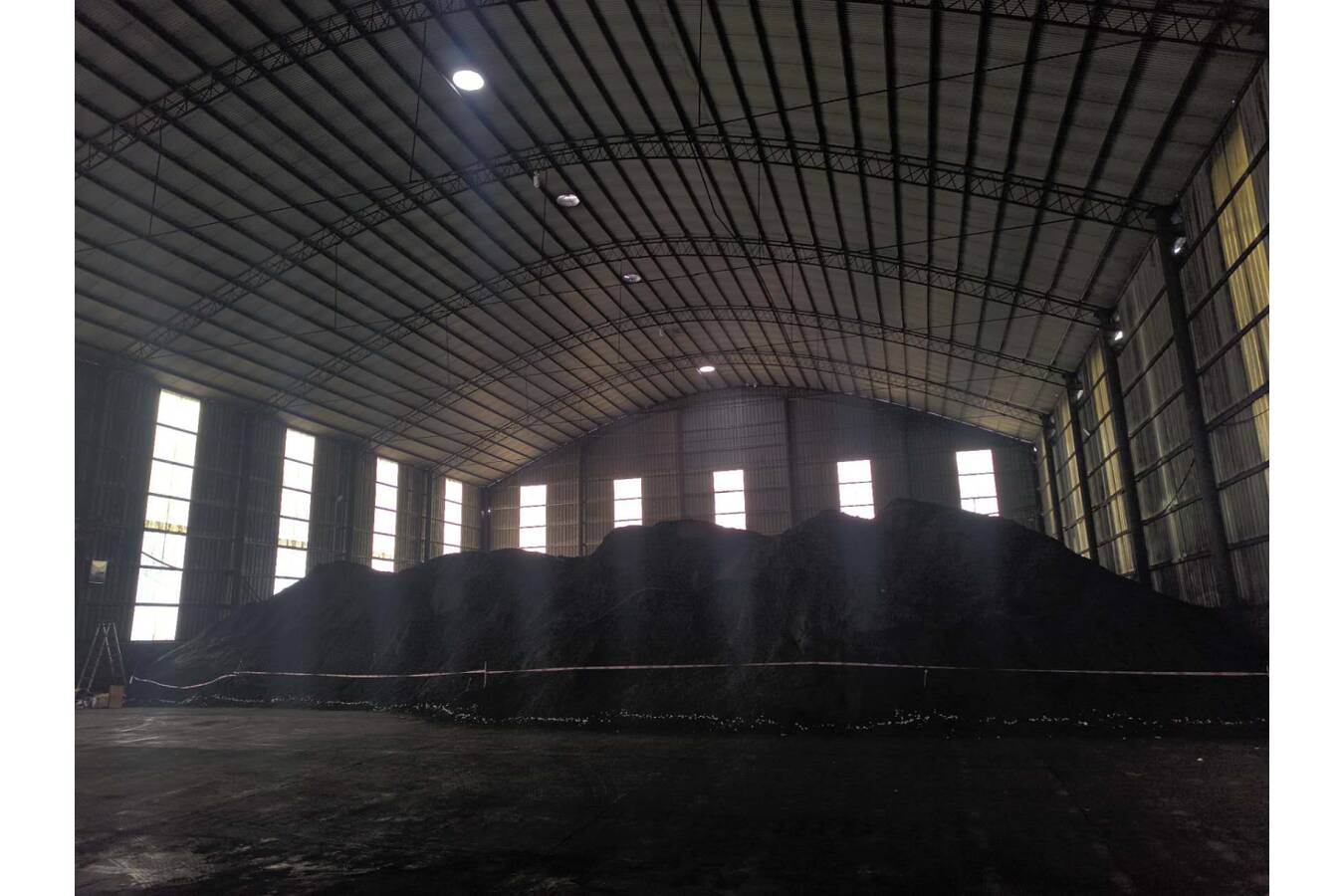
Coal storage environments often present severe operational challenges, including thick dust, uneven material surfaces, and unpredictable blind spots. Traditional point-measurement tools struggle to track irregular material configurations accurately, impacting inventory control and worker safety. Deploying field-proven 3D sensing systems addresses these industry bottlenecks by providing real-time 3D volumetric reconstruction to deliver accurate stock data and safer operating conditions.
Coal Storage Hazards: Structural Blind Spots and Dust
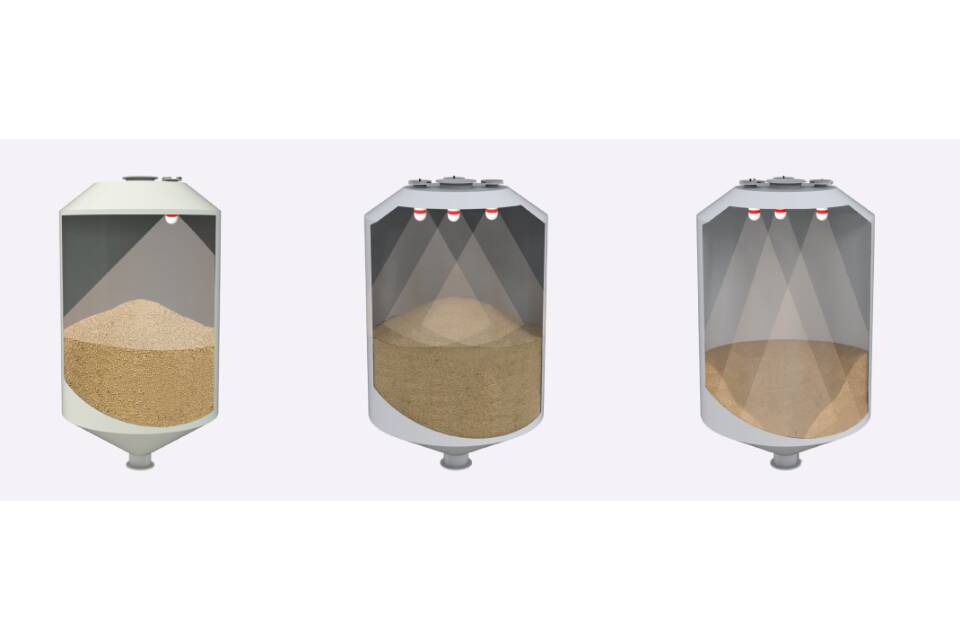
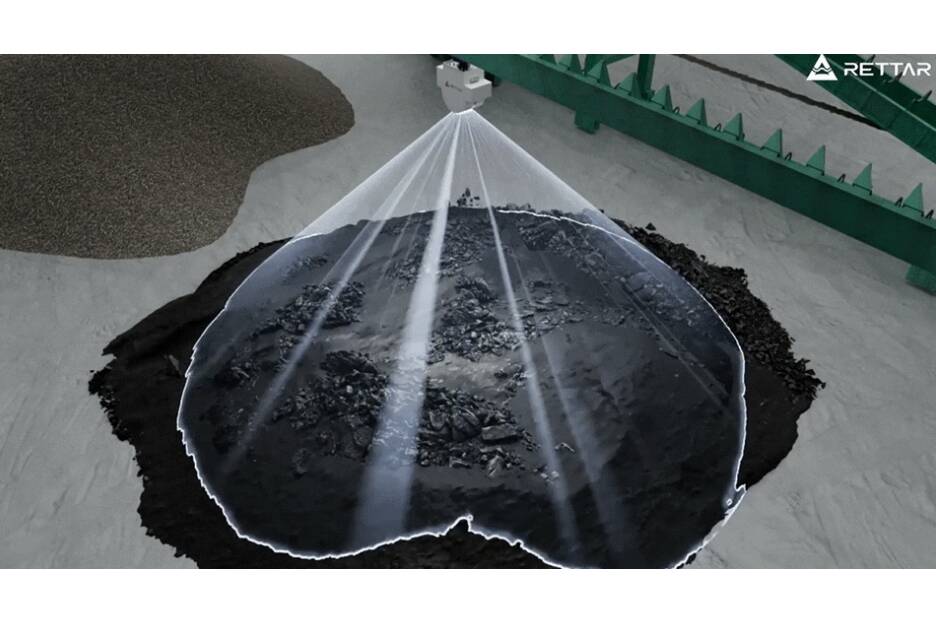
Inside massive coal silos, persistent airborne dust can degrade the performance of basic optical and acoustic tracking devices. Material loading and discharging processes create highly irregular piles with unexpected peaks and steep slopes. Traditional radar sensors only track the exact coordinate beneath their mounting spot, leaving the surrounding terrain unmeasured. These hidden blind spots affect the precision of volume tracking, hindering silo transparency. Without reliable metrics, cross-departmental data transparency drops, which often forces facility managers to send personnel up onto high catwalks for hazardous manual checks.
3D Sensing Methods: Dust Penetration and Radar Networks
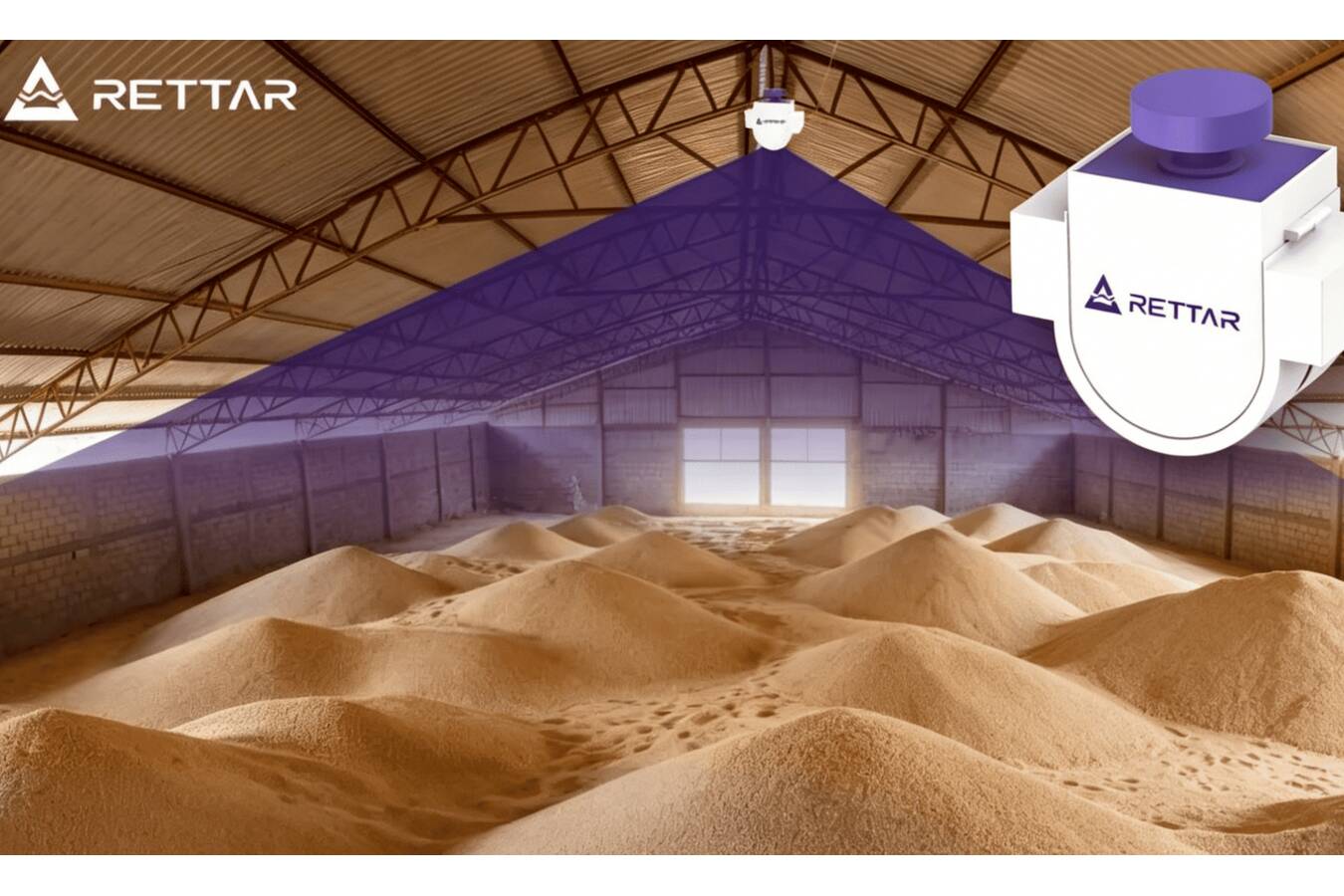
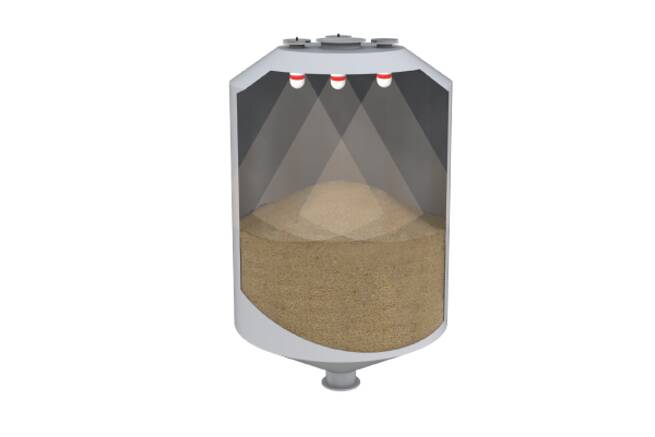
Modern inventory solutions mitigate these operational blind spots through a distributed network of automated scanning units powered by the RETTAR 3DPro2300 Radar Scanner. Utilizing Terahertz Frequency Modulated Continuous Wave (FMCW) technology, these high-frequency systems emit dense millimeter-wave signals capable of cutting through extreme dust layers. Field tests indicate that even a one-centimeter accumulation of coal dust on the sensor window of the 3DPro2300 does not affect signal reception. When multiple scanners work in unison across the top of a large silo, the integrated RETTAR stitching and registration algorithms merge individual data points to generate a unified representation of the entire material surface.
Low-Risk Retrofitting and Auto-Calibration
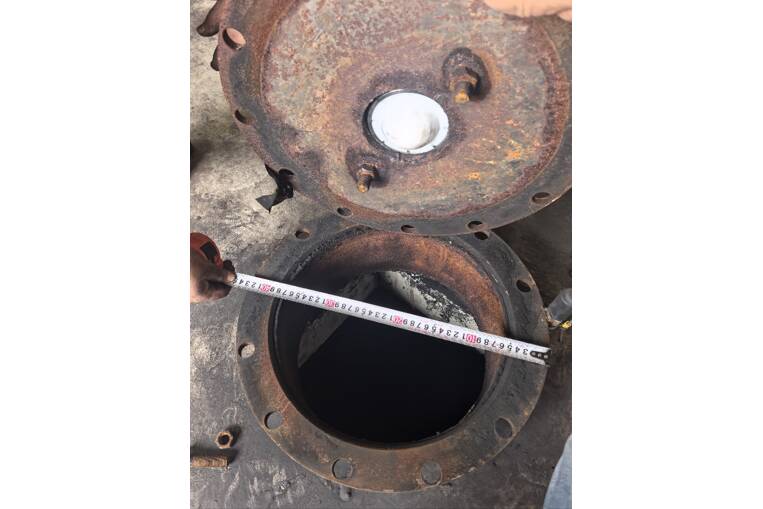
Upgrading existing industrial silos traditionally involves hazardous tasks like structural drilling, hot work, and extended high-altitude labor. To minimize these installation risks, modern 3D radar scanners utilize a highly compact design with an instrument diameter of 185mm, fitting into standard 190 mm openings. This allows plants to reuse existing single-point radar mounting holes without structural modifications. Furthermore, a built-in 6-axis gyroscope automatically calculates mounting angle deviations along the X, Y, and Z axes. The software uses these coordinates to self-correct installation misalignments in real time, eliminating the need for complex, manual on-site calibration.
Enhanced Safety and Corporate Data Flows
This field-proven system successfully establishes complete silo transparency by replacing visual guesswork with an automated surface profile. Data tracking accuracy reaches ±2mm, while the total volume calculations remain stable. This accurate volumetric information streams continuously to the central control room and flows into enterprise ERP platforms, driving operational transparency across the entire organization. Workers can monitor live material distributions and volume metrics from safe locations, keeping personnel out of dangerous industrial environments.
Optimize Operational Safety and Data Accuracy
Establish reliable control over bulk material tracking without installation hassle. Contact our technical engineering team today to receive a tailored, field-proven 3D sensing plan for your facility.