Supplier sign in
Home
STAY INFORMED
Subscribe to our monthly newsletter.
Your email address will never be disclosed to any third party.
Read our privacy notice.


Product news
22.07.2025  |  1952x
Share this item
Allow (tracking) cookies from YouTube and Vimeo to watch videos

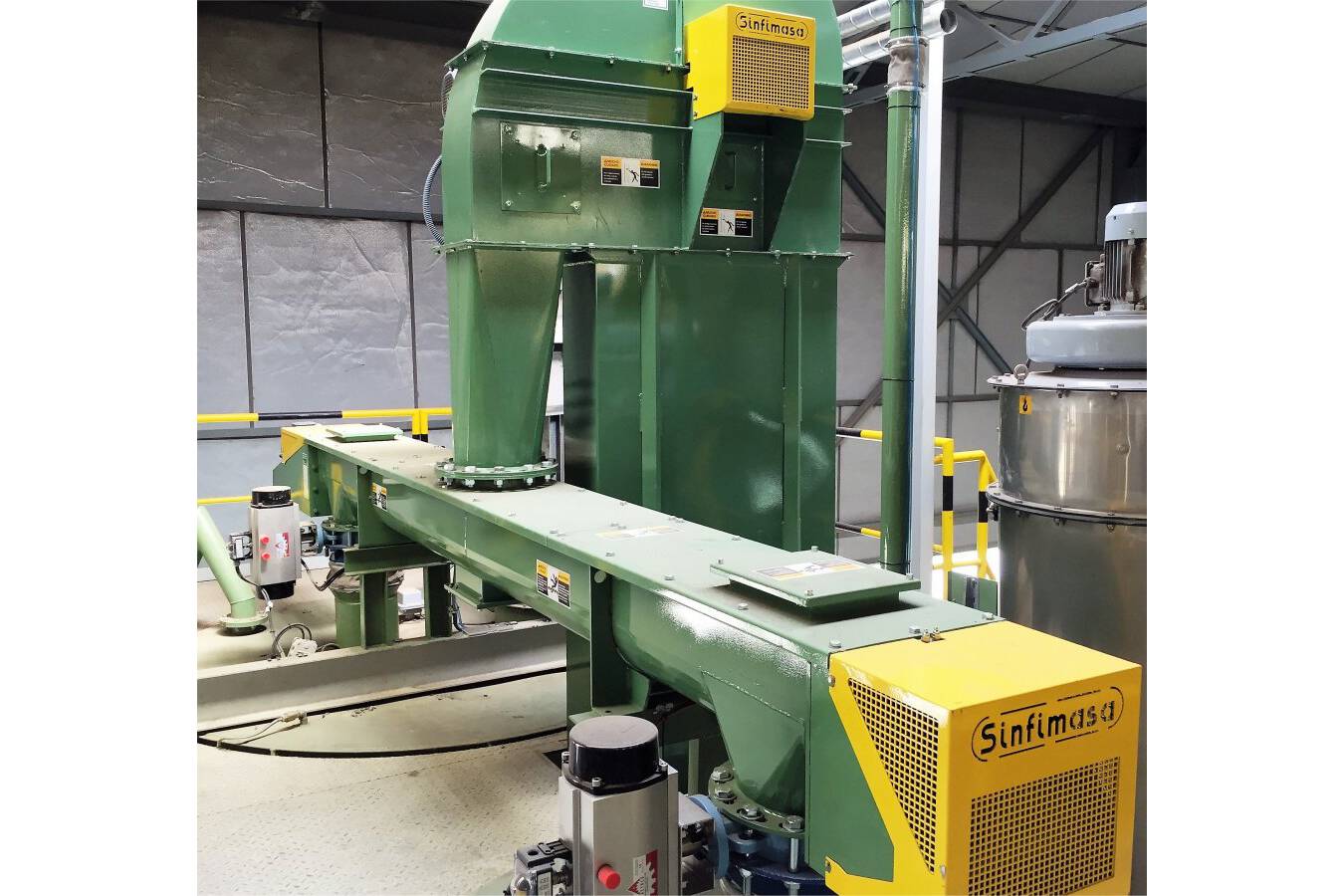
Customized bucket elevator design: Why material testing is essential

In vertical conveying applications, the success of a bucket elevator does not begin with selecting the bucket type or motor power—it starts with a thorough understanding of the product to be lifted.
Every bulk material reacts differently during transport, especially when elevated, and overlooking its specific behavior can lead to premature wear, product degradation, or operational failures.

Product characterization

Product characterization: The foundation of reliable vertical transport. When dealing with fragile, abrasive, greasy, or high-temperature materials, a generic elevator design often proves insufficient. Each material must be assessed for its physical properties to determine the optimal configuration for buckets, belts, and structural elements.

Key parameters to analyze

  • Bulk density
  • Particle size and shape
  • Flow behavior and angle of repose
  • Humidity and fines content
  • Operating temperature
  • Abrasiveness and corrosiveness
These values directly influence not only how the material is discharged from the buckets but also how it interacts with belts, chains, and contact surfaces during elevation.

Laboratory tests and pilot trials

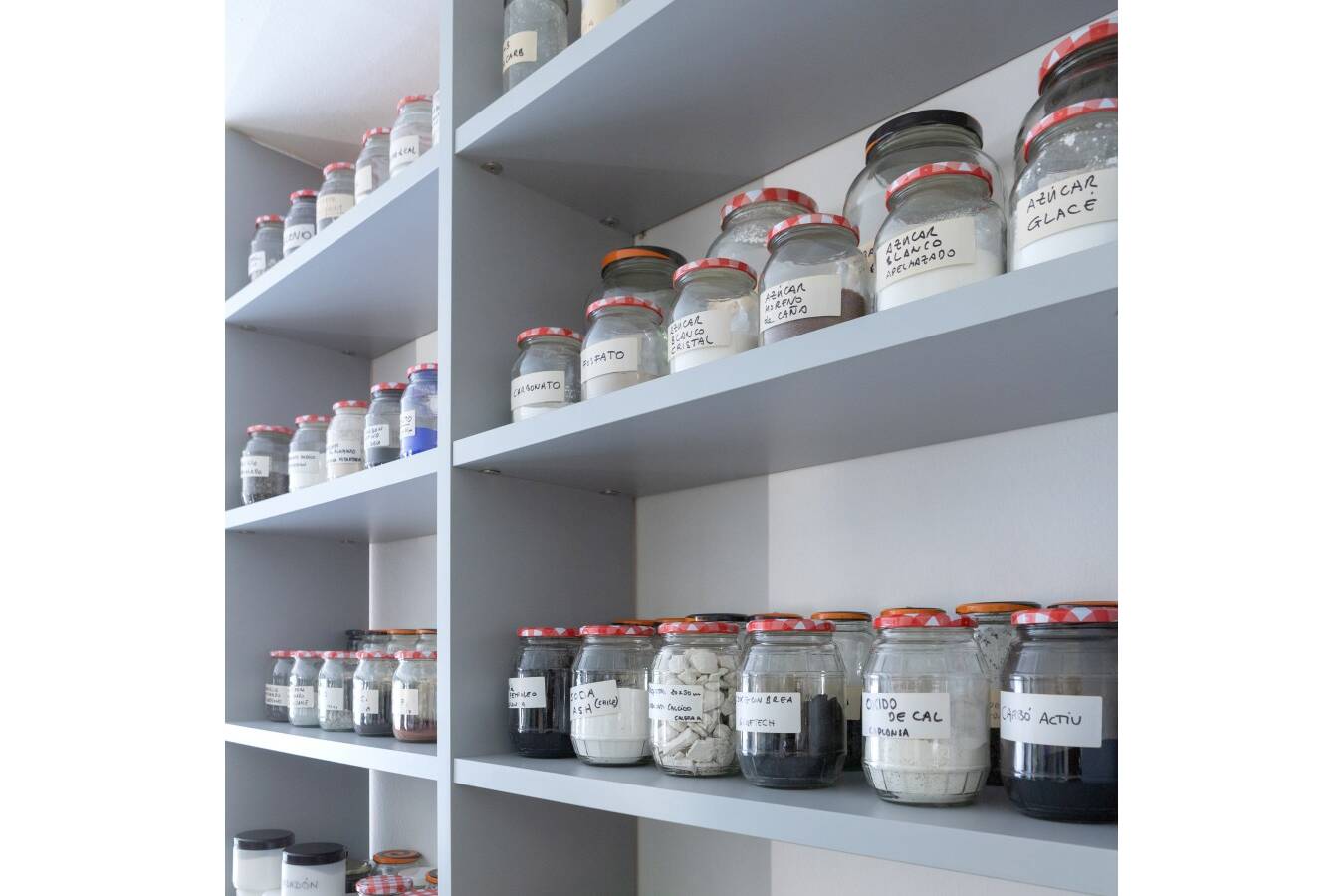
Laboratory tests and pilot trials: A prerequisite for precision. At Sinfimasa, every elevator project begins with rigorous testing. Laboratory analyses and full-scale pilot runs are carried out to simulate real conditions and detect potential issues early. Typical tests include:
  • Sieve and granulometry studies
  • Flow and repose angle testing
  • Moisture and cohesion evaluation
  • Wear and hardness analysis

The right bucket elevator for each product

Vertical transport poses unique challenges, and only a tailored design ensures consistent performance and product integrity. Critical design variables are:
  • Bucket material and geometry
  • Drive system and speed
  • Discharge zone design

Options and choices

  • Steel buckets for high strength and durability
  • Plastic buckets (HDPE, nylon, polyurethane) for fragile or easily damaged materials
  • Belt or chain selection based on material behavior:
  • Abrasion-resistant belts for aggressive solids
  • Oil- or grease-resistant belts for fatty or sticky materials
  • Heat-resistant belts, or use of chains for high-temperature products
  • Food-grade belts where hygienic handling is required
  • Carbon steel for industrial applications
  • Stainless steel (AISI 304/316) for corrosive or sanitary conditions
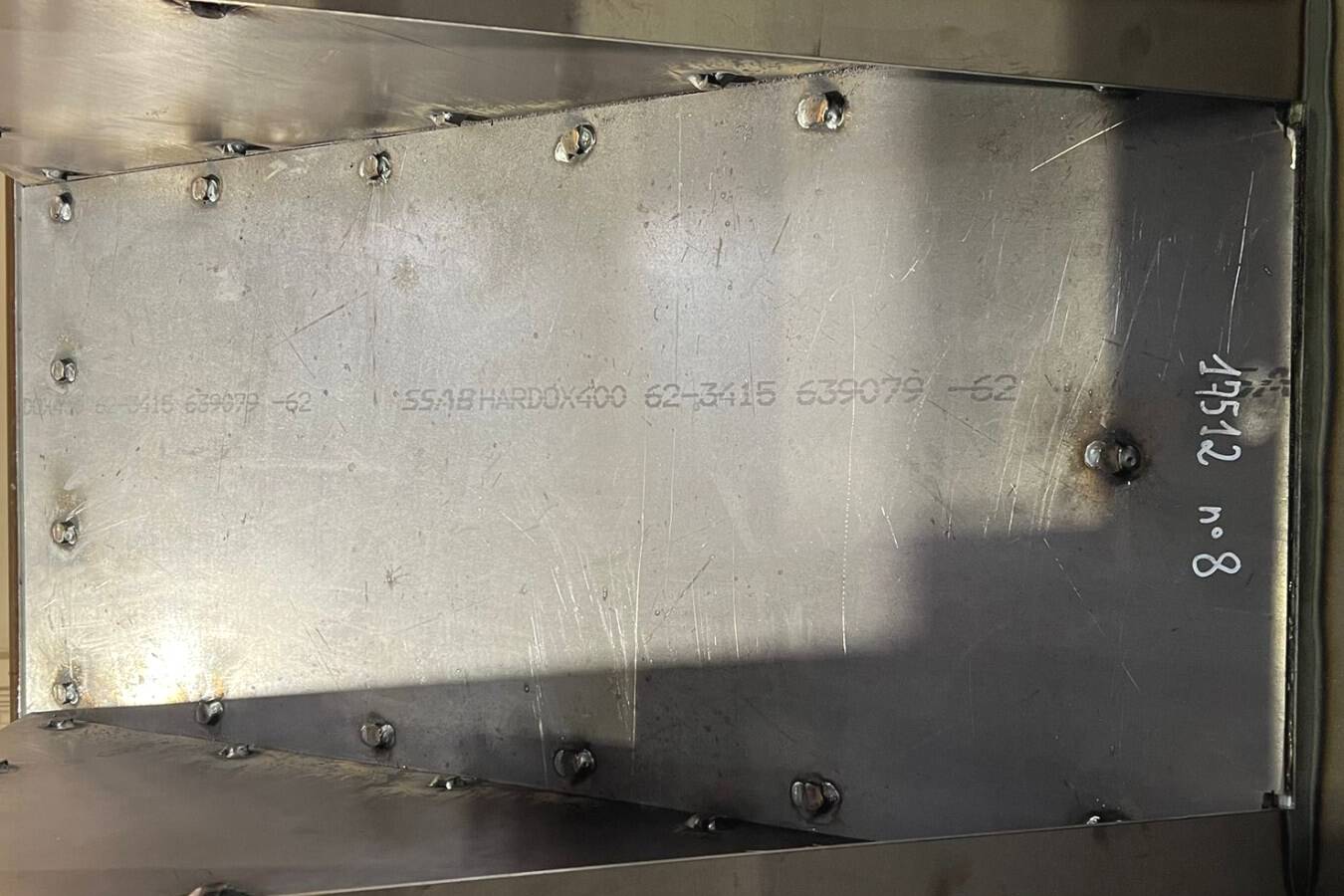
  • Internal linings with anti-wear plastics or steel to prolong service life

Unmatched advantages

The strategic value of a customized designed bucket elevator based on actual product data and bulk solid behavior, delivers unmatched advantages, such as:
  • Fewer stoppages
  • Long equipment life
  • Minimal product degradation
  • Lower maintenance
  • Safer, cleaner operation

Conclusion

At Sinfimasa, we believe precision begins with the product. By testing material behavior before design, we ensure that every bucket elevator we manufacture is tailored to elevate your product efficiently, safely, and with maximum reliability.


Company information

Sinfimasa
Sinfimasa
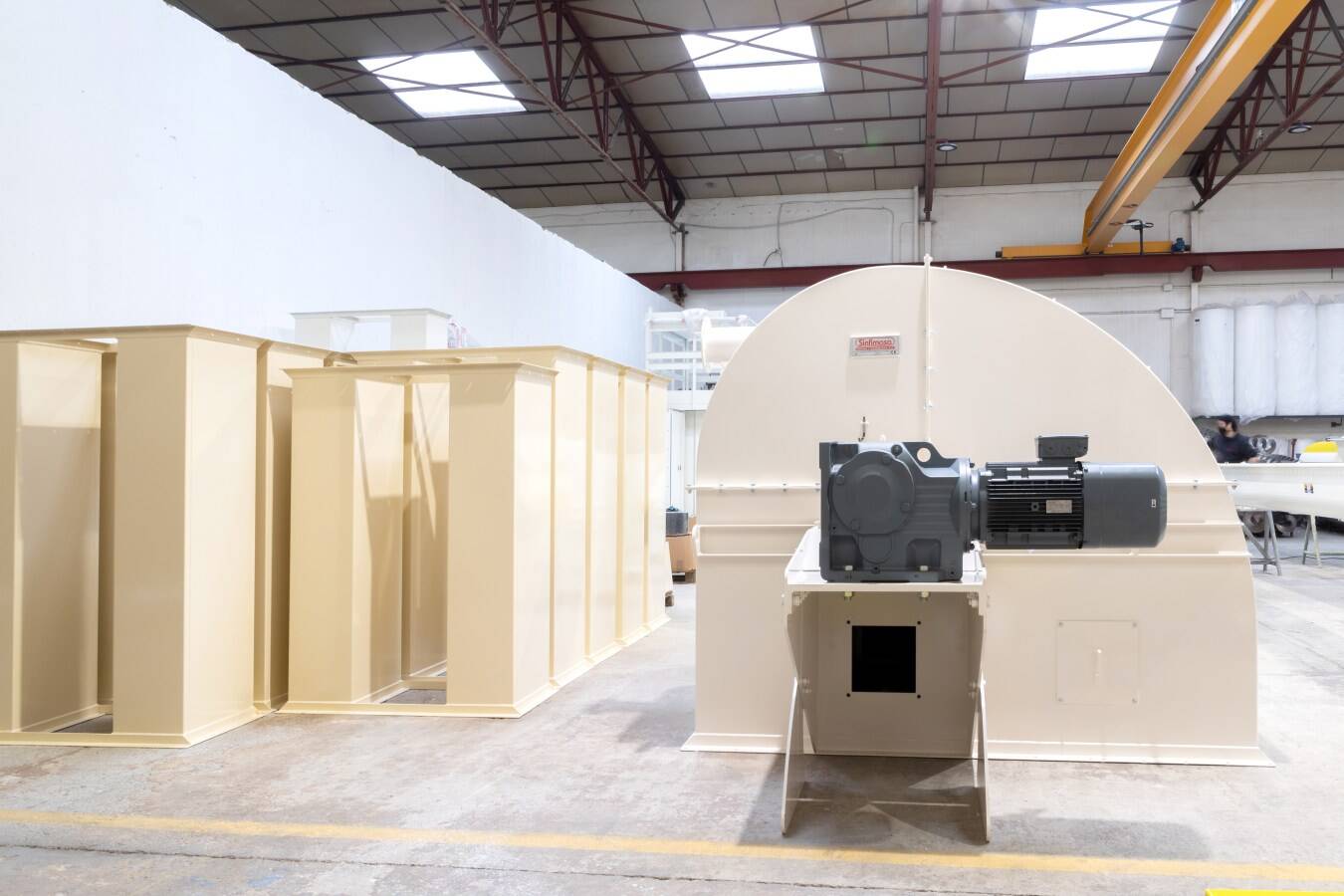
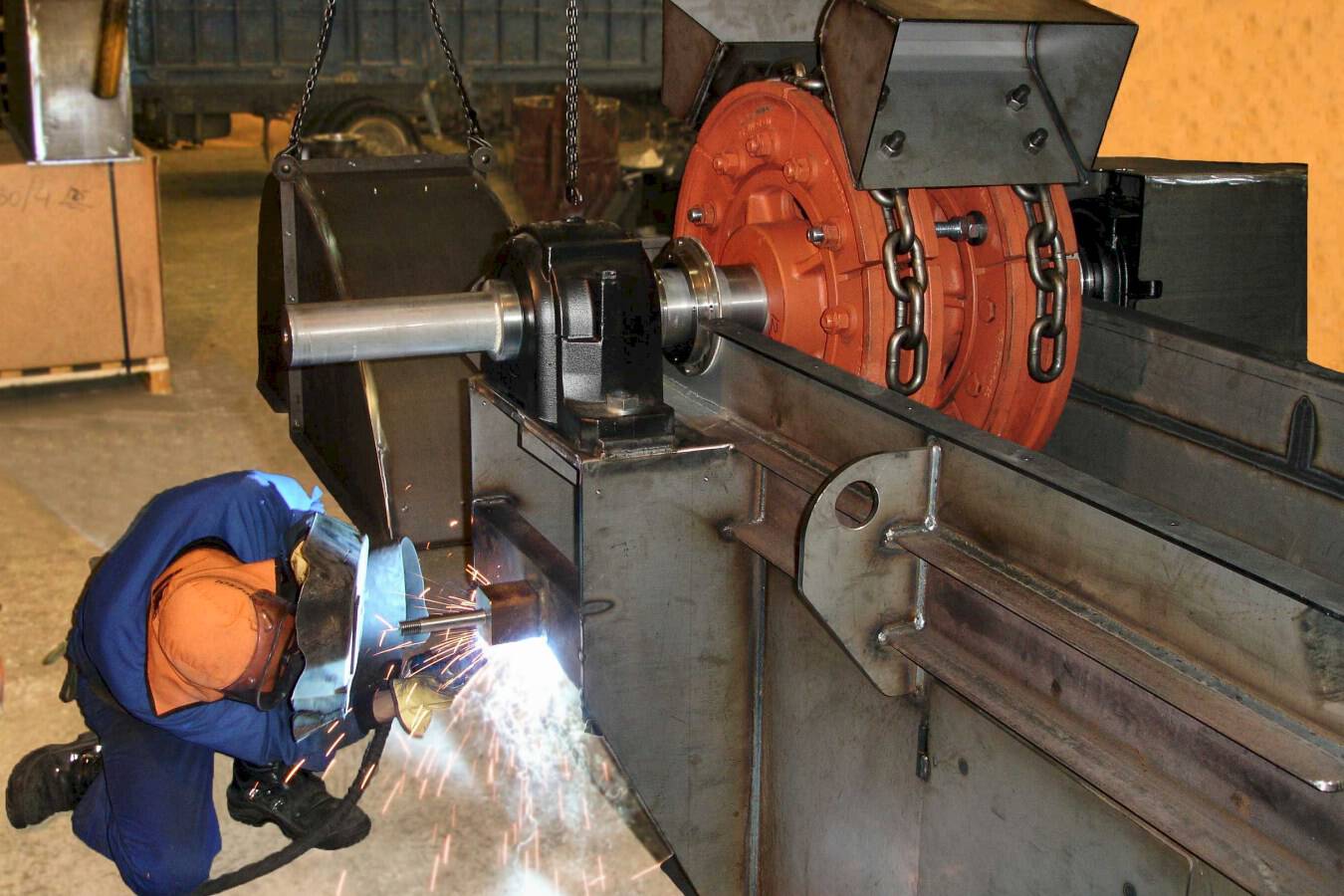
Experience and Commitment The main business of Sinfines y Maquinaria S.A. (Sinfimasa) is to understand the customer and design and manufacture conveyors according to project requirements and the specifications of the solid material to be handled. At our facilities in Guissona (Spain), we have our own engineering department with over 35 years’ experience, where we design machines that meet our customers’ technical specifications and make our commitment to their engineering project. We offer solutions for conveying and lifting bulk solids with uncompromising quality and precision, and we ensure equipment reliability in every situation in the processing plant. Safe, Robust, Reliable In our production plant we manufacture products with all types of finishes as required: pickled and passivated, electro-polished, lacquered, sandblasted and food-grade, etc. We work with different materials such as carbon steel, stainless steel and anti-wear steel. We use high quality and universally available components such as SEW gearmotors or SKF bearings. Our suppliers are also key to our success and we make a commitment to them. We have a test bench where, based on product samples from our customers, we research the best solution for the requirements of each project. We are committed to our customers and engineering companies to offer machines with guaranteed reliability. Sinfimasa has welding procedures and welders approved according to ASME Section IX (QW-484). We use an automated welding system to ensure that the entire length of the conveyors are welded evenly and are free from voids. At Sinfimasa we are rigorous and demanding, with numerous references in several countries on all five continents as our guarantee. Please ask us for more information as you require. Consult us about your project on no obligation. We will make you a reliable technical proposal that is 100% adapted to your requirements.
Last update: 08.04.2024

More items

Material Analysis for an Efficient Bulk Solids Conveyor Design Discover how bulk material analysis and flow testing are key to designing bulk solids conveyors fully tailored to the production line.
Material Analysis for an Efficient Bulk Solids Conveyor Design
Discover how bulk material analysis and flow testing are key to designing bulk solids conveyors fully tailored to the production line. An efficient conveyor system for handling bulk solids requires one crucial step before selecting the type of conveyor. The most critical—and often most underestimated—step is the thorough analysis of the material to be conveyed. Deep knowledge of the product’s characteristics ensures not only a technically accurate solution but also greater durability, lower maintenance costs, and optimized industrial productivity. Understanding the material to be conveyed Each bulk material has unique physical properties that directly impact conveyor performance. A generic or modular design for a screw conveyor, bucket elevator, or chain conveyor may lead to operational failures, blockages, premature wear, or even unexpected production line shutdowns. The design must begin with a data-driven approach based on the product these conveyors will handle. Below are the key properties to study and the methodology: Technical characterization of the material * Bulk density *
02.04.2025  |  2021x  |  Insight  |   | 
Sinfimasa helps choose optimal vertical conveying for your application Operating temperature, granularity, and other characteristics determine what the best option is for a bulk solids elevator. This item describes different types of bucket elevators: chain or belt.
Sinfimasa helps choose optimal vertical conveying for your application
Operating temperature, granularity, and other characteristics determine what the best option is for a bulk solids elevator. This item describes different types of bucket elevators: chain or belt. Chain or Belt Bucket Elevator Typically, in the industry and handling of bulk solid products, belt-anchored bucket elevators are used for vertical material lifting due to their higher performance in terms of load capacity and lifting speed. However, a chain bucket elevator emerges as a robust and reliable solution for lifting materials under certain specific conditions. Comparing them with the former, we observe significant differences that influence the implementation decision according to the needs of each project. Heavy-Duty applications Chain bucket elevators stand out for their ability to handle bulk materials of large size, high density, abrasiveness, and under high-temperature conditions. This type of elevator uses robust chains as a means of support and traction for the buckets, which gives it superior resistance to wear and slippage. This feature makes them ideal for applications where materials such as minerals, coal, and chemicals need to be transported
09.04.2024  |  3063x  |  Product news  | 
Preventing wear of conveyors for abrasive bulk goods
To prevent abrasive wear, it is necessary to use abrasion-resistant industrial coatings with good resistance to the (hardest and sharpest) particles in the bulk material being transported. The simplest solution is to apply a hard coating or lining to the surface of the parts of the conveyor in contact with the product. This protective coating should have a greater hardness than the particles causing the wear. A second possibility is to apply reinforced coatings with a better chemical composition, giving phases greater functionality and more protection. A third possibility is to treat the base metal, making it more resistant. Wear protection for bucket elevators For a bucket elevator, the buckets should be reinforced at the edges with an anti-wear steel plate, as this is the area most affected by wear. Wear protection for screw conveyors In screw conveyors, on the other hand, the entire spiral and shaft should be made of anti-wear steel. For this purpose
20.03.2023  |  3968x  |  Product news  | 
Sinfimasa bucket elevators and screw conveyors for lead oxide  Confined horizontal and vertical transport of lead oxide with a temperature of 110°C, a toxic and polluting material.
Sinfimasa bucket elevators and screw conveyors for lead oxide
Confined horizontal and vertical transport of lead oxide with a temperature of 110°C, a toxic and polluting material. Lead oxide or lead dioxide is an odorless brown powder or crystal. It is used in the electrodes of lead-acid accumulator batteries and in the paint, rubber and ceramics industries. In this success story, our client is a multinational lead-acid battery manufacturer that needed to transport and elevate lead oxide with an average temperature of 110°C for a new manufacturing line. Lead oxide is characterized by a high density and in this case, it is transported with a fine granulometry in powder form. In addition to its toxicity and polluting capacity, it requires that the machinery that transports it has an adequate sealing to avoid material leaks and an adequate dimensioning to ensure its correct operation in case of unexpected stoppages. Lead oxide bucket elevators To meet the requirements of the plant’s engineers, Sinfimasa designed and manufactured a belt bucket elevator taking into account the abrasion, temperature and tension requirements, so a top brand
24.01.2023  |  4438x  |  Product news  | 
PORTALS
BulkSolids-Portal Schuettgut-Portal Recycling-Portal
Related
Bulkgids.nl
SIGN UP FOR OUR NEWSLETTER
Newsletter archive
Service and contact
ContactDisclaimerPrivacyAdvertising
FOLLOW US
Linked