Moisture measurement drastically reduces gas consumption
Save efficiently on energy with targeted moisture measurement when drying for example grain, animal feed pellets, sand and sewage sludge pellets
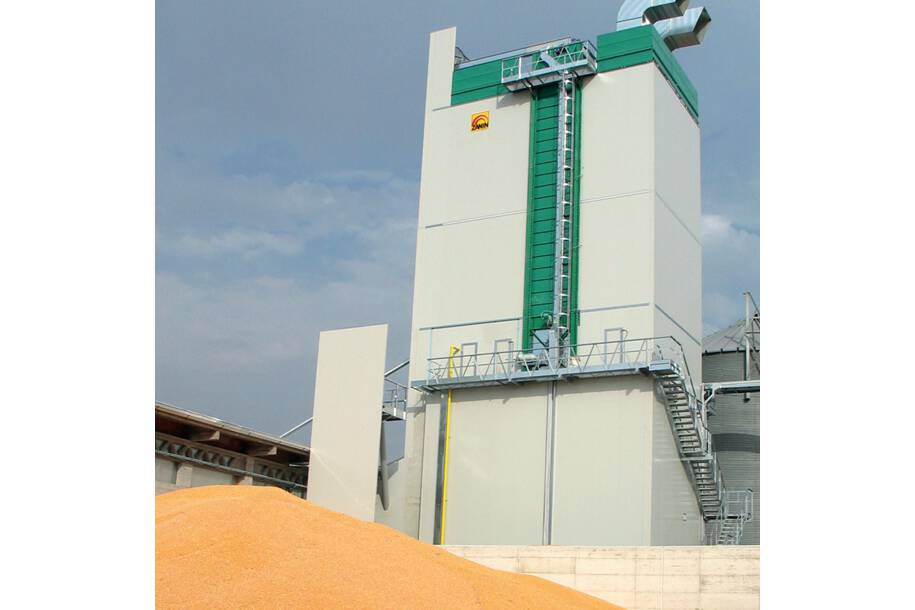
Gas is used in a huge variation of dryers. The consumption of natural gas as a primary energy source has been standard for many years. It has even been promoted as a bridge technology until the application of energetic-technological alternatives is qualified.
Just recently, a customer from Saarland told me that he scrapped his oil tank last year and switched to gas. At the moment, he is facing another rise in gas prices. Help is needed here to optimise the use of this resource and possibly make intelligent savings.
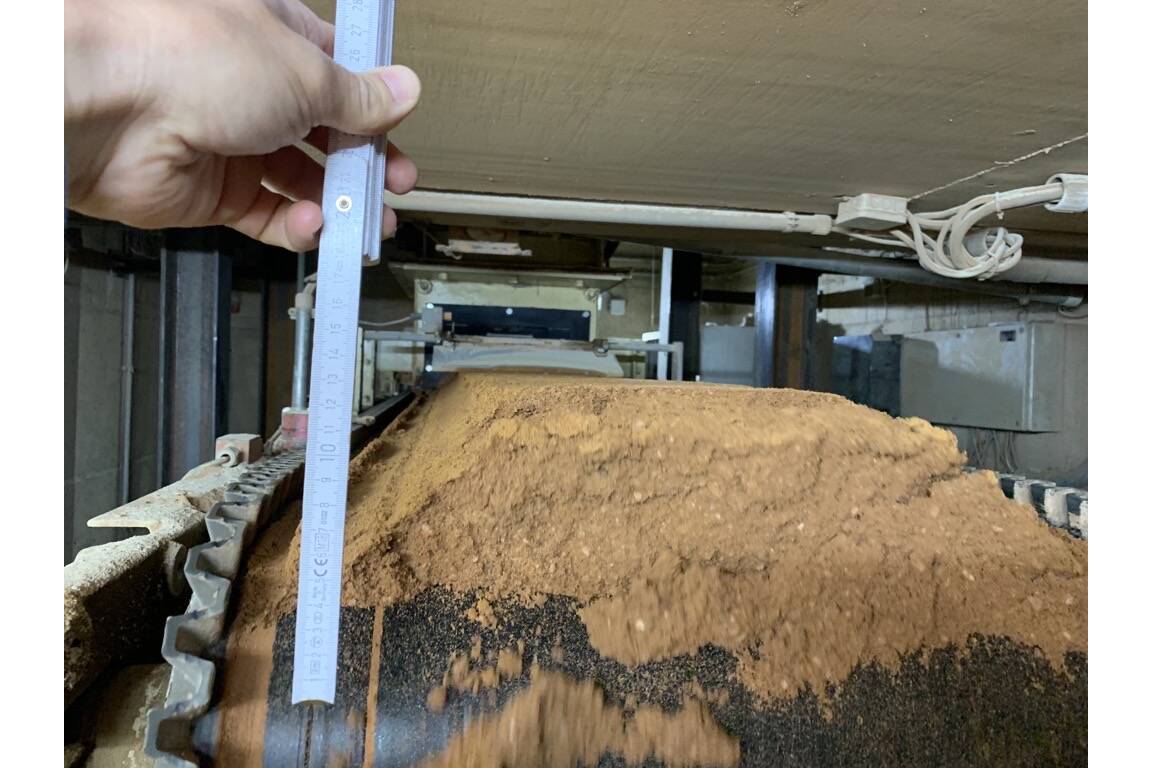
A calculation example from a comparable application: 1 m³ of gas is required to reduce the moisture content of 1 tonne of sand by 1%. With a throughput of 85 tonnes per hour and an average required reduction of 4 %, 340 m³ of gas are consumed per hour. Now the energy costs have doubled. Instead of EUR 350,000 for gas, EUR 700,000 is now required to operate this dryer.
Plenty of money to fund an instrumentation. The installation of moisture determination in input and output flow would draw a clear picture on how much energy is required to perform correctly to meet the target values in output moisture.
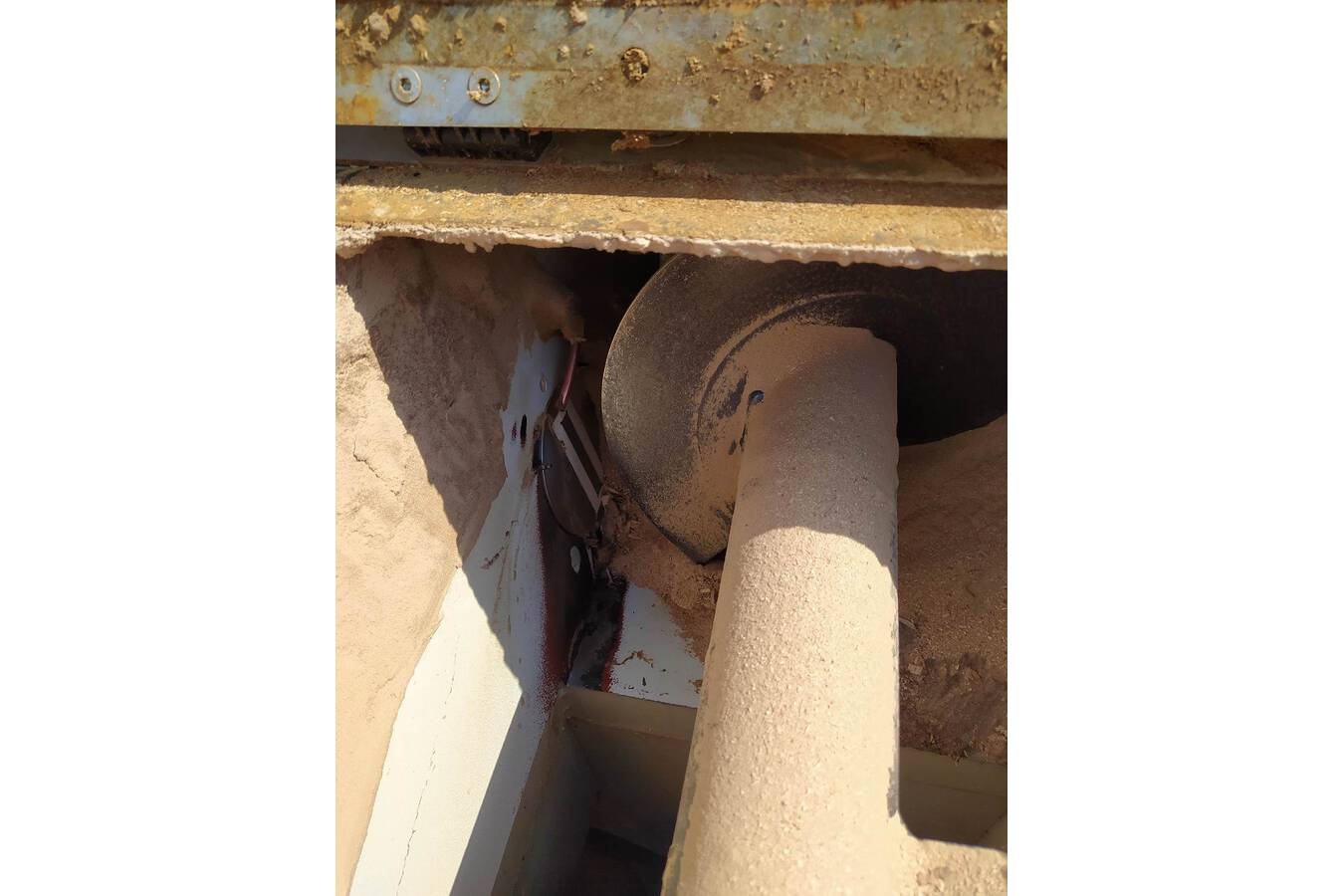
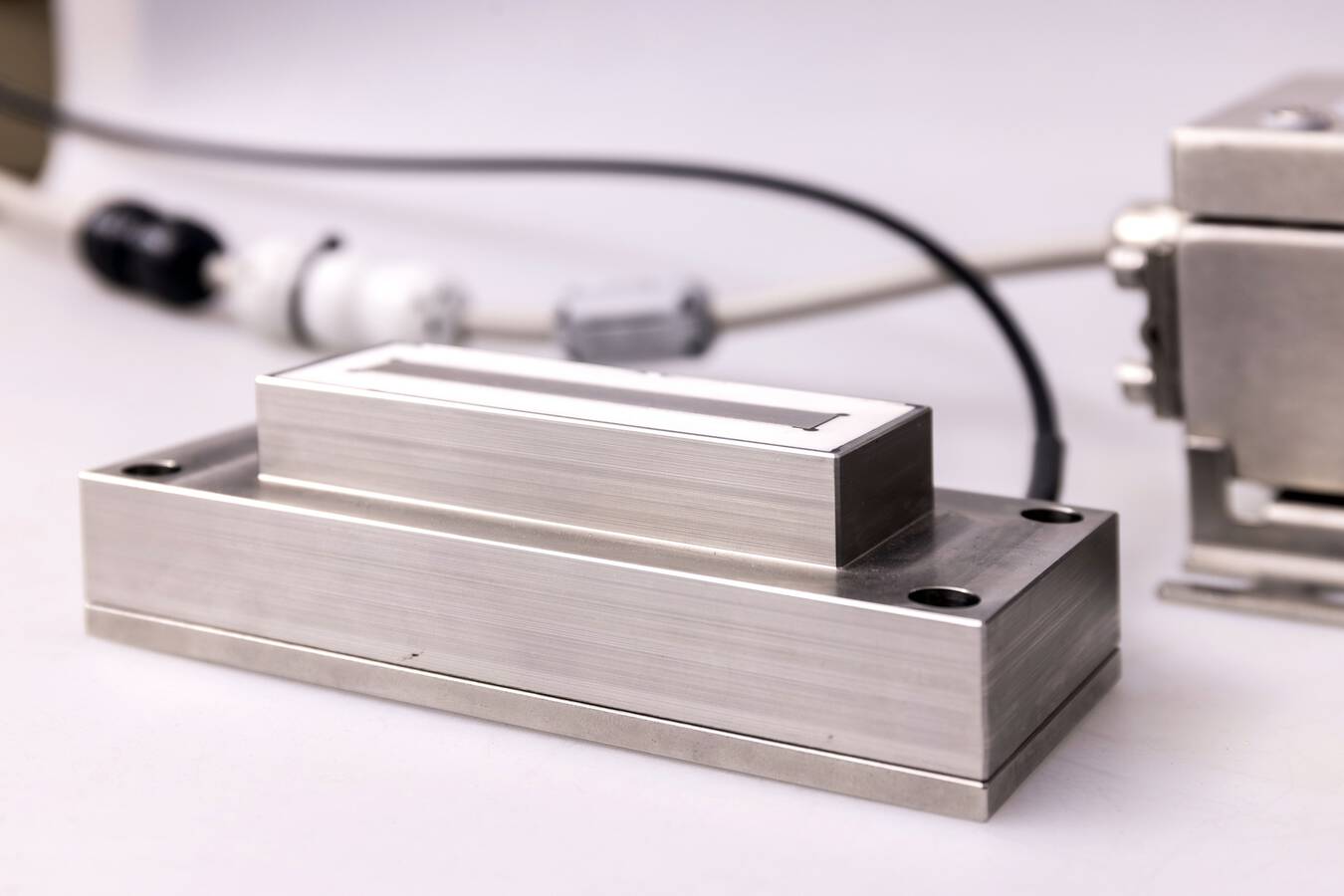
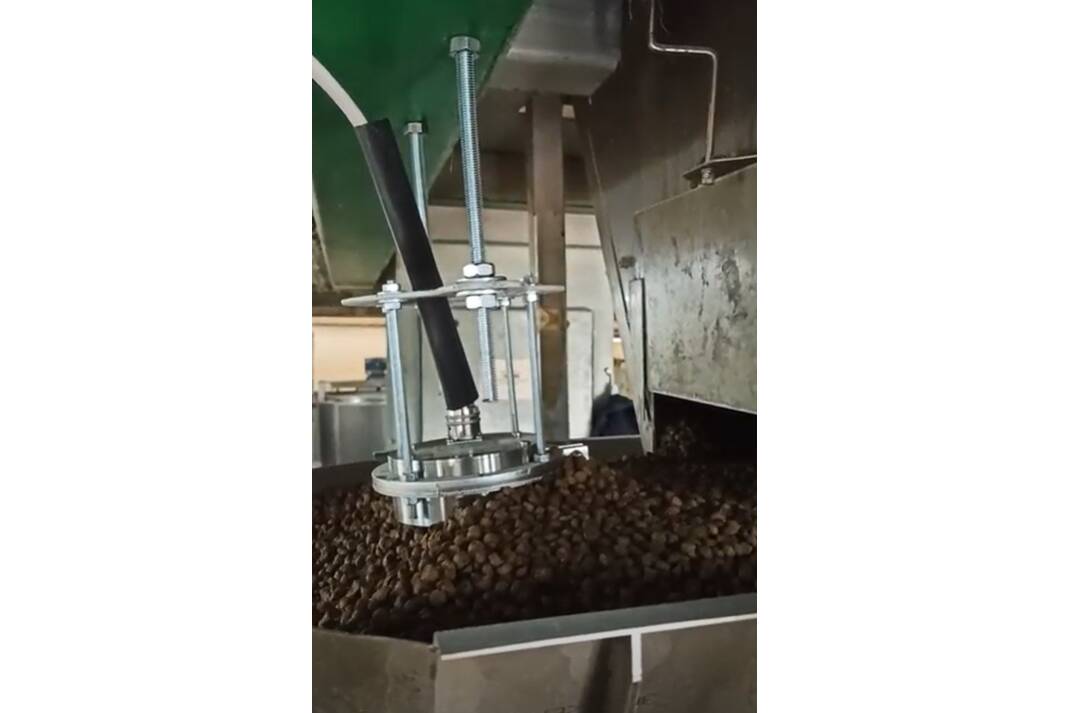
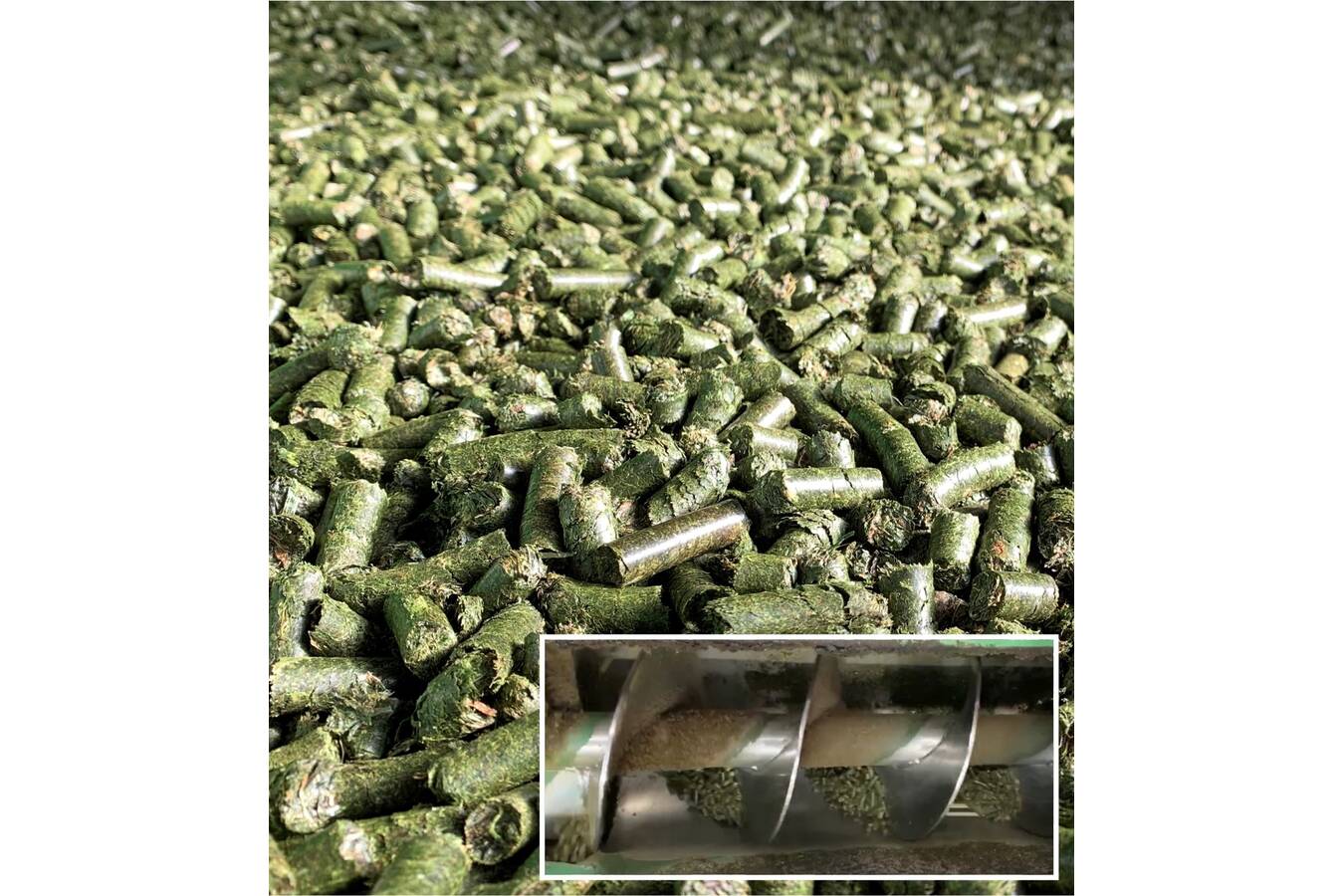
In pellet drying, SONO MIX mini LD is used in particular, which is installed as a best practice in the screw conveyor of either feed or discharge of the dryer.