Drying bulk solids in belt dryers
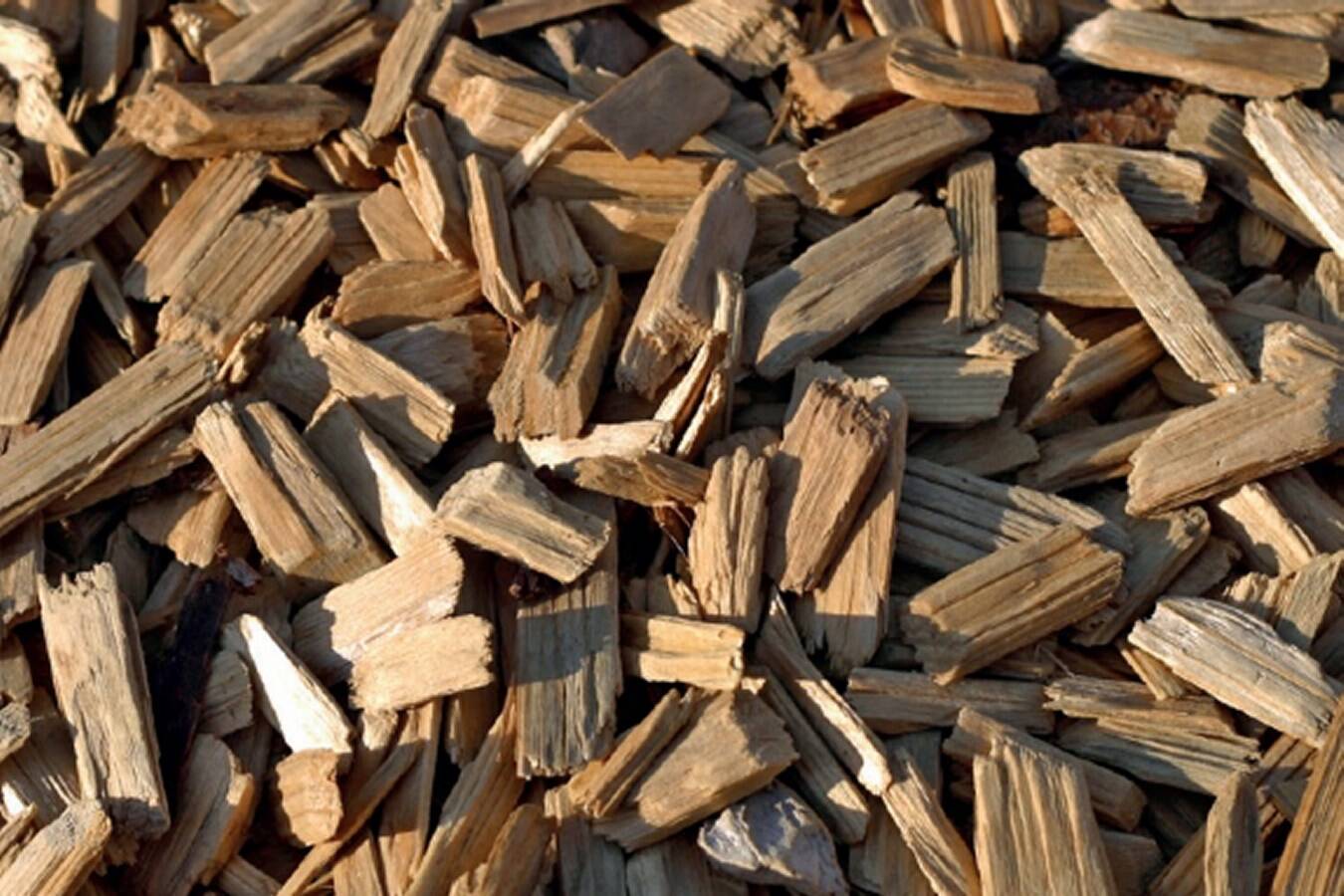
When drying bulk solids with belt dryers, an air-permeable belt is filled with the product to be dried. The height of the bulk solids on the belt and the dwell time in the dryer are defined based on the product type and properties, and the water volume to be removed. By adjusting the dwell time to the mean value, it is possible to compensate for a varying moisture content. This is necessary in the production of wood pellets, for example, because the quality is no longer guaranteed if the material is excessively dry, and operating times are put at risk if the material is too moist, provided the compactor closes.
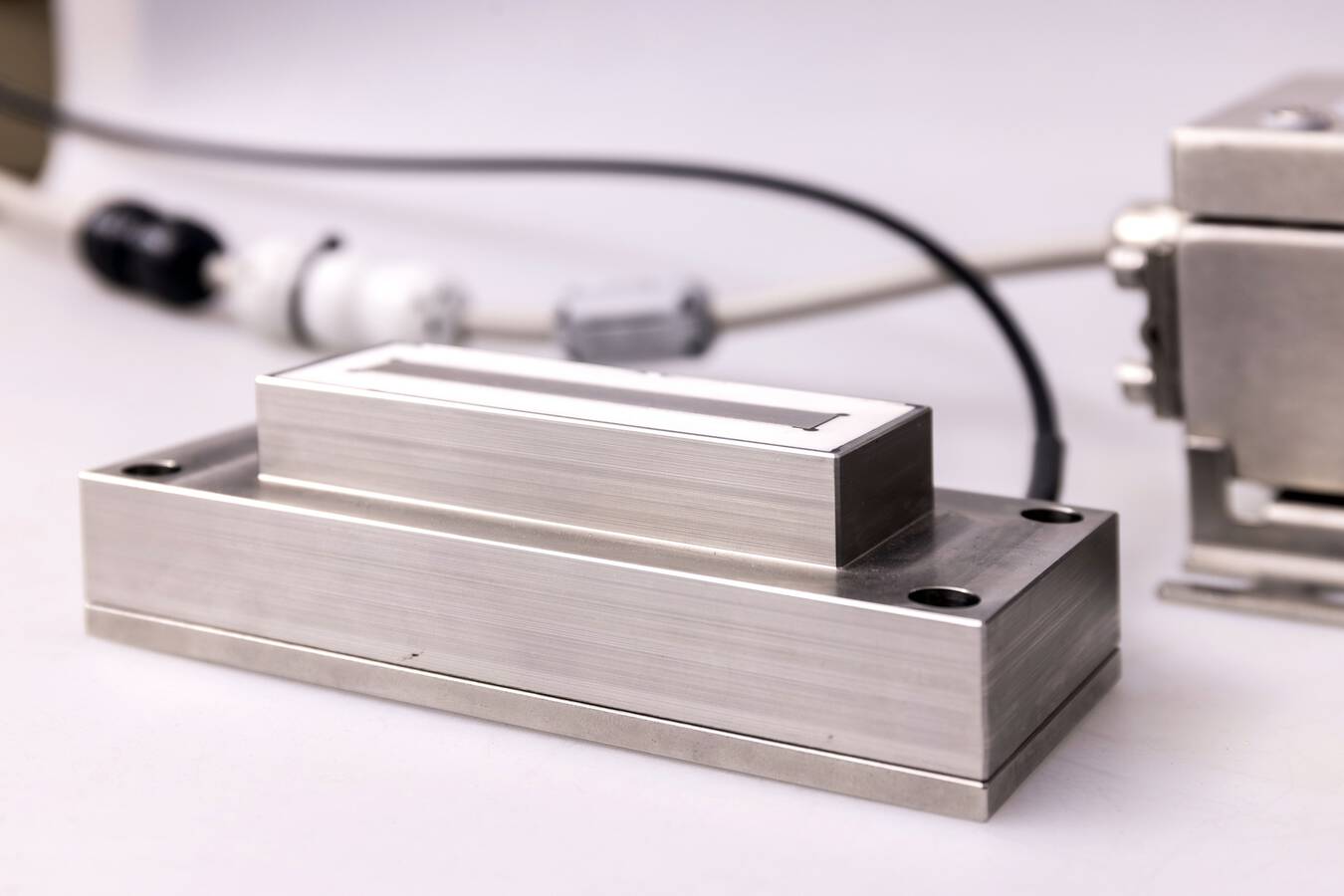
Benefits SONO-GS1
- Continuous recording and monitoring of moisture content and temperature
- Improved and more accurate process control during all work processes
- Increased process stability and thus lower scrap rates
- Cost savings due to increased energy efficiency (due to less overdrying)
Overdrying or underdrying costs financial resources
In the past, belt dryers were often controlled manually, or by means of laborious offline sampling. This is not only time-consuming, but also results in a significant lack of process precision, as it is not possible to compensate for any inhomogeneity. In addition, the sampling is implemented as a snapshot, which in practice can result in significant inaccuracies if, for example, a sample is drawn from a non-representative state (wet-pocket). Due to a lack of alternatives, a wide range of control versions have been developed over the years, either based on thermal balance or air humidity, but these methods are all indirect and depend both on the local climate and on the current weather.