English
 Supplier sign in
Home
STAY INFORMED
Subscribe to our monthly newsletter.
Your email address will never be disclosed to any third party.
Read our privacy notice.


Product description
09.03.2026  |  6x
Share this item
Allow (tracking) cookies from YouTube and Vimeo to watch videos
Aqua Feed Bagging

Optimizing Post-Extrusion Operations with Efficient Aqua Feed Bagging

Efficient Aqua Feed bagging ensures product quality, precise weighing, and optimized logistics in post-extrusion aquaculture feed production.
Optimizing Post-Extrusion Operations with Efficient Aqua Feed Bagging

Within the aquaculture feed production chain, the bagging stage plays a crucial role in both product quality and operational efficiency. After extrusion, cooling, and drying, feed must be properly packaged to ensure safe transport, storage, and distribution.

Rather than being a simple final step, Aqua Feed bagging ensures that pellets, flours, and microparticles maintain their physical and nutritional properties until they reach aquaculture producers.

The Role of Bagging in Aquaculture Feed Production

Aquaculture feed is a highly formulated product that combines proteins, fats, carbohydrates, and micronutrients tailored to each species. Once pellets leave the extruder, preserving their stability and consistency becomes essential.

A reliable bagging system helps prevent weight deviations, protects the product from external factors, and improves logistics efficiency. As the aquaculture industry continues to expand globally, producers must ensure every bag meets strict quality standards while maintaining a safe and repeatable process.

Challenges in Aqua Feed Bagging

Bagging aquaculture feed presents several technical challenges that require specialized solutions.

Product variability is one of the main factors. Differences in pellet size, density, or moisture between batches require equipment capable of adapting quickly while maintaining accurate weighing.

Bag formats and materials also vary depending on export regulations, packaging requirements, or customer specifications, making flexibility essential in bagging lines.

In addition, industrial environments with dust, humidity, or temperature fluctuations demand robust equipment capable of maintaining precision under demanding conditions.

Finally, traceability and labeling requirements have become increasingly important, particularly for international markets where batch identification and regulatory compliance are essential.

Technologies that Improve Bagging Performance

Modern bagging solutions combine precision, automation, and digitalization to improve efficiency and product protection.

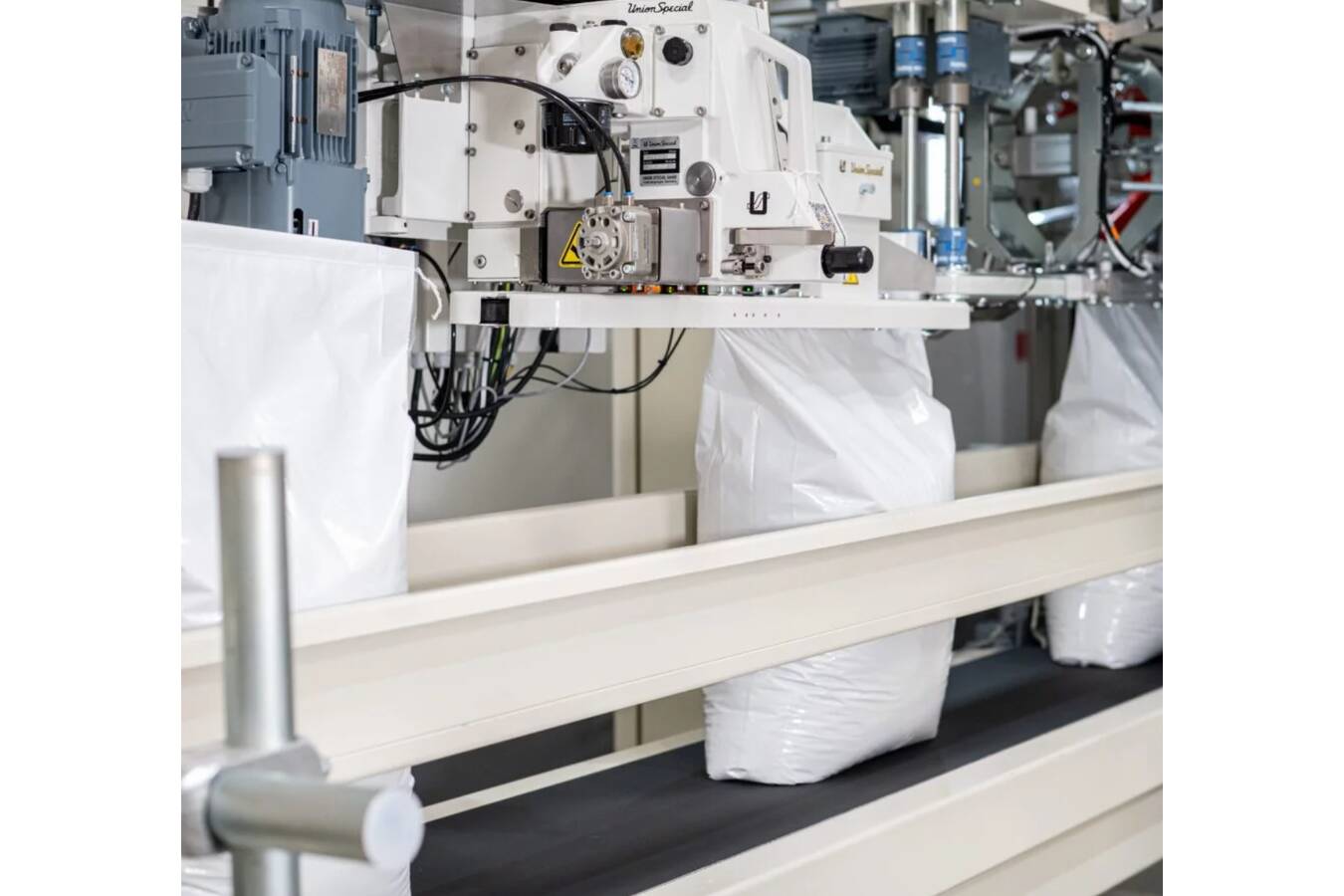
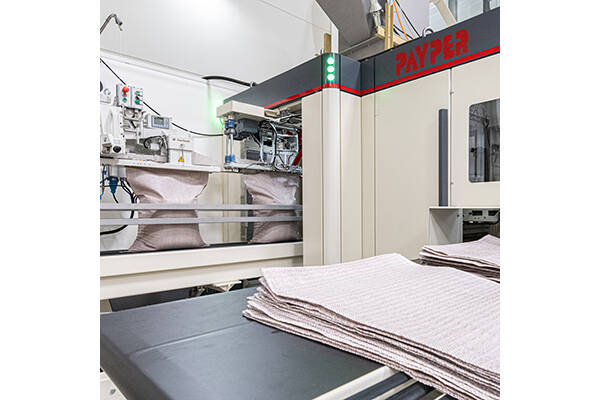
Advanced weighing and dosing systems are key to maintaining consistent bag weights and reducing product loss. Technologies such as PAYPER’s MSX weighing controller ensure stable and precise filling even in high-volume production environments.

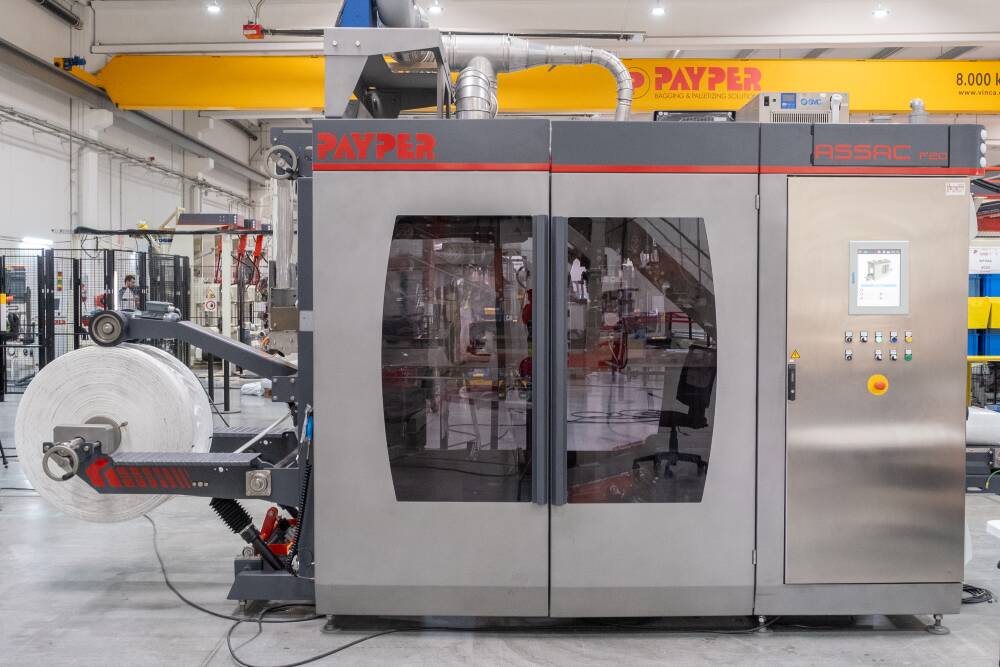
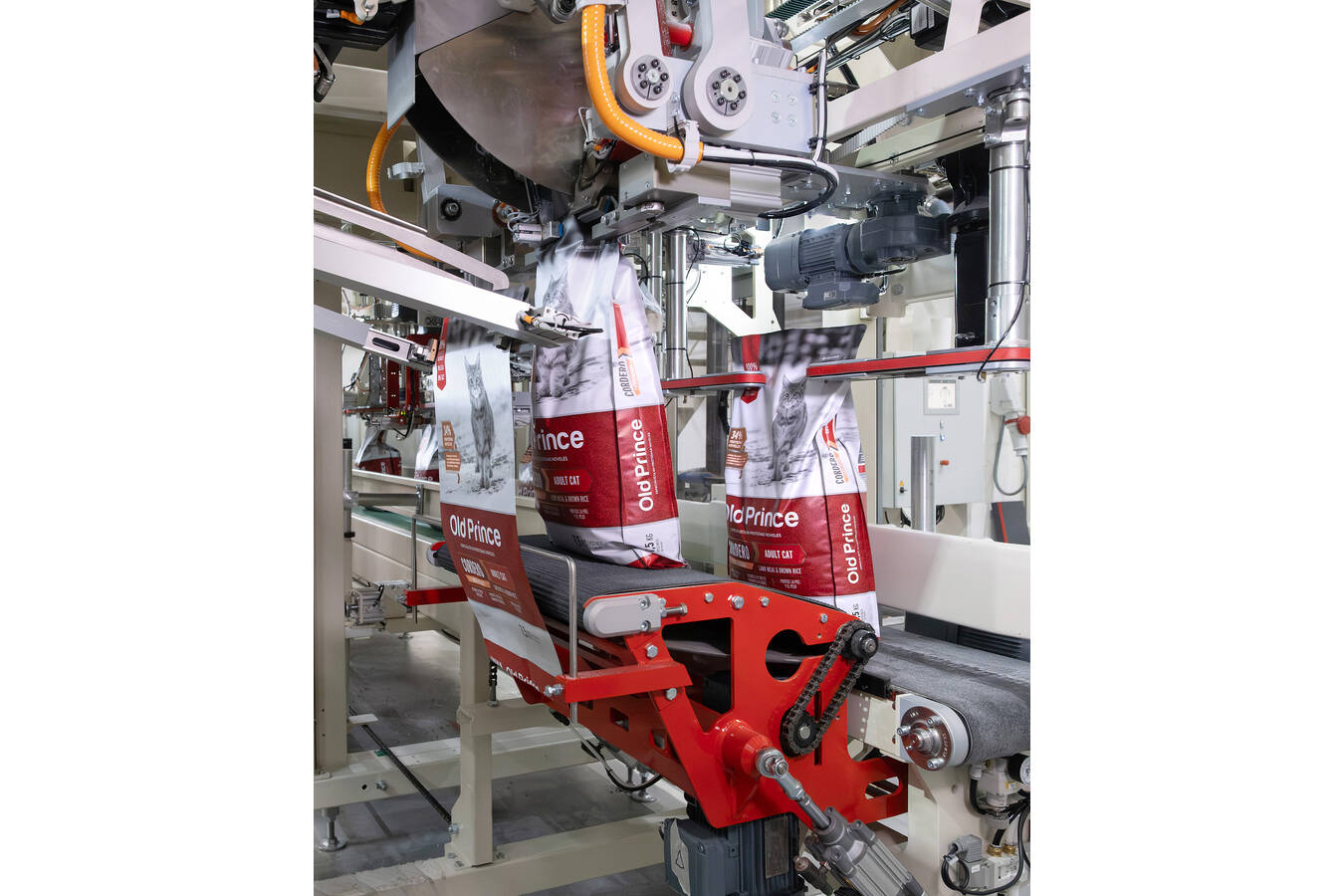
Flexible bagging equipment allows manufacturers to handle different bag sizes and materials while maintaining productivity. This adaptability enables producers to respond to varying market demands without disrupting operations.

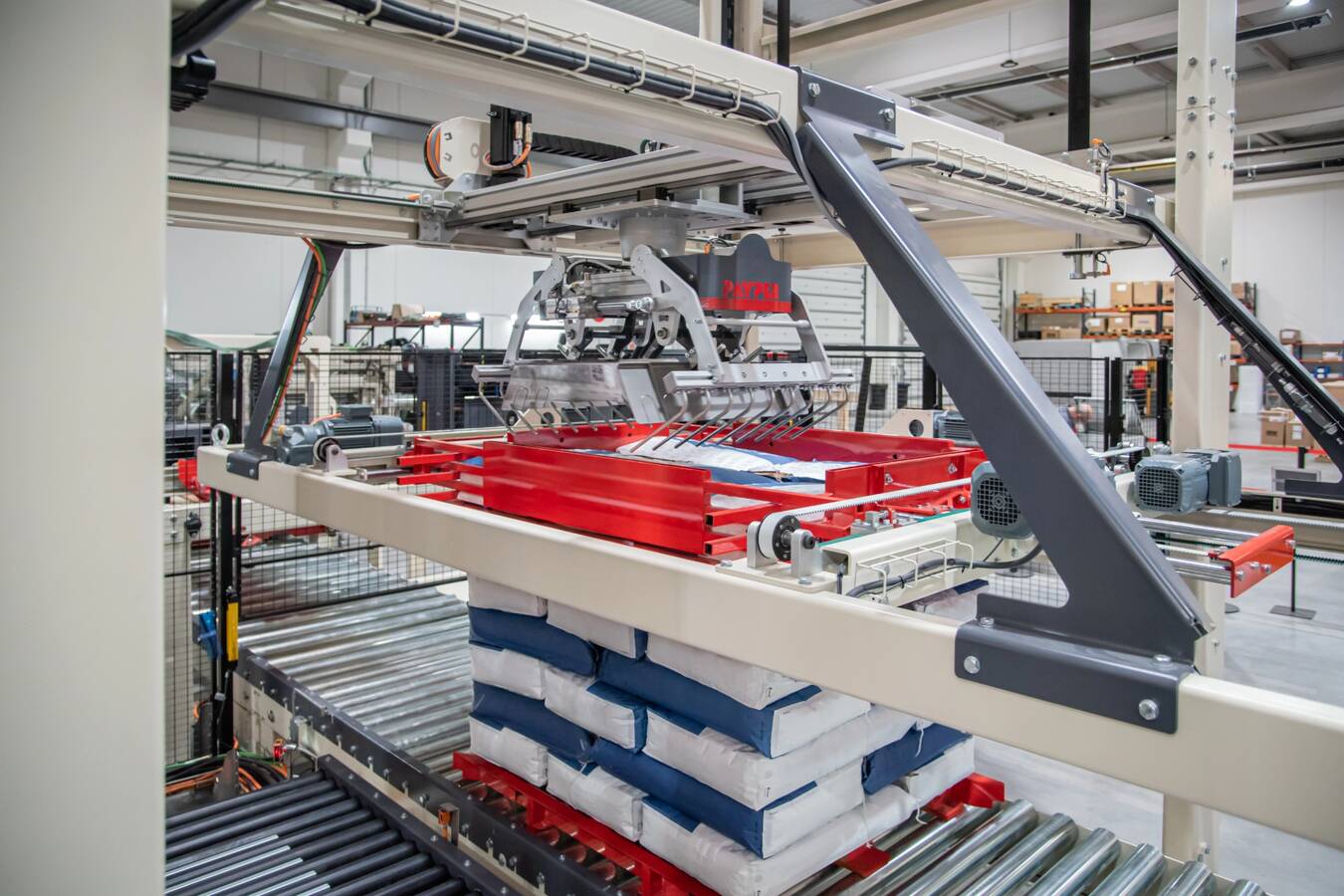
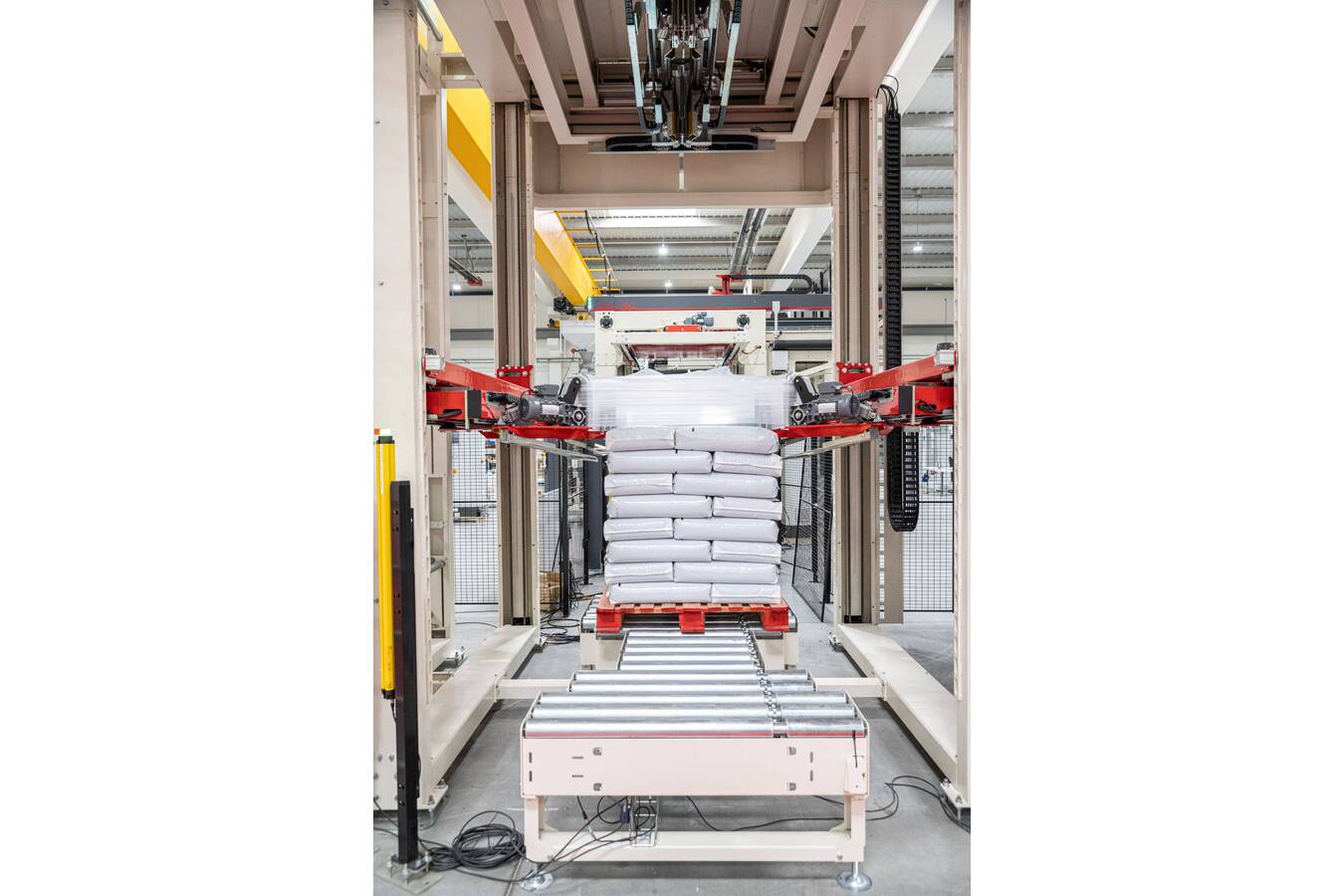
Automated palletizing systems also contribute to a more efficient logistics chain by creating stable pallet loads that improve transport safety and warehouse organization.

Digitalization and Smart Plant Management

Digital tools are transforming bagging operations. Platforms such as PAYPER’s PULSAR enable operators to monitor and manage the entire bagging line from a single interface.

These systems provide real-time production data, predictive maintenance tools, spare parts management, and remote technical support. As a result, manufacturers can reduce downtime and optimize plant performance.

Ensuring Feed Quality and Safety

An effective bagging process not only facilitates logistics but also helps preserve the feed’s nutritional and physical integrity. Automated systems minimize manual handling, reducing contamination risks while ensuring consistent sealing and moisture control during storage and distribution.

A Strategic Stage in Feed Production

Bagging is a decisive stage in post-extrusion feed production. Its correct implementation directly influences product preservation, food safety, and logistics efficiency.

With more than 50 years of experience in weighing, bagging, and palletizing technologies, PAYPER supports aquaculture feed producers with reliable and efficient solutions designed for the demands of modern production.
Company information

More items

Precision and Protection: The Future of Pet Food Bagging As the pet food market expands, packaging technology is shifting toward high-speed flexibility and superior shelf-life preservation to meet rising consumer expectations for quality and convenience.
Precision and Protection: The Future of Pet Food Bagging
As the pet food market expands, packaging technology is shifting toward high-speed flexibility and superior shelf-life preservation to meet rising consumer expectations for quality and convenience. Adaptability in a Diversifying Market The pet food industry continues to grow worldwide, driven by the increasing number of pet-owning households and a strong focus on quality nutrition. This evolution has placed pet food bagging at the center of the production process, as packaging plays a crucial role in product protection, safety, logistics, and brand presentation. Versatile Solutions for Modern Formats Modern pet food bagging must protect the product from moisture and contamination, ensure accurate weight, and offer practical and durable formats for consumers. As demand shifts toward a wider range of bag sizes—especially smaller, more convenient formats—manufacturers require flexible and efficient bagging solutions capable of adapting quickly without sacrificing productivity. Engineering Excellence in Bagging and Sealing PAYPER automatic bagging machines are designed to meet these needs, allowing fast format changes and precise bag handling. Advanced
09.02.2026  |  318x  |  Product description  | 
Feed bagging machine: types, technologies, and key features Feed bagging machines optimize feed production with precise, safe, and efficient bagging, offering solutions for powders, granules, and bulk products.
Feed bagging machine: types, technologies, and key features
Feed bagging machines optimize feed production with precise, safe, and efficient bagging, offering solutions for powders, granules, and bulk products. In the animal feed industry, feed bagging machines are essential for efficient production, high product quality, and safe handling. Different technologies adapt to product types, volumes, and packaging formats, optimizing productivity and minimizing losses. Feed Bagging Technologies * Open-mouth bagging machines are the most versatile and widely used. They handle prefabricated bags from 5 to 50 kg made of paper, PE, or laminated PP, including flat, pinch-bottom, or gusseted bags, with or without handles. With production up to 1,800 bags per hour, they offer high precision using MSX weighing controllers, a durable design, and easy maintenance, making them suitable for grains, seeds, flour, rice, sugar, and additives. * Valve bagging machines are designed for prefabricated valve bags and are ideal for fine powders or products with complicated flow. They can produce up to 500 bags per hour per nozzle and handle various powders, cereals, and flours. These machines provide
11.12.2025  |  943x  |  Product description  | 
Types of palletizing solutions: choose the best one PAYPER offers automatic, conventional and robotic palletizing solutions, adapted to each type of bag, production rate and space.
Types of palletizing solutions: choose the best one
PAYPER offers automatic, conventional and robotic palletizing solutions, adapted to each type of bag, production rate and space. What is a palletizer? Before going into detail about the different types of bag palletizing solutions available, we want to clarify exactly what this technology is for. A palletizer refers to an automated system used at the end of the production line to place bags on a pallet in an orderly manner, creating stable, secure loads that are ready for storage, handling, or transport. Its main function is to automate the palletizing process, reducing manual intervention, optimizing operating times, and improving ergonomics and safety in the industrial environment. To achieve this, there are different types of palletizing solutions that can be adapted to multiple sectors and production needs. Types of palletizing solutions In general terms, bag palletizers can be divided into two big categories: conventional palletizing and robotic palletizing. Each of these systems offers different features that make them more suitable depending on variables such as bag format (Valve
10.11.2025  |  866x  |  Product description  | 
Stainless steel bagging machines for corrosive environments In industries where corrosive materials like salt, fertilizers, or chemicals are handled, equipment durability is critical.
Stainless steel bagging machines for corrosive environments
In industries where corrosive materials like salt, fertilizers, or chemicals are handled, equipment durability is critical. PAYPER has developed specialized versions of its bagging machines tailored to withstand these aggressive environments. While stainless steel components are key to resisting corrosion, PAYPER’s approach goes further. The company redesigns entire systems—including electrical cabinets, sensors, pneumatic fittings, and other sensitive components—with corrosion-resistant materials and construction. This comprehensive adaptation significantly reduces mechanical failures, maintenance frequency, and unplanned downtime. Standard machines exposed to corrosive conditions often suffer from rusted parts, weakened connectors, blocked joints, and frequent breakdowns. PAYPER’s anti-corrosion versions are built to handle tough environments while maintaining performance and allowing for intensive cleaning routines—ideal for industries with high hygiene standards. These solutions are especially suited for bagging corrosive or moisture-sensitive materials like salt and
20.08.2025  |  1458x  |  Product description  | 
How to choose the best pallet protection system for your plant Compare Stretch Hooding, Rotary Ring & Turntable wrappers to find the best pallet protection for your plant’s speed, load, and storage needs.
How to choose the best pallet protection system for your plant
Compare Stretch Hooding, Rotary Ring & Turntable wrappers to find the best pallet protection for your plant’s speed, load, and storage needs. Protecting palletized goods is essential but not every solution fits all production environments. Here’s a quick comparison of three key technologies to help you choose the most suitable system: Stretch Hooding, Rotary Ring Wrapping Machine, and Turntable Wrapping Machine. Speed & Production Capacity: - Stretch Hooding leads in speed, handling up to 120 pallets/hour — ideal for high-volume lines. - Rotary Ring Wrapper handles up to 50 pallets/hour. - Turntable Wrapper suits lower output, up to 30 pallets/hour. Load Stability & Protection: Stretch Hooding offers superior load stability and full protection against dust, humidity, and UV rays, making it ideal for outdoor storage. The other two provide solid indoor protection, depending on wrap layers and tension. Adaptability & Branding: Stretch Hooding adapts well to irregular loads and allows for branded, pre-printed film — perfect for consumer-facing industries. The other systems are best for standard,
20.07.2025  |  1266x  |  Product description  | 
PORTALS
BulkSolids-Portal Schuettgut-Portal Recycling-Portal
Related
Bulkgids.nl
SIGN UP FOR OUR NEWSLETTER
Newsletter archive
Service and contact
ContactDisclaimerPrivacyAdvertising
FOLLOW US
Linked