Supplier sign in
Home
STAY INFORMED
Subscribe to our monthly newsletter.
Your email address will never be disclosed to any third party.
Read our privacy notice.


Product description
11.12.2025  |  241x
Share this item
Feed bagging machine

Feed bagging machine: types, technologies, and key features

Feed bagging machines optimize feed production with precise, safe, and efficient bagging, offering solutions for powders, granules, and bulk products.
In the animal feed industry, feed bagging machines are essential for efficient production, high product quality, and safe handling. Different technologies adapt to product types, volumes, and packaging formats, optimizing productivity and minimizing losses.

Feed Bagging Technologies

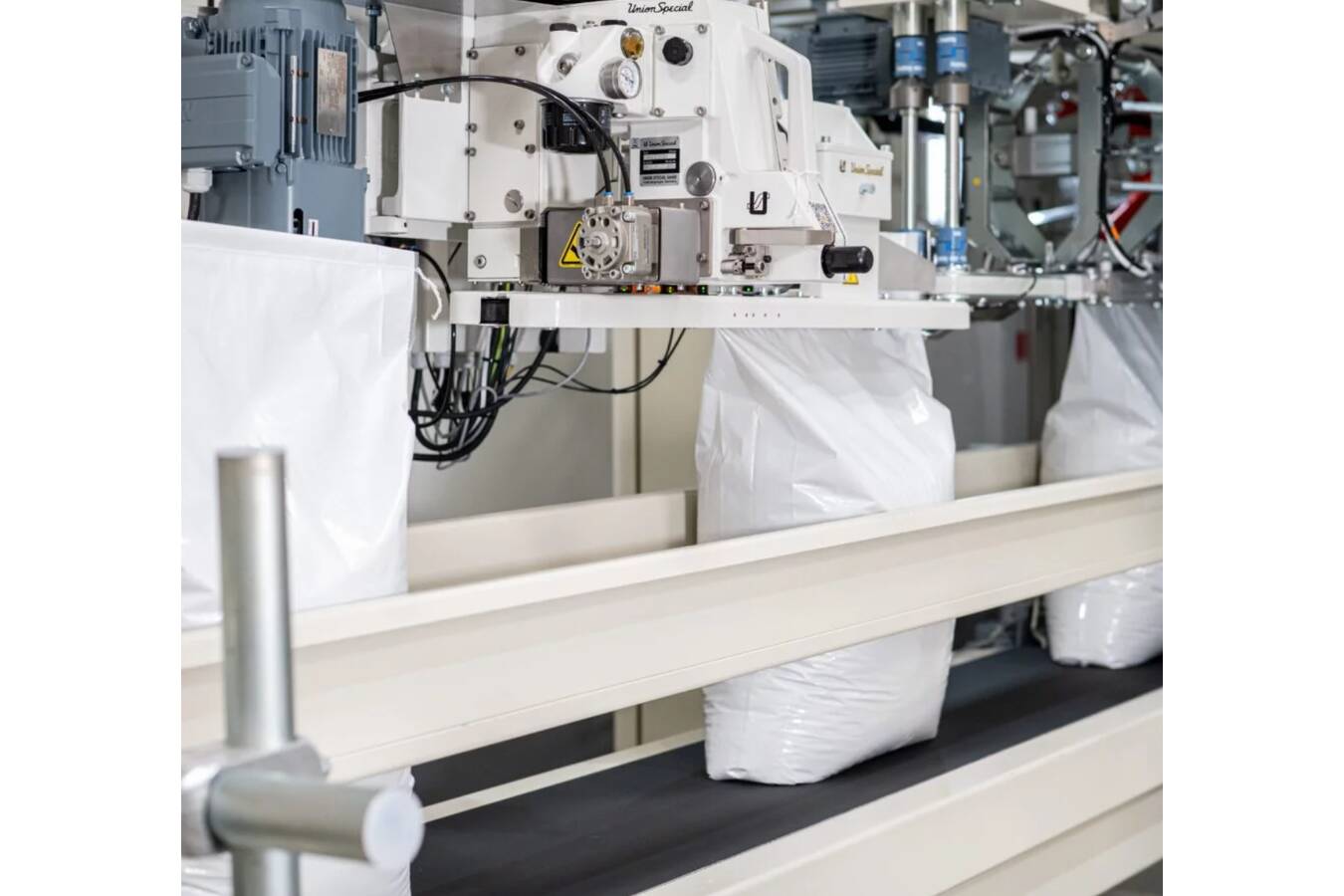
  • Open-mouth bagging machines are the most versatile and widely used. They handle prefabricated bags from 5 to 50 kg made of paper, PE, or laminated PP, including flat, pinch-bottom, or gusseted bags, with or without handles. With production up to 1,800 bags per hour, they offer high precision using MSX weighing controllers, a durable design, and easy maintenance, making them suitable for grains, seeds, flour, rice, sugar, and additives.
  • Valve bagging machines are designed for prefabricated valve bags and are ideal for fine powders or products with complicated flow. They can produce up to 500 bags per hour per nozzle and handle various powders, cereals, and flours. These machines provide accurate weighing, robust construction, interchangeable nozzles, and safe maintenance.
  • FFS (Form-Fill-Seal) machines form, fill, and seal bags in a fully automated process using PE or composite films, producing up to 2,600 bags per hour. They are suitable for granules, coarse powders, cereals, and fragile products. FFS machines offer flexible sealing options and a compact design, ideal for plants with limited space.
  • Big Bag filling stations (FIBC) handle bulk products ranging from 500 to 2,000 kg per bag, producing up to 120 Big Bags per hour. They are suitable for fertilizers, grains, seeds, pellets, sugar, and salt, and can adapt to different FIBC types with one to four handles, with spouts or open tops. These machines combine high filling capacity with robustness and flexibility for industrial environments.

Choosing the Right Machine

The best choice depends on product type, production volume, bag format, plant space, and automation needs. Open-mouth machines offer versatility and speed, valve machines prioritize precision and durability, FFS systems excel in high-speed automation, and Big Bag stations manage large volumes efficiently.

Requirements for Efficient Bagging

For safe and effective bagging, feed must meet certain requirements. Bag weight and density influence filling speed and machine selection. Moisture content should be controlled to prevent caking or jams, while particle size affects filling accuracy. Compatibility with bag materials is essential to prevent breakage, and product stability ensures uniform filling and avoids deformation.

At PAYPER, we help choose the most suitable feed bagging machine for any plant, ensuring efficiency, safety, and high productivity.


Company information

More items

Types of palletizing solutions: choose the best one PAYPER offers automatic, conventional and robotic palletizing solutions, adapted to each type of bag, production rate and space.
Types of palletizing solutions: choose the best one
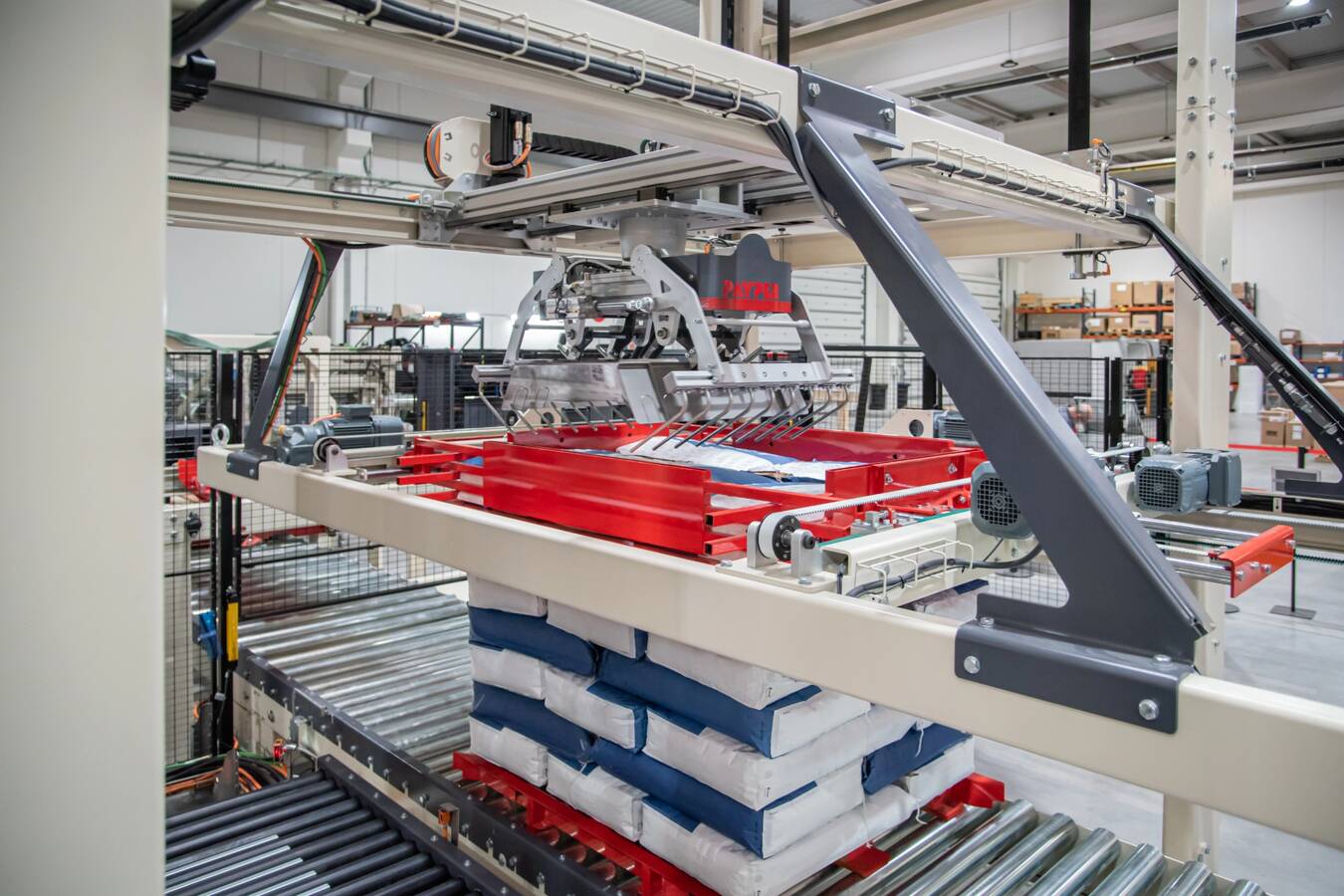
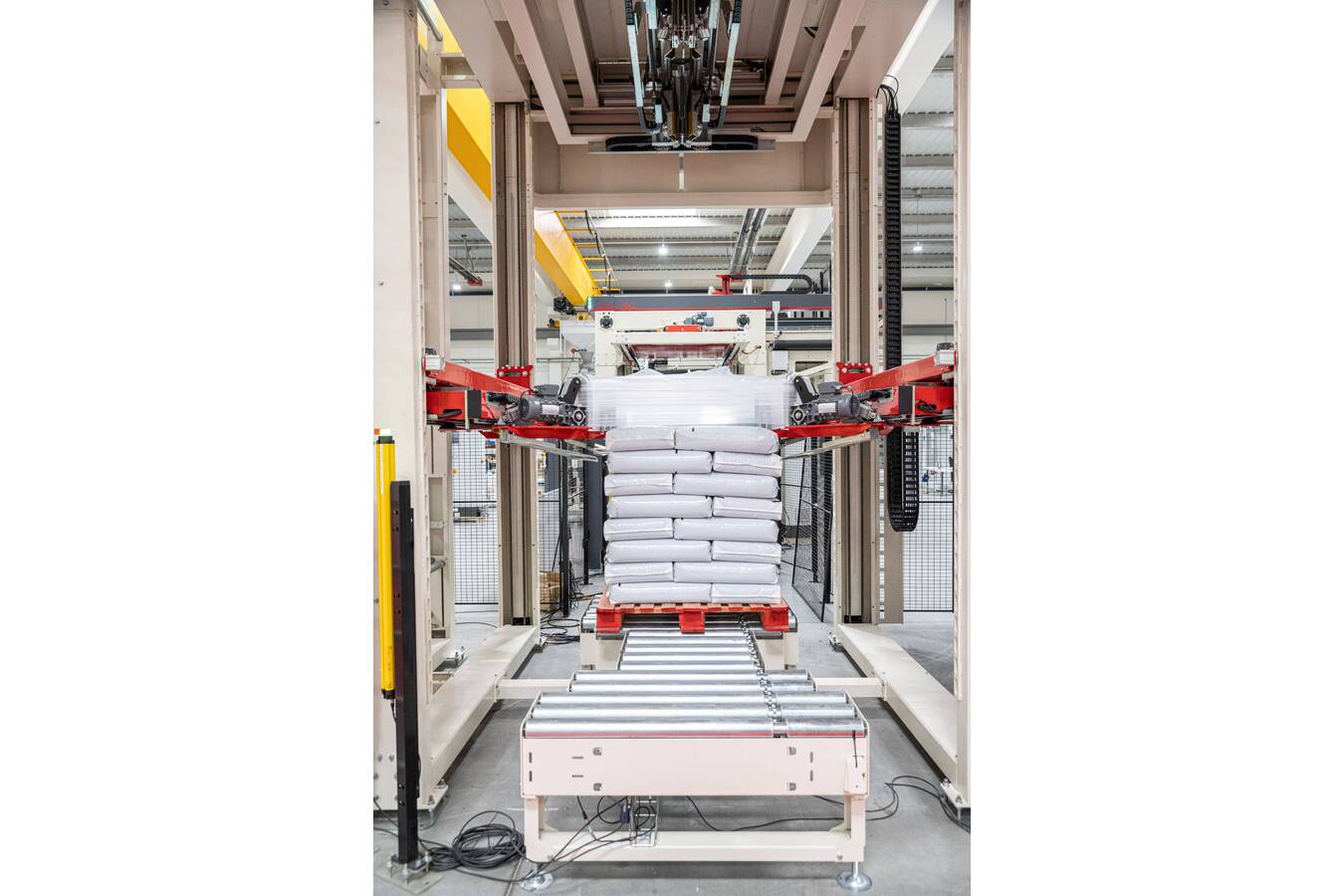
PAYPER offers automatic, conventional and robotic palletizing solutions, adapted to each type of bag, production rate and space. What is a palletizer? Before going into detail about the different types of bag palletizing solutions available, we want to clarify exactly what this technology is for. A palletizer refers to an automated system used at the end of the production line to place bags on a pallet in an orderly manner, creating stable, secure loads that are ready for storage, handling, or transport. Its main function is to automate the palletizing process, reducing manual intervention, optimizing operating times, and improving ergonomics and safety in the industrial environment. To achieve this, there are different types of palletizing solutions that can be adapted to multiple sectors and production needs. Types of palletizing solutions In general terms, bag palletizers can be divided into two big categories: conventional palletizing and robotic palletizing. Each of these systems offers different features that make them more suitable depending on variables such as bag format (Valve
10.11.2025  |  487x  |  Product description  | 
How to choose the best pallet protection system for your plant Compare Stretch Hooding, Rotary Ring & Turntable wrappers to find the best pallet protection for your plant’s speed, load, and storage needs.
How to choose the best pallet protection system for your plant
Compare Stretch Hooding, Rotary Ring & Turntable wrappers to find the best pallet protection for your plant’s speed, load, and storage needs. Protecting palletized goods is essential but not every solution fits all production environments. Here’s a quick comparison of three key technologies to help you choose the most suitable system: Stretch Hooding, Rotary Ring Wrapping Machine, and Turntable Wrapping Machine. Speed & Production Capacity: - Stretch Hooding leads in speed, handling up to 120 pallets/hour — ideal for high-volume lines. - Rotary Ring Wrapper handles up to 50 pallets/hour. - Turntable Wrapper suits lower output, up to 30 pallets/hour. Load Stability & Protection: Stretch Hooding offers superior load stability and full protection against dust, humidity, and UV rays, making it ideal for outdoor storage. The other two provide solid indoor protection, depending on wrap layers and tension. Adaptability & Branding: Stretch Hooding adapts well to irregular loads and allows for branded, pre-printed film — perfect for consumer-facing industries. The other systems are best for standard,
20.07.2025  |  939x  |  Product description  | 
PORTALS
BulkSolids-Portal Schuettgut-Portal Recycling-Portal
Related
Bulkgids.nl
SIGN UP FOR OUR NEWSLETTER
Newsletter archive
Service and contact
ContactDisclaimerPrivacyAdvertising
FOLLOW US
Linked