Production is running at full capacity. Raw materials are milled, mixed and processed, with each stage relying on the next. Then, without warning, a disruption brings operations to a halt. Silos are blocked, conveying systems stop, maintenance teams are called in, and valuable production time is lost.
These situations are far from unusual in processing and manufacturing. When equipment goes down, the impact extends well beyond lost output. It can also lead to higher operating costs, unexpected maintenance and delayed deliveries. One of the most common yet underestimated causes behind these issues is poorly controlled humidity.
When moisture disrupts production
A typical example can be seen in the pneumatic conveying of powders and granulates. As pressure increases within the conveying line and temperatures fluctuate, relative humidity can rise in localised areas. The result is condensation.
Once moisture comes into contact with the product, several problems can occur. In the worst cases, this can lead to unplanned downtime, damage to system components and costly maintenance intervention. Problems may be:
- Powders begin to clump
- Materials stick to pipework
- Deposits build up
- Conveying lines become blocked
The challenges of storage and silo applications
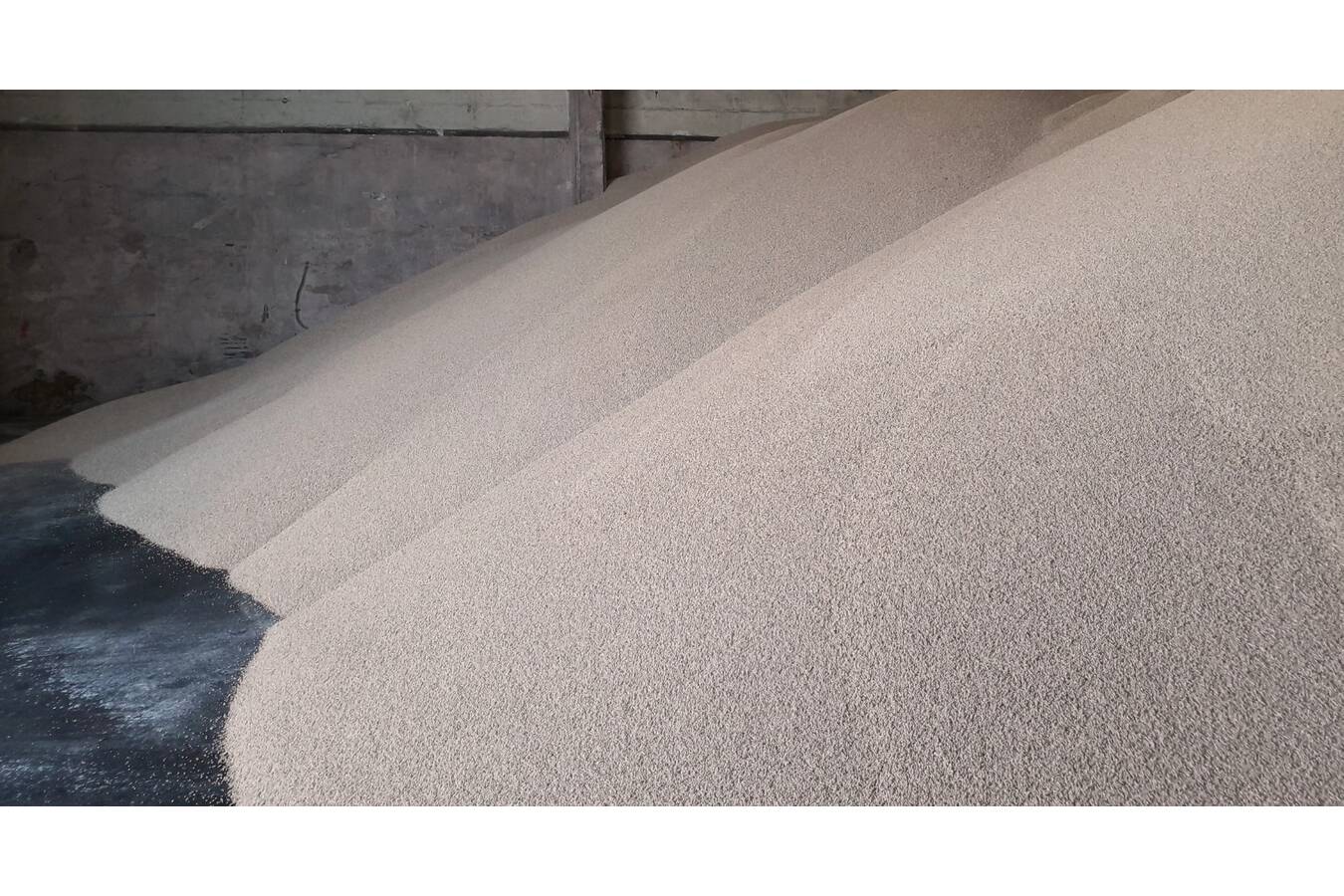
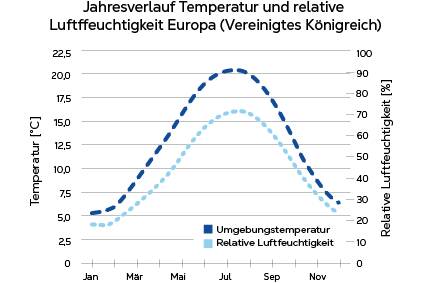
Humidity also has a major influence on raw material storage. Temperature differences between day and night can cause fluctuations in relative humidity inside silos, creating unstable storage conditions.
Alongside the impact on product quality, these conditions can also create safety risks, such as uneven load distribution within the silo. This can lead to:
- Moisture absorption by stored products
- Reduced flowability
- Build-up on silo walls
- An increased risk of mould growth
The solution: precise humidity control
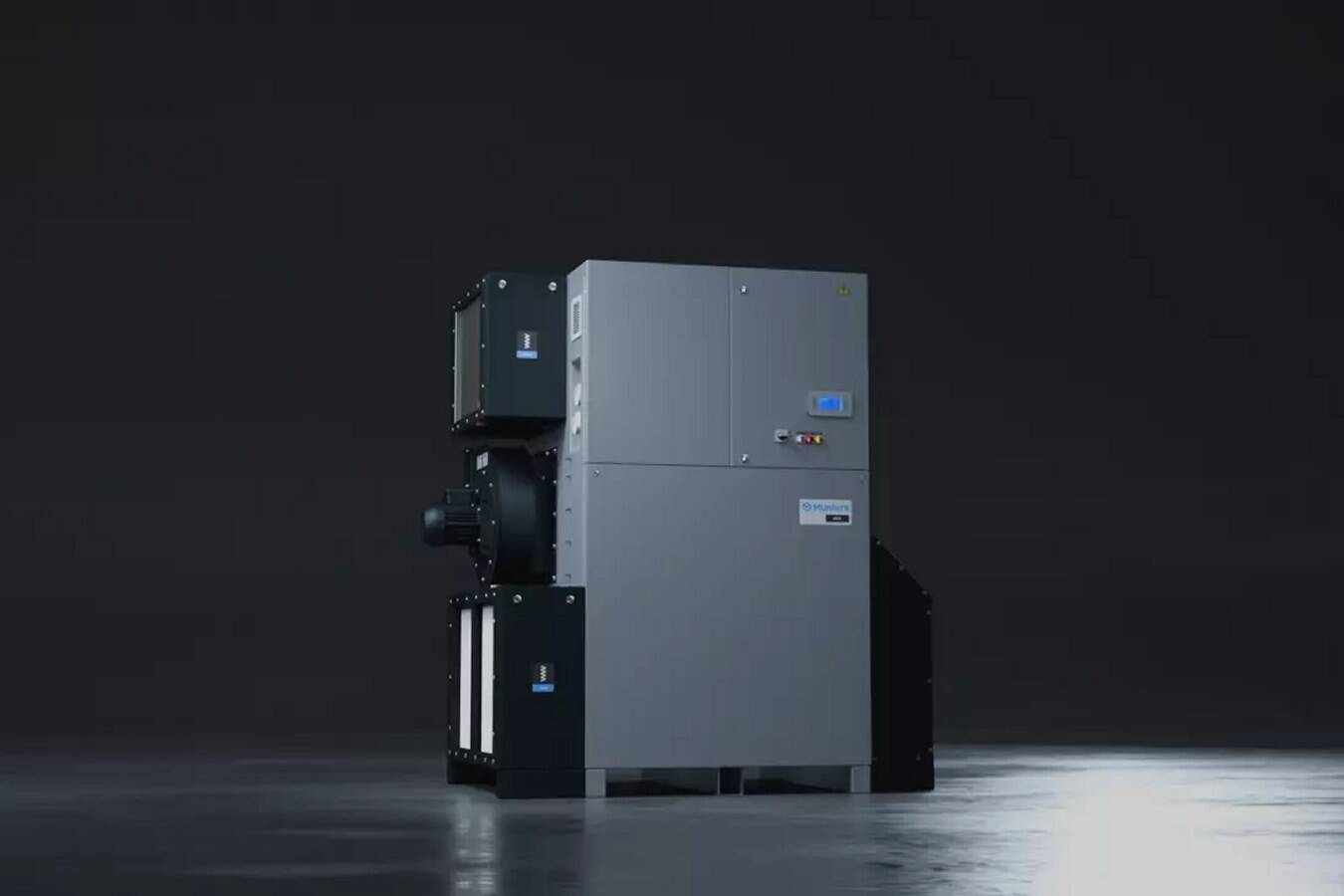
Maintaining the right humidity level is essential for stable, efficient production. Dehumidification systems are designed to control air conditions precisely, helping manufacturers to avoid moisture-related disruptions before they occur.
Before compression, process air is dried to ensure it does not reach critical moisture levels, even under pressure. In silo applications, dry air helps maintain stable storage conditions regardless of changes in the outside climate. Key benefits include:
- Consistently low moisture levels in conveying air
- Prevention of condensation in pipework
- Protection of product quality
- Reduced risk of unplanned downtime
Improved efficiency and greater process reliability
Humidity may often be overlooked, but with the right control strategy it becomes a manageable factor that supports smoother, more reliable production.
By using dehumidification systems, manufacturers can benefit from:
- Higher equipment availability
- More stable, predictable processes
- Lower maintenance costs
- Improved product quality and output