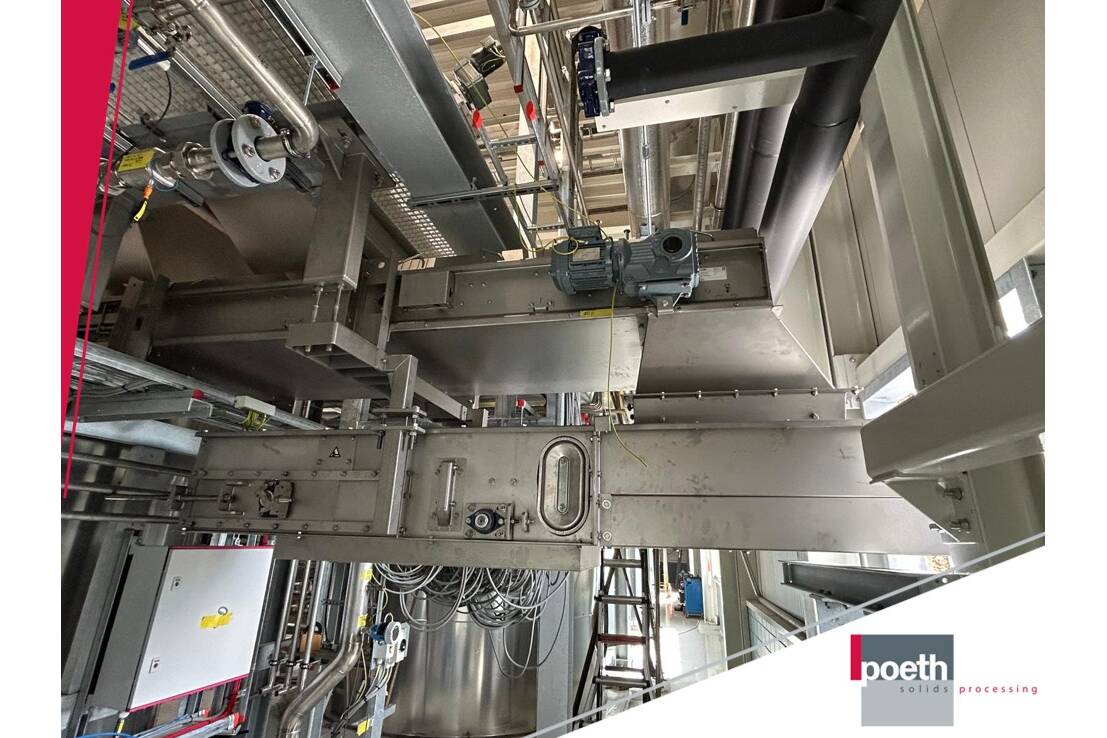
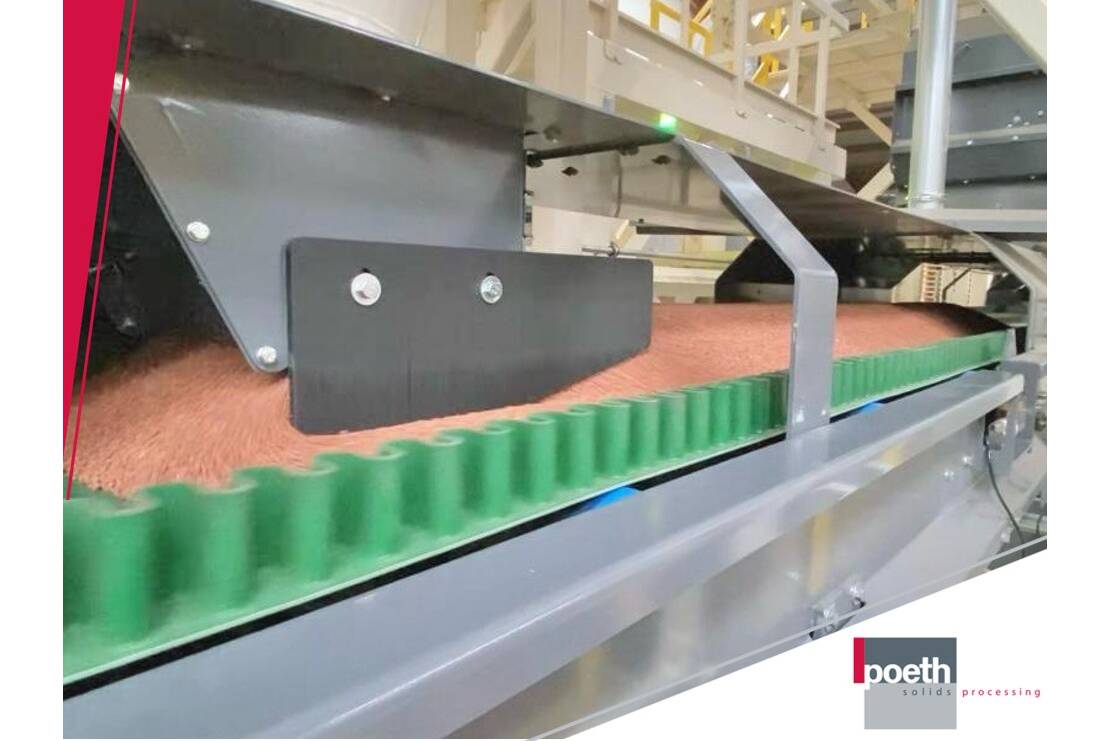
Poeth Inline belt weighing system
Belt weigher
Reliable Conveyor Belt Weighing for Demanding Bulk Handling Environments
In bulk material handling, insight into material flow is not optional—it is essential. Whether in mining, recycling, cement, or food processing, operators rely on accurate and continuous weighing data to keep processes stable, efficient, and under control.
Conveyor belt weighing systems (belt weighers) are a proven solution to measure material flow directly on the conveyor. By providing real-time data without interrupting the process, they form a critical link between production and process control.
Designed for Accuracy in Real-World Conditions
In practice, achieving reliable weighing results on a conveyor is not just about placing a scale under a belt. External influences such as vibrations, belt tension, material build-up, and environmental conditions all impact measurement accuracy.
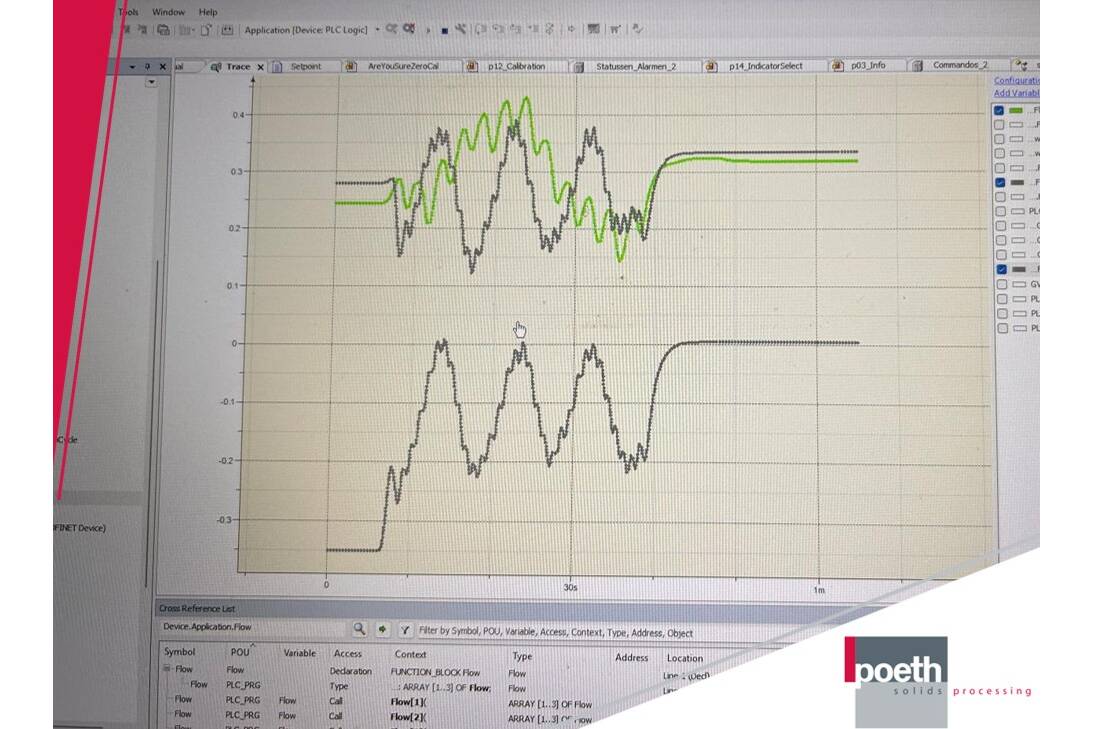
A well-designed belt weighing system combines robust mechanics with high-quality signal processing. At the core of the system, a dedicated weighing controller translates load cell signals and belt speed into stable and accurate flow data. Advanced filtering and compensation techniques ensure consistent performance—even under fluctuating loads and harsh operating conditions.
Depending on the application, installation quality, and calibration, modern conveyor belt weighing systems typically achieve accuracies in the range of ±0.25% to ±1% of totalized weight. In controlled conditions, even higher accuracy levels can be reached, while in more demanding environments, system design and proper installation remain key to maintaining reliable performance.
This approach ensures that measurement data can be trusted—not only in ideal situations, but in day-to-day industrial reality.
From Measurement to Process Control
Modern belt weighing systems go beyond simple indication. They provide actionable data that can be directly integrated into plant control systems.
This enables:
Continuous monitoring of material flow (e.g. t/h)
Real-time process adjustments to prevent over- or underfeeding
Accurate totalizing for reporting and inventory control
Stable feeding processes in combination with dosing or feeding equipment
By delivering consistent and reliable data, belt weighers contribute directly to process optimization and operational efficiency.
Flexible Solutions for Different Industries
No two applications are the same. A belt weigher in a quarry faces completely different challenges than a system in food processing or recycling. That is why flexibility in design and configuration is key.
Typical applications include:
Bulk material handling in mining and aggregates
Cement and building materials production
Recycling and waste processing installations
Agricultural and food industry processes
Each solution requires the right balance between mechanical design, sensor technology, and signal processing to achieve optimal performance.
Built for Integration and Longevity
In modern installations, belt weighing systems are part of a larger automated environment. Seamless integration with PLC or SCADA systems ensures that weighing data becomes a valuable part of the overall process.
At the same time, reliability and long-term stability remain essential. Industrial-grade components, combined with stable electronics and intelligent diagnostics, help minimize downtime and reduce maintenance requirements. Regular calibration and verification remain important to sustain performance over time.
Conclusion
Accurate conveyor belt weighing is the result of more than just measurement—it is the outcome of a well-engineered system. With typical accuracies ranging from ±0.25% to ±2 %, belt weighers provide reliable insight into material flow when properly designed, installed, and maintained.
By combining robust mechanical design with advanced signal processing and reliable control technology, they form the foundation for efficient and controlled bulk material handling—where every ton counts.