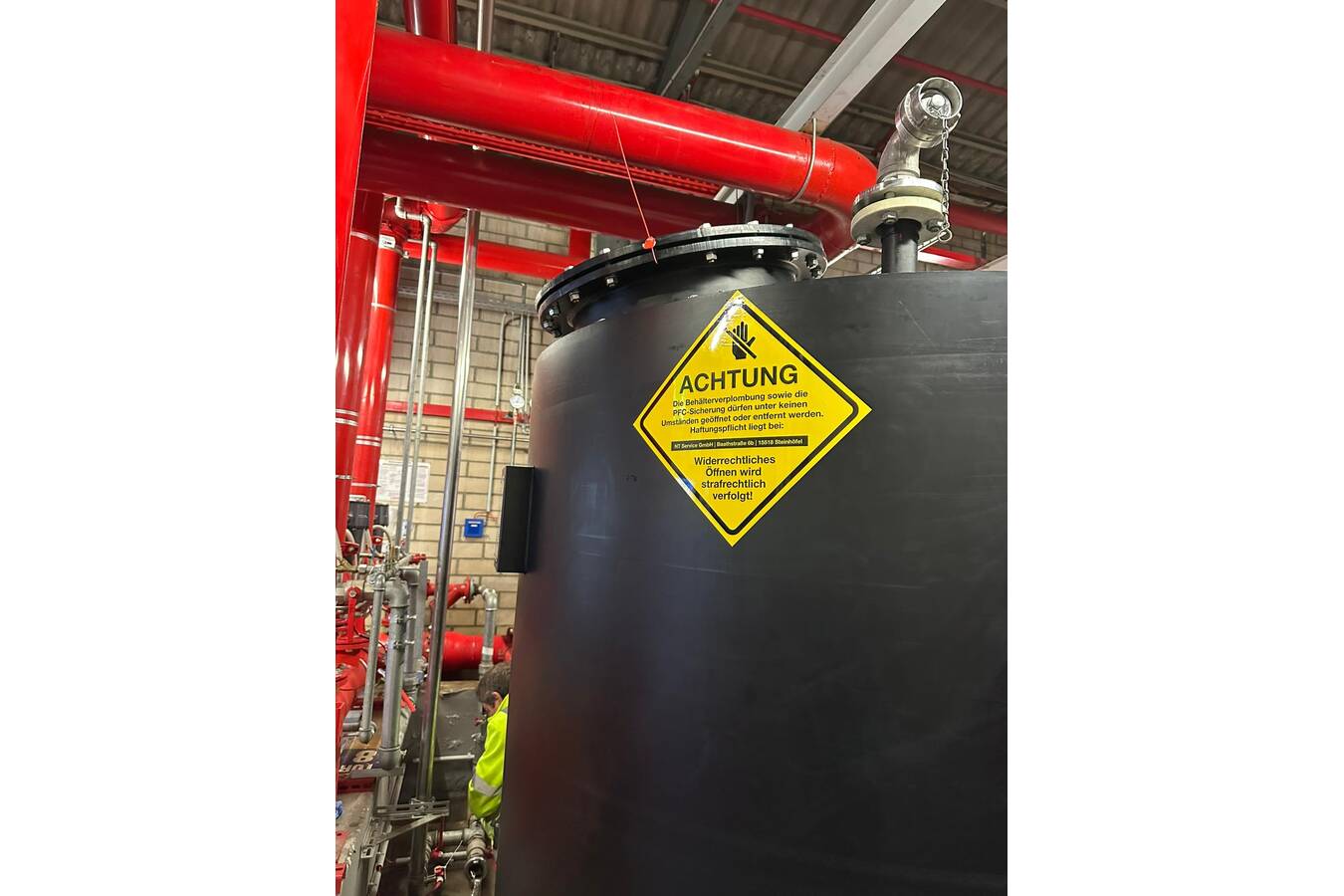
What initially appeared to be a niche issue of chemical regulation has now become one of Europe’s largest industrial remediation challenges. PFAS, the so-called “forever chemicals,” have been strictly banned under the EU POP Regulation (EU) 2019/1021. As a result, countless companies are suddenly required to inspect and decontaminate their fire suppression systems, tanks, and piping networks for fluorinated residues—regardless of whether they handle bulk materials, chemicals, or technical liquids.
NT Service GmbH, based in Brandenburg, has emerged as Europe’s leading specialist in PFAS/PFC decontamination for industrial fire protection systems. The company offers complete chemical-physical cleaning, laboratory analysis, and legally compliant documentation for major industrial and energy facilities.
Regulatory Pressure: POP Regulation Hits Industry Hard
The POP Regulation strictly mandates that operators remove fluorinated foams and their residues from operational systems. Even minimal contamination in tanks or pipelines may constitute a violation of EU law, leading to immediate consequences for liability, insurance coverage, and operating permits.
”Many operators still underestimate the scope of these obligations,” says Matthias Natusch, Managing Director and publicly appointed expert witness. ”As soon as a foam concentrate contains or once contained PFAS, the entire system is potentially contaminated. Any refilling with fluorine-free foam without prior decontamination can be legally classified as mixed operation—a clear violation of the POP Regulation.”
A Process that Sets New Standards
NT Service GmbH has developed a scientifically validated decontamination process that covers the entire remediation workflow, providing full compliance with POP, REACH, and water legislation:
- System analysis and risk assessment according to POP, REACH, and WHG
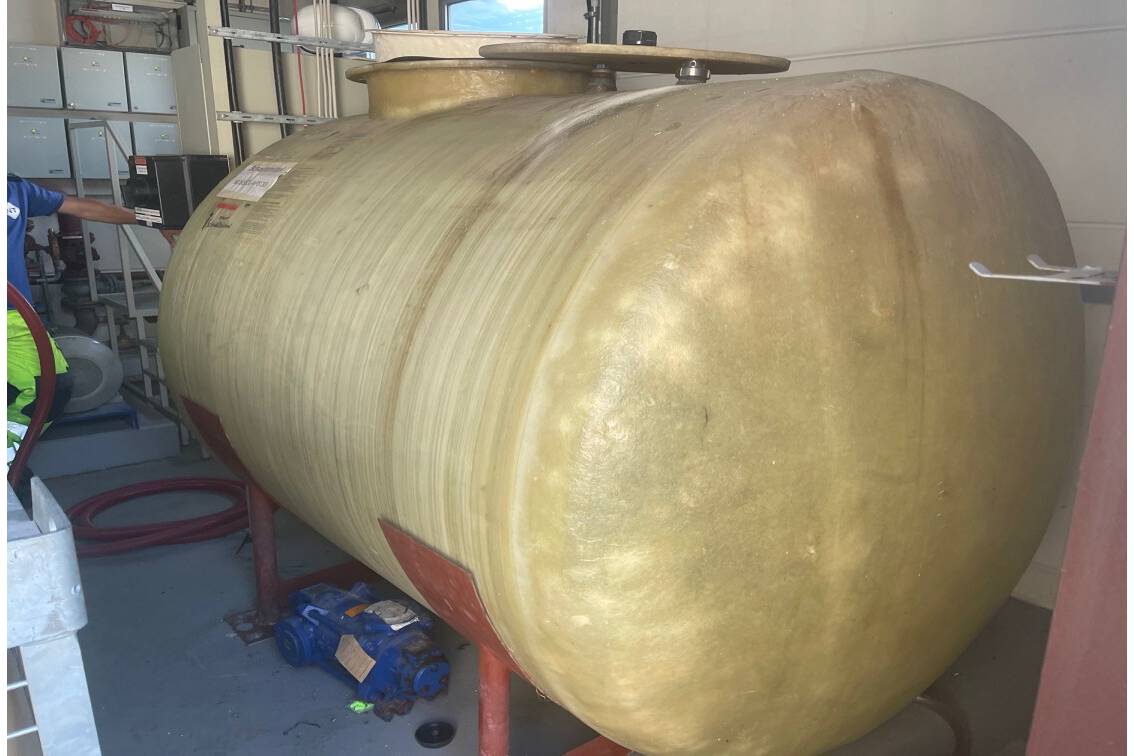
- Targeted decontamination of tanks, proportioning systems (e.g., FireDos, Blendor), and—if necessary—pipe networks
- Analytical verification via accredited laboratories (LC-MS/MS, TOPA, EOF/AOF)
- Legally binding clearance certificate for submission to authorities, insurers, and auditors
The process has been successfully implemented in numerous European projects, including at Bosch, Porsche, Volkswagen, Aurubis, BASF, EDEKA, and Wacker Chemie. Follow-up analyses confirmed: No PFAS detected – all values below the analytical detection limit.
Endorsed by VdS, Insurers, and Expert Institutions
The company’s achievements have drawn significant attention: NT Service GmbH is officially recommended by VdS Schadenverhütung, leading liability insurers, independent expert networks, and sprinkler system manufacturers such as Minimax and Johnson Controls. This institutional recognition underscores that PFAS decontamination is no longer a niche topic, but a core component of industrial compliance.
Industry and Bulk Materials: Hidden Connections
Although PFAS contamination primarily affects fire suppression systems, bulk material and storage facilities are indirectly impacted—through connected firewater networks, tanks, and integrated safety systems. Fluorinated residues can enter production areas via rinse water or aerosols, linking fire protection, environmental technology, and bulk material handling into a shared compliance challenge. The POP Regulation therefore reaches deep into industrial operations—far beyond chemical plants, influencing physical processes, material logistics, and even inertization systems.
Legal Security and Liability Protection
The key advantage for operators: Upon successful decontamination, NT Service GmbH issues a legally defensible clearance certificate, providing proof of complete PFAS removal in the event of regulatory inspection or litigation. ”Failure to provide this proof can result in shutdowns, fines, or liability claims,” Natusch emphasizes. ”Our method relieves operators on a technical, legal, and insurance level—that’s our unique selling point.”