Simulation in all its facets: Discover it in the new CADFEM Journal
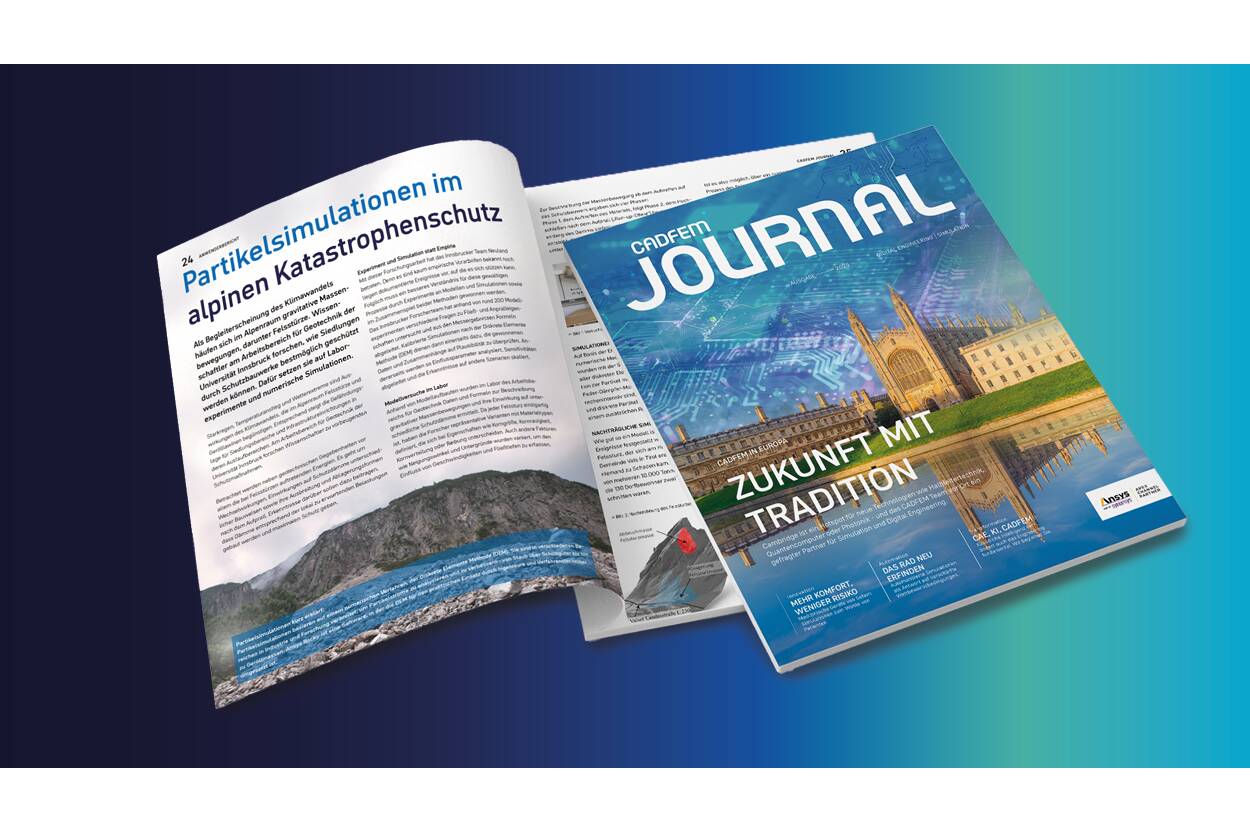
The CADFEM Journal provides a wide range of insights into the world of simulation: practical applications, tips, industry news. Read it now for free.
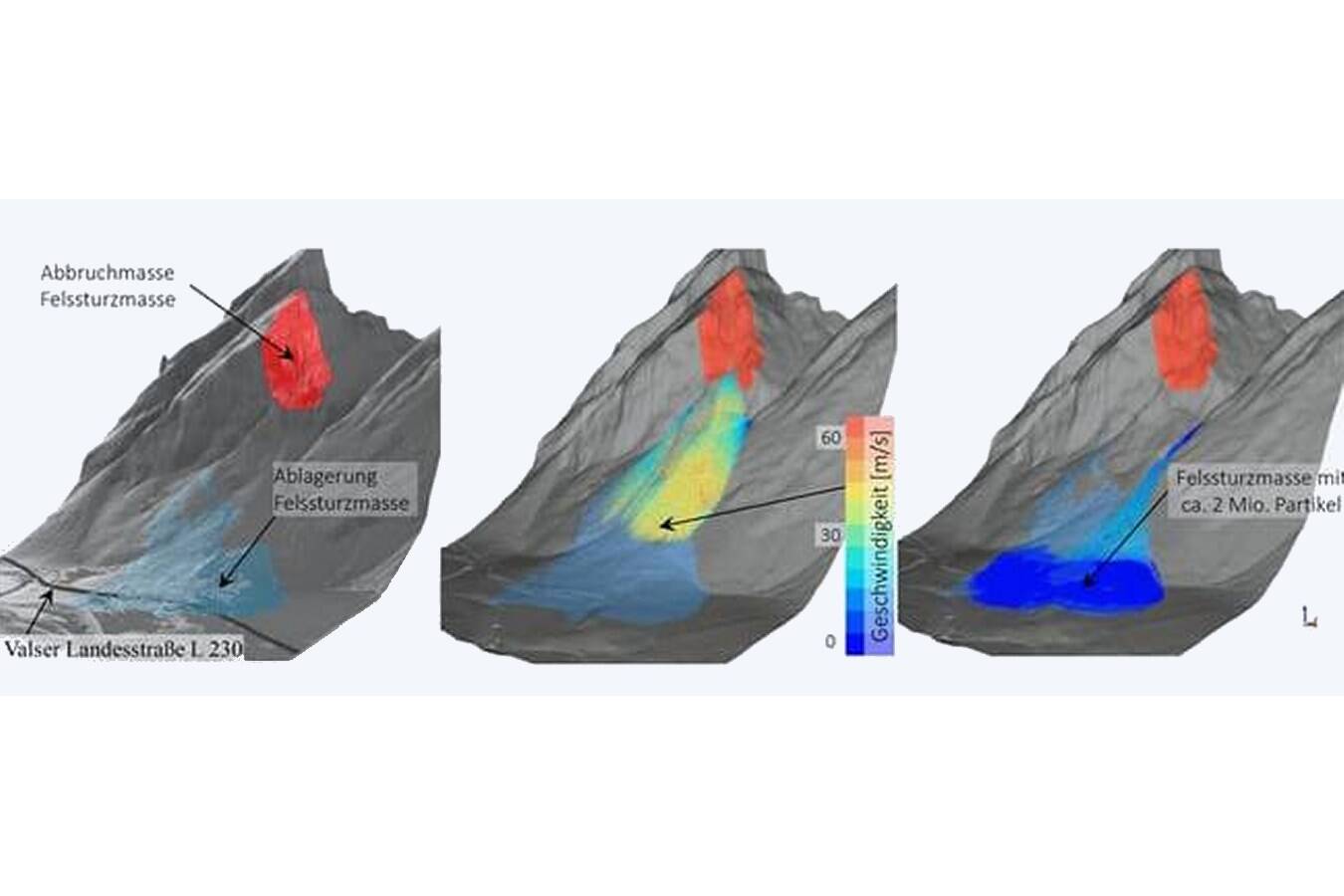
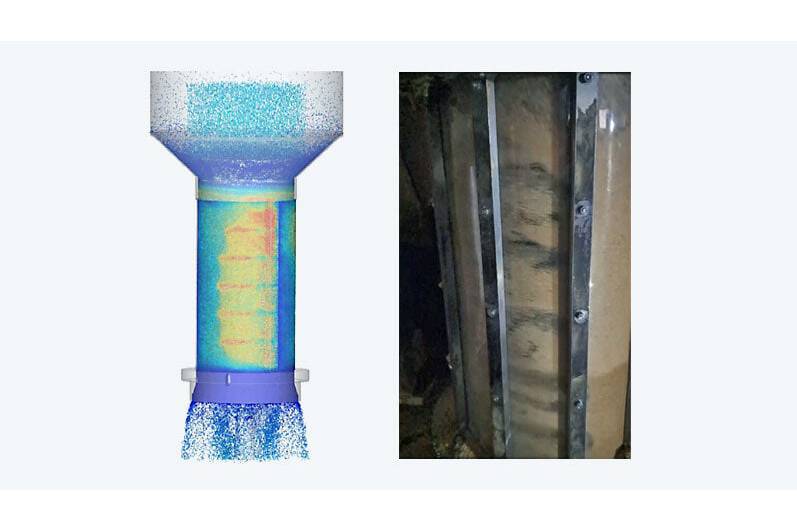
The CADFEM Journal also presents a very special simulation application: Scientists at the University of Innsbruck are simulating the descent of debris avalanches and rockslides in order to derive the design of effective protective structures against such phenomena, which are becoming more frequent in the Alpine region as a result of climate change.
At first glance, the applications in component development at GEMÜ and bicycle frame design at Radiate appear rather conventional. What is unusual about them is the high degree of automation in the simulation processes. The article by GEMÜ also describes how the integration of AI relieves designers of routine tasks related to the verification of valve bodies.
Simulation in future technologies
Semiconductors, photonics, high-frequency technology – these technologies are not only shaping the (near) future, they have long been under intensive development, for example in the field of quantum computers. Cambridge is a European hotspot, which is why CADFEM UK has relocated there. The cover story of the CADFEM Journal explains which skills of the CADFEM team are particularly in demand among the many young high-tech companies in the new neighborhood.
The recent acquisition of Ansys, Inc., a market leader in simulation technology and a long-standing CADFEM partner, by Synopsys, Inc. is further evidence of the growing convergence between physical simulations and semiconductor technology. In the latest issue of the journal, Matthias Alberts, Director of CADFEM Europe, discusses what this much-publicized merger means for CADFEM and its customers.
Behind the scenes of CADFEM Digital Learning Lab
CADFEM’s goal is to master both classic and new simulation applications, thereby becoming a strong partner for its customers across the entire spectrum of simulation in product development. This philosophy is also reflected in CADFEM’s continuing education program, which comprises over 120 different seminars.
Around half of these are already available as e-learning courses in several languages. In this interview, Markus Kellermeyer explains how these courses are created in the CADFEM Studio, the digital learning lab set up specifically for this purpose at CADFEM headquarters in Grafing. He is the CADFEM employee who initiated this offering and continues to spearhead its development to this day.