Why Do Calibration Weights Have Their Iconic Shape?
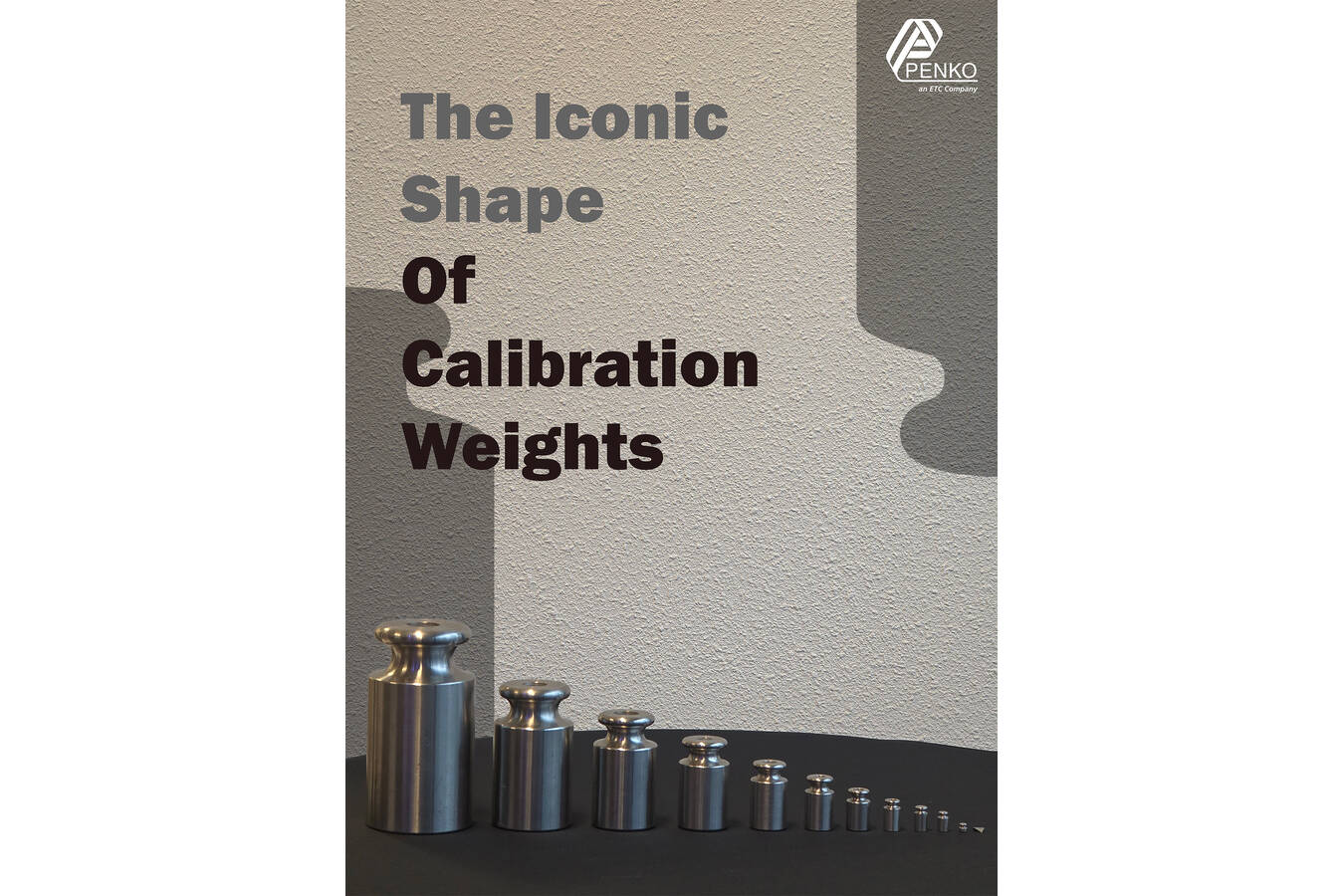
The shape of calibration weights is not just iconic, it serves a purpose.
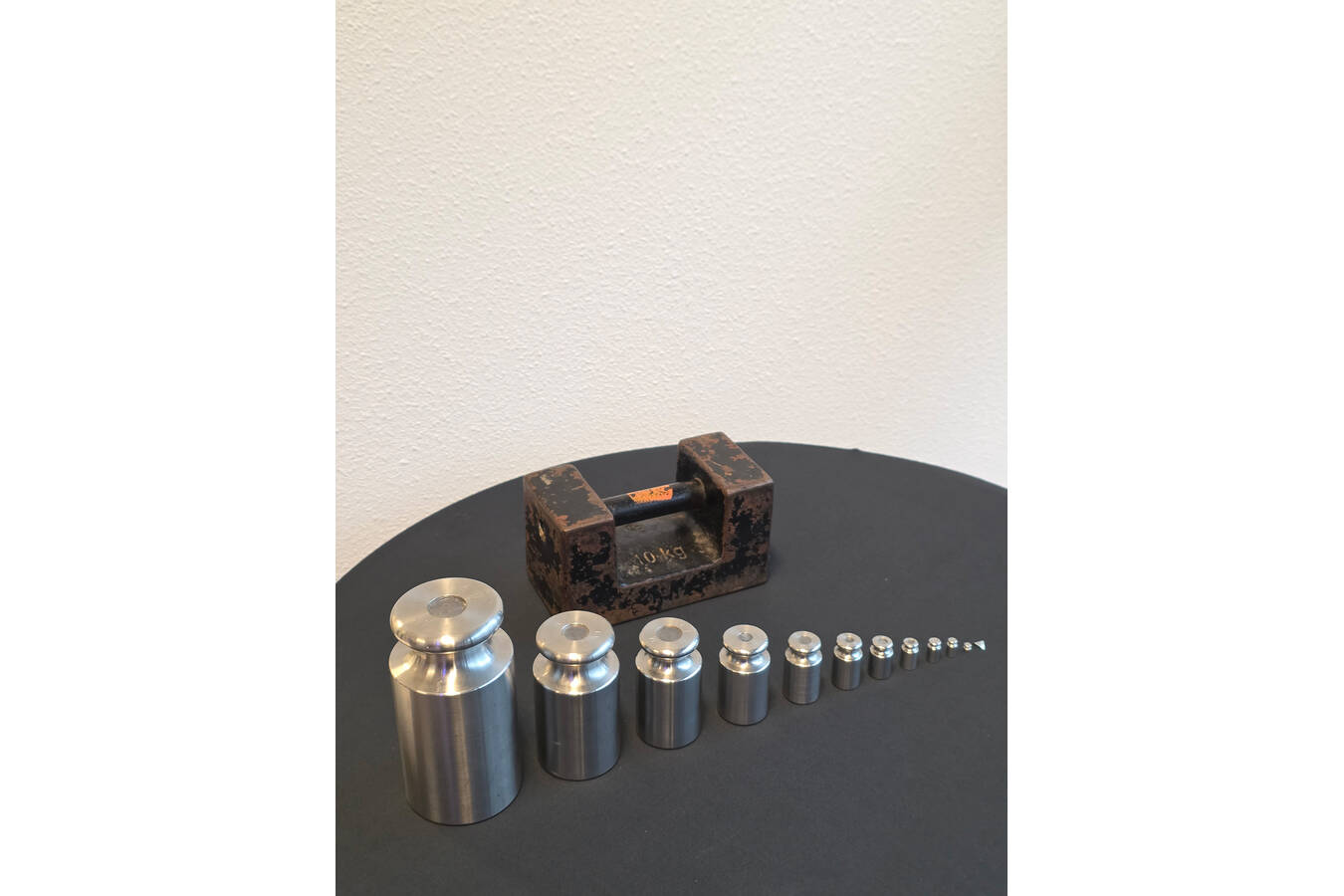
Calibration weights play a vital role in ensuring accurate measurement. From heavy industrial scales measuring thousands of kilograms to precision laboratory balances measuring fractions of a gram, calibration weights are essential for maintaining reliability and consistency.
But have you ever wondered why calibration weights have such a distinctive and recognizable shape?
Designed for Accuracy and Stability
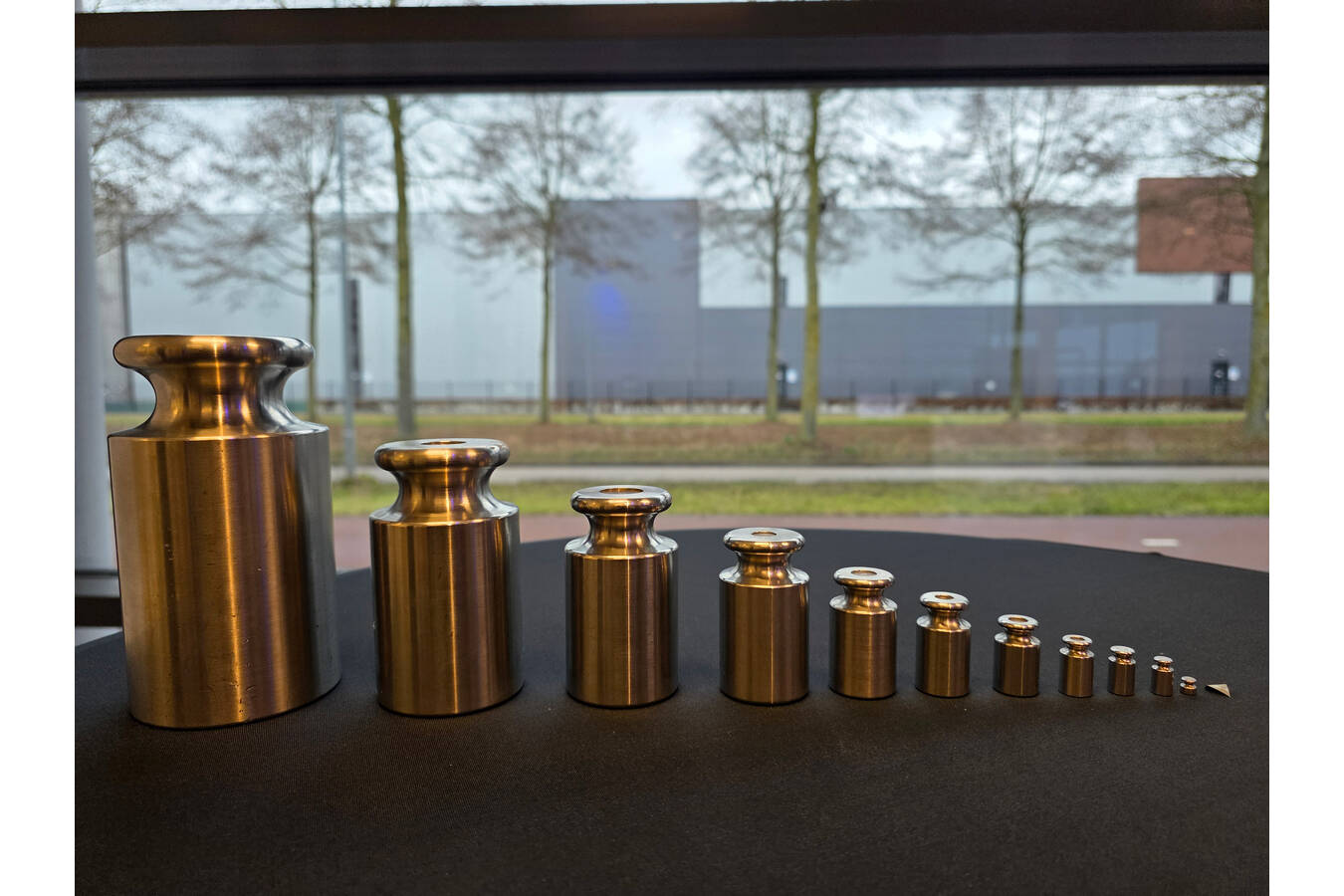
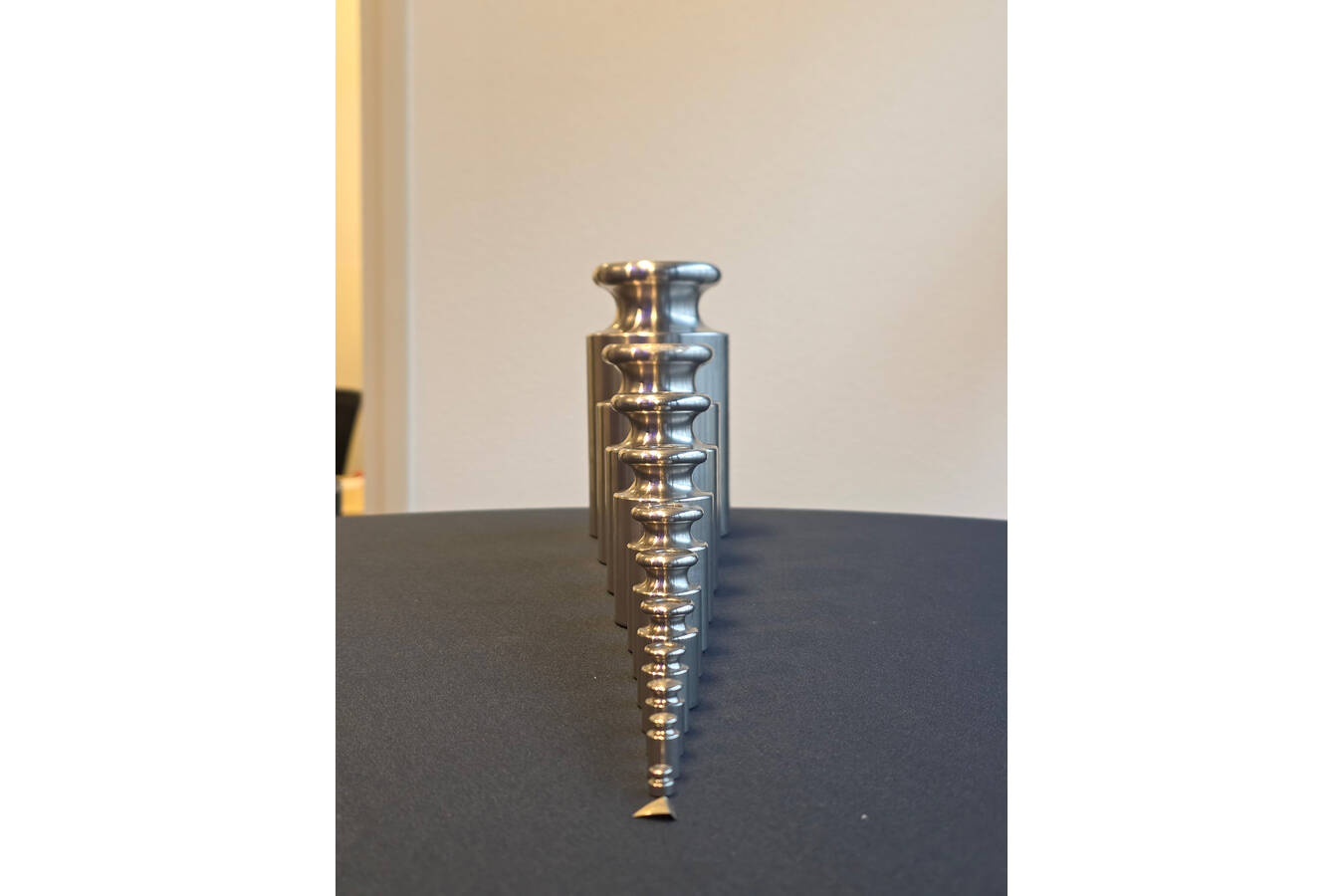
The iconic cylindrical form with smooth surfaces and minimal sharp edges is not a coincidence. Every aspect of the design serves a purpose. The smooth shape reduces the surface area where contamination, corrosion, or physical damage could compromise the integrity of the weight. Sharp corners and edges are more vulnerable to wear and environmental impact, which could subtly alter mass over time. By minimizing these features, manufacturers help ensure long-term accuracy.
Additionally, the low center of gravity and balanced geometry provide excellent stability when placed on a scale, reducing the risk of tipping or measurement inconsistencies.
The Functional Knob Design
Many calibration weights feature a distinctive knob or grip at the top. This allows for safe and easy handling, especially for larger weights. For smaller precision weights, handling is often done with tweezers rather than bare hands. This is because even small amounts of oil, moisture, or dirt from human skin can affect highly sensitive measurements. The design therefore supports both practical handling and protection of accuracy.
Carefully Selected Materials
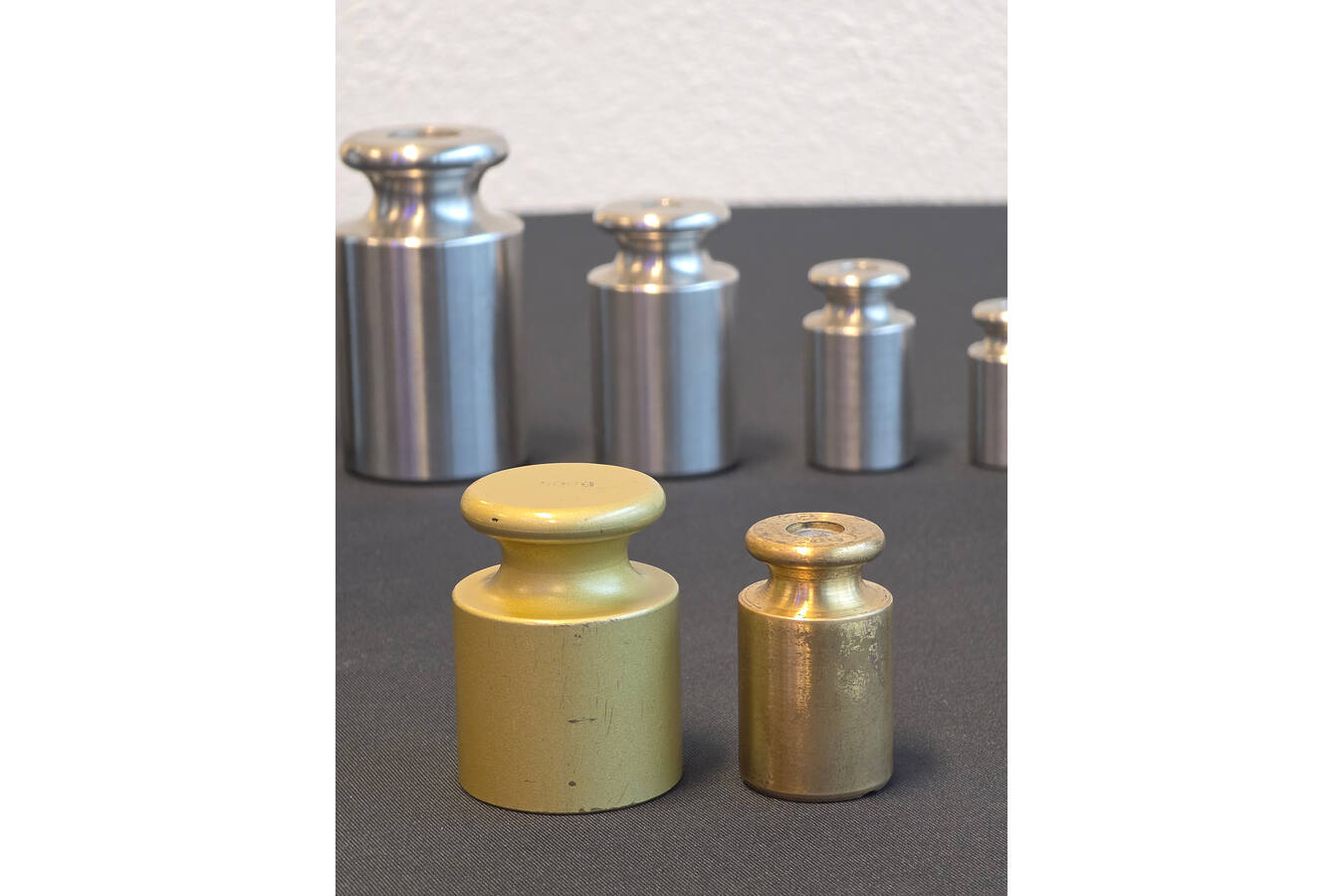
The materials used for calibration weights are chosen with great care. They must be durable, resistant to corrosion, and minimally affected by magnetism, all while maintaining dimensional stability over time.
Commonly used materials are brass, stainless steel and cast iron typically used for heavier grip-handle weights.
Each material is selected based on the required accuracy class and application environment.
Calibration weights are Precision Tools
Unlike gym weights, calibration weights are precision instruments. They must always be handled carefully to avoid scratches, contamination, or deformation that could affect their mass.
Proper storage, cleaning procedures, and periodic recalibration are essential to maintaining their certified accuracy.
Mass vs. Weight: An Important Distinction
It is also interesting to clarify a common misconception: calibration weights are manufactured to represent a specific mass, not a specific weight.
Mass is a constant property of matter, while weight depends on gravitational force, which varies slightly depending on geographic location. Calibration standards are therefore based on mass, ensuring consistent reference values regardless of where the weight is used.