Pelletising manure makes excess nutrients transportable. Precise moisture measurement in the process is crucial for efficiency and product quality, especially in energy-intensive drying processes.
Manure surpluses as a structural challenge
In regions with high livestock density, significantly more nutrients are produced than can be applied locally. Slurry therefore needs to be processed, concentrated and marketed beyond the region to meet environmental regulations and secure value creation.
Pelletisation as the key to marketability
Pelletisation reduces volume and weight, improves storage stability and enables export to regions with nutrient demand. At the same time, requirements for process stability and consistent product quality increase, particularly with regard to moisture content.
Why moisture is the critical parameter
Water content affects drying energy consumption, pellet strength and storage stability. Deviations lead to higher costs, quality losses or rejects and directly impact the economic performance of the plant.
Moisture measurement in the ongoing process
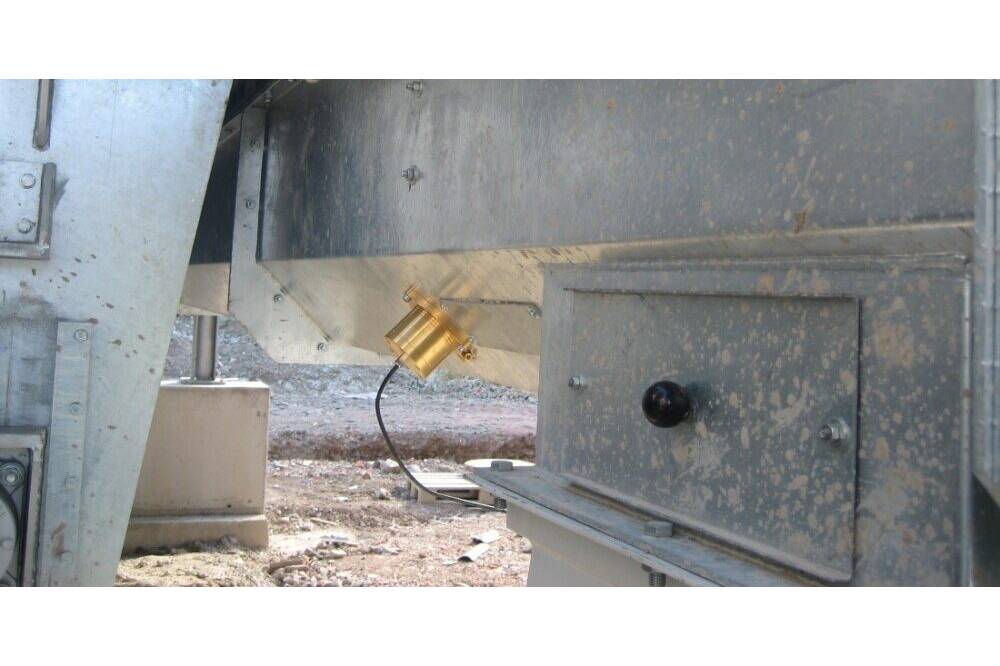
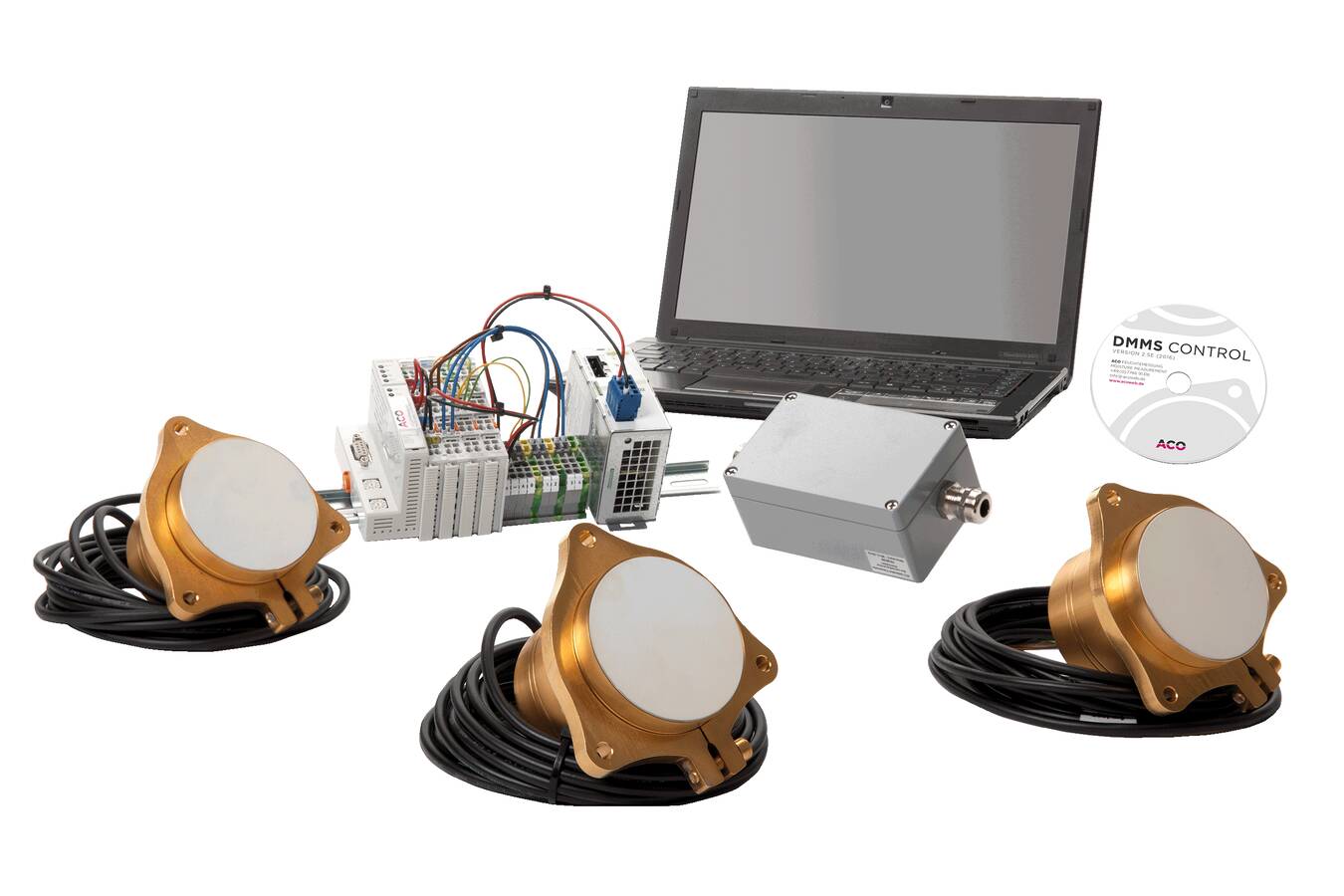
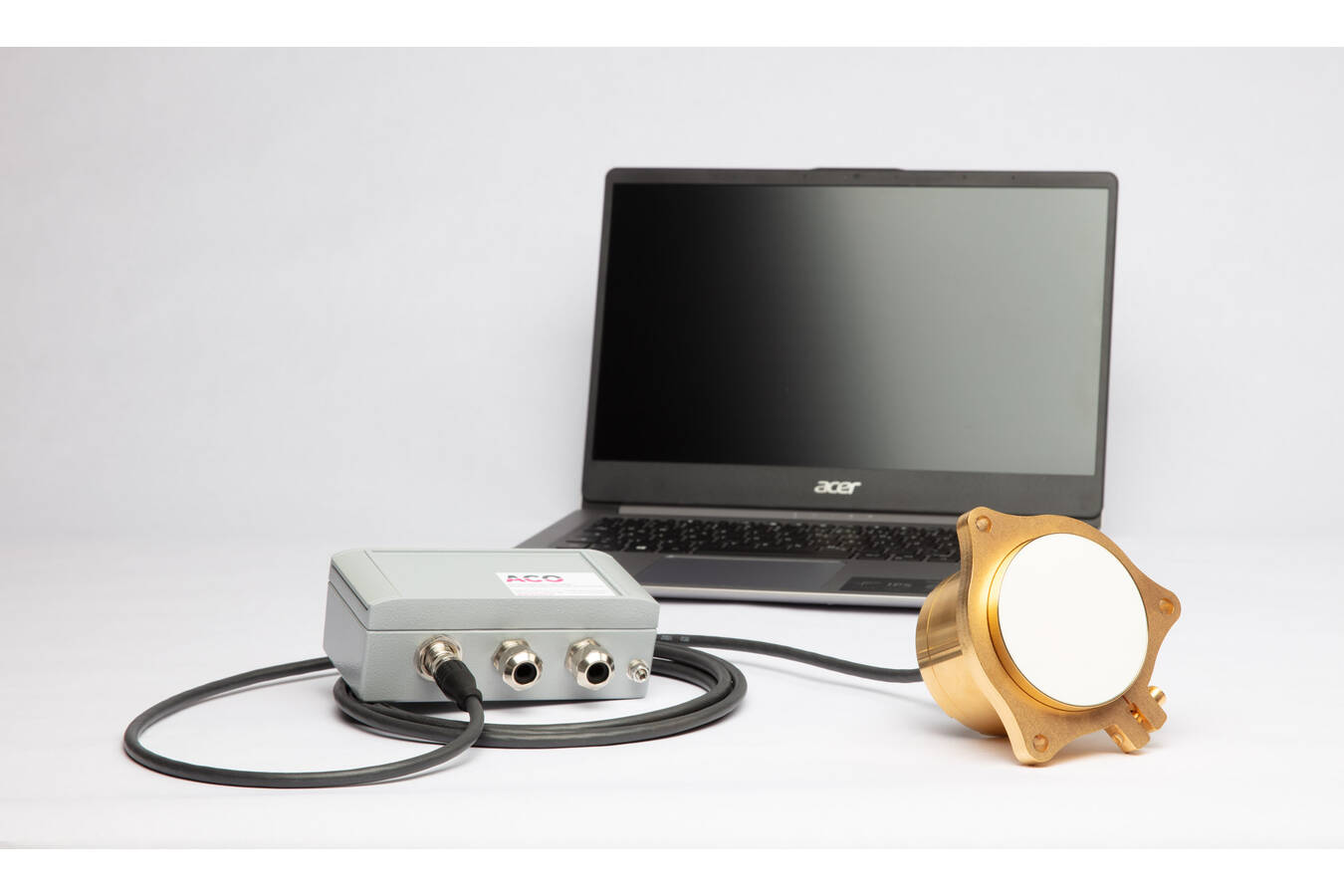
Modern moisture measurement systems continuously record water content in the material flow. The measured values serve as control variables for dryers, mixers or presses and enable dynamic adjustment to fluctuating input materials.
Benefits of continuous moisture control
- Reduced energy consumption through demand-based drying
- Consistent pellet quality despite varying raw materials
- Less reject material and rework
- Higher process stability and plant availability
Contribution to sustainability and export capability
Precise moisture measurement not only lowers operating costs but also supports sustainable nutrient cycles. Pelletised manure thus becomes a standardised, tradable product with clearly defined properties.
Conclusion for plant operators
Anyone aiming to pelletise and market manure successfully cannot do without reliable moisture measurement. It is a key tool for aligning energy efficiency, product quality and economic viability.